Оригинал материала
SYSTEMS OF LIABILITY
Text content:
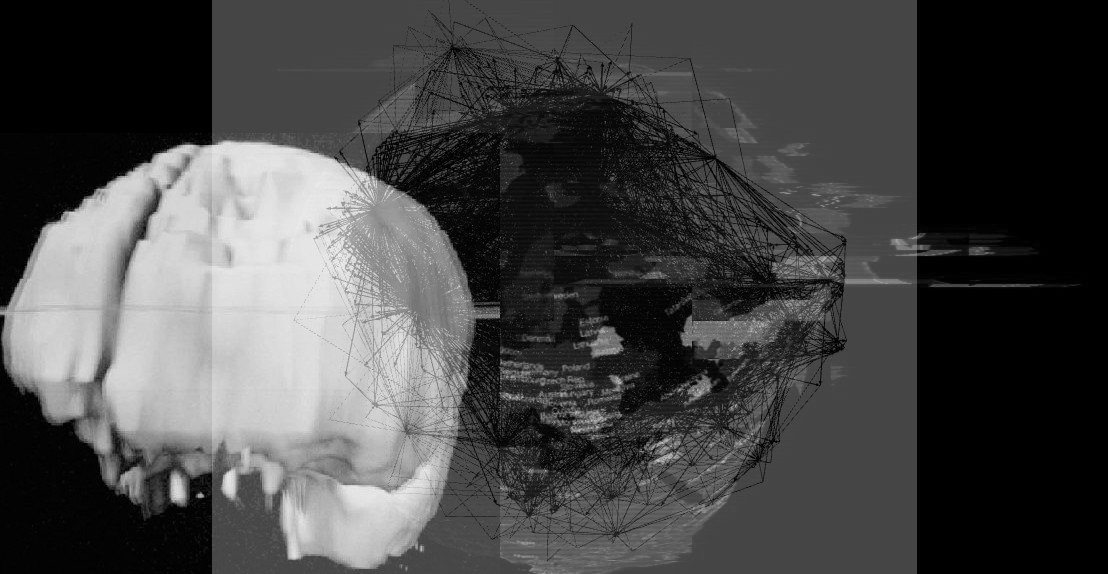
SYSTEMS OF LIABILITY — the neo-colonial suppression of the russian federation on the border territories.
How the Russian military-industrial complex bypasses sanctions?
TOTAL VOLUME OF RUSSIAN IMPORT
LIST OF PARTNER countries of the russian military-industrial complex.
SOURCES
What do we see on the arms and components supply map?
Erased borders.
Hybrid regimes of map blurring by transnational capitals and neocolonial logics of subordination.
Flexible modulation of transnational military contractors' command networks in a state of permanent war.
Networks of a global empire of military concerns and their cross-national connectedness.
Networks materialize their boundaries through the detailing of connections, names, addresses, and nuanced logistics.
The network should be treated as a process and technology with algorithms of action but not as an object.
A worldwide war condition blurs the distinction between war and non-war, where "war becomes the basic principle of the organization of social life, and politics is only one of its instruments or embodiments" (A. Negri, M. Hardt "Empire")
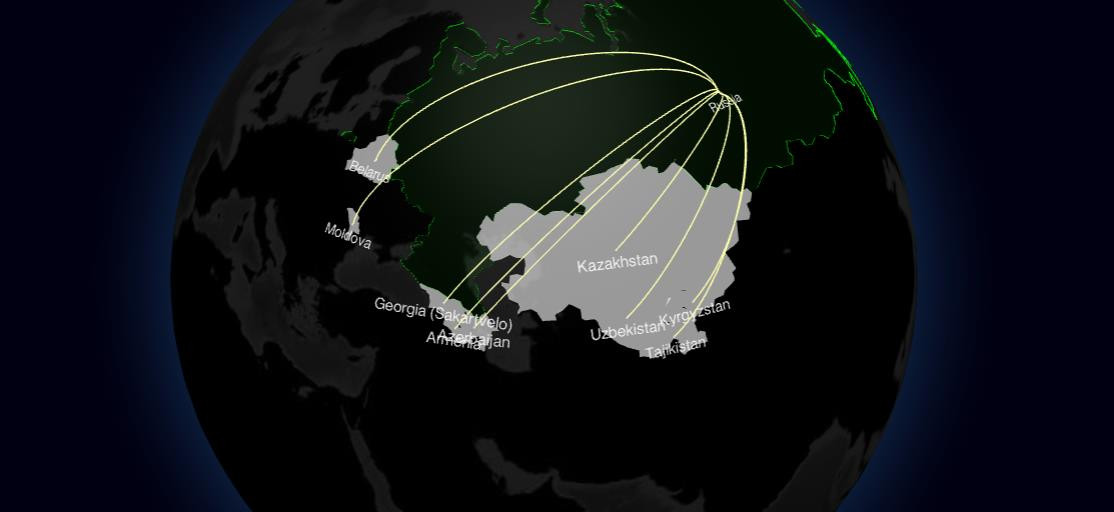
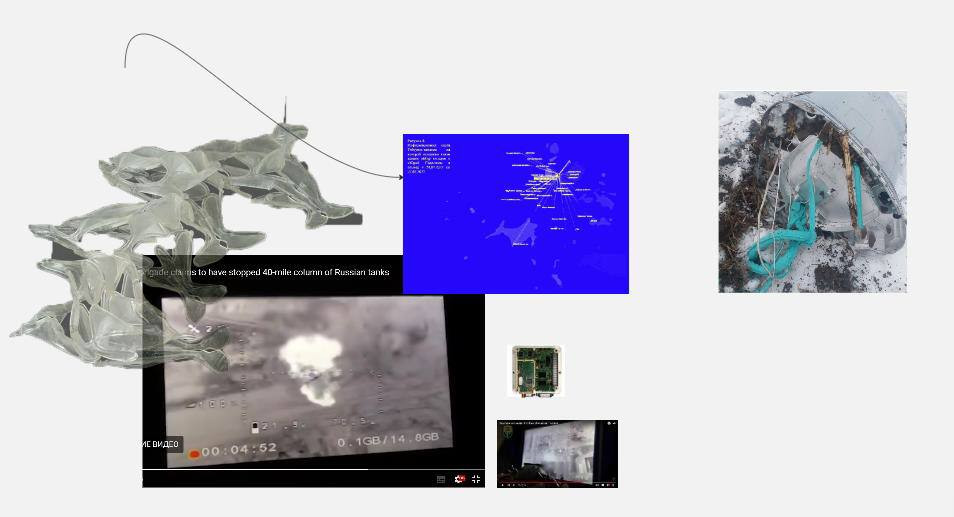
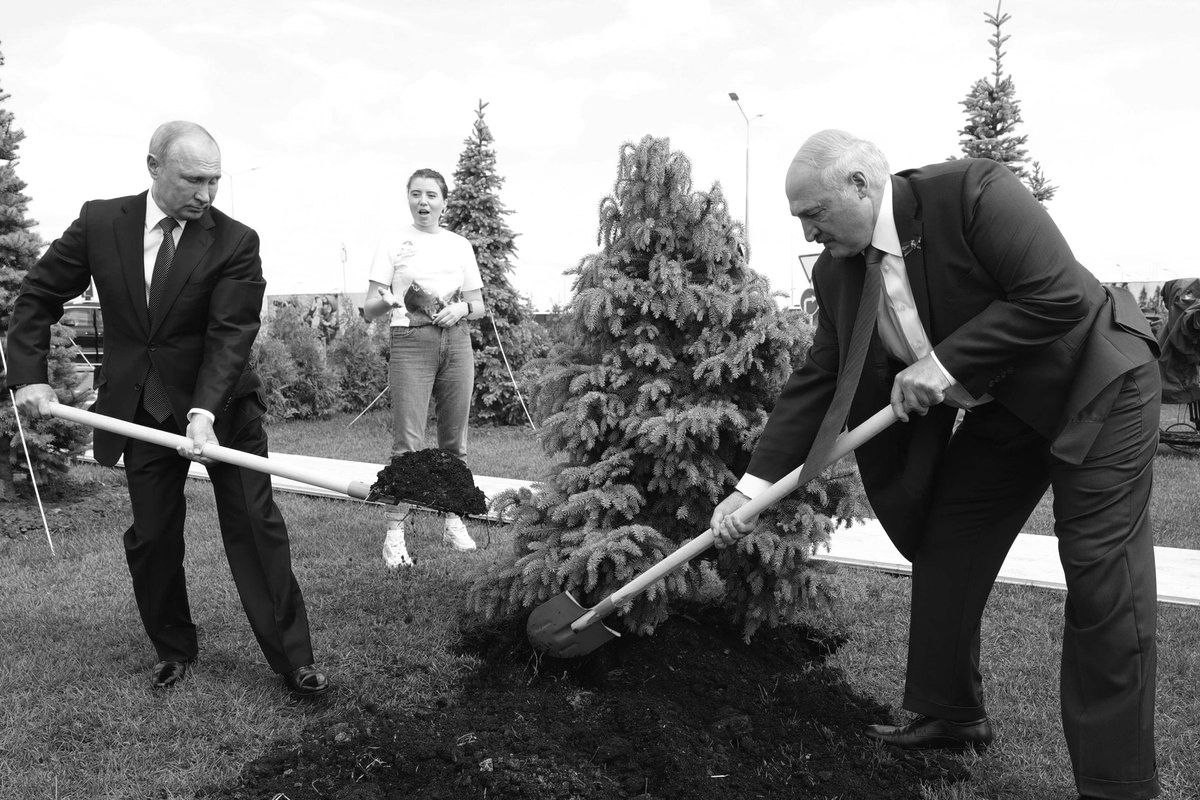
We see diffraction and plurality in the ideas of territorial independence and state sovereignty. Logistic flows furrow and redraw political and geographical maps, subjugating new territories and redefining them. The economic dependence and connectedness of the post-soviet space with the kremlin’s central apparatus, subordinates the regional territories of russia in the logic of resource economy and encroaches on the fragile borders with neighboring states. Moscow is becoming a liquid and sticky matter, expanding its presence and extending its spheres of influence into more vulnerable regions on geographic or economic grounds.
This text is written in the context of a month-long protest of thousands in Sakartvelo (Georgia). More than 100,000 people took to the central streets every day and went on strike outside the local parliament building against the adoption of pro-Russian laws lobbying the interests of the Russian Federation in the region. The ruling Georgian Dream Party (with its informal leader, billionaire Bidzina Ivanishvili, whose capital is located in the russian federation, and is also involved in military logistics and production)
uses illegal methods of fighting the opposition, harsh forceful suppression of protests and simulates artificial support at rallies, by forcing state employees and mass importation of people for money remuneration, from the regions. The laws that the party (parliament, with the opposition deputies removed) passed, bypassing the veto imposed by President Sakartvelo Salome Zurabishvili, are aimed at ending and full control over Western and European investments in the country. Which means the collapse of civil democratic institutions inside.
Next, the party lobbies for a law against LGBT freedoms, imposing fines and censorship for propaganda and dissemination of ideas and rights of queer people. All these amendments are not accidental, they completely copy the Kremlin’s policy and help spread the control and influence of the russian federation.
This is happening against the background of the 20% occupation of Sakartvelo by russia, abductions of kartvelas in the border territories by russian security forces, against the background of the growing infrastructure of Russian military bases and landfills in these occupied territories.
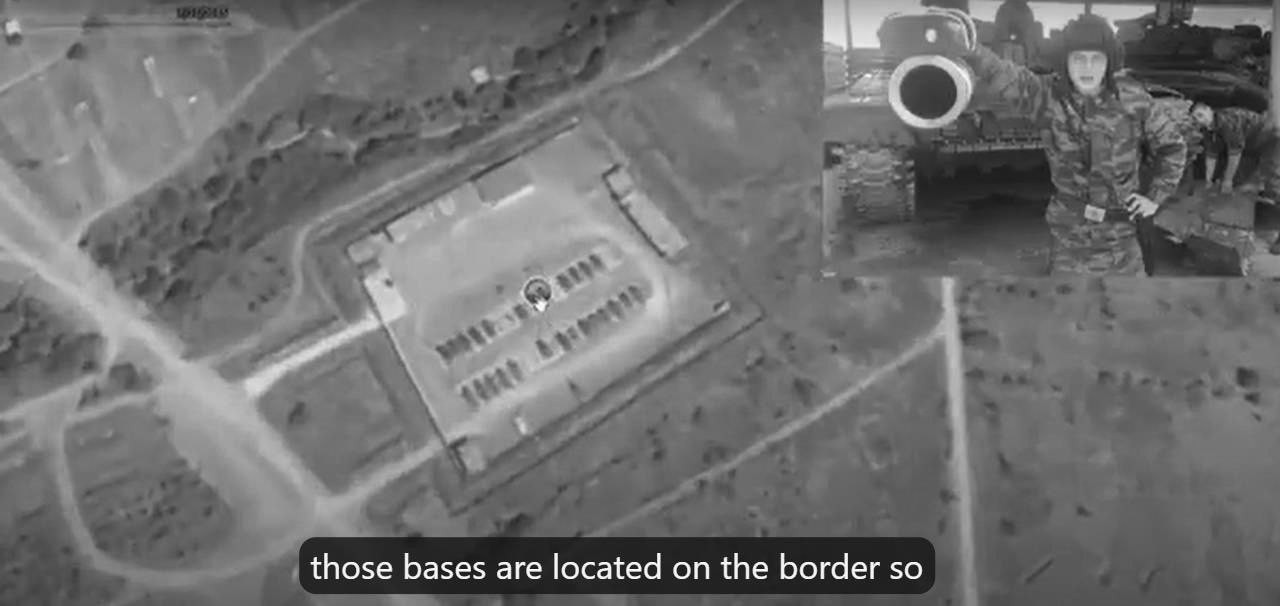
There can be no equal and secure relationship with a government that looks at a neighboring independent state as a temporarily neglected territory and does not see it as a subject of its own history. On the other hand, russia looks at the former republics in a revanchist and, at the same time, condescending way.
The histories of external and internal colonial conquests, genocides, and deportations in tsarist russia, the russian empire, and modern russia are still covered with Bolshevik myths of equality and friendship of peoples and false oppositions to Western imperialism
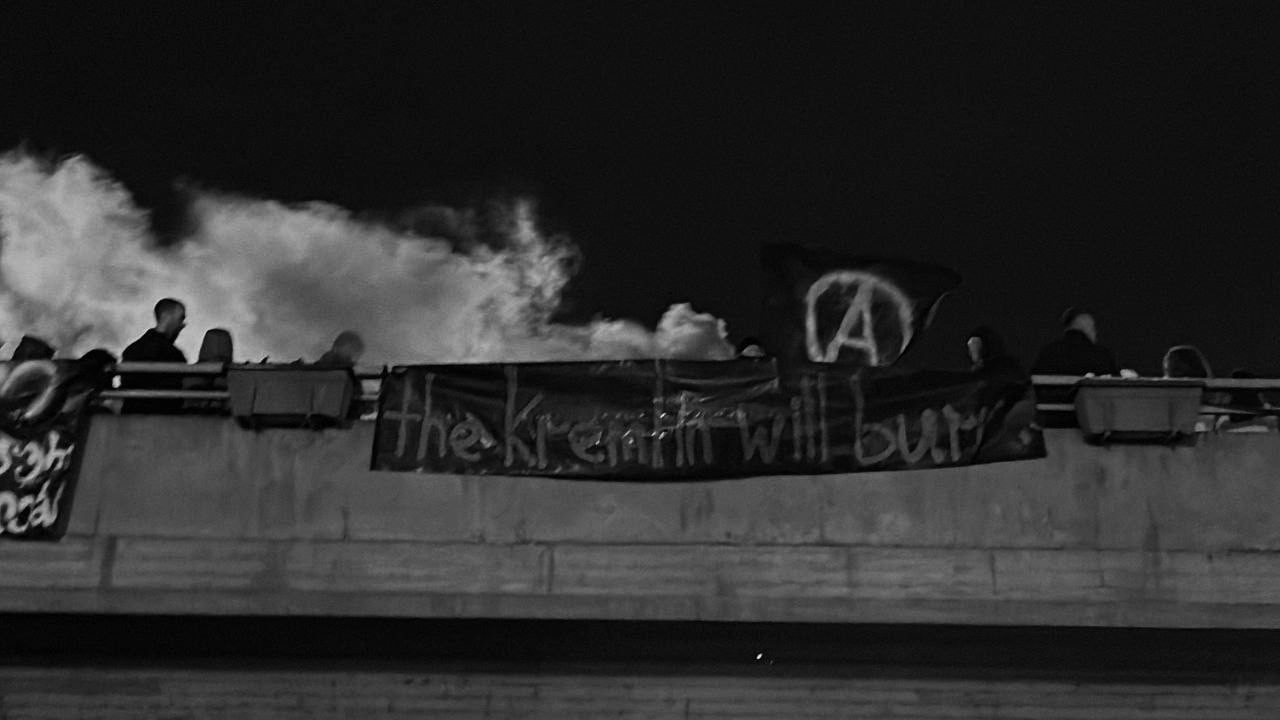
What is the purpose of a full-scale invasion of Ukraine by russia? A war to establish or maintain a social order may not have an end.
Therefore, it involves constant, unremitting use of violence and cruelty. It cannot be won, or, more precisely, it has to be won over and over again daily. We are looking at a policy of consistent genocide and destruction of the culture of a former USSR republic that has disassociated itself from the xenophobic narratives of the «russian world.”
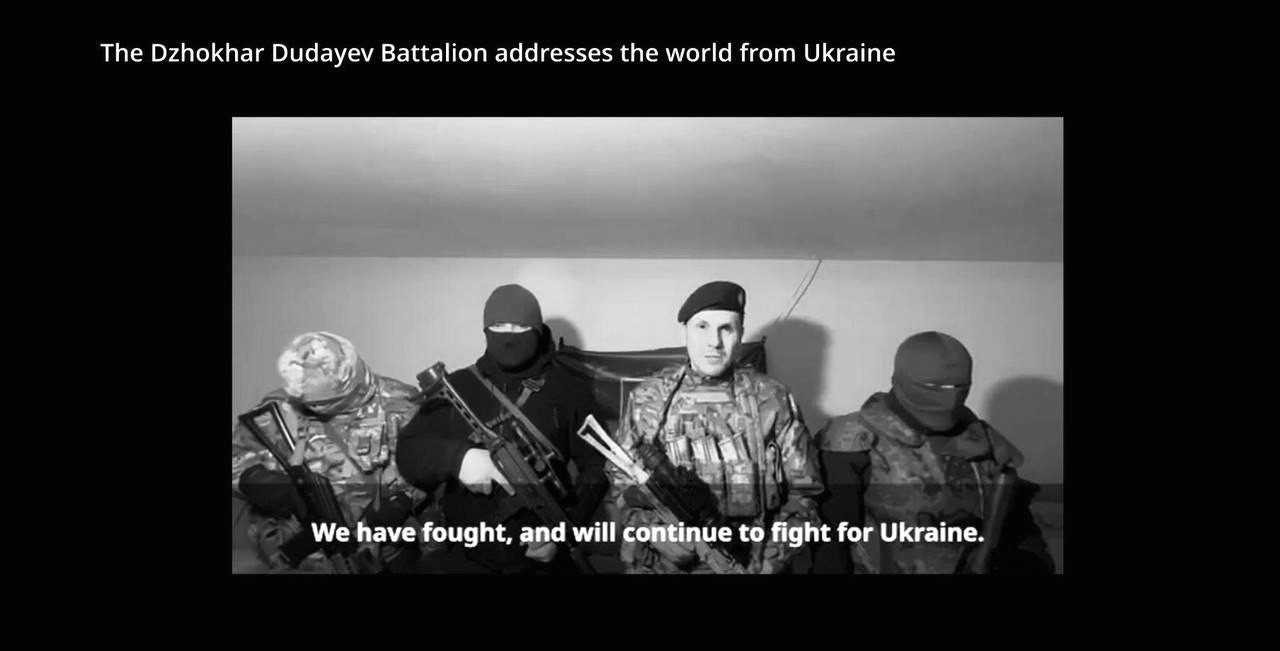
Russia is not interested in new territories from the point of view of their local development. (this can be traced back to the occupation of Abkhazia and the subsequent abandonment of the territories). At the same time as new territories of Ukraine are being seized, the regions of russia are rotting, numerically and economically dying out, being an exploitative and reproductive zone for the center (moscow).
Russia does not hesitate to make temporary making to obtain weapons and organize gray oil searching for totalitarian governments such as Iran, Turkey, and Azerbaijan. Azerbaijan helps circumvent sanctions on oil and gas sales to the EU by being a hub/redistribution zone and giving russian gas and oil products for Azerbaijan’s oil and gas exports. Iran and Turkey are suppliers of drones, which are then passed off as locally produced by the russia (e.g. Geranium drones used in the war with Ukraine).
Russian gas and Azerbaijan1
Also, russia supports and legitimizes such terrorist groups as Hamas (Palestine), Taliban (Afghanistan) and expands its presence in Africa by participating in local military coups.
Analysis of the schemes and channels of supply of components for the russian military-industrial complex reveals many countries involved, in addition to the former soviet republics. russia continues to receive all necessary dual-use goods and critical elements for weapons production. China, Turkey, and Iran are also significant partners. Having developed and joined the sanctions, western European countries and the U.S. are forced not to sell parts directly, but this still does not prevent the delivery of components to russia.
Many Western companies do not answer journalists’ questions about export conditions of release and how to control the use of their products.
At the moment, we see stable supply networks on the map that help circumvent sanctions controls. And if, in the case of post-soviet countries, in many respects, we can understand the situation of non-choice, then the loyalty and rigidity of the rest of the countries: the UK, the USA, and Western European countries (France, Germany, Austria, Switzerland) — raise questions. Questions about the boundaries of expansion and the speed of military-industrial geopolitical capital.
It is not the sanctions that work poorly but their adoption mechanisms and consistent enforcement procedures.
«The key condition that defines an ontological policy is its execution (performance).» Ann Marie Moll
TOTAL VOLUME OF RUSSIAN IMPORT:
The main increase in exports from the EU to the countries of the former Soviet Union was for goods that fell under the anti-Russian sanctions — it amounted to 95%. Exports of these goods to Russia collapsed by 71%. For example, in November 2021, the total exports of these types of goods to Belarus, Armenia, Georgia, Kazakhstan, Uzbekistan, and Kyrgyzstan amounted to only €500 million, but in November 2022 they tripled to €1.5 billion.
In the last six months of 2023, Russian authorities cleared components of the U.S. Analog Devices Inc. worth more than $98 million, Xilinx — more than $75 million, Microchip Technology — more than $42 million, Texas Instruments — at least $38 million, as well as Infineon, Germany’s largest semiconductor manufacturer — more than $28 million, according to customs data. Marvell (chip manufacturer) imported more than $11 million worth of products, Cypress Semiconductor — more than $3.8 million, and Atmel — more than $2.7 million.
In addition, US Intel and AMD products, including microprocessors, worth more than $169 million and $35 million, respectively, were imported into Russia.
China is Russia’s largest trading partner, with its exports to Russia increasing by $8.5 billion in 2022 compared to 2021, according to UN Comtrade data. But in percentage terms, it is not the biggest growth: Turkey, Armenia, and Central Asian countries occupy the first five places.
According to the UK’s Royal United Services Institute for Defense Studies (RUSI), Russia never stopped importing Western electronics. From March to October 2022, it imported more than $2.6 billion worth of it, with almost $777 million worth of chips and components from companies such as Intel, AMD, Texas Instruments, and Analog Devices.
The analysis conducted by Euromonitor experts is even more curious. It showed that exports of goods from the European Union to Russia from March to November 2022 fell by 47%, while exports to Belarus, Armenia, Kazakhstan, Georgia, Uzbekistan and Kyrgyzstan increased by 48% over the same period, RBC reported.
Since the start of the all-out invasion of Ukraine, Russia has increased the value of imported microelectronics to $2.45 billion, up from $1.8 billion in 2021. The International Working Group on Russian Sanctions identified that at least 1,057 foreign components made by 155 companies are used in Russian weapons.
Since the start of the all-out invasion of Ukraine, Russia has increased the value of imported microelectronics to $2.45 billion, up from $1.8 billion in 2021. The International Working Group on Russian Sanctions identified that at least 1,057 foreign components made by 155 companies are used in Russian weapons.
read the text on the website.
Contact: res_istance@riseup.net
https://defundrussiaswar.org/