
Translated material
We bought a house in Germany and are very pleased
Alexey moved to Germany with his friend Vitaly (at the request of the characters, last names are not indicated) in 2016: in their homeland, Kazakhstan, they worked at the embassy, and in the new country they saved on everything for several years and had difficulty finding work. Now they have moved to the village, bought a house there and are renovating it. Alexey told Kholod how they managed to settle in a new country, why it is not easy to buy a house in Germany, and why they needed to leave for the village.
Now we have a 30-year mortgage, and to save money we have to do the renovations ourselves 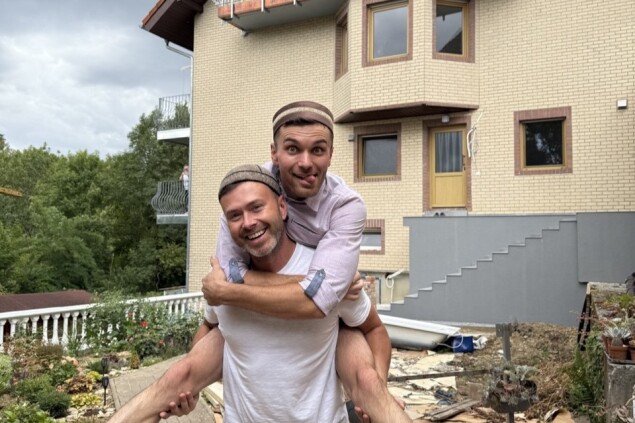
Vitaly and I were both born in Kazakhstan. We had a high standard of living there: we both worked in highly paid, prestigious positions at the embassy. However, I always had a dream to enroll in a master's program abroad. In Germany then you could study for free if you passed a competition, and Vitaly is an ethnic German, his ancestors were resettled in Kazakhstan in the 1940s, so he could easily go there on that basis. So we decided to move.
I went to Hohenheim University in Stuttgart, one of the best in Europe in the field of agricultural economics. I had to pay small fees for my studies - 130 euros per semester, although I paid much more for studying at a Kazakh university.
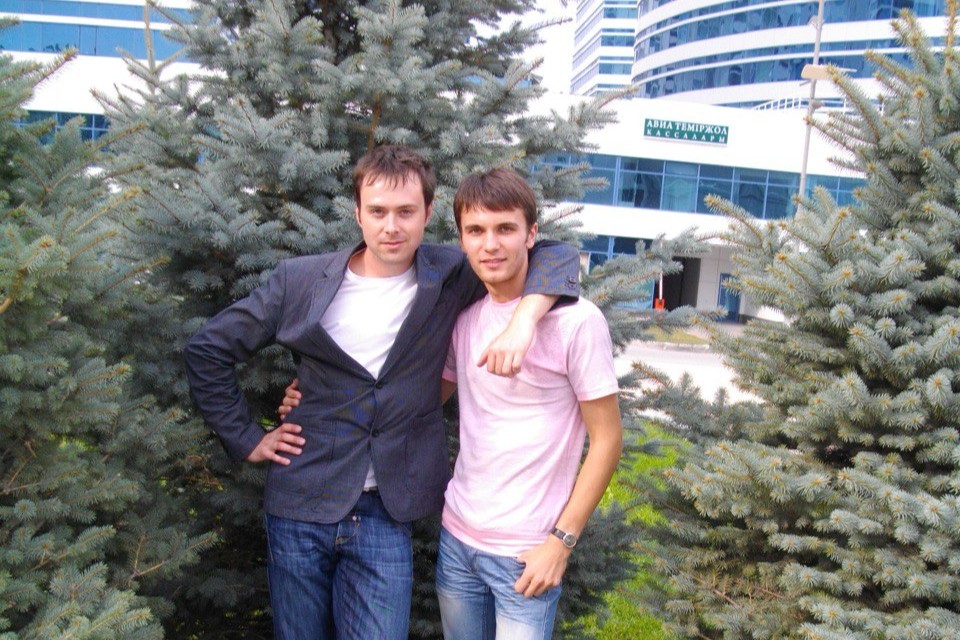
I didn’t plan to just study and return back - I set a goal to stay in Germany. Here, unlike the CIS countries, they value things that are important to us: the rule of law, the principles of democracy, respect for minorities - from religious groups to the LGBT community . But we didn’t flee Kazakhstan, so we were ready to go back if something went wrong.
The money was melting
At the end of 2016, with a difference of two months, Vitaly and I moved to Germany . At first, I experienced strong euphoria from the country and the new climate: in my homeland, winter lasted from November to April, and the temperature sometimes reached minus 30°C, and in Germany, flowers can grow even in January.
It was a little more difficult for Vitaly: when he arrived, it was just a rainy German winter. It was still very cold: sometimes we simply could not warm ourselves up at home, we had to wear warm socks and sweaters - we were lucky if the temperature in the room reached at least 20 degrees.
And yet, at first we looked at the country through the eyes of tourists and saw only good things. I had a student life, and Vitaly went to language courses, which he was entitled to as a migrant. We studied, walked a lot and, despite the lack of stable income, even managed to travel around the country.
At first it was really difficult financially - we arrived with a reserve of money in our bank account and watched it melt away every month. My minimum expenses were 750 euros per month, including room rent, and I saved on everything I could and kept a spending chart.
In dirty clothes in the rain
It was difficult to find a job in Germany: there is huge competition here in literally all areas. You can send fifty resumes and not receive any response, and the point is not that you are a migrant: 300–500 people can actually apply for one place in Germany.
True, in professions where you need to be able to do something with your hands, there is less competition - there is now a shortage of specialists in such professions. In Germany, being a plumber or tiler, you can earn fabulous money - much more than a bank employee.
In addition, it was difficult to find a job without a good level of German - the only chance to get a job with English was in Berlin or Hamburg. In general, Germans are very reluctant to use English, and we both invested a lot of time in learning the language - constantly carrying textbooks and trying to speak German.
I didn’t want to lose the citizenship of my native country, but there was no choice. A year later, we got jobs that we couldn’t even imagine in Kazakhstan: Vitaly as a steward, and I went to the market to sell vegetables and fruits. I used to work in a prestigious job, and now I was pushing a cart of celery into a warehouse in dirty clothes in the rain.
But even then I understood that I did not regret anything - I knew that the moment would come when everything would be fine. In our new jobs, we wanted to learn the language and understand how the market works in Germany, and this really helped overcome all the language barriers and fears.
Raging bureaucracy
Over time, I found a job in my specialty - in the field of digital advertising, and Vitaly - in project management in IT. However, we were able to return to our previous standard of living only five years after the move.
In Germany, there were a lot of additional mandatory expenses - the net balance of money was much less than before. Utilities are expensive here - you have to pay about 150 euros per month for electricity, water and internet alone.
In addition, we have a huge number of expenses that we had not thought about before - for example, insurance for damage to other people's property, without which you cannot rent a home. I also had to take out insurance even for my Instagram blog, in case some company accused me of illegally using their music. It costs 294 euros per year. According to conservative estimates, at least 300 euros are spent per month on payments for insurance, utilities and other obligations.
Germany has other disadvantages. For example, crazy bureaucracy, huge regulation and competition in all areas. We also had to get used to separate waste collection - each time we had to think about where and how to throw away the plastic, batteries and light bulbs.
Will have to pay for 30 years
Vitaly and I always wanted to buy a house in the countryside. Several times we were one step away from buying a house, but each time we refused for one reason or another: either the construction appraiser pointed out to us numerous shortcomings of the house, or we ourselves offered a very low price for the market, which is why we were unable to complete the deal.
We have been looking for a suitable home for about five years. When we finally found it, they gave us a mortgage at 3.5% per annum. In Germany, there are quite a few pitfalls in mortgages: the interest rate is low, but, for example, the entire debt cannot be repaid ahead of schedule - a maximum of 20 thousand euros per year on top of the principal payment. If I unexpectedly receive a huge inheritance and want to return the entire amount to the bank, I will have to pay a fine of 65 thousand euros on top. In Kazakhstan, I took out a mortgage for an apartment - however, at 20%, but I was able to close it ahead of schedule and did not overpay so much, and in Germany this 3.5% will haunt us for all 30 years.
To purchase real estate here, a permanent residence permit is required. In the case of a temporary residence permit, the bank may make concessions, but, for example, raise the mortgage interest rate. But this did not affect us: by that time I already had permanent residence, and Vitaly received a passport after two weeks of staying in Germany. This year I also received it. I also had to go through the process of “loss of citizenship” because according to the laws of Kazakhstan I cannot have two passports. I didn’t want to lose my citizenship of my native country, but I had no choice.
The entire purchase procedure took us about five months: about a month after the agreement with the seller, the transaction took place at the notary. After that, we went through many more stages: first, a temporary entry is made in the real estate register in order to reserve the house and protect against unfair transactions, after that they check for about a month to make sure that the house no longer belongs to anyone. Then the previous owners of the house are removed from the register and we are added there as owners - this also takes time.
Impossible to stay within budget
In August 2024, we moved into the house - it is located in the regional center of Heilbronn. From there you can quickly get to Frankfurt and Stuttgart.
The house has five floors, but it has an unusual layout: it is on a slope, so there are only two full floors, and three on one side are located below ground level. The space is divided into several parts: two two-room apartments (65 and about 50 square meters) and 120 square meters of regular living space. We plan to make a bathhouse on the lowest floor, and there is also an attic floor - we do not plan to make it residential.
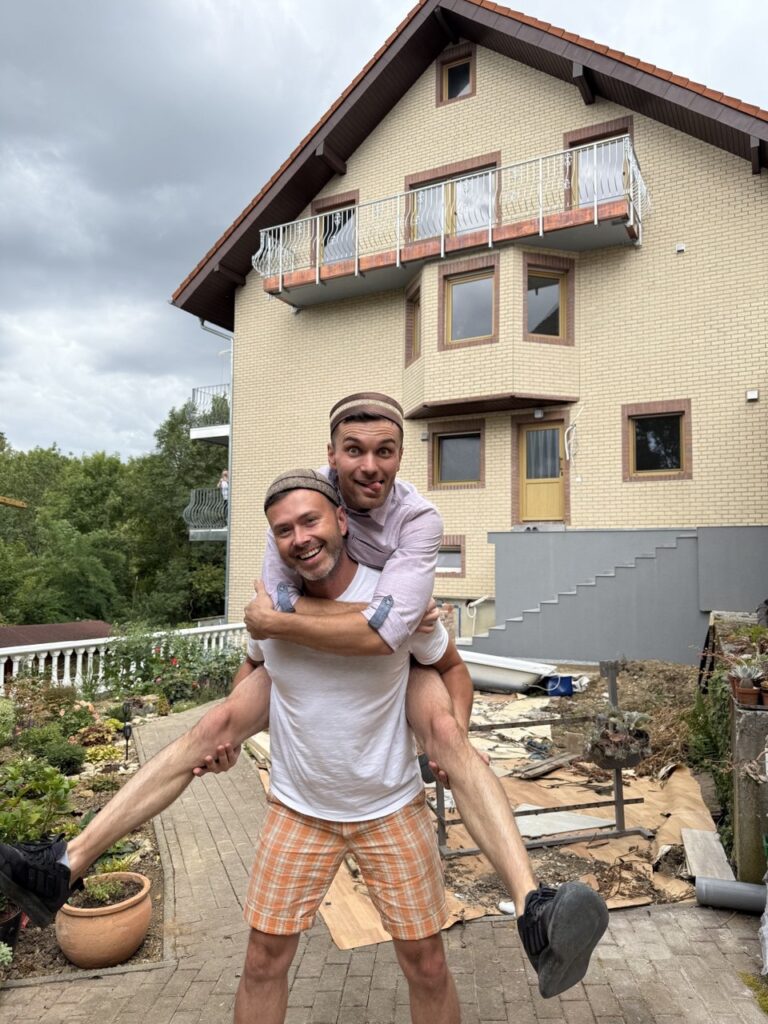
According to the sellers, it was already ready for life - and we bought it for the appropriate money. As a result, everything was ready there, and at the same time nothing: pipes and sewers were leaking, the electrical work was done unprofessionally, and the repairs were so-so. If the latter is a matter of taste, then it was important for us to correct everything else.
When the time came to do the repairs, we expected not to get too involved in the matter and trust the specialists. However, we soon realized that we had underestimated the situation: craftsmen in Germany are not such specialists, and in this case it would have been impossible to meet the required budget.
It's easy to fall for scammers
It is very difficult to find good workers here - even if you look for them through a company, this does not guarantee the quality of the work. For example, we hired specialists to rebuild a balcony. We paid 20 thousand euros for this, but the work was still done incorrectly: part of the concrete slab simply remained sticking out. We were only given back 500 euros as moral compensation. After that, we had to turn to another company - we paid them another 1,500 euros - for that money they simply slightly corrected the design of the balcony.
In addition, you can easily run into scammers here. Once, when our pipe burst, we turned to plumbers and paid 400 euros. They arrived without equipment, did nothing, and even took our tools. There are many of them in Germany: they know the loopholes in the laws and take advantage of them.
Even if you want to sort it out and return the money, it will be impossible to find fault - they will answer that they worked according to the rules and did everything possible. And the law will be on their side. In Kazakhstan there is a union for the protection of consumer rights, which constantly plagues unscrupulous companies, but in Germany there is no such thing.
Therefore, we began to do repairs ourselves - and even so it costs a lot of money. For example, we ourselves punched holes in the wall for the electrical panel and wiring, so that an electrician would simply come, stretch and secure the wiring and install protection - but even such work would cost 10 thousand euros. If everything was done by specialists, we would pay about 20 thousand.
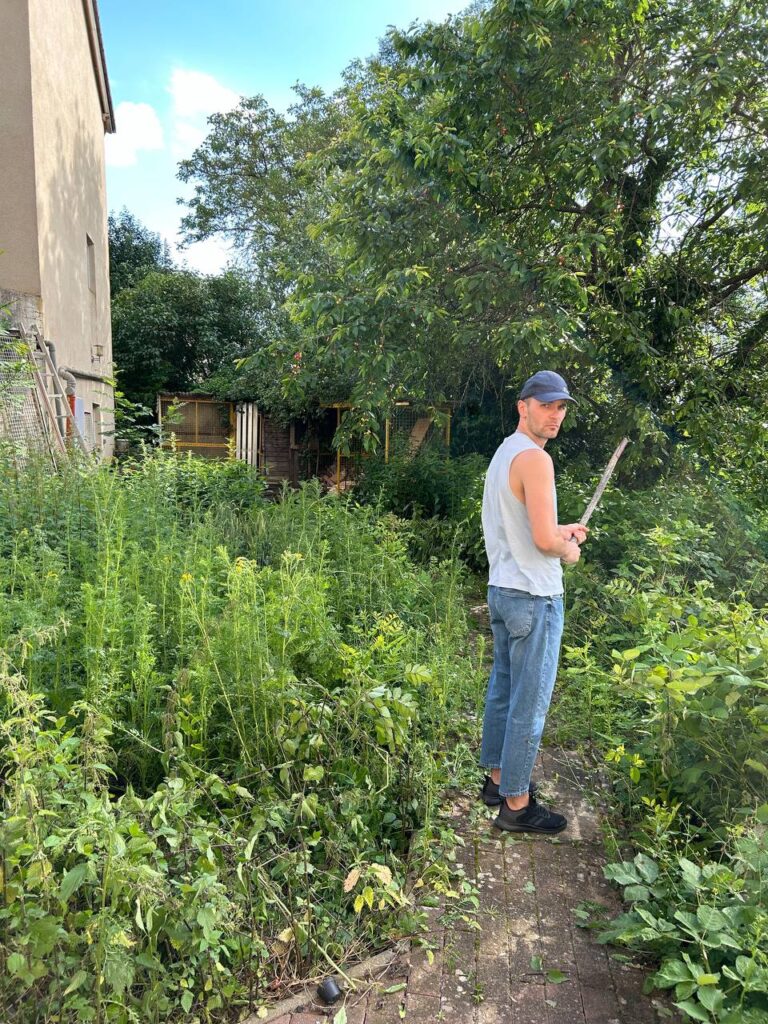
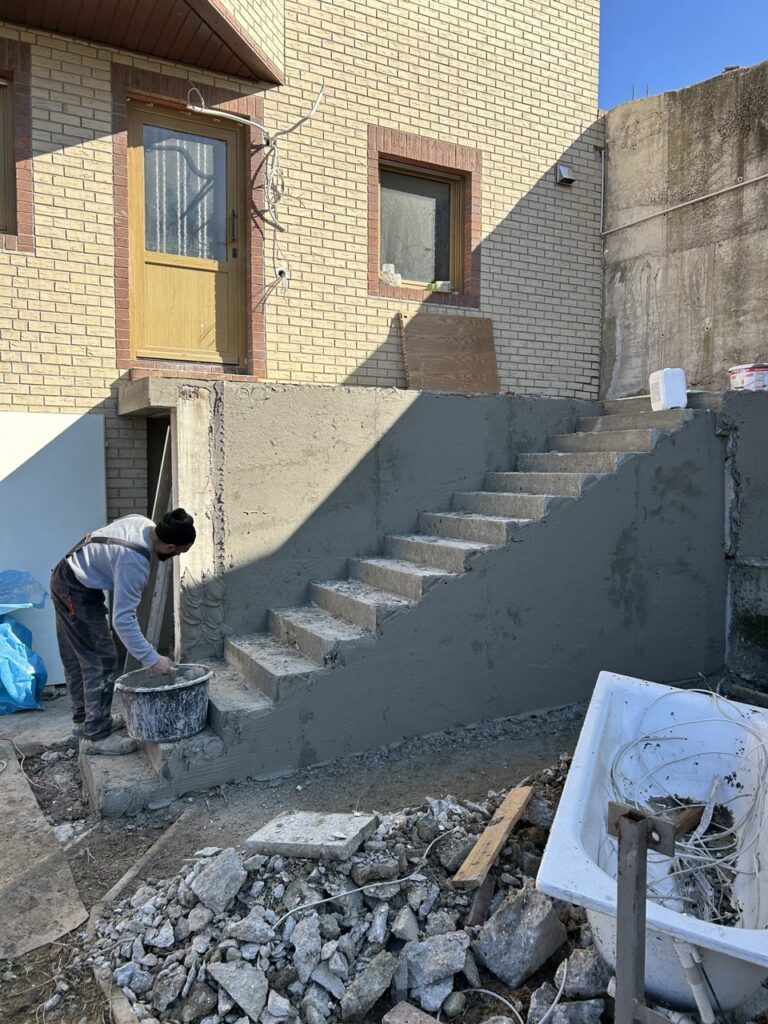
When we lived in Kazakhstan, I had no idea how to lay tiles, how pipes and drains are arranged - after all, there are qualified people who will come and do everything. Now in Germany, after work, instead of watching a movie or playing sports, I sit and learn a dozen new professions. Otherwise, you won't be able to finish anything or you'll go broke.
There are no young people in the village
We couldn’t afford a house in the city, so we knew right away that we would move to the village . Near the place where we now live, there is a lot of agricultural land, a river, hills with beautiful scenery, forests - however, they are all private and artificially planted. There are vineyards and wineries in this area, and there are also quite a lot of wild animals - fallow deer, foxes, hares, and wild boars often cross our path.
I like that in Germany, civilization does not end at the borders of a big city. In Kazakhstan, everything was very good in the capitals, but the villages and villages were in such a deplorable state that you seemed to be moving back a hundred years. Here we have shops, good roads, great internet, and an electric train. It takes us about 25 minutes to drive to the nearest city - in Astana, I got from my home to the center in about the same time.
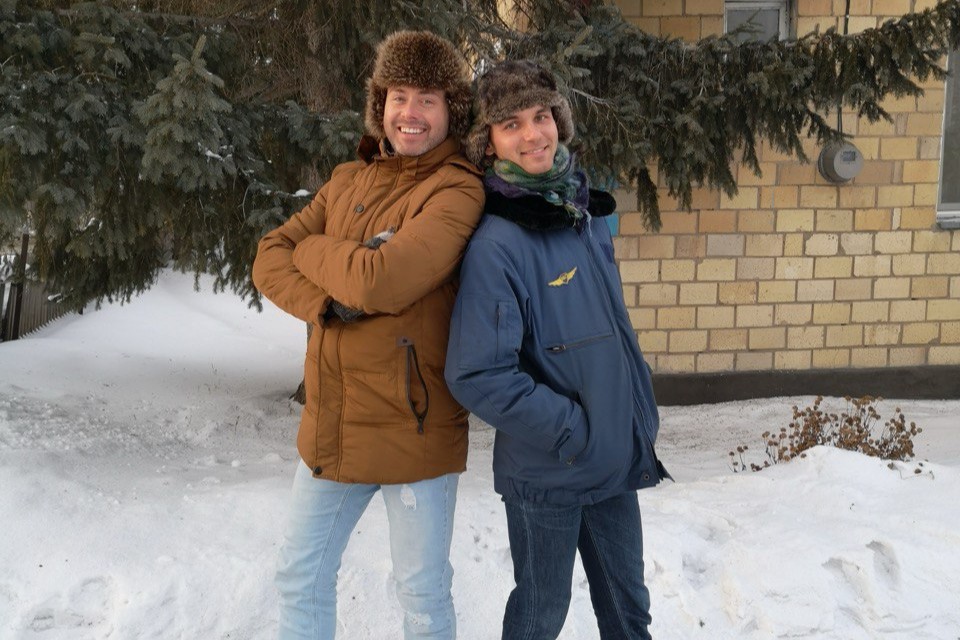
German cities usually have a high crime rate, but in the countryside you simply don’t have to close the front door. True, sometimes we don’t have enough young people - mostly people over 50 live in the village. Perhaps if we didn’t have renovations and dogs, we would be a little bored.
In addition, people in rural areas are mostly conservative. And in general, it seems to me that the Germans are more conservative than, for example, the Scandinavians, the Dutch or the British - their mentality is even closer to ours in terms of values and attitude towards minorities. Germany was one of the last countries in Western Europe to legalize same-sex marriage - it resisted for a very long time and is still doing so. Despite all this, we easily made friends with our neighbors - the dogs brought us closer together.
Now our main goal is to complete the renovation. We would like to see New Zealand and Australia, but it’s quite difficult because of finances - every time we have to choose: spend money on a vacation or, for example, install railings on the stairs.
The most important deprivation for us in Germany is separation from our parents - we are very close to them, but they don’t want to move to Germany. There were times when we came home several times a year, but now, with the purchase of a house, we can’t do it. But I think we will find a way. For now, we just want to develop professionally and be happy.
Author: Masha Matveeva
Photo: courtesy of the heroes