Translated material
0:2
From February 2 to March 18, the Sidur Museum hosts the exhibition “½” (one second) - a project by Maxim Spivakov, dedicated to the problem of the image, the practices of its denial, the politics of visibility and the contradictions revealed in the history and modern manifestations of iconoclasm. We continue the publication of related materials with a text by psychoanalyst and art theorist Gleb Napreenko: a commentary on the exhibition addressed to those who saw it.
All texts published on our website within the framework of “½”, along with some others, were included in a special edition, available for download on the MMSI website .
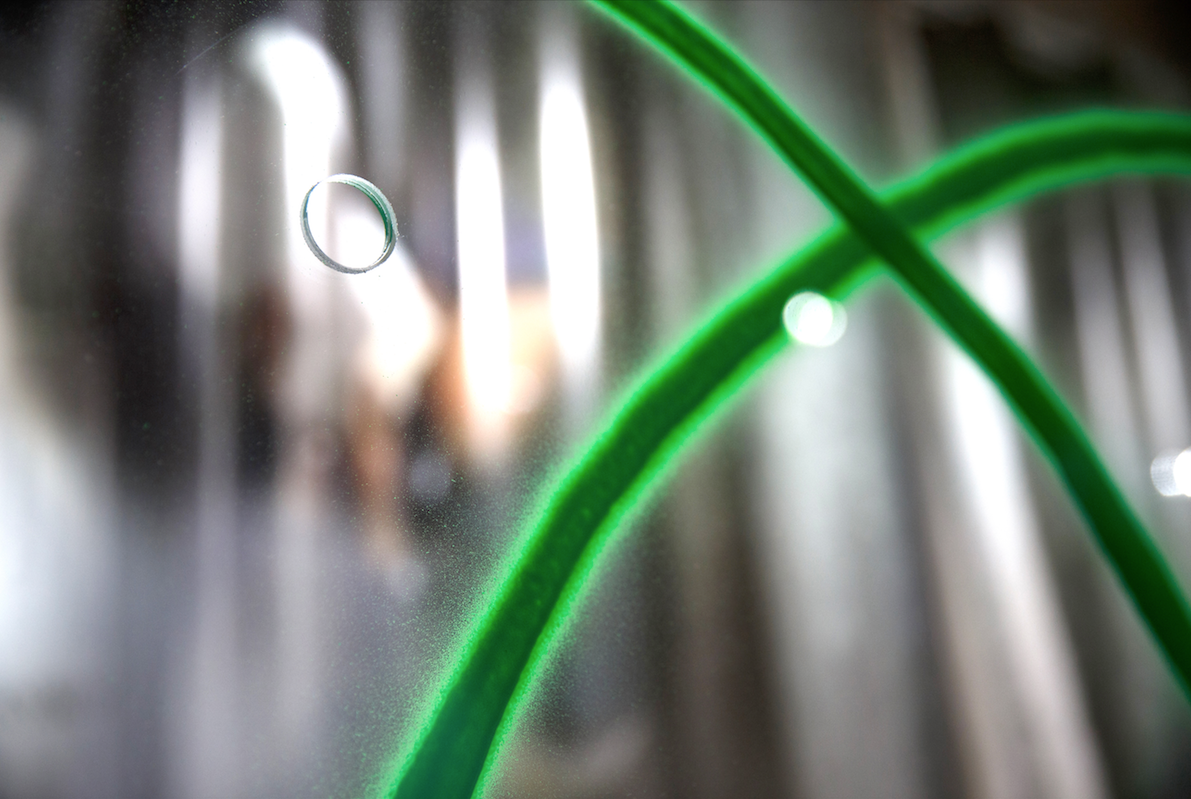
Hole and stain. Hole and plug. A hole to keep your distance and a hole to peek. Hole to aim. Hole and letter O.

Eyes arose from clusters of light-sensitive cells. Eyes are akin to pigment spots and sun spots - only the speed of the skin's reaction to light is incomparably slower than the cells of the eye or the matrix of a digital camera. The eye sees a spot: the meeting of two spots; the eye is looking for an oncoming gaze - but for it to appear, a spot is not enough - a hole is needed, in the depths of which an image will be produced and recognized: inside the head. But you yourself are already on display from the very beginning. Keep up appearances. You are in a museum.
Another pedigree, another network of family connections—linear perspective and the camera obscura, the telescope and the optical sight, a science for seeing and a science for killing. The world cannot be thoroughly mastered at once; first it must be delineated and distant—a formula must be introduced into the world. This formula grows out of the hole: a bunch of geometric rays crossing things, as if transparent, devoid of flesh, equalized with each other by the mathematical abstraction of space. The hole ceases to be just a hole - it becomes a tool; a tool to hide the eye of the beholder: so that he forgets that he himself is a stain. The screen hides the thing, giving an image. The sniper takes possession of the thing like no other: his bullet penetrates the body, gets stuck in the armored glass, like a seal. But his hands are clean.
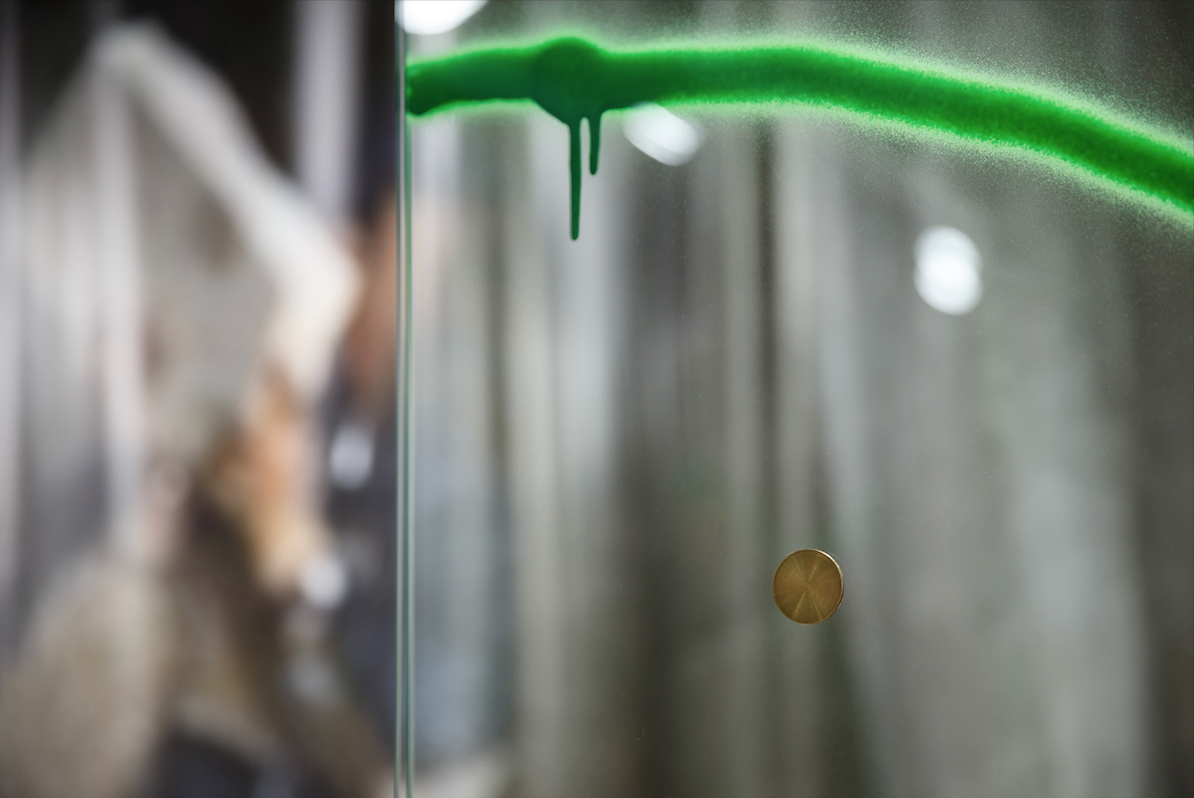
You can’t touch things in a museum - this threatens their destruction: a cobblestone in flight breaking a transparent display case - a store or a museum? Museum taboos are the heirs of religious taboos in the era of science. Be content with the space, flit around, exchange emoticons. The golden bullet is stuck inside the world order. Someone dissatisfied with a spray can smears an idol.
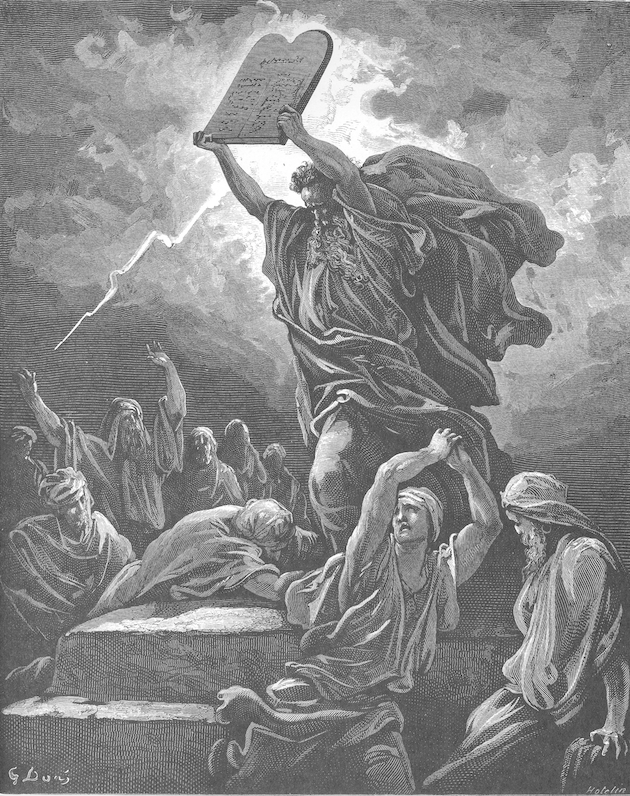
Formulas were given to Moses: written down once, once and for all, just as linear perspective was once invented. Therefore, this is not at all the same record that pigments have kept since time immemorial, changing their colors under the influence of light rays. And not the one that, playing out in the folds of the brain, makes us recognize a face facing us in a cluster of spots, although in order to free our hands for writing, we first had to lift our face off the ground. Let's smile to the world: history has begun, and events are possible. :)
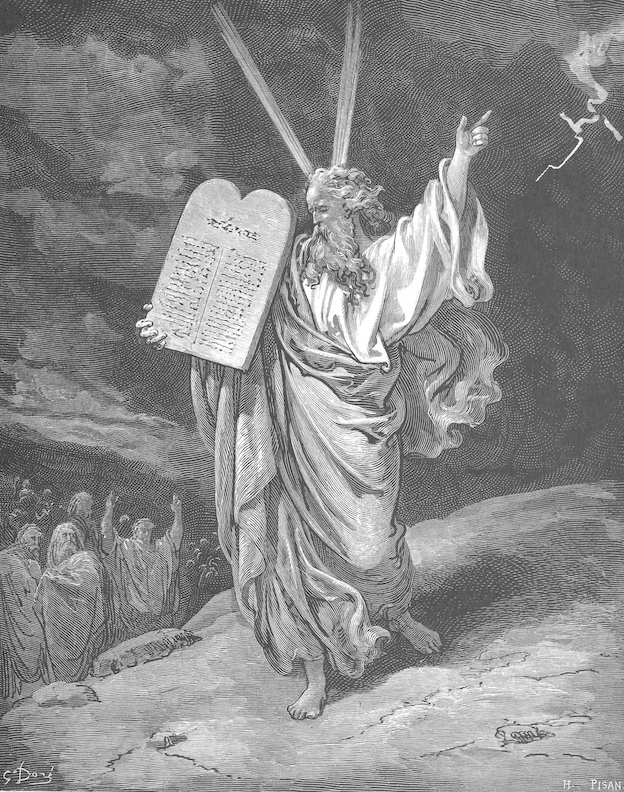
The commandments given to Moses are prohibitions. They are called upon to establish God as a name, and not as an image. And, affirming the name of the Lord, they outline human desire, prescribing for it a distance from its nearest possible objects.
One way to preserve a desire is to imagine it as an impossible desire. For example, like the desire for revolution in Russia in 2018. Art is a space of preparation for action, for going on stage. Wait.
A revolution as an event requires one thing - new clarity of a new law; but for this it is necessary to penetrate into the inside of things - or into the inside of human bodies. To pull off a coup there: the key rotates in the well. It is difficult not to suspect a connection between revolutions and science here. To give the commandments to Moses, Yahweh first appeared to him in the form of a burning bush - and in those days there was no means to look into the core of this bush. That's the case today. The formula destroys matter - like fire. Fire!
Gold is a stopped fire. His destiny is to be a plug. The (commodity) fetish par excellence. The commandments take pleasure out of our own body. But something can claim to make up for this loss - a drawing on the curtain covering the shame. But in order for the event to happen, you will have to aim - you will have to use something in the hole, you will have to put the gold into circulation. Lose to gain. Yahweh was very jealous: in commemoration of the covenant, he demanded that the foreskin be given to him. However, by staying in the museum, you do not risk anything: here you can only watch. But also read.
Circumcision is the frame; like the tantamaresca - or guillotine. The frame turns the image into a sign - into something that represents the subject to someone else. But a sign can be turned into a signifier, which represents the subject not in front of another subject, but in front of the network of language; this is what the law is capable of doing, but what he who serves the law literally shies away from: the fetishist who refuses not to be represented in his desire by an overt sign. The subject, who stands under a signifier that always refers to another signifier, risks getting lost in language: neither one nor the other. What should he rely on? To the object; but not to the visible - but to the invisible: separable flesh. Hide behind the curtain.
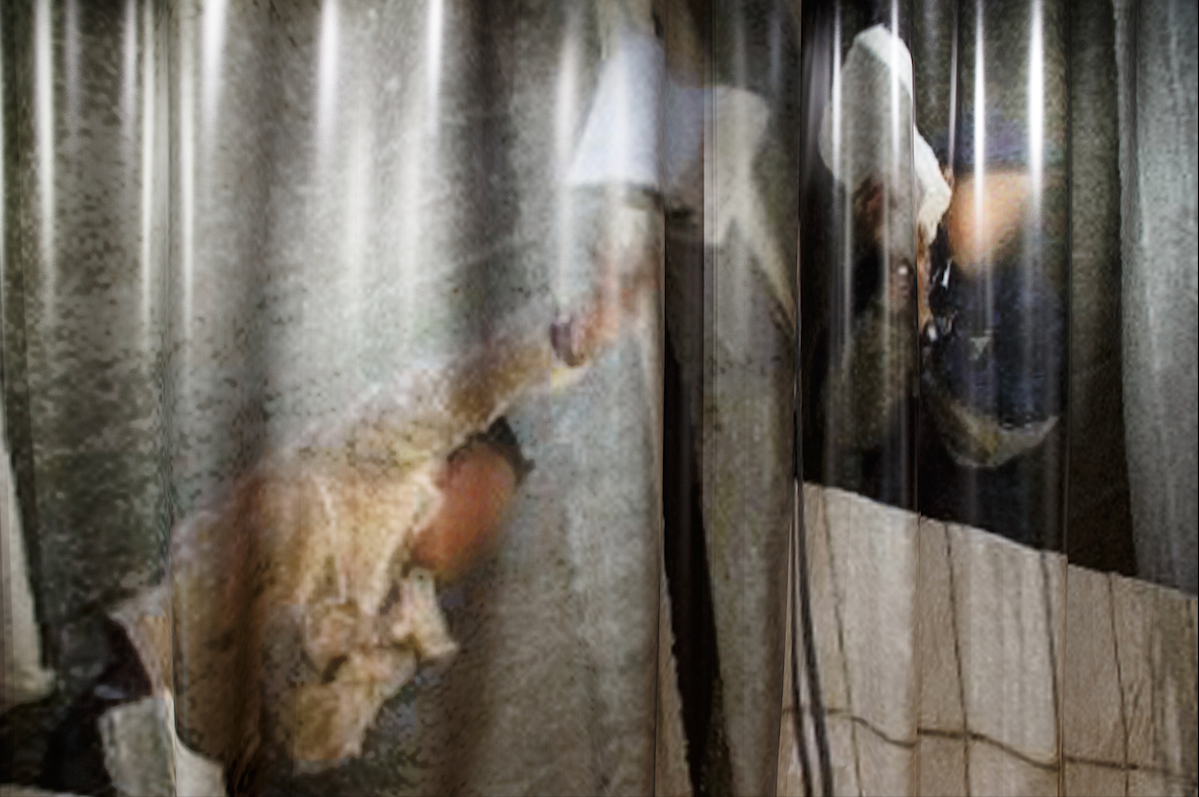
To become a signifier, an image must be encoded—for example, in letters; face - decompose into geometric elements, circles, semicircles, (, O,), which can be put in quotation marks. According to the Torah, it was Yahweh who created the writing - the alphabet - for the tablets of the covenant; such an alphabet breaks the connection between writing and images of things.
In digital devices, the encoding precedes the image. The writing of such a camera is a writing that does not require the subjective act of writing. There is a real body and there is a text, but there is no image of the body. But suddenly, from a random perspective, things are grouped into a message that can be read - read in quotation marks, read according to the laws of the signifier: as if “Moses is breaking the tablets,” as if “the letters are gathering in your face.” Who created this meaning? Who's playing hide and seek with us? Who is the god of this revolution? He slipped away: neither one nor the other.