
Translated material
CHIMSEX AND HIV
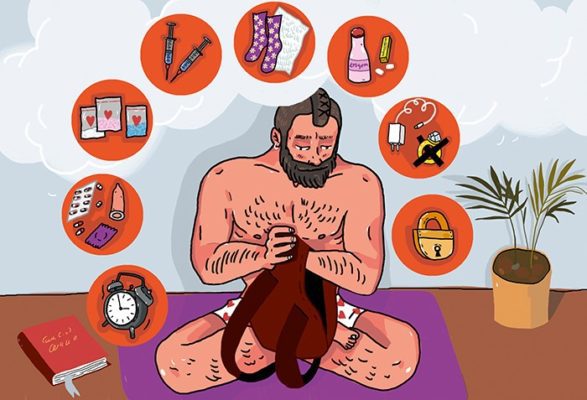
BASIC FACTS ABOUT CHIMSEX
- Chemsex is the use of drugs to improve sexual sensations by increasing desire or lowering barriers.
- The three main drugs for chemsex are butyrate, mephedrone and methamphetamine. Each of them has a different effect on a person’s mental and physical state.
- Chemsex can be dangerous and pose serious risks to a person's sexual health, but taking certain steps can make it safer.
- If you have had chemsex and are worried that you might have contracted HIV, you should contact your doctor or HIV service organization as soon as possible.
Using drugs for chemsex is different from using alcohol or recreational drugs. In this article, we look at the risks associated with sex use and the reasons why chemsex increases your chance of getting HIV.
What is chemsex?
Chemsex is the use of drugs to improve sex. Typically, people engage in chemsex to change their psychological state and/or improve physical sensations. Feeling high from drugs increases self-confidence and removes barriers to dating and sex. Substances used for chemsex increase pleasure from the process and prolong sexual intercourse. Chemsex can last several hours, often involving several sexual partners, but chemsex can also be masturbation in a couple or alone.
Chemsex researcher David Stewart insisted the phenomenon was limited to gay, bi and other men who have sex with men. It is emphasized that the problem of chemsex includes stigma and internalized homo(bi)phobia of the participants. Heterosexual people can also use drugs for sex, usually referred to as sexualized drug use. Some experts use the term “chemsex” more broadly and do not make these distinctions.
In this article, we will focus on the medical aspects of chemsex, which apply to both homosexual and bisexual men, and to all people, regardless of gender and orientation, when taking drugs for sex.
What drugs are taken during chemsex?
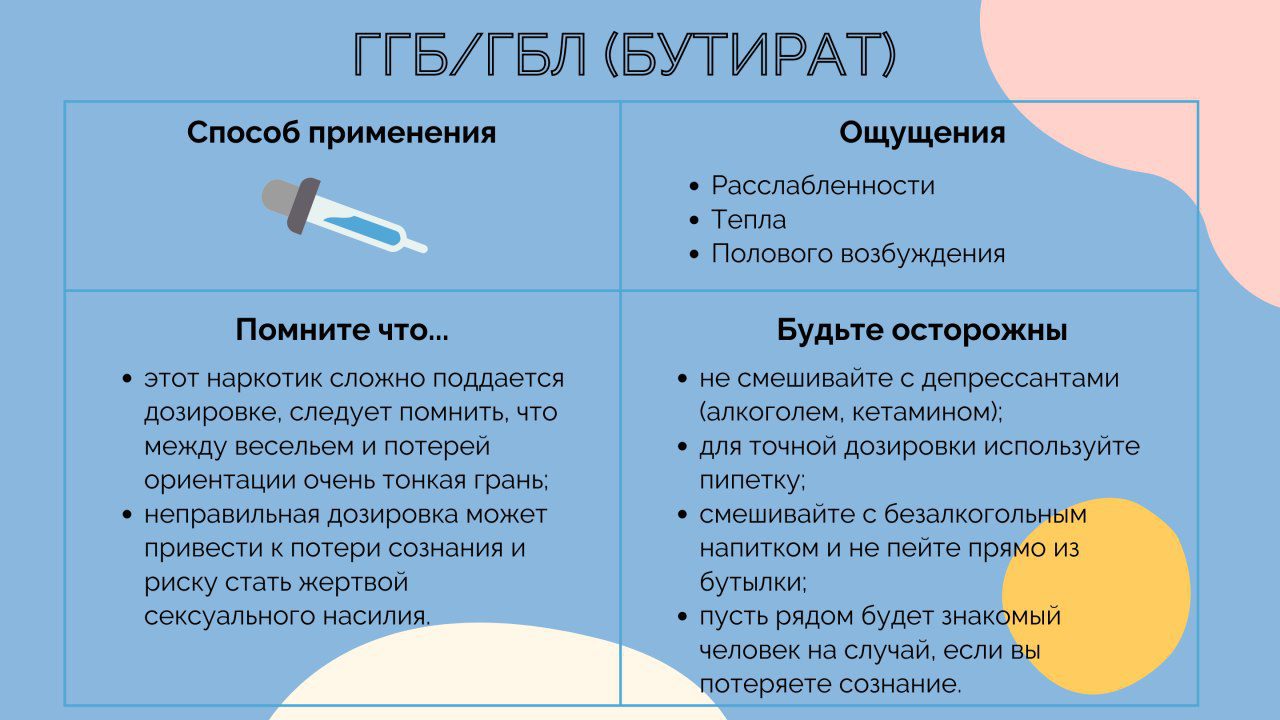
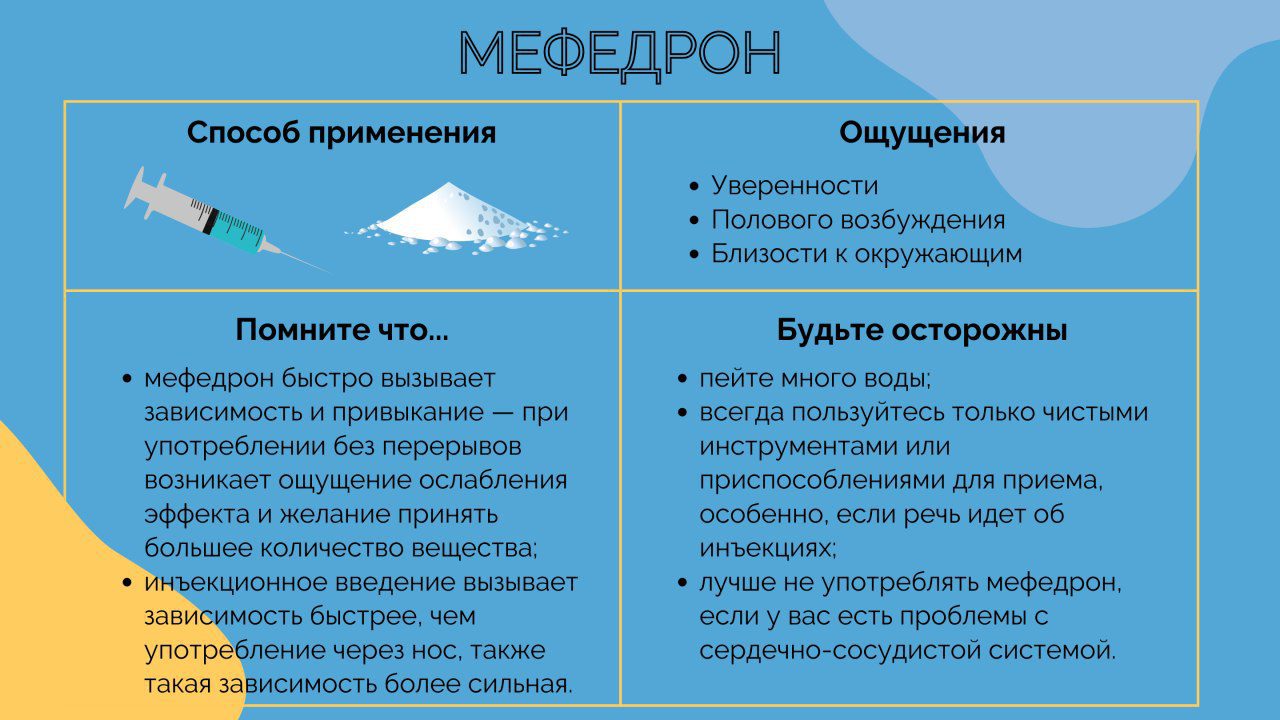
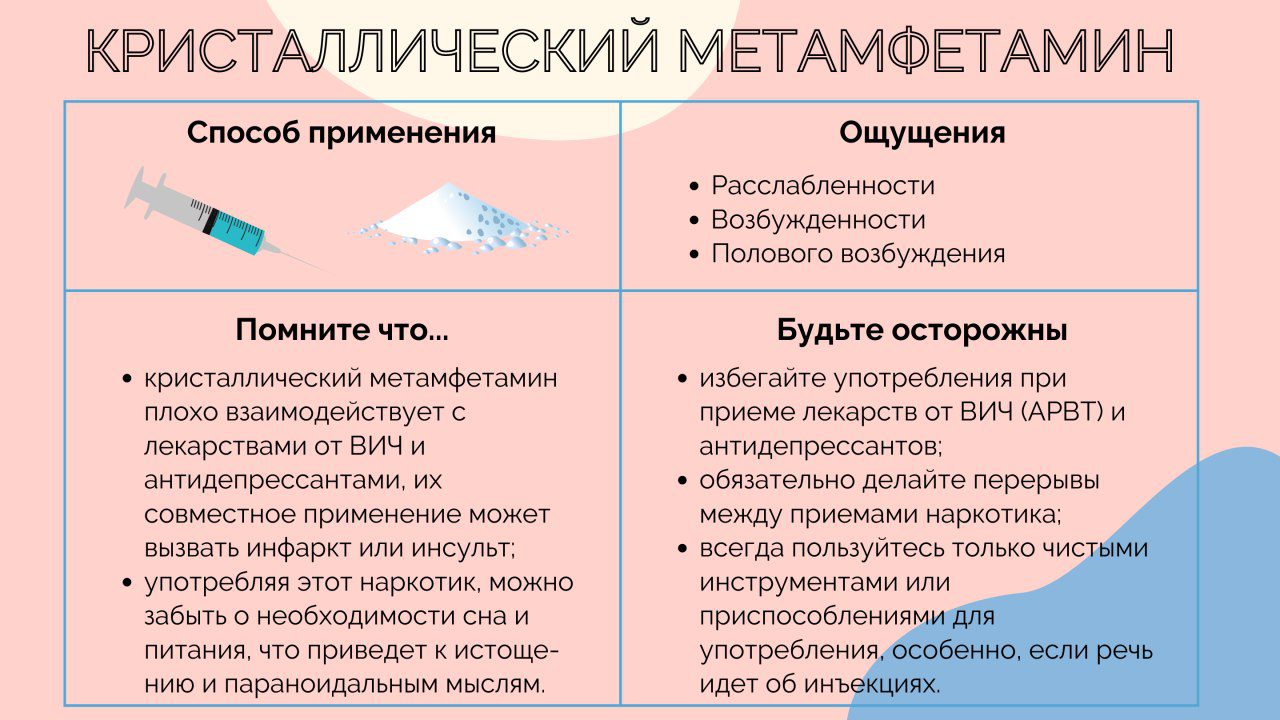
The three most popular drugs used for chemsex are:
- gamma-hydroxybutyrate/gamma-butyrolactone (also known as GHB/GBL, GHB, butyrate, pinocchio, oxic, ksyusha);
- mephedrone (mef or meow);
- crystal methamphetamine (meth).
They are taken alone or together with alcohol, poppers or other drugs such as cocaine or ecstasy. Sildenafil and other potency drugs are often used in chemsex to compensate for the effect of drugs on erection.
What are the risks of chemsex?
Drugs used for chemsex cause changes in well-being and behavior. Taking drugs before or during sexual intercourse increases the risk of getting HIV and other sexually transmitted infections (STIs) due to a number of factors.
- Reduced physical and psychological barriers lead to people being less likely to use condoms even if they intended to do so.
- A person may forget what exactly he did and whether he used a condom.
- If a chemsex session continues for a long time, you may forget to take pre-exposure prophylaxis (PrEP), which increases the risk of getting HIV.
- A person living with HIV may forget to take their HIV medications. If this happens repeatedly, he may lose an undetectable viral load and again transmit the virus to sexual partners.
- Using drugs for sex often leads to sexual encounters with strangers, such as those in dating networks, as well as sex with multiple partners. This increases your chances of getting HIV and other STIs.
- Sex while on drugs is often more aggressive due to the anesthetic effects of drugs such as HGB. The lining of the anus is very thin and can be easily damaged or torn during anal sex without adequate lubrication, which increases the risk of HIV and other STIs, including hepatitis C.
- During a very long sexual session, a person may only remember to take emergency post-exposure prophylaxis (PEP) when it is too late. PEP must be taken within 72 hours of possible exposure to the virus.
- When administering mephedrone and crystal methamphetamine intravenously and intramuscularly, people often share equipment, which increases the risk of getting both HIV and hepatitis C.
Drugs taken for chemsex carry their own health risks. For example, it is very easy to take too much butyrate. This can lead to loss of consciousness, making the person an easy target for sexual assault. Whatever the circumstances and whatever drugs you are using, remember that sexual violence is unacceptable and not your fault.
Chemsex drugs change how you feel and feel, sometimes in undesirable ways. Because of them, people's minds become confused, fears, excessive suspicion, and obsessive thoughts appear. Sometimes drugs cause very convincing hallucinations, sometimes they cause people to lose touch with reality.
As with recreational use, chemsex drugs are addictive. Many people increase their dosage to get the same effect, which creates the risk of overdose, sometimes fatal.
In addition, after chemsex, people often experience a drug hangover, which is expressed in a depressed, depressed state. Sometimes they cope with it using alcohol or a new dose of drugs, which can lead to an addiction that is no longer directly related to chemsex.
Some anti-HIV drugs are known to mix poorly with chemsex drugs. In particular, deaths have been reported as a result of the interaction of ritonavir with methamphetamine. Ritonavir is included in the drugs Kaletra and Kalidavir along with lopinavir, as well as in regimens with darunavir.
How to reduce the risks of chemsex?
Some people enjoy exploring their sexuality through chemsex, but remember that taking these drugs is never completely safe. Don't let anyone force you to accept anything you don't want.
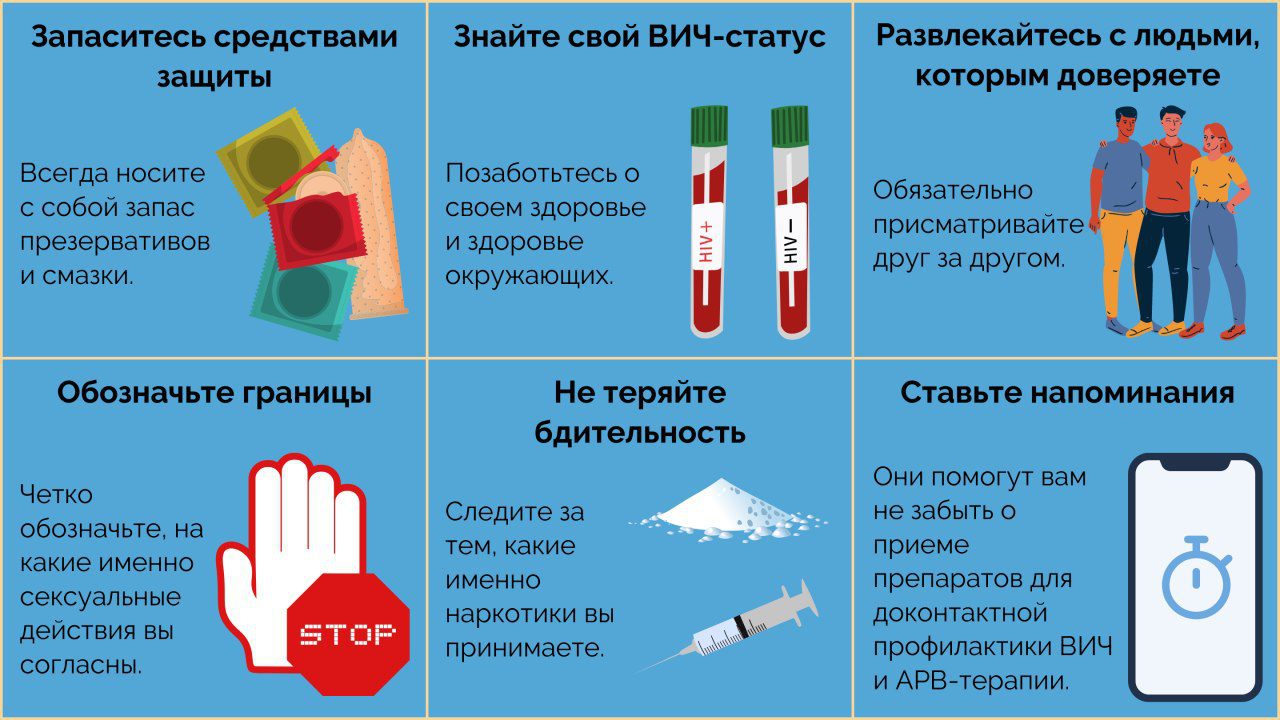
If you do consider having chemsex, follow these tips to reduce the risks for yourself and the people you're having fun with.
- Bring protection - make sure you have plenty of condoms and lube with you. Also consider taking pre-exposure prophylaxis (PrEP) to protect against HIV.
- Know your status - most HIV transmissions occur among people who have recently acquired it and don't yet know it. Regular testing for HIV and other STIs will help keep you and others healthy.
- Only have fun with people you trust - agree in advance how you'll look out for each other, and be sure to tell someone where you're going if you want to go out with a stranger.
- Set boundaries—before taking a drug, decide what you are willing to do sexually and discuss ways to protect yourself with your partner.
- Don't let your guard down - keep track of what drugs you've already taken, and don't forget to stop in time. Do not share syringes, needles or drug containers, and do not allow anyone to inject you.
- Set reminders—if you take PrEP to prevent HIV or need to take HIV therapy, set an alarm to take your pills on time.
- Don't have chemsex for too long or too often. The longer the session, the higher the likelihood of negative side effects such as hallucinations. The more often you engage in chemsex, the higher the likelihood of becoming addicted to drugs and experiencing depression or depression in the event of withdrawal.
Where and how to get help?
If you have had chemsex and are concerned that you may have been exposed to HIV, you should contact a professional who can help you as soon as possible. This could be an infectious disease doctor at the AIDS center in your region, a consultant at an HIV service organization, including an information line.
You will most likely be offered PEP as an emergency treatment if you seek help within 72 hours of possible exposure to HIV. You will also be offered testing for sexually transmitted infections (STIs), including HIV.
A professional can offer help if you have problems with addiction or other effects of chemsex drug use and how they affect your physical or mental health. You can also reach out to health care providers, nonprofit organizations, and support groups that specialize in helping people with drug addictions.
If you can't find a local advisor, use this multilingual, interactive online tool to learn what safety precautions to take and how to make sustainable lifestyle changes.
Read also:
- What you wanted to know about chemsex but were afraid to ask
- “It seemed like a lot of people were sticking out.” Chemsex experience
- Chemsex Guide: Everything You Were Afraid to Ask
- Sex without doping: How to give up chemsex
- Chemsex: take life into your own hands
Continuing the topic
Suitcase with dependencies
My name is Roman. I'm gay and a drug addict
“Dying in Russia”: Part 2. How the life path of LGBT people can lead to addictions
STAY UP TO DATE IN A CONVENIENT FORMAT


