
Translated material
Deja vu. Writers and investigators
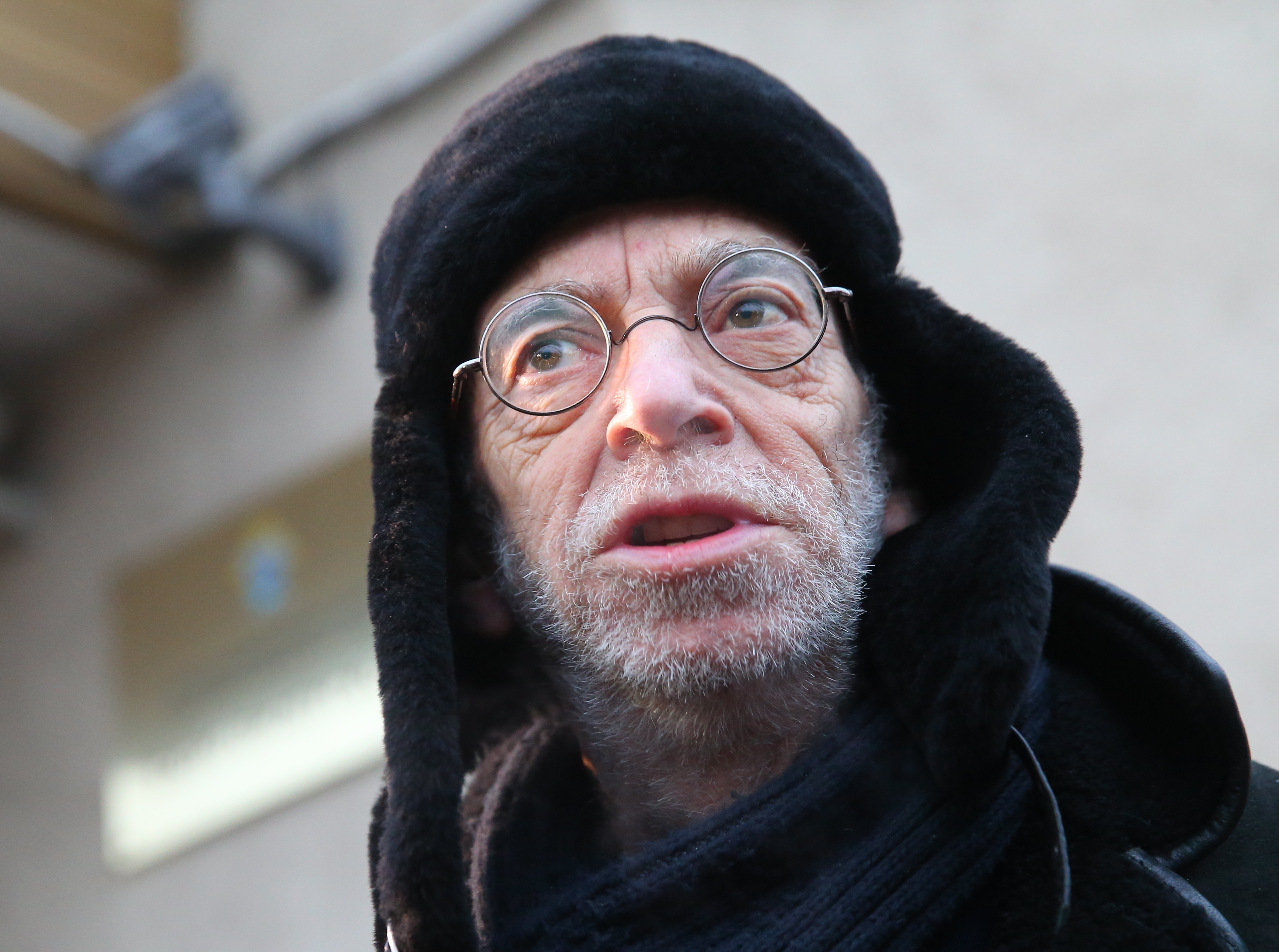
Igor Guberman, Viktor Shenderovich, Lev Rubinstein tell about their conversations with investigators Alexander Podrabinek
Alexander Podrabinek: Today we are talking about investigators and writers.
The meetings of investigators with writers are not always dramatic, but interesting, and sometimes instructive. Two writers are sitting at the table against each other. One writes novels or poems, the other - the protocol of interrogation. One is inspired by the muse, the other by the Criminal Code. One has a pen in the hands, the other has power. And here they meet: a feather against the authorities. There are interesting fights.
One writes novels or poems, the other is the interrogation protocol
A couple of weeks ago, two Moscow writers were called to the Investigative Committee: Leo Rubinstein and Viktor Shenderovich. I met Rubinstein that morning and asked what prompted him to get out of the house in such bad weather.
Lev Rubinstein: Criminal duty prompted. They simply brought the agenda, which the experts later examined and said that this was not a storyline, but like an invitation, as a Christmas tree, that I, in principle, might not go. But I decided to go by my nervousness. Absolutely nothing was written on the agenda, and in words they said that this was connected with the festival of the "Book in the Park" and my participation in it. I remembered for a long time and then remembered that I was really there. It was two and a half years ago, and since then I have performed a lot of where, I have not been remembering all this. Therefore, I thought, if they ask who invited me, I will honestly say that I do not remember. They said that this was a pre -investigation check on the misuse of funds, and the funds, as I understand it, were budgetary, the city participated in this money. How do I know this? I came, opened my mouth, closed my mouth - actually, that's all. So the topic of the conversation is absolutely incomprehensible to me.
Alexander Podrabinek: We were traveling with Lev Semenovich Rubinstein from Maryina Grove to the Investigative Committee on German street, which, according to some belated Bolshevik misunderstanding, is still called Baumanskaya. On the way, we recalled which of the writers' acquaintances had to meet with investigators.
Leo Rubinstein: In Brezhnev times in which I grew up, just a huge number of my friends and acquaintances were there, had conversations. The deceased Prigov was exactly a couple of times in some matters. In my opinion, Sergey Gandlevsky was there. In those years-the end of the 1970s-for some reason they were most interested in, apparently, a connection with foreigners. Then Tamizdat appeared, many of our authors were published abroad. They were, as a rule, not the content of the texts, but "how it hit, tell us."
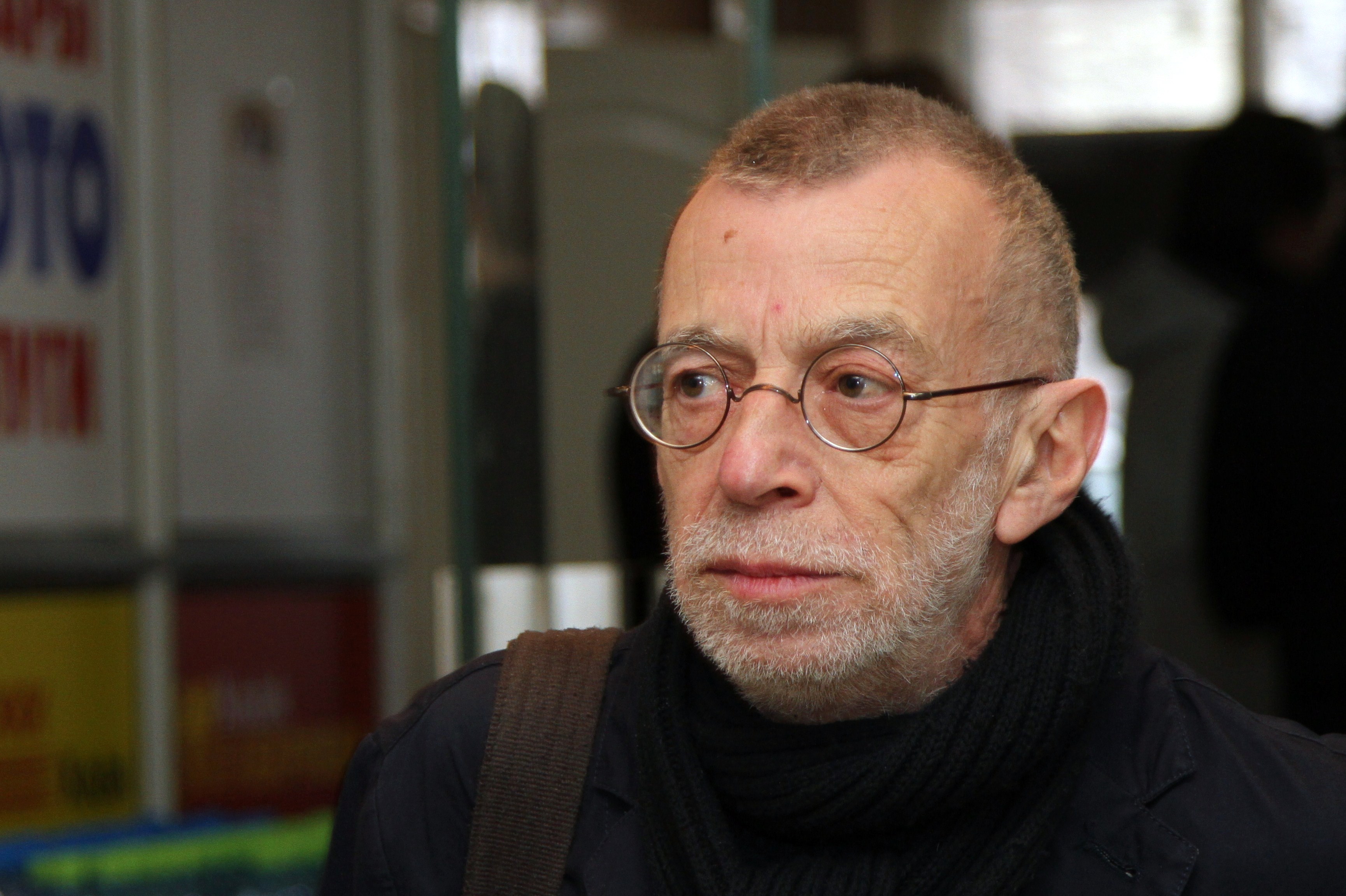
To identify among writers of enemies of socialism, Soviet power fed special writers, critics and literary scammers
Alexander Podrabinek: KGB, as a rule, did not go into artistic assessments of literary creativity. His task was simple: to identify Western propaganda and suppress ideological sabotage.
To identify among writers of enemies of socialism, Soviet power fed special writers, critics and literary scammers. Sometimes this audience, according to the degree of ideological obscurantism, even overtook the KGB officers who, against the backdrop of this writer's servants, looked almost liberals.
Says historian Alexander Daniel, son of writer Julia Daniel, convicted in the 60s for anti-Soviet activities.
Alexander Daniel: I know this story out of second hands, my father told me, and during the first investigation the curator of their business told him-the affairs of Sinyavsky and Daniel-such a lieutenant colonel Mikhail Ivanovich Bardin, who was considered a curator of literature and art in the 5th main management. He said that he received a denunciation from the October magazine at the writer Maksimov Vladimir Emelyanovich that he brought an anti -Soviet novel to the editorial office of the magazine. The October editor was Kochetov, Bardin proudly said that he called him to himself and asked: "Is this an anti -Soviet novel? We need to institute criminal proceedings?" Kochetov said: "No, not that criminal case, but still he, so to speak, with a soul." “Ah, since there is no need to initiate a criminal case,” said Bardin, “then the KGB order will be printed.” That is, the opportunity not to initiate a criminal case and not to print in this conversation was not considered. It turned out that the KGB forced October to print Maksimov’s novel.
Alexander Podrabinek: The story is almost Christmas, almost fabulous. But that were already Khrushchev-Brezhnev times, socialism on the penultimate outbursts. In Stalin's times, the writers dealt tougher. The investigators did not ceremony with the poetess Olga Bergholz . True, she was lucky in one thing - she was released when they removed the People’s Commissioner of the Interior Nikolai Yezhov, and the new People’s Commissar of Lavrenty Beria argued that his predecessor was fabricated by linden affairs. The writer Natalya Gromova says.
Natalya Gromova: In the "daytime stars", in the second part, Olga Bergholz described several plots with her investigators. It is known that she was imprisoned at the end of 1938, she was not kept very long, but scary: she was pregnant, she was knocked out by the child during the investigation. She went through the hands of many investigators. She was demanded that she prepared the murder of Kirov, recognition in connection with the Averbach - a lot from her was required for the investigation. But there was a solid, and it was released, so she was able to write a lot, leave it in her memory. There is a strange plot there: she falls on the investigator, she calls him Ivan (I forgot his last name), he investigates that he and his neighbors corresponded to some ciphers so that they would not beged. He demands to explain from her why she corresponds so much: maybe they organized something in the cell? He says to her: "Olga Fedorovna, are you a communist, why don't you tell the truth?" She says: "I tell you the truth." He writes: I looked into his eyes: "I am telling the truth." And he lowered his eyes. Here, of course, there is her "communist moment." The fact is that she suddenly saw in this investigator: he understands that she is honest and decent, but cannot do anything. Then she describes his eyes, so tired, exhausted, and understands how he is disgusting. She ends this description like this: why does he do it? He perfectly understands what he is doing. She suddenly sees in him an old communist who fell into these organs absolutely not at the behest of his heart.
Alexander Podrabinek: Another Soviet poet, Nikolai Zabolotsky , was less fortunate: for anti -Soviet agitation and propaganda in 1938, he first landed under the investigation, and then to the camp. At the investigation, he was tortured. In his memoirs, "History of my conclusion" he wrote:
“The first days they didn’t beat me, trying to decompose me morally and physically. They didn’t give me food. They didn’t allow me to sleep. Investigators replaced each other, I sat motionlessly on a chair in front of the investigator-a day in a day. At the wall, in the next room, someone’s frantic cries were heard at times. My legs began to swell, and on the third day I had to break the boots, so I could not tolerate the boots, so I could not tolerate the boots, so I could not tolerate. The pain in the feet began to cloud, and I strained all my strength in order to respond reasonably and prevent any injustice against those people that they asked me about ... ”
It cannot be that our Soviet people did it. This is a conspiracy, the Nazis penetrated all the authorities
Natalya Gromova: Zabolotsky writes an amazing thing. These investigators (and he had, everyone remembers, such round accounting glasses, he was not a man of epic health) after a while he began to beat him, and he writes that at some point he realized: "They will give me crushed, and we must resist." He began to rush at them, which is surprising. Then they sent him to such a punishment cell, where he managed to block the door with a bench and fought off the mop, which stood there. In general, they almost scored him, tried to score to death. But when he appeared in the cell after a psychiatric hospital, the main thing that they all in whisper spoke to each other (and there, in this cell, there were also amazing people) - that these people who were probably interrogated by the Nazis. It cannot be that our Soviet people did it. This is a conspiracy, the Nazis penetrated all the authorities, so they are beaten and tormented by this. It somehow became easier for them from this, because it was simply impossible to accept the existing order of things.
Alexander Podrabinek: It was difficult for Soviet writers to be in prison to realize the crimes of the communist regime. The fate of the fundamental opponents of the Soviet regime developed in a completely different way.
The poet Nikolai Gumilev did not hide his aversion to the Bolsheviks. He was accused of participating in the counter -revolutionary conspiracy of Tagantsev. Says journalist Leonid Velekhov .
Leonid Velekhov: The so -called Tagantsev conspiracy, in connection with which he was shot, in fact there was no conspiracy, as has long been proven. Tagantsev - a senator, an intellectual, a big philosopher, people gathered in his house, aristocrats of the spirit is more humble, who were not afraid to talk out aloud about what was happening around, about the Bolsheviks - nothing more, drank tea and discussed it. They composed proclamations - they did not lay a single one. They were going to buy weapons - they didn’t buy anything. They collected money, entrusted this to Gumilev, but not a single trunk was bought. They collected money for a typewriter, again, for proclamation - this was bought. And all - in fact, there was no counter -revolutionary activity, even a concussion, and that was not there. But everyone raked everyone in July 1921, and Gumilyov, of course. The investigation was quite quick, it took several weeks. Gorky did everything possible to save Gumilyov. He ensured that not only the writers and poets of the old school put their signatures in his defense, but even the prolet culture stood up for him. Gorky reached Lenin, Lenin said: “Good,” but set a condition for Gumilyov to refuse to participate in the political struggle. They came to Gumilev with this, he refused to go to this compromise. They reported to Lenin, Lenin said - this is all apocrypha, we do not know what exactly it was expressions, but Lenin said: to shoot him along with the rest of the participants in the so -called conspiracy. 60 people were shot, of which 15 women, including the wife of Tagantsev. Women were generally engaged only in the fact that tea was poured. The fact that it was the most fundamental intellectual, the most fundamental poet, the most principled artist in the whole history of this Russian revolutionary and post -revolutionary culture is a fact.
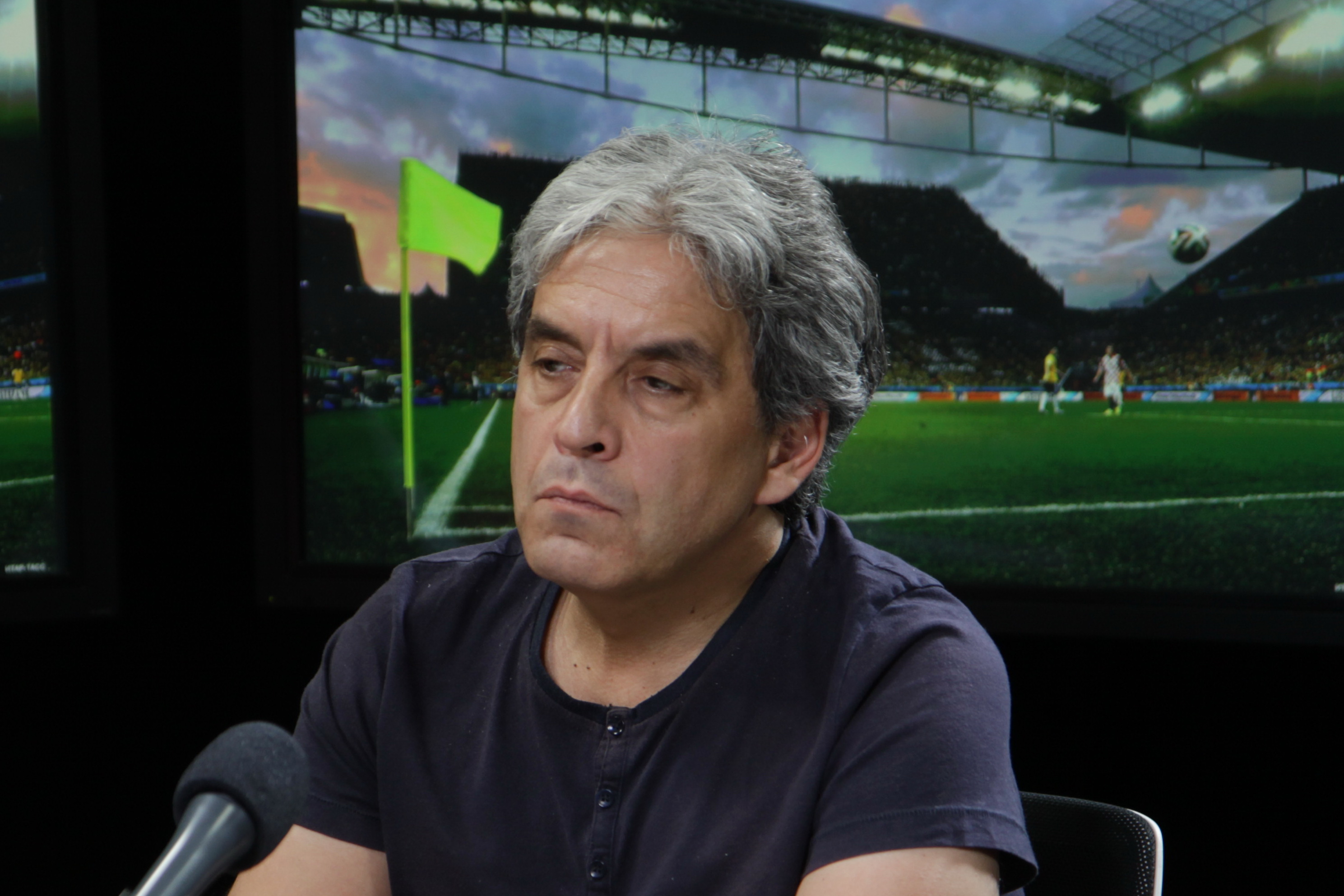
Alexander Podrabinek: The Chekists who killed Gumilyov, who tried Bergholz and Zabolotsky, most likely understood which their fate encountered. But cannibalic ideology freed them from moral responsibility. The writer Lev Timofeev , arrested in the 80s for anti-Soviet agitation and propaganda, recalls that the investigator did his work almost automatically, not interested in anything and not paying attention to anything.
Lev Timofeev: From the very beginning I refused to participate in the investigation. I said that literary texts cannot be the subject of criminal prosecution, and therefore I refuse to participate in the investigation in any form. There was an investigative group - a person out of five, probably. They just did anything: they went to the village where I once lived and where I had a house, they asked everyone there. For some time I taught English in the Ryazan school, not before arrest, many years before they went there, found my students who had already grown up, and interrogated them. Well, not idiots? Such an investigator was not a person, but an absolute function. Only once I saw his living emotions, however, these are: he had a locker above the table, and somehow he opened the cabinet doors too much, and there the girls were pasted-then there was no Russian playboy, probably they fell into the hands of the western "playboy". Such a Komsomolets ... Once I saw some emotion in it when, for the sake of a joke, he said: "You know, it feels that there should be some changes (it was already 1985). You know, it may turn out that we will change places. I will not be on yours, but you will definitely find yourself on mine." And here he soared.
The Chekists who killed Gumilyov, who tried Bergholz and Zabolotsky, most likely understood which their fate pushed with. But cannibalic ideology freed them from moral responsibility
Alexander Podrabinek: The poet Igor Guberman , who had served five years on a falsified criminal prosecution in the early 80s, notes that, in essence, the investigation was conducted not only at the stage of preliminary investigation, but also in court.
Igor Guberman: The investigation is still in court, the prosecutor acts - this is also an investigative one ... In the world, the prosecutor Sugrobov said: “How could you, intellectual, communicate with people who have tattoos? Did you understand that these are criminals?” He lifted his hand, his uniform went, and everyone saw a tattoo. Even gabsniki laughed in the hall. The hall was packed with Chekists and cops - so as not to let relatives.
Alexander Podrabinek: There were exceptions among investigators. No, they did not help their victims to avoid the camp, but, apparently, realized their unsightly place in the repressive system, as that investigator with Olga Bergholz, who lowered his eyes under the direct gaze of the arrested. Natalya Gromova says about one such investigator - Nikolai Shivarov, who was also interrogated by Osip Mandelstam.
Natalya Gromova: He had two faces. The amazing investigator who went to visit was friends with Fadeev, Pavlenko. He was a former Bulgarian communist, he once fled from Bulgaria and passed the journalism department. This man conducted the affairs of Platonov, Klyuyev, that is, he was a specialist in writers. Generally interesting: when I am doing this now, I find out that there really were people who were aimed at writers. For example, Agranov was a wide pole, he could engage in academicians, could engage in just, as he believed, counter -revolutionaries, but he loved writers very much. As we know, he fed Vladimir Vladimirovich Mayakovsky in every possible way and brought other people to him. As for Shivarov, his friendship with Pavlenko, with the writer of the fatal and terrible, played a role, because according to legend, which was almost confirmed, Pavlenko came to peep behind the investigation of Mandelstam. That is, he experienced a feeling of evil satisfaction about the fact that they tormented Mandelstam. But still, this story ended for Mandelstam with a way out: in 1934, he fell into exile in Voronezh after Cherdyn-we can say that it was a temporary deliverance. And for Shivarov, she ended in an amazingly way: being in the camp, already exiled, he writes how he should be poisoned by Luminal. He says goodbye to her and writes: if someone can say at least one human word about me, then let ... This is not called repentance, but, of course, this person ends life terribly for himself. He writes: "If there was God, I would ask him for protection."
Alexander Podrabinek: Another case, thank God, is not dramatic at all, makes us believe that nothing human investigators are alien. Says Alexander Daniel .
Alexander Daniel: When in 1974 in St. Petersburg, that is, in Leningrad, the case of Mikhail Haifets , the Leningrad samizdatchik, was unfolding in Leningrad, there were a lot of people from the literary circles, which the Heifets either introduced, or did not introduce his article about Brodsky. And in particular, Boris Natanovich Strugatsky, one of the Strugatsky brothers, was called for an interrogation, the one who lived in Leningrad. So, he was interrogated by the investigator Lipchuk (there was such a Lipchuk in St. Petersburg) about his acquaintance or not his acquaintance with Haifets's article about Brodsky. And the ending was completely unexpected: after the signing of the protocol, Lipchuk pulled the Brothers Strugatsky brothers from the portfolio and asked to sign, give an autograph. Still, they were also down to meet celebrities.
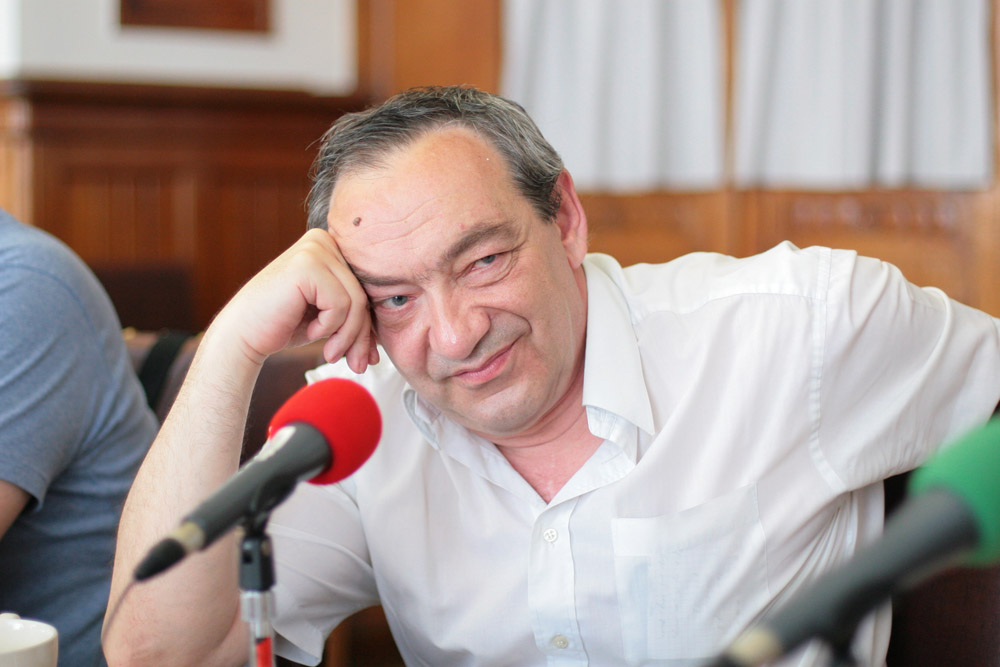
Alexander Podrabinek: There were completely unusual cases, especially in matters that the KGB spent on other law enforcement agencies. Says the poet Igor Guberman .
Igor Guberman: I had an investigator of Nikitin. By the way, her husband worked in the Kremlin security, but he drank very much - she complained to me. She treated me well, that is, not good, and so - calmly. I was continuously interrogated, because it was a gabash, and at least ten search was worked for it. Every day I had new names: whom I know where I was driving ... In the evening she took a coat from the closet to go home, and we went down with her. She handed me to the policeman, I walked behind bars, and she walked home. But when she took out a coat, I had a reflex (and then I did it consciously) - I gave her this coat. I took it from her hands and held it. She made such a face ... She did not know what to say. She, obviously, rarely served a coat in life. And then her hand dries, I see - she does not sign the protocols. I ask her: what? She says the right hand dries. И я ей порекомендовал своего товарища, гениального врача, Володю Найдина (покойник уже), и она к нему съездила, он смог ей помочь. Найдину она осмелилась сказать, что это не ее дело, что она чиста, а дело это гэбэшное.
Мы вам дадим пять лет, потому что иначе нельзя будет конфисковать вашу коллекцию, которая очень понравилась директору нашего музея
Надо сказать, что допрашивала она меня очень тщательно. Каждый день у нее были какие-то донесения, которые она сама читала впервые, поэтому спрашивала меня в вопросительно-восклицательной форме, сама удивляясь. Она не проявляла никакого энтузиазма, свойственного тем следователям, которых мы сейчас видим в сериалах, – ни грамма. Способностей не было – обычная баба. А в отношении Таты, моей жены… Я хочу сказать очень важную штуку: очень разнится отношение следователей, особенно женщин, наверное, к клиентам, с которыми они общаются, и к их женам. Дело в том, что с Таткой она вела себя безумно, она ее унижала, она перебирала книги – кстати, в этой комнате она перебирала все книги. Она придиралась к каким-то словам, она Тате грозила. А ко мне относилась спокойно. Она была простовато-искренняя. В самом конце следствия сказала совершенно изумительную фразу. Меня ведь посадили, потому что два уголовника дали показания, что я у них купил пять заведомо краденых икон, а их не было у меня в коллекции, они их даже не смогли опознать, хотя могли бы назвать какие-нибудь. И поскольку их не было, то меня посадили не только за скупку, но и за сбыт краденого (значит, я их продал). Было очень много деталей из Уголовного кодекса. Например, начальник отделения, который участвовал в следствии (вот тот был садист, безусловно), мне сказал: "Игорь Миронович, сейчас мы дадим вам пять лет, вы их отсидите, в конце мы вам пришьем срок – еще семь по 70-й статье". Дивно сексуальным оказался Уголовный кодекс! Вот что он сказал: "Мы по 70-й статье дело завели, но не возбудили, а через пять лет возбудим, получите двенадцать, – он с наслаждением это складывал, – а потом еще пять по рогам. Представьте себе, как вы будете выглядеть: вам сейчас 43 года". И я представил, я в ту ночь не спал, мне было очень плохо. Но это о нем. А она мне говорит: "Игорь Миронович, понимаете, какая штука, – этих икон нет, их стоимость явно невелика, – то есть очень доброжелательно говорит, – но мы вам дадим на полный срок, мы вам дадим пять лет, потому что иначе нельзя будет конфисковать вашу коллекцию, которая очень понравилась директору нашего музея". Вот это, по-моему, замечательная фраза для следователя, который ведет дело! На самом деле я не могу сказать про нее ничего плохого, только что она не проявляла энтузиазма… Ей все время хотелось выглядеть человечной.
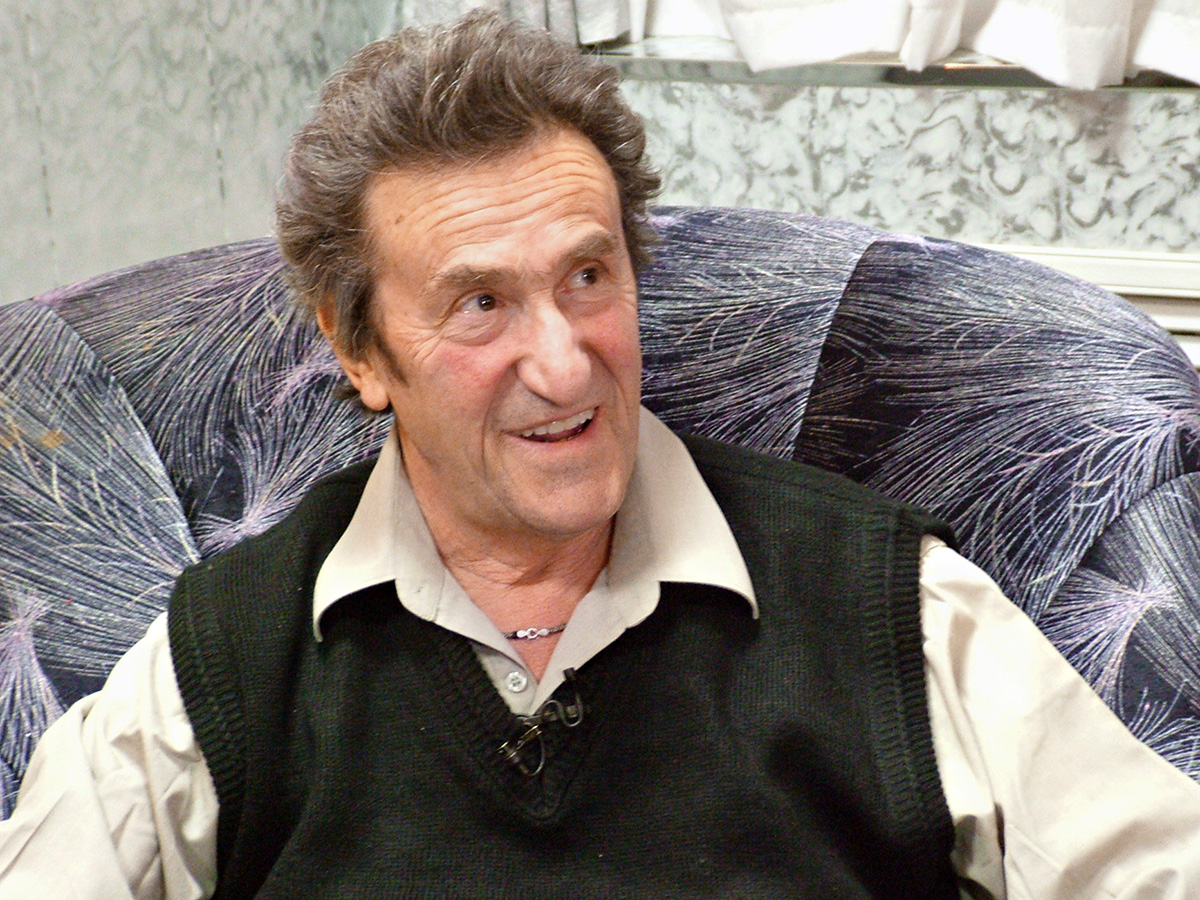
Александр Подрабинек: Нынешние следователи вызванных на допрос писателей не бьют, не пытают и стереть в лагерную пыль не обещают. Ведут себя корректно. Все-таки от момента рождения их конторы прошло почти сто лет. Пыл поугас. Но они по-прежнему занимаются беззаконными делами и чтят не столько Уголовный кодекс, сколько указания начальства.
Тот допрос Льва Рубинштейна закончился ничем. Занял он не более получаса. Рубинштейн отказался давать показания, ссылаясь на 51-ю статью Конституции России. Следователь и не возражал. Возможно, понимал всю абсурдность затеянного дела.
На следующий день после визита Льва Рубинштейна того же следователя Степанова в том же Следственном комитете посетил писатель Виктор Шендерович. По такой же липовой повестке, по такому же липовому делу.
С Шендеровичем следователю повезло не больше, чем с Рубинштейном. Тот же отказ от дачи показаний по причине политической подоплеки дела. После допроса я спросил Виктора Шендеровича, чем порадовал его Следственный комитет.
Виктор Шендерович: Прежде всего, порадовало то, что быстро закончилось, я вышел наружу. Это главное (собственно, ничего другого особенно не ожидалось). И несколько деталей, замечательных живописных деталей, которые порадовали меня по моей основной специальности. Все-таки я по основной специальности – не опрашиваемый, а журналист и писатель. Там у него в кабинете стоит Фемида немножко легкомысленного вида, с обнаженными частями тела, но все, как полагается: глаза завязаны (в отличие от Верховного суда), весы ровненько стоят. Но эта Фемида стоит за монитором – так, чтобы ее не было видно. Она видна мне – опрашиваемому или подследственному, как кому придется. А у меня за спиной и так, что видно следователю, – тканый портрет Путина: с не завязанными глазами, глаза добрые… И замечательным образом на следователя все время обращен этот светлый взгляд Владимира Владимировича, а Фемиду он не видит. Это дивно!
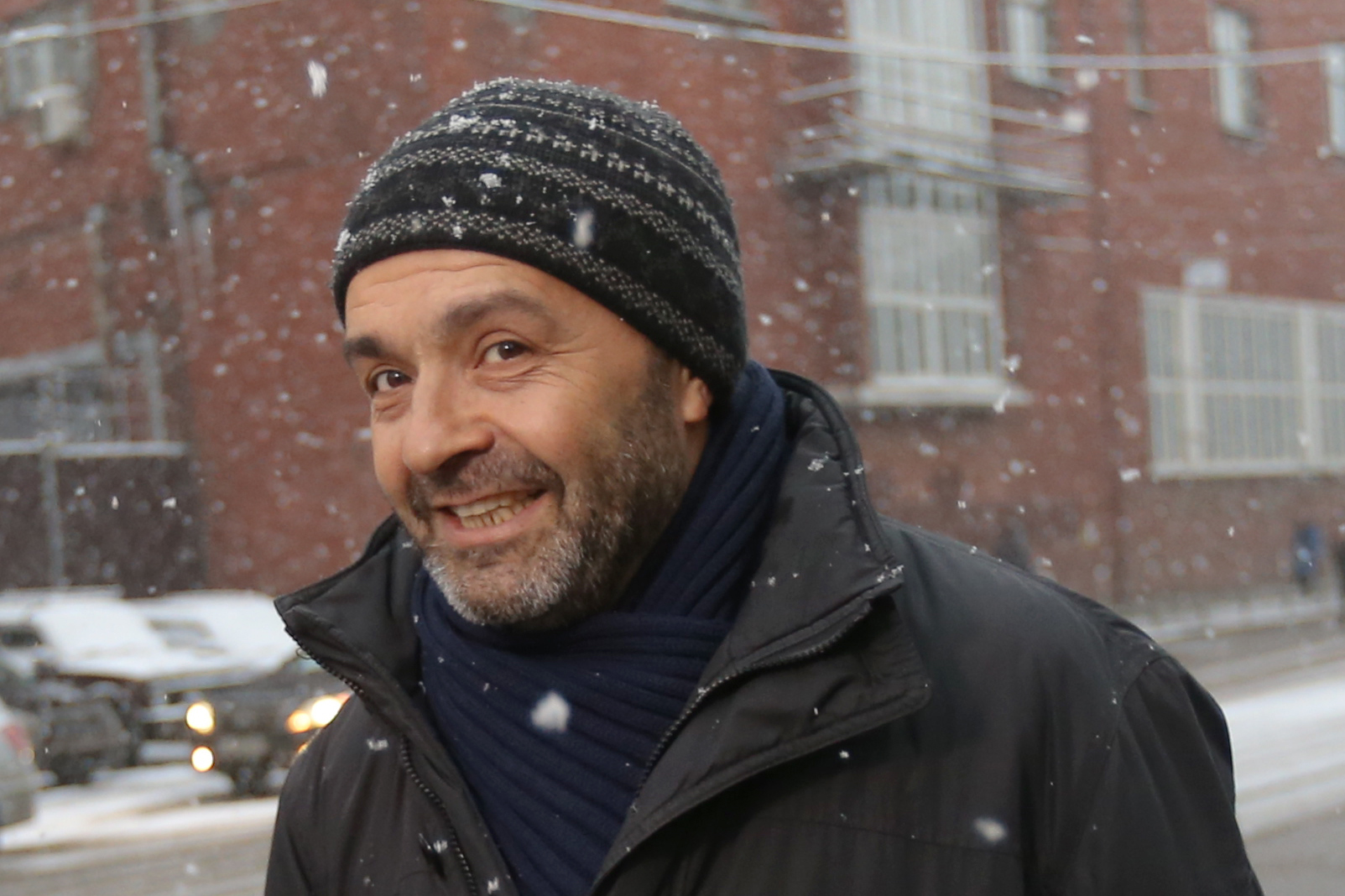
Он интересовался моим участием в акции "Книги в парках". Все это довольно понятно и очевидно. Но есть одна дивная деталь, которой я теперь делюсь со всеми. "Вы выступали в 2012 году", – сказал он мне впроброс. А я выступал в 2014-м. Но их не интересует 2014 год, потому что тогда это организовывала не Александрина Маркво, гражданская жена Ашуркова из Фонда Навального, а в 2012 году организовывала она. Их интересует 2012 год. Вот эта неточность очень точного следователя мне понравилась.
В коридоре я встретил Михаила Шаца, который покидал это здание. Он посмотрел на меня, улыбнулся и сказал: "Мы не должны были встретиться – это ошибка в логистике, нас, видимо, должны были проводить разными коридорами". Нет, судя по всему, копают…
Александр Подрабинек: В советские времена шутили, что писатели делятся на две категории: тех, что садятся и пишут, и тех, что пишут и садятся. Как бы не перейти нам ту опасную черту, после которой все настоящие писатели оказываются во второй категории, а в первой остаются только следователи, пишущие протоколы допросов.
Это была программа "Дежавю" и я, ее ведущий Александр Подрабинек. С наступающим вас Новым годом! И пусть все встречи со следователями останутся в ушедшем году, а с поэтами и писателями – в новом!