Date
Author
Сергей Сенинский; Евгений Аронов; Александр Манхайм; Владимир Дубинский
Source

Preserved copy
Translated material
2015: In a drop of oil
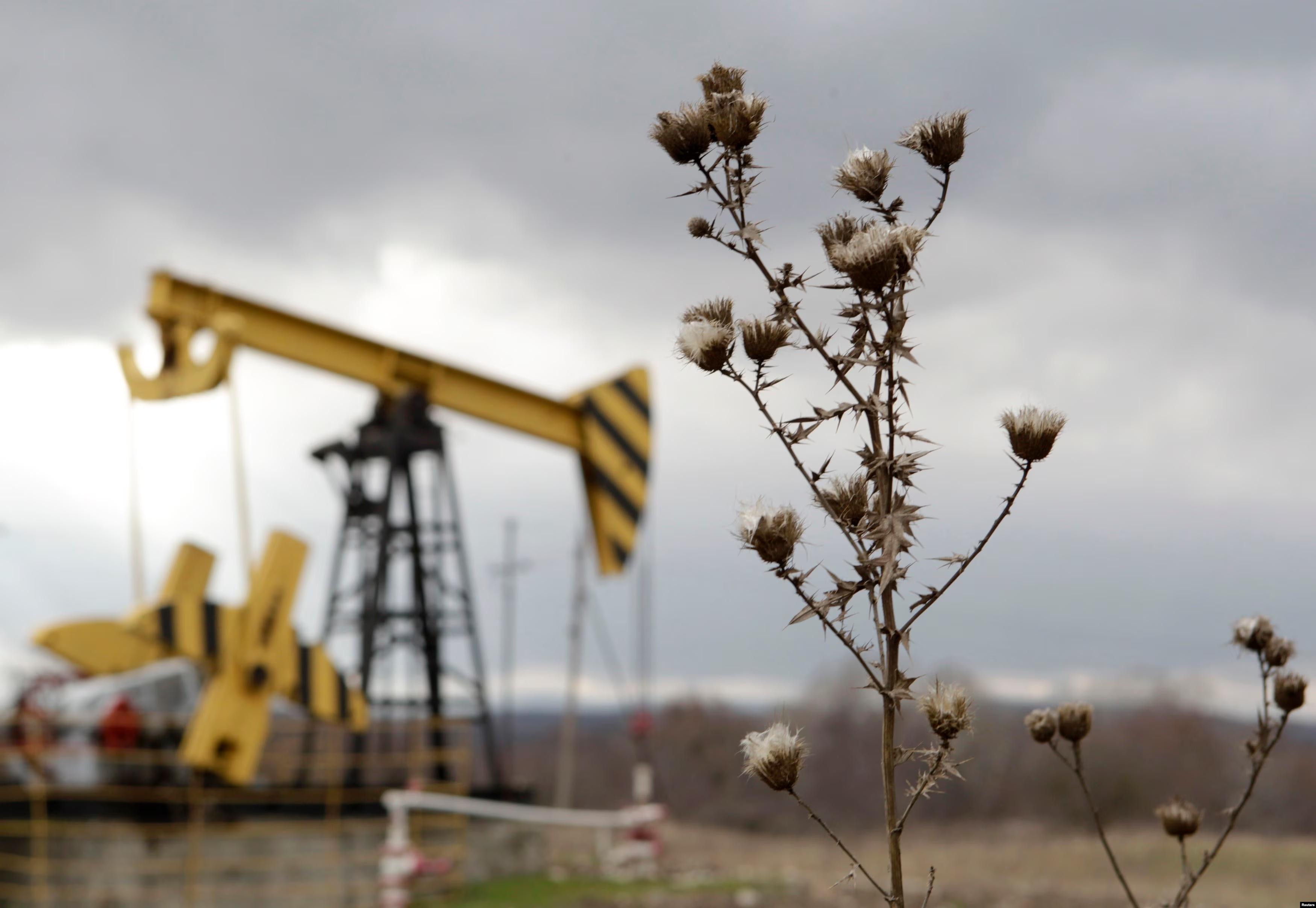
The chances of a new take -off of prices are still ghostly
So rapidly world oil prices have not fallen for six years. At the end of June, one barrel of European oil of the Brent reference variety , to the market value of which are also attached to the export prices of Russian oil Urals , cost almost $ 115. Only six and a half months later, January 7, the price of Brent dropped below the psychologically significant level of $ 50 per barrel. The last time oil was the same cheap in March 2009. True, then she still managed to rise in price: in mid -December 2008, at the peak of the global financial crisis , Brent barrels cost $ 34. However, by the end of 2009, the price of oil doubled - up to $ 75 per barrel - and continued to grow. Over the past five years, the balance of supply and demand in the global oil market has changed dramatically for five years, which eventually reflected in prices, American and European experts, which we turned to.
A significant part of 2009-2010, world oil prices were at levels, generally close to the current, but with a clear tendency to growth. On the one hand, the largest economies in the world were in recession; On the other hand, the global oil demand was growing mainly due to the continuing rapid growth of the Chinese economy, the second consumer in the world.
We are now entering the oil era, which will be very similar to times from 1900 to 1950.
Since then, China’s economic growth rate has declined one and a half times, which was reflected in the pace of expansion of oil demand in the country. Whereas the general supply of oil in the world, on the contrary, has grown sharply - mainly at the expense of North America.
Such a combination of factors should apparently be considered a prerequisite for the current drop in oil prices, since its proposal turned out to be much more real demand?
Thomas Klosa , in a traveling expert of the specialized analytical center Oil Price Information Service :
- In my opinion, the main factor was the growth of production volumes in North America. The most interesting thing is that it quickly grew three or even four years in a row , but for some reason it “reached” only in the summer of last year! .. Yes, even that, it came only when the International Energy Agency presented its forecast for the upcoming reduction in oil demand due to a significant slowdown in China’s economic growth rate , like many other countries.
Experience suggests that Saudi Arabia, if something is doing something, then with a very long -term sight. Today they look at 3-4 years in advance.
Gernot Kleppeper , professor, researcher at the Institute of World Economy , Kil, Germany: Germany:
- I do not think that the most important factors were an increase in oil supply in the world against the backdrop of a general slowdown in the growth of the world economy. More significant, in my opinion, was that the United States is the largest oil consumer in the world, they began to extract it much more and, accordingly, import much less. Moreover, soon they themselves can begin to sell it to other countries.
A significant role is played by the disagreement between OPEC countries regarding the regulation of the volume of oil they produce . They never managed to develop a certain common position. And the pace of global demand for oil, of course, fell - since the largest consumer - the USA - can soon become its largest manufacturer.
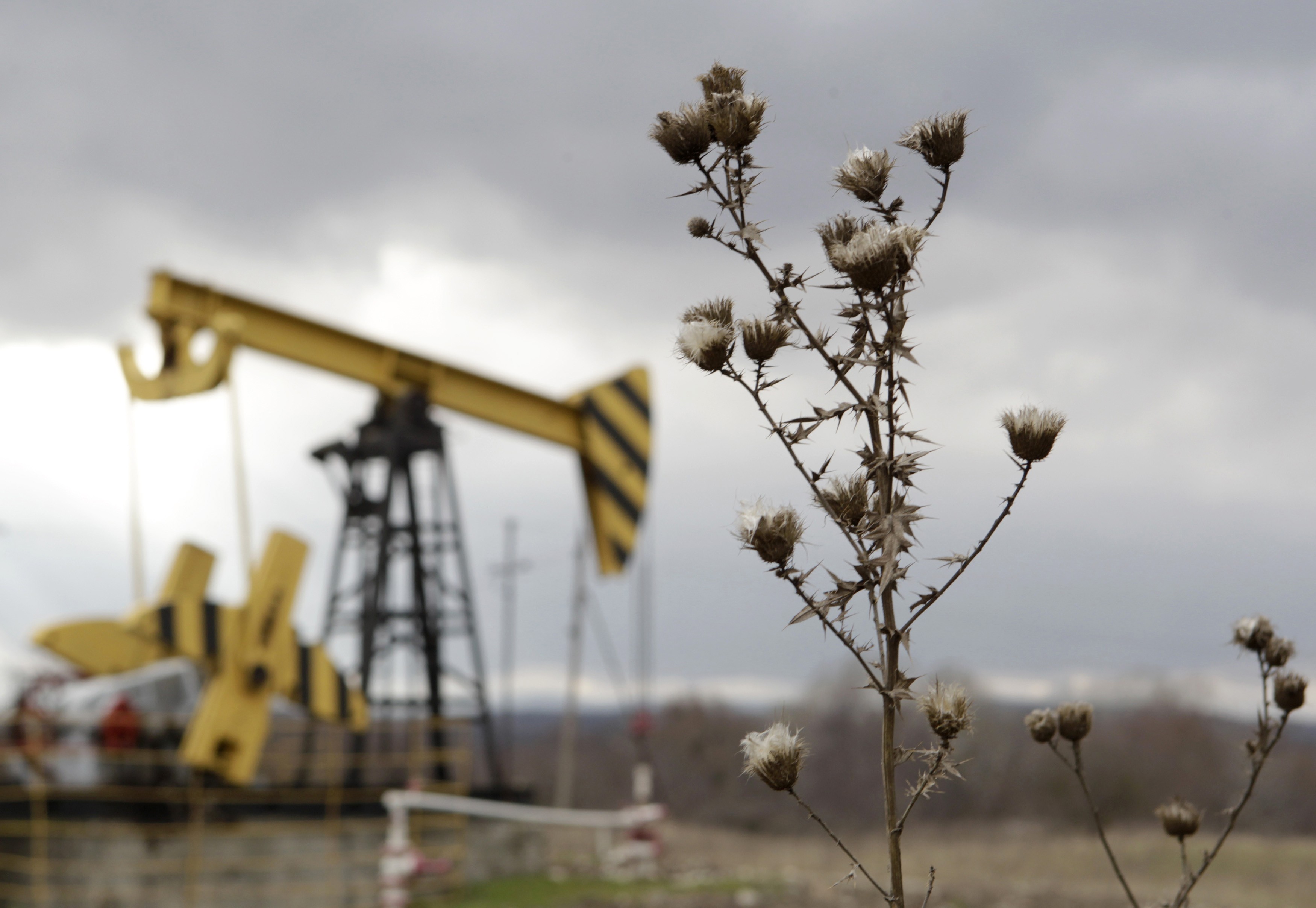
The chances of a new take -off of prices are still ghostly
- The price of oil is determined, first of all, by the ratio of demand and supply of raw materials. But also - the influx of investors' capital to those financial markets that are tied to energy, and where these prices are actually formed. From your point of view, how can one imagine the "balance" of the influence of these two factors on the dynamics of oil prices in this situation?
Desmond Lahman , researcher at a research American Enterprise Institute , Washington:
- The dynamics of supply and demand plays a much more important role in the formation of world oil prices than an influx or outflow of speculative capital in the energy sector of financial markets. These financial flows can strengthen the current trend in the oil market, whatever it may be, but they do not form it ! Therefore, the forces that drive these flows, in my opinion, cannot be called irrational - on the contrary, they fit perfectly into the current logic of the market.
If we talk about the current trend, then it is formed in conditions of noticeable weakening of oil demand and, conversely, the growth of its sentence, which has grown sharply - mainly due to the “shale” revolution in the United States.
According to IEA forecasts, the number of cars in the world over the next 30 years will double - from the current 900 million to 2 billion.
Gernot Cleps:
- I do not think that financial markets have a significant impact on the formation of energy prices. Yes, they can, of course, cause short -term, and considerable, their fluctuations. However, the current development of events in the oil market is unambiguously connected with the change of demand and supply that changed on it , which, in particular, reflected not only the obvious excess of oil, but also different positions of the OPEC countries, which actually lost control over the volume of their own production.
- Is it possible to say that if in the last three years the world oil market has remained the "seller market", now it becomes the "buyer market"? In other words, if until recently, prices in this market were more dictated by rising oil demand, now, on the contrary, by its excessive offer?
Thomas Klose:
- In my opinion, in early 2015 we will really see the “buyer market”. It seems to me that oil will generally remain cheap up to the next meeting of the OPEC countries. Although let's not forget that in winter the demand for energy carriers is traditionally increased, so at some point prices can go up.
But still, a lot will be associated precisely with what decisions will be made at the next OPEC meeting. The planned so far in June, it, I believe, can take place much earlier.
Gernot Cleps:
- Of course, I agree with such a question. Until recently, just a few years ago, it seemed that the supply of oil in the world did not have time for the growth of demand for it - primarily in countries such as China or the United States. Which, in turn, artificially overstated prices. Now, one of the world's largest consumers actually disappeared. But countries such as Venezuela or Iran make every effort to export oil as much as possible.
The OPEC strategy at the moment in no way includes plans to reduce their own production.
Desmond Lahman:
- The oil supply in the world has grown very much due to high prices that have been held for several years in a row. It was they who gave rise to a real boom of investment, the influx of large capital both in the reconnaissance of new deposits and in the expansion of existing prey.
At the same time, it is quite obvious that the world economy is “slipping”. Moreover, not only, say, Japan or the European Union, which appeared on the threshold of another recession, but also China or other developing countries, the rate of economic growth of which has significantly slowed down. All this is strongly knocking out global oil demand. It is also restrained by the massive implementation of energy -saving technologies.
As a result, the global oil market, which more recently was dominated by sellers who dictated high prices, really now becomes a “buyer market”. The discord in OPEC and the reluctance of Saudi Arabia to reduce prey, sacrificing their shares in the market, also made a significant contribution to this transformation.
Another circumstance is a decrease in geopolitical risks. If earlier the countries of the oil were in a hurry to replenish strategic reserves due to fears of the next interruptions in deliveries, say, from Libya or Iraq, now the need for such purchases has disappeared, which means that current demand has slowed down even more. These countries today support their prey.
- Against the background of low oil prices, you can expect closing or, at least, suspension of many large new production projects - very costly, and therefore requiring high oil prices. This is not only, say, about new deposits on the oceanic shelf or somewhere in the Arctic, but also, for example, about oil sands in Canada. The volume of oil supply in the world market in a few years depends on how many such projects can suffer in many ways, and therefore the future dynamics of prices for it ...
Divine oil reserves in the world are huge, and companies know very well that they will always be able to sell it profitably if they manage to reduce their costs.
Thomas Klose:
- Yes, I think that the activity of mining companies at hard -to -reach deposits will really decrease. It is not only about projects, say, in Siberia or the Arctic, but also about deep -sea deposits on the shelf of Brazil or West Africa.
As for oil sands in Canada , there are already cases when production there remains profitable, even if oil prices fall up to $ 30 per barrel. But the problem is that in the western regions of this country there are few oil storages. That is, the oil obtained at the local fields must be sent somewhere to immediately. It mainly goes to the United States , and only a small part to other countries of the world.
But in general, mining companies were able to achieve the profitability of their business in Canada even at low oil prices due to numerous technological innovations. And I assume that by the end of the decade, approximately 5 million barrels per day have reached the end of production.
... That is, they will grow by 25% to the current levels. By the way, 5 million barrels per day are almost half of the current oil production in Russia. In 2014, its volumes amounted to an average of 10.6 million barrels per day.
The US Department of Trade may take an export ban partially, allowing the export of the so -called "light" oil, that is, condensate.
Analysts of the French investment and financial company Kepler Cheuvreux , whose estimates brought in November the Bloomberg agency , estimated that in 2013, almost 20% of all world investments in the oil industry had to share shale oil in the United States. At the same time, the share of such projects in the total volume of world oil production turned out to be five times smaller and amounted to only 4%.
One of the main problems of the oil industry in periods of low prices is the decline in investment not only in new, promising projects of production, but also in deposits, long -mastered - to maintain certain volumes of production on them. Although to the greatest extent the reduction in investment will apparently affect the new projects ...
Desmond Lahman:
- Yes, this is exactly what we see today: companies reduce their new investments due to falling prices. Indeed, in order for the production at many new deposits to be profitable, oil should cost about 75-80 dollars per barrel. But so far there is no certainty that in the near future prices will stay at such levels for a long time.
However, even the closure of some wells has not yet turned up for investors with large losses - these wells are small - so small, so their launch was not particularly costly.
But in principle, the market mechanism should work, balancing demand and supply: production volumes are reduced, and the supply falls, but when the demand for oil grows again, the market itself will come to a state of equilibrium.
OPEC, of course, will try to supplant them from the market. And in this case, low prices are only at the hand of the cartel.
- If we keep in mind the production of shale oil in North America, today the estimates of many experts converge approximately as follows: those projects that are already launched and work will remain profitable and at oil prices of $ 50-70 per barrel. But at the same time, very many of those companies that are just part of this business, it is possible, will have to leave it.
In this context - how much is real, according to your ideas, a significant slowdown in the current growth rate, and possibly a reduction in the total volume of shale oil production in North America, if the period of low global oil prices is delayed?
Thomas Klose:
- I think that if the OPEC countries do not reduce production volumes in the first half of 2015, a number of American companies expect considerable difficulties. Those who are still high costs will suffer most. The number of mining plants in the country has already declined. Nevertheless, many companies are flourishing today, as they managed to introduce the latest production technologies. Say, in one of the regions of North Dakota, mining companies remain quite profitable even at oil prices below $ 30 per barrel.
- Analysts of the Norwegian analytical and consulting company Rystad Energy believe that in general, the shale oil industry in the United States remains profitable, even at prices for Brent varieties of $ 60 per barrel. And in order for the current volumes of its production to be reduced, say, 500 thousand barrels per day, that is, by 10% to the current one, the price of Brent should remain at about $ 50 per barrel for 12 months in a row, they suggest in Rystad Energy .
Nicholas Loris , Energy Analyst of the Heritage Foundation Research Center, USA:
- In North America, oil production, apparently, will still increase. The US Department of Energy predicts, for example, that it will increase even at current oil prices. Not in all deposits, of course, but - at most of them. I believe that outside North America, some extractive companies can reduce oil production, but not so much as to return the prices of previous levels.
The shale prey quickly increased for three or even four years in a row, but for some reason it “reached” for some reason only in the summer of last year! ..
We also note that the temporary stop of part of the wells will be even useful in the sense that it will create reserves for cases of unexpected interruptions in oil production in different parts of the world. Or - if the script is implemented (unlikely, in my opinion) that OPEC countries will still decide to sharply reduce their own production. A blessed reserve capacity will serve as a kind of airbag.
However, technological progress leads to a constant reducing of oil production processes , which now helps many companies to stay afloat, even despite low prices. After all, while they were high, companies invested a lot of money precisely in the development of the latest, less costly production methods. Divine oil reserves in the world are huge, and companies know very well that they will always be able to sell it profitably if they manage to reduce their production costs. And we see how companies over and over again prove that they are quite capable of this. Therefore, it seems to me, it is necessary to expect the cost of the oil production not only in the USA, but throughout the world.
- In your opinion, how great are the chances that the existing for 40 years in the United States, the ban on exports from the country of crude oil can be canceled in the foreseeable future, and at once? Or is the probability of such a development of events is close to zero, and rather, this export will only open gradually - thanks to the features of the legislative ban itself, how, in fact, is already happening today?
Nicholas Loris:
- In the USA there are hot disputes, can the ban on the export of oil from the country? Recently, one of the members of the House of Congress representatives from Texas made an offer to cancel this ban at once. Let's see what will come of it ... The situation is in principle favored by this, because due to low prices, many American producing companies are faced with a tough choice: either export their oil or to close.
More importantly, the USA - the world's largest oil consumer - began to extract it much more and, accordingly, import much less.
The US Department of Trade, as I think, can remove the ban on partially, allowing the export from the country of the so -called "light" oil, that is, condensate, which most American refineries do not. And the first steps in this direction are already being taken. Although such a decision, of course, is just a palliative in comparison with a fundamental decision to cancel the ban in full.
- The current oil supply in the world is approximately 94 million barrels per day - by almost 2% higher than the average annual level of global demand for it. And while such a rupture is preserved, it is difficult to expect any sustainable price of prices.
It turns out that it can manifest itself either no earlier than the world economy begins to recover more or less stable, or in the case of certain geopolitical crises affecting certain oil -producing countries? Or another option - OPEC will still decide to reduce their own prey in 2015 - in the interests of many of its own participants ...
Gernot Cleps:
- The OPEC strategy at the moment in no way includes plans to reduce their own production. And this situation, I think, will remain in 2015. The task of OPEC at this stage is to preserve dominance in the oil market at all costs. Страны ОПЕК опасаются сильной конкуренции со стороны других производителей, особенно - разрабатывающих нетрадиционные месторождения.
Эти финансовые потоки могут усиливать текущий тренд на нефтяном рынке, каким бы он ни был, но они его не формируют!
ОПЕК, конечно, попытается вытеснить их с рынка . И в данном случае низкие цены - лишь на руку картелю. Увы, в подобной ситуации всегда кто-то - выигрывает, а кто-то - теряет. В выигрыше остаются, безусловно, страны - импортеры нефти. Резкое падение цен на нее придаст значительный импульс их экономикам. Ну, а в проигрыше окажутся те страны, чья экономика чрезмерно зависит от экспорта нефти. В первую очередь, я говорю о Венесуэле или России.
Thomas Klose:
- В данный момент не похоже, что Саудовская Аравии и ее ближайшие союзники готовы сокращать объемы добычи. Видимо, в течение всего 2015 года между странами ОПЕК будут сохраняться очень серьезные разногласия.
Тем не менее, опыт подсказывает, что Саудовская Аравия, если что-то и предпринимает, то - с весьма долгосрочным прицелом. Сегодня они смотрят на 3-4 года вперед, и я не удивлюсь, если и в обозримом будущем эта страна будет добывать примерно столько же нефти, сколько она добывает сейчас.
Нынешнее развитие событий на нефтяном рынке однозначно связано с изменившимся на нем балансом спроса и предложения, в котором отразились не только явный избыток нефти, но и разногласия стран ОПЕК.
- В целом - резкое, даже драматичное падение цен на нефть приводит к сколько-нибудь заметному сокращению объемов мировой нефтедобычи лишь через какое-то время. Вспомним вновь, как во второй половине 2008 года цены на нефть рухнули более чем в 4 раза всего за пять месяцев - с пика в 147 долларов за баррель в начале июля до “дна” в 34 доллара в середине декабря. Но даже на фоне столь крутого падения цен объемы мировой нефтедобычи начали сокращаться лишь в ноябре, отмечала американская Baker Hughes , одна из крупнейших нефтесервисных компаний мира.
Нынешнее падение цен на нефть – и вдвое пока меньшее и более плавное, чем оно было осенью 2008 года…
Николас Лорис:
- Важнейшим из факторов, влияющих на текущую динамику нефтяных цен, в нынешней ситуации является, на мой взгляд, возрождение роста мировой экономики. В том числе - новое расширение спроса на энергоносители в таких крупных развивающихся странах как Китай и Индия.
Что касается ОПЕК, то мне эта организация представляется теперь сильно ослабевшей. Не думаю уже, что она способна заметно сократить собственную добычу и самостоятельно вернуть высокие цены на нефть. Кроме того, сам этот картель устроен так, что у его участников есть все стимулы к тому, чтобы выходить за рамки согласованных ими же квот на добычу нефти.
Нефть будет в целом оставаться дешевой вплоть до следующего совещания стран ОПЕК.
Геополитические риски - связанные или с Ближним Востоком или даже с Россией, - серьезный фактор, и его в ни в коем случае нельзя игнорировать. Но что внушает мне некоторый оптимизм, так это наличие всё же немалого количества резервных скважин в мировой нефтяной индустрии. В случае крупного геополитического кризиса их будет легко расконсервировать. И избежать таким образом резких скачков цен, подобных тем, которые мы наблюдали в прошлом.
- В самом начале разговора мы вспоминали о том, что еще 3-4 года назад едва ли не главным из факторов, определявших динамику мирового спроса, а значит - и мировых цен на нефть, считался Китай. Теперь темпы роста его экономики заметно снизились, как и значимость этого фактора для мирового рынка нефти.
Можно ли, на ваш взгляд, условно говорить о том, что еще недавнее "место" фактора Китая - по значимости для мирового рынка нефти - теперь занимает фактор стремительно нарастающей сланцевой добычи в США? Или он до уровня недавней значимости китайского пока не дотягивает?
Марк Миллс , специализирующийся на вопросах энергетики научный сотрудник исследовательского Манхэттенского института политических исследований, Нью-Йорк:
- Это - закономерный вопрос, если мы говорим о факторах, которые в среднесрочной перспективе будут определять спрос и предложение на нефтяном рынке. А следовательно - и цены на нем.
Предположим, гипотетически, что Китаю нужно будет дополнительно 5 млн баррелей нефти в день. Если к тому времени Северная Америка сможет поставить на мировой рынок эти самые пять миллионов, причем сделать это синхронно с ростом спроса в Китае, то мировые цены не изменятся. Это - элементарно.
Мировой рынок нефти, на котором еще совсем недавно господствовали продавцы, диктовавшие высокие цены, действительно становится теперь “рынком покупателя”.
В случае же нестыковки по времени роста спроса и предложения цена нефти может как снизиться до 30 долларов за баррель, так и взлететь до 200 долларов. И это - вполне реальный разброс!
Но я бы хотел добавить еще вот что. Не знаю, в каких именно регионах планеты будут в недалеком будущем открыты новые крупные месторождения сланцевой нефти, но я уверен, что где-то это обязательно произойдет.
Что же касается именно спроса на нефть в мире, то вместо Китая основным его двигателем могут стать в ближайшие десятилетия Индия и страны АСЕАН. Да и в целом, как мне представляется, мы вступаем сейчас в эпоху, которая будет весьма похожа на времена с 1900 по 1950 год, то есть период, для которого был характерен стремительный рост как спроса на нефть, так и ее предложения в мире - одновременно. Разве что количественные показатели на этом витке спирали развития будут куда более мощными...
Thomas Klose:
- Это во многом будет зависеть именно от динамики цен. Если в ближайшем будущем цена нефти устойчиво не упадет еще на 10–15 долларов, то уже в 2016 году сланцевая добыча в одних только США может удвоиться и достичь примерно 10 млн баррелей в день. Плюс - Канада, добыча в которой к 2020 году может вырасти до 5 млн баррелей. Мировой же спрос на нефть будет расти, независимо от темпов экономического роста Китая. Хотя, конечно, Китай может значительно его ускорить.
Добывающие компании смогли добиться рентабельности своего бизнеса даже при низких ценах на нефть за счет многочисленных технологических инноваций.
По прогнозам Международного энергетического агентства, общее количество автомобилей в мире в течение ближайших 30 лет более чем удвоится – с нынешних 900 миллионов до двух миллиардов! И в обеспечении топливом этого гигантского мирового автопарка важную роль будет играть Северная Америка. При условии, вновь подчеркну, что текущие цены на нефть не снизятся еще на 10–15 долларов. И не просто на короткое время, а надолго.
В ближайшей же перспективе сланцевая революция в Северной Америке будет продолжаться независимо от того, упадут, скажем, цены до уровней в районе 50 долларов или, наоборот, повысятся до 95 долларов. Вопрос - лишь в темпах развития этой революции: вырастет, скажем, американская сланцевая добыча в 2015 году на один миллион баррелей в день или – только на 700 тысяч баррелей?
Ну, а в более общем плане будущее Соединенных Штатов как мирового лидера в энергетике напрямую зависит от того, отменит ли Вашингтон запрет на экспорт нефти? Я, честно говоря, очень сомневаюсь, что это произойдет в ближайшие год–два… Или же США будут и далее заниматься, в основном, лишь реэкспортом канадской нефти, в отношении которого никаких законодательных проблем не существует?..
В данный момент не похоже, что Саудовская Аравии и ее ближайшие союзники готовы сокращать объемы добычи.
Падение цен на нефть может заметно ускорить общие темпы роста мировой экономики. По расчетам двух ведущих экономистов Международного валютного фонда, представленным в конце декабря, этот дополнительный прирост может составить 0,3-0,8%. Сходные оценки приводили еще в начале декабря эксперты международного рейтингового агентства Fitch – 0,3% дополнительно в 2015 году. А в швейцарском банке UBS аналитики полагают, что падение цен на нефть на каждые 10 долларов за баррель приводит к ускорению роста экономики мира на 0,2%.
В последнем ежемесячном обзоре мирового нефтяного рынка (опубликован в середине декабря) эксперты Международного энергетического агентства представляют следующие оценки. Общемировой спрос на нефть в 2014 году составил в среднем 92,4 млн баррелей в день – это на 0,7% больше, чем в 2013 году. При этом общее предложение нефти в мире в ноябре составило 94,1 млн баррелей в день или на 2,3% больше, чем годом ранее.
На 2015 год агентство предполагает прирост общемирового спроса на нефть на 1%. Но кто в нынешней ситуации возьмется прогнозировать, каким окажется в наступившем году предложение нефти в мире?..