
Translated material
Lustration. Part 2
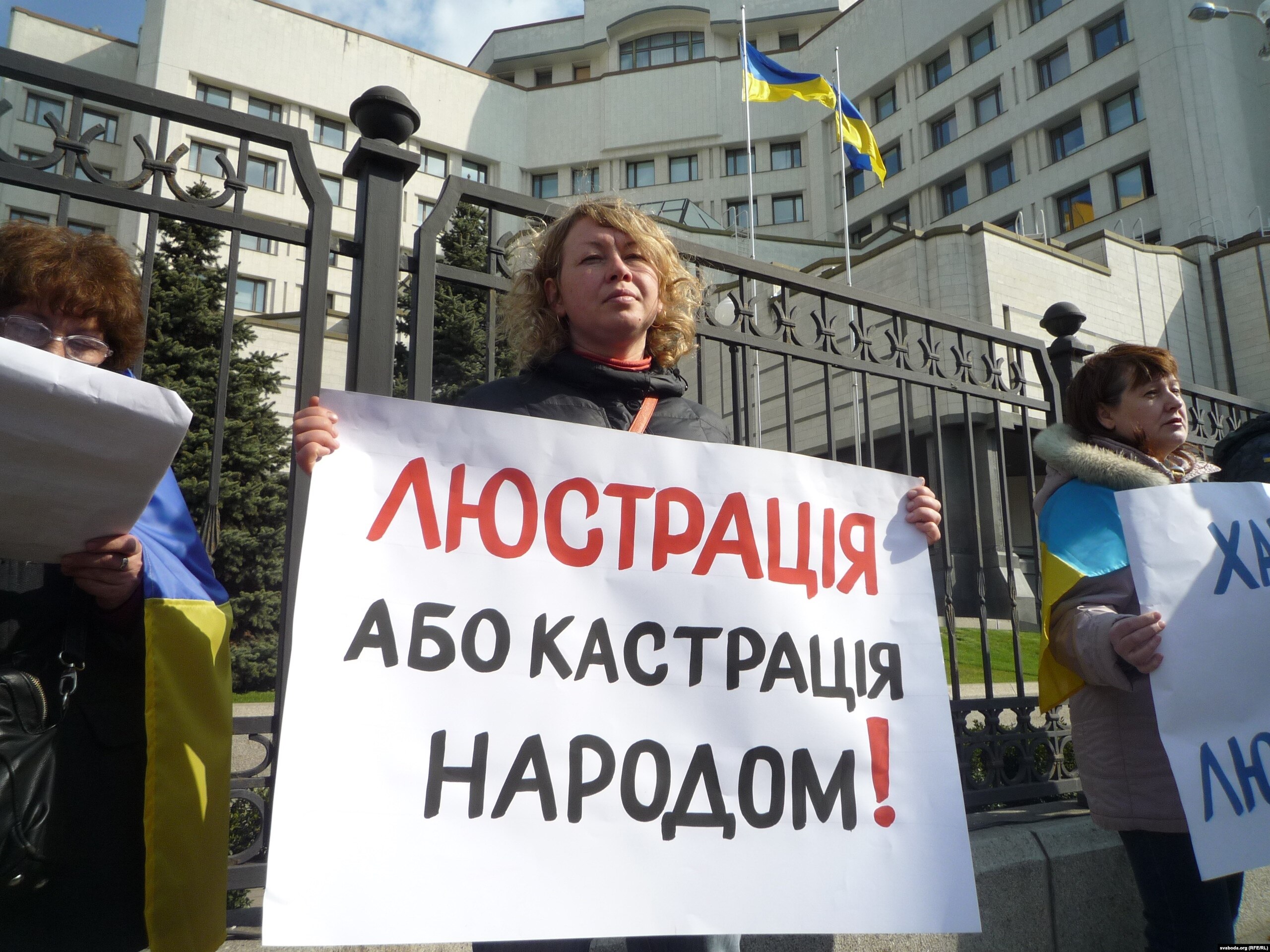
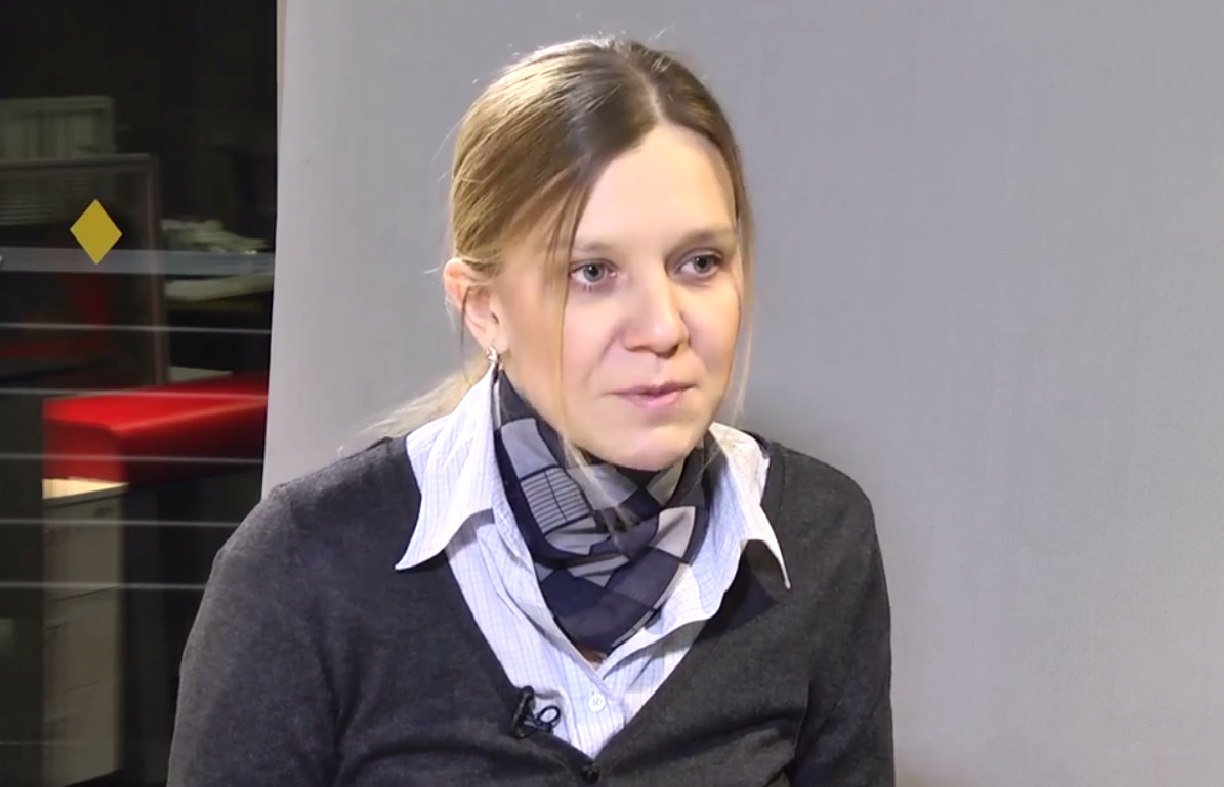
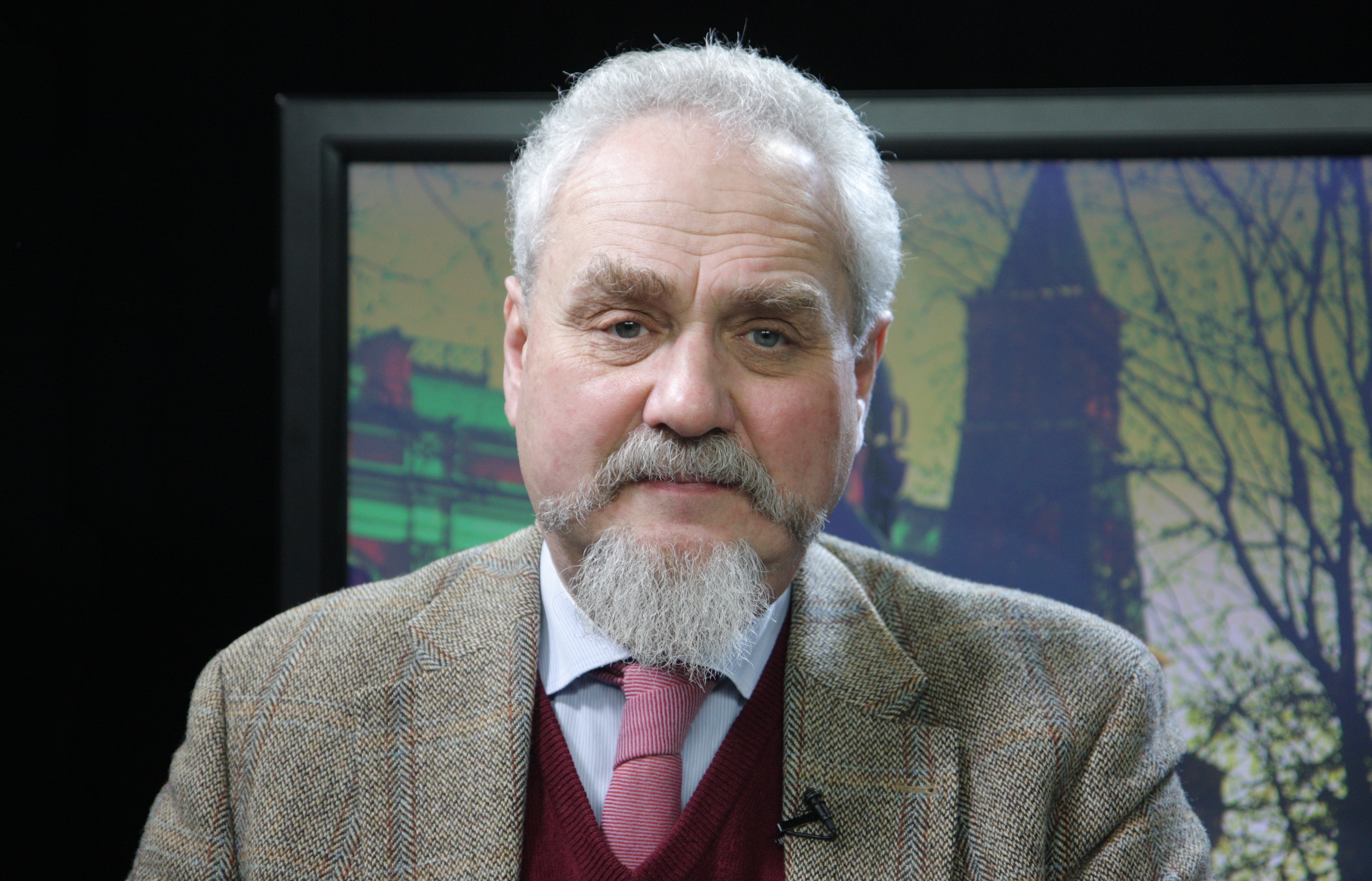
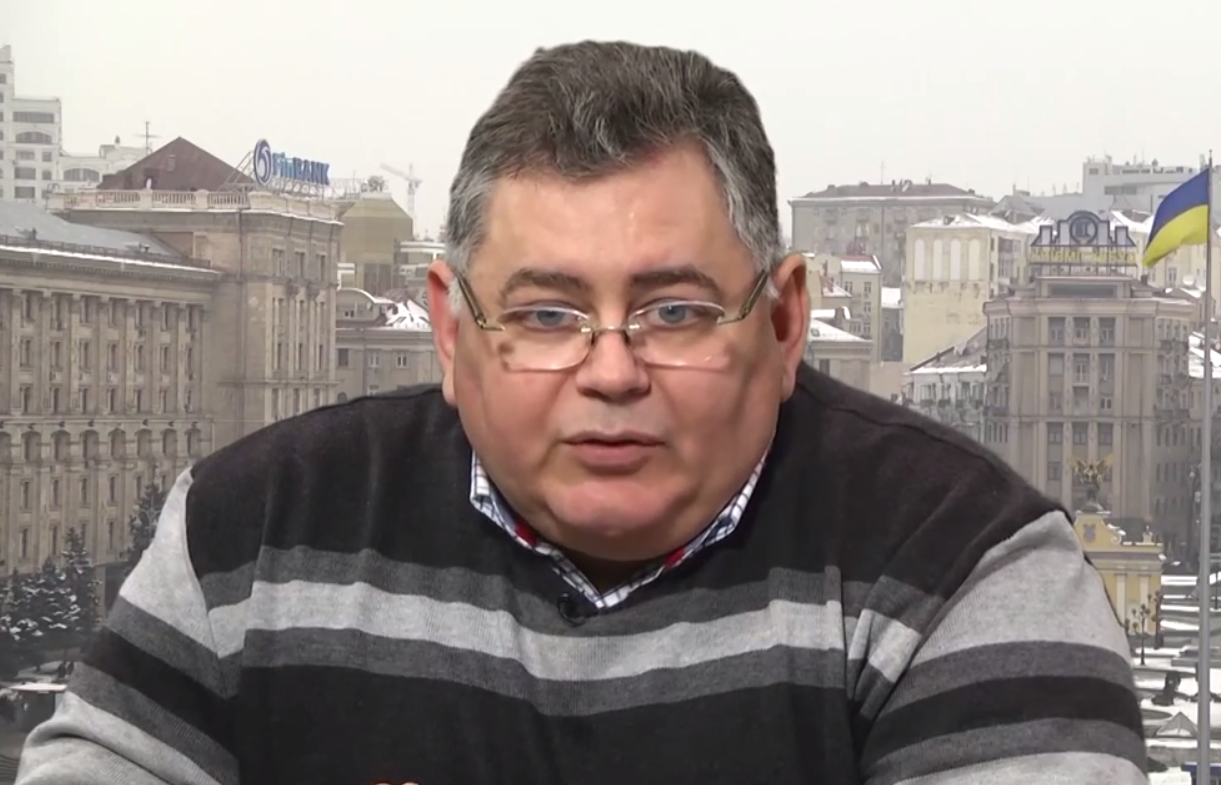
In the program of Alexander Podrabinka "Dejavu" - Evgenia Lesin, Jan Mahonin, Karl Volokh and Andrey Zubov
Alexander Podrabinek: We continue the conversation begun in the last issue of our program. How to protect freedom and democracy from a revenge of totalitarianism? Is it possible? What instruments of public administration are needed for this?
For whom does lustration pose the greatest threat? And who exactly is the most dangerous for the newly established democracy?
Ukraine sees the greatest threat to the officials and politicians of the regime Viktor Yanukovych, but does not ignore the Soviet period. Says the Ukrainian political scientist, member of the Public Council for Lustration of the Ministry of Justice of Ukraine Karl Volokh .
Karl Volokh: What are the basic principles of lustration law? Everything is very simple. Certain restrictions are imposed on the leaders of the Communist Party, starting from the level of the secretary of the city committee and above. We understand that this item has practically no importance, because today they are mainly not on state debt. But still, it was necessary to take such an important step on farewell to the Soviet heritage, even for the most part declaratively. There are certain references to people who worked in the KGB or were unofficial informants. This affects a small part of people. But really important points relate to people who were the highest part of the bureaucracy in Yanukovych's regime.
In Czechoslovakia, the main emphasis was on former employees of state security and party functionaries
Alexander Podrabinek: In Czechoslovakia, the main emphasis was on former state security officers and party functionaries. Says an employee of the Czech Cultural Center in Moscow by Jan Mahonin .
Jan Mahonin: The Lustration Law is not repressive, but oppressive. That is, no one is trying to prove that a person collaborated with the authorities. When a person wants to take some position or position in the government, he must receive confirmation from state security authorities that he was not an employee of these bodies. But this applies not only to former GB officers, but also to former functionaries and officials of the Communist Party, starting with officials of the regional committee and ending with officials of the Central Committee, this applies to our popular warriors who defended the socialist homeland with guns in their hands. There is a list of persons who are prohibited from joining certain positions of government.

In East Germany, lustration touched mainly staff of the Stasi - state security of the GDR
Alexander Podrabinek: In East Germany, lustration touched mainly staff of the Stasi - state security of the GDR. Says a political scientist, Doctor of Philosophy Evgeny Lezin .
Evgenia Lezina: Lustration actually began already from the moment of the unification of Germany. Under the 1990 association agreement, it was possible to dismiss those civil servants who either collaborated from the Stasi or violated human rights in the GDR. This clause was included in the association agreement due to the fact that the public service in Germany is considered as a guarantor of the Constitution and democracy. The law also provided for a mandatory verification of all persons who claimed a particular post in the state, wanted to become members of the land federal government, parliamentary deputies, high -ranking officials, judges, members of the Olympic Committee, and functionaries of sports organizations. They also checked the chief editors of nationwide television broadcasting companies. All civil servants, including Germany, include education staff, judges and prosecutors, were required to re -submit a petition for hiring.
Denacification in West Germany touched a sufficiently large circle of faces
Alexander Podrabinek: Denacification in West Germany touched a sufficiently large circle of faces. The word to the professor of history Andrei Zubov .
Andrey Zubov: Denacification is, of course, objectively speaking, it is lustration. Indeed, unlike, say, criminal prosecution, as in the Nuremberg trials, of certain persons for certain crimes, lustration involves certain restrictions in order to cleanse society not for persons directly guilty of certain crimes, but for persons, due to the fact that they occupied certain posts and positions, even if they themselves did not violate the law, violation of laws and committing laws and committing laws and committing laws crimes. In Germany, four organizations were outlawed at the Nuremberg process-this is the SS, the Nazi party, the National Socialist Workers' Party of Germany, the SD and the Gestapo. Accordingly, if it was criminal organizations, then all their members fell, at least under suspicion and under a certain withdrawal. It was a very serious accusation.
The number of people who fell under lustration is the eloquent indicator of the readiness of society to say goodbye to their difficult past
Alexander Podrabinek: How to evaluate the effectiveness of lustration? Probably, first of all, it matters whether the restoration of the former totalitarian orders followed it. This is the most important criterion for success. Of course, it is associated with how reliably the road to power was closed for those who recently used the authorities for criminal purposes. The number of people who fell under lustration is an eloquent indicator of the readiness of society to say goodbye to their difficult past.
The longest, thorough and mass was the process of purification of Germany from Nazism.
Andrei Zubov: In the early years, in 1945-48, about three and a half million Germans in the Western occupation zone went through special judicial filters-as members of criminal organizations or as suspects of committing crimes. They were refused the right to occupy public posts, passively participate in the elections, that is, to be elected to certain posts in local self -government, city or later in the German parliament.
The longest, thorough and mass was the process of purification of Germany from Nazism
And the same in the eastern zone-the laws of 1947-48 also practically put about half a million persons in a non-legal status, that is, with certain legal seizures. About three million people fell under denazification to one degree or another, but only two hundred thousand of them were arrested, the rest, one way or another, were primarily infringed on the right to go to public service.
Alexander Podrabinek: post -communist lustration in Germany affected a significantly fewer people.
Evgenia Lezina: At the time of the end of the existence of the Stasi, that is, at the end of 1989, 91 thousand full -time employees were listed in the state security apparatus and 189 thousand worked unofficially as informants. These people collected information for 6 million citizens of East Germany, that is, almost a third of the adult population was under state security (at that time the population was 16.5 million people).
Post -communist lustration in Germany affected a significantly fewer people
As for specific conservation or dismissal numbers, it is quite difficult to calculate here. The fact is that the process of lustration in Germany was decentralized, decisions were made at the level of federal lands, and therefore there is no unified statistics. According to some estimates, these figures can vary from 55 to 100 thousand people - these are people who were not accepted into the civil service. But we must take into account those who have not submitted a request for the civil service, predicting the consequences.
Alexander Podrabinek: In Czechoslovakia, lustration touched about the same number of people as in the GDR.
In the Czech Republic, a person who was born after 1971 is not obliged to provide a lustration certificate
Jan Mahonin: There are some statistics, but it is not complete. By the end of the 1990s, it was considered that about 250 thousand turned to our Ministry of Internal Affairs with a request for lustration, of which about 15 thousand were employees of certain bodies, and received positive lustration. Since then, a decline in the number of people who submit this request was made, because, firstly, since you received a lustration certificate, it will always be in force, you don’t have to ask for the second time, and secondly, the person who was born after 1971 is not obliged to provide a lustration certificate.
Ukrainian lustration is only gaining strength, and it is too early to talk about its final results. However, intentions are expressed by the most serious
Alexander Podrabinek: Ukrainian lustration is only gaining strength, and it is too early to talk about its final results. Nevertheless, intentions are expressed by the most serious.
Karl Volokh: To say how many people fall under lustration is very difficult. If you are guided by the criteria for the position of posts in the regime and the struggle against the Maidan, then we are talking about a relatively small group - these are several thousand people, they are subject to lustration automatically. At the same time, about a million officials will be tested. But this does not mean that all of them will be dismissed or that most of them will be dismissed. Those who will not be able to explain the origin of their assets for the period of stay in the civil service will be dismissed.
Alexander Podrabinek: What do experts of our program think about the effectiveness of lustration? Jan Mahonin believes that lustration slowed down the return of the Communists to power.
Lustration served as a brake at a moment when well -trained communist elites with capital tried to take positions in a new democratic society
Jan Mahonin: She, of course, was effective, but only to some extent. Lustration served as a brake at the moment when very well -trained communist elites with capital (unlike a normal citizen) tried to take positions in a new democratic society - this law slowed them down. They could enter the business, but could not enter into politics and government. But not that it was some kind of victorious law. After 20 years, we perfectly see how the same elites are very effectively obtaining return to politics, but not directly, but somehow indirectly.
Alexander Podrabinek: Evgenia Lezina considers lustration in the GDR very effective.
Evgenia Lezina: Lustration, as well as the process of preserving and ensuring access to the archives of the Stasi, in Germany was extremely effective in the sense that it allowed to remove a large share of the former employees and informants of the most repressive institution of the GDR, the Ministry of State Security, from leading positions in the executive and judicial authorities, from occupying any responsible posts on the state Service, in the army, police, sports and even in business, and also in many ways prevented them from election to the representatives of the representative power.
More importantly, the access to these persons to the main so -called reproductive institutions of society was limited to the education system, universities, secondary schools, as well as to cultural and mass media institutions.
Lustration contributed to the creation of more transparent, controlled by the society of state institutions, a change in the nature of the relationship between the authorities and society
Thus, lustration contributed to the creation of more transparent, controlled by the society of state institutions, a change in the nature of the relationship between the authorities and society. In fact, having taken these measures, the state was able to send to society a clear signal that state institutions are based on public trust and that work in them requires commitment to democratic principles and respect for human rights.
Alexander Podrabinek: Professor Andrei Zubov also considers denacing in Germany an example of successful lustration.
The dangers of the real revanchism of Germany were avoided precisely thanks to the second wave of lustration and consistent denazification
Andrey Zubov: Of course, this is an example of effective denazification. But this does not mean that now in Germany no one has sympathy for Nazism, there are no people who would approve of the Holocaust - they are all. Moreover, sociological surveys show that there are from 8 to 12% of the population somewhere, and this, of course, is not so few. But this is a politically not dangerous minority. It is, it is reproduced, apparently, it will be reproduced for a long time. But the dangers of the real revenge of Germany were avoided precisely thanks to the second wave of lustration and consistent denazification.
Alexander Podrabinek: They say that only one who does nothing is not mistaken. And whoever does something for the first time, he risks making mistakes even more. Not everything went smoothly and impeccably during the processes of lustration.
Not everything was smooth and impeccably under the processes of lustration
In post -war Germany, lustration took place in virtually two stages. The first-at the end of the forties, on the initiative of the occupation authorities, the second-in the early 60s, on the initiative of German society itself. Professor Zubov sees mistakes during the first stage of lustration.
Andrei Zubov: The most important mistakes were made at the beginning of the process, when it was made by occupation forces, produced in a hurry, when it was really difficult to find objective witnesses, there was still ardor, because all these terrible death camps were discovered. Then errors were made, in some cases incorrigible. Lustration can be corrected, but a number of people were even executed, sometimes by doubtful sentences.
A certain consensus was achieved, many wrote about it. Naturally, this was never fixed legally, but it said, people understood this. The consensus consisted in the fact that the former Nazis are taken to the service, but they undertake to fully support the new democratic values of Germany and not to remember in a positive context, and it is better not to remember their Nazi past at all - they forget about their past, and for this they are given the future. As a result, this led to the incredible relapse of totalitarian sentiments in the very end of the 1950s.
Alexander Podrabinek: In Czechoslovakia, supporters and opponents of lustration believe that serious mistakes were made. Some - because lustration was too soft, others - because it was too hard.
Jan Makhonin: There are people who see in all this process of adopting the law and its actions error, but each in their own way. Some accuse the government that adopted the law of making it too soft. This accusation, by the way, partially applies to President Vaclav Gavel . A part of our society mentions a certain conspiracy in 1989 with the then communist elites, supposedly in exchange for the fact that access to the economic sphere to former officials of the communist apparatus will not be prohibited - the power change will allegedly smoothly pass. This is one moment of criticism of the Law on Lustration.
In Czechoslovakia, supporters and opponents of lustration believe that serious mistakes were made
The second is, on the contrary, the reproaches is that in this process there are elements of collective guilt. The fact is that the specific actions of a particular agent are not versed, but just the fact that he is registered, that he is registered in order to prohibit him to enter into some position. Accordingly, this law is accused of not paying attention to any personal weaknesses.
Alexander Podrabinek: In East Germany, they admit that a number of mistakes were made during lustration. The main one is that lustration was mainly extended to the staff of the Stasi, but not to the highest officials of the socialist single party of Germany .
Evgenia Lezina: Among those mistakes that were later recognized by the organizers of lustration themselves, it is worth noting the complete exclusion of the leadership of the Communist Party from this process. As in most countries of the former social camp, the emphasis of the criterion of lustration was, first of all, on cooperation with the specialitarian regime special services. The logic of the developers of the law was that the secret operations carried out by the special services were much more destructive and dangerous than the open authoritarianism of the ruling party.
It turned out that ordinary informants suffered a great responsibility, and moral, and often administrative than those who authorized the whole process
Since the party’s activities were quite open, the logic was such that citizens themselves will be able to draw conclusions and decide whether it is worth preserving these people in a state apparatus and electing them to representative bodies. But, as the initiators of the lustration process later recognized (including Joachim Gauk spoke about this repeatedly), this path was partially erroneous and, of course, among the persons on whom lustration was distributed, the regional party leaders and the leadership of the ECDPG, who actually controlled the Stasi, should be included. But it turned out that ordinary informants bear great responsibility, and moral, and often administrative than those who authorized the entire process. Хотя здесь стоит оговориться, что партийные функционеры, которые нарушали права человека, могли увольняться на основании положений договора об объединении и в случае вопиющих нарушений прав человека они представали перед судами. Так, ряд высокопоставленных партийных функционеров были признаны виновными и получили реальные тюремные сроки за гибель мирных граждан при попытке пересечь границу между Восточной и Западной Германией, при попытке бегства на Запад. Еще одним возможным недочетом люстрации являлось отсутствие четких критериев, по которым тот или иной человек мог быть уволен. В результате люстрационным комиссиям на местах и судам приходилось вырабатывать эти критерии уже в ходе процесса.
Люстрации в России не было. Страна близоруко доверила власть недавним партаппаратчикам, которые затем передали ее бывшим чекистам
Александр Подрабинек: Никаких ошибок при люстрации не было допущено в России. Потому что люстрации в России не было. Страна близоруко доверила власть недавним партаппаратчикам, которые затем передали ее бывшим чекистам. Они заняли большинство самых важных государственных должностей.
Общество безмятежно отдыхало от ответственности, положившись на политических проходимцев. В представительные органы власти с легким сердцем избирали вчерашнюю партийную номенклатуру, публичных шутов, комсомольцев, киллеров, сотрудников КГБ, мафиози, советских пропагандистов. Стоило любому из них сказать несколько правильных слов о демократии, как он получал вотум общественного доверия и место во властных структурах.
Общество безмятежно отдыхало от ответственности, положившись на политических проходимцев
Россия упустила свой шанс избавиться от коммунистического наследия. Но история на этом не остановилась. Нужна ли люстрация сегодняшней России?
Андрей Зубов: Я всегда считал, что она нужна России, начиная с ранних 1990-х годов. Но мне кажется, что сейчас это стало совершенно ясно. Тогда это называлось "охотой на ведьм". Я помню, закон о люстрации в свое время делала Галина Васильевна Старовойтова, мы тогда с ней вместе работали. Я не исключаю, что ее гибель связана с подготовкой этого закона. Но ее все обвиняли: "Вы охотитесь на ведьм". Сейчас я бы ответил иначе: мы не на ведьм охотимся, а создаем эти законы для того, чтобы ведьмы не вернулись во власть.
Если бы была люстрация, понятно, что ни Путин, ни Патрушев, ни Иванов, вообще, видимо, никто из тех, кто сейчас управляет Россией, кто является членом президентского совета, не был бы у власти, им было бы, в лучшем случае, как в Польше или в Чехии, разрешено заниматься бизнесом, но ни в коем случае не быть политиками. Совершенно по-другому выглядела бы и Дума, и Совет Федерации, и губернаторы. Понятно, что у нас была бы не авторитарная, а демократическая страна.
Если бы была люстрация, ни Путин, ни Патрушев, ни Иванов, никто из тех, кто сейчас управляет Россией, не был бы у власти
Теперь, через 25 лет, совершенно ясно, что смысл люстрации, в отличие от уголовных наказаний, где наказывают конкретного человека за конкретную вину, заключается в том, чтобы дать возможность обществу дышать полной грудью, чтобы не позволить украсть завоеванную свободу, чтобы те люди, которые не могут массово измениться, потому что они слишком глубоко сотрудничали с преступным режимом, слишком были преданы ему в свое время (а это, безусловно, офицеры КГБ, опять же, они добровольно выбирали свой путь), могли бы пойти в какой-нибудь станкостроительный институт. Эти люди опасны для демократического развития страны. И Россия – самый лучший тому пример.
Ян Махонин: Теоретически России нужна люстрация, но это, конечно, будет довольно сложно. Во-первых, мне кажется, роль сексотов, агентов в обществе не всегда видится как что-то негативное, в отличие от Чехословакии 1989 года, где отношение к таким людям была известное. Во-вторых, очень много народу попадает в эту категорию, тем более что это должно было бы касаться не только коммунистического режима, но также и режима после 2000 года. Конечно, это очень обширная часть общества, которая была бы отстранена от разного рода функций в этом обществе.
Россия действительно стала воплощением тех опасений и реализовавшихся угроз, о которых предупреждали сторонники люстрации
Евгения Лезина: Сегодняшняя Россия, по крайней мере, для европейских соседей представляет самый сильный аргумент в поддержку люстрации. Ведь наша страна действительно стала воплощением тех опасений и реализовавшихся угроз, о которых предупреждали сторонники люстрации, когда говорили о том, что отказ от принятия подобных мер может привести к реваншу, восстановлению репрессивных структур, институтов, прежних отношений, а соответственно, может привести к новым нарушениям прав человека. В России мы, несомненно, имеем сегодня дело с восстановлением тех прежних институтов, против которых, собственно, и были направлены люстрационные меры, реализованные практически во всех странах Центральной и Восточной Европы.
Следует подчеркнуть, что Германия, хотя и была одной из первых, кто реализовал эти меры, не стала исключением – подобные программы были приняты также в Чехословакии, Польше, Венгрии, Болгарии и некоторых других странах.
Важно отметить, что этот процесс не был ограничен по времени лишь началом 1990-х годов. В середине 2000-х мы наблюдали новую волну интереса к этой проблематике. Те страны, которые приняли либо слишком ограниченный закон о люстрации, либо не приняли его вовсе, выработали новые законодательные инициативы и активно включились в их реализацию. К этим странам относятся Польша, Словакия, Словения, Македония, Румыния. В 2011 году в Грузии были приняты люстрационные меры, а в 2014-м – так называемый закон об очищении власти; закон о люстрации был принят на Украине. Что касается России – я думаю, что отказ от подобных мер, от мер защиты демократии, предотвращения возврата прежних практик и институтов стал основной ошибкой проводимых реформ. По-моему, переход к демократии без реализации подобных мер в принципе невозможен.
Александр Подрабинек: Последнее слово в вопросе о люстрации останется за российским обществом. Решатся россияне закрыть дорогу к власти тем, кто тянет страну в советское варварство, – получат шанс на цивилизованное развитие, не решатся – будут прозябать под властью чекистов и их преемников, проклиная всех вокруг, но только не самих себя.