
Translated material
Wild stability
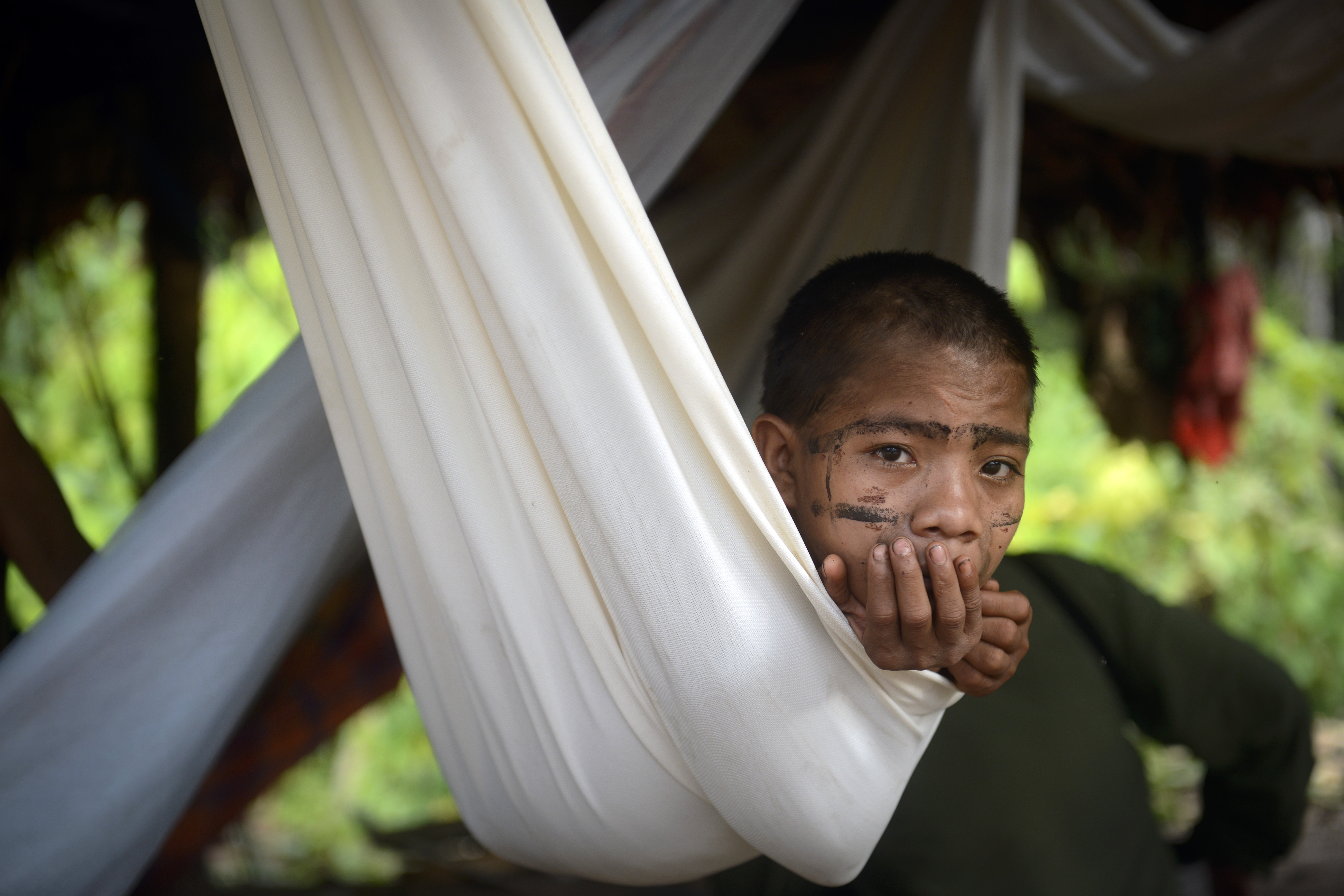
Yanomamo Indians did not contact civilization, but their microbes can withstand modern drugs
In 2008, the crew of the Venezuela Air Force helicopter, which patrolled the area in the upper reaches of the Orinoko River, not far from the border with Brazil, accidentally discovered a small village hidden under the green cover. Extensive forests in this area are inhabited by hunters-gatherers from the group of Indian tribes of Janomamo -this is one of the few remaining places on Earth, where you can still meet people who have never encountered civilization. The name found by the military village and its exact coordinates are still secret - the Venezuela government thus tries to protect the inhabitants from the curiosity of tourists. But scientists came into contact with the Indians: in 2009, a medical mission visited the village.

In the settlement at that time, only 54 people lived, mining food and gathering. The Indians did not practiced agriculture and cattle breeding, their diet consisted of wild bananas and other plant foods, as well as small mammals, crabs, frogs and freshwater fish. The natives traded with neighboring tribes, used a machete and even knew the word Medicina from more civilized relatives, but the nearest medical center was from the village in two weeks of the path. The Indians claimed that they had never taken medicines and did not eat anything that could not be caught or collected in the surrounding jungle. Doctors were surprised to noted that the villagers are almost healthy. They suffer from many parasites, but do not suffer from diabetes, autoimmune and cardiovascular diseases. Researchers took samples of saliva, skin and feces from 34 inhabitants of the village and only after that gave antibiotics to several children who were concerned about the cough.
The tests taken were processed at the New York University of the University of the University of New York only three years later. The main goal of scientists was to study the microflora of the natives. It could be expected that it would be much richer than that of the representatives of the Western world, because good hygienic conditions and antibacterial drugs gradually led to the fact that people living in civilization, some bacteria disappeared in general, and the number of others has significantly reduced. And indeed: the researchers did not meet such a bacterial diversity as in Yanomamo among the inhabitants of Western countries, or even representatives of other archaic peoples who recently come into contact with civilization.
But the main surprise was not this. If the inhabitants of the village observed an army helicopter flying over them with spears and bows in their hands, then the bacteria living in them were almost as well armed against modern antibiotics as the microbes of the Western world. And this is an incredible fact, because bacteria acquire resistance to antibiotics in the process of arms race, which pharmacists lead in test tubes, and microbes in patients. Bacteria resistant to antibiotics are mutants who have survived in the battle against drugs. Where did the stability come from in microbes that have never encountered Western medicine?
The world is facing an outstibiotic era when people will die again from the most ordinary diseases and injuries, because many infections will be invincible
The report of the World Health Organization, published in 2014, was dedicated to a new global threat to humanity: "The world is threatened with a constant era when people will again die from the most ordinary diseases and injuries, because many infections will be invincible." In fact, we lose the struggle with microbes: over 70 years of using antibiotics, millions of generations of bacteria died - but only to give their descendants the ability to withstand medicines. But the creation of new generations of antibiotics does not have time for the evolution of pathogens for various reasons, including, no matter how sad, purely economic, this can be read more about this in the big material of Radio Liberty .
In this light, it is especially important to deeply understand the variety of mechanisms that allow bacteria to produce resistance to antibiotics. How do microbes learn to resist drugs?
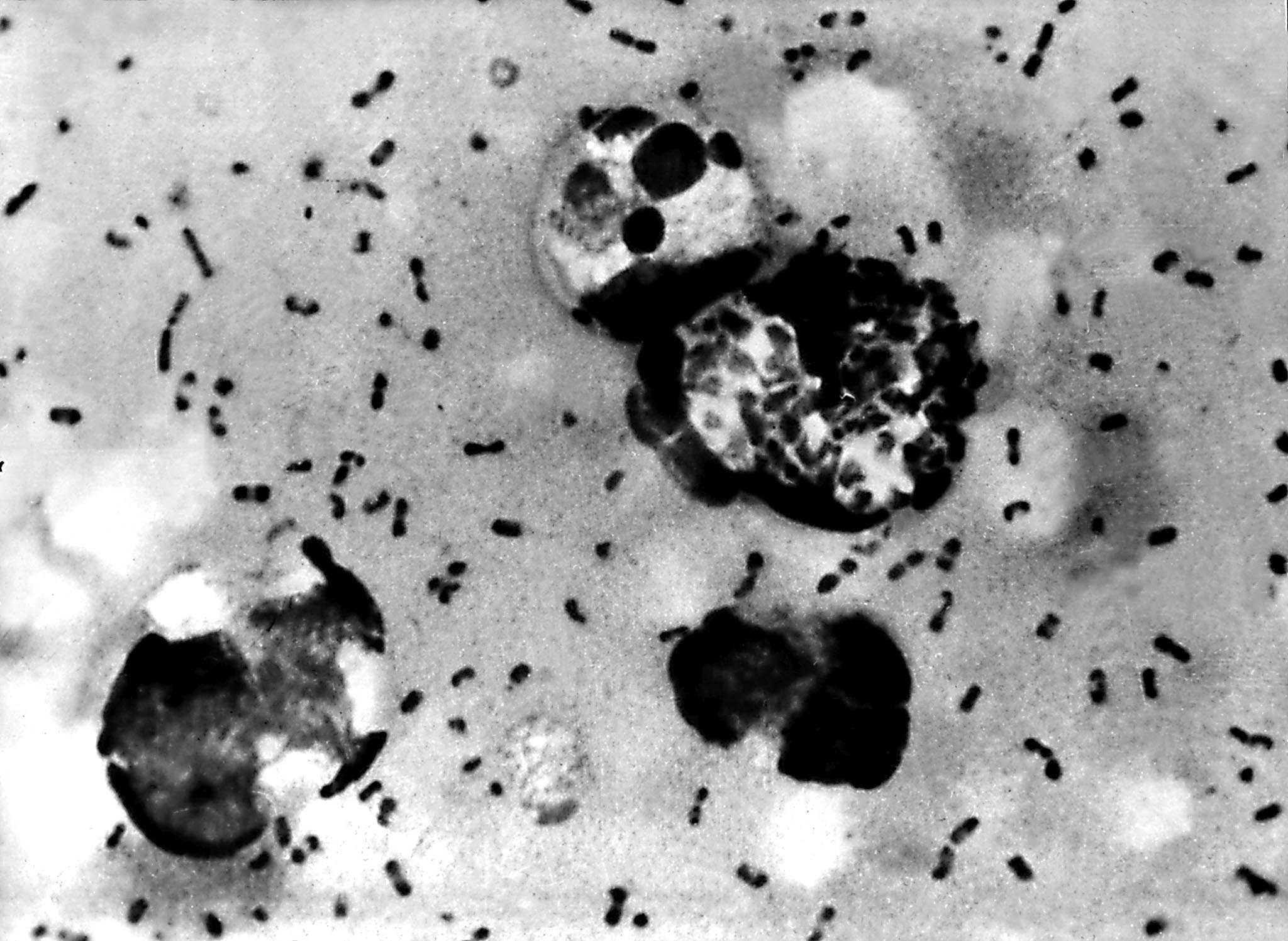
Generally speaking, microbes are the same living organisms as people, only consisting of only one cell. Antibiotics-poisons that violate some processes occurring in the cell, for example, the synthesis of the cell wall or the production of the main participants in the intracellular machinery-enzymes and proteins. Accordingly, bacteria must be fought either with the poison itself, or with the consequences of its action. “For example, there may be a variant of the enzyme violated by the antibiotic, which is resistant to this action,” explains Andrei Letarov , the head of the virouses of the microorganisms of the Institute of Microbiology named after S.N. Vinogradsky. “Either a new enzyme appears, which effectively destroys or, in any case, makes the antibiotic itself safe for the cell. Finally, the system of effective pumping of the antibiotic from the cell.”
Most of these protective systems cannot suddenly start working in a cage, for example, new proteins, which do not affect the antibiotic, should be encoded with new genes. Resistance to antibiotics is a collective achievement, it is not acquired by individual bacteria, but by whole populations.
“The bacteria has large populations and breeding with antibiotics quite rigid-that is, those cells that have some degree of stability gain quite great advantages,” says Letarov, “and therefore the corresponding mutations are selected quite quickly.”
Such a natural selection occurs the sooner, the larger the population of bacteria and the more often it is exposed to antibiotics. The ideal environment for this process is the hospital ward, and that is why the first -called “hospital infections”, for example, severe pneumonia caused by golden staphylococci, were the first to gain a threatening resistance to almost all antibiotics.
However, the bacteria found in the biological samples of the Janomamo Indians, most likely, have never encountered toxins synthesized people - how the Indians themselves did not encounter tablets and syringes. Of course, these microbes evolved, but selection factors were determined not by antibiotics. Where did the stability come from?
No one has an exact answer so far. Andrei Letarov offers several hypotheses, the most amazing of which is that bacteria could learn to fight their own genes, and eventually acquired the ability to resist the modern class of antibiotics.
“There are genes,” says Letarov, “which can be attributed to the class of“ selfish DNA. ”They apparently consider bacteria as a habitat, with which their interests may coincide, or may not coincide. These genes do not want the cell to easily get rid of them, so they sometimes encode the so-called addiction modules, which are a combination of toxin and antitoxin. That is, poison and antidote.
You can look at these genes as parasites, but Andrei Letarov notes that the microbial evolution has been already 3.5 billion years old, “for this period, a clear border in the“ Parasite - Master ”relationship was erased. For billions of years, cells have learned to use selfish genes for their own purposes (such mechanisms are known), but the latter continue to poison the owner and at the same time drip an antidote. Despite the relative benefit that the parasitic section of DNA brings, the bacteria would be happy to get rid of unpleasant passengers. And, of course, evolution comes to the rescue.
“Bacteria has a not very strong, but constantly acting selection: to find a hyorem, an enzyme that a module of addiction has a resistant to toxin,” Letarov says. “Usually the cells that have lost the selfish module are dying, but still not everyone, some learn to fight toxin, mutate and learn to block a parasitic module, but everything is small, but everything is small, but everything is small, but everything is small. The same advantage, so such bacteria options accumulate in the population. ”
A wonderful coincidence lies in the fact that exactly the same enzyme that the toxins of the parasitic module affect, antibiotics from the popular modern group of fluoroquinolones affect. “It turns out that some of these mutants who have managed to get rid of the parasitic module are also stable to fluoroquinolones,” says Letarov. “Usually there are not very many of them, because the selective advantage is not very large, but they appear on their own, without any Western medicine.”
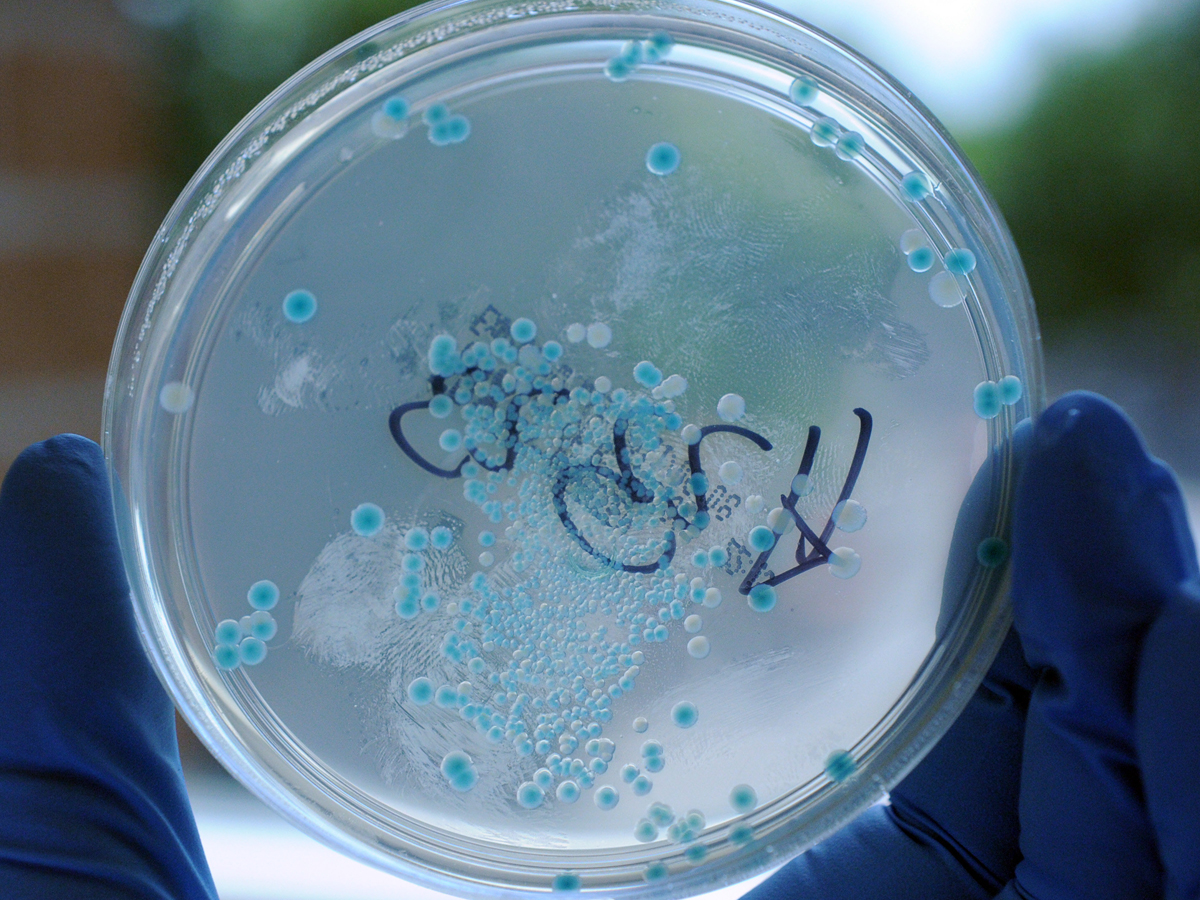
Of course, this is quite an exotic hypothesis, and it can hardly explain the whole complex of resistance to antibiotics found in Venezuelan bacteria. Other, simpler explanations are possible. For example, stability could be developed in microbes in response to natural antibiotics that are in the environment (which, however, does not explain the resistance to artificially created toxins, which was also discovered). Here is another assumption: we observe the side of the evolution of the proteins themselves, which are usually aimed at the action of antibiotics. Natural selection could be caused by other factors, and resistance to drugs is an almost random concomitant effect.
The authors of the study themselves are also lost in conjecture. Maybe in nature there are poisons that are extremely similar to modern antibiotics, but not yet discovered by scientists? Or maybe in the components of the human microflora, there is a general mechanism for identifying features inherent in all antibiotics, and already known to humanity and what we can develop in the future?
The amazing biological discovery made in the jungle will help shed light on how dangerous pathogens learn to resist drugs - even if they have never encountered these drugs. Considering that in a few decades we can be powerless in front of the most ordinary intestinal stick, the future well -being or even survival of mankind depends very much on this work.