
Translated material
Architectural ensemble
Andrey Kozenko - about what happened to the main officials of the era Yuri Luzhkov
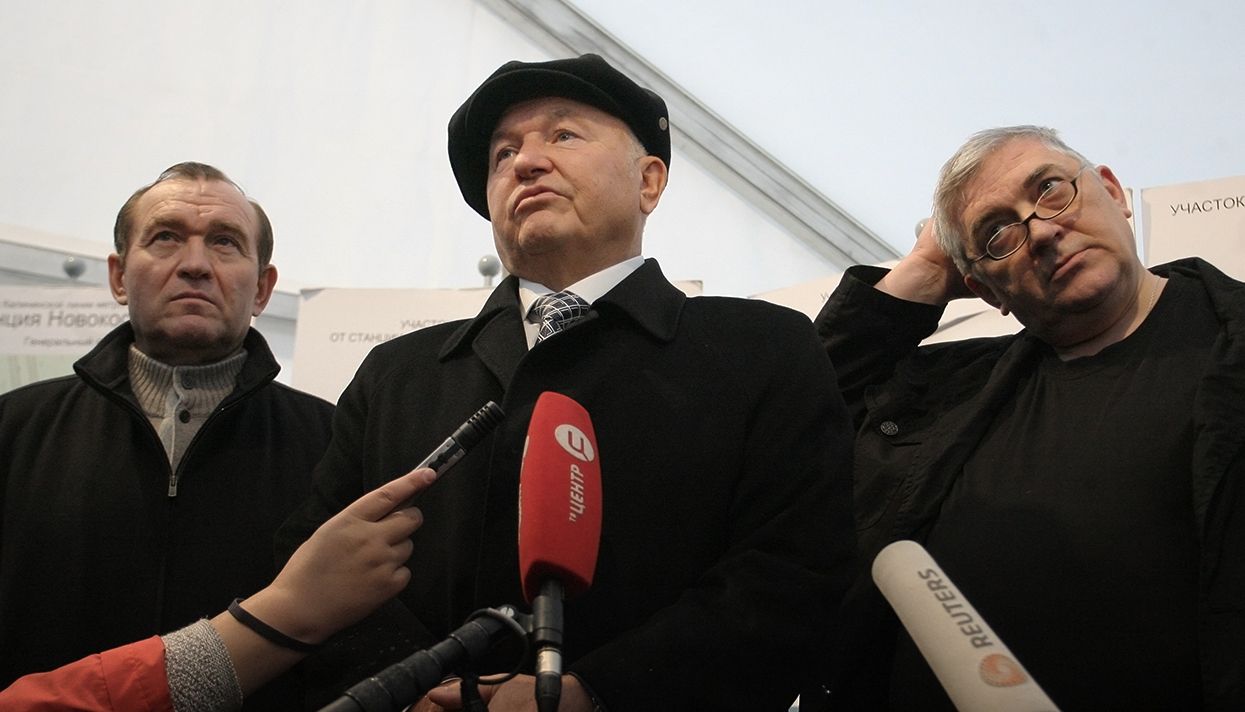
In September, it has been five years since the mayor of Moscow Yuri Luzhkov was resigned. He led the capital for 18 years; It was a time of the formation and heyday of the “Luzhkovsky style” in everything - construction and architecture, relations with business, experiments in the social sphere. The capital's mayor was unlikely to achieve outstanding results alone - his style was largely formed by the team. Its key players worked with Luzhkov from the first half and mid-1990s-and almost to the very end. Only some of them left the city hall for a short while with the new mayor Sergei Sobyanin. The special correspondent of Medusa Andrei Kozenko studied the biographies of the most important officials for the capital to understand how their contribution to “Moscow from the times of Luzhkov” was.
Vladimir Resin
The head of the construction complex of Moscow since 1992, the first vice-mayor from 2001 to 2011
Vladimir Resin will go down in the history of Moscow as the head of the construction of the Cathedral of Christ the Savior, the Okhotnoy Row underground shopping center in a step from the Kremlin and the State Duma, as well as a person who commanded the reconstruction of the Gostiny Dvor. But in fact, resin for Moscow meant even more: not a single significant construction of the times of Yuri Luzhkov could do without his knowledge and coordination. Now he is an ordinary State Duma deputy, who does not really love to attend plenary meetings. But its influence on Moscow is huge. It was his press service that was the first to say: there will be no monument to Prince Vladimir on the Vorobyovy mountains. It was he who headed the competitive commission, which chose the project of the new parliamentary author of the authorship of Mikhail Posokhin in the volunteers. Scope as with Luzhkov - 345 thousand square meters, 75 meters in height; Architecture as with Brezhnev. Perhaps this is nostalgia.
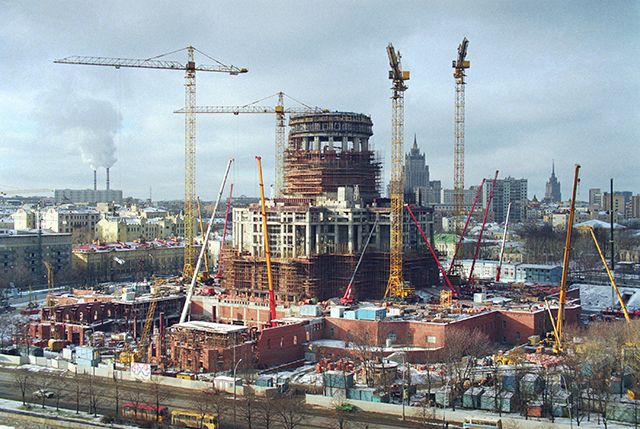
“The competition in which Vladimir Iosifovich Resin is the chairman, and Mikhail Mikhailovich Posokhin is the winner-this affects different people differently. I have a feeling of “groundhog Day”-time stopped, and on the nose again the celebration of the 850th anniversary of Moscow, ”the architectural critic Grigory Revzin shared his impressions . - And Resin is again young, and young Mihmikh ahead. All contests of Yuri Mikhailovich Luzhkov were arranged exactly the same, always Vladimir Iosifovich chaired, and Mikhail Mikhailovich won. ”
The 850th anniversary of Moscow was celebrated with luxury in September 1997. By this time, Vladimir Resin was already an indispensable member of the team of Yuri Luzhkov. They met back in the 1980s, when Resin headed Glavmosinzhstroy at the Moscow City Executive Committee-an organization responsible for the construction of roads, tunnels, bridges and embankments. In 1992, Luzhkov mastered the mayor in the chair, and resin for all subsequent years became his deputy (since 1996-the first deputy), the head and curator of the construction department and the main responsible for the promising development of Moscow.
Temples and point development, the demolition of historical buildings, followed by the occurrence in their place; Social infrastructure objects and elite houses in the very center, built (such as Opera-House on Ostozhenka) with violation of the high-altitude regulations-Resin is responsible for much of what is usually called the “Luzhkovo” style. Since 1996, without the signature of Resin, any construction was impossible - he issued all permissions. In parallel, he was engaged in political activities, but exactly to the extent as it was necessary to demonstrate loyalty to the federal center. It was necessary to join the “Our House of Russia” by Viktor Chernomyrdin - he entered. It was necessary to become a confidant of Boris Yeltsin in the elections - he became. By the 850th anniversary of the city, the Okhotny Ryad shopping center, the Museum of Archeology, the Bagration Museum, the reconstructed zoo on Krasnaya Presnya began to operate. And, of course, the monument to Peter I of the work of Zurab Tsereteli.
All the same Grigory Revzin recalls how he was along with Vrin in Venice in 2000. “What is it, masonry crumbles, let Mospromstroy here - we will build a modern city,” said Resin then.
His omnipotence was called into question only once. In 2003, he waged a hardware struggle for influence with the vice-mayor of Moscow Valery Shantsev. Information that the fate of Resin was decided from the city hall every now and then. The usual meeting of the Moscow government in February grew into a serious scandal. Luzhkov, very dissatisfied with the receiver, then blamed him - “Your philosophy is making money”, then he showed letters of residents of new buildings who complained that the houses were underdeveloped. “Comrade Shantsev gave you fabricated materials,” Resin answered, and the amazed Luzhkov turned this conversation. In December 2003, both were reassigned to Yuri Luzhkov.
In the zero resin, it oversees all the main capital construction sites and construction programs-from the demolition of Khrushchevs to the construction of 200 churches and skyscrapers of Moscow City. The founder of “Miras Group” Sergei Polonsky called Resin “dad”. In the International Organization of Transparency International, the corruption capacity of the capital's construction market was estimated at 40% of the cost of each erected object. In the Vedomosti study about what watches Russian officials wear, Vladimir Resin confidently took first place with Dewitt, La Pressy Grande Complication - 1 044 800 Swiss francs; Even Ramzan Kadyrov’s clock turned out to be cheaper. When he was accused of not doing business for a day and simply could not afford such a clock - based on declared earnings - the chief builder of Moscow, it seemed, simply did not understand what he was accused of. After all, he submitted the declaration, as it should be according to the law. Before the explanation about the clock, he never descended.
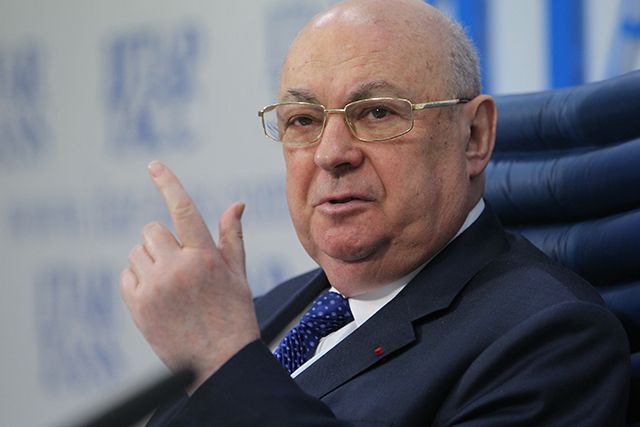
In an interview with the middle of the zero, Resin said that he was a member of the Luzhkov team. Luzhkov will leave - he will leave. In life, however, it turned out a little different. For three weeks in September and October 2010, Resin was the acting mayor. Moreover, he not only participated in the transfer of the chairs of the mayor, but managed to cancel several odious decisions of Luzhkov-on the construction of a golf club network in Moscow, for example. He fired the prefect of the Northern District of Oleg Mitvol and even proposed to transfer a monument to Peter I somewhere, recognizing that its construction was a mistake.
Resin remained in the team of Sergei Sobyanin until the end of 2011. Such a person who knows about Moscow is a little more, was definitely needed for a calm transfer of affairs to a new team. In December 2011, Resin was elected to the State Duma according to the list of United Russia. In 2015, Vladimir was 79 years old, he was not only a deputy, but also an adviser to Patriarch Kirill, confident that the city needs not 200 new temples, but 400 with the expansion of Moscow's borders.
Valery Shantsev
Vice-mayor of Moscow from 1996 to 2005
On June 7, 1996, Valery Shantsev left the entrance of his house on the Olympic Prospekt in Moscow, took a few steps towards the car awaiting it, after which a powerful explosion was heard. Shantsev was taken to the hospital with numerous wounds and a burn of 20% of the skin. He was seriously injured by his assistant and elderly woman, walking nearby with the dog. This happened a few months after Shantsev became the vice mayor of Moscow, as well as a week before the mayor’s elections, to which Shantsev was a tandem with Yuri Luzhkov.
All the years of working with Luzhkov Shantsov, he managed to be both an ally of the metropolitan mayor and a man with his own ambitions. From the mid-1990s to the middle of the zero there was no year without a conversation that Shantsev could change Luzhkov.
Shantsev - from the Kostroma region, in Moscow he graduated from the Academy of People's Economy and the Institute of Radio Engineering. He made his career along the party line, and by 1991 he was the secretary of the Moscow City Committee of the CPSU. After its liquidation, he became a member of the Communist Party, tried to run for the post of mayor of Moscow during the first democratic elections, but then Gabriel Popov won (and who walked with him in a couple by the deputy Luzhkov). Until 1994, Shantsev was as if in the opposition - he represented the Communist Party in the Moscow Council, and also worked as a commercial director of the Dynamo hockey club.
In 1994, the positions of Shantsev and Luzhkov became so close that the first suspended membership in the Communist Party and went to the absolutely economic position of the prefect of the Southern Administrative District. Two years later, Shantsev “got ahead” of everyone who worked with Luzhkov, becoming the vice-mayor of Moscow, and then in tandem with Luzhkov, he was extremely successfully successful. As for the assassination attempt a week before the elections, it remains not disclosed, despite the fact that the law enforcement agencies had suspects.
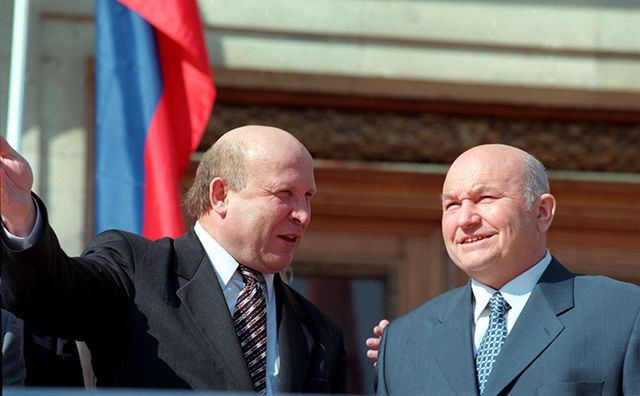
The key directions of Moscow development have always been assigned to Shantsev. From 1996 to 1999-the social sphere, after 1999-economic policy. In 2002, he managed to intercept from the all -powerful Vladimir Resin control over the tender committee distributing plots for housing development. He was a faithful supporter of Luzhkov in matters of endowing Moscow with additional preferences compared to any other Russian cities. Starting from the project to create an power supply system of energy supply in Moscow in Moscow (experts appreciated the idea as utopian, but this did not cancel the fact that Luzhkov and the former head of the RAO UES Anatoly Chubais hated each other), and ending with an attempt to introduce compulsory registration of citizens coming to Moscow (the project failed, but this did not cancel that it did not cancel that Visitors in Moscow were not loved, and the capital was long the only city in Russia, where the police demanded that the passers -by show registration at the place of residence).
Among the ambitious, but failed projects of Shantsev, and the holding of the Olympics in Moscow in 2012. Shantsev was the chairman of the application committee, promised to build a new Olympic village, said that it would be deeply symbolic if Russia accepts the Olympics exactly a hundred years after Russian athletes first participated in it. However, the International Olympic Committee considered that symbolism was not enough, and gave the game to London.
Yuri Luzhkov survived many turbulent political periods - Boris Yeltsin and Vladimir Putin were very unhappy with him. And all these years, Shantsev was called the possible successor to Luzhkov. They were similar both mentally and outwardly. Shantsev then balagul in an interview and told not very funny jokes ( - Darling, I’m pregnant! - the number was typed incorrectly ... The number was typed incorrectly ...), then he harshly defended the right of the city in the distribution of property between the capital and the federal center. I did not plan to firmly answer all questions about mayor's ambitions: “[nominated to the mayor’s elections]. I work in the team of Yuri Mikhailovich Luzhkov, and that says it all. Moscow has a leader. ”
In 2005, the candidacy of Shantsev was introduced to approve him by the governor of the Nizhny Novgorod region. All political experts of those years were unanimous - this is a weakening of the Luzhkov team against the backdrop of Putin's all intensified authorities. Shantsev, on the other hand, remains the governor, once overpented and once chosen once.
Joseph Ordzhonikidze
Deputy Chairman of the Government of Moscow since 1992; Vice-mayor from 2000 to 2007
Joseph Ordzhonikidze, who supervised the hotel and gambling business in Moscow, attempted twice. In 2000, he “with his decision stepped on the tail of villains” (according to Luzhkov), and fire from a machine gun was opened by his car. Then the driver of the vice-mayor died. In 2002, they shot at his car again; The official and his environment were saved by the fact that after the first attempt, he moved from a regular car to armored. The guard of Ordzhonikidze opened fire on the killers, shooting one of them. It soon became clear that the murdered - Salavat Dzhabrailov - the cousin of Umar Dzhabrailov, a prominent businessman, hotel owner in Moscow. In fact, this is where the public part of the investigation ended.
Ordzhonikidze was born in Borjomi, worked as a technologist at the Tbilisi Aviation Enterprise, and at the same time he was a functionary in the Komsomol organization. He moved to Moscow in 1983, supervised the youth housing cooperatives and construction detachments along the Komsomol line. With the beginning of perestroika, he was one of those who used the Komsomol in order to build his own business, in 1989, he first headed the Union of Innovative Enterprises of the USSR, and then the Union of Small Wedding and Innovative Firms of the USSR. Since 1991, he worked as an adviser to the economic issues of the first mayor of Moscow Gabriel Popov, and a year later the replaced Popova Luzhkov made Ordzhonikidze the deputy chairman of the Moscow government.
Ordzhonikidze began with the supervision of foreign economic ties, but gradually his influence grew. He began to be responsible for tourism and hotel business, for attracting foreign investment and creating branches of large Western companies in Moscow, up to gambling, lottery and bowling clubs. Gradually, at the beginning of the zero, Ordzhonikidze managed to take control of part of the development projects in the Moscow City under construction then. In 2003, he became responsible for international relations. Already in 2005, the Moscow government announced intentions to acquire a ski resort in Bulgaria, several ports in the Baltic countries and the Turgenev estate in the suburbs of Paris Buzhil (the matter did not go beyond intentions; French developers rented the estate in 2008).
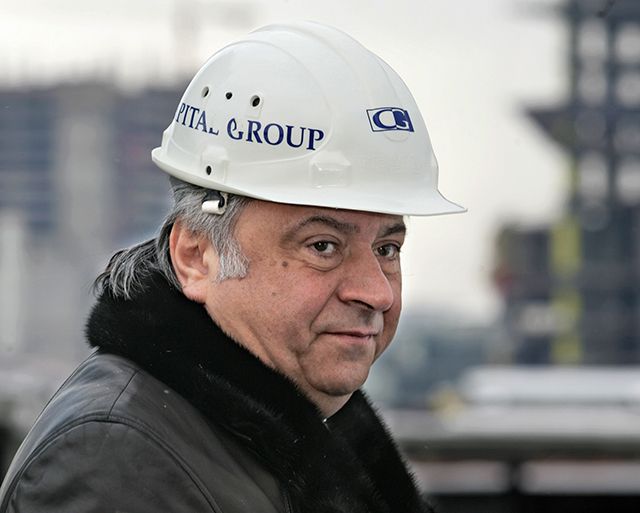
Ordzhonikidze did not work out, perhaps his largest project was to build a route for Formula 1 in the Nagatin floodplain. The declarations of intent were signed, but no more. The project cost of three times increased , which absolutely did not suit the owner of Formula 1 Bernie Ecclestone.
At the level of rumors, they said that only the president who had elected President Vladimir Putin demanded to remove Ordzhonikidze from the Moscow City Hall as a person with the most ambiguous reputation. Luzhkov then defended a member of his team. However, in 2007, he resigned him without any obvious reasons. According to rumors, Luzhkov really did not like the close interaction of Ordzhonikidze with the Georgian diaspora. Ordzhonikidze, answering the question of unexpected resignation, said that only time would give an answer. Eight years have passed - time is still silent.
After the resignation of Ordzhonikidze, he disappeared from the public field. As far as one can judge by his rare appearance, he and his family are fine. Back in 2011, the Tatler magazine wrote : “The daughter of Joseph Ordzhonikidze Crew two big passions: home hearth and wardrobe. All foreigners are wondering who this beauty of Georgian blood, lighting at Russian parties on the Cote d'Azur in breathtaking toilets. By the way, they are looking forward to the new exits also because it never goes in the same outfit twice. ” About the husband of the daughter of Armen Sargsyan, it is known that his Gosloto company controls 60% of the sales of lottery tickets in Russia
In April 2015, the attackers robbed the house of Ordzhonikidze in Barvikha.
Lyudmila Shvetsova
Vice-mayor of Moscow in the social sphere from 2000 to 2011
In 1993, Lyudmila Shvetsova, a graduate of the Kharkov Aviation Institute, a Komsomol employee, organizer and expert on women's rights - was called to meet with Moscow Mayor Yuri Luzhkov. “There were troubled times in the city - the Communists with the Democrats literally fought on the streets,” she recalled . - And the first thing I asked Yuri Mikhailovich with a bated breath: “Do I have to disperse these demonstrations?” “Do not have to,” he reassured. “Lyudmila, I need you to reconcile Moscow and unite.” So Shvetsova received the post of head of the Department of Public and Interregional Relations of the Moscow Government. In the next few years, Yuri Luzhkov will listen carefully to Shvetsov, but nothing will be realized at first. "What, Yuri Mikhailovich, listen to the woman and do the opposite?" She reproached the metropolitan mayor. However, from 2000 to the departure of Luzhkov Shvetsov will be an untouchable curator of the social sphere in Moscow.
Shvetsova turned out to be an advanced (for conservative as a whole) city hall by a specialist. At the end of the zero began to talk about the need to introduce inclusive education in capital schools. She defended her thesis on the topic "Integration of women into politics in the 70-90s of the twentieth century." Under Shvetsova in Moscow, they enjoyed stable support for the gymnasium, offering an in -depth study of subjects. With her, Moscow teachers received salary allowances - and compared with their colleagues from the regions, they began to earn a lot of money. In addition, she was one of the main opponents of the introduction of a mandatory single state examination for schoolchildren. He never supported the health care reform, which provides for the increase in hospitals and the reduction of doctors (this reform began after she left the city hall, and immediately provoked street rallies). In a word, she is the author of the system in which Moscow became almost the only city in Russia where the employees of the budget sphere lived and did not survive.
«В позитиве, который связывают с бывшим мэром Лужковым, ее заслуг — процентов на 70 точно», — так сказал про Швецову лидер КПРФ Геннадий Зюганов.
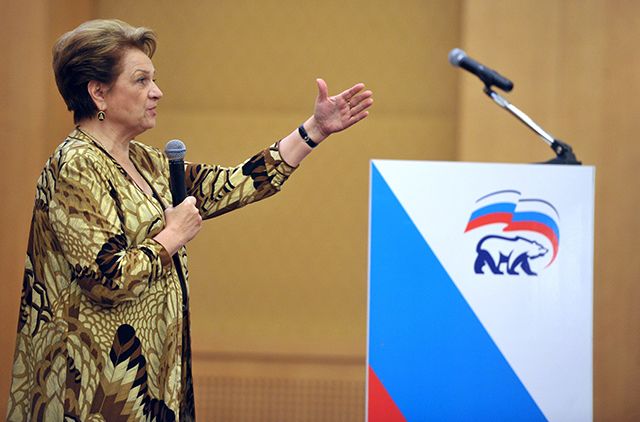
Как и все высокопоставленные чиновники мэрии, политикой она занималась, скорее, вынужденно. В 2009 году была — вместе с Лужковым — «паровозом» «Единой России» на выборах в Мосгордуму. После отставки Лужкова она, как и Владимир Ресин, задержалась в мэрии на год. Осенью 2010-го даже попала в шорт-лист кандидатов в мэры, но это было, скорее, техническое решение, чтобы соблюсти процедуру назначения глав регионов. В декабре 2011 года избралась в Госдуму, стала вице-спикером нижней палаты. Весной 2014 попала в санкционный список лиц, которым запрещен въезд в Европейский Союз.
29 октября 2014 года Людмила Швецова умерла.
Vladimir Pronin
Руководитель ГУВД Москвы с 2001-го по 2009-й
В октябре 2002 года, во время захвата заложников на Дубровке, начальник ГУВД Москвы Владимир Пронин давал очередное интервью на телекамеры, и кто-то из неопытных журналистов попросил его представиться. "What? — не понял генерал. — Вы что, не знаете, кто я такой?!» Пронин от гнева даже отвернулся. На протяжении своей карьеры он действительно сделал многое, чтоб его запомнили на долгие годы.
По формальным основаниям Пронина нельзя считать членом команды Лужкова, потому что начальники ГУВД утверждаются на федеральном уровне, а в случае с Москвой — еще и вопреки мнению руководителей столицы. Лужков изо всех сил пытался удержать предыдущего руководителя столичной милиции Николая Куликова. Насколько сильно он пытался, говорит хотя бы тот факт, что постоянного начальника ГУВД в Москве не было два года — с 1999-го по 2001-й. Однако Лужков и Пронин сработались быстро и тесно. Настолько, что когда Пронина будут увольнять, «близость к Лужкову» окажется одним из главных аргументов.
Пронин своего рода рекордсмен — громких событий, случившихся при нем, хватило бы на десять отставок, если бы речь шла о каком-то другом регионе. Летом 2002 года футбольные фанаты при полном попустительстве полиции устроили погром на Манежной площади после проигранного сборной России матча Чемпионата мира с Японией. Пронин тогда попросился в отставку у главы МВД Бориса Грызлова. Но отставка принята не была, и на парламентских слушаниях в Госдуме Пронин уже уверенно говорил, что в погроме виновата реклама, которую показывали в перерыве: мол, в одном из роликов люди крушили бейсбольными битами автомобили.
При Пронине в Москве взорвали «Макдональдс» — все в том же 2002 году, за четыре дня до «Норд-Оста». В следующем году случились теракт на рок-фестивале в Тушино и подрыв смертницы у гостиницы «Националь». Из-за халатности сотрудника московской милиции в августе 2004 года на борт самолетов, вылетавших из Домодедово, попали террористки-смертницы. После этого милицию перевели на усиленное несение службы, но это не помогло — всего через четыре дня после трагедии с самолетами произошел теракт у станции метро «Рижская».
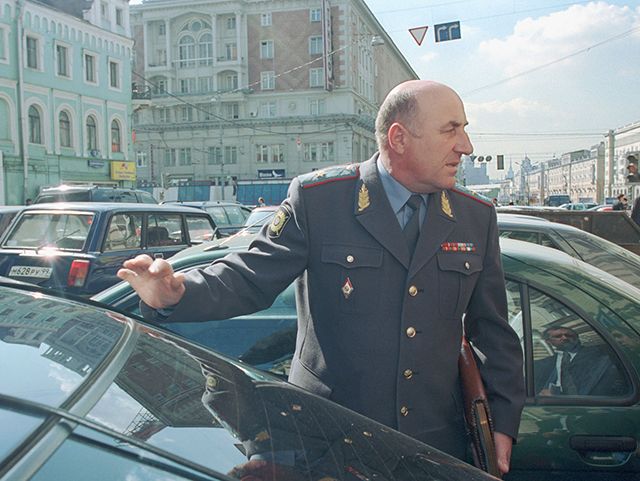
Милицию обвиняли в неэффективности и коррумпированности, однако в том же 2004 году Юрий Лужков наградил Пронина званием «Почетный работник правоохранительных органов Москвы». Громкие скандалы в милиции при этом станут уже почти нормой, количество громких преступлений не сократится. Произойдет теракт на Черкизовском рынке, не раскрытым останется убийство бывшего депутата Госдумы Руслана Ямадаева, и это речь только о крайне резонансных преступлениях.
Карьера Пронина закончится после стрельбы, которую открыл в апреле 2009 года в супермаркете «Остров» начальник ОВД «Царицынское» Денис Евсюков. Он убил двоих и ранил шестерых людей. Сперва президент Дмитрий Медведев уволил двух заместителей Пронина, однако это явно не уменьшило резонанс, и тогда в отставку был отправлен сам начальник ГУВД. В ведомстве представили все так, что он уходит по собственному желанию. Юрий Лужков выражал свои сожаления, а анонимные источники в мэрии говорили , что эта не согласованная с градоначальником отставка — удар по позициям мэра. Они окажутся правы, но только через полтора года, когда Медведев уберет с должности самого Лужкова.
Пронин поначалу пытался защищать Евсюкова и говорил, что до преступления тот был известен с самой лучшей стороны. Потом Пронин рассказал , что навещал Евсюкова после устроенной им бойни — и на вопрос «Многих ли я положил?» рекомендовал ему застрелиться.
После отставки Пронин некоторое время пробыл советником на общественных началах Владимира Ресина. А в сентябре 2010 года стал вице-президентом госкорпорации «Олимпстрой». Когда Олимпиада завершилась, Пронин уехал к себе на родину в Курскую область, где теперь разводит лошадей.
Сергей Цой
Пресс-секретарь мэра Москвы с 1992-го по 2010-й
Если пресс-секретарь Юрия Лужкова Сергей Цой не хотел отвечать на вопрос, который ему задавали журналисты, то в телефоне звучали слова: «Это не Сергей Петрович, это его водитель». Правда, вопрос «водитель» всегда выслушивал (при этом все журналисты, пишущие про Москву, голос Цоя знали прекрасно). А когда ему было важно донести точку зрения мэрии на то или иное событие, он запросто прерывал любое важное совещание, на котором присутствовал.
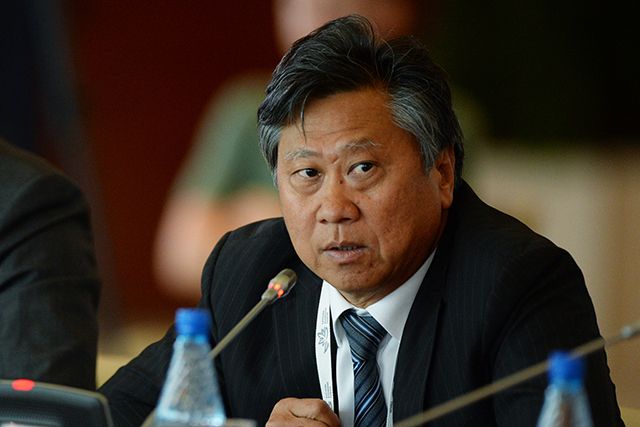
Сергей Цой окончил филфак Ростовского государственного университета, работал в «Строительной газете», «Труде», «Советской России». В конце 1980-х перешел в структуру при Моссовете, которая была прообразом пресс-службы. Там он познакомился с Лужковым, и с 1992-го по 2010-й был его бессменным пресс-секретарем, а также, как рассказывают, имиджмейкером. Якобы именно Цой рекомендовал Лужкову защищать права русских в Севастополе и довольно жестко высказываться по поводу стран СНГ. Надо отметить, что Лужков, в том числе благодаря этим темам, быстро стал фигурой федерального масштаба и одним из лидеров корпуса глав субъектов Федерации.
Мэрия Москвы проводила агрессивную информационную политику — например, запросто подавала в суды из-за негативных публикаций (и выигрывала их со стопроцентным результатом). Интересы столичной власти, будь то вопрос о точечной застройке или проблема согласования «Марша несогласных», Сергей Цой защищал жестко. Даже если приходилось попадать в неловкие ситуации, когда пресс-секретарю приходилось откровенно выгораживать мэра (как это было во время смога в Москве в 2010-м, пришедшегося на отпуск Лужкова).
Доходило до анекдота: в марте 2007 года Юрий Лужков прибыл в столицу Британии на встречу мэров Лондона, Парижа, Берлина и Пекина. Среди публики там появился известный гей-активист Николай Алексеев. На пресс-конференции мэров Алексеев достал радужный флаг, и Цой буквально набросился на него, оказывая «физическое и психологическое давление», а также угрожая. Так говорилось в заявлении, которое Алексеев написал на Цоя в Скотланд-Ярд. Видимых последствий оно не имело, но инцидент еще больше укрепил репутацию Цоя как главного защитника позиций Юрия Лужкова (геев и их парады мэр ненавидел).
С конца 1990-х годов у мэрии появился и телеканал — ТВЦ. Цой входил в совет директоров, а с 2006-го возглавил его. Канал был образцом лояльности.
После отставки Лужкова Цой задержался в мэрии ровно настолько, насколько это было нужно, чтобы соблюсти формальности. С ноября 2010 года он стал зампредом правления ОАО «РусГидро», и на политические темы с тех пор не высказывался.
Alexander Kuzmin
Главный архитектор Москвы с 1996-го по 2012-й
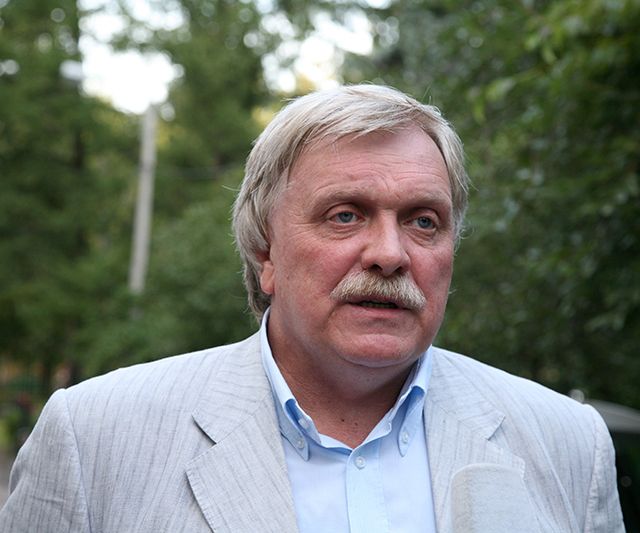
64-летнего Александра Кузьмина можно считать таким же соавтором «лужковской» архитектуры, как и самого Лужкова с Ресиным. «Александр Викторович, скажите, вам не жалко уничтожать Москву?» — спрашивали у него в одном из интервью . Тот как ни в чем не бывало уточнял, какую именно Москву журналист имеет в виду, а потом продолжал доказывать, что тот же Военторг или гостиница «Москва» были снесены на абсолютно законных основаниях, и что «изменение города — естественный процесс» — повезло только Парижу, который весь был сломан еще в ХIХ веке.
Кузьмин окончил архитектурный институт, с середины 1970-х до 1991 года работал в НИИ Госплана Москвы, затем стал первым заместителем комитета мэрии по архитектуре, а с сентября 1996-го — после первой победы Лужкова на всенародном голосовании — он главный архитектор Москвы.
Среди его достижений (или неудач, зависит от вкуса) за эти годы — разработка генплана Москвы до 2025 года, проектирование «Москва-сити», реконструкция МКАД и строительство Третьего транспортного кольца, снос гостиниц «Москва» и «Интурист», реконструкция «Манежа» и Военторга. Он автор и соавтор более 60 градостроительных проектов. Две основные претензии к Кузьмину: точечная застройка и создание новодела на месте снесенных памятников архитектуры. Сам он эти упреки никогда не признавал справедливыми.
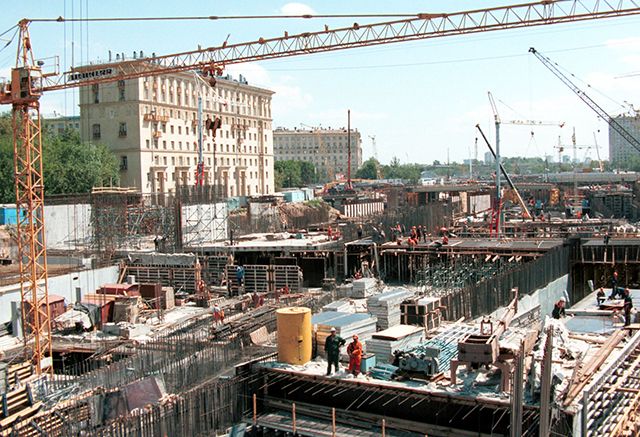
«Я не люблю отказываться от того, что делал ранее. Беда была не в том, как проект был придуман и нарисован, а как он реализовывался потом, —говорил Кузьмин. — Реализацию, я считаю, вообще нужно признать национальной проблемой России. Можно нарисовать хороший генеральный план, проект планировки, но когда дело доходит до стройки, все рушится. Так получилось и с „Москва-Сити“».
Будучи никак не связанным с Юрием Лужковым политически, Кузьмин спокойно продолжил работу и при Сергее Собянине — несмотря на то, что Собянин сразу отменил многие решения, связанные с градостроительством, например, расторг все контракты на точечную застройку. 12 июля 2012-го, в свой день рождения, Кузьмин попросил об отставке со словами, что хочет заняться своим здоровьем. Источники в Москомархитекутре говорили, что никогда не видели Кузьмина таким посвежевшим, как после этого прошения. Впоследствии возглавил собственную архитектурную лабораторию. В апреле 2014 года был избран президентом Российской академии архитектуры и строительных наук.
Дмитрий Гаев
Начальник московского метрополитена с 1995-го по 2011-й
Это была самая обычная пресс-конференция в агентстве РИА «Новости» в 2007 году. Начальник московского метрополитена Дмитрий Гаев рассказывал о новых километрах туннелей и путей, перспективных направлениях строительства и о своем любимом дублере кольцевой линии. Начались вопросы, в зале встал немолодой уже мужчина. «Газета „Жулебинский бульвар“, — отрекомендовался он. — Я, Дмитрий Владимирович, ваш главный враг». Гаев посмотрел на журналиста не без симпатии. «Когда, наконец, будет метро в Жулебино?» — спросил журналист с напором. "Never!" — торжествующе ответил Гаев. И начал рассказывать о том, что Таганско-Краснопресненская линия и так самая загруженная, а если к метро подключить еще и Жулебино с прилегающими к нему подмосковными Люберцами, ветка просто встанет и никогда больше не поедет. Гаев доказывал это минут пять.
Станцию Жулебино открыли в 2013 году, когда Гаева уже не было в живых.
Дмитрий Гаев начинал как железнодорожник в локомотивном депо станции «Москва-сортировочная», потом был инструктором КПСС, а в метрополитен пришел в 1990 году и сразу заместителем начальника. В 1995 году Гаева назначили руководителем метрополитена — после того, как предыдущий начальник Евгений Дубченко ушел из-за конфликта с Юрием Лужковым (мэр требовал повысить качество обслуживания пассажиров).
Собственно, этим Гаев и занимался следующие 14 лет. При нем была модернизирована система оплаты за проезд — метрополитен отказался от жетонов и перешел сначала на контактные карты проезда, а потом и бесконтактные. Гаев был генеральным конструктором проекта«Социальной карты москвича» — она упорядочила проезд в общественном транспорте для людей с льготами. В 2005 году московский метрополитен впервые со времен распада СССР начал приносить прибыль.
Метро в Москве перегружено еще с конца 1990-х годов, когда оно стало перевозить по восемь миллионов пассажиров в день при расчетной загрузке в 6-6,5 миллионов человек. Гаев много раз говорил, что снизить нагрузку можно строительством новых линий; и в то же время, строительство при нем никогда не велось опережающими темпами. При Гаеве началась эксплуатация Люблинской линии, в Бутово была построена линия легкого метро, несколько станций открыли в центре города — «Трубную», «Сретенский бульвар». На Филевской линии появилось ответвление в сторону «Москва-сити».
Во второй половине нулевых Гаев рассказал о своем главном проекте — дублере Кольцевой линии, которая располагалась бы в двух-трех станциях от действующей. Она может сильно разгрузить станции в центре города — за счет того, что люди, едущие из одной окраины на другую, будут пересаживаться на новых станциях, а не на кольцевой или в центре. До завершения проекта и сейчас далеко. Гаев часто критиковал федеральный центр за недостаточное финансирование строительства (в этом вопросе его поддерживал и Лужков). При новых начальниках метрополитена, сменивших Гаева, эта тема ни разу публично не обсуждалась.
Самый неожиданный скандал, в который попал Дмитрий Гаев, связан с плановой реконструкцией вестибюля станции метро «Курская». Станция была открыта в 1950 году, в вестибюле на потолке были выбиты слова гимна СССР, сочиненного при Иосифе Сталине. После развенчания культа личности текст гимна изменили — и в принципе, и в вестибюле. В ходе капитального ремонта Гаев велел вернуться к строчке, которая была выбита изначально: «Сквозь грозы сияло нам солнце свободы / И Ленин великий нам путь озарил / Нас вырастил Сталин на верность народу / На труд и на подвиги нас вдохновил». Гаева критиковали все — от правозащитников из «Мемориала» до руководителей Русской православной церкви. Но тот упрямо настаивал на исторической достоверности, и сумел выйти победителем — текст со сталинским гимном на Курской сохранился, и предметом общественной дискуссии уже давно не является.
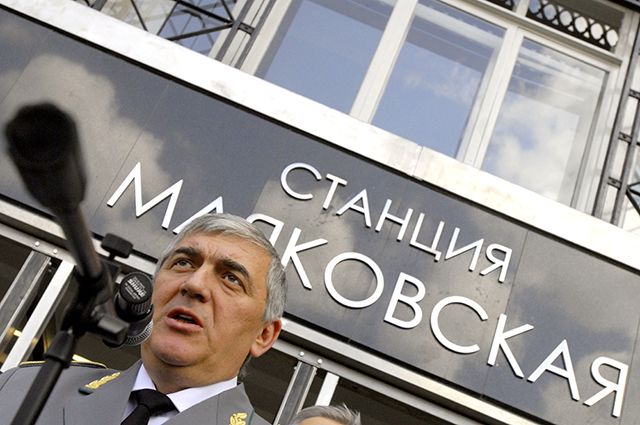
Упрямство и привело Гаева к отставке. Начальник метрополитена полагал, что только он один знает, как должна развиваться московская подземка. Сначала он поссорился с Лужковым, демонстративно не пригласив его весной 2010 года на торжественное открытие после реконструкции станции «Маяковская». Лужков пообещал в ответ «ссадить его с пьедестала» и инициировал аудиторские проверки метрополитена. А после отставки самого Лужкова в сентябре 2010-го Гаев понял, что покровителей у него вообще не осталось. Вслед за аудиторами проверку начали прокуроры. «Все в руках божьих», — сказал Гаев, отвечая на вопрос о возможном увольнении. По факту деятельности Гаева было возбуждено дело: «ущемлял интересы унитарного предприятия в целях личного обогащения» и оформлял все технические новшества в метро как собственные изобретения. При этом дело велось так медленно, а формулировки в нем были такими общими, что Гаеву без вариантов давали понять — нужно просто уступить свое кресло. Что он и сделал в начале 2011 года. Дело против него было прекращено весной 2012 года, потом опять возобновлено. Гаев уехал в Швейцарию и умер в октябре того же года от рака.
«Мэру понадобился подконтрольный руководитель метро, который бы четко выполнял поставленные перед ним задачи и не допускал нецелевого расходования бюджетных средств», — так эксперты встречали назначение Ивана Беседина, сменившего Гаева на должности начальника метрополитена.
Andrey Kozenko
Moscow