
Translated material
"The spy of the future will look like a botanist"
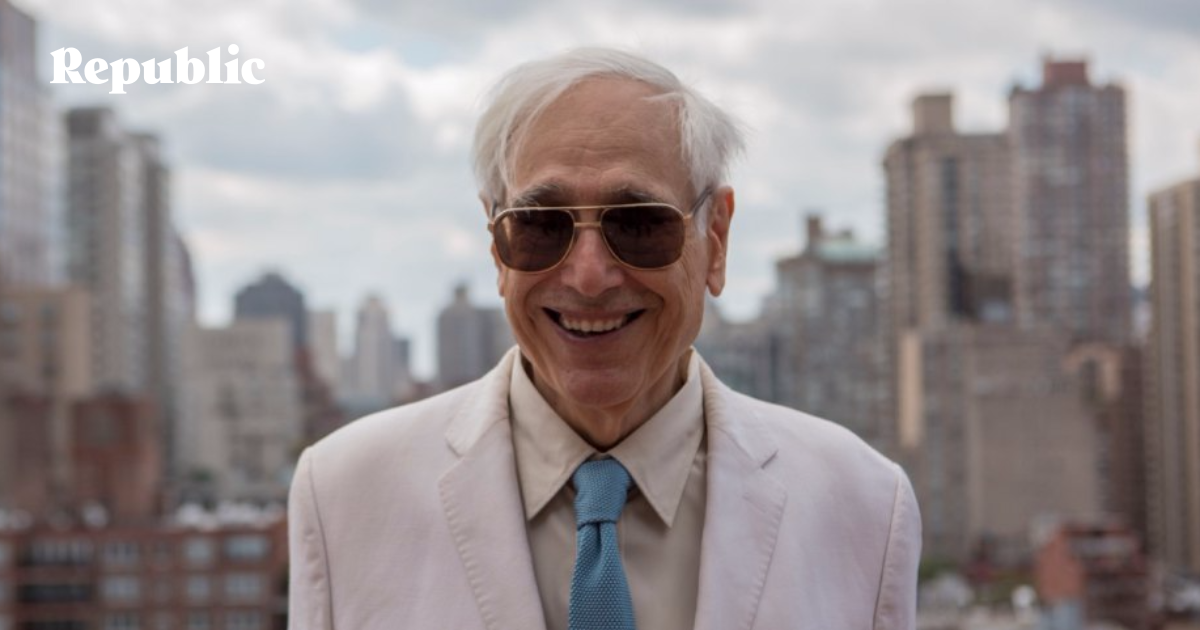
2016 was rich in news about hacking politicians with hackers and “monitoring” people in social networks using Big Data technologies, and the New Year began with the “Shali-Boltya” case and news about an unprecedented cybergosmene in the FSB. A new reality, which implies a complete revision of the concepts of secrecy and confidentiality, scares many. How do these changes perceive the special services and their employees? What will be a secret agent of the future? We talked about this with an American specialist in special services and writer, Edward Epstein , a well-known investigation into the murder of John Kennedy and a book about Edward Snowden.
- You are the author of the book about Snowden, do you consider it a spy?
- I do not consider him a spy. But, he likes it or not, intentionally or not, he became a source for intelligence of other countries, including Russia.
- Do you think that Russia is standing in the story of Snowden?
- I think yes. After all, he left for Russia. There he was placed under the protection of the Russian authorities, the Russians received any information that he could give them. Even before that, shortly after he arrived in Hong Kong, having stolen one and a half million files from the ANB (National Security Agency. - Republic ), where he met with Russian diplomats. Vladimir Putin talked about this press in September 2013. Russian diplomats met with him, shortly after that, on June 11, Putin through his representative offered Snowden asylum in Russia, and on June 23, Snowden flew to Russia on an Aeroflot airplane.
He was under the protection of the Russian authorities. I don’t know if Snowden found Russians, or the Russians found Snowden. But he came to contact with them, he had a huge number of secret materials, part in his head, part in computer files. And everything that he had, the Russians received. As, perhaps, the Chinese.
He gathered secret materials themselves, I think, without the participation of a foreign state. As Snowden himself said, he was dissatisfied with the actions of American intelligence, played for confidentiality, was angry with his authorities, for those for whom he worked as a civilian contractor.
- Is it really so low that one person could steal so much information?
- Snowden demonstrated that there was a huge gap in the US security system. That is why my book is called "How America has lost its secrets." The gap was that as soon as computers began to seize power in the 1990s, American intelligence began to rely more and more on technical employees who did not formally work for the government, but were private specialists under the contract. They were hired with large consulting companies. In the past, these people were mostly hackers, they were from the opposite intelligence services of the subculture. They had their own standards - what was good and what was bad. As for Snowden, he said that although he signed a non -disclosure agreement, he swore also to be faithful to the US constitution.
Subscribe to read the whole
Make a subscription Redefine.media to read Republic
Subscribe [you can pay for a Russian or foreign card. The subscription is extended automatically. You can unsubscribe at any time.]
Where are the money subscribers going