
Translated material
Vladimir Putin. Essay Mikhail Gorbachev
For the annual rating of the TOP-100 of the most influential people in the world of Time magazine
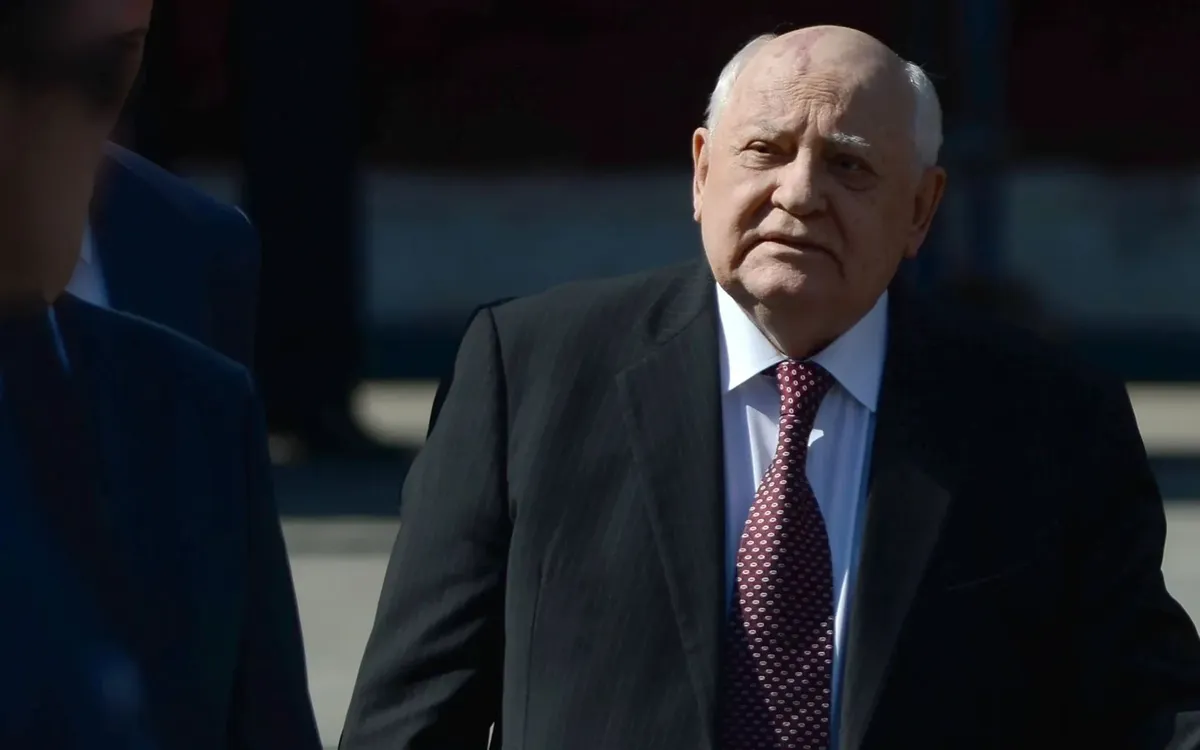
Every year, Time magazine publishes a special issue of “100 most influential people in the world”. This year, Russian President Vladimir Putin was one of them. The editors of the American magazine asked Mikhail Gorbachev to write a short essay about Putin. And the editorial office of Novaya Gazeta took advantage of the right to publish a letter from its shareholder on its website.
Having inherited the crisis situation from his predecessor, Russian President Vladimir Putin managed to stabilize the situation in the country - to maintain Russian statehood, to begin the process of leaving the economic crisis, and strengthen the international positions of Russia.
At the first stage, some authoritarian measures, “manual management” were justified. Hence the costs - the weakening of the role of the parliament, the judicial system, the civil society, the independence of the media. Over time, flaws of economic policy began to manifest itself more acutely. The growth of the economy has slowed down even before the deterioration of relations with the West and sanctions against Russia. This is increasingly affecting people's lives.
Today, with all the meaning of the international agenda, the internal problems of Russia are no less important - stagnation in the economy and a decrease in the living standards of people, poverty against the backdrop of corruption and illegal enrichment of few, degradation of education, health, science.
In each annual appeal to parliament, the president sharply poses these problems.
But they cannot be solved without major changes in politics, in the country's management system.
I am convinced that the success of Russia is possible only when supporting the people, only on the democratic path. Russia has matured for political competition, real multi -party, honest elections, and the change of power.
This follows a special role and responsibility of the president at the current stage of the history of Russia.
Time.com project