
Translated material
“Earth, houses, roads”, or step into the past
Grigory Yavlinsky, a presidential candidate in 2018, posted a video with one of the projects on how to stimulate the Russian economy.
The first and most obvious problem - the Earth has different cost depending on the remoteness of the site from large settlements. Plots near large cities cost ten times more than remote ones. The land distribution system itself will already contain a corruption component and imply inequality. It is impossible to create a system according to the desired areas-someone will have to leave far from the city.
A slightly less obvious problem is the development of urban space. Many cities, for example, Kovrov, are no longer enough space for development. The land around is intended for agriculture and is located on the territory of forestry. It is not so simple to get the opportunity to build high -rise buildings, this requires changes to the general plan of the city, coordination with the district and regional authorities. The distribution of plots around cities in private property will greatly change the plans for the development of cities, or even make them not feasible.
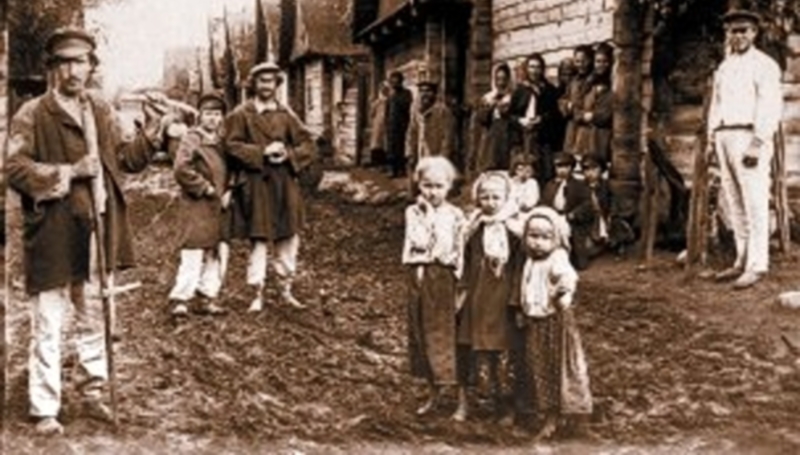
Another problem lies in the essence of the proposal itself: the Earth cannot be sold or used for other purposes. The management of agriculture and the construction of your own home is not included in the plans of many people. Not everyone will exchange the comfort of their apartment and the walking accessibility of the main infrastructure objects for the opportunity not to hear neighbors behind the wall. Freedom of movement will also be very limited - this property will not be able to be full -fledged capital. A person who received this site from the state will be a hostage to his region. Fear of speculation makes Yavlinsky’s draft something like a new serfdom. Only instead of the master will the governor be performed, in favor of whose region it will have to be paid property tax. Moreover, for the property that a person cannot legally get rid of. The RSFSR already had a practice of enslaving people when the acquirers of houses in the villages were forced to either work on a collective farm, or not to formalize this property for themselves. And this was a strong drawback compared to dachas, where there were no such duties within the framework of the cooperative.