
Translated material
The most acute problem of Europe is migrants. How is it offered to solve different EU countries?
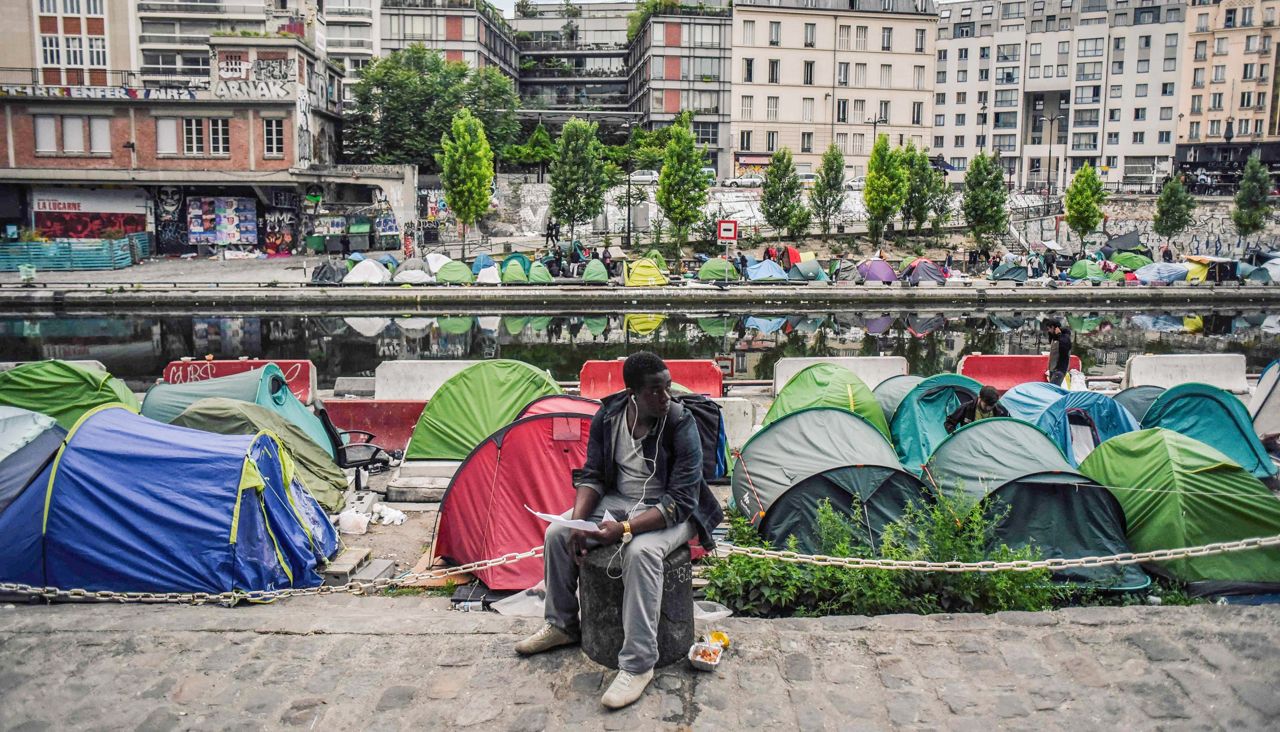
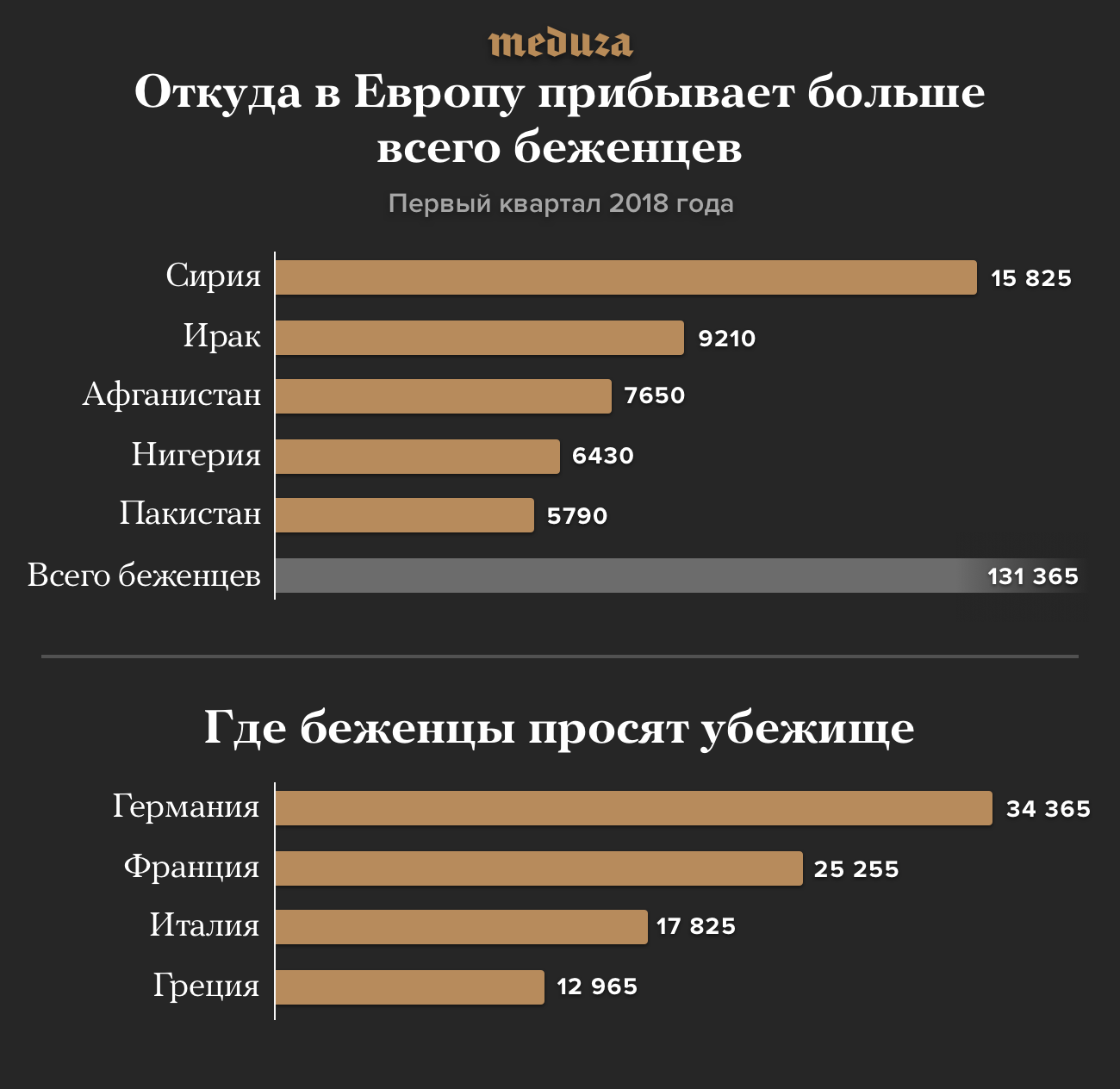
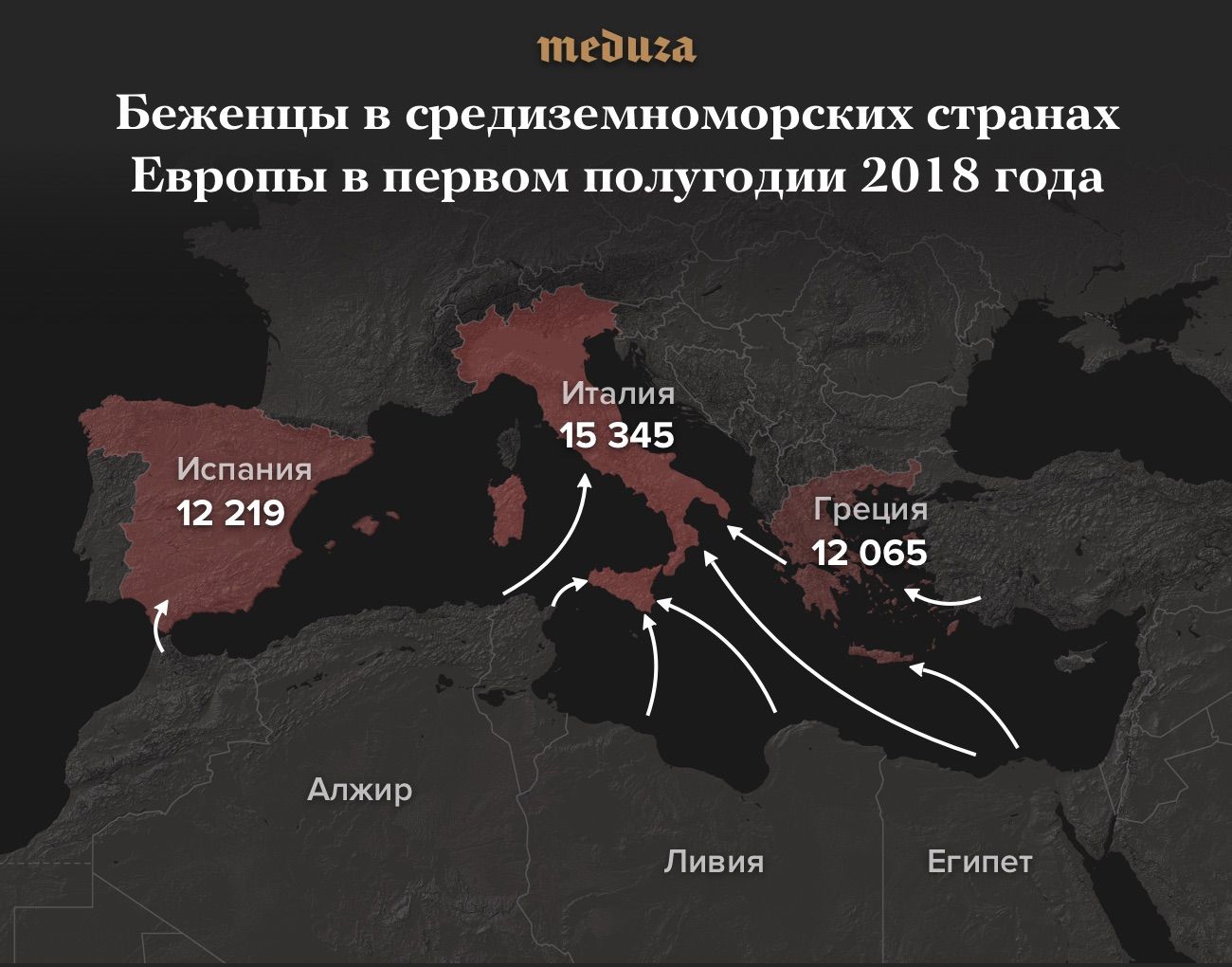
In Brussels on June 28, the Summit of European Union countries opened. Its main topic is illegal immigration. Despite the fact that the number of new refugees in Europe is reduced , European politicians require a fundamental solution to the problem in case of a new crisis, which is considered a time of time. Medusa studied how France, Germany, Italy, Poland and other EU countries look at this problem.
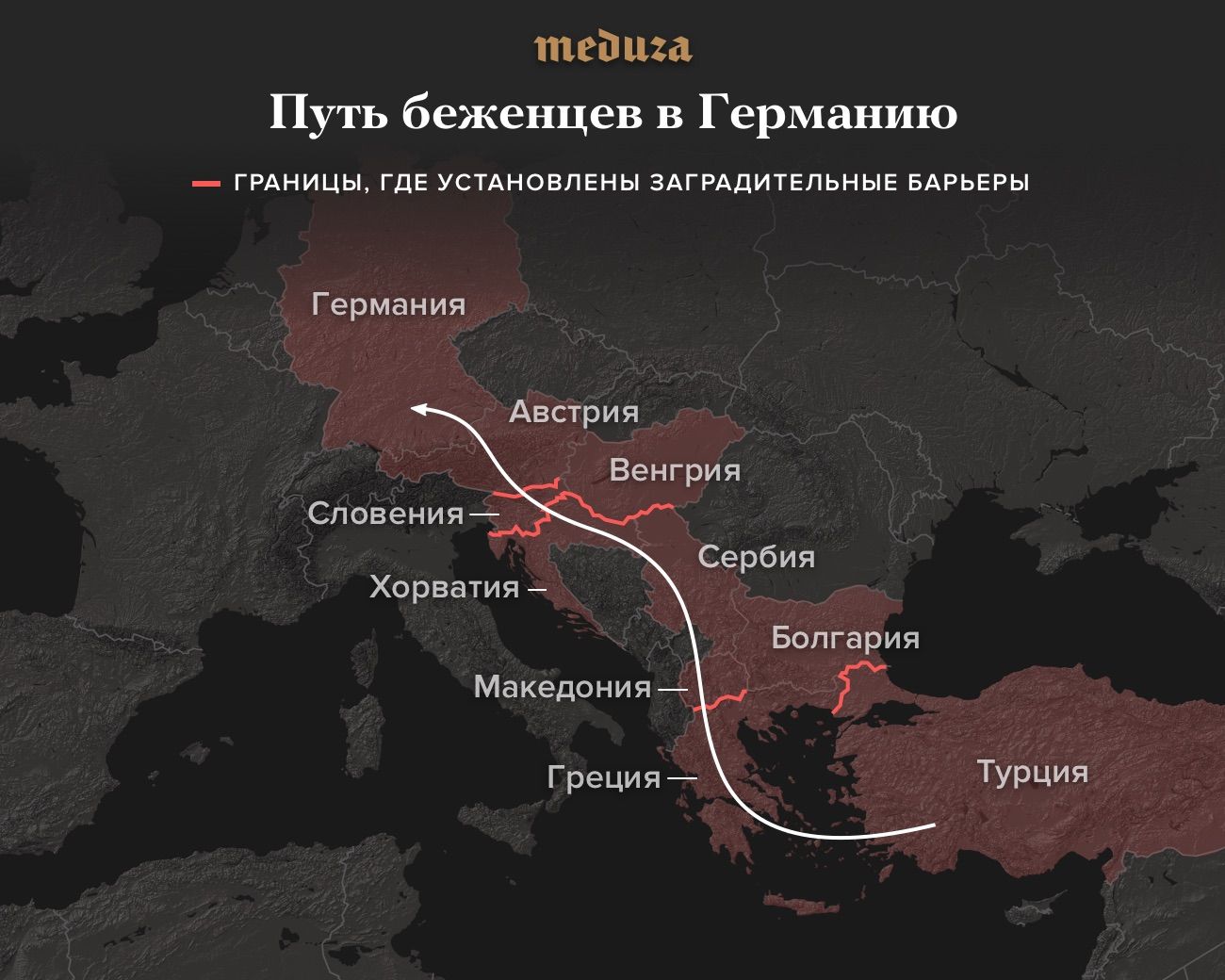
The status and rights of immigrants in the EU are regulated by the Dublin regulations, which was first adopted in 1990 and subsequently changed several times. According to this regulations, those countries where they are recorded upon arrival in the EU are recorded for immigrants. As a rule, these are southern countries: Italy, Greece, Balkan states. Further, they can freely move around the territory of the European Union, using the capabilities of the Schengen agreement.
Here are a few ideas on how to change the Dublin regulations that are now being discussed.
Return migrants to those countries where they are registered
The essence. Formally, any state now has the right to send a refugee to the country of registration. In practice, this rarely happens. Firstly, there are many exceptions: for family members of those who are already settled in a particular country; For those who were able to prove that in the country of registration they cannot provide decent living conditions for them (this is not difficult if we are talking about the poor countries of southeastern Europe). Secondly, the rigid fulfillment of this norm is almost impossible without the restoration of full-fledged border control within Europe.
Exceptions are proposed to minimize, the expulsion is automatic.
Who offers. Such a solution is popular in Germany, where a significant part of the immigrants rushes after they registered on the European border. But the Minister of Internal Affairs Horst Zeehofer demands that this idea be fixed at the pan -European level. Chancellor Angela Merkel believes that this can only be the result of bilateral negotiations between the country that wants to send an immigrant, and the country where it was registered. The dispute put the German government on the brink of a split.
Who is against. The border states of the south of Europe, who are afraid that immigrants will become a heavy burden for them, are extremely painful.
Introduce country quotas into migrants
The essence. Formally, the quotas for refugees were introduced by the European Union during the last crisis of 2015-2016. Then several countries of Eastern Europe spoke out against the reception of foreigners. Now it is proposed to distribute not an appointment, but living people at once upon arrival.
Who offers. Those same East European states that were against the previous "paper quotas". Thus, they want to save themselves from immigrants who are waiting for decisions to provide them asylum in other countries. Not against the new, right government of Italy.
Who is against. The governments of the most prosperous countries in Europe: Germany, France, the Netherlands, Belgium. From their point of view, this decision can only complicate the real situation. Officials will be forced to make a decision in a hurry, which means that there is a great risk of errors and scandals similar to the separation of families in the United States. The problem will be especially acute if in Europe there really is an influx of new immigrants (but now it is gone ).
Build "platforms for landing" immigrants outside the EU
The essence. This option, judging by the documents that got into the Western press , is a priority for the leadership of the European Union. The idea is that people who are going to look for asylum in Europe arrive in special camps called “platforms for landing”, where they will wait for a decision on where they will be sent further. In this case, the EU takes responsibility for the maintenance of the camps and the transportation of migrants. The first such camps are proposed to be built in Albania, Macedonia, as well as on the coast of North Africa. The project is inspired by the experience of Australia, which places such "platforms" in the territory of Papua - New Guinea.
Who offers. The idea in an arranged form belongs to the chairman of the European Council Donald Tuska; She is supported, in particular, the Netherlands.
Who is against. In Albania, the proposals of Tuska led to a scandal . Opposition politicians say that if the government goes to such an agreement, immigrants in the country will soon become almost more than citizens of the country. The fact that this measure is optimal, some experts doubt that the fate of immigrants who were heading to Australia and found themselves on the island of New Guinea often leaves much to be desired. Another question is why immigrants generally want to flock to some “filtration” camps, and will not continue to move directly to Europe.
Build "Platforms" in the EU itself
The essence. Supporters of this concept say that camps in Europe will be much more attractive to refugees. In addition, the transportation of migrants within the European Union will be much easier to regulate.
Who offers. The governments of France and Spain. At the current EU summit, among other things, the entry of Albania and Macedonia will be discussed. The construction of camps there may become one of the conditions for the adoption of these states in the EU.
Who is against. The countries of Eastern Europe and Italy, who are afraid that camps will become poorly controlled enclaves and sources of constant instability.
Help North Africa, Turkey and the Middle East with money
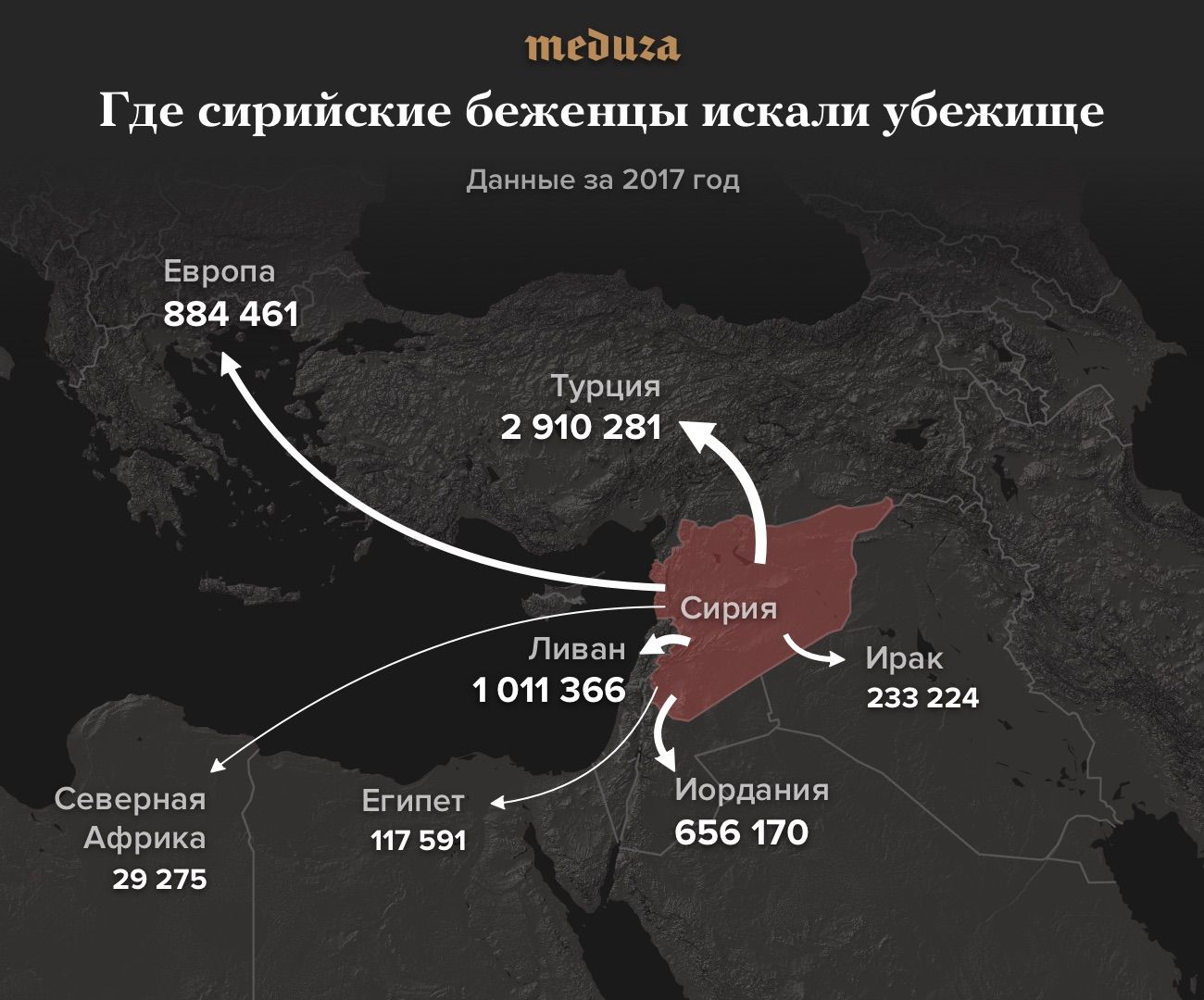
The essence. During the crisis of 2015-2016, the European Union allocated to Turkey over six billion euros to ensure that the country has adopted immigrants from the Middle East. The problem is that, having allocated money, the EU, according to critics, stopped monitoring the fate of immigrants, while at the same time depending on the Erdogan regime . European leaders planned to refrain from such transactions with Libya, fearing that due to the continuing civil war in the country, the result would be even more difficult to control. But, judging by the documents prepared by Donald Tupskoye, North Africa are already ready to allocate about half a billion euros, and this is only the beginning.
Who offers. Many European politicians believe that Africa’s help is inevitable. The German parliamentarian Manfred Weber, who is part of the Angels Merkel, believes that we can talk about billions of euros.
Who is against. All for. But no one can guarantee that this will protect Europe from the new influx of refugees.
Dmitry Kartsev