
Translated material
Federal Reserve
Corruption Cycle Cycle
Federal Reserve.
Investigation of how the FSB roof banks
Project team, July 31, 2019
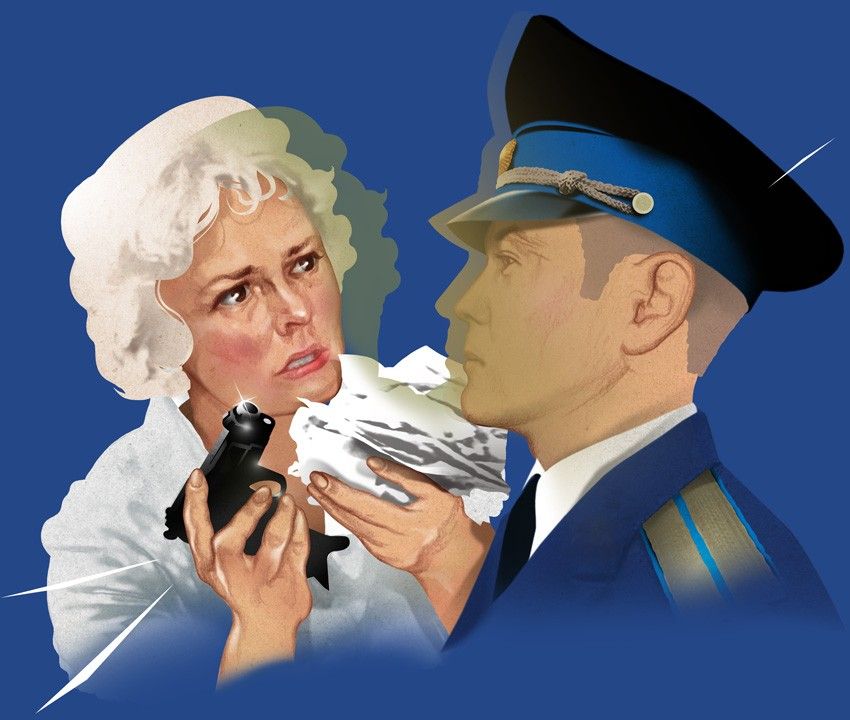
Chekist Kirill Cherkalin and his former colleagues, detained with 12 billion rubles in cash, were only part of a large -scale roofing scheme of the Russian financial industry. As follows from the stories of the affected bankers, along with seniorly with senior FSB officers participated by the managers of the State Deposit Insurance Agency, lawyers and dubious cashes related to special services.
- We met in the Vogue cafe in Moscow. Cherkalin (FSB Colonel Kirill Cherkalin - “Project”/The Bell) came to Range Rover with a personal driver, in civilian clothes and with Rolex on the wrist. I remember he paid for everyone that these guys are usually not found, ”recalls Alexander Zheleznyak, a former co -owner of the Life financial group. For four years, he and other Life shareholders have been living abroad: licenses have been revoked from their banks in Russia, and criminal cases have been instituted against shareholders and managers.
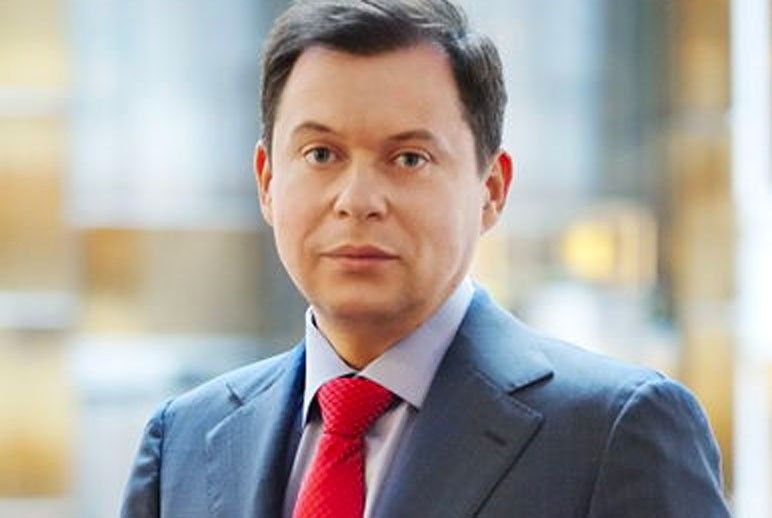
That meeting with Cherkalin took place in the summer of 2014. At dinner, the officer proposed a simple cooperation scheme: in the Life group, Probusinessbank in the status of the Vice President will be sent by the FSB officer, Zheleznyak will appoint him a salary of $ 120 thousand a year, will allocate a separate office, a car, a personal driver and an assistant, there is a “project” and the project “project” and the Bell. This was a prerequisite for a larger transaction - to give in a large share in the Life group of a commercial structure that will divide business income with senior employees of the FSB and the Prosecutor General.
In 2019, Zheleznyak, while in the United States, gave testimony under the oath - he described all the events around the Life group to represent in international courts - Life’s former shareholders are conducting several lawsuits with Russian creditors in Europe and the United States. The editors got acquainted with the affidate of Zheleznyak and the testimony of some other managers of the Life group. Its affidvit, the written testimonies given under the oath, as well as the stories of other bankers shed light on how the FSB and other state bodies “roof” Russian banks.
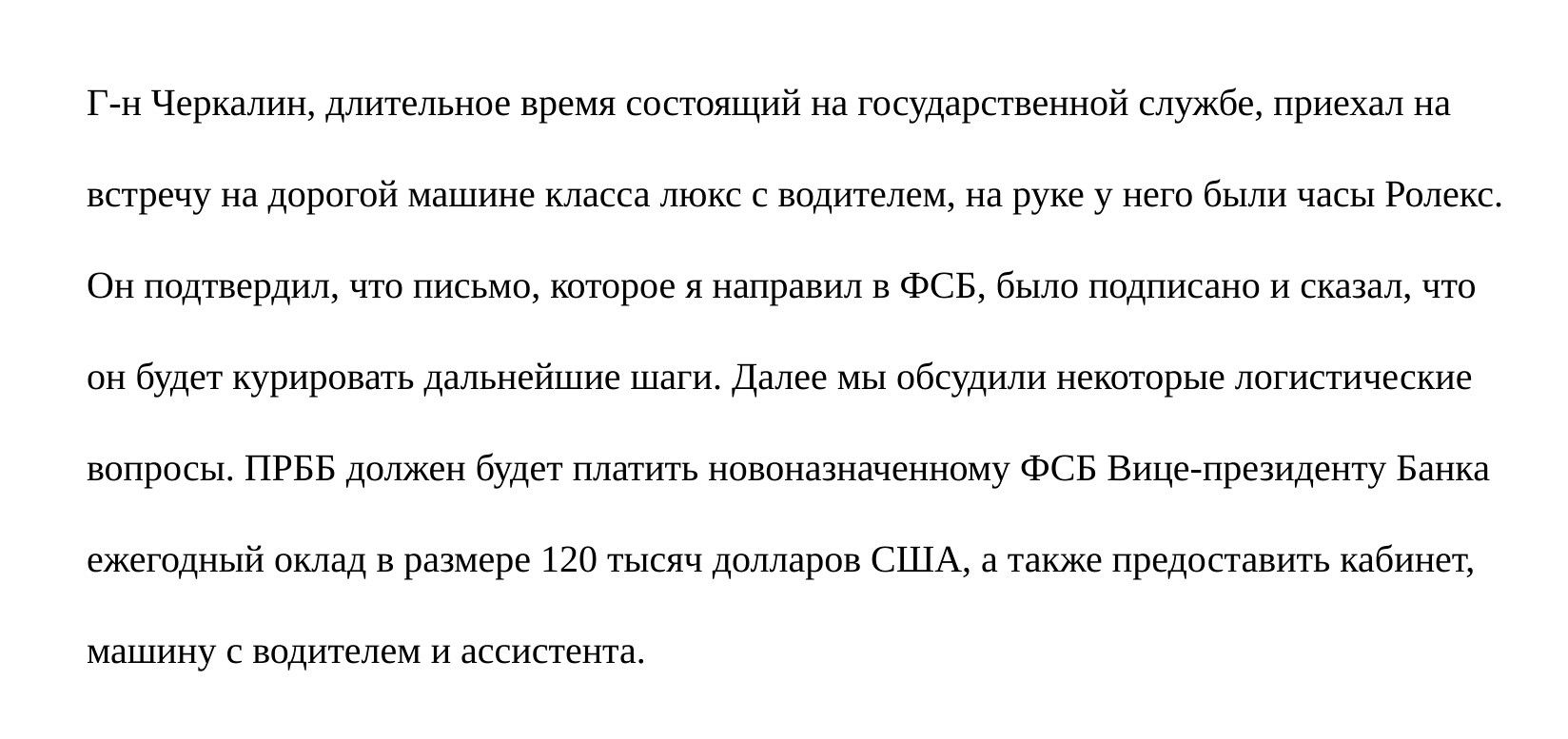
From the affider Alexander Zheleznyak
Roof and hins
“Brilliant, very smart, is well versed in the topic, if not for all this, I would have taken it to work,” Cherkalin describes one of the large Russian bankers. “But these are all commercial guys, such a generation.”
What does Navalny have to do with it
In May 2019, Cherkalin met those who came to him in the Lefortovo pre -trial detention center in the Givenchy training suit. The colonel “turned into a cell”, pushing the walls with icons, wrote to his camera, wrote “Kommersant”.
Economic Security Service of the FSB
SEB is one of the most influential services in the FSB. She stands behind almost every high -profile case of recent years: from the detention of Alexei Ulyukaev and the Magomedov brothers to the Argentine Cocaine. And the post of head of the SEB for many has become an excellent career springboard.
Who headed the SEB in different years
1998
Alexander Grigoryev
Since 1975 he served with Putin in the Office of the Leningrad KGB, the media called Putin a friend. He died in 2008.
1998
Nikolai Patrushev
In the early 1990s-the head of the Ministry of Security of Karelia (where the spacecraft worked). The head of the FSB in 1999-2008. Now - Secretary of the Council of People's Commissars of the Russian Federation.
1999
Victor Ivanov
Since the 1970s, he served with Putin in the Office of the Leningrad KGB. In the mid-90s-head of the administrative authorities of the City Hall of St. Petersburg (Putin then was an assistant to Mayor A. Sobchak). Until 2016, he headed the FSKN.
2000
Yuri Okostrovtsev
A graduate of the Leningrad school of the KGB. In the early 1990s he worked in the Ministry of Security of Karelia (then headed by Patrushev). The acquaintance of Putin ("Kommersant"), Putin headed the committee on external relations of the St. Petersburg City Hall when Kostostrovtsev was in Karelia.
2004
Alexander Bortnikov
Since 2008 - the current director of the FSB.
2008
Yuri Yakovlev
He left the SEB almost simultaneously with Voronin (RBC). He works as a vice president on safety at Rosatom.
2016
Sergey Korolev
The current head of the SEB. Lobby was the appointment of Tkachev, according to the SDUR.
Management "K"
One of the several structural units of the SEB. In his jurisdiction - banks, insurers, pension funds.
until 2016
Victor Voronin
He left of his own free will after his subordinate was connected with smuggling. It appears in the "Act of Magnitsky". It authorized a criminal case against Hermitage Capital. In 2019, he became the deputy leader for working with state bodies at the Rosatom Contractor.
2016
Ivan Tkachev
The current head of the "K" department. Together with the ex-commander of the USB FSB, Oleg Feoktistov served, on a border post in Karelia, according to the TSUR. Before coming to the Office, “K” headed the 6th Service of the USB FSB - “Sechinsky Special Forces”, as it is called by the CUR, as well as the interlocutors of the “Project” and The Bell. He personally gave the order to detain Ulyukaev.
Banking department
Visiting management "K"
Until 2013
Dmitry Frolov
"New Gazeta" found an undeclared house and four sites in Italy in his family. Shortly before this publication, Frolov was fired "in connection with the loss of trust."
2016
Kirill Cherkalin
Frolov took the place. “Frolov actually raised Cherkalin,” says the interlocutor of “Project” and The Bell. Arrested in the spring of 2019.
Before Cherkalin did not make the impression of a believer on people who talked with him. In the rare photographs published by Telegram channels, he looks like a bonvivan-poses in European resorts, in a good suit, with shopping from expensive boutiques. He was courteous, but of those with whom he wanted to immediately stop his acquaintance, ”Zheleznyak now recalls. For co -owners of the Life group, childhood friends Alexander Zheleznyak and Sergey Leontyev, acquaintance with Cherkalin ended very poorly. After that meeting in the cafe in 2014, the partners agreed to invite the “Blind” to Probusinessbank. Zheleznyak himself wrote a letter asking for this in the name of Viktor Voronin’s management at that time-so he, according to Zheleznyak, was instructed by the co-owner of the Avilon Avilon, the Bank VIP client and the long-standing acquaintance of Zheleznyak. The editors sent a request to the Avilon representative, at the time of publication the company did not answer the request. This letter, according to Zheleznyak, was signed by Voronin. “Project” and The Bell sent a request to the mail of the state -owned company “Fizpribor”, where Voronin, who has resigned from the bodies in 2016, is now working. But they did not receive an answer. But the share in the whole business, the owners of Life decided not to share.
Zheleznyak insists that at that time the group banks were financially stable, although in 2014 Life received several billion rubles of loss. The indicators of Probusinessbank for expired loans to individuals and enterprises exceeded the average values in the country several times, wrote “Vedomosti”. At the end of the year, the Fitch agency revoked Probusinessbank ratings. The main concern was then associated with a portfolio of securities, in which the bank held 47 billion rubles or almost half of its assets - the papers themselves lay mainly in Cyprus depository. Due to the crisis, other banks sold everything in order to maintain liquidity, and only the Probesesbanka portfolio remained almost without movement, recalls Fitch analyst Alexander Danilov. In the same connection, the Bank soon had questions for the Central Bank.
In September 2014, the regulator revoked the license first with the Life co -owners of the Bank24.ru group, and the next year - at Probusinessbank . Bank24.ru lost a license due to violation of anti-washing legislation, although at the time of his death his assets exceeded the obligations by 2 billion rubles. According to Zheleznyak, the bank did not engage in money laundering, and the regulator’s claims are “with only five operations that the bank did not report to the Central Bank on time”. Probusinessbank, according to the regulator, placed funds in “low -quality assets” and “completely lost capital”, and the temporary administration, which included in the bank, found large -scale operations that have signs of assets output. The regulator ultimately estimated the hole in Probusinessbank at almost 35 billion rubles. “Russia is not yet ready for such a financial group as Life,” Leontyev wrote after the recall of the license in an internal corporate blog. - Apparently, Life time has not yet come in this country. Therefore, in the next 50 years, I will make Life in other parts of the globe. " Since then, he, like Zheleznyak, has not returned to Russia.
In its testimony, Zheleznyak explains the beginning of the end of their banking business with political motives. In 2012, Life management invited to a strategic session for management Alexei Navalny. Then the Bank24.ru group decided to support the opposition by secretly releasing the credit “Navalny card” - 1% of each purchase on it should have been transferred to his fund to fight corruption. The idea was really discussed with the FBK, but the case did not reach the case and real transfers, the press secretary of Navalny Kira Yarmysh confirmed. The secret plan did not remain long: as soon as the media wrote about this, the ex-director of the Central Bank Department Aleksey Glakin warned Zheleznyak that the Central Bank and the Prosecutor General’s Office would cause “many questions”, the Ironyak’s testimony said, the Central Bank’s press service does not comment on this episode. Navalny’s support had to be abandoned, but “the Kremlin did not forget about this case,” Zheleznyak assures in his testimony.
The review of licenses among banks was for Zheleznyak and Leontiev only the beginning of great troubles.
FSB and cashing
The system, the victim of which was declared Life, apparently, developed for years, and it had to coexist with banks, especially those who earned on cashing, say the interlocutors of The Bell and the “project” in the banking market.
For the former deputy chairman of the board of the Bank of Intelfinance Bank, Mikhail Conkayev, acquaintance with the management of “K” began with a meeting with Evgeny Dvoskin, one of the most odious Russian bankers, whom Bloomberg’s news agency called “keyword in cashing” with ties to the FSB and Mafia.
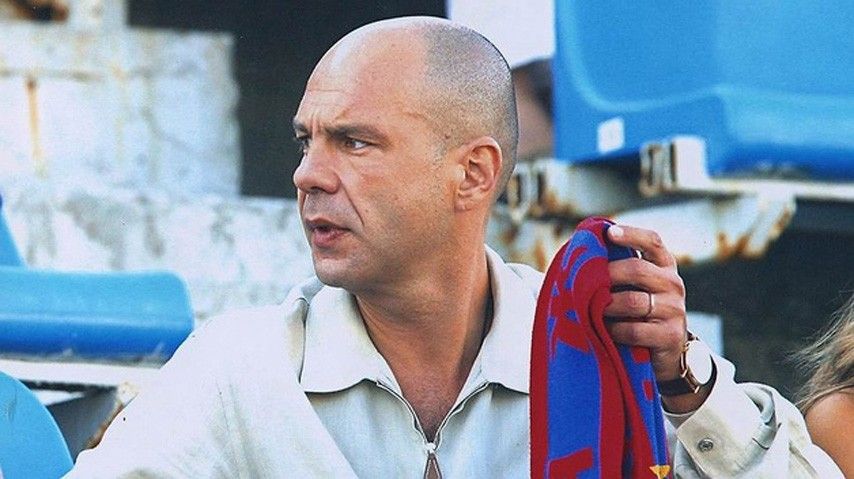
In early December 2007, Two entered the Uptyaev office, for some reason they arrived in the bank’s building in an ambulance: the first was Dvoskin, the second-his guard. “Peresias with such a well -worn parrot. “Who is here, this one, or something, does not know how to talk?” Remember the satellite of Dvoskin, Upetayev. The day before this visit, the banker, according to him, caught the chief accountant on an attempt to issue a derivative of a dummy company, connected, according to his version, with Dvoroskin.
- Dvoskin comes up, hits in the ear, I give him from the elbow - he falls, I have the first thought: he fell at my portfolio, there are documents, now he will grab and run away. I will bend to move the briefcase, I get a gun on the head and lose consciousness, ”the alleged events describes the allegedly happening.
Over the next two months, almost 11.7 billion rubles were withdrawn from the bank (10 million of this amount eventually charged the chief accountant of Intelligentsia, sentencing it to three years in prison). During this time, the unknown people burned the car of the wife of Contyaev, so that the family urgently had to move to the country and hire security, the banker claims.
According to Uptyaev, the money was withdrawn from the bank on a fake signature, although he personally from the hospital "notified the Central Bank that the bank was captured and asked to suspend the license to prevent fraudulent actions." But the regulator did not go to this: “The deputy chairman of the Central Bank Gennady Melikyan explained that they never encountered such requests and do not know how to act in such situations,” says Uptyaev. “In the situation with Intelfinance, we reacted very quickly, given that there were a vacation until January 10,” Melikyan later said to Vedomosti. When recalling the license, the Central Bank announced that the managers and employees of the bank "actually stopped its activities, in connection with which the situation that threatens the interests of creditors and bank depositors has developed."
About six months after the incident, Kovtyev met with two employees of the K control: Frolov and Cherkalin. Also, the former banker claims, the meeting was attended by the first deputy head of the FSB Sergey Smirnov.
The conversation took place in the Palazzo Ducale restaurant on Tver Boulevard. “What will you be? Salad? Only water? No, the salad is still better to eat, ”the interlocutors, according to the recollections of Contyaev, were very courteous. The meeting, as it seemed to him, had two goals: to find out what evidence of Dvoskin’s visit to the banker and convince him to stop the attempt to return the money deduced. With Dvoroskin, the Chekists, as it seemed to him, were well acquainted.
“Don’t worry, we have already fired him,” Smirnov reassured him speaking about the guard of Dvoskin. At the end of the meeting, the Chekists allegedly offered the banker monetary compensation for his business.
After that, Kovtyev, in his own words, began to sue everyone in a row, but most desperately with Dvoroskin. However, not a single court, he said, won. Dvoskin managed to prove that he did not attack Conteyev, because at the time of the fight he testified as the victim in another criminal case - this version was confirmed by investigators and Billing of the telephone of Dvoskin. Dvoskin himself, in response to the questions of the “project” and The Bell, said that Upetayev invented everything, he did not describe the episode with a fight, and for the first time they personally met “at a full -time bet”.
Dvoskin was under the protection of the FSB, say two sources close to two different law enforcement agencies. He himself, in a conversation with the “project” and The Bell, recalled that he was being wanted abroad-it is known that Genbank Dvoskin fell under foreign sanctions due to work in the Crimea-and after a direct question whether he was under FSB, ”hung a tube. “The office always held cashes at hand and made them their informants so as not to put them themselves,” one of the interlocutors explains. Among them, he also calls the former co -owner of the small "creditpesbank" Alexei Kulikov, who was sentenced to nine years in years for fraud several years ago.
In appearance, the “creditpesksbank” hardly made a serious impression: a half -empty cash register, about 20 poorly furnished cabinets and a gloomy look, the interlocutor close to the FSB recalls. But in the mid-2000s, this bank occupied a significant share of the naked market, the interlocutor close to the FSB claims. As in many other banks, the security service in it was headed by an employee of the KO reserve. He worked for 0.2-3% of all transactions passing through the bank. Several times, the Central Bank had questions for the “creditpesbank”, but the FSB banking department successfully covered it, says the interlocutor of Project and The Bell. By the time the license was reviewed, the hole in the bank was estimated at 229 million rubles, about 2 million were found in Kulikov’s apartment.
The expected shadow work of the Banking Administration of the FSB was not limited. Cherkalin communicated closely with the leaders of almost all large Russian banks. The ex-owner of the not so long ago collapsed Yugra bank, Alexei Khotin, in his testimony, was placed under house arrest in the case of the withdrawal of assets from Ugra, wrote RBC-allegedly said that he paid Cherkalin for three years-for patronage, wrote RBC about this version, but the protection of Khotin refutes this and claims that it refutes this and claims that it refutes that She said to RBC to the police.
Relations with the FSB, as can be seen in the example of the Ugra, did not guarantee that the bank would live forever. Moreover, for employees of the KO department, the fall of the next bank meant just another option to earn money.
Sumy insurance agency and prison
“$ 350 million is not such an expensive price paid for your life and the life of your relatives-with such a proposal to the ex-owner of Interprombank Sergey Pugachev in 2011, the subordinates of the former deputy head of the insurance agency (DIA) Valeria Miroshnikova, says Pugachev himself. Pugachev’s lawyers have been telling this story in the courts in 2014, when the DIA began hunting for the assets of the ex-banker. Miroshnikov had already responded to these claims, including in court, rejecting all Pugachev’s accusations and stating that he himself threatened his life through intermediaries.
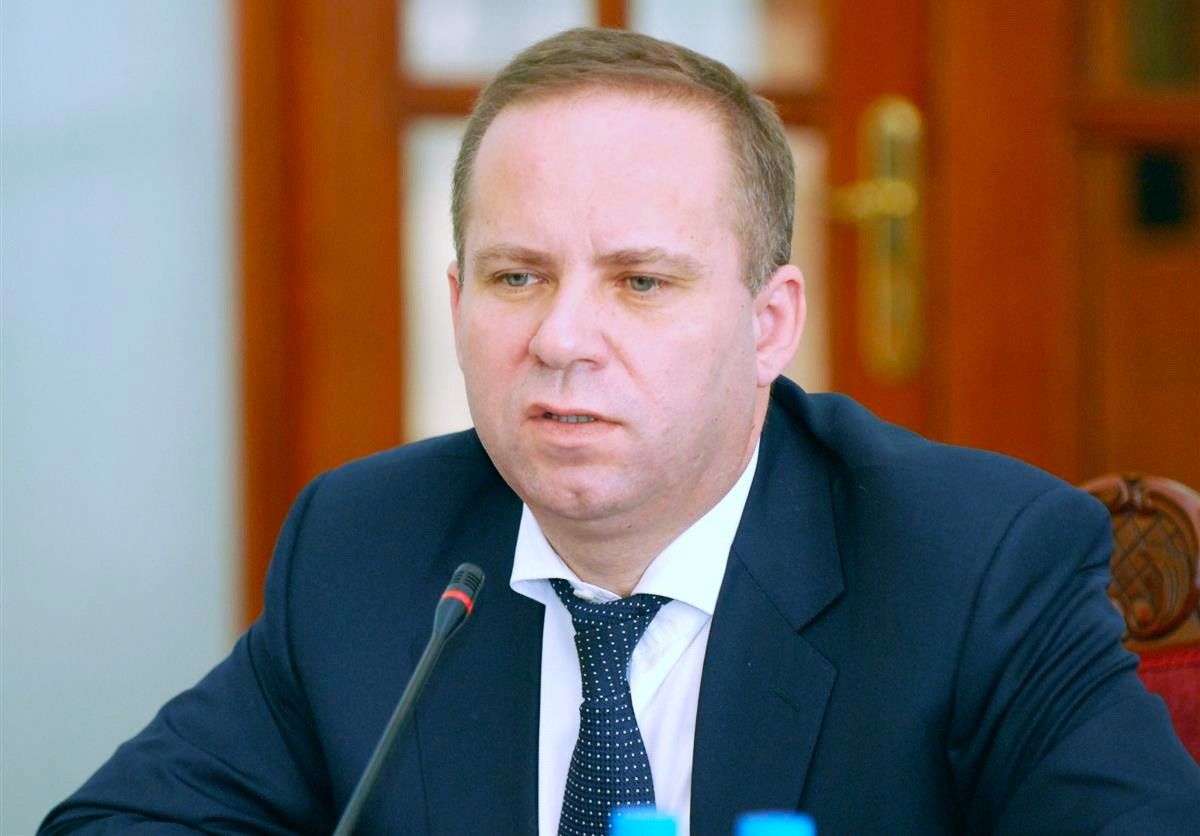
The DIA is already engaged in collapsing banks, its main task is to return the money dependent in such banks as much as possible, and for this you have to climb into the pocket of the state. For 15 years from the moment when the DIA began to liquidate and improve Russian banks, $ 500 billion was withdrawn from the banking system, the Republic wrote based on the data of the Russian payment balance, and the agency itself received more than 1 trillion rubles from the Central Bank for the sanitation of more than 1 trillion or nearly $ 16 billion, according to the DIA. Such amounts give a considerable space for a variety of maneuvers.
Miroshnikov was well acquainted with Cherkalin, follows from the stories of Zheleznyak and another banker. Zheleznyak recalls one of the meetings where Cherkalin and Miroshnikov were with him. Not embarrassed by the interlocutor, civil servants discussed "in which of the bankrupt banks of which competitive managers to appoint."
Miroshnikov is a witness in the Cherkalin case - the investigator made a decision about this by studying their telephone correspondence, RBC wrote. Сразу после задержания Черкалина Мирошников покинул Россию (по версии его знакомых — уехал сначала в Австралию, а позже в Германию — «на лечение») и больше не возвращался. Спустя два с половиной месяца АСВ сообщило о его отставке, не указав причин.
О группе сотрудников АСВ, которые якобы вымогали у него $350 млн, Пугачев писал даже Владимиру Путину. В обмен представители Мирошникова якобы предлагали свои услуги по сохранению части активов Пугачева, не имевших отношения к Межпромбанку, но находившихся у него в залоге. В связке с АСВ, утверждает Пугачев, действовали и люди Черкалина. Предмет торга с ними был совсем простым. «На тот момент из-за падения Межпромбанка было возбуждено уголовное дело против неопределенного круга лиц, но мне ясно дали понять, что круг лиц может быстро стать определенным и что я могу в нем оказаться», — утверждает Пугачев. За то, чтобы этого не произошло, люди из ФСБ якобы просили $20 млн. Пугачев говорит, что платить не стал.
У Пугачева есть как минимум одна причина не любить и, возможно, наговаривать на АСВ — после его отъезда агентство добилось ареста его зарубежного имущества почти на $2 млрд. Но о совместной работе Мирошникова и Черкалина в очень похожих деталях рассказывает в своих показаниях и Железняк.
В 2016 году, уже после того, как Пробизнесбанк потерял лицензию, а его владельцы покинули Россию, с Железняком связался Мирошников и предложил ему пообщаться с Артемом Зуевым . Железняк показал редакциям соответствующую СМС с номера Мирошникова. Мирошников описал его как партнера «группы Кворум», сам Железняк в показаниях суду называл Зуева «известным корпоративным рейдером». Совладельцем «Кворума» , по данным СПАРК, является юрист Андрей Павлов, прославившийся тем, что фигурировал в деле Сергея Магнитского, за что оказался под санкциями США. Павлов же, как следует из публикации «Новой газеты», предположительно имел тесные неформальные связи с сотрудниками силовых ведомств.
Встречу с Зуевым назначили в аэропорту швейцарского Цюриха. Зуев настоял, что встреча должна проходить «тет-а-тет», и адвокат Железняка вынужденно ждал в стороне. Зуев сообщил Железняку, что у него есть полномочия действовать от лица «Кворума» — на тот момент эту компанию назначили управляющим банкротством Пробизнесбанка. Его полномочия, говорил Зуев, согласованы с Мирошниковым и Черкалиным. Посыльный предложил сделку: Леонтьев и Железняк составляют полный список своих активов, возвращаются в Москву и сотрудничают с российскими властями. За это им дают три-четыре года домашнего ареста, после чего они получают компенсацию из «общего котла» возвращенных активов — но и «Кворум», конечно, получит свою долю. В противном случае Железняк с Леонтьевым станут «объектами международного преследования», обещал Зуев: «Вам не будут давать жить — и что это будет за жизнь?». После встречи в Цюрихе Железняк позвонил Мирошникову с вопросом, зачем все это было. Тот ответил: «Мы хотим вам помочь» , следует из аффидевита Железняка.
Владельцы «Лайфа» от помощи отказались, «Кворум» продолжает разыскивать их активы по всему миру. Недавно в Москве экс-менеджеры Пробизнесбанка получили реальные тюремные сроки — от трех до семи лет колонии , сообщает «Коммерсант». Именно Мирошников написал тому же Воронину запрос о начале уголовного преследования «Лайфа» , документ есть у «Проекта» и The Bell.
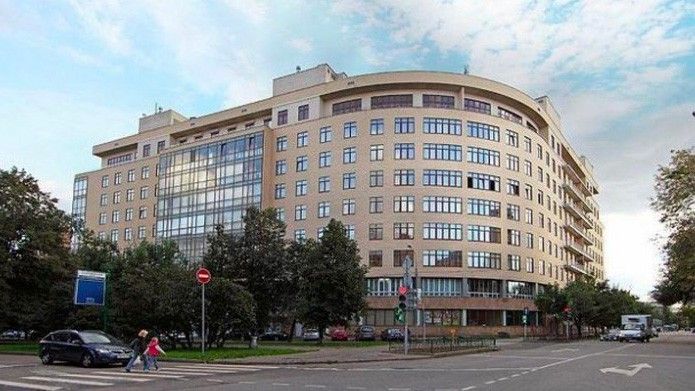
Мирошников — «очень богатый человек», утверждают его знакомые. Мы изучили только российскую недвижимость его семьи. Сыну бывшего замглавы АСВ Максиму, которому нет еще и 22 лет, принадлежит 400-метровый дом в подмосковной деревне Фоминское недалеко от Троицка и участок под ним. По документам, все это — подарок матери Валерия Мирошникова, 68-летней Татьяны Мирошниковой, которая, если верить СПАРК, никогда не занималась никаким бизнесом. У Татьяны Мирошниковой три квартиры в центре столицы: две — в «Имперском доме» на Якиманке общей площадью 500 кв. метров и 200-метровая в «Остоженка Парк Палас». У самого Мирошникова — 200-метровая элитная квартира на шестом этаже ЖК La Defence в Хамовниках. Все это может стоить около 1 млрд рублей.
Внутривидовая борьба
Размер претензий, из-за которых Черкалин и его сослуживцы оказались в СИЗО, не соотносится ни с масштабами их деятельности, ни с найденными при обыске 12 млрд. Черкалину вменили взятку всего в 50 млн рублей, а двум другим фигурантам — отъем активов на 499 млн рублей у московского застройщика Сергея Гляделкина.
Этот человек не был широко известен, но он давно работает на крайне закрытом рынке московского девелопмента. «Истинный трудоголик, который все миллионы заработал своим умом», — так Гляделкина называет «Экспресс-газета», на страницах которой он мелькает благодаря своей жене, актрисе театра «Моссовета» Евгении Крюковой. До 2005 года Гляделкин в должности главы государственного унитарного предприятия «Москва-Центр» курировал застройку центра столицы: в частности, распределял участки на Остоженке, так называемой «золотой миле» столицы, районе с самой высокой ценой квадратных метров.
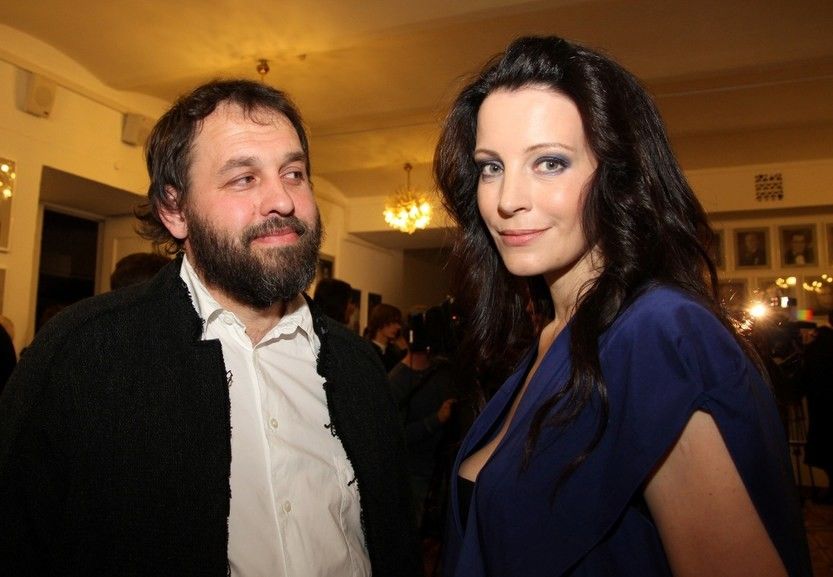
История с задержанием Черкалина — не первое дело, инициированное Гляделкиным. В 2010 году по его заявлению возбудили уголовное дело против вице-мэра Москвы Александра Рябинина. Когда адвокат получившего три года условно Рябинина на суде спросил Гляделкина, как долго тот работает на ФСБ и есть ли у него награды за выполненные задания, он ответил : «Я не буду отвечать на эти вопросы, так как дал подписку о неразглашении».
Кроме девелопмента Гляделкин успешно зарабатывает и в других сферах. В 2017 году телефон Avenue Group, одной из компаний Гляделкина, обнаружили на заполонивших Москву платных туалетах «золотого цвета» — их установили вместо «морально устаревших» синих кабинок. Также у Гляделкина были совместные проекты с сыном генпрокурора Юрия Чайки Игорем . В 2013 году Чайка и Гляделкин учредили компанию «Техно р-регион», которая планировала бизнес по сбору и переработке мусора. Чайка в 2017 году говорил, что никогда мусорным бизнесом не занимался, а после расследования Фонда борьбы с коррупцией его структуры передали свою долю в «Техно р-регион» менеджерам Гляделкина. Но после этого Чайка все-таки вошел в капитал одной из крупнейших мусорных компаний — «Хартии». Один из ее мусоросортировочных заводов раньше возглавлял владелец компании, которая получила контракт на установку тех самых «золотых» туалетов.
Чайка-старший фигурирует и в аффидевите Железняка. Как рассказывает банкир, доля в бизнесе «Лайфа», которую у него вымогали, предназначалась для того, чтобы «две птицы» закрыли преследование акционеров группы. Под прозвищем «две птицы» проходили генпрокурор Чайка и тогдашний глава экономической службы ФСБ Воронин , поясняет Железняк. В Генпрокуратуре на вопросы «Проекта» и The Bell не ответили.
Место Воронина во главе управления «К» теперь занимает генерал Иван Ткачев, прославившийся участием в расследовании большинства крупных коррупционных дел последнего времени. Он разрабатывал Черкалина еще не своем прежнем месте работы — в управлении собственной безопасности ФСБ , писал РБК. СМИ писали, что у Ткачева и его начальника Сергея Королева, нынешнего начальника всей Службы экономической безопасности, есть конфликт с людьми из команды Воронина и его друга Смирнова, того самого замглавы ФСБ, который, по утверждению банкира Завертяева, когда-то встречался с ним в ресторане Palazzo Ducale . О вражде двух групп внутри ФСБ, в частности, писали «Открытые Медиа».
«Внутривидовая борьба», — лаконичен предприниматель с хорошими связями в силовых органах. С этой версией согласен и крупный российский банкир, хорошо знавший арестованных офицеров.
Через два с небольшим года директору ФСБ Александру Бортникову исполнится 70, предельный возраст для его должности. Это значит, что от того, чей клан победит борьбе за его место, будет зависеть, кто «тут будет всем владеть» , говорит крупный российский банкир, хорошо знавший и Фролова, и Черкалина.