
Translated material
"The main role was played by the people"
Mikhail Gorbachev-to the 30th anniversary of the fall of the Berlin Wall
Published in the magazine Time (in English) and in Novaya Gazeta (in Russian)
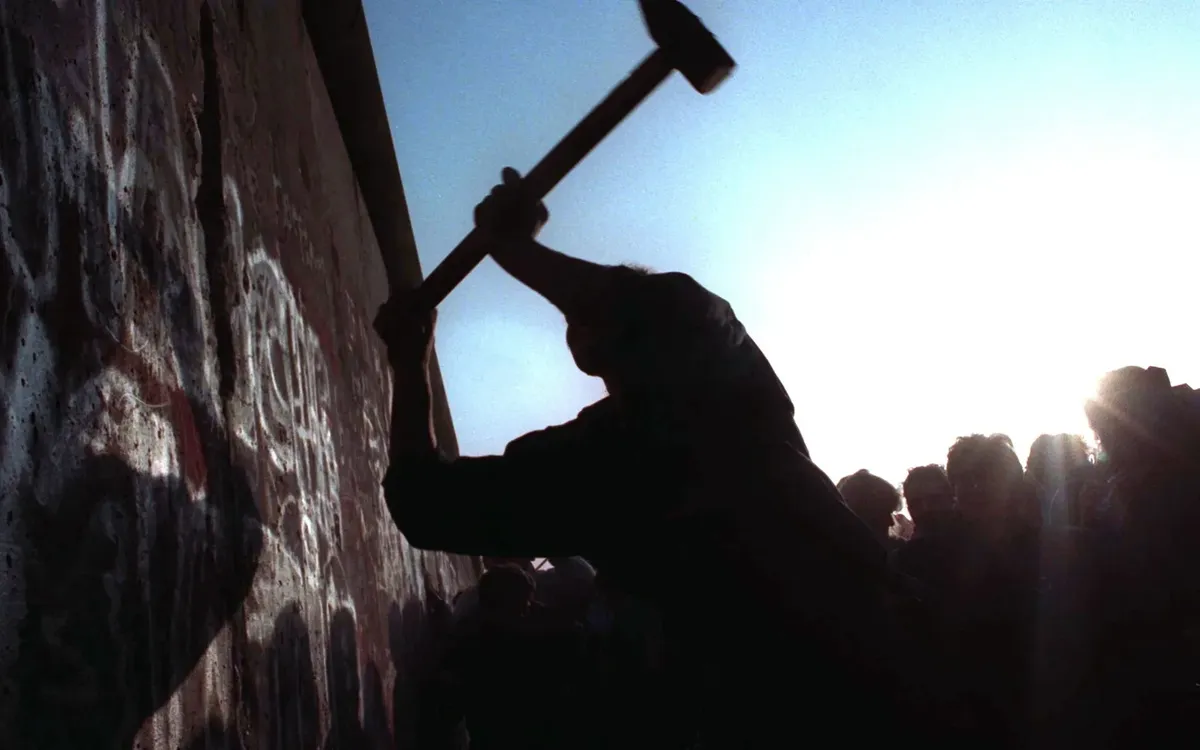
In November 1989, the Berlin Wall fell, which for decades shared not just the city, but the whole country, all of Europe. It was the year when history accelerated its move. In such historical moments, the level of responsibility and wisdom of the leaders of the states is checked.
The changes that have gone in the countries of Central and Eastern Europe received a powerful impulse from the democratization process in the Soviet Union. The requirements of people have acquired an increasingly decisive and radical nature.
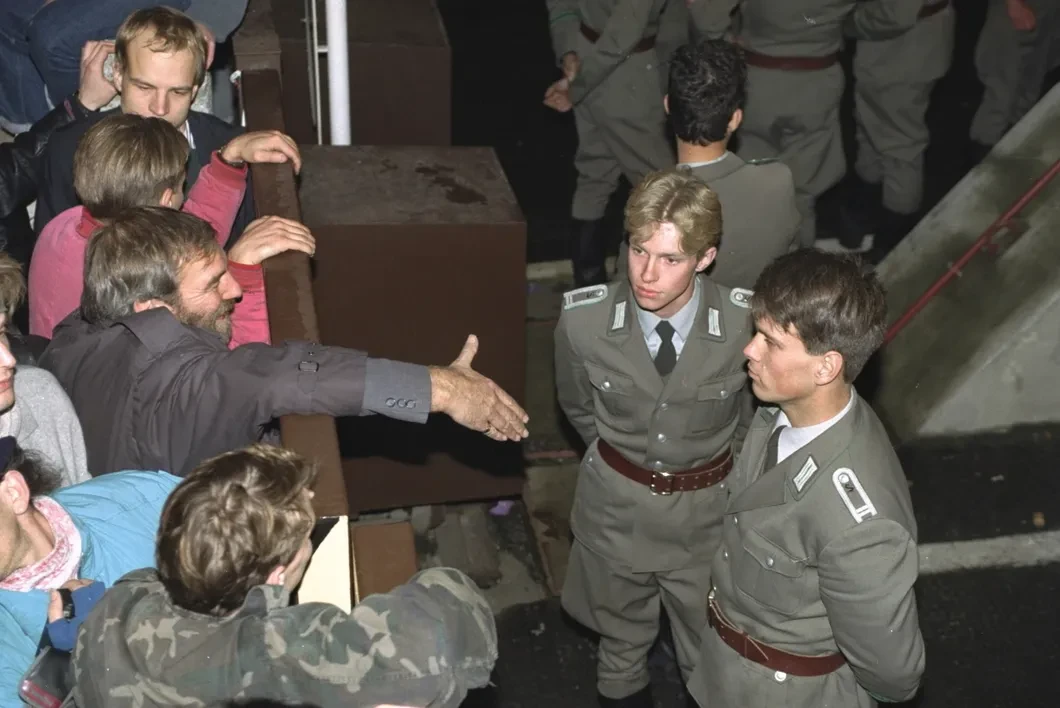
In the fall of 1989, the situation in the GDR became explosive without exaggeration. Large groups of people left the country, in essence there was a mass flight to Germany through Hungary and Czechoslovakia, which opened their western borders. In the largest cities, people took to the streets. The demonstrations were peaceful, but it was impossible to exclude a breakdown in violence with uncontrolled consequences.
In September 1989, I was in Berlin at the celebration of the 40th anniversary of the Education of the GDR. I almost physically felt the discontent of people with the existing position when I stood on the rostrum, past which the columns of the participants in the festive procession walked.
We knew that they were carefully selected in advance. The more indicative their behavior was. They chanted: “Perestroika! Gorbachev, help! "
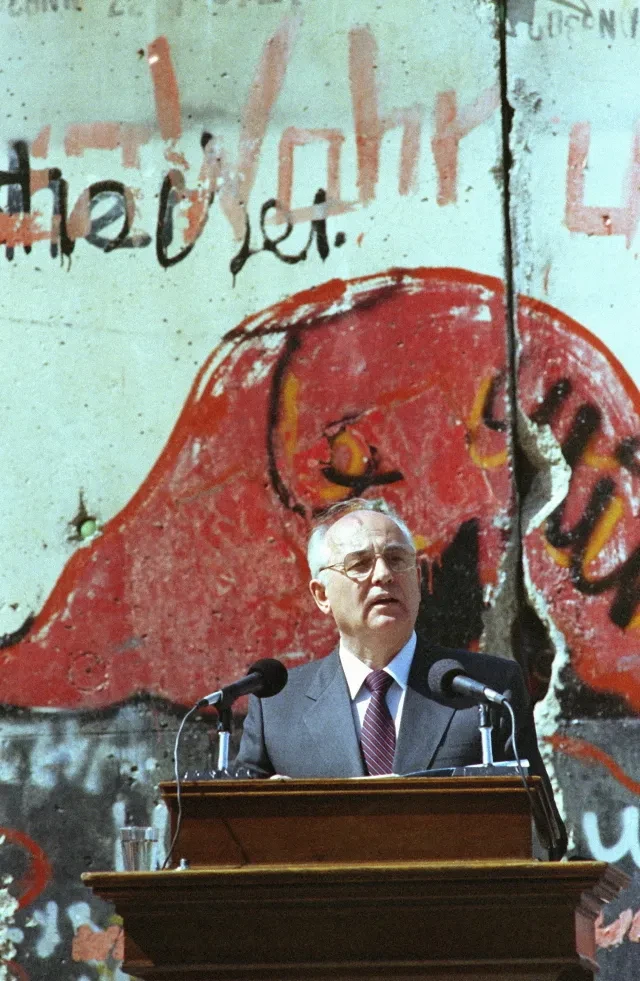
Subsequent events confirmed: the GDR regime lost positions. Protests and political requirements grew - from the freedom of departure, freedom of speech, the dissolution of the existing authorities to the reunification of Germany.
And therefore, the fall of the Berlin wall was not a surprise for us. The fact that it happened on November 9, 1989 was largely the result of a combination of circumstances and moods of people.
In these conditions, the Soviet leadership primarily excluded the use of force, the use of Soviet troops located in the GDR. At the same time, we did everything possible so that the process develops in a peaceful channel, without violating the vital interests of our country, without undermining the world in Europe.
This was extremely important, because after the wall falling the processes in the GDR developed more and more violently. On the agenda, the reunification of Germany rose. And this could not but cause anxiety among our citizens, and many have anxiety.
Both historically and psychologically, such anxiety was clear. We had to take into account the popular memory of the war, about its horrors and victims. Yes, the German people changed, they learned from the experience of Hitler’s dominance and World War II. But there are things that you can’t delete from history. Therefore, it is very important, I told the Chancellor Germany Helmut Kolya so that the Germans, deciding the issue of unification, remembered their responsibility and that it is necessary to respect not only interests, but also the feelings of other peoples.
Anxiety was not only with us. The allies of the Federal Republic of Germany in NATO - France, Great Britain, Italy did not want a quick reunion. I understood this out of conversations with their leaders. In each country, which at one time aggression has been preserved almost at the genetic level of fear in the face of an increase in the power of Germany, to which the unification of the GDR and Germany inevitably led. For this, they had serious historical and political grounds that they, however, did not express directly.
I think the European NATO members were not averse to slowing down the process of combining Gorbachev with the hands of Gorbachev. But I understood that the resistance to the objectively inevitable process and even more so attempts to apply for this - in any form - military force can lead to unpredictable consequences, to the explosion in the very center of Europe, the resuming of the Cold War - and who knows what else! We were all obliged to avoid this.
Now, when you read some comments or memories of that time, it may impress that the reunion process went like clockwork, everything came like manna heavenly, that all this was almost the result of happy accidents, or even the naivety of some participants. But this is not so.
Negotiations on Formula 2+4 (two German states, the USSR, the USA, France and Great Britain) could not go smoothly. There were acute disputes, clashes of opinions, sometimes it seemed that the case was about to end with a misunderstanding, the failure of these negotiations.
But it ended with success. First of all, because the participants in this complex diplomatic process showed foresight, courage, and high responsibility.
And yet, when they ask me who I consider the main character of that turbulent time, I always answer - the people. I do not belittle the role of politicians, it was very great. But the main role was played by the people, two peoples.
The Germans, who decisively and, most importantly, peacefully declared their will to national unity. And, of course, the Russians, who showed an understanding of the Germans' aspirations. They believed that today's Germany is fundamentally different from the former, supported the will of the German people. Russians and Germans have the right to be proud that after such bloodshed they managed to meet each other. Without this, the Soviet government could not act as it acted at that time.
Then we brought the final line under the Cold War. Our goal was new Europe, Europe without separation lines. But the generation of leaders who came to a replacement could not realize this goal. In Europe, modern security architecture, a reliable mechanism for preventing and resolving conflicts was not created. Hence the painful problems and conflicts from which our continent suffers today. I urge world leaders to turn to face these problems, return to the dialogue in the name of the future.