Date
Author
Владислава Жунина

Preserved copy
Translated material
How Joyce died of coronavirus
A young girl from Russia with inexplicable bleeding and a sweet London old woman who is in a hurry to the station to see her husband. Samizdat continues the London cycle of Vlada Zhunina and publishes two medical history from the coronavirus chamber, one of which ends with death.
The same story is a section that transforms our readers into authors. You can also tell your story to our editor Kostya Valyakin .
I noticed Joyce as soon as I was brought to the ward. The bed was great for her: only her tiny head and pale thin hands peered out from under the blanket. Transparent plastic tubes led to the nose, a catheter dug into the hand under a wide patch. There were surprisingly slightly wrinkles on her face, but they crashed deep into the skin.
Each patient on the bed lay a bell, on which the nurses were looking at the ward, but Joyce regularly forgot about him and called to the rescue aloud. Sometimes her neighbor, a magnificent gray -haired woman started with a hoarse bass, and Joyce readily picked up her howl - for the company. Then the chamber rattled in different ways for half an hour, until one of the staff looked at the old women. Sometimes Joyce asked to bring painkillers and raise the top of the bed. Sometimes she demanded to submit the phone and bring mushroom soup. And she often asked when the St. Pancrax station opens.
The nurses invariably replied that the station was closed, adjusted the pillows and ran back, behind the gray door, where none of us could go out. We were in the warding of the Wittington Hospital, Islington, London. Through the dusty stains outside the window, the pale March sun gleamed. When the door closed on the other side, the ward was again enveloped in a sleepy, sullen silence. I would tell me someone a week ago that I would go to the hospital and coronavirus will be smaller than my problems, I would laugh this person in the face.
How I conquered London on the eve of the end of the world Vladislav Zhunin , Konstantin Valyakin , Ksenia Rykova Who walks to the Russian cafe, how to calculate the gentleman and why London is not for the poor - a story about high society, a long way and a rapid fall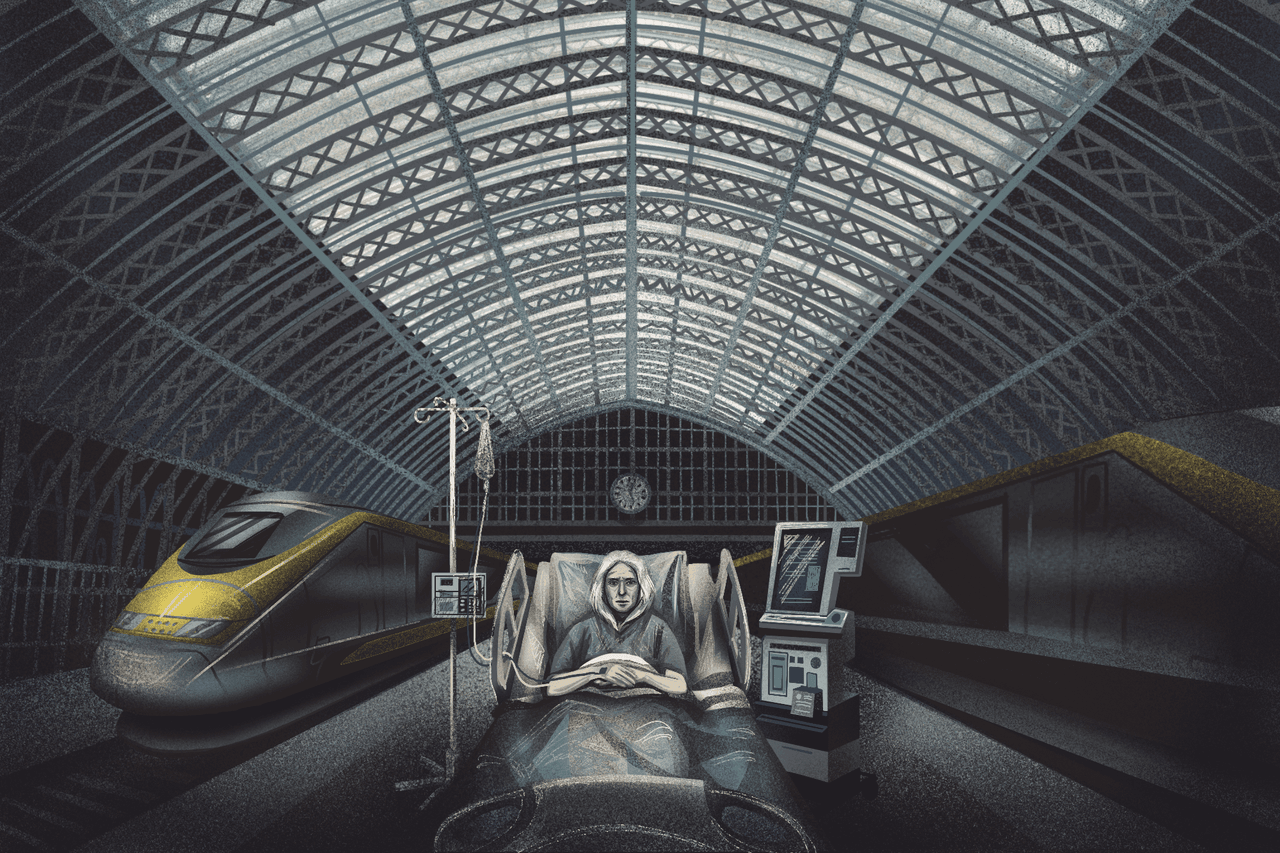
Prime Minister, Soap and Happy Birthday
Pandemia came to the country suddenly. At first, quarantine in Jun was perceived as something very distant, which will never happen here. British evacuated from China were locked for two weeks, and after triumphantly released. Every day we read the reports: 200 tests were carried out, 12 of them were confirmed. Then the government thought about the development of “collective immunity” - to isolate the elderly, and leave the rest as it is. Those who are not lucky, they will illuminate with a cough and temperature, others will move the virus on the legs, but the economy will not suffer so much. In the meantime, Prime Minister Boris Johnson advised "washing his hands with soap under the song" Happy Birthday "." The nation sleeps calmly and does not take the disease seriously, to protect against which it is enough to observe the rules of elementary hygiene.
In March, events began to turn around as in an action movie. Teachers and schoolchildren returned from the holidays at the ski resorts in Italy and France, where the second largest center of infection was opened. 78 British from the side of the Diamond Princess liner, which turned into a floating plague hut, urgently evacuated to the country. One of the passengers died in Japan. People on the islands of the kingdom began to realize that they themselves could replenish statistics. In the subway, people in masks are increasingly caught, and seats are immediately released around them.
All March, the number of sick and deaths grew in terms of exponent, and with them the number of recommendations. Wash hands every time after visiting public places. Refuse trips to France and Italy. Refuse foreign trips in general. Avoid public places. Avoid once again to go out. If possible, work from home. Isolate if signs of colds are found, and in no case come to the hospital.
HZ mode: how quarantine turns into dictatorships Irina Shcherbakova , Semyon Sheshenin , Olya Gorchu, we explore the national features of planetary quarantine - from the Gelendzhik Rosguard to the drones of China and the iron cap of the Israeli intelligence services All March, the number of sick and deaths grew in terms of exponent, and with them the number of recommendationsThe streets were empty, offices and cafes were closed. The British lost their jobs, and I ended up among them. The team of the magazine where I worked as a full -time journalist was reduced from five to two. I was not among these two. It would seem that I lost what was going on for a long time -the work of a journalist in a local Russian-speaking publication, but for some reason I was relieved: besides work, I had nothing to lose, and Koronavirus then saw a bloated newspaper duck. The day before, I conducted an interview with a medical professor, and he convinced not to panic and relax: statistics said that the virus is dangerous for some two percent of the population.
Two weeks after “Wash your hands under“ Happy Birthday ”, the government announced the entry of a hard three -week quarantine from March 23. Everything was closed except pharmacies and grocery, you can only go out for dog walking, run and to the store.
On March 19, my friend and I decided to take a walk - we wanted to enjoy the view of the city before multi -day imprisonment. We walked along the empty Trafalgar Square, walked past the wheel of the Ferris, Big-Ben and the Buckingham Palace. The extinguished windows of pubs and cafes were blindly looking into the darkness, usually noisy Rigent Street scared with a sudden emptiness: before it was not to push on it. On the large screen, the Picadilli Square in complete silence flashed the ads of the advertisement.
I never found a total Lokdown: after the day earlier, I felt bad, and the ambulance took me with internal bleeding. The day before, I lost consciousness in the toilet, and the next day I realized that I could not get out of bed. My heart knocked hysterically every time I tried to get up, it was getting dark in my eyes, and painful weakness spread over my body. The skin turned pale to a cadaveric shade. On the way to the hospital, an ambulance doctor, a stately Australian, talked with me about work and coronavirus, and upon arrival he went out to smoke with a partner. I hear: “The case is serious” - and it seems, for the first time I understand that I am in trouble.
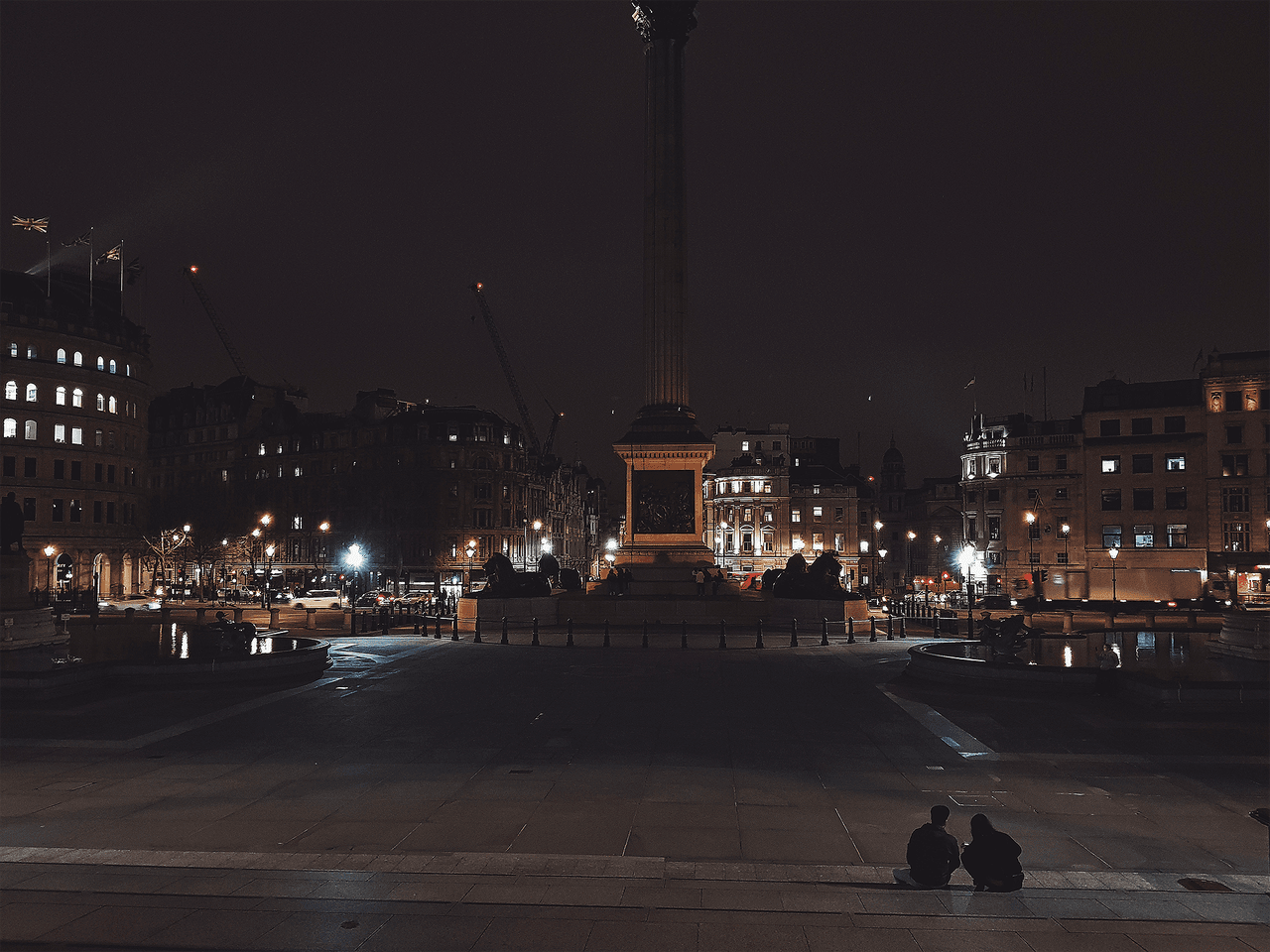
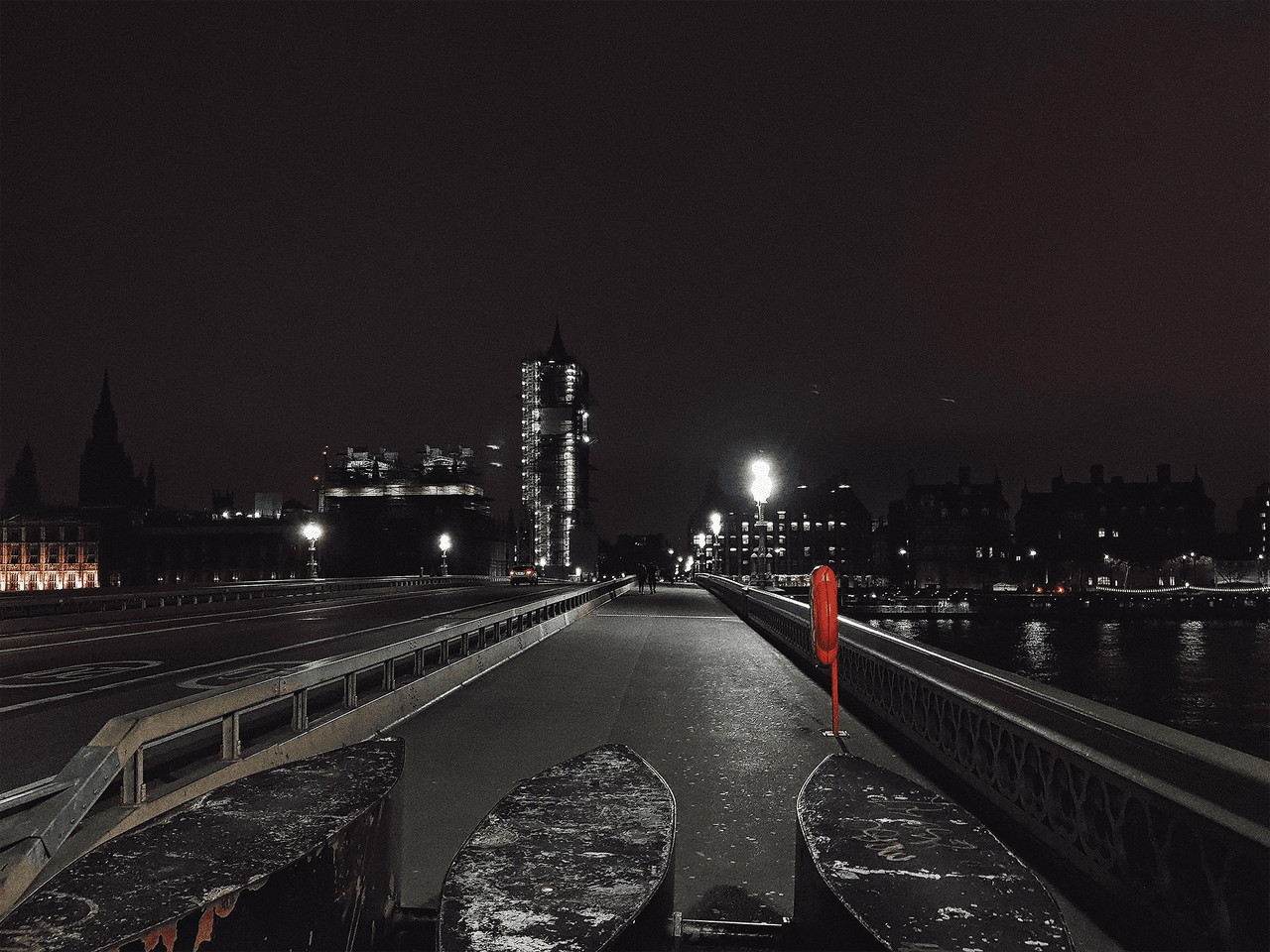
Photo from the telegram channel of the author
Alive? Alive
Of all women in the ward, only I could walk. Well, how to walk - get to the toilet and back. Each time on the way back to the bed, I furtively looked at Joyce. The tiny, slightly tousled, like a sparrow, she drowned in the sterile whiteness of the pillows and sheets and always looked for her eyes, for what to catch on. Alas, there was nothing around but shabby windows, white ceiling and flickering lamps.
Once my midday dream was interrupted by someone's scream. It was Joyce. She shouted into silence: "Is there anyone here?" Again and again, like a lonely polar explorer, she sent a signal to a deaf snow -white emptiness, and each time her voice melted and melted.
I got out of my Butt, pushed a chair to her bed and sat next to her. She turned to me, and for the first time I noticed what beautiful eyes she had: clear, blue, sparkling - like a child. "Where are you from?" Joyce asked me. "From Russia". - “And I'm from London. As you can see, I did not have to go far. "
We were far from immediately in the same room. As soon as I got to the hospital, I was immediately asked if I talked with the infected Covid-19. The contact was through one handshake: a friend had no symptoms, but his girlfriend appeared, and I honestly admitted this. Since then, every time at the entrance to my single chamber, doctors put on a disposable mask and gloves, and at the exit they threw them into the garbage bucket, frantically washed their hands and disappeared behind the curtain.
When they were going to transport me to other patients on a ricking chair, I again lost consciousness. I woke up on the next bed, in an oxygen mask. "Have you ever had convulsions?" No, they didn’t happen. And I had not lost consciousness before.
What is the living with hemophilia in Russia Theodor Glagolev , Yegor Mostovshchikov , Julia Prokopova every 10,000th man lives with incurable inconsistency of blood. Annunciation racer was able to defeat his own body, which strives to kill him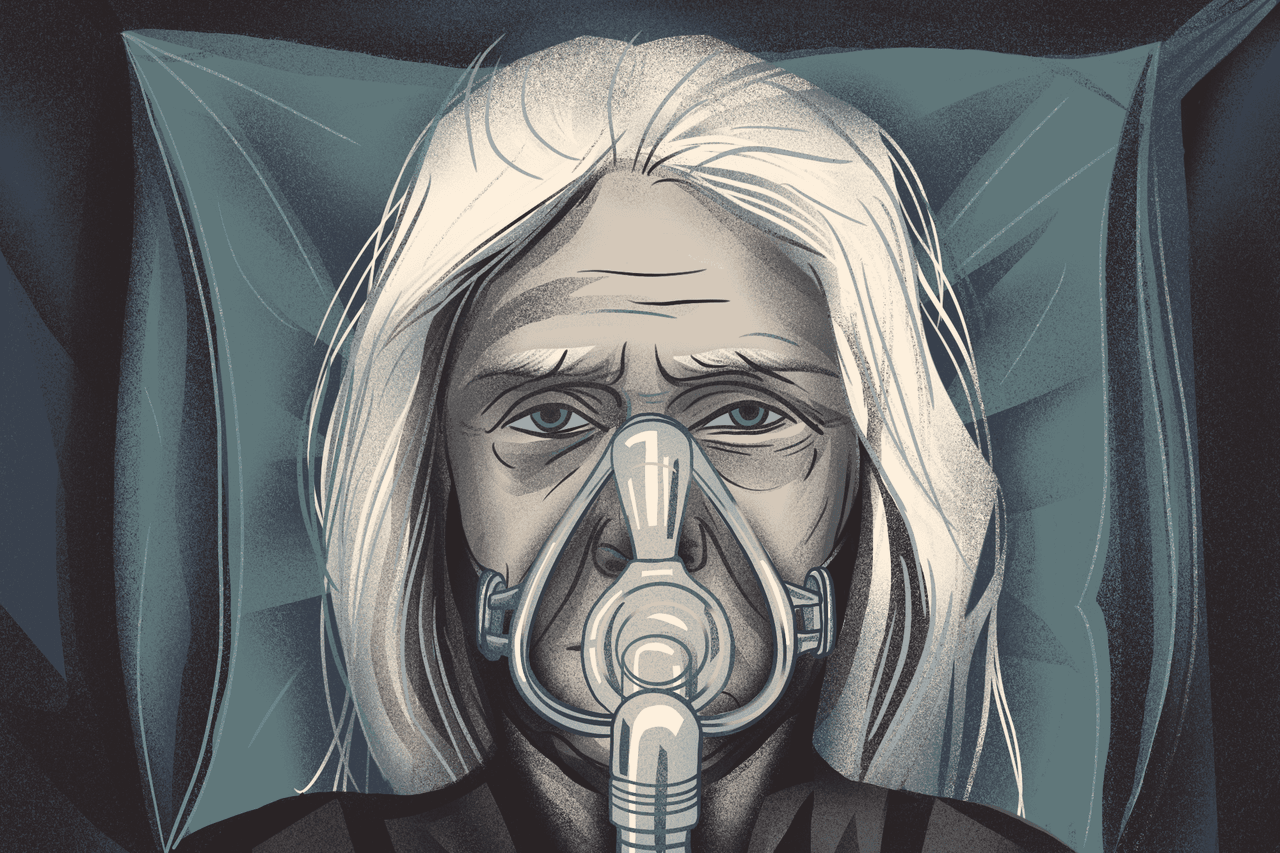
"Is this the last thing I will see?" - I asked myself, peering into the ceiling, poured into the squares of a steel grate. A pulsometer sensor was attached to his finger, and every five seconds he sent a signal to the air, like a sentry at the post. “Alive? Alive. "
In the evening, I conducted the first blood transfusion. It became easier. Two hours later I was transferred to a single ward. The next morning, my attending physician, Dr. Rumi, said that I have internal bleeding. “We will try to find reasons and cure you. Maybe you will need an operation until we know for sure. In the coming days, the results of the analysis on coronavirus will come, and we can go to research, but yet do not lose heart. ”
A languid gray week stretched: in the morning and evening I took blood for analysis, dug up a vitamin solution during the day. Three times a day they came to me to measure pressure and temperature. For some reason, in the evenings she began to rise to 37–38 degrees, and antibiotics began to dig me.
Breakfast, lunch, dinner. Blood test, pressure check, dropper. I was used to brushing my teeth right in the bed with two glasses and a jug of water. Then it remained only to pour dirty water into the sink. She stood two meters away, so it was a tank business. It was more difficult to get to the toilet: four meters to the door. The first two were simple, but by the end of the path the head began to dizzy, and the heart came in. The main thing is to have time to sit on the toilet before it starts to get dark in the eyes. After the way there and back, I usually lay down half an hour to recover and calm the pulse.
Most of the time I slept, read the Lord of the Rings and called up with loved ones. The appetite disappeared along with a sense of taste and smell. The bread from the chicken differed only in the texture, the orange juice tasted like sweet water.
Hemoglobin continued to fall. In the evening I was made a second transfusion. It became easier - so that I had the strength to go to the shower. And then the results of the tests came: coronavirus was confirmed. With the results in their hands, doctors could prescribe the necessary research to me. For two days I hit kilometers along the hospital corridors. The source of bleeding was never found, but my well -being improved slightly. Then from a single chamber I was transferred to a common, Joyce and other sick coronavirus.
Two crowns
Joyce is 84 years old. She got to the hospital a day ago and still could not convince the nurses that it was time for her to go to the St. Pancrax station, because otherwise she would miss her train, but you can’t be late: Rezhi’s husband awaits her at home.
She does not have half of the teeth, so she, like many old people, shammers and speaks inaudibly, but emotionally. The beds are fenced off from the other with blue curtains, and she asks me who is where he lies. “And who is there? Irish? It’s like Irish - they have such an incomprehensible accent, I can never make out anything, ”she shakes her head disapprovingly and immediately points to the bed opposite. “Who is there?” With restraint, I say that there is a girl in glasses, but I remember how this girl firmly calls the nurses. “I don’t like her,” the old woman whispers to me, and I immediately nod with relief. “But I like you,” she says. “You are to me too,” I answer.
I tell Joyce about my life, but she is childishly unceremoniously closing her eyes in the middle of the story and falls into a dream. I do not know how to behave in such a situation, so I just wait until it wakes up. After half a minute, she opens her eyes, and I, under the pretext of rest, go to my room behind blue curtains.
There were five beds in the ward, each of the patients was connected to the artificial respiration apparatus, some to tubes, some to masks. There was an unnatural silence, violated only by the bubbling cough of my neighbor. Once she called someone. Her voice was quiet and weak and constantly interrupted: “Every day it gets worse every day. Nobody can visit me. I'm scared ... Hello? Hello? Can you hear me? Hello?" That evening, she cried - bashfully, stealthily.
Letter from New York: the most infected city in the world Svetlana Sachkova , Yegor Mostovshchikov , Nastya Lobova Mathetic graves, poverty, a-capital ship off the coast Manhattan, twice as many killed from the coronavirus than from the September 11th attack There was an unnatural silence, violated only by the bubbling cough of my neighborLater, two nips and a nurse came to her. Her bed was taken to the corridor, and I saw how the screen was set behind her, and on the contrary, an X-ray was brought up. Her body in the hands of the nips was bent as plasticine. Later, she was measured by the level of oxygen in the blood with a pulsometer: 68 percent at a rate of 98. In the evening she was connected to a mask, and the next day she was taken away somewhere. I first saw her face. She was younger than me. 20 years. A completely child.
Opposite me there were two more beds. On the left lay a magnificent woman. She slept most of her time, and when she did not sleep, her nurses called loudly, puffly. To the right of her, a small, dry Joyce drowned in the window in bed. Once she will say: “I do not want to be alone” - and I will approach.
The next day, she begins to speak in a dream. Refuses to leave with someone, names Reggie, complains about pain and asks the Lord to calm her down. He speaks loudly, sharply, as if he wants to reach someone once and for all. In the evening of the next day, I sit down again to her. “You know,” she trusts me confidentially, “I see them around.” Ghosts. They call me with them, and I refuse to go. " I ask her to tell about Reggie - I want her to think about the good. They met in a pub. He was a stately, dark -haired sailor, and it was love at first sight. That was it, as the British say.
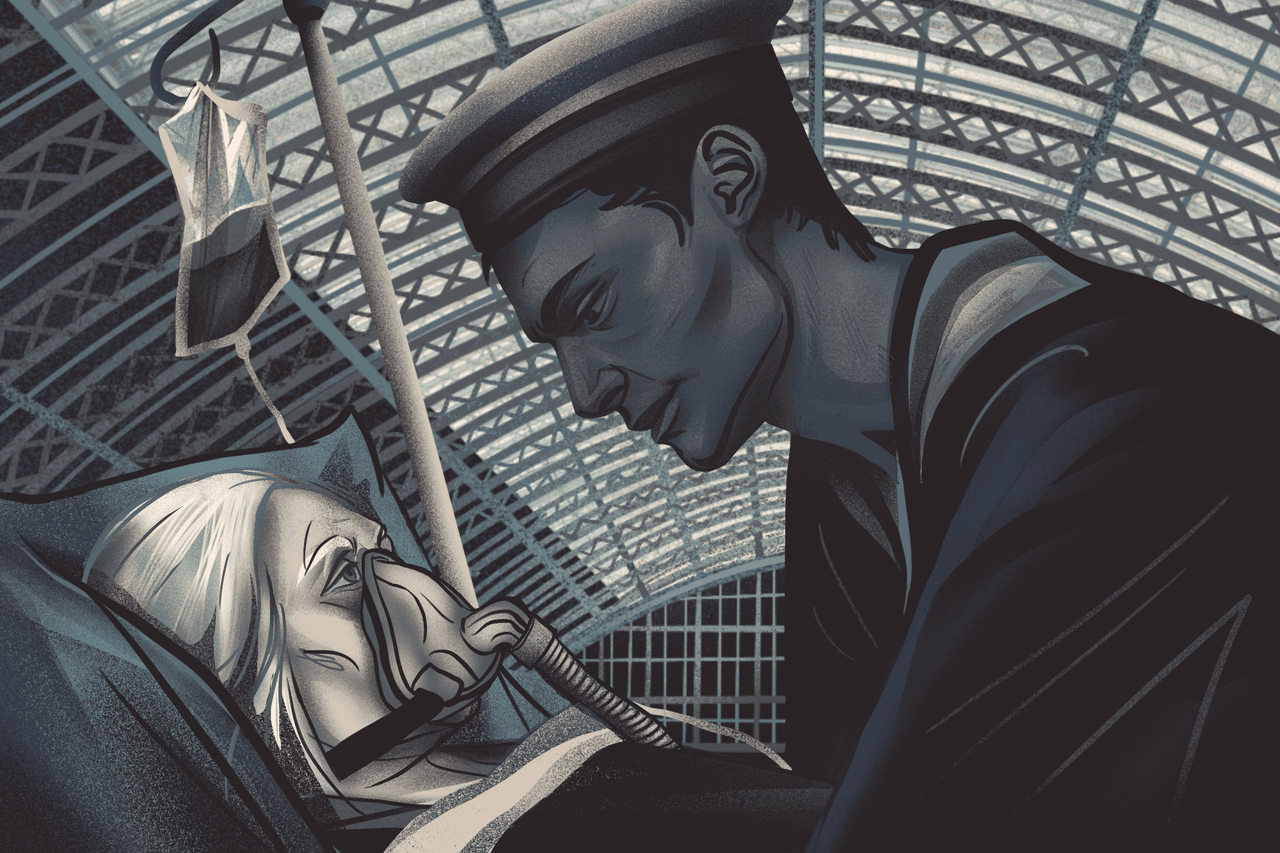
With him, she traveled to Italy, France, Portugal. “Was it in Athens? Be sure to visit, a wonderful place. " She looks somewhere into the distance, as if a hilly island, overgrown with olives and cypresses, is loosening in front of her, and is forgotten for some time. “You know,” she says, suddenly emerging from the Drem, “I’m afraid that I will not leave the hospital anymore.” I promise to her that she will definitely write out, cannot be otherwise, but I understand that I’m afraid for her. Mortality from coronavirus among the elderly is 16 percent. I take her hand in my own. The palm is cool and smooth, like a maple leaf. We are sitting for some time silently.
Later, the nurse will come to check her pulse. Joyce will ask when she will be released to the station, to which the nurse habitually replies: “Darling, it's too late, the St. Pancrac is closed”-will unhook the tonometer sleeve and hide behind the gray door. I Masha Joyce from my bed. She waves in response to me. This was the last time I saw her in consciousness.
Saint Pancrax station
The next day, Joyce either sleeps or mutters. She prays to God, and asks to calm her pain, and sings either church hymns or drinking songs. “No, no, no, no! - Suddenly she speaks in despair and immediately cries: - I want to know that Reggie will be with me! " She speaks with her parents. “What is there? Tell me! You must tell me. " When I go to the toilet, she looks into the void and speaks with someone whom I cannot see. She will not recognize me.
On Sunday, Joyce falls into a fever. In her speech, words are less and less and less likely, more often - rhythmic, but meaningless sounds, as happens in infants who have not yet mastered speech. The nurse again comes to measure the pressure: “Joyce? Joyce? Joyce, do you hear me? " - But she does not respond to the sound of her own name. The nurse continues to call her, then runs after the help. In Joyce, plastic tubes are checked, air levels in an oxygen cylinder are measured, and it is slapped on the cheeks. One is trying to measure pressure, but the hand hangs like a whip.
The next day, Joyce's bed is enclosed with blue curtains. I hear a dense fabric unfolds. The sheets are curled up, an unclear noise is heard. "Left leg - here, the right - here." The sound of a fastening zipper. A gloomy orderly walks from corner to corner from corner to corner, but he also goes out for a couple of minutes, and I look inside: a small rivet is drowning on a huge snow -white bed, wrapped in a white sheet.
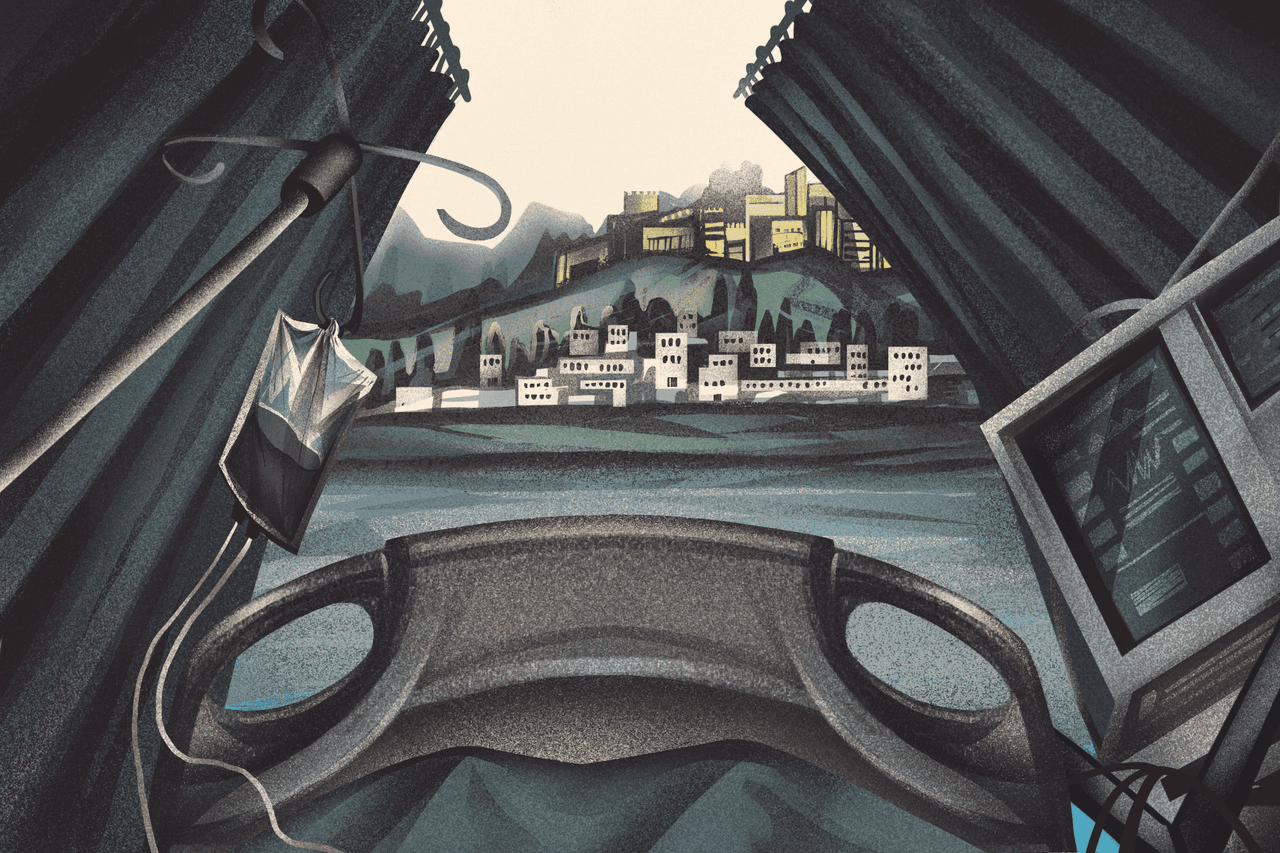
For a while, Koik Joyce stood untouched. Then the nurses packed the mattress and sheets in a huge orange bag, and the gurney was taken to the corridor. In the vacant place, they immediately put another woman.
Later, for an evening test of pressure to me, Natalia, a Russian -speaking nurse from Lithuania, came to me. Her appearance was tired. "So in the entire wing?" I asked, nodding to the corridor, where Joyce was taken away. “Yes, already in the half of the hospital,” she sighed. - Everywhere they have already been placed with oxygen cylinders. There are not enough masks, gloves too. We still do not go to work. We should be eight on the wing, and five came out. ” - "Sick?" “Come on,” she shrugged. - Part, maybe they got sick, and some are simply afraid to catch the infection. Many people refuse to work with coronavirus. They are afraid for themselves or for loved ones. They can be understood. Everything is just beginning. ”
***
A few days later, bleeding ceased by itself. I conducted another blood transfusion and discharged home. The second week of Lokdown was going on. The number of cases is 29,474, the number of deaths from coronavirus is 2352. My unit has replenished the statistics of the recovered, the Joyce unit is the statistics of deaths. Natalia was right. After three weeks, 16 thousand people will die, and 120 thousand will get sick.
I got out of quarantine nowhere: the old work burned out, the new one is not expected in the near future. Three weekend quarantine was extended for another three weeks, until May seventh. After it, the world will change irreversibly. Perhaps for me there will be no place in it, but it does not really care about me. In the end, I have already experienced my apocalypse.
Notes from emigration, photos from the hospital and discussing about the world in which we all now live, can be read in the author’s telegram channel .
A letter about life after the hospital, post -apocalyptic London and the internal struggle of a person in migration we will send on Saturday, April 25, as part of the “Peace in Fire” newsletter .