
Translated material
The worst fears. Covid-19 hits the poorest and most helpless
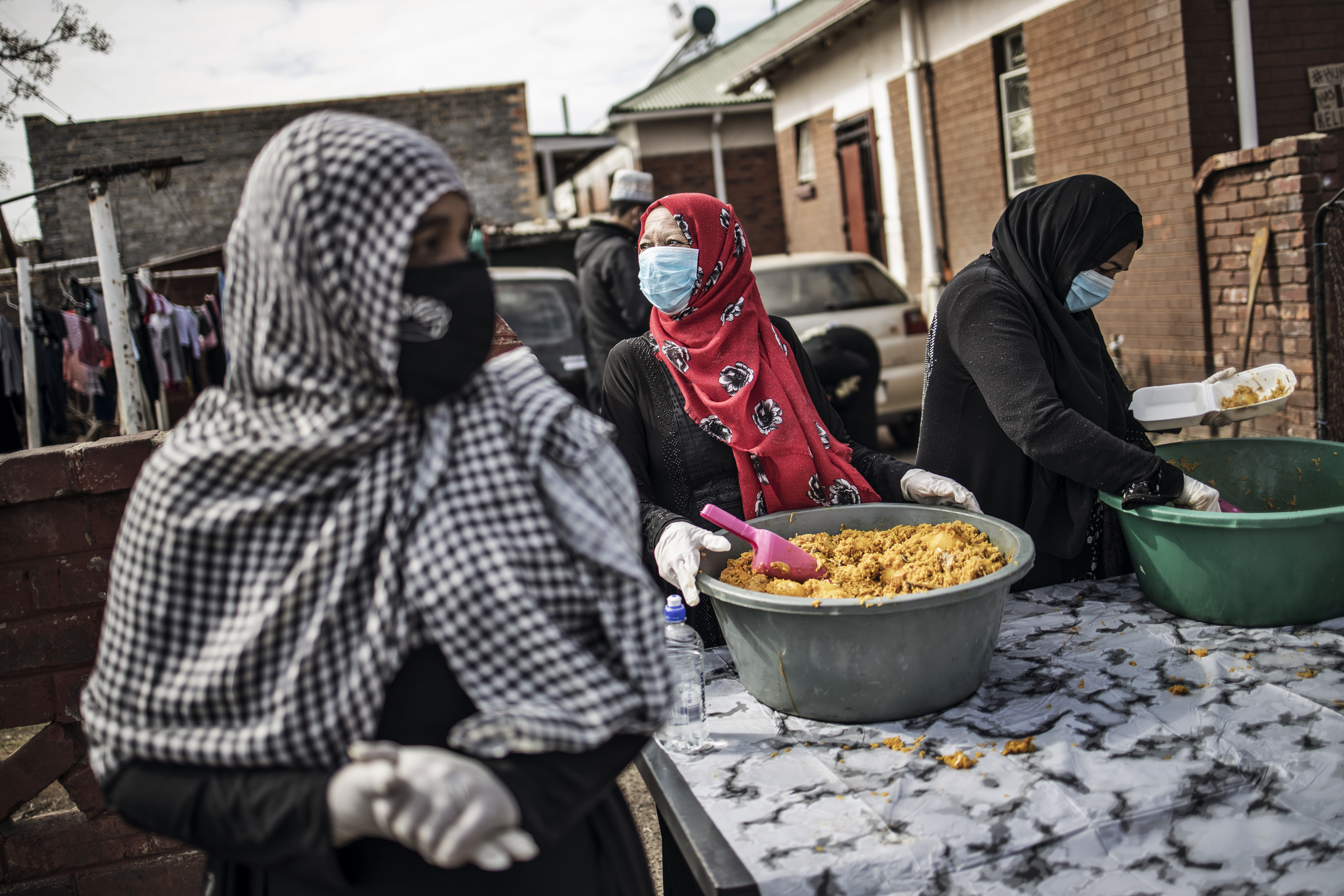
For several months, scientists warned that after Covid -19 more or less able to take control of the most developed and rich states, the epicenters of the pandemia will move to Asia, Africa and Latin America and turn into a chronic problem. Obviously, this script has now begun to be implemented.
The new coronavirus hits the most poorly or torn -by -tireless wars and conflict countries that are not able to restrain it. Probably, soon in different regions of the planet eternal natural foci of the disease may appear. Alarm news comes from so many places, and against the backdrop of universal panic and uncertainty, more and more bizarre rumors and theories appear.
To begin with - in recent days the world has flown up the news from the African botswana, where elephants began to massively die from no one understandable reasons. About 130 thousand elephants live on the territory of this country, this is the largest population in the world. To date, almost 400 animals have already died, and, according to experts, we can already talk about a real biological disaster. Is it possible that the reason for this was a new coronavirus, which, as you know, amazes not only people ?
According to the British The Guardian, even live animals seem very exhausted and weak. At the same time, poachers are clearly not to blame for the incident - the dead elephants remained in the place of their tusks. Ecologists and employees of national parks, primarily the Chobe park in the Okavango River Delta (where elephants live more in the world), are convinced that we are talking about an epidemic - but it is not clear which one. Local residents say that sick animals walk in circles in a chain, one after another (which indicates the damage to their nervous system), and the dead lie down the muzzles (which indicates instant death).
Hundreds of Eleps Dead in Mysterious Mass Die-offs: //t.co/v7aomenwpr pic.twitter.com/mfjclfznho
- Guardian News (@guardiannews) July 1, 2020
Due to the Covid-19 epidemic, which struck Botswan in the same way as other countries of the African continent, the authorities cannot yet conduct an examination and at least begin to find out the causes of the mass death of local elephants. Fortunately, the coronavirus also had at least one good “side effect” - in 2020, the hunting season was actually canceled in Botswana, during which 40-50 thousand dollars per individuals per person reaches a license (its price) in the country, rich foreign hunters intended to kill almost 300 animals.
But if the causes of the death of African elephants are still not known to anyone, then in the case of people everything just became clear and catastrophic-as the World Health Organization (WHO) warned a couple of months ago, Africa today becomes one of the epicenters of Covid-19 pandemia. According to official figures, more than 450 thousand cases of the disease have already been recorded throughout the continent, although just less than 11 thousand deaths. However, which almost no specialist doubts, these data can be underestimated hundreds of times.
In the Darfur, destroyed by the War of the Sudanese region, where there are actually no modern medicine, doctors and medicines, a mysterious disease resembling Covid-19, today is distributed in camps for internally displaced persons.
About a third of the confirmed cases of Covid-19 disease in all of Africa falls on the neighboring Botswood South Africa-more than 177 thousand. Until now, local medical institutions have coped with the epidemic, according to the authorities. But if they are overloaded, this will be a serious warning for everyone else-since the healthcare system of the South African Republic is considered the best on the continent.
Mass riots have already begun to come from South Africa. As local journalists write and eyewitnesses say, in Cape Town, Johannesburg and other large cities of the country, patients in clinics are already in the corridors, as they lack places. In Cape Town, the city hall is looking for a place to create an impromptu field morgue - for storage, more than 700 bodies of the dead, who are not in time and are not able to bury. At the same time, the local health management warns that soon this will begin to happen in other countries of the continent, in the huge and poor cities of Nigeria, Congo or Kenya - where hospitals do not even have such resources, equipment and doctors as in South Africa.
Most of the poor countries of Africa still managed to take the necessary measures to combat pandemia, even when it was at an early stage. Perhaps that is why states such as Uganda, which has long have a developed system of sanitary and epidemiological monitoring, created during the long-term struggle against viral hemorrhagic fever, still showed the best results in the fight against coronavirus than even the United States and other wealthy countries.
But in general, since the beginning of the pandemic, the poor and ruined by the conflicts of the state of the world have been in a catastrophic situation. At the same time, all these countries are in the very tail of the global race in the world for medicines, sanitary-medical equipment and personal hygiene products. Ten African countries, for example, do not have apparatuses of artificial lung ventilation at all - there have never been there.
The key factor in the fight against Covid-19 remains massive testing of the population. But today, already months after the pandemic, only very few developing states can afford to continue to spend tens of thousands of tests every week necessary to identify and contain outbreaks of the disease.
Of course, it is not only about Africa. For example, now in the south of Yemen, where the war flare up more and more , medical workers are firing massively-due to the risk for themselves, caused by a total lack of personal protective equipment. Many hospitals simply refuse to take patients experiencing breathing problems. During the five years of the war, Yemen has already experienced the worst humanitarian crisis in his history - and then a new coronavirus appeared. Today, the Husitian rebels hide any information about the development of the epidemic on the north controlled by them, and the healthcare system at the south controlled by the Government. According to experts, about 90 percent of Yemenic patients on both sides of the front are now dying at home-both from the Covid-19, and from all other reasons.
The UN World Food Program (WFP) warned this week that, due to pandemia, the global hunger in the world reached a record level. The number of hungry people in 83 countries where WFP departments can grow up to 270 million until the end of 2020. This is 82 percent more than before we learned about the appearance of the Covid-19.
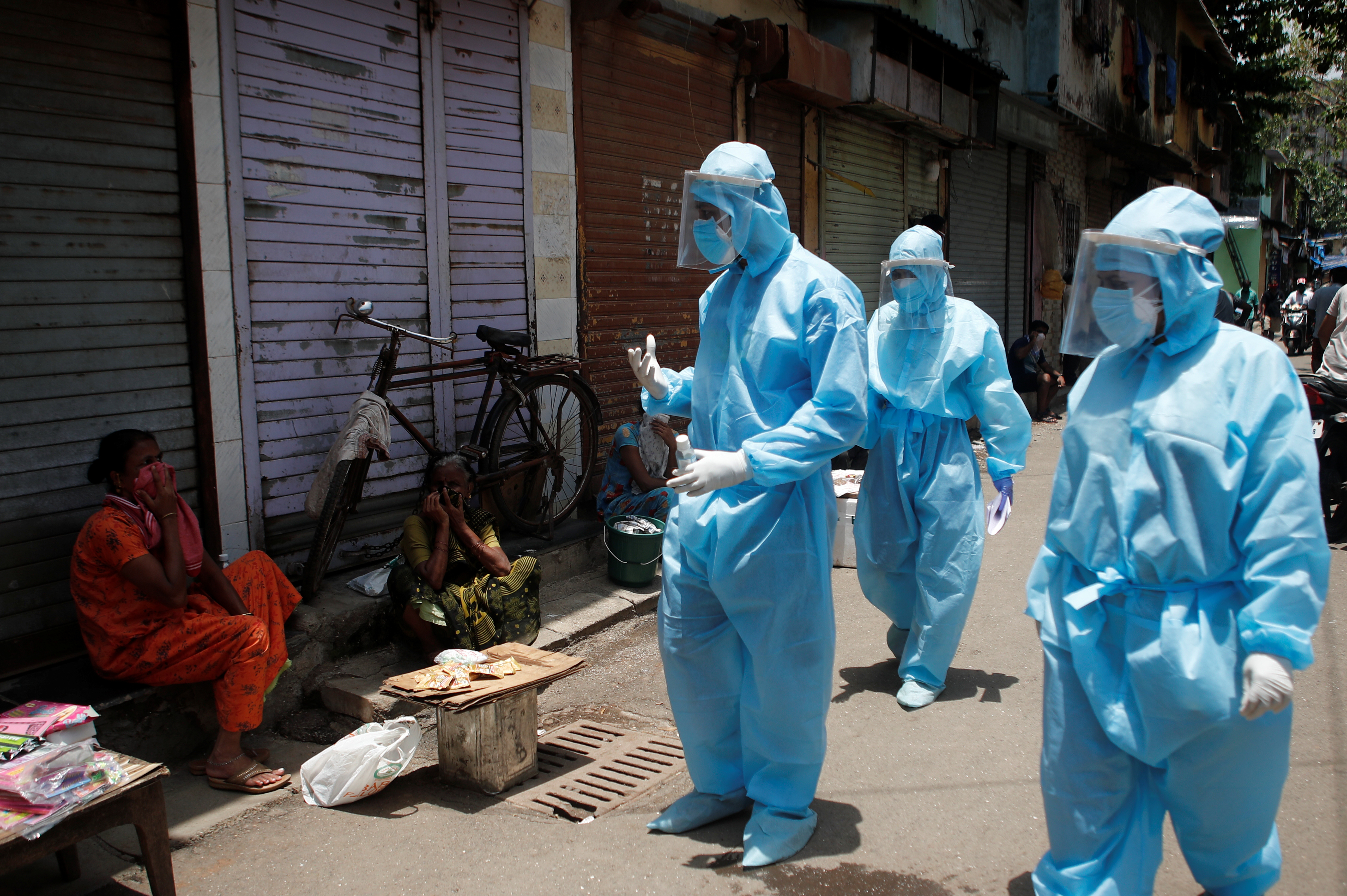
The number of more than 1.5 billion people are constantly growing in huge India and Pakistan, which live in huge India and Pakistan-and the authorities say that they can no longer be in a state of national quarantine due to a high level of poverty. In India, countless migrant workers in large cities lost their jobs overnight . Fearing hunger, tens of thousands of people went on the roads on foot home to return to their native villages-and on the way many of them died as a result of traffic accidents or died of dehydration.
Over the past weeks, the Indian government has created special centers where such people can receive basic help, and also began to distribute preferential railway tickets to them for safe return home. But there are great fears that this mass migration has spread coronavirus to the rural areas of India, where the infrastructure of the healthcare system is in distress.
In Latin America in Brazil, the incidence and mortality indicators are inferior only to the United States, despite the fact that the country's president Zhir Bolsonar does not want to make any efforts to stop the Covid-19.
An alarming situation is also observed in Peru, Chile, Ecuador and Panama. Throughout Latin America, mass poverty also played a role in the spread of Pandemia - like in India, millions of people with “informal” work were forced to secretly go out for earnings on the street even during quarantine, under the threat of fines and criminal prosecution. And then they returned to the crowded slums, where they sowed the virus among relatives and relatives. For example, Peru and Chile today occupy the sixth and seventh places in the world in the number of cases of disease.
Even the most closed and one of the poorest countries in the world - the DPRK, spoke about the problems . On July 3, the leader of North Korea, on July 3, called on his officials to maintain vigilance in the fight against coronavirus infection. “There should be no complacency and relaxation,” he warned his audience. At the same time, Kim continues to say that not a single case of infection with coronavirus is recorded in the DPRK and the country "blocked the way for the insidious virus." Of course, it is impossible to trust official data on the complete absence of Covid-19 in North Korea, although with the beginning of the pandemic Pyongyang completely closed the borders with China and Russia.
Of course, Covid-19 pandemia brings heavy strikes not only from Peru, South Africa or the Philippines far from Russia, but also on its close neighbors. A few weeks after leaving long -term quarantine, which caused the fragile economy of all the countries of Central Asia, a surge of cases of coronavirus infection forced the authorities to again introduce restrictions that can leave a huge number of people without work.
In the Uzbek Bukhara, the government ordered to limit the movement of public transport and close some markets from July 1 due to "an increase among the population of the number of infections." In Uzbekistan, the most densely populated country in Central Asia (32 million people), at least 230 new cases of disease per day are recently recorded, although the real number of infections remains unknown due to lack of tests and low data, in which representatives of the authorities are blamed.
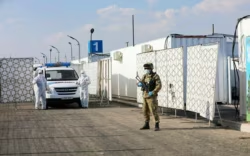
In Kazakhstan, from July 5, a two-week quarantine has been introduced again-after a sharp jump in the infections of the Covid-19 in the last three weeks. Kazakhstan President Kasim-Zhomart Tokaev ordered officials to introduce "measures similar to a strict quarantine" that operated in Kazakhstan from March 16 to May 11. In many Kazakh hospitals, there are not enough beds-the number of hospitalizations of people with Covid-19 symptoms is increasing. In the country, an unprecedented official increase in the incidence of "severe pneumonia" is also noted, often with death.
The number of new cases of infection has also increased in Kyrgyzstan, where the government states that the crisis has exerted tremendous pressure on the country's workers -worried difficult times. And in Tajikistan, the doctors of regional hospitals say that they do not have access to coronavirus tests and they have to send samples to the Dushanbe capital.
In general, it is difficult to determine the statistics of coronavirus in all of Central Asia that corresponding reality. With the exception of Kazakhstan, throughout the region, diagnostic indicators remain extremely low. Experts also question the reliability of the sets available here to test coronavirus.
-


Alexander GOSTEV
The editor of the RS information service, international observer, author and editor of the heading and podcast "Atlas of the World"
Gosteva@rferl.org