
Translated material
Sorry to exist
The history of the appearance, heyday and the almost complete defeat of Russian drug activism told by Medusa
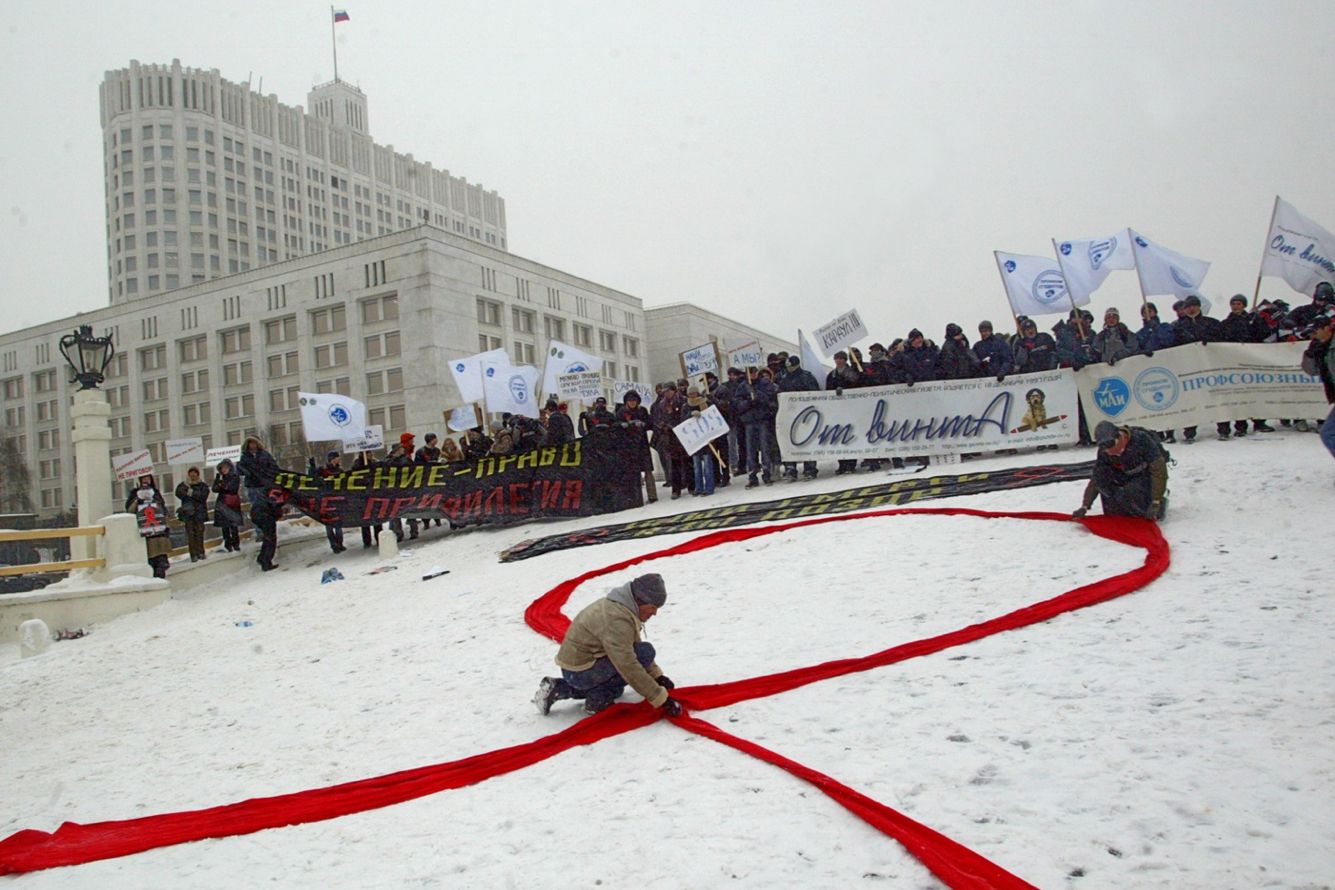
After the collapse of the Soviet Union, Russia was overwhelmed by a wave of drug use. Particularly popular substances were opioids, which were not difficult to get not only in the black market, but also in ordinary pharmacies. This led to a surge of mortality from overdose, as well as an increase in the spread of HIV infection. At the same time, there was practically no information on the consequences of drug use and access to antiretroviral therapy (art therapy for all Russians appeared only in 2006). A few but noticeable drug activists were engaged in enlightenment and decreased harm at that time. However, along with a conservative turn in drug policy, they were squeezed out of the country. At the request of Medusa, journalist Yevgeny Officerova tells the story of Russian drug activism.
The article that you read is part of our Meduzacare philanthropists support program. In August 2020, it is dedicated to drug policy. All materials can be read on a special screen .
The poet and journalist Alexander Delphinov and the head of the Rilkova Foundation Anya Sarang met at the RSUSU in 1994-they studied at the same course of the Faculty of Historical and Philology. “Anya translated to us, and I noticed that such a fashionable chuvikha came. I was an elder, I needed to give her a travel card. We quickly met in the subway and did not communicate for several more years, ”Delphin says Medusa.
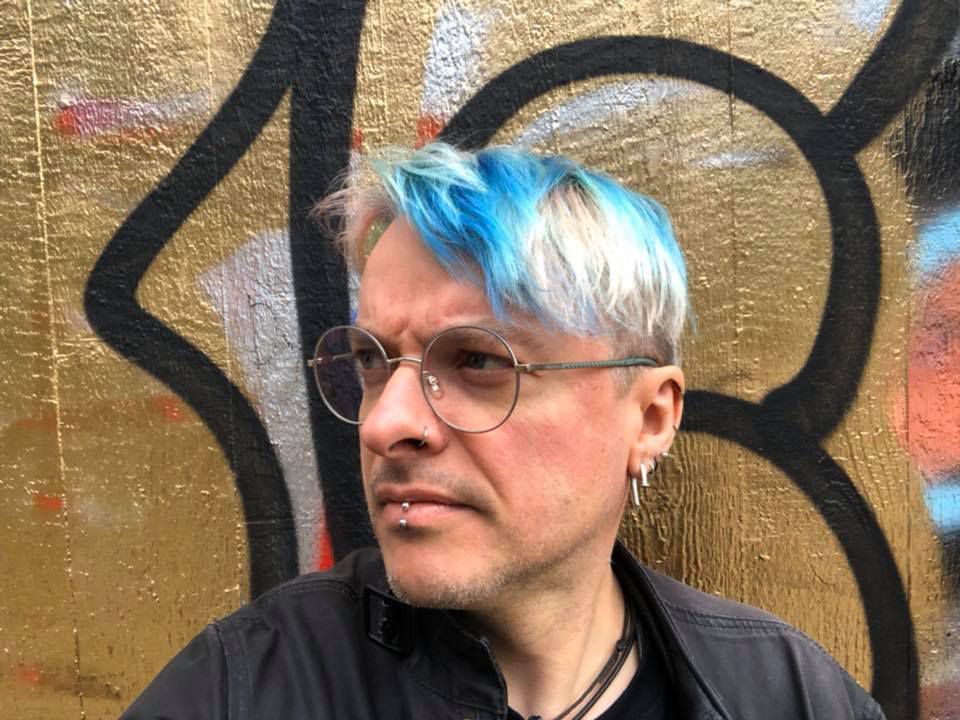
In 1998, he and his friends organized the art group "PG" . One of the first projects of the group was an “anti -Glass” magazine , for which it was necessary to talk with people who did not fit into the mainstream agenda, ”Delphin says. Then the Sarange gave him the contacts of the activists of Alik Khachatryan and Vitaly Melnikova (nicknamed the executioner); They worked with people who use drugs.
“Alik and Vitalik were friends with the American photographer John Ranard , who traveled around Russia and photographed people who use drugs, trying to show how much student life was saturated with substances,” says Medusa Anya Sarang. “At that time, almost everything crossed with drugs: someone used himself, someone’s friends, someone’s acquaintances had already died-from an overdose or tuberculosis.”
Khachatryan and the executioner worked in the very first Moscow program to reduce drug harm. The program was launched in 1998 by the Dutch branch of “doctors without borders” together with the Mainline project, whose participants have helped people who used drugs on Amsterdam's streets since the late 1980s. At the first wards in Russia, foreign organizations went through the photographer Ranard. A year before, “doctors without borders” signed an agreement on mutual understanding with the Ministry of Health of the Russian Federation-they agreed to teach doctors from narcological hospitals and AIDS centers, as well as employees of non-profit organizations.
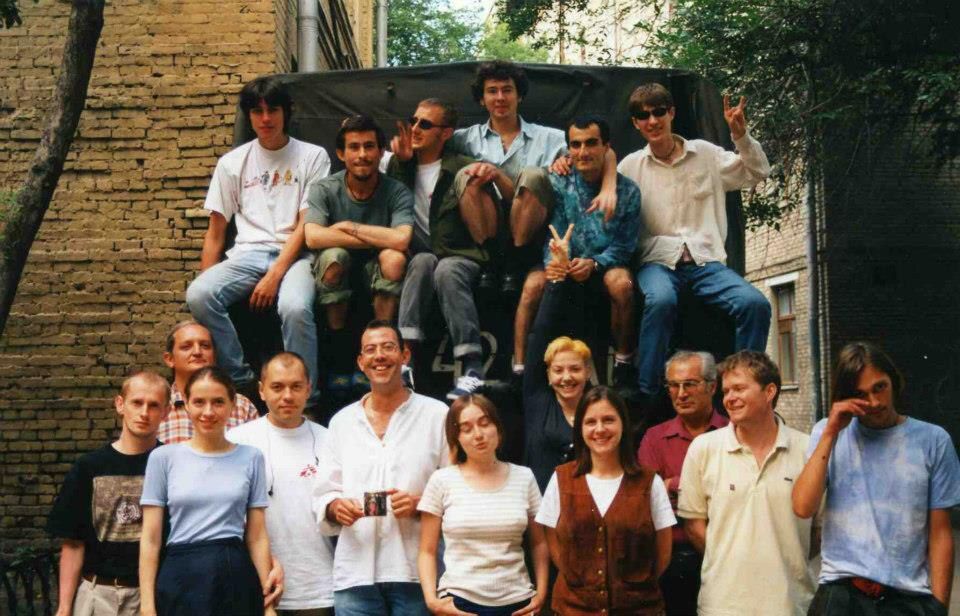
“I remember the evening when we swam on a ship on the Moscow River with a team of a project to reduce harm-there was some kind of anniversary of“ doctors without borders, ”Delphin recalls. - There was twenty people, and each of them was bright and charismatic. These were very good guys. Almost everyone came from street drug addicts and socialized through work. Alas, some are no longer alive. ”
Khachatryan and the executioner were brought to the project and the resident. At first she tried to work there as a cook - she cooked food for volunteers; However, they rebelled, because the resarag did only vegetarian dishes, and they wanted meat. As a result, the locust became a translator at the training program for regional doctors from AIDS-centers and drug dispensaries (who developed harm to reduce harm in their cities).
“We also conducted classes for people who use drugs: HIV, hepatitis, safe injections, drug policy. Even for Baryg there was a course - they were taught a responsible attitude to the health of customers, ”recalls Sarang. - I led classes on safe sex, they were popular. I was like Jin Melburn from Sex Euducation . "
According to Sarang, the project management trusted the employees very much: “We were simply told:“ Here's the money, here are resources, go to communicate with the community representatives and find out what they need. ” At the same time, everything was fun and dynamic. There were good prospects. " In 2003, the All -Russian network of damage, uniting most organizations in this area appeared in Russia; One of the founders of the association was the locust.
Magazine "Brain"
Delphin immediately liked the tattooed Vitalik Palach. After the interview, they made friends, and the executioner showed Delphin the number of a completely new magazine about people who use drugs, which was called the “brain” - it began to be published in 1999. Soon Dolphin became the editor of the "brain".
“The prototype of the“ brain ”was MainLine magazine, which publishes the organization of the same name, - it is still in the Netherlands. But our magazine was more Pankovsky, more Artsy , ”recalls Sarang.
At first, the editor -in -chief of the “brain” was Alik Khachatryan, a couple of years later his place was taken by the student of the journalism department of Moscow State University Ekaterina Kotova (at first she was an assistant to Khachatryan). Kotova met the future team at the Ukrainian festival "Kazantip" .
“I [then] was 18. I had users, and they were completely confused, did not understand what to do. I wanted to help them, but there was no drug information anywhere. I learned about all this from the Dutch, ”Kotova recalls. - I proposed to the magazine, because then the “poke” began to come out, and I liked it. In addition, magazines from the Netherlands were brought to Moscow and showed us. But only the idea belonged to us - we developed the main concept already with street drug users. Initially, I was generally the only person [in the team] related to journalism. ”
Kotova recalls that during the preparation of the first number she already had access to the computer, but she categorically refused to use it: “She wanted to knock on the keys of a printing machine with a cigarette in her teeth and with a smoking cup of coffee - she entered the image.”
The founders of the “brain” decided that the journal should have many beautiful and funny illustrations and comics - so that complex information was clearer than readers. Dolphin invited to the “brain” of the comrade-in-arms along the “PG”, the artist and future founder of the RAP project “Kelistok” Anton Chernyak (Shilo). Thanks to Shil, the magazine appeared a mask - a humanoid, from the head of which the brain literally sticks out. The artist Pasha Hikhus painted for the “brain”, later he became one of the most famous comixists of the country.
While Kotov and Khachatryan were engaged in texts, the executioner went “in the field” and talked with people who used drugs on the streets, and also attracted them to the project. They distributed the “brain” for free on the streets of Moscow and in cities where there were projects to reduce harm (numbers were sent by mail).
“We wrote some of the texts ourselves, some translated. I also made reviews of books and films. Some authors came to us themselves-among them were drug addicts; We ordered something to someone on purpose, ”says Delphin.
When a separate room appeared at the “brain”, up to 30 people came there every day: some to work, others simply chat and look through the brochures of “doctors without borders”. The "brain" in the late 1990s-the beginning of the zero was the only printed publication about drugs in Russia. Despite the fact that he was conceived as a magazine for people who use drugs (and purposefully distributed among them), they read the “brain” outside this environment.
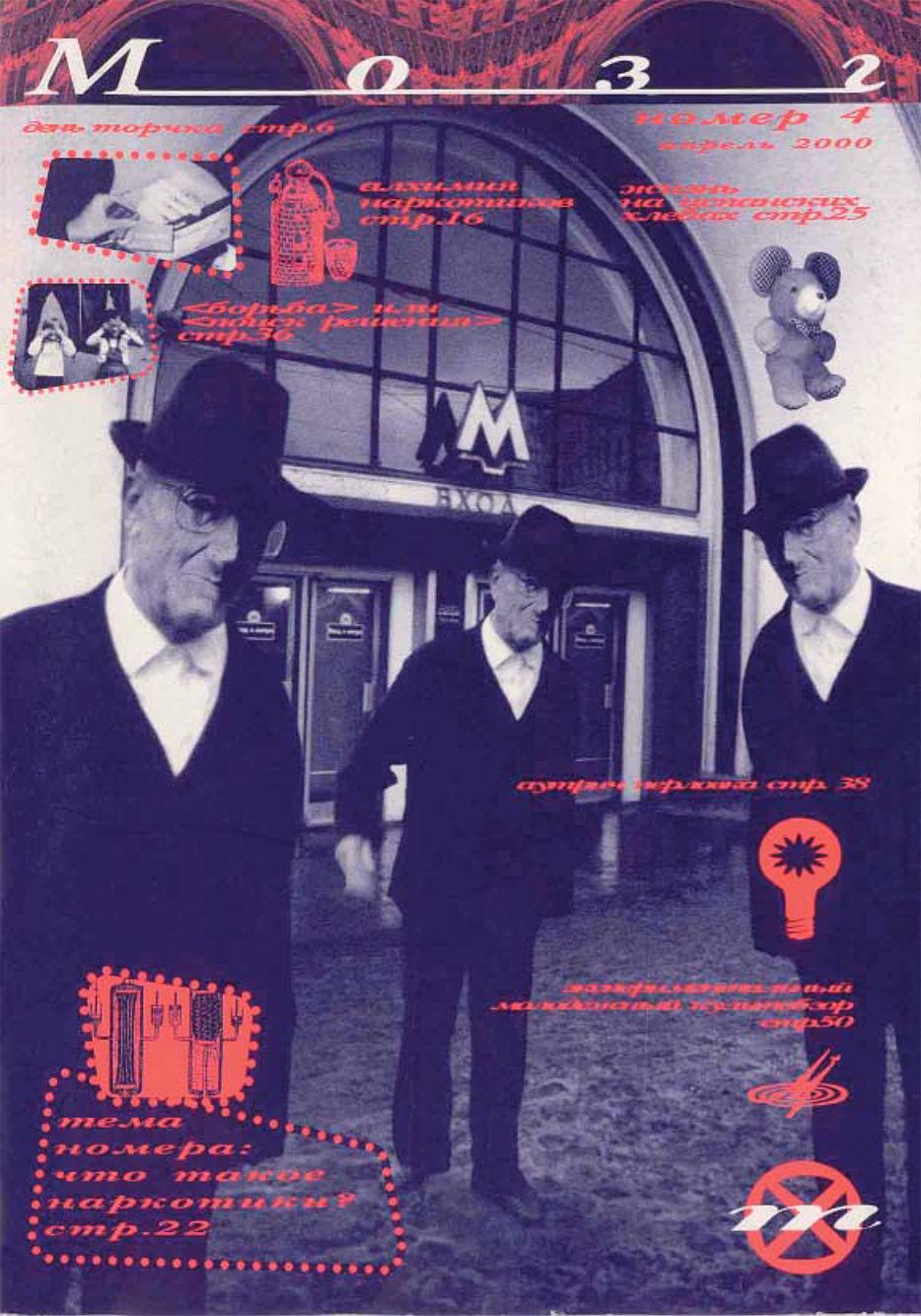
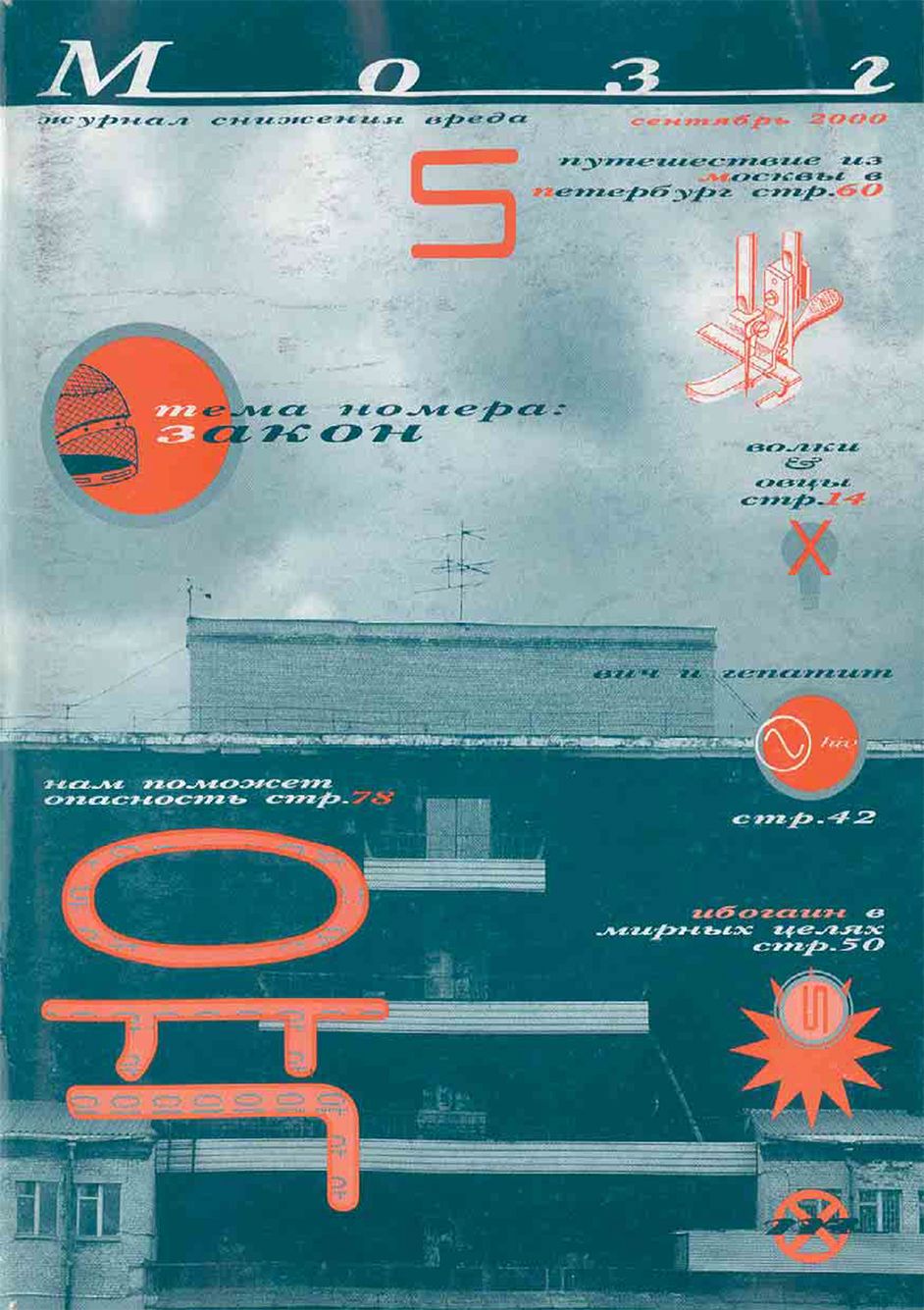
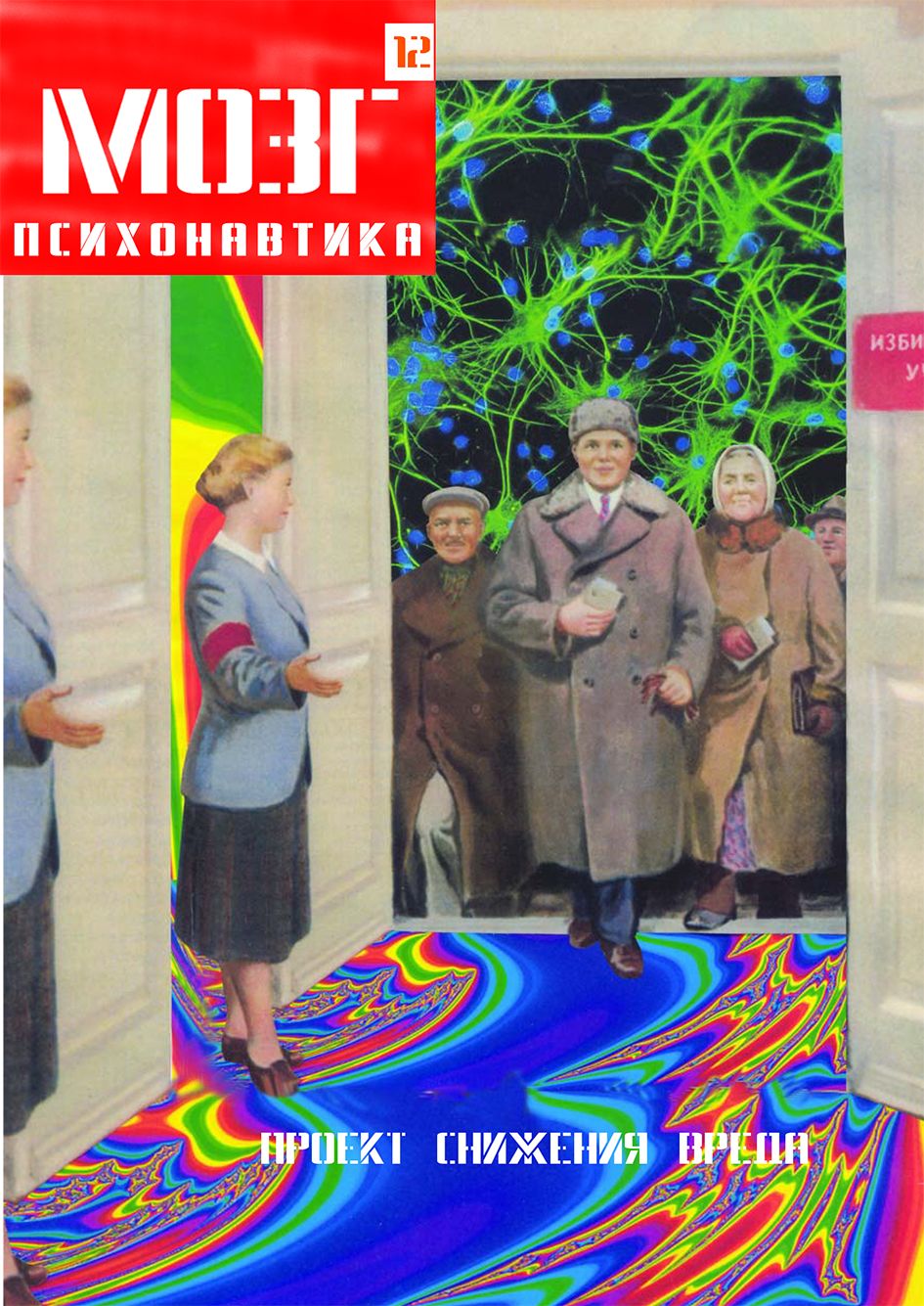

“In 2012, Anya and I in Togliatti held a drug policy seminar in Togliatti, and I mentioned that I did the“ brain, ”Delphin recalls. - A dude, according to which it was clear that he had seen a lot, said that in their zone two numbers were handed over from hand to hand. People were released, and the magazines remained, and they all read them there. I asked how the administration related to this. He replied: "And in no way! They did not cut it."
At the very beginning, the magazine was financed by “doctors without borders”; then the “brain” team decided to apply for a grant from the “open society” of George Soros and the international organization Global Aids Alliance . To do this, I had to establish a charity fund “For a Healthy Society” - the legal address of the organization coincided with Delphin's home address. In 2003, the “Open Society” rolled up work in Russia (for some time it continued to operate in the country with the help of other organizations); The source of money for the "brain" remained only Global Aids Alliance.
“The volumes of financial investments, with which the foreign bourgeoos wanted to destroy the Geno Fund of the Russian nation - as some people think, were small,” Delphin claims. “Just a month, several thousand dollars were spent.”
According to Kotova, the magazine was absolutely unquestionable, because Russia had not yet unfolded the policy of zero tolerance to use - and even in power there were people who support the programs for harm (for example, the State Duma deputy of the “Right Forces” Alexander Barannikov, who gave an interview to the “brain”). At some point, mainstream media began to write about drugs; There are sites on the Internet and books on this subject. A few years later, the information function of the magazine turned out to be unclaimed, so its content “became more visual and creative,” says Kotova.
In 2002, Russia introduced administrative responsibility for drug propaganda -because of this, the magazine could no longer receive funding in the country. Ukrainian activists proposed to publish a “brain” at home; Thanks to the formal move, the magazine for some time was able to save donors. Despite the fact that now the money was given precisely for the journal for Ukrainians, Ekaterina Kotova (she remained in Russia) tried to make him read everywhere: part of the circulation was brought to Moscow with smuggling at the Gazelles. Together with the “brain”, the Dolphin also left Russia - he went to the internship in Germany and did not return.
The "brain" lasted almost ten years-from 1999 to 2008. According to Kotova, the project was closed gradually. It was still difficult to publish it in Ukraine, physically in Russia. Finally, the publication stopped when funding ended for Ukraine.
“It was a free project. It was very pleasant to work in it. This was the rare case when you completely coincide with your work and there is no alienation. You just do what you want, and this is in demand, ”Delphin argues. - There were many mistakes - typos, jambs in design - but this unpredictability made the project alive. Recently I was visiting and stumbled upon several rooms, leafed through them and was surprised how well and still relevant they look today. ”
Behigh.org
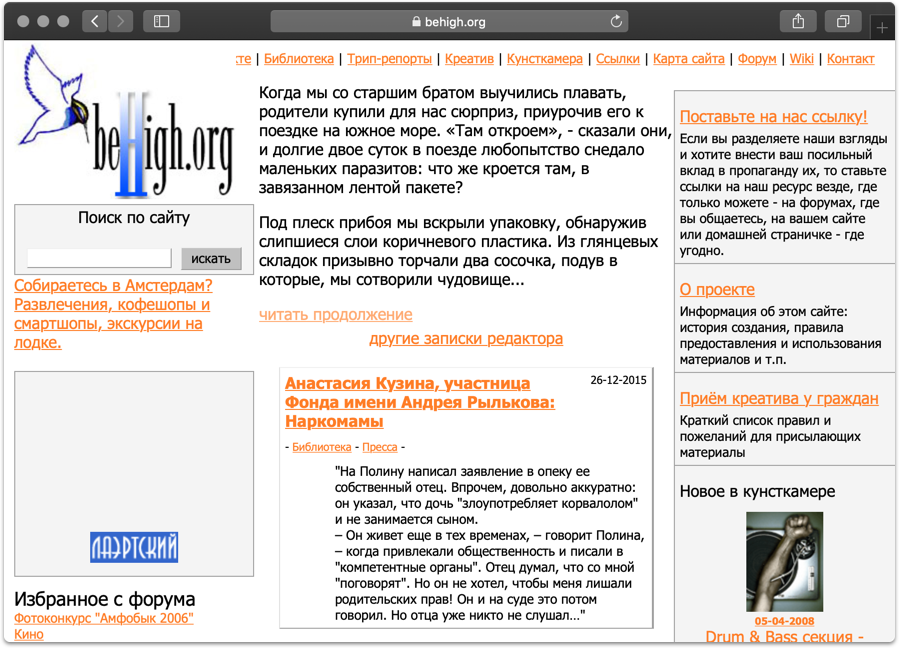
The Magazine "Brain" was made for people who used drugs on the streets. More prosperous drug users could receive information on the Internet. In 1997, the site High.ru appeared in Russia (later renamed Behigh.org ), and three years later a forum wound up there, which became one of the most striking discussion sites on the Russian Internet.
“In the late 1990s, among young people, interest in psychedelic culture was huge, and I was no exception. In 1997, being a first-year student, I met a future husband sharing this interest, ”Anastasia, one of the founders of the forum, tells Medusa. - He said that he registered the domain, but the trouble is - he is not very quickly filled with content. I said that I would take it on myself, and with this, in fact, our relationship and the story of “Bihai” began. ”
At first, Anastasia posted on the site of scans of books from her library - volume of Wolf, Hunter Thompson, Irwin Welsh and other writers who wrote about drugs. Then the author’s articles and translations went. A section of tripports appeared where user stories about the experience of using drugs were laid out. “We published only well -written stories without banalities and garbage, and I also edited them,” Anastasia emphasizes. To give a complete picture, they also published texts about BED trips .
“There was a sense of responsibility for the audience, so we touched the topic of severe drugs - here the position was definitely against. But I understood that stupid prohibition does not work, ”says Anastasia. - At one time, older friends, for the purpose of the antipand, introduced me to the heroin drug addicts and brought me to the “ screw hut”. Since then, these substances have become a taboo for me. Therefore, on Hay, we tried to adhere to a similar schemes: let the difficult drug addicts tell about themselves, and readers to draw conclusions themselves. ” According to Anastasia, when people who use heroin and screw became uncomfortable due to constant jokes and jokes addressed to them, they switched to other forums.
Over time, not only drugs, but all in a row began to discuss at Bihai. The peak of the popularity of the forum came in 2001-2005. Due to the influx of visitors from the old participants, they began to recruit moderators. At some point, the quarantine had to be introduced for beginners: only after a couple of weeks spent on this reference, “the most intelligent and creative” were launched on the main “Bihai”.
Bihai read not only in Russia, but also in the USA, Israel, Europe and the former Soviet republics. In some cities, thanks to the forum, local communities arose, the most ambitious were the Moscow Bihai, St. Petersburg Bihai and Kiev Bihai. Some people from the forum made friends in real life and even created families.
“The forum was unique to the social staff of the participants. In a spontaneous poem, a deputy, a half-bomb-marginal, the owner of the factory and the courier could have created together-and no one really cares who is who, ”says Anastasia. - God knows who read us - at the beginning of the zero forum was a cult place, I think he aroused interest among many. There was still some deputy [public figure, politics of Eugene] Roizman in the “City without drugs” , who spoke with stamps, and everyone teased him, and he snapped himself-it was funny to tears. He had Nick RAC, deciphered as Russian Against Cannabis. There was also the director of a private narcological clinic who tried to look modern - he had Nick Doctor Cocaine. He was called “Doctor Kokaina” and in the end they threw it so much that he freaked out and asked to remove his account. ”
According to Anastasia, the moderation on the forum was strict: it was forbidden to sell and buy drugs and even for the question "Where to get it?" Could ban forever. The same thing threatened the men who asked the girls to "show the boobs." Those who made grammatical mistakes were punished differently: “Generally” or “to play” when publishing the records automatically changed to the phrase “I am a rural gopnik”.
The forum came to an end when the participants “began to age and lose cohesion and passionarity,” Anastasia believes. In 2007, the first domain (high.ru) was sold; The buyer was a private company, whose sphere of activity Anastasia no longer remembers. After about six months, a site appeared at this address about drugs, whose content was very different from what was before: it said that drugs are evil and inevitable death.
“It immediately became clear that this is propaganda in the style of“ Coffin Club of Cemetery ”. Perhaps this was an attempt to make the state “hi”, or maybe someone’s private effort. We never understood that it was, some kind of misunderstanding, ”says Anastasia.
In 2012, the site, according to Anastasia, stopped opening in Russia. In a half-forced state, Bihai lasted until 2015. Now it is not updated; The forum also almost does not work - there the one and a half veteran of the psychedelic revolution is hanging out there, says Anastasia. She says that some users asked to remove their accounts after many years so as not to “fall” in the new adulthood. Removing them, according to Anastasia, was terribly sorry, because gaping holes appeared in the conversations.
“The forum was an organism - bizarre, interesting and useful. But he was old and died, this is natural. Now it lies like a mummy in its online Mavzole. I do not see his future in any form. It was the phenomenon of the generation, ”she concludes.
Iroquois and Front Aids
Sasha Volgin from St. Petersburg began to use drugs after the survivor of sexual violence. In 1999, it was infected with HIV. “In 2003, in St. Petersburg, the number of people with HIV approached 30 thousand, and there were 300 pieces of [antiretroviral] therapy. Special commissions determined who deserves treatment and who is not. It was written on the [medical] card that I am socially unpromising, ”recalls Volgin in a conversation with Medusa.
By that time, Volgin had already lived in the AIDS stage . Together with other HIV-establishments, she went to the meeting of the “candle” mutual assistance group, where people supported each other and went to hospitals dying to take care of them: the medical staff was afraid to approach such patients once again. Волгина была уверена, что скоро окажется на месте этих умирающих (она начала получать терапию в 2005 году — когда Глобальный фонд для борьбы со СПИДом стал завозить лекарства в Россию).
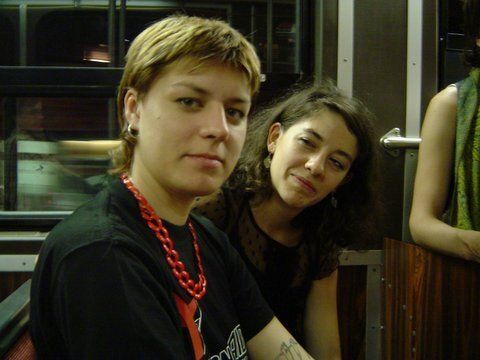
На одной из московских конференций, посвященных ВИЧ и снижению вреда, Волгина громко обсуждала «Хранителей радуги» — российскую группу радикальных экоактивистов, известных акциями прямого действия, — с руководителем петербургского фонда «Дело» Александром Румянцевым. Услышавший их беседу молодой человек подошел и сказал, что тоже состоит в «Хранителях». Так Волгина познакомилась с Ирокезом.
«Ирокезу было все интересно и не насрать на то, что происходит вокруг. Хоть он и был настоящим панком из Бирюлево, все равно был привлекательным и обаятельным, менял девушек как перчатки. Все его обожали, и всем было пофиг на его отношение к гигиене», — вспоминает Саранг.
Сначала Ирокез явился на один из московских тренингов для людей, употребляющих наркотики (поскольку сам их употреблял), а потом стал аутрич -волонтером во «Врачах без границ» — и активным борцом за права людей с наркотической зависимостью (например, он основал профсоюз аутрич-работников).
Ирокез быстро подружился с Волгиной, а затем познакомил ее с художником Женей Флором, экоактивистами из «Хранителей» и антифашистами.«Когда мы с Румянцевым рассказали им о том, как [в России] работают комиссии по распределению терапии от ВИЧ, они сказали, что эта система — чистый фашизм, и взялись нам помогать», — вспоминает Волгина.
Все вместе они придумали движение Front AIDS, которое боролось за права ВИЧ-положительных людей с помощью ярких уличных акций. Волгина и Саранг состояли в его информационном блоке — писали пресс-релизы на русском и английском языках; Ирокез, Флор, Румянцев и другие активисты (среди них был, к примеру, известный антифашист Володя Укроп ) выходили на улицы.
Первую акцию Front AIDS провели в Калининграде в 2004 году — ситуация с наркотиками и ВИЧ в этом портовом городе была особенно острой. Несколько человек приковали себя цепями к дверям городской администрации, остальные держали плакаты и кричали «Наши смерти — ваш позор!» (вскоре этот лозунг стал основным для Front AIDS). Одной из местных участниц акциидо этого отказали в терапии, объяснив это тем, что она «все равно умрет через несколько дней».
После каждой акции Front AIDS применяли «факс-атаки», рассказывает Волгина: «Отправляешь куче [международных] организаций, работающих с ВИЧ, один и тот же текст о том, что задержали активистов, которые умирают от СПИДа. Оттуда, в свою очередь, отправлялись факсы в администрации городов, где нас задерживали, и в местные ОВД. Когда в факсах отделений милиции в Калининграде кончилась бумага после писем из НКО из Уганды, они были в шоке. Они говорили: „Ребята, вы кто вообще?!“»
Вторая акция прошла в Петербурге: два ее участника залезли на фасад Смольного дворца по водосточной трубе и вывесили на балконе все тот же лозунг «Наши смерти — ваш позор!»; другие активисты принесли пустые гробы «в подарок» тогдашнему губернатору Валентине Матвиенко. В том же 2004 году художник Флор, один из основателей Front AIDS, в составе группы МоСРаХ провел в Москве акцию «Госнаркоконтроль закрыт», повесив на ворота здания ФСКН цепь с замком — сотрудники ведомства таким образом оказались заперты изнутри.
Акции Front AIDS попадали не только в российские новости (сюжеты о группе показывали даже по федеральным каналам), но и в зарубежные. Волгина вспоминает, что большой вклад в освещение акций внес тогдашний спецкор «Коммерсанта» Валерий Панюшкин (сейчас — главный редактор «Русфонда»), которому очень понравились ребята из движения. В одном из интервью Волгина называет его практически «PR-менеджером Front AIDS».
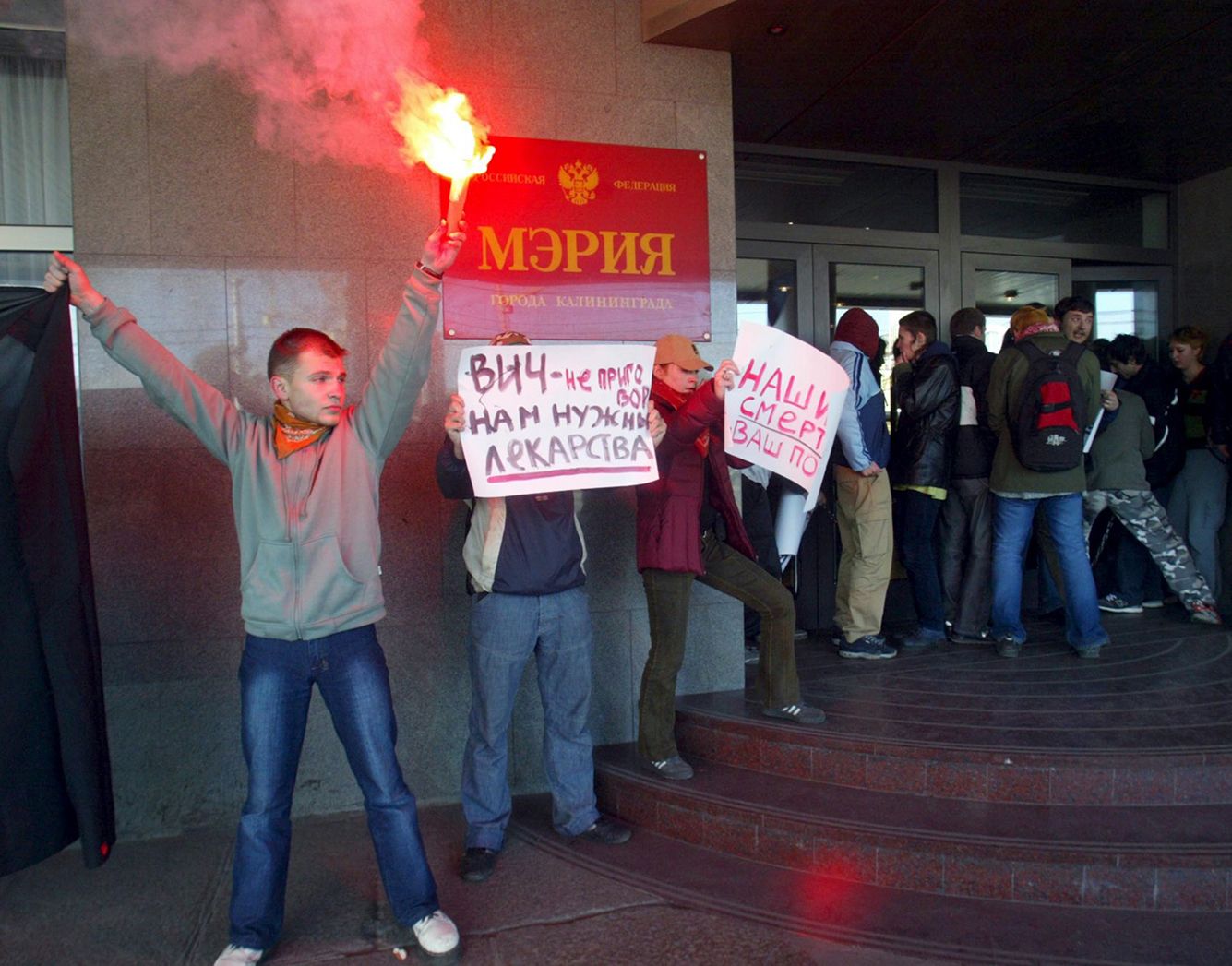
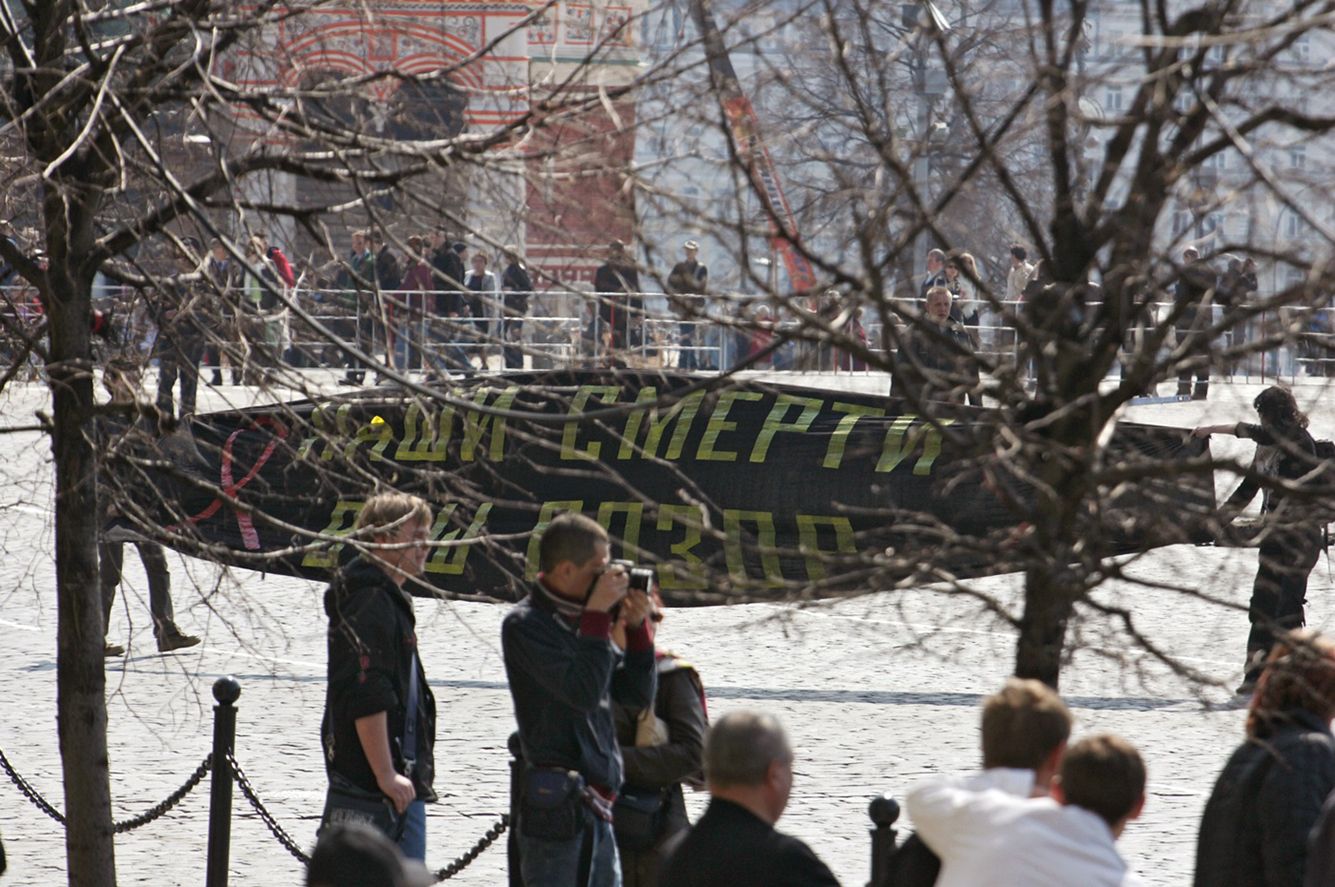
Все акции Front AIDS проходили примерно по одной схеме: приковывание, растяжки, «факс-атака», иногда гробы в подарок — и так, пока всех не задержат. Обычно участники отделывались штрафом в 500 рублей. Но однажды все пошло не так.
После акции возле московского Минюста в 2005 году активистов привезли в суд. «Все было как обычно. На вопрос, что мы делаем в городе, отвечали: „Гуляем, смотрю — ребята стоят, ну я тоже приковался“. Но в этот раз нас не отпустили, а повезли почему-то с ОМОНом обратно в отдел, а паспорта не отдали», — рассказывает Волгина. В отделении активистов пытались заставить сдать отпечатки пальцев, начался скандал. «Ребят наших собирались выводить по очереди и бить. У нас с собой были банки из-под огурцов, которые мы разбили и стали угрожать порезать себе вены. У одной девушки не выдержали нервы, и она резанула себя по артерии. Все помещение было в кровище. Менты сообразили, что у нас ВИЧ, и в страхе разбежались».
После этого участников акции отпустили. Девушке, которая перерезала артерию, вызвали скорую, ее успели спасти. «После этой истории нас особо не трогали. Отчасти это из-за того, что мы не совсем политическое движение, а скорее медицинское, — говорит Волгина. — Следующей акцией был Минздрав в Москве [в 2005 году]. Это было что-то невообразимое: мы перегородили проезжую часть. Я боюсь представить, какой срок нам бы дали за это сегодня».
Своими вызывающими акциями Front AIDS добивался, чтобы в российских аптеках появились дженерики : оригинальная антиретровирусная терапия в то время обходилась в семь тысяч долларов в год на одного человека, а дешевые альтернативы были полностью недоступны. По словам Волгиной, активисты не надеялись, что государство предоставит лечение бесплатно, поэтому рассчитывали именно на дешевые аналоги препаратов — чтобы у людей была возможность их купить. Еще одним требованием активистов было введение в России заместительной терапии .
«Я сама к себе относилась со стигмой тогда. Мне казалось, что я не заслуживаю бесплатного лечения, потому что я наркоманка, хоть я и не употребляла уже. Моя первая речь, когда я еще выступала [на акции] в балаклаве, боясь открыть лицо, была написана в духе „извините, что мы существуем“», — объясняет Волгина. Тем не менее она стала одной из первых среди ВИЧ-положительных людей в России, кто начал говорить о своем диагнозе, не скрывая имени и лица.
«Нам не нравилось, что нас по телевизору показывают с шашечками на лице, как преступников. Мы тогда уехали всей компанией, которая занималась паллиативной помощью людям с ВИЧ, в поход, чтобы отдохнуть, и там приняли решение — открыть лица», — вспоминает Волгина. В 2005 году она получила премию MTV Russia Music Awards за вклад в борьбу со СПИДом. На сцене она сказала: «Земфира была не права» — имея в виду песню Земфиры «СПИД», в которой есть строчка «Но у тебя СПИД, и значит, мы умрем».
Когда в 2006 году после саммита «Большой восьмерки» президент Владимир Путин объявил, что Россия будет предоставлять терапию всем ВИЧ-инфицированным — вне зависимости от их прошлого, — Волгина была в шоке. «Потом с нами [то есть с Front AIDS] встретился замминистра здравоохранения Владимир Стародубов и еще раз сказал, что нам дадут терапию, — говорит Волгина. — Это надо было видеть: мы все были с цветными волосами и в одежде цвета хаки. Ирокез спросил: „А что же с заместительной терапией будет?“ Стародубов сказал, что это точно невозможно. Ирокез ответил: „Я уже столько лет торчу, я устал“».
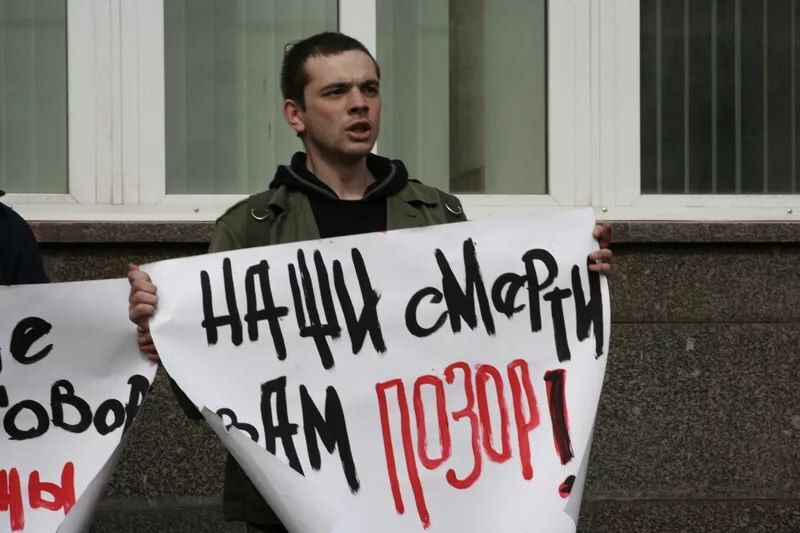
Через год Ирокез умер; незадолго до этого умерла его девушка Тая — она тоже участвовала в первой акции Front AIDS. Через несколько лет Ирокез стал известен в России под своим настоящим именем — Андрей Рыльков.
Движение Front AIDS перестало существовать в 2007 году — вскоре после того, как активистам удалось добиться главной цели — свободного доступа к антиретровирусной терапии. «Они добились своего, потому что тогда людей с ВИЧ не лечили вообще, — говорит „Медузе“ главный редактор „Русфонда“ Валерий Панюшкин. — Саша Волгина и ее друзья были первыми людьми, показавшими лица на телевидении и назвавшими свои имена. До этого люди, живущие с ВИЧ, были непонятно кем. Из абстрактных монстров они превратились в молодых, интересных, симпатичных людей».
Фонд Рылькова
В 2009 году Аня Саранг вместо Всероссийской сети снижения вреда основала новую организацию, работающую по тем же принципам, — Фонд содействия защите здоровья и социальной справедливости имени Андрея Рылькова (ФАР). Сначала денег не было совсем, организация работала на волонтерских началах. Потом Саранг получила наследство своей американской подруги — и вложила все эти деньги в Фонд Рылькова. Затем в течение нескольких лет организацию поддерживал фонд Джорджа Сороса — до тех пор, пока в 2015 году его не объявили в России «нежелательной организацией» .
В том же 2009 году в Новосибирске арестовали художника и организатора «Монстрации» Артема Лоскутова — полицейские подбросили ему марихуану. Это событие спровоцировало серию акций поддержки: петербургские художники объявили голодовку, а на Академии художеств вывесили баннер «Меньше ментов — больше Лоскутов»; в Барнауле анархисты подбрасывали прохожим душицу и зверобой; будущая участница Pussy Riot Надежда Толоконникова стояла в пикете в Москве; Дельфинов читал стихи в Берлине.
Через месяц Лоскутова освободили, оштрафовав на 20 тысяч рублей, — а Саранг и Дельфинов решили поддерживать активистское искусство, организовав свой собственный конкурс работ. Идею поддержала основательница фестиваля активистского искусства «Медиаудар» Татьяна Волкова.
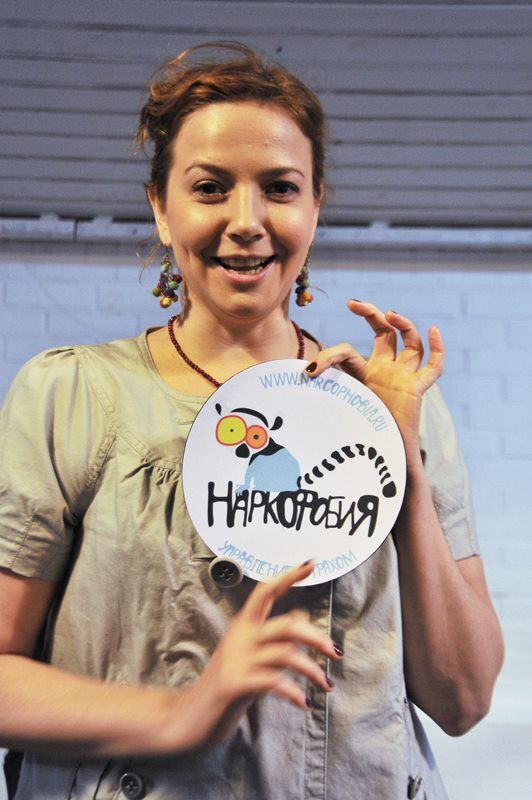
«Тогда мы придумали проект „Наркофобия“. Я забил это слово в гугле, и оказалось, что оно тогда в России еще никому не пришло в голову ( сейчас — больше 36 тысяч результатов, — прим. „Медузы“ ). Явление было, а слова не было, — вспоминает Дельфинов. — Есть же такой момент: даешь имя демону и подчиняешь его себе этим. So we did. Этот проект задумывался как арт-активистский. Мы хотели, чтобы это было и творчество, и просвещение одновременно. Темой первого года стали „Наркотики как инструмент политических репрессий“».
Первая «Наркофобия» прошла в 2011 году. В конкурсе победил мурманский художник Арх с работой «228» — он «подбросил наркотики» полицейским. В «Наркофобии» участвовал и Лоскутов: вместе с художницей Марией Киселевой он устроил автопробег от Новосибирска до Москвы под лозунгом «Легалайз, петрушка!» (незадолго до этого Роспотребнадзор причислил петрушку курчавую к списку растений, содержащих сильнодействующие наркотические и ядовитые вещества).
Еще в 2011 году «Наркофобия» устроила акцию «Фарисейка, 12» . Название — отсылка к бывшему адресу ФСКН (Маросейка, 12), где и прошла акция. Художник Матвей «Скиф» Крылов изготовил деревянную дыбу, в которую засунули Дельфинова (он приехал на пару месяцев в Москву поработать). Имелось в виду, что российские методы борьбы с наркотиками подобны пыткам.
Пока художник сидел на «дыбе», другие участники акции пытались передать сотрудникам ФСКН копию своего доклада , подготовленного для Комитета ООН против пыток. В докладе говорилось, что в России целенаправленно нагнетается ненависть и применяется насилие по отношению к людям с наркозависимостью, описывались условия содержания в наркологических больницах и ситуация с доступностью медицинской помощи и т. д.
На последний фестиваль «Медиаудар» в 2015 году пришли активисты движения «Антидилер» и попытались сорвать лекцию сотрудника Фонда Рылькова Максима Малышева. После этого «Наркофобия» перестала заниматься искусством — теперь это только конкурс журналистских текстов о наркополитике.
«По большому счету, мы проиграли»
«Когда в 2002 году приняли закон об административной ответственности за пропаганду наркотиков, мы с коллегами дискутировали о том, что будет дальше. Я сказал, что дальше будет очень плохо — и все сбылось», — говорит «Медузе» Дельфинов.
За несколько лет до этого, в 1999 году, главный санитарный врач России Геннадий Онищенко выпустил постановление «О неотложных мерах по предупреждению распространения ВИЧ-инфекции», в котором отмечалось, что в Калининграде и Петербурге проекты снижения вреда «хорошо себя зарекомендовали».Сейчас государство выступает резко против программ снижения вреда, в том числе не одобряет раздачу презервативов.«Российская ментальность не позволяет относиться к беспорядочному половому поведению с одобрением, а верность любимому человеку и семейные ценности все еще остаются приоритетом среди россиян», — сказано на официальном интернет-сайте Минздрава России о профилактике ВИЧ/СПИД.
В этих условиях программы снижения вреда начали закрываться, а зарубежные благотворители — уходить из России. Сейчас в стране работает меньше десятка некоммерческих организаций, которые раздают чистые шприцы на улицах; большинство из них подвергаются преследованию со стороны государства. В 2016 году признали «иностранными агентами» Фонд Рылькова и тольяттинский проект «Апрель» (занимается примерно тем же, чем и ФАР). Рыльковцы неоднократно оказывались на грани полного закрытия из-за крупных штрафов за «пропаганду наркотиков» на сайте организации (в 2020-м сайт пришлось закрыть — после жалобы депутата Госдумы Василия Пискарева).
«После победы Front AIDS [то есть введения антиретровирусной терапии для всех] было воодушевление: появилась терапия, пришел Глобальный фонд для борьбы со СПИДом, работали проекты снижения вреда. Но, по большому счету, мы проиграли. Когда мы в двухтысячных говорили, что в России будет миллион людей, живущих с ВИЧ, это было гиперболой, мы сами в это не верили. Мне больно видеть, что это стало правдой», — говорит Волгина. По подсчетам ООН, Россия стабильно входит в десятку стран с самым большим потреблением опиатов на душу населения. В 2017 году Россию назвали лидером по распространению ВИЧ в Европе.
Валерий Панюшкин согласен с Волгиной: «Когда Путин подписал этот указ [о доступности антиретровирусной терапии для всех], когда программ снижения вреда было много, было полное ощущение того, что разум восторжествовал. То, что происходило потом, было удивительно — вот же договорились, вот же все понятно, вот же цифры».
Вскоре после распада Front AIDS Волгина переключила внимание на новую проблему — перебои с терапией — и основала движение «Пациентский контроль», участники которого тоже проводили акции прямого действия. Одна из них громко прозвучала в интернете: друзья-хакеры научили активистов делать «гугл-бомбу» — чтобы при запросе «бюро похорон» пользователям показывали сайт Минздрава. Однако прямые столкновения с полицией в офлайне к этому времени стали попросту опасными.
Сейчас Волгина живет в Амстердаме и работает в Глобальной сети людей, живущих с ВИЧ (The Global Network of People living with HIV). В Нидерланды также переехала глава Фонда Рылькова Аня Саранг. Там же поселилась одна из основателей «Бихая» Анастасия — она работает с русскоязычными туристами и экспатами. Бывший главный редактор «Мозга» Екатерина Котова живет в Москве, она керамист. Алик Хачатрян переехал в Канаду, а Виталик Палач делает электронную музыку в Москве. Дельфинов, как и прежде, живет в Германии, он занимается журналистикой и искусством.
Евгения Офицерова