
Translated material
Shock therapy, Act Second
How the budget will “get off the oil needle” due to Russians' money
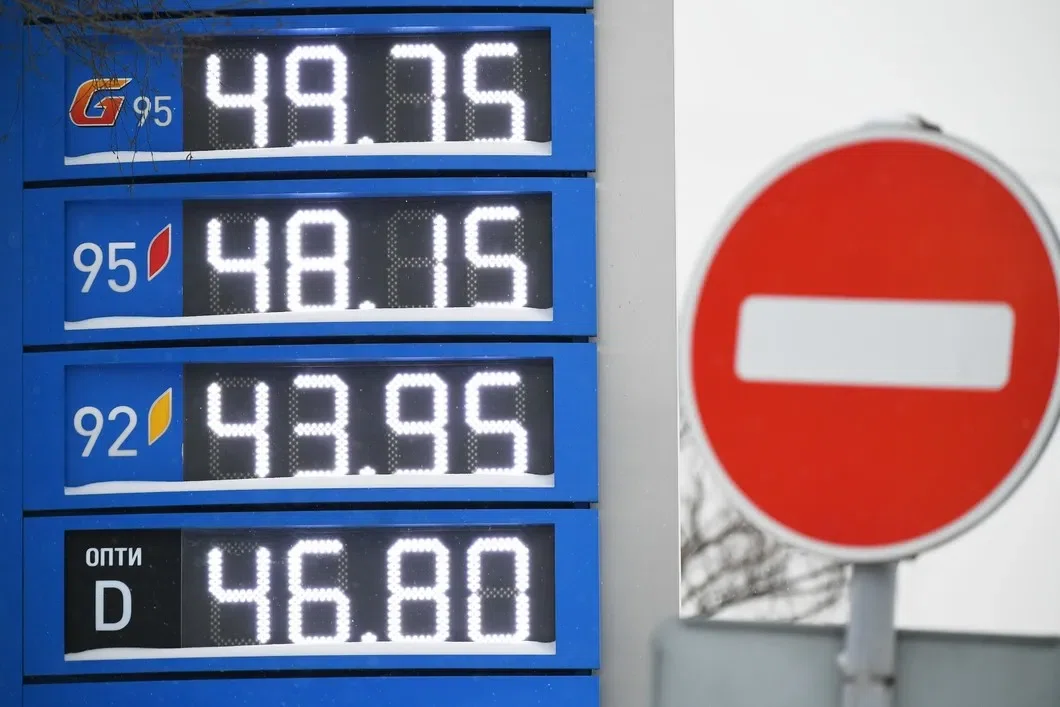
Oil quotes again stepped over the mark of $ 60 per barrel. The optimism of economic commentators immediately increased - there were even hopes that the nightmare in every sense 2020 remained far behind and that the budget will finally be filled again with full -fledged oilollars.
However, in a long -term plan, this optimism is difficult to divide: too much indicates that this joy is not for long.
The nightmare of the future without oil revenues has long been disturbing domestic financiers. In particular, the analytical indicator of the “Neneftegaz deficiency” was invented precisely in order to demonstrate the size of underfunding that awaits the fiscal system after the end of the hydrocarbon era.
Within the framework of the current budget cycle, the Neneftegas deficiency is quite large - it will be in the range between 6.5 and 7.6% of GDP. At the same time, it is obvious that even this speculative indicator significantly underestimates the scale of the upcoming apocalypse, since it takes into account the “oil and gas” only the corresponding export duties and personal income tax, ignoring other receipts, for example, the income tax of Gazprom and Rosneft.
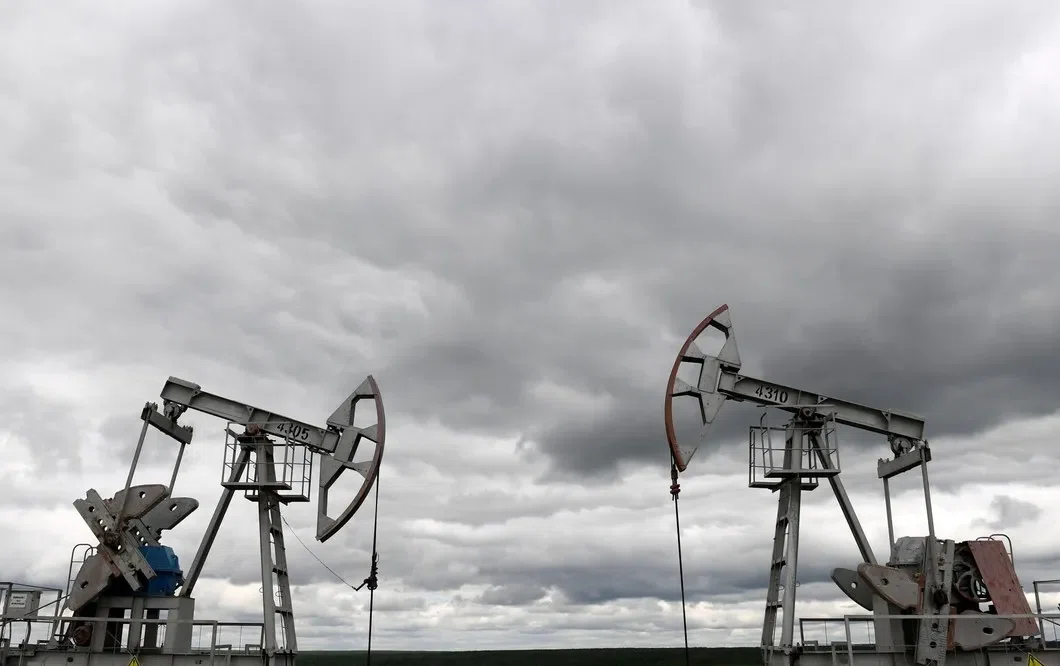
In recent years, poor expectations have only intensified, especially since the forced reduction in oil production in the framework of the OPEC+ transaction in 2020 drew a visible lifestyle without export overpromotives. And if so far the main threat to the budget has come from a changeable price factor, then now there is no confidence in maintaining the previous volumes of supplies.
It is no coincidence that in the documentation for the federal budget for 2021 there were reasoning about the "oil peak", that is, that the global demand for oil either exceeded the historical maximum and began to decline, or this will happen in the coming years. And although the fall of the volume of black gold consumption will most likely be long and smooth, this will undoubtedly have the deepest impact on the fate of the Russian economy.
The classic principle of economic policy states: the consequences of temporary shocks can be financed (for example, due to borrowings or accumulated reserves), but it is necessary to adapt to constant shocks. In our case, we are, apparently, about constant shock, and the desired device is reduced to cutting expenses or finding an effective replacement for falling income. In other words, no matter how many public debt is and no matter what billions accumulated in the National Welfare Fund, all this at best can only help to hold out for some time.
According to the basic version of the long -term budget forecast of the Ministry of Finance of Russia for the period until 2036, by the end of the period the federal budget revenues (mainly due to the oil and gas component) are expected to be reduced to 14.4% of the runway, which is almost 4 percentage points lower than now. This is more than 4 trillion rubles in today's money or about a quarter of federal budget revenues - which approximately corresponds to the total amount of expenses for national defense plus all support of regional budgets in 2021.
Indeed, if you believe in this picture, then, all other things being equal, you can’t do without reduction of expenses:
According to the Ministry of Finance, after 15 years, they should also be shrugging markedly, although to a slightly lesser extent than budget revenues.
Meanwhile, the state with its financial needs in Russia has grown pretty much in recent years (only the number of employees of state bodies and local governments since 2000, per thousand employees in the economy, increased from 18 to 30), which directly contradicts the planned expense trend. Political declarations about the upcoming reduction in the size of the state domain are not particularly trusted, because so far all attempts by this kind have not led to the declared result, somewhat reminiscent of the feat of Munchhausen, pulling himself out of the hair from the swamp.
This means that we can make a confident assumption that there is not enough shagrow skin of oil rents for everyone, the process of dividing a decreasing cake will quickly turn into a war of all against all, and in this war they are unlikely to prevail the budget recipients from the spheres of social policy or ecology.
Thus, oil as an income source of the budget (as well as as a “production” of foreign currency, but this is a separate conversation) sooner or later will have to look for a replacement. Unfortunately, it will be almost impossible to find it, since black gold is out of competition in terms of sales in the global market.
Once there is no foreign trade alternative to oil super -capacity on the horizon, it will have to be formed - primarily due to internal taxation. But, contrary to the existing opinion about the low level of tax seizures in Russia, the total fiscal burden is already at the level of many developed countries. An additional increase by 3-4% of GDP can lead to a decline in economic activity and performance, as well as the final loss of competitiveness and the outflow of a quality tax base abroad.
With an increase in taxation, another effect is associated with the authorities: people will have an excess reason to think, and for what, in fact, they pay and raise a logical question about the quantity and quality of public services provided. Considering that in the future, the cost of solving a number of the most important public tasks (pension, healthcare, education, fundamental science, etc.) should objectively grow in volume, without reducing the size of the state, primarily in its power and administrative hypostasis, as well as a sharp increase in the efficiency of the functioning of the state apparatus still cannot be dispensed with.
So the "oil peak" inevitably puts on the agenda not only economic, but also no less acute political problems. In the post-Tyftan Russia, everything will be different.