
Translated material
“The crowd was insane. They would tear and chikatilo, and me "
Interview of the former head of the slaughter department of the Prosecutor General of Evgeny Bakin - about serial killers and nature of evil
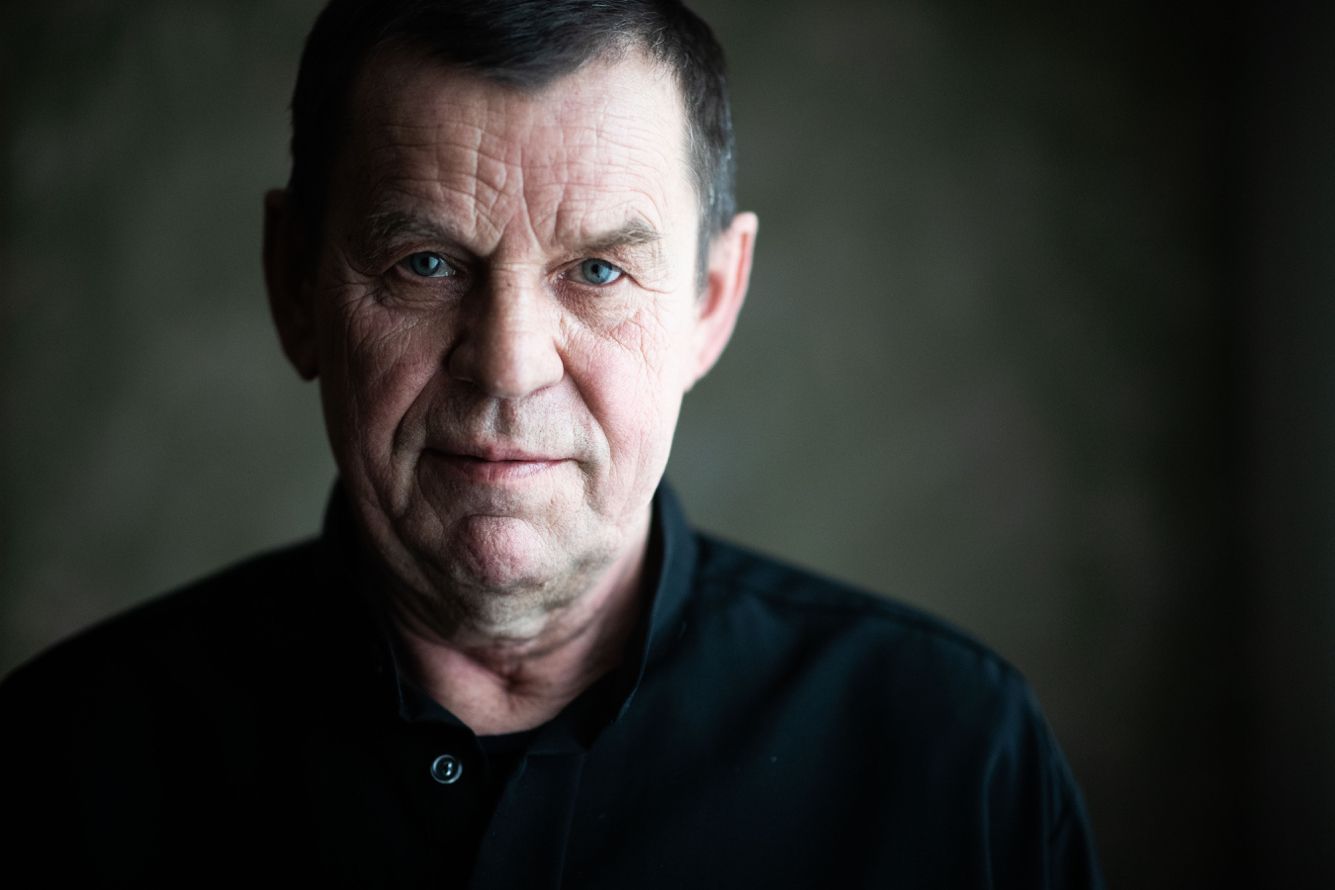
In the spring of 2021, Viktor Mokhov came out of the colony. The liberation of such a person is an unusual event, and Mokhov was immediately in the spotlight. However, this story was at the moment when Mokhova was interviewed by Ksenia Sobchak. At the same time, the series “Chikatilo” by Sarik Andreasyan began to show in Russia. Against the backdrop of discussions about both works (the film Sobchak and the series Andreasyan), the Special Corps of Medusa Maxim Solopov interviewed the specialist in serial criminals-the 70-year-old General of Justice Yevgeny Bakin. In the 1990s, Bakin headed the department of the Prosecutor General’s Office to investigate murders and banditry, and in his life he led many high-profile affairs, including serial killers of Andrei Chikatilo and Sergey Golovkin.
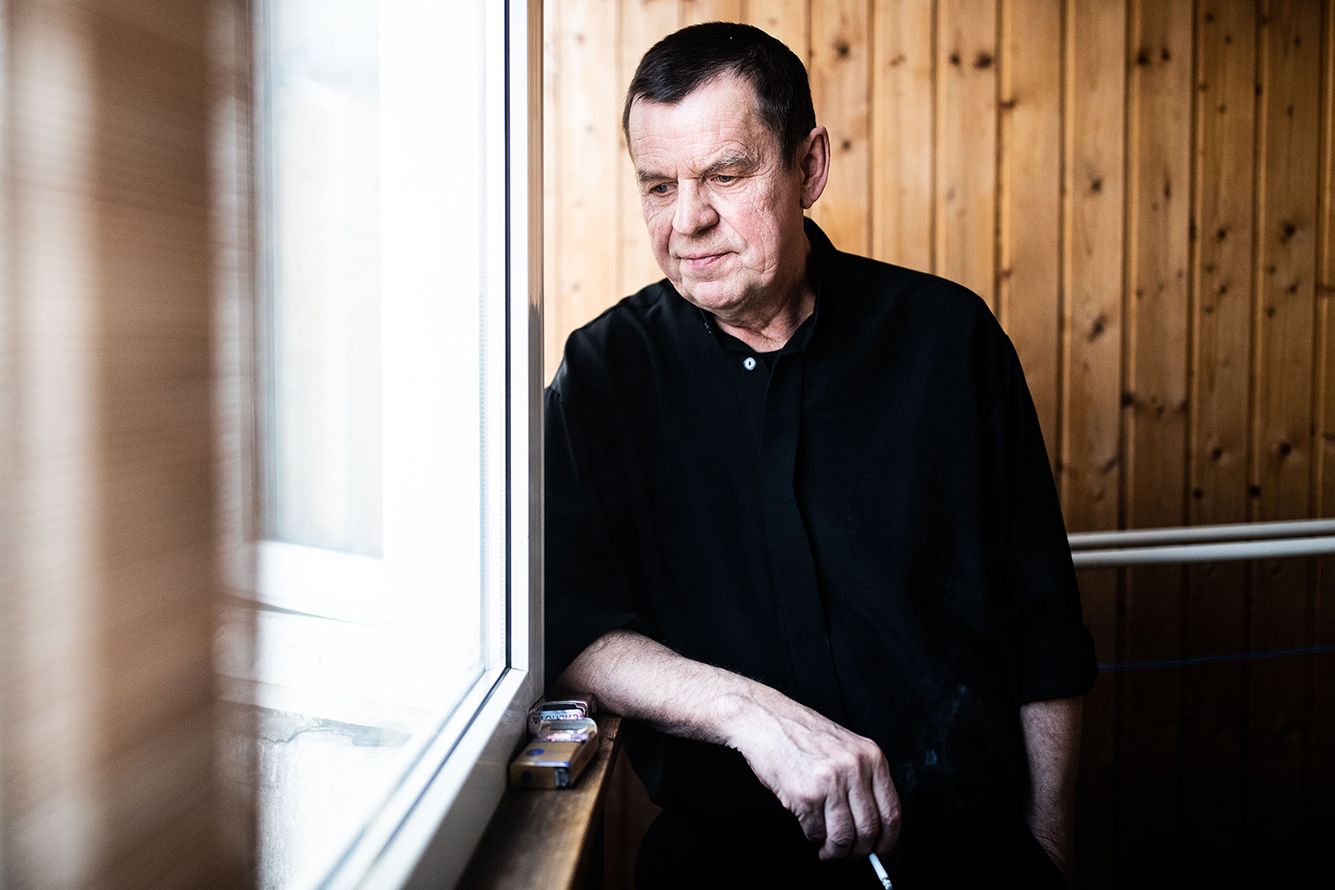
The 70-year-old Bakin speaks hoarse-after surgery on the throat-in a voice, smokes cigarettes "Golden" and smiles a little condescendingly. “I never loved your brother, honestly,” he warns the correspondent of Medusa. Then he adds that “lawyers are also somehow not very, except for one,” nodding towards the adult son.
On the trimmed balcony of his apartment is a whole exposition: a Russian tricolor and the flag of the border troops, two caps are hanging above them - a border with a Soviet cockade and a prosecutorial, between them - award cold weapon. On many blades-gift inscriptions from the leaders of different departments, but only attributes of the border troops cause really warm emotions in Bakin: "I gave the oath once in the army."
A picture with the image of Nemesis - the ancient Greek goddess of revenge, hangs in Bakin's living room. The retired “important” (as investigators in particularly important matters is called in Russia) dismisses the question of the symbolic meaning of the work, says this is just a gift from another son-the artist: “They imagine some revenge ...”
"I started from the ground, I passed all the steps"
-Let me list your criminal cases, and you will tell you, if I did not mention something important: the maniacs Chikatilo and Golovkin, the shooting of the White House in 1993, the case against the mayor of Vladivostok , the explosion in the Kotlyakovsky cemetery , the murder of Dmitry Kholodov .
- Not all of these cases were investigated under my personal leadership, but all with my participation and everything in the department of the Prosecutor General’s Office [to investigate murders and banditry], in which I served and then led. And this is only a small part of what was in our production. The crazy period was a period, so where they did not poke us. The department was strong, and all the holes plugged us.
- Which of these cases do you remember most often and for what reason?
- Of these? It was all when I already worked in the central apparatus. I started from the ground, passed all the steps. For me, all things are not like each other, and everyone is interesting. My conscience is pure in all. In this regard, nothing bothers me if you are talking about it. He did not plant innocent, did not take bribes.
- From the very beginning of your career did you want to become an investigator or just circumstances?
- They took shape, probably ... I'm from an officer family. My father fought, served in organs. There was romance. He began to understand a little more when he served [military service]. Do not forget that I'm a border guard. Someone says that the army gives nothing. I personally have a lot of border troops. I saw both the Hunweibons on the Chinese border, and in hand -to -handmade I participated with machine guns. This is now they say about landing troops everywhere, and in Soviet times the most elite troops were border troops.
- Why did you decide to go to the prosecutor after the service?
- Honestly, I [first] wanted to go to the structure that you all do not like.
- To state security?
- Certainly. But there was no education. Then I went to the Faculty of Law in our Vyatka province [Kirov region], and in my third year the prosecutor's office already offered me. Who was the first to call ...
He started with an internship in the city prosecutor's office. Then they began to create transport prosecutors. They threw me there. We mastered there on the go, but the mentors were good. I have known some since childhood. Kirov is not such a large metropolis as Moscow. First, in the transport [prosecutor's office] I went through all the steps, then I was invited to the regional. Then already to Russia [that is, to Moscow] - apparently, there were indicators, and I just received a piece of iron [reward].
- Can you tell you a little more details?
- In our region, this was a difficult matter. In short, murder. The wrong people were attracted for him. In court, the case did not go away: pretend, pretend, pretend. I just came to the region from the Kirov Transport Prosecutor's Office, which was subordinate to her leadership in Gorky - now Nizhny Novgorod. It was an exam for me in a new place.
I had to study the whole thing. The plot was simple: Tatar came to the forest in the Vyatka Polyany [city in the Kirov region] - there is a border with Tatarstan. He was met, as they say, “people with a profession” - recidivists. We drank with him. He lured him, robbed and thrown him away. There were 112 or 120 injuries on the corpse, which local investigators forgot to indicate [in the case file] due to negligence. They recorded them in the photo, but did not describe. It was not even clear what tool. Then we found that it was an electrode.
Specialization by that time had already developed - crimes against the individual. He began to consider photographs of the corpse. There the whole back was in holes. I had to recall the table of Vidonov - there was such a forensic scientist, worked in the Gorky region. I followed the novelties. So many wounds were usually inflicted by minors or women. We opened this business, in short, beautifully.
It turned out that instead of recidivists [who were initially suspected], the killers were their children - Shakaleata, as I called them. While Tatar was robbed, he insulted someone, and all this was observed by the stepson of one of the recidivists and his older friend. The elders robbed, and one [minor] killed. What way of life was led by the family, so in the children everything went on the bent. Sorry, the tangerines are not born from potatoes. Then another hidden murder was raised, committed by the same offspring.
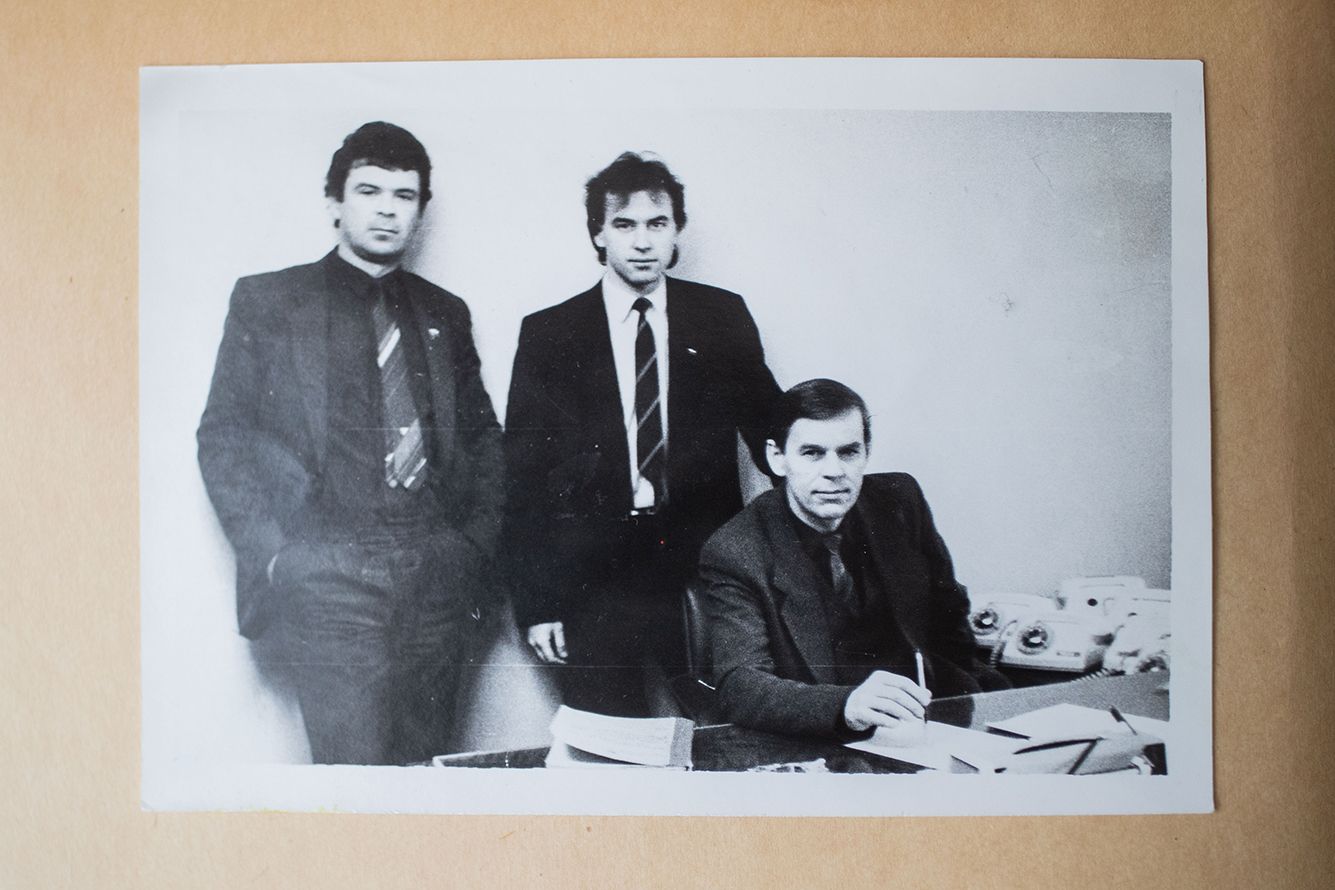
"There were a lot of people who wanted to be under Chikatilo."
- What is the first thing for you at the All -Russian level?
- It so happened that I immediately hit the [serial killer of Andrey] Chikatilo . We called this case of a "forest belt". There are no forests around Rostov ( I mean Rostov-on-Don; mostly Chikatilo committed his crimes in the Rostov region-approx. "Medusa" ). There, fields surrounded by forest belts, in which Chikatilo were usually found.
First, my comrade-criminal prosecutor Vladimir Ivanovich Kazakov went to Rostov to Rostov. He managed to work there, figured out that the psychos that local cops are taking is all wrong. Kazakov summarized the case - and concluded that there was a series.
I am still surprised how he withstand everything there alone. There were no such crimes of the investigation school. Who will stick out the series? There should not be maniacs under socialism.
- How did such crimes be revealed? And why couldn't Chikatilo catch for so long?
- In my practice, no one wanted to recognize the series in my territory. Imagine, they found a skull and bones in a forest belt. After all, Svezhakov was found very little ... There, in the Rostov climate, bones and a skull remain from the corpse for three days. These were "Capercaillie." Only in the area of the airport in a forest belt did several skeletal remains of children, girls were found.
At first they began to write off at the psychos. They take psychos, they either give confession, then they refuse. And the corpses continue. So far, people have not begun to be afraid to go out. At first [among those killed mainly] there were women, but the contingent was more often socially dysfunctional - tramps were mostly, and then the children went.
Then the people began to be indignant, and in Moscow they decided to check Rostov Papu. The case was referred to our slaughter department of the investigation of the RSFSR.
- What kind of role did you get in the investigative group?
- I just came to the department. My comrade Volodya Danilov was supposed to go to the Forest Power, but he had to urgently fly to Kamchatka, and to go to the forest belt.
Issa Magomedovich Kostoev, the head of our slaughter department, then already had experience opening the series near Smolensk. For me, this case was another test. Issa closed Rostov, and I was entrusted with a piece of Novocherkassk - mine - Novoshakhtinsk - Red Sulin. This is the border with Ukraine. Where it all started.
Rostov-Dad is Rostov-Dad. Whoever has not been to Rostov does not know what it is. There was its own element, their own personnel, their wise men, their own party. We said "who has passed Rostov, there is nothing more to be afraid of."
Crimes at that time were quite new. Before that, in my opinion, only in the Krasnodar Territory was there a loud series- [murders] of pioneers . Of course, no one wanted to hang it on himself. Rostov-Papa defended himself.
Many crimes were not even registered. Find a skull, put out the refusal material. They could not call either a person or a cause of death. I had to do everything new. Go to the crimes, interrogate witnesses. Materials [about unsolved murders] poured on us in such quantities that they did not manage to read much.
They began to restore personalities. And how many missing were there? This is the border with Ukraine. Migration. Women and children from socially dysfunctional families left, disappeared, and no one was looking for them. Then, after Chikatilo, the order came out: missing people to investigate as murders.
There were sheltered crimes, there were real accidents, but in which no one was versed in - there are a skull and bones, and that’s all. There, and wolves attributed corpses.
Even then, psychics appeared. They were invited to the Ministry of Internal Affairs. I have seen enough of them. After all, most of the corpses were skeletons. This psychic looks at the corpse and begins to tell me some nonsense to tell about the bicycle, for example, or something else. I know where this corpse comes from.
- What became the key to the capture of Chikatilo?
- I love the expression "Victory always has many fathers." The first corpses of the Cossacks were combined by notches in the eye sockets. Chikatilo had the initial stage: he pierced his eye with a knife, was afraid that the image of the killer remained in them. When I already started working in Rostov, we began to identify new crimes. Combing began, posts were exhibited. We gathered data from similar crimes from all over the Union. He led the work of Issa Kostoev.
On my territory near the Leskhoz station, new and new corpses were identified. On the platform they were supposed to put up a post - two employees of the local police department to control everyone who happens at this station. There is a post, they do not reveal anything suspicious, and the corpses all appear. I already cursed with everyone that I won’t go for the next corpse. I decided to check for myself what the post is. I look - there are no ambushes [in reality]. They inserted the authorities of the local police. And the same number to the Rostov headquarters came a report that they checked the documents from a suspicious person by the name of Chikatilo.
The surname is rare, so someone remembered that he was shining in the case of Law . It was the same shot episode that was written off on a psycho, but a certain Chikatilo came into view. They kept this episode in the head, but the things were not united. Who will give the execution to question? After the detention, we were engaged in Chikatilo.
But the law began to study him from the matter. Then the detention surfaced at the station, where he was taken for contact with a prostitute. Then Issa raised not only criminal cases for that period, but also the operational-search materials of the Ministry of Internal Affairs. There was much more on Chikatilo. It was revealed that he ended up in the police again with a rope and Vaselin - then he was released. Found out where he works. They began to study his business trips, compared with our corpses.
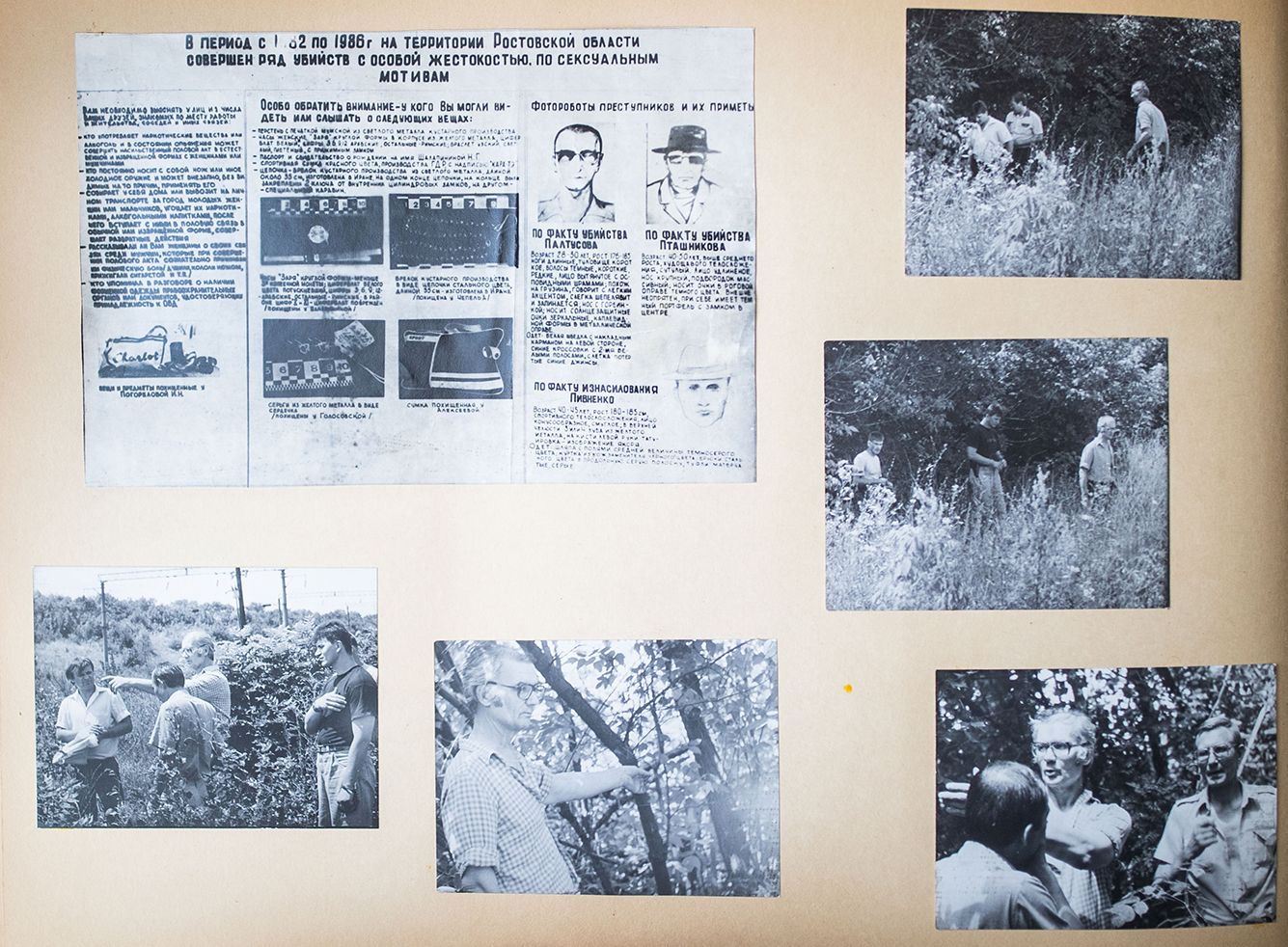
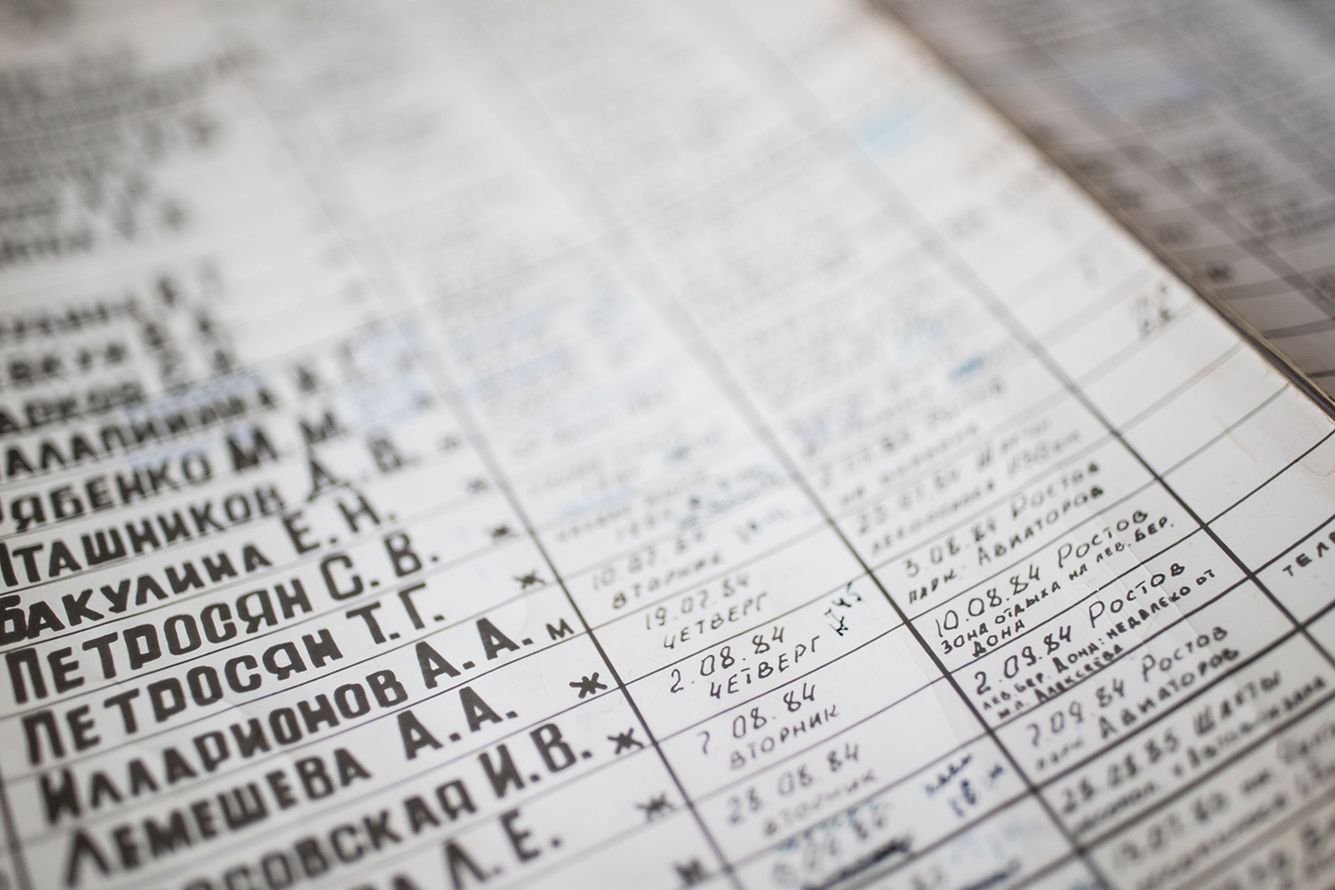
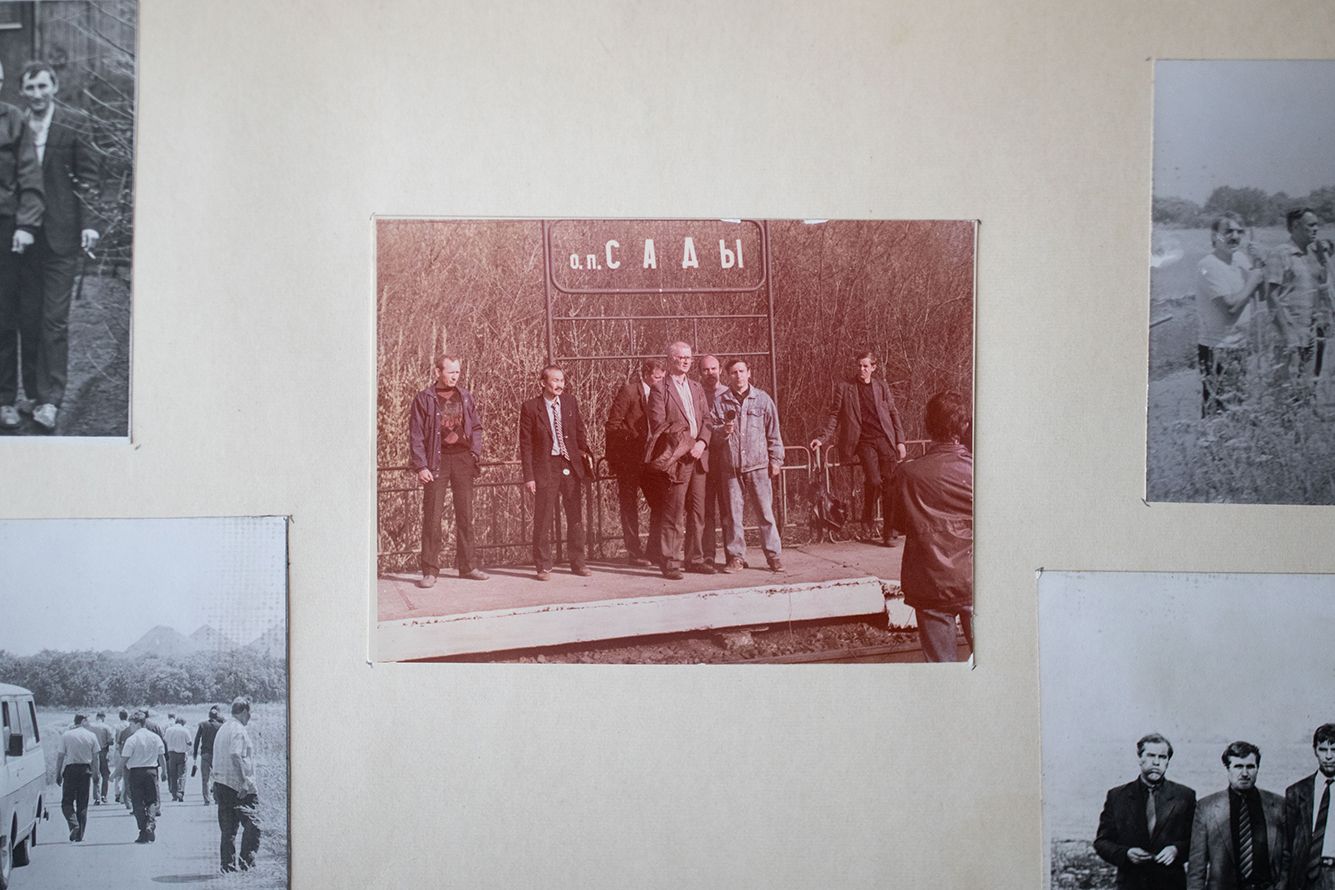
When he was detained and the illegal execution was already officially revealed, of course, no one in Rostov liked it. If the local prosecutor’s office had done its work from the very beginning, and did not formally record the results of the operational work of the Ministry of Internal Affairs, everything would have developed differently. Of course, it was so easier for them when [to the investigation] is pressed from all sides. But when we were already working seriously, our brigade, the influence on Russia [employees from Moscow] in Rostov could not exert.
- How were political decisions on business made? The instructions were given by direct chiefs, KGB officers or party leadership?
- What does the KGB have to do with it? Of course, the party had power. The leadership of the Russian prosecutor’s office set us direct tasks, and they received instructions through the prosecutor's office of the Union. It was the control of the Central Committee.
We collected materials from all over the Union. Remember, there was such a big, big country? Similar episodes came to us from all over the country: Volgograd, Kazakhstan, Ukraine. We raised so many things: missing, and refusal materials. It is easy to say - "combine things into the series." Who will just give you this?
After the detention of those who wish to be heated under Chikatilo, there were also many other people's affairs. Half-Union could have hung on him. Therefore, everything had to be proved, except for words. I stopped several things on Chikatilo, because he talked about them, but we could not find corpses. Suppose he had killed somewhere in this place before, and now there was a terricon [dump]. You do not dig him. Or where he killed, a highway has already passed.
We also revealed other crimes. Over the four years of my work, only about 100 murders were disclosed in parallel with the Chikatilo case. There were even murders specially “under the“ forest belt ”.
Do you know what Leberdon is? The left bank of the Don. There are all cottages, bases, hotels, rest houses, beaches. There was a place of gold. Here is the deputy chief of the police for the operational work of one of the districts of Rostov killed the girl and put her body into a forest belt. After all, he himself was looking for Chikatilo with us!
"Here Golovkin was" smeared his forehead "" "
- And how did you instruct you to lead the investigation in the case of Golovkin ?
- The investigation in the “boaver” case was already in parallel with Chikatilo. When my comrade Volodya Danilov, who was supposed to go to the Forest Power, returned from Kamchatka, he got Moscow episodes. Children disappeared, found some bones. Forensers began to combine these episodes.
It became clear that this was also a series, but the handwriting was different: “Binding” was different in that he had all the victims of the boys, and Chikatilo was “combine” - at first there were tramps, women, children, double murders of mothers with children. Some episodes were intertwined, they were similar, but two groups worked in the same investigative part, in the same offices. There was coordination.
I led the case of the "boa, as the leader of the group. He changed his comrade who went to other cases. When we sent a comrade Chikatilo to court, there were already many other high -profile cases in the investigation. The GKChP was already going on. We were even allowed to accommodate with the group in this case on the Old Square. Nearby was the Supreme Court. It is convenient to transfer business across the road. Then Tom was carried on special carts.
-In the media it is mentioned that immediately after the detention of Golovkin, you were going to release him due to lack of evidence. Is that so?
- This leadership of the Ministry of Internal Affairs gave this way, but everything was completely wrong. I did not comment on this, because I am for the secret of the investigation.
In fact, at that time we already “sat on the district” of Gorki-9 . It became clear that the criminal is somewhere there. Before that, there were a lot of different versions. We worked out local residents. But Golovkin did not fall into view, because he was a resident of Moscow. In Gorki-9 he worked at the stud farm, went back and forth constantly. And his garage was right at the entrance to the dacha Yeltsin.
When his last victims, three boys, disappeared - found a burial in which there were human organs of three different people. After all, he constantly experimented-[for example] in one episode found the skin completely removed from the torso ... Then [in the case of the disappearance of three boys], the members of our investigative-operational group established that Golovkin brought to the train. The investigator Natalya Smoleeva reported to me about this. Golovkin fit into the portrait of the alleged killer, but there was no evidence against him. An additional check was needed.
I went to the head of the Main Directorate of the criminal investigation department of the Ministry of Internal Affairs of Russia to discuss further actions. I was still familiar with him by Rostov. I had to communicate with him and even interrogate him. The opera was ready to take Golovkin, but the trouble was that they really did not know him. And we already had the experience of Rostov. It was possible to break firewood.
The head of the headquarters agreed with my arguments. But when I returned to Odintsovo, I found out that Golovkin was detained by the regional police. They didn’t even wait for me there, but besides the police near Moscow, one of the employees of the head of the threat of the Ministry of Internal Affairs of Russia was in the police department near Moscow.
The operatives began to convince me that they were forced to detain Golovkin: they found a bloodied knife and a piece of meat. Express analysis was waiting. When the results came, it turned out that there was horseback. Головкин же был ветеринар на конезаводе. Свою причастность к преступлению он отрицал. Стоял как кремень. Сотрудник из главка МВД к тому времени уже уехал.
- How did events develop further?
— Им надо было задержать его по 122-й статье . On what basis? Сказали, что он им не подчинился, заартачился при задержании, когда его ГАИ останавливала. Но сами-то они отказались выписывать 122-ю. Значит, уверенности у них не было. Поэтому и я уже отказался.
Вот как раз Наталья Смолеева и прикрыла их всех своей юбкой. Она была и в моей группе, и надзирающим [за местной милицией] прокурором. Она и Головкина допрашивала, и в итоге задержание по 122-й выписала как член группы. Я ее спросил: «Будешь [все-таки его задерживать]? Это твои подчиненные, ты за ними надзирающий». Она ответила: «Давай рискнем».
— В СМИ рассказывали, что за ночь [в отделении] оперативники разговорили Головкина с помощью агента в камере, который попросил у них за это шоколадку и коньяк.
— По-моему, это бред. После 122-й мы Головкина допрашивали до позднего вечера, а вернулись в Одинцово уже в пять утра. В моей группе по Головкину от главка МВД работал Володя Цхай — отличный сыщик, профессионал. Я сам попросил центральный аппарат выделить человека с незаезженными глазами, который на таких делах раньше никогда не сидел. До центрального аппарата Цхай успел поработать в МУРе, а этих ребят я всегда уважал. Когда Головкина в обход меня задержали, Цхай сам оказался в неудобном положении. Потом мы уже вместе Головкина допрашивали.
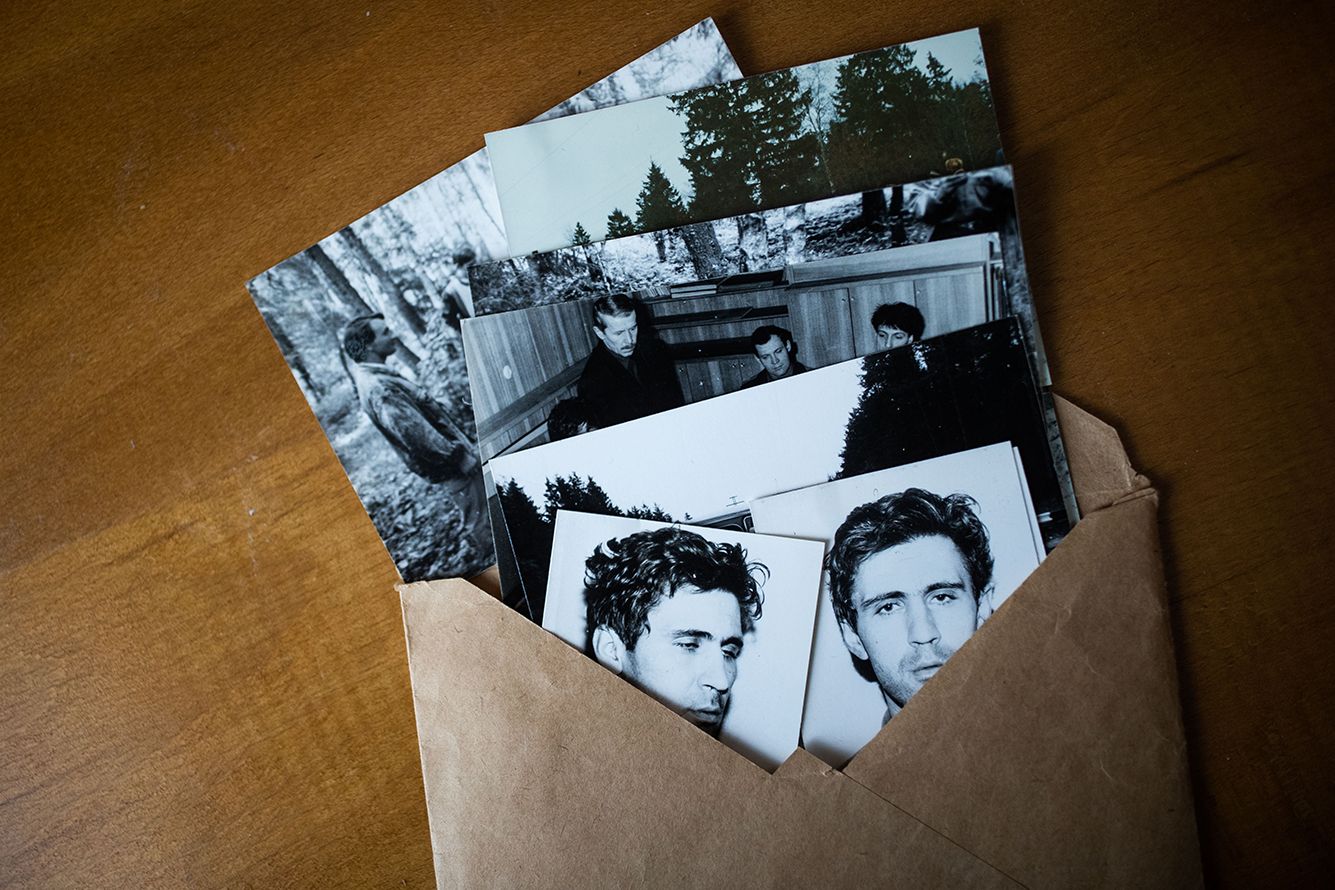
Он хоть и не выдал себя тогда, но, я считаю, мы его сломали: когда уходили, сказали ему, что завтра пойдем осматривать гараж. Мы уже узнали, что в Горках-9 у него есть гараж. Мы понимали — чтобы снимать кожу и разделывать, ему нужен был стационар. Оставили его на ночь подумать.
Я съездил домой в Москву, но машину не отпускал. Утром выехал назад в Одинцово. Там мне доложили, что Головкин в КПЗ вскрыл вены и руководство РОВД готово его отпустить, если будет мое решение. Вчера сами задержали, а сегодня сами готовы выпустить! Я это видал уже в Ростове. No. Сказал им, что пойдем дальше по плану.
Потом выяснилось, что они не только проспали, как он вскрылся, — они проворонили, как он в туалет спустил медальоны, которые снял с последних [убитых] пацанов.
Мне тогда выделили еще одного следователя-«важняка» из прокуратуры. Я поехал в гараж, а он — к Головкину. У него голова была чиста, и когда Головкин, уже понимая, что мы в гараже, начал колоться, показания он фиксировал объективно — вот в чем еще была моя задумка.
Мы в это время были в гараже. Когда дошли до подвала, все стало ясно. Нашли ванну в крови, ящик для зимней рыбалки. Стало понятно, как он подвешивал [жертв], вскрывал. Но был особенно неприятный момент. Сотрудники милиции повели себя непорядочно и привлекли в качестве понятой корреспондентку местной газеты. Она сама проговорилась на эмоциях, когда мы подвал осматривали. Пришлось брать с нее подписку о неразглашении. А если бы мы промахнулись?
Второй следователь сразу же после допроса провел проверку показаний на месте. Головкин показал два новых трупа. Мы знали, что у нас есть еще пропавшие без вести, но где тела, никто не знал. Вот тут Головкин себе «лоб зеленкой намазал» , как у нас говорили.
Так же было и с Чикатило, пока он меня не привел в Шахтах к захоронению и мы не откопали там труп пропавшего мальчика — до тех пор я сомневался в объективности показаний. Исса [Костоев], например, как человек с опытом, поместил его специально не в изолятор МВД, а в изолятор КГБ. Туда наши ребята доступа уже не имели. Сколько людей у них признавались? Докладывать-то они умеют как надо.
Для меня признание никогда не было царицей доказательств. Помню, у меня еще генеральный прокурор России [Сергей] Емельянов, когда на работу брал в следственную часть, принимал экзамен на презумпцию невиновности. Тогда мода была такая, в 1986 году. Новые веяния.
У меня же, кроме 11 доказанных по Головкину в Московской области, было еще много нераскрытых убийств, в том числе детей. Та же была проблема, как с Чикатило: могли повесить чужие дела на Головкина. Мне пришлось его поместить в «Матросскую Тишину», в спецкорпус, там два кольца охраны, чтобы никто без моего ведома к нему не зашел. Благодаря тому, что принципиальность здесь проявило еще и руководство подмосковной прокуратуры, потом был пойман Ряховский — другой серийный убийца.
«Я когда работаю, становлюсь отмороженным»
— Есть выражение Ницше: «Кто сражается с чудовищами, тому следует остерегаться, чтобы самому при этом не стать чудовищем». Вам ведь пришлось в подробностях слушать рассказы Головкина о его зверствах. Как ваша психика выдерживала все это?
— Понимаешь, у следователей ведь тоже деградация личности может происходить, как у всех людей. Я когда работаю, я не добрый, не ласковый, я становлюсь отмороженным. В том плане, что в глазах никаких эмоций, чисто работа. Иначе, может, я бы просто блевать пошел… Потом уже каждый снимает стресс как умеет. Мне, думаешь, трупы нравились? Я вон сколько их по Шахтам еще таскал. Помню, распорядился в одном месте засаду поставить, а какой-то мудак ее снял… Утром труп. Я ведь тоже человек.
Меня поразил больше всего один эпизод Головкина, который нигде не фигурировал, но я его знал. Там эпизода-то как такового не было. Это было до первого убийства. Головкин уже место [для убийства] присмотрел, план составил. Ребята к лошадям тянулись. Серега Головкин к ним хорошо относился, давал покататься на лошадке, завлекал какими-то приключениями.
Заманил он в лес пацаненка, но взял с него обещание никому не говорить, что они вместе в поход пойдут. Secret. Дошли они до глухого места, а Головкин все его допытывал: «Ты правда никому не сказал? Точно?» Все боялся, что его вычислят сразу, не мог решиться. И тут парень признался: «Никому. Только маме…» Это спасло ему жизнь. Сережа его отпустил. Я этого парня увидел несколько лет спустя. Он уже отслужил в морской пехоте, огромный детина, красавец-мужчина. Когда я его увидел, тогда на меня еще раз возмущение нашло. Сколько ребят он загубил, кто из них кем мог вырасти…
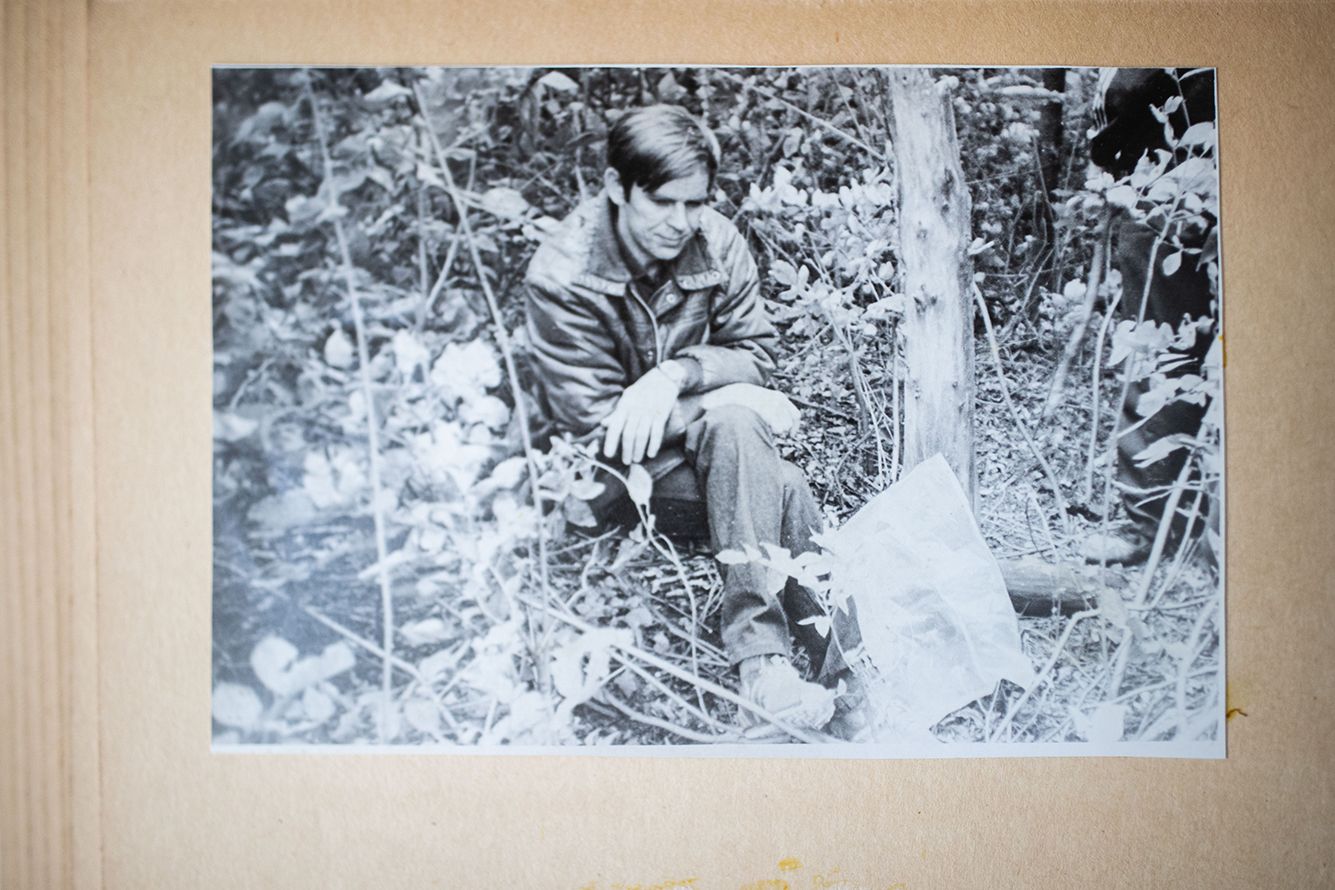
Помню, как во Владивостоке меня «крестили» местные ребята: надо было съесть сырого трепанга. Я мог съесть его только после стакана водки. Сразу вспоминался Чикатило. Он ведь был еще каннибал и описывал мне свои ощущения, как он вырезал и съедал матки. Это же внутренний орган размером со спичечный коробок. Еще объяснял: «Она жесткая, жуется как ириска».
— Когда вы расследовали все эти страшные серийные убийства, вы же задавались вопросом, откуда берется это зло в людях? Нашли для себя ответ?
— Откуда берется? От людей, конечно. Ты у меня спрашиваешь то же, что у меня спрашивали психиатры в институте имени Сербского. Того же Чикатило мы ведь изучили с пеленок. Я много с ним времени провел в тюрьме. The killers are not born. Живет на Украине в деревне мальчик Андрюша Чикатило 1936 года рождения. Вокруг него война, голод, немцы, партизаны… Потом он вырастает.
Здоровый, сильный. Кличка у него была в деревне Андрей Сила. Он худой, но, помню, руки у него были здоровые — кисть как ласта. Первый опыт с женщиной. Лег на нее, а не смог ничего. Она его высмеяла да еще рассказала другим. Это был первый удар. Потом у него была еще какая-то неудачная связь. Его просто обсмеяли.
Человек начинает циклиться, думать, что он какой-то другой. Хотя у всех бывает — надо было просто успокоить его. Потом на каком-то слете учителей нашелся голубой, который уговорил его на пассивную связь. В итоге он зациклился и в определенный момент понял, что получает удовлетворение от мучения своих жертв. Чтобы понять все это, мне не нужен психиатр Бухановский, которого ростовские милиционеры сделали великим. Опирался он на наши справки по материалам дел.
Это же не бомж был. Чикатило [окончил] два цикла школы марксизма-ленинизма, когда работал в интернате для умственно неполноценных. Он все правительство знал наизусть. Мы не представляли, что такие бывают маньяки. Помню, когда только взяли Головкина, мне фильм «Молчание ягнят» принесла [журналистка] Лена Светлова из «Совершенно секретно». Я же таких фильмов не видел, чтобы убийца с виду был как обычный человек.
Еще раз скажу, что убийцами и извращенцами не рождаются. Самые беззащитные — это дети. Их психику ломают. Gradually. Сначала папы, мамы, отчимы… Потом в школе, в обществе. Потом кто-то подсказывает идею, что можно быть «санитаром», очищать общество от «отбросов»: бродяг, проституток. Потом, если человек уже почувствовал кровь, его не остановить.
С Головкиным что произошло… Интеллигентные родители. Папа инженер, москвич. Он стал сына насильно закалять. Ребенок визжал, когда его в ванну загоняли. Он ведь воды холодной боялся до конца дней, в камере не умывался. Потом в школе над ним издевались какие-то старшеклассники. Сдачи дать он не мог и постепенно циклился. Стал издеваться над лягушками, мучить их. Они послабее были. Потом котят ловил. Потом поступил в сельскохозяйственную академию, поближе к животным. Потом он стал уже получать сексуальное удовлетворение от мучений.
В «Матросской Тишине» Головкин уже ушел в бога. Поделки матери делал. I wrote letters. Мы ему не запрещали переписку. Это было уже другое совсем. Обижать людей нельзя. Надо понимать, что зло — оно всегда может вернуться. Как с этими мальчиками.
«За какие-то лайки заставляют умирать детей»
— Есть даже представление, что все эти убийцы и злодеи — как зеркало, в котором общество должно видеть и собственные пороки.
- Don't know. Maybe. Но это твои слова. Я тебе расскажу, когда мне стало по-настоящему страшно рядом с Чикатило. Он ведь был сильный, но трусливый. Только один раз мне с ним стало страшно. Как сейчас помню, 8 марта, в праздник мы поехали на проверку показаний.
Это [убийство] было в квартире дочери Чикатило в Шахтах. Ее с семьей в тот день не было дома. Попалась ему девочка. Забитая такая. Жалко ее было до слез. Училась она в каком-то училище, слабенькая была, обижали ее там. Он умел к таким найти подход.
Квартира была на первом этаже в пятиэтажке. В таких квартирах люди делали себе подвалы — хранить соленья. Заманил он ее в подвал и там разделал. Такой расчлененки у Чикатило не было никогда. Он разделил ее по костям. Это был эпизод нетипичный для него. Такое мог сделать Сережа Головкин. Дальше он ее по кускам спрятал в трубе прямо рядом со станцией.
But this is all the saying. Повезли мы его с конвоем на место. Он все показал, все подтвердилось. Только мы не учли одного. Это было днем возле станции Шахты. Нас было человек восемь: конвой, опера, я и еще следователь. Хоть и не видно было этого места со стороны перрона, маневровые поезда там проезжали. Видимо, кто-то из железнодорожников сообщил о нас на станцию, а там люди ждали электричку. В народе-то уже слух прошел, что кого-то поймали.
И вот когда мы уже почти закончили и собирались уходить, я услышал рев: со станции на нас неслась разъяренная толпа. Там были, по-моему, все: и стрелочники, и служащие вокзала, и пассажиры, мужчины, женщины… Я такого никогда не видел. Толпа была абсолютно невменяемая. Они там разорвали бы вместе с Чикатило и меня, и конвой, и не разбираясь, виновный кто или нет.
Хорошо, у нас было оружие. Мы стали вперед пять человек с пистолетами. Для нас Чикатило был ценнее любого груза. Нам бы его [потерю] не простили. Очухалась эта толпа только метров за десять до нас. Даже не могу сказать, что они там кричали — просто какой-то вой стоял. И бежали они на нас, как немцы на Брестскую крепость. Андрюша Чикатило там сразу ниже ростом стал от страха. Один раз в жизни я такое видел.
— Сейчас в интернете все в очередной раз обсуждают, можно ли брать интервью у маньяков, снимать о них фильмы. Вы что думаете?
— Я лично не сторонник. Я потому и старался не давать никаких интервью. Мы кого прославляем? Они ведь не рождаются такими — их делают такими. Мы в 1990-е два поколения молодежи потеряли на одних бандитах. Я много чего насмотрелся ведь. Теперь вот за какие-то лайки заставляют умирать других детей. Посмотри на них. Заморозил девочку на балконе, издевался над ней, а потом сидит, плачет над собой.
Вот тебе потенциальный Андрюша Чикатило или Сережа Головкин. Просто не дошел до этого. Чикатило тоже начал убивать только ближе к 50, Головкин — в 33 года. Ведь он вот у себя в гараже что вытворял. Характерный эпизод был последний с тремя пацанами. Он мучил этих пацанов перед смертью, пугал, унижал. Заставлял, чтобы они табуретки друг из-под друга выбивали.
— Головкин стал последним преступником, казненным в России?
— Да, на нем закончились расстрелы в России. Нам в прокуратуру приходит бумажка. Расстрелян и расстрелян. Я был в это время во Владивостоке. Такой период был: не успеваешь одно дело закончить, тут же начинаешь другое.
— Как вы сами относитесь к смертной казни?
— Я не либерал, я из другого поколения. Таких, как Головкин, не перевоспитаешь. Я сторонник того, чтобы их расстреливать. Человек если пошел на это, почувствовал кровь, его уже не остановить.
— А если расстреляют невиновного, как было с тем эпизодом по делу Чикатило?
— Здесь я могу отвечать только за свои дела. Why is this happening? Это проходит со следователями, которые работают писарями. Есть следователь, который отвечает за свои действия, а есть тот, который не проверяет, что ему принесли. Таких я называю писарями, а не следователями.
Talked by Maxim Solopov
Photos: Evgeny Feldman / "Medusa"