
Translated material
In Belarus, they allowed to attract armed forces to suppress mass protests
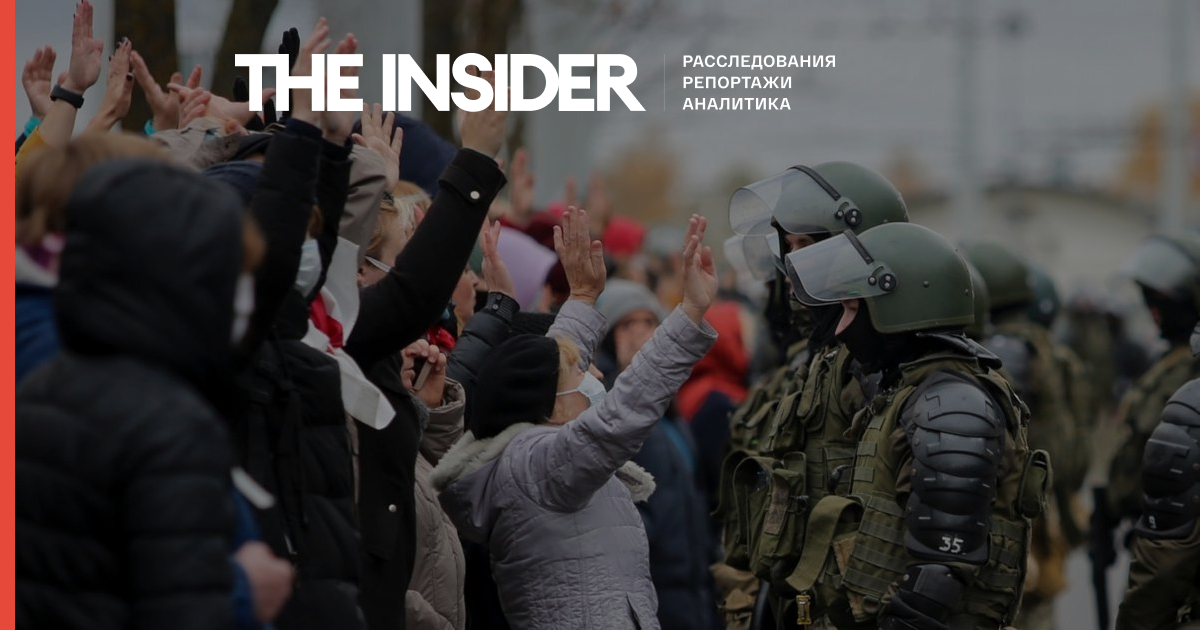
Alexander Lukashenko approved the amendments to the law “On the Emergency”, according to which now in Belarus they can be announced by a state of emergency not only because of natural disasters and disasters, but also because of the riots. Among other things, "attempts to violent change in the constitutional system, seizure or appropriation of power" were attributed to the latter, among other things.
As stated in the law, in the event of an emergency, the release and distribution of media products may be suspended, a special procedure for accreditation of journalists can be introduced, and access to Internet resources and network publications is limited.
In addition, now the Law “On the Armed Forces of the Republic of Belarus” states that in order to suppress the mass riots, the authorities have the right to attract the army.
On August 9, the presidential election was held in Belarus. According to the Belarusian CEC, Alexander Lukashenko gained 80.1% of votes, and the opposition candidate Svetlana Tikhanovskaya was 10.1%. After the closing of polling stations throughout the republic, mass protests began, which took more than three months. The main requirements of the protesters were Lukashenko’s resignation and the appointment of new elections.