
Translated material
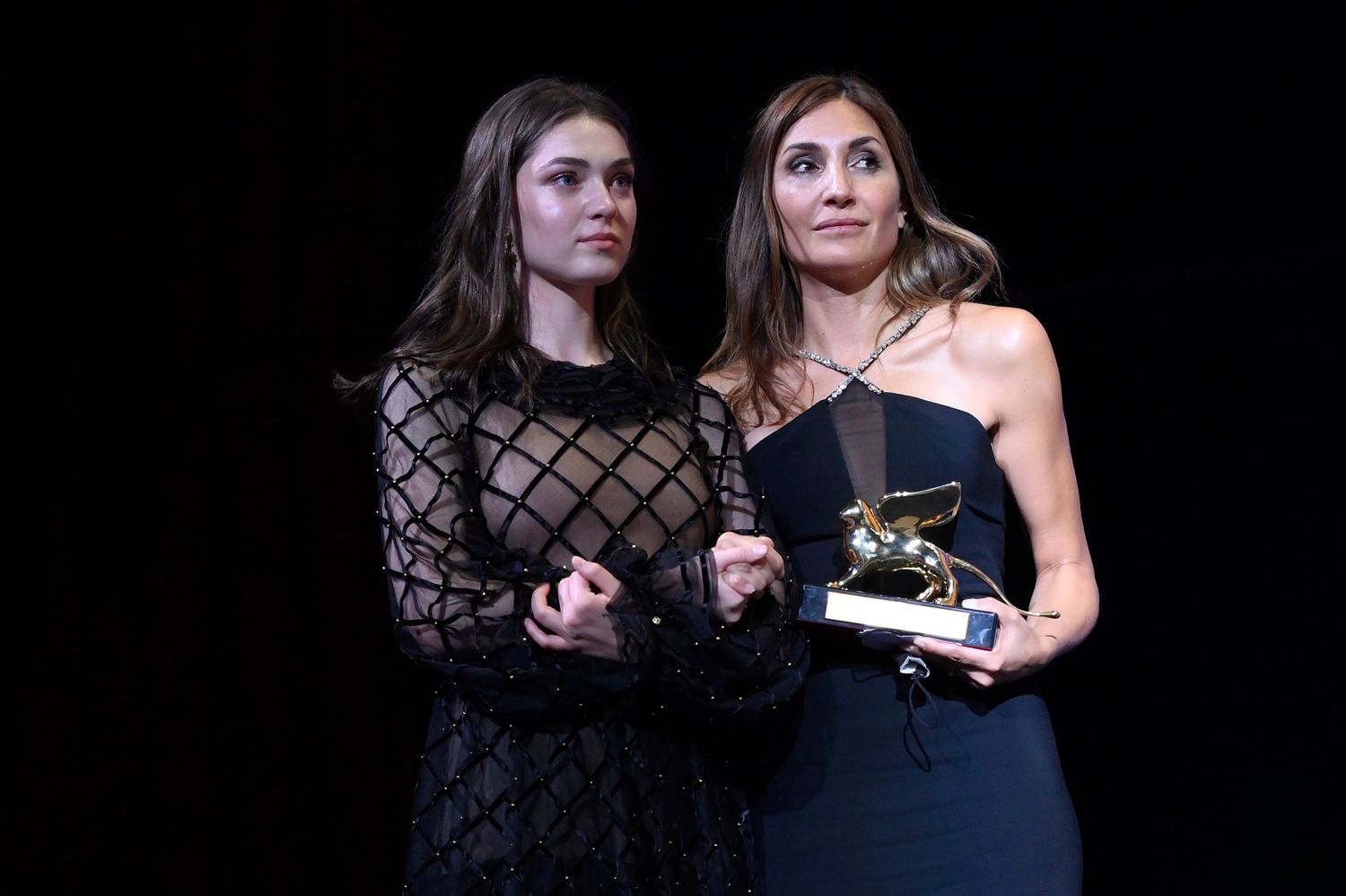
"Event" - unexpectedly for everyone in Venice, the French film about the right to abortion won
Anton Dolin - about the results of the festival
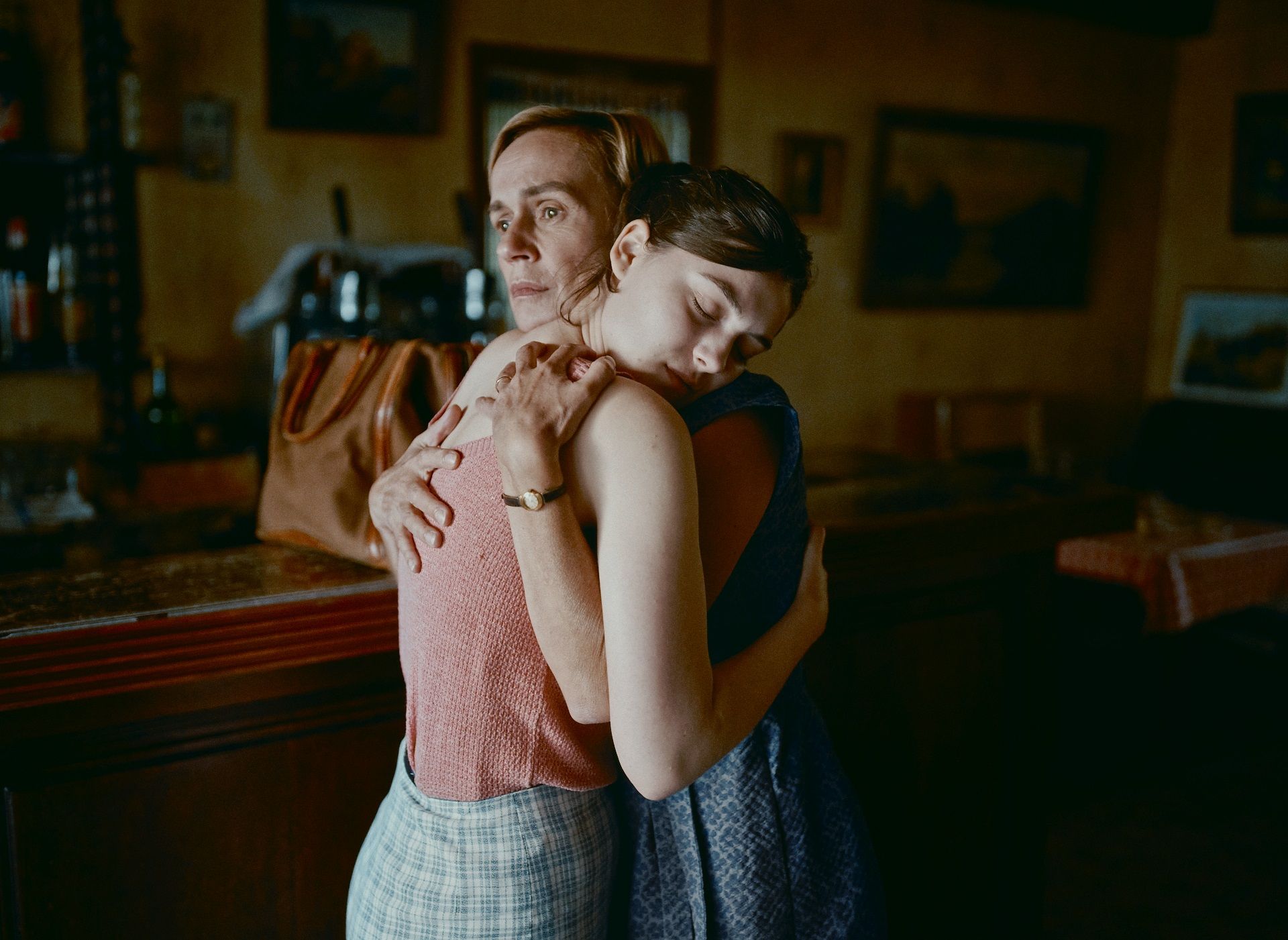
On September 11, the 78th International Film Festival ended in Venice. The main award - the “Golden Leo” - unexpectedly received the drama of the French director Audrey sofa “Event”. His events unfold in the mid-1960s, when abortion was prohibited; However, the main character contrary to the prohibitions decides to make it. Kinocritic Anton Dolin talks about the results of the festival.
The second large European film festival in a row awards the main prize to a young Frenchwoman who shot the whole second film. The jury spike Lee in Cannes gave the “golden palm branch” of Julia Dumurno and her extreme “Titan”, Jury Pon Jun Ho in Venice “Golden Leo” - Audrey Sofa and her psychological drama “Event”. In the same year, the woman also got Oscar for the best film - by the way, the director Chloe Zhao was the first to awarded the same Venice, and now she was sitting in the jury of the festival.
Surprise and disappointment with the award of the “Event” award, also unanimous, is connected primarily with the surprise of such a decision. No one called the film a sofa among possible winners, the festival was too crowded with venerable authors. They can also be seen among the winners: this is Paolo Sorrentino with the “hand of God” (the Grand Prix and the prize and the best young actor Filippo Scotti), and Pedro Almodovar with “parallel mothers” (Volpi Penelope Cup as the best actress), and Jane Campion with “PSA power” (prize for directing), and even Mikelangelo) Framartino with a radical “hole” (a special jury prize). All of them, however, lost a young little -known director with its declaratively small film. Many vivid paintings remained unnoticed ( the “cold calculation” of Paul Schroeder, “do not leave traces” by Jan P. Matushinsky, “Captain Volkonovov fled” Alexei Chupov and Natasha Merkulova, “Official Competition” by Mariano Kon and Gaston Dupra and so on).
The Event tells the story of an independent Ann, which is going to enter the university, but suddenly learns about its pregnancy. This puts a cross on all its plans: in 1963, a single mother has nothing to hope for higher education. Abortions are illegal, even for complicity in this case you can fall in jail. Despite the danger, Ann is determined to terminate the pregnancy. And if she does not manage to find her assistants (from her, learning about the problem, everyone retains with horror - from the attending physician to the best friends), she will make the necessary herself.
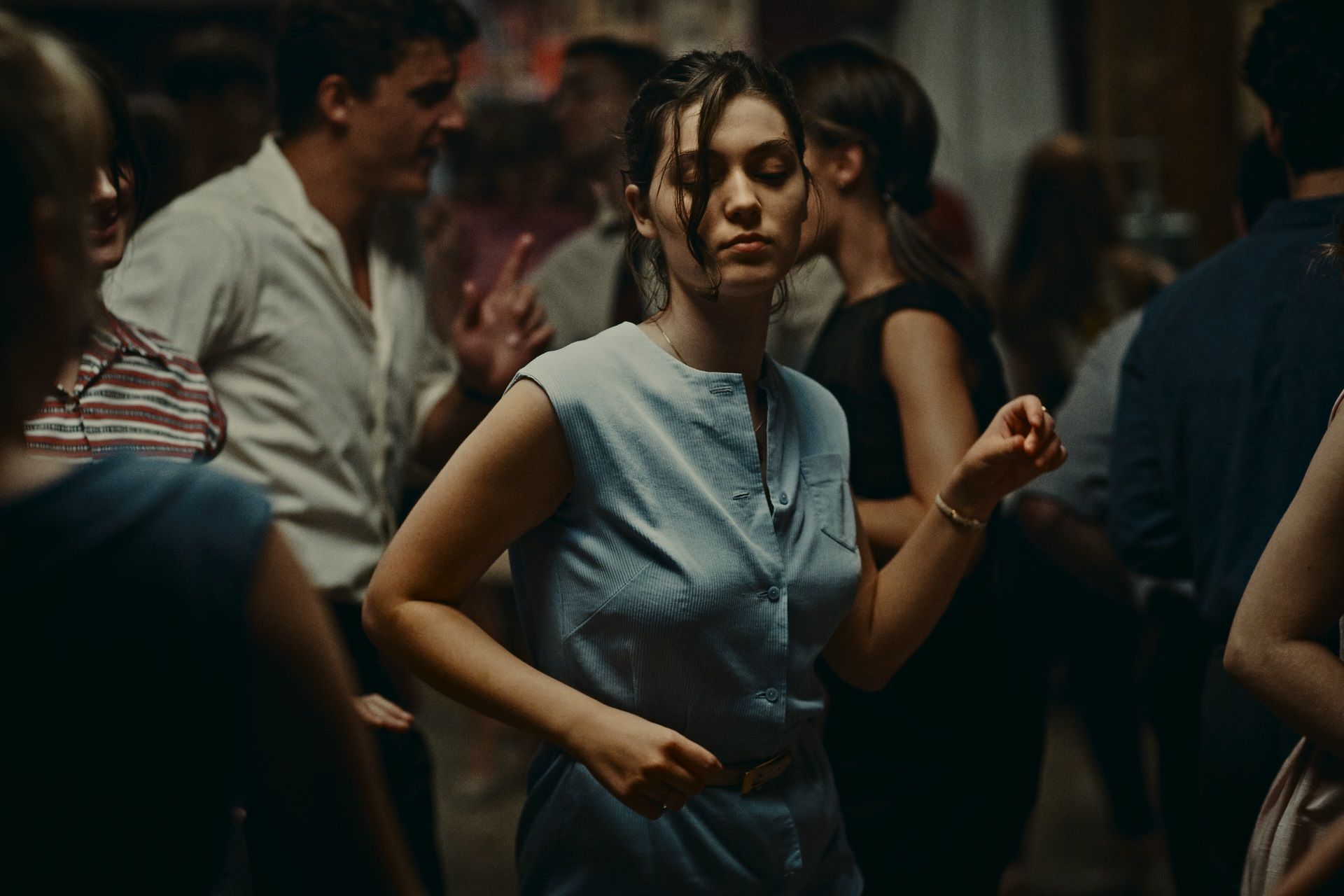
The picture was set according to the novel of the same name by the famous writer Annie Erno, the winners of numerous awards translated into dozens of languages - among them Russian, and there is every reason to believe that this is an autobiographical text (Ann dreams of a literary career). Erno and the sofa are exploring the transitional era: the sixties have already been born independent and intelligent youth, the future generation of 1968 , so far arguing with professors about the verses of Aragon and Prose of Camus. But inert society still lives according to the laws of the past, according to which a woman-all the more young-is still not a full-fledged person.
This is a good film made by a confident hand. He was perfectly removed by the operator Laurent Tanga, frankly and at the same time delicately introducing us into the intimate world of the heroine. He is subtly and sensitively voiced by the music of French composers of Russian origin, constantly working with our cinema, Eugene and Sasha Galperin.
Finally, he is excellently played - the acting ensemble includes Anna Muguglis, Sandrin Bonner and the favorite of the brothers Dardrhenn Fabrizio Ronggone as a doctor. The main “event” is the 22-year-old Frenchwoman of Romanian origin by the Anamarium Wartolome, whose naturalness and fearlessness cannot but impress. Probably the only thing that did not allow her to award the acting prize-the regulations of the Venetian festival, which makes it possible to give one painting “Golden Leo” and the Volpi Cup (once because of this rule, Mickey Rourke was left for a “wrestler”).
The only thing that raises questions to the jury is the artistic conservatism of the “event”, in which there is no trace of the Extreme “Titan”, which won the Cannes. Before us is a high -quality social drama, which inherits the traditions of the same Dardenov and affecting an important topic. Without disputing her eternal relevance (albeit not for France), I would like to recall other films about abortions that won the world festivals in the 21st century. This is “Vera Drake” Mike Lee (“Golden Lion”, 2004), “4 months, 3 weeks and 2 days” Christian Munjiu (“Golden Palm Branch”, 2007), “Never rarely always” Eliza Hittman (Grand Prix of Berlinale, 2020). Vera Drake touched the ethical side of abortion, exploring the boundaries of good and evil; “4 months, 3 weeks and 2 days” used abortion as a complex metaphor of totalitarianism and the confronting solidarity; “Never rarely sometimes” is a virtuoso study of a social problem that exists today.
Against this background, the “event” stands out only by its straightforwardness and unambiguity. The whole meaning and pathos of the film is the sofa - in the assertion of a woman’s right to abortion, and only in this. What does an interesting question pose before us: if the film serves a good idea and is perfectly done, is it enough to be recorded in the history of cinema, or is it still necessary for this a certain increase in value-artistic and semantic?
At the same time, it is difficult to doubt the sincerity of the jury and the thoughtfulness of his verdict. After all, almost all awarded films are devoted to one topic - the complex relationships of fathers and mothers with children. The “hand of God” is about this, in which Sorrentino gives the debt to his parents and the family, and “parallel mothers”, where Almodovar traces the fate of single mothers and connects them with the history of Spain, and the “unfamiliar daughter” of Maggie Jillenhol (prize for the script) according to Helen Ferranta’s novel, where an adult heroine reinsures the experience of her motherhood, and “power Psa ”, where Jane Campion takes the lonely hero-Mizanthropus with his daughter's son.
It is logical that the winner of such a festival is a film, whose heroine protects her right to refuse motherhood, once again confirming: we live in an era when personal became political and political - personal.
Anton Dolin