
Translated material
Elections in Germany: what kind of shares to put investors
At the weekend in Germany, parliamentary elections will be held. Despite their uncertainty with their outcome, Western investment banks are sure that in any situation, companies from the sphere of "green" energy will win. We tell you who else can win, and who - to lose as a result of different scenarios of the formation of the ruling coalition.
How markets can react to the polls
For the past 60 years, the German stock market has most often grew up in recent weeks before the elections because of the hope that they will change the situation for the better, writes the founder of the Seasonax analytical company Dmitry Spec. However, then there was a short period of disappointment of investors in the voting results.
This time, UBS does not expect a noticeable market reaction immediately after the election, because the composition of the coalition that forms the government can be determined for several weeks and even months. For example, after the 2017 elections, the coalition agreement between the CDU/CSS parties Angels Merkel and the SDPG of the current Minister of Finance Olaf Sholts was signed almost six months later. Investors do not like uncertainty, so such a scenario can lead to strong volatility in European markets, the Atlantic Financial Group report says .
The elections should not be very shaken by the European and German markets, Martin Morison, the chief economist in Europe, believes in European. In his opinion, in Germany there is already a wide consensus on such important issues as climate change and integration with European countries.
The market will weakly react to the coalition of the right -centric party (CDS/CSS or SVDP) with the left (SDPG, “green” or “left”) market - this is the base forecast, and the market already takes it into account, DWS notes. Promotive markets can positively perceive the CDS/CSS and SVDP coalition due to the larger economic policy of these parties, however, in debt markets, especially the peripheral countries of the eurozone, their more stringent budget policy can be negatively reflected in negative.
On the contrary, the left coalition government under the auspices of the SDPG, which can increase corporate taxes more strongly, is bad news for stock markets and good for debt markets, noted in DWS. In this case, we can expect a softer budget policy in Germany and less attention to the growth of government departments in other European countries, writes Bloomberg.
Winners and losers
Experts agree that the climatic policy will become key to the new parliament, regardless of whether the “green” will enter the government or not. Germany has a difficult task - to reduce CO2 emissions by 65% by 2030.
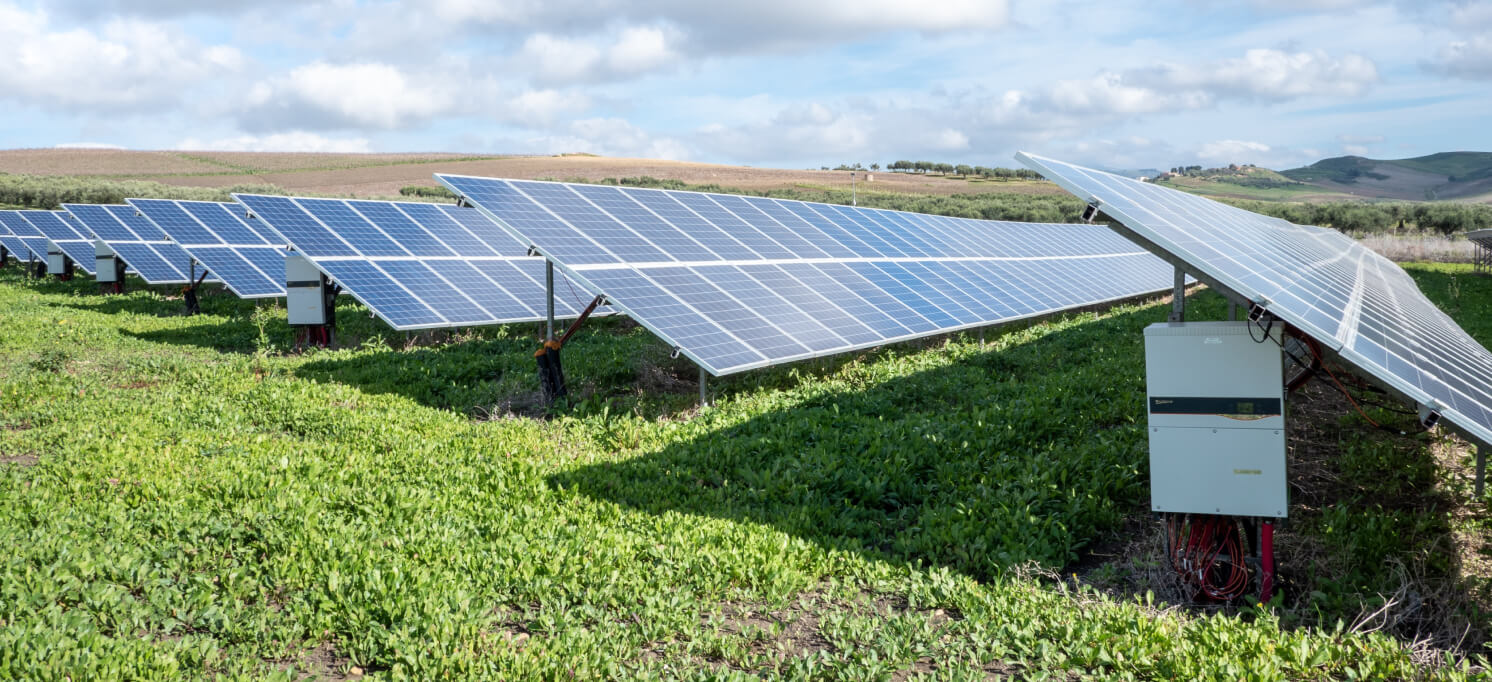
The beneficiaries of climate policy will become the beneficiaries of the Green Energy sector. Sanford C. Bernstein & Co. Vestas Wind Systems A/S, Siemens Gamesa Renewable Energy and NordEx windbrees manufacturer, Bloomberg writes . Barclays and Credit Suisse recommend taking a closer look at E.on, RWE and Encavis energy companies.
For companies with a high CO2 emissions, risks, on the contrary, increase, writers writes with reference to JPMorgan. Analysts distinguish the two largest steel manufacturers in Germany - Thyssenkrupp and Salzgitter, the BASF chemical giant and the Kittle Potor Power Power Power Provine K+S.
Tighten the goal of emissions, as well as an increase in the minimum salary and tax growth in the case of the left coalition, can negatively affect the German automakers Daimler, BMW and Volkswagen and the Lufthansa air carrier.
The programs of all parties provide for an increase in investments in railways, public transport, electric cars charging, Internet infrastructure, Bloomberg notes. According to the chief economy of the UBS Felix Hufner, industrial companies and technological equipment manufacturers, such as Infineon Technologies, can benefit from this. The telecommunication companies, including Deutsche Telekom and Vodafone Group, can win from the “gigabit vouchers” to finance the expansion of broadband communication, according to Barclays.
The housing sector, which, is also Vonovia, a real estate manner, may be under pressure in the case of the coalition of left-wing forces due to the risk of significant tightening control over rent, Bernstein notes. This topic is actively discussed, since in recent years housing prices in Germany have risen sharply. However, analysts are inclined to the fact that none of the parties will dare to freeze rent throughout the country after Berlin.