
Translated material
“Lukashenko uses the latest funds, but he has nothing to contrast EU.” Lawyer on new sanctions against Minsk
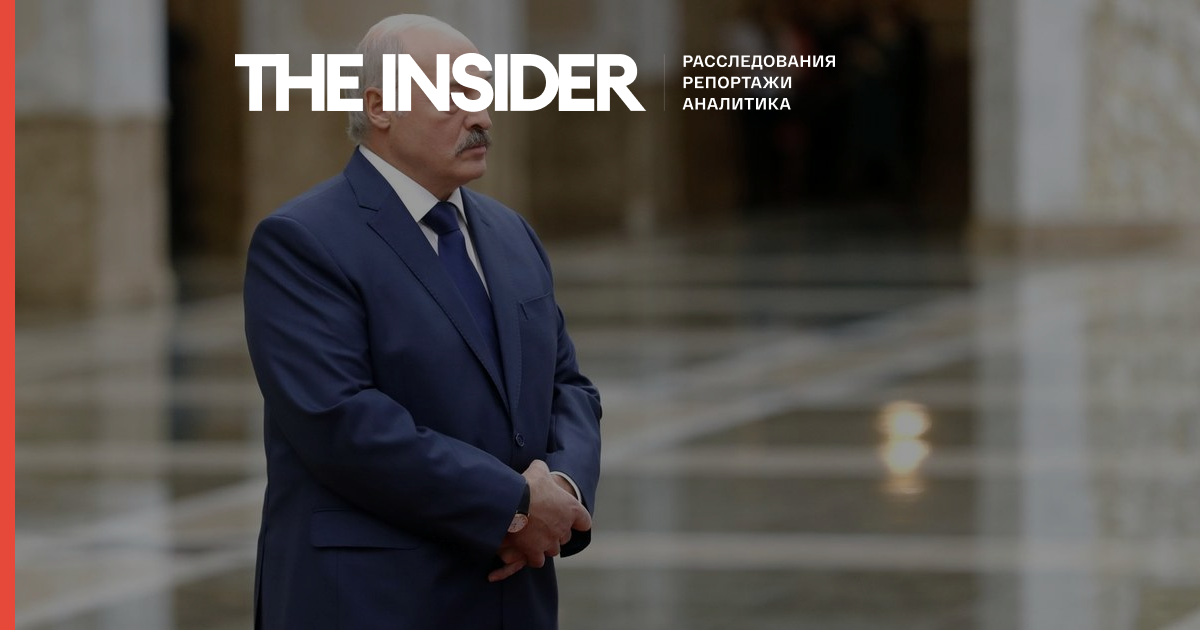
With regard to Belarus, the sanctions regime existed since 2006. Then, according to the West, the country was held in non -free and directed elections in which Lukashenko defeated. After that, other states had no choice but to impose sanctions. Lukashenko himself in personal quality is in the US sanctions list of June 26, 2006. In Europe, then a corresponding decision on sanctions against the Lukashenko regime was also made. The European Union accuses Alexander Grigoryevich of violating the democratic standards of the election and created tools for the introduction of personal sanctions against those around him, enjoy benefits and advantages due to proximity to power.
In August last year, the next non -free elections were held in Belarus. For this reason, at the moment, the EU has already introduced four packages of sanctions. Now the fifth package is being prepared, but these sanctions are no longer imposed on the violations committed during the elections, or the subverses of the foundations of democracy. These restrictions are introduced at the suggestion of Poland, Lithuania and Latvia for the policy of the direction of illegal emigrants to the countries of the European Union.
Lukashenko has now very narrowed the circle of funds that can be used against his opponents in Europe. He had already done everything that he could, and now he closed the borders and sends illegal emigrants from different countries to them. The European Union as an integration association should somehow respond to this migration crisis, and it will meet sanctions. The restrictions, as expected, will be affected by those who are directly related to actions in the direction of migrants to the EU countries, as well as those who benefit from this. I got the impression that many businessmen and oligarchs in the orbit of the current government will now receive sanctions.
The previous, fourth package of sanctions, when Belaz, Belaruskali and others, concerned some sectors of the Belarusian economy, but was not directed against them. Here we must understand that the economy of Belarus is very similar to the Russian one - there is a high share of the public sector and state presence. The fourth packet of restrictions was not introduced against some sectors of the economy, but against specific companies and players. The justification indicated: "The data of the company is state -owned, and due to their state status, they are associated with the Lukashenko regime and support it." There is a real risk that some other state enterprises can fall under these restrictions simply because they are state.
In my opinion, Lukashenko did not have any levers on the EU. Now the regime uses all the possibilities of pressure, in particular, creating a migration crisis, and he has nothing more to offer. Maybe Lukashenko will try to create some new zones of instability, for example, to conduct military exercises-unilaterally or together with Russia. But to remove the sanctions will not work. The European Union in its position unequivocally indicated that he would not carry out some power actions against Lukashenko's regime. But he will act by sanctions against the elite and state enterprises. And to contrast this with Alexander Lukashenko will not work.