
Translated material
Pearls and heresy
As a political scientist, translator and mathematician recognized as extremist scripture
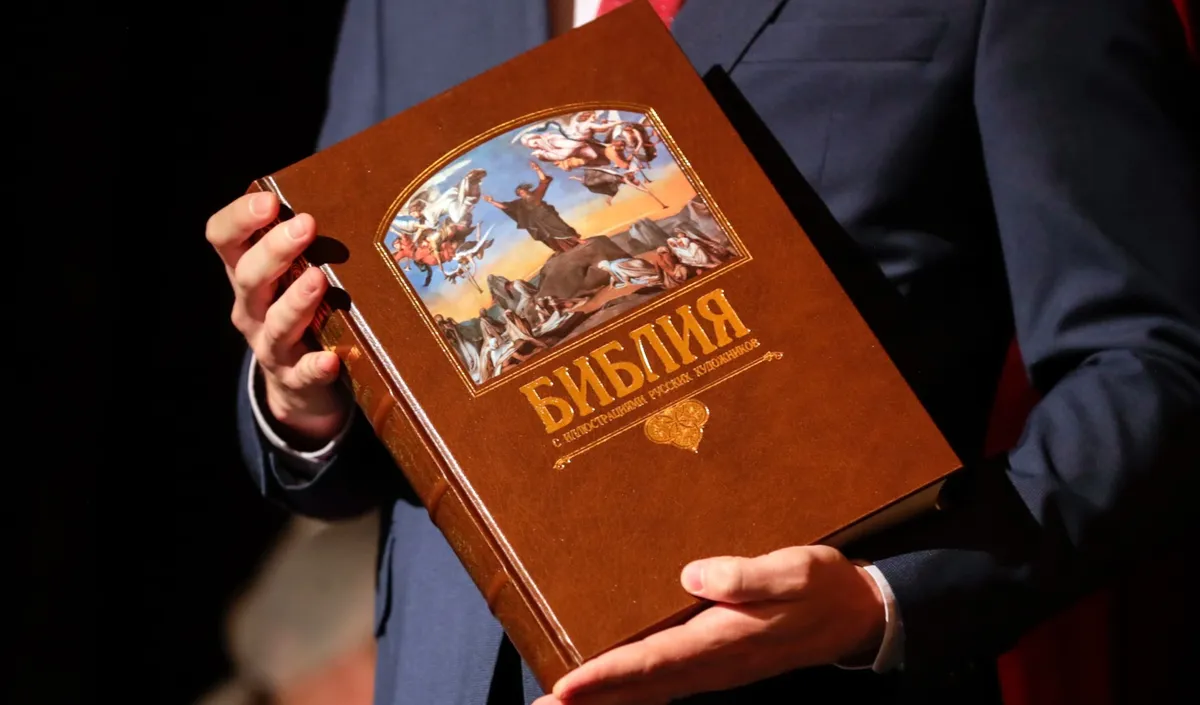
From the editorial office
How do Russian humanities become jailers, scammers and voluntary participants in mass repressions? The New Gazeta repeatedly tried to deal with this, reading the judicial acts and communicating with specialists. But it is better to raise the question in a different way: how are the jailers, scammers and assistants of the executioners are trying to impersonate scientists ? Without a specialized education and publications in reviewed magazines - to act immediately as linguists, religious scholars, psychologists, culturalists, sexologists, social anthropologists?The articles mentioned above highlight, in particular, the case of Yegor Zhukov, the case of the memorial , the Hizb-Ut-Tahrir case , the business of the tow blogger; In all these cases, experts were noted by Natalia Kryukova and Alexander Tarasov. These two and Viktor Kotelnikov, who joined them, are characteristic defendants in the project “Judicial Expertise of Dissernet” . Among the texts of poor -quality examinations posted on the site are five examples of their work (signed together or three), which are equipped with professional reviews of normal scientists. In fact, they are not a few, but dozens of unprofessional conclusions that led to the condemnation of innocent people under political articles.
The New Gazeta publishes a review of Kotelnikov, Kryukova and Tarasov, the infamous “examination”, which allowed the Bible translation used by the “Jehovah's Witnesses” by an extremist text, despite the direct legislative ban to recognize the fundamental texts of the main four religions. For this, the "experts" "proved" that the text he presented - ... not the Bible! In fact, political scientist Kotelnikov, teacher of mathematics Kryukov and translator from the German language Tarasov took on the role of spiritual judges, who, within the framework of the secular Russian process, endure the court on the "hereticality" of texts.
We offer you to get acquainted with how the experts appreciated this “court” - experts in ancient Greek and Hebrew languages, translators of biblical texts, religious scholars, authors of articles and books on the history of Christianity and Judaism.
Review of the examination of the claim for recognition of the books “Holy Scripture - Translation of the New World” with extremist literature
In June 2017, the Vyborg City Court of the Leningrad Region received an examination of several documents of the organization of “Jehovah's Witnesses”, including the biblical translation used by “Jehovah's Witnesses” (“Translation of the New World”). Based on this examination, “Translation of the New World” was recognized as extremist literature, and the organization “Witnesses of Jehovah” - extremist.
We, historians and philologists, for whom biblicalism is a professional field of activity, are forced to state that the analysis performed in this examination is unprofessional and incompetent.
First of all, it should be noted that the authors of the examination (N.N. Kryukova, A.E. Tarasov, V.S. Kotelnikov) do not have the necessary professional competencies for examination. N.N. Kryukova presented a diploma to awarded the degree of candidate of pedagogical sciences and a diploma of a pedagogical university of higher education with a degree in Mathematics. A.E. Tarasov presented a diploma of a candidate of political sciences and a diploma of the Institute of Foreign Languages on Higher Education with a degree in Foreign Languages with the qualification of the “translator-referent of English and German”. V.S. Kotelnikov presented a diploma of a candidate of political sciences and a diploma of higher education with a degree in Politicalology, as well as a diploma of the Orthodox Holy Tikhon-Gumanitarian University (PSTU) with a degree in religious studies. Since V.S. Kotelnikov did not submit an extract from the testing statement, we have no evidence that he studied special disciplines necessary for analyzing the problems of biblicalism.
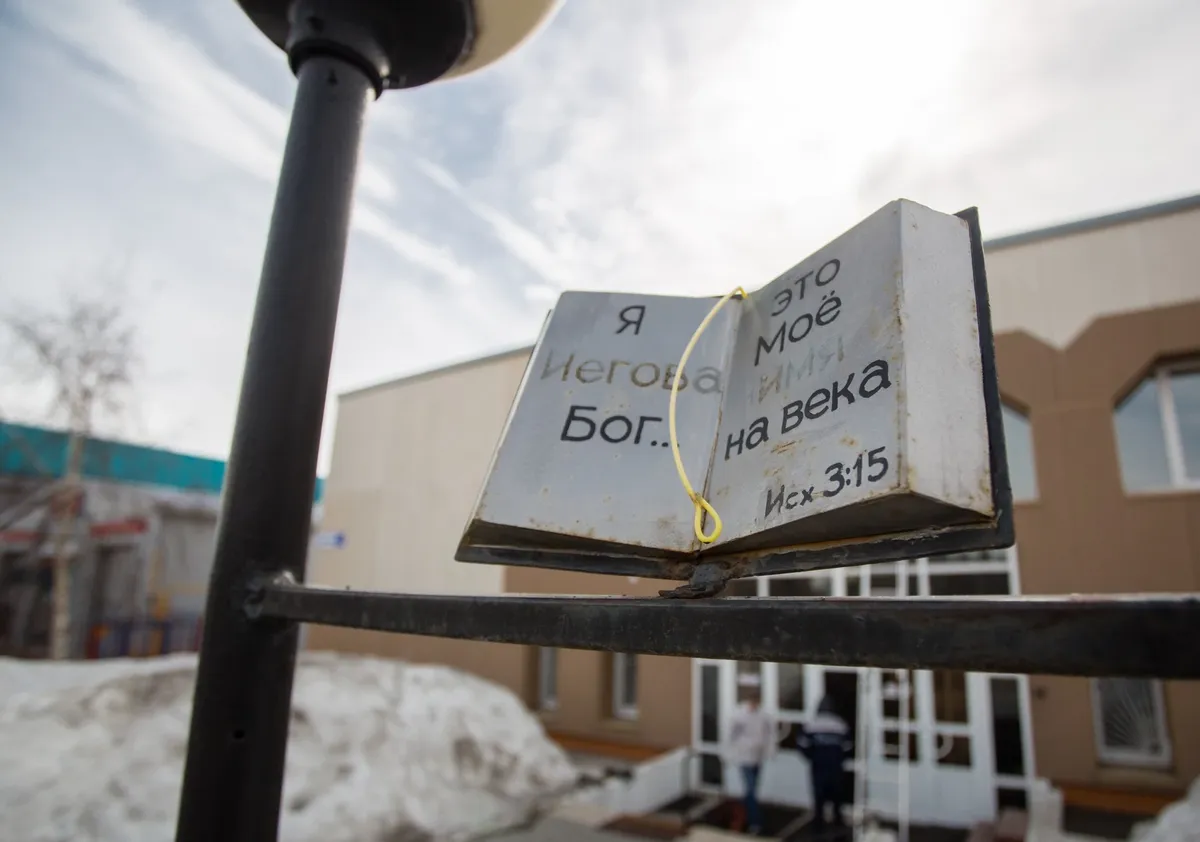
The authors do not have any scientific publications related to biblicalism.
At the same time, the texts that experts engaged in improving extremely serious requirements even in comparison with other areas of humanitarian knowledge. An adequate assessment of biblical texts and other religious texts based on the Bible requires professional knowledge of biblical languages - ancient Hebrew, Aramaic and ancient Greek, as well as the deep knowledge of the entire complex of disciplines that make up modern biblicalism.
The text of the examination issues the complete incompetence of the authors in these matters. Bright evidence (see below) - they are not even able to distinguish a retelling of the biblical text or a quote from it from their own creativity of the adherents of the organization “Jehovah's Witnesses”.
The degree of acquaintance of the authors of the examination with Christianity as a whole and with Orthodoxy, in particular, eloquently testifies to the accusation of “Jehovah's Witnesses” put forward on page 32 of the examination that in their interpretations of the Bible “the main attention is paid to the symbolic and prophetic significance of the text, which is not typical for Christianity as a whole (especially for Orthodoxy).” Anyone who, at least superficially familiar with the Orthodox tradition, will confirm that the symbolic and prophetic interpretation of the Old Testament texts is its integral feature.
1. The main thesis of the analysis of the examination is that the “translation of the new world”, which is used by Jehovah's Witnesses, is not a Bible.
The sacred texts of Christianity, Judaism and Islam have been created for several eras (from the ancient world to the early Middle Ages), when the ideas about justice and moral standards were very different from those that are considered socially acceptable in modern European civilization. For this reason, in Tanya, the Bible and the Qur'an, statements can be found that, from the point of view of modern law, would be unacceptable. However, according to the legislation of the Russian Federation, these sacred texts are not subject to legal assessment. “The Bible, Koran, Tanya and Ganjur, their content and quotes from them cannot be recognized as extremist materials” (Federal Law of November 23, 2015 No. 314-ФЗ “On Amending the Federal Law“ On Combating Extremist Activities ”).
The main thesis of the examination is that the “translation of the new world” is not a Bible. This gives experts the opportunity to recognize this translation by extremist material on the basis of the same places that in other translations of the Bible, according to the law cited above, are not subject to legal assessment.
Below are the main arguments of the examination and comments on them are given.
1.1. The authors of the examination indicate that the “translation of the new world” is a translation from English.
Let us turn to the definition of the word “Bible” given in the Great Russian Encyclopedia (BRE): “Bilia (from the Greek. Ta Biblia letters. - Books), a collection of ancient texts of various eras and authors, adopted by the religious tradition of Judaism and Christianity as a holy scripture. Recognized by Judaism and Christianity, the first part of the Bible in the chronological terms was the name “Old (that is, the old) Testament” in the Christian tradition; The second part B., accepted only by Christianity, has the name "New Testament".
None of the biblical manuscripts known to science is an autograph and cannot be perceived as the only true form of the text of the Bible; All textual traditions differ from each other to one degree or another.
Bible books were written in Hebrew, Aramaic and ancient Greek. Most Christians do not read these languages. Bible books were translated into hundreds of languages (the first translation into Greek - Septuagint - was carried out by the Jewish diaspora in the pre -Christian era), these translations are also called Bibles. In the Christian tradition, there is no teachings that the sacred text can exist only in its original language, no translation of the Bible can be considered the only authoritative and canonical. In particular, the Orthodox tradition has never canonized any one text or translation, some one manuscript or some one publication of scripture. There are discrepancies between quotes from Scripture among the Church fathers; Between the Greek Bible, the Church Slavonic translation and the Russian synodal translation recommended for home reading.
Currently, the Church Slavonic Bible and the Russian Synodal Translation (hereinafter - SP) have been adopted in the Russian Orthodox Church, which has a blessing of the Holy Synod. Both texts are not originals, but translations from the languages of the original, but both of them are the believers of the Russian Orthodox Church (including in the official documents of the Russian Orthodox Church) are called the Bibles and are recognized by the Bibles.

In some cases, the translation of the Bible is made from another translation. Thus, the Church Slavonic Bible is a translation of the Greek Bible, which in relation to the so -called canonical books of the Old Testament is the translation of the Jewish Bible. The third book of the Ezra of the Church Slavonic Bible and the joint venture is translated from the Latin text, which, in turn, is a translation with (lost in antiquity) of the Greek text.
A number of Bible translations into the languages of the peoples of Russia, including those who have the blessing of church authorities, are translated not from the languages of the original, but from the joint venture. Thus, the texts that are the translation of original (Jewish, Aramaic, Greek) texts of the Bible are also called Bibles (and, in particular, are recognized as church authorities as a Bible) even in the event of a double translation.
1.2. The authors of the examination indicate the differences in the Russian version of the "translation of the new world" from the synodal translation.
Biblical translations of the XIX -XX centuries. In Russian, made from both the Jewish and from the Greek text, are calculated in dozens. Some of the translators are counted to the face of saints, for example, St. Filaret (Drozdov), Rev. Makarii (Glukharev). These translations differ from each other, as well as from the Church Slavonic Bible and from the joint venture.
The differences between the Church Slavonic Bible and SP (hundreds of examples can be given) do not affect the authority of these texts in the Russian Orthodox Church.
When comparing translations, including the Church Slavonic Bible and SP, with the texts of the original, we see that no translation is and cannot be one hundred percent literal.
Thus, the fact of textual and meaningful differences between different translations or editions of the Bible cannot serve as the basis for not considering these translations of the Bibles.
1.3. The authors of the examination indicate the features of the “translation of the new world”, reflecting the creed of “Jehovah's Witnesses”.
Translations of the Bible, made and made in various Christian communities throughout history, are almost always different in relation to dogma and other religious provisions.
For example, Protestants do not recognize the so -called second -banking (in the joint venture - non -canonical) books of the SR, and in the Protestant publications of the Russian Bible (using the text of the joint venture), unlike the Orthodox Bible, not 77, but 66 books. In the Protestant publications of the Russian Bible (SP) there are no excerpts (for example, mentioning in 2 MacC. Prayers for the dead), which are of fundamental importance for theology and liturgical practice of the Catholic and Orthodox churches. Despite the differences, both the Orthodox and Protestant publications of the Russian Bible (SP) are considered Bibles. This is what causes the fact that neither the Orthodox nor the Protestants using the joint venture are held accountable for extremism.
Thus, the fact of the differences between different translations or publications of the Bible caused by various confessional attitudes cannot serve as the basis for not considering these translations of the Bible.
1.4. The authors of the examination indicate the use of the word “pillar” in the translation where the word “cross” is used in the joint venture. Giving such a translation, “Jehovah's Witnesses” distance, in particular, from those traditional Christian faiths, where the cross serves as an object of veneration. However, Greek. The word σταυρός, used in the original, allows such a translation as a “pillar”, moreover, in classical Greek it is its main meaning. Crucifixion as a way of execution in the ancient world could assume the use of one or two logs. The transmission of the Greek σταυρός by the word “pillar” cannot serve as the basis for not considering the “translation of the new world” by the translation of the Bible.
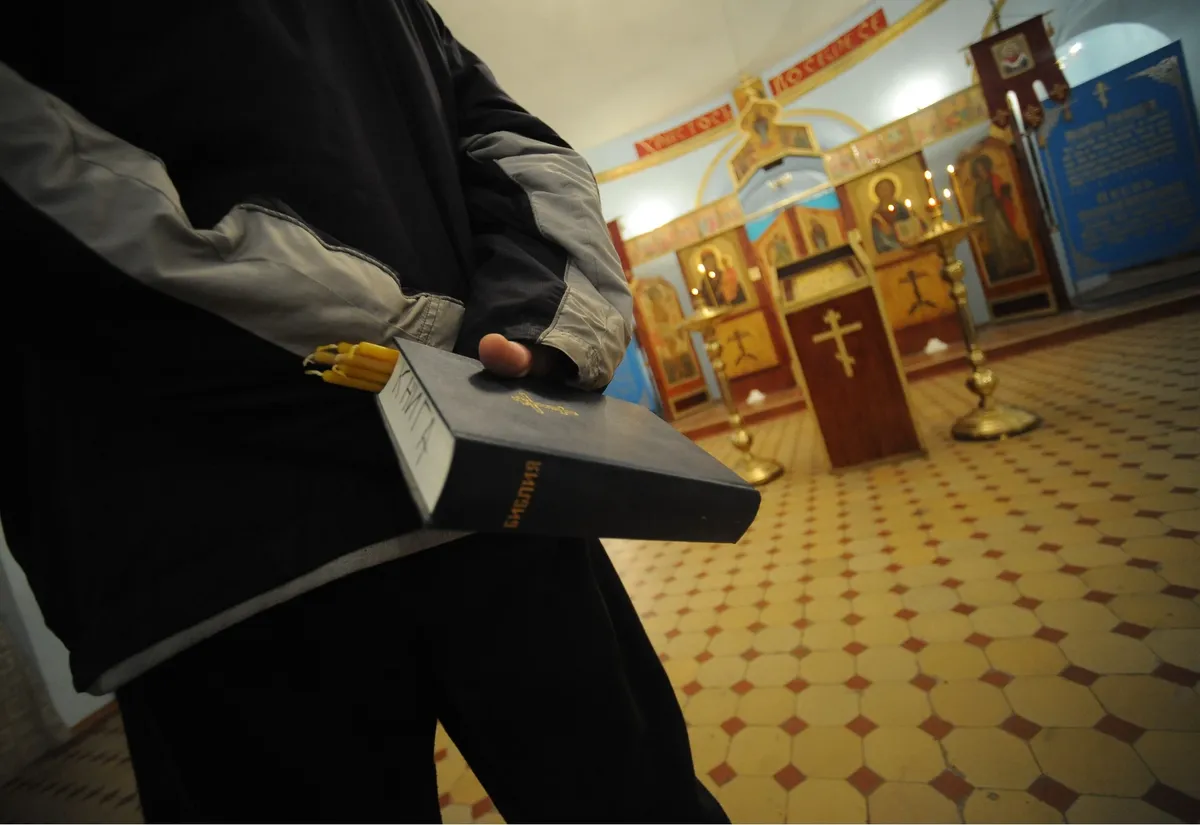
1.5. The authors of the examination indicate that the “translation of the new world” claims to restore the words or meanings of the original, which are absent in other translations. In particular, this applies to the use of the name Jehovah. We will return to this name. Now we note that the practice of using the so -called conjectures in those places where the text known by manuscripts is inexperienced and allegedly damaged, well represented in traditional Christian translations. One of the many examples in the joint venture - Genesis 49:10, where we read in the joint venture, "The reconciler will not come." This verse for translators of the joint venture testifies to Christ-Primer. However, in the original the text is not clear, cf. The Slavic translation of "Dondezhe will come aside to him", which reflects a different tradition of interpretation of this obscure place. In different translations, the number of conjectures is different, many of them are criticized and disputed. Nevertheless, the presence of conjectures in itself cannot serve as the basis for not to consider one or another biblical translation by biblical translation.
1.6. The authors of the examination indicate that the names of the sections of the Bible and the names of biblical books in the "Translation of the New World" differ from the joint venture.
The Bible of Jehovah's Witnesses consists of the Old and New Testaments. The name of the Old Testament "Jewish-Aramaic scriptures" corresponds to modern historical ideas. The name of the New Testament "Christian Greek Scriptures" also corresponds to modern historical ideas. Thus, the use of these items instead of “Old Testament” and “New Testament” cannot serve as the basis for not considering the “translation of the new world” by the translation of the Bible.
The authors of the examination accuse Jehovah's Witnesses of the fact that the names of some books of the Bible in the “Translation of the New World” are not the name that in a synodal translation. For example, the 1st and 2nd book of the kingdoms in the “Translation of the New World” are called the 1st and 2nd books of Samuel, and the 3rd and 4th books of the kingdoms are named for the 1st and 2nd books of the kings. The fact is that the names of the Books of the Old Testament in the "Translation of the New World" are closer to the Jewish tradition and coincide with those that are everywhere accepted in the Bibles in Western European languages. Moreover, in a number of publications of synodal translation in footnotes, the names of books are also given according to Jewish tradition. The use of Jewish names of books in the “Translation of the New World” cannot serve as the basis for not considering the “Translation of the New World” by the translation of the Bible.
1.7. Describing the differences between the Bible of the Jehovah's Witnesses from the joint venture, the authors of the examination write: "Not verses, but a group of poetry are distinguished in paragraphs." Obviously, experts do not know that the division into verses is later the formation of the biblical corps (arose in the Middle Ages). In the Church Slavonic publications of the Bible, liturgical “clicked” stands out, which also represent “groups of poems”. The allocation of poetry groups cannot serve as the basis for not considering the “translation of the new world” by the translation of the Bible.
1.8. The authors of the examination pay attention to the differences in the reduction of biblical books in the "Translation of the New World" from the publication of the joint venture that was in their hands. Obviously, they simply do not know that in different publications of the joint venture there are different systems of abbreviations. The question of a particular approach to reductions cannot serve as a basis for not considering the “translation of the new world” by the translation of the Bible.
1.9. The authors of the examination note that the name of the Holy Spirit is written in the "Translation of the New World" with a lowercase letter. It should be noted that in the original text of the Bible, represented in ancient manuscripts, there were no capital letters at all. SP is also far from consistent in the use of capital letters, which was often noted by biblicalists. The classic example is the 8th chapter of the message to the Romans, in which, according to most Christian exegetes, the apostle Paul praises the anthem of the Holy Spirit. At the same time, in the joint venture "Spirit" is written with a small letter, and in the translations of the b. Kassiana (Bezobrazova) and Archim. Iannuaria (Ivlieva) - with the title. Thus, the spelling of a particular word with a capital letter or with a small one is the choice of a translator, is not related to the original text and cannot serve as the basis for not considering the “translation of the new world” by the translation of the Bible.
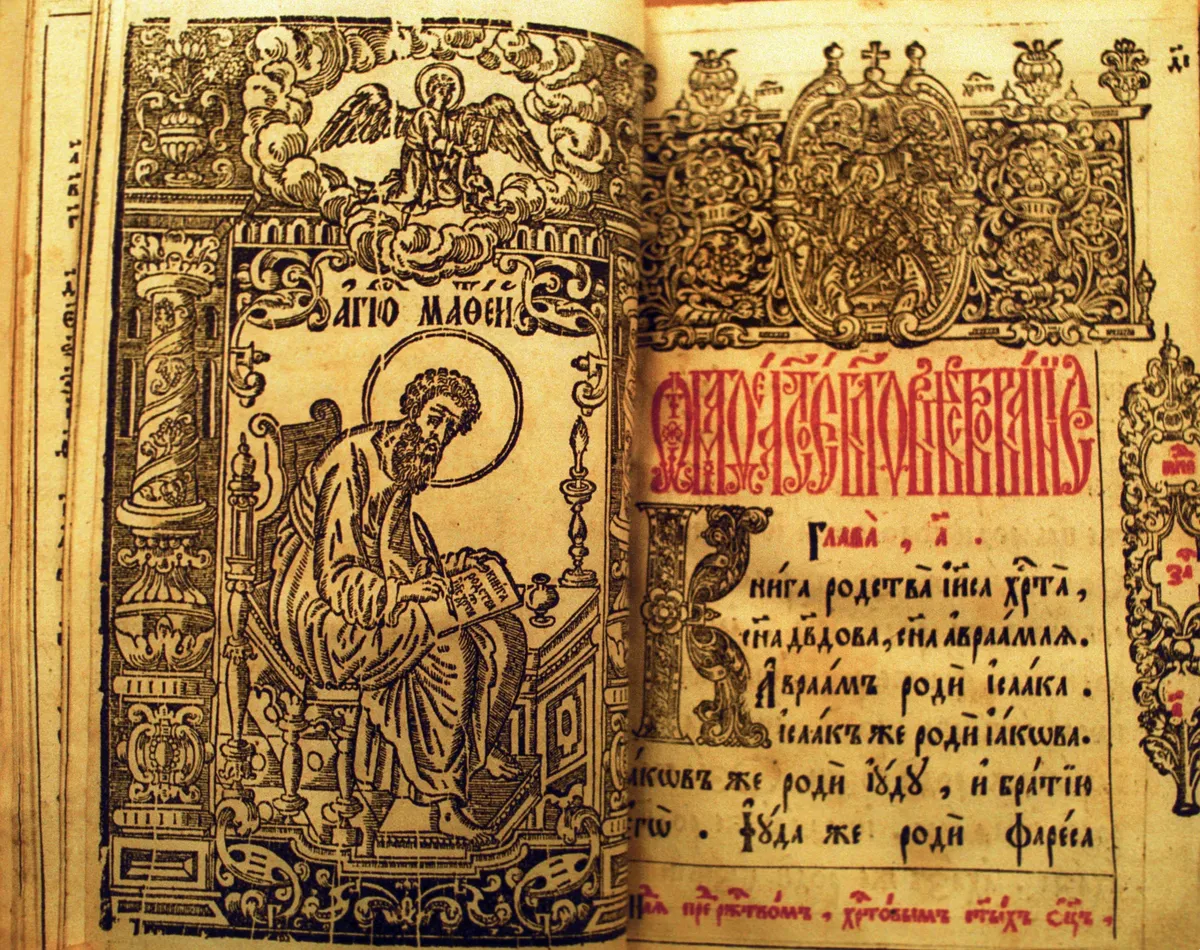
1.10. Separately, the issue of using the names of God in the “translation of the new world” should be considered. The question of divine names is of fundamental importance for Jehovah's Witnesses, which is also reflected in the name of this religious community.
В стандартном еврейском тексте Библии (так называемом масоретском тексте) Бог обозначается такими именами, как (даются в русской транскрипции согласно проставленным в масоретском тексте значкам для гласных): Элохим, Эл, Йехова, Адонай Йехова, Йехова Цеваот, Эл Шаддай, Йах Йехова, и некоторыми другими. Известно, однако, что имя, которое согласно проставленным в масоретском тексте значкам для гласных, должно было бы читаться как Йехова, в еврейской традиции так не произносится. Вместо него принято читать и произносить Адонай (букв. «Господин мой») или Хашем (букв. «Имя»). В ряде древнейших рукописей масоретского текста значок для гласного «o» в этом слове отсутствует, что приводит к появлению орфографически и фонетически невозможной формы «Йехва».
Древнее произношение этого слова в современной науке служит предметом дискуссии. Чтение Йехова (Иегова) было принято в европейской библейской науке раннего Нового Времени, оно отразилось в ряде переводов 16–19 вв., в т.ч. в традиционном английском переводе King James Version (Быт 22:14, Исх 15:3 17:15, Суд 6:24.) и в русском СП (Быт 22:14, Исх 15:3 17:15, Суд 6:24), оно принято и у «Свидетелей Иеговы». Представители современной библейской науки считают, что чтение Йехова — искусственное образование, никогда не использовавшееся и не произносившееся евреями. Наиболее распространенная среди библеистов гипотеза предполагает, что это имя на самом деле в древности читалось евреями как Йахве (Яхве). Так или иначе, еще до н.э. произнесение этого имени вслух у евреев было табуировано, и вместо него стали говорить и читать Адонай (букв. «Господин мой») или Хашем (букв. «Имя»).
В СП Бог Библии называется Бог, Господь, Иегова, Саваоф, также используются различные эпитеты и символические имена.
Имя «Иегова» употребляется в СП в Быт 22:14, Исх 15:3 17:15, Суд 6:24. Например, Исх 15:3: «ГОСПОДЬ муж брани, Иегова имя Ему» (СП). Однако обычно имя, которое согласно проставленным в масоретском тексте значкам для гласных должно было бы читаться как «Йехова», в СП передается как «Господь».
Разные имена и наименования Бога Библии, встречающиеся в библейских переводах, понимаются во всех этих переводах как указывающие на одного и того же Бога. Поэтому предпочтительное использование в том или ином переводе того или иного имени этого Бога не нарушает общую (монотеистическую) картину, сложившуюся в Библии, и не может служить основанием для того, чтобы не считать тот или иной перевод Библии переводом Библии.
1.11. Для решения вопроса о том, является ли «Перевод Нового Мира» переводом Библии, или нет, принципиально важно, что содержание каждой из книг этого перевода, их сюжет, композиция, распределение материала по стихам соответствуют наиболее авторитетным на сегодня изданиям древнейших библейских текстов (еврейско-арамейских для Ветхого Завета, греческих для Нового Завета), а также основным библейским переводам, принятым в протестантских церквях, в том числе в протестантских изданиях СП. Степень отклонения от буквального перевода еврейского, арамейского или греческого оригинала в целом сопоставима со степенью отклонения от буквальности в других библейских переводах (за исключением разве что специальных переводов-интерлинеаров).
Разобранные выше соображения авторов экспертизы не являются аргументами в пользу того, чтобы не считать «Перевод Нового Мира» переводом Библии. Следовательно, как и другие переводы Библии, «Перевод Нового Мира» не может быть признан экстремистским материалом.
Содержательные и стилистические проблемы и ошибки, присутствующие в этом переводе, могут разбираться в научной рецензии, но не могут трактоваться как уголовное преступление, влекущее за собой тюремное заключение.
2. Библейские цитаты и аллюзии в текстах «Свидетелей Иеговы», не распознанные экспертами.
Us. 25 и далее в экспертизе рассматривается используемая в текстах «Свидетелей Иеговы» «специальная лексика, отличающаяся от общепризнанной христианской». Разбираемые слова и словосочетания, по мнению экспертов, служат «своеобразными якорями», «доступными только адептам» и рассматриваются как свидетельства экстремистской направленности этих текстов.
Однако для любого человека, знакомого с Библией, очевидно, что эта лексика вполне христианская и заимствованная из Библии. Рассмотрим лишь несколько примеров.
2.1. К лексике, «доступной только адептам» эксперты относят призыв «бодрствовать». Но с призывом бодрствовать многократно обращается к апостолам и слушателям Иисус Христос (Мф 24:42, Мф 25:13, Мф 26:38, Мк 13:33 и др.), затем призывают бодрствовать своих слушателей и читателей апостолы (Деян 20:31, 1Петр 4:7 и др.). В православной традиции «бодрствованием» (или «трезвением») называется одна из аскетических добродетелей.
2.2. Эксперты обращают внимание на то, что в литературе «Свидетелей Иеговы» говорится «о разделении людей на овец и козлов» — козлы «не помазаны святым духом». Эксперты не узнали в этом выражении евангельскую притчу о Страшном суде (Мф 25:32–46), которой, в частности, посвящено православное богослужение одного из воскресений Постной Триоди («неделя о Страшном суде»). В этой притче рассказывается о том, как Сын Человеческий придет во славе Своей и сядет судить все народы, при этом «поставит овец по правую Свою сторону, а козлов — по левую» (стих 33). «Овцы» пойдут в уготованное им Царство, а «козлы» — «в муку вечную».
2.3. К лексике, «доступной только адептам», эксперты относят выражение «потерявшаяся овца». Притча о заблудившейся овце присутствует в Новом Завете (Мф. 18:12–14, Лк. 15:3–7). В этой притче Иисус Христос рассказывает о том, что пастух, имеющий сто овец, одна из которых заблудилась, оставит девяносто девять овец и пойдет искать единственную, а когда найдет ее, то будет радоваться о ней больше, чем о девяноста девяти не заблудившихся.
2.4. Нарекания вызывает у экспертов сравнение Христа с женихом. Но источник данного образа — притча о десяти девах (пяти мудрых и пяти неразумных), вышедших навстречу жениху (Мф. 25:1–12). Традиционно под женихом здесь понимается сам Иисус Христос, который в конце времен будет судить людей по их делам. Образ Христа как Жениха нашел отражение в православных песнопениях. Например, в православных церквах поется песнопение «Се Жених грядет в Полунощи», прямо отсылающее к упомянутой притче.
2.5. Отнесение этих и других выражений к нехристианским указывает на крайне слабое знакомство экспертов не только с Библией, но и с Православием. Возникает опасение, что подобная «экспертиза» может отнести к числу экстремистской литературы даже богослужебные книги Православной Церкви и творения Отцов Церкви.
Conclusion
Рассматриваемая экспертиза, некомпетентная и непрофессиональная, привела к тому, что ряд людей был приговорен к лишению свободы на реальный срок. Это заставляет нас предоставить широкой публике, а также юридическому сообществу подробный отзыв на нее. Судебные решения, принятые на основании непрофессиональных и некомпетентных экспертиз, дискредитируют российское правосудие.
Signatures
Андросова Вероника Александровна , кандидат богословия (диссертация: «Небесные книги в Откровении Иоанна Богослова: истоки образности, интерпретация, драматургически-композиционная роль»), автор книг «Библия для всех» и «Апокалипсис — книга надежды».
Бабкина Светлана Викторовна , кандидат исторических наук (диссертация: «Сакральное и профанное время и пространство в Кумране»), доцент Центра изучения религий РГГУ, автор ряда статей по библеистике («Жена, прошедшая через плен: тексты Кумрана в библейском и раввинистическом контексте», «Библейское (талмудическое) уголовное право из глубины веков» и др.).
Барский Евгений Викторович , кандидат богословия (диссертация: «Богословское осмысление образа Ездры в Ветхом Завете, в межзаветной и апокрифической литературе»), автор статей по библеистике в «Православной энциклопедии».
Битнер Кирилл Андреевич , кандидат исторических наук (диссертация «Кумранская редакция «Песен Раба Господня» (1QIsaa) как историко-культурный источник»), автор ряда статей по библеистике (в том числе «К проблеме передачи четырехбуквенного имени Бога при переводе ветхозаветных текстов на русский язык»).
Брагинская Нина Владимировна , доктор исторических наук, переводчик, комментатор и исследователь межзаветной, апокрифической и раннехристианской литературы, один из соавторов монографии «Книги Маккавеев», член диссертационных советов РГГУ, МГУ, НИУ ВШЭ, член ряда редколлегий и редсоветов научных журналов по древней истории и культуре.
Графов Андрей Эдуардович , лингвист и переводчик, один из соавторов нового русского перевода Ветхого Завета Российского Библейского Общества (книга Исайи), автор «Словаря библейского иврита».
Десницкий Андрей Сергеевич , доктор филологических наук, профессор РАН, ведущий научный сотрудник Института востоковедения РАН, эксперт РАН, автор 90 статей по библеистике, а также 10 монографий по Библии («Поэтика библейского параллелизма»; «Библия и православная традиция»; «Сорок вопросов о Библии»; «Введение в библейскую экзегетику»; «Сорок библейских портретов»; «Современный библейский перевод: теория и методология»; «Вожди и цари Израиля»; «Пророки Израиля»; «Послания апостолов»; «Библия: что было «на самом деле»?»).
Дрейер Леонид Матвеевич , старший преподаватель кафедры теологии иудаизма, библеистики и иудаики РГГУ, преподаватель библейского древнееврейского и арамейского языков, автор научных статей по библеистике и древнееврейскому языку Ветхого Завета.
Жукова Людмила Геннадьевна , кандидат культурологии (тема диссертации «Категория Закона в посланиях апостола Павла»), доцент РГГУ, профессор НИУ ВШЭ, преподаватель курса «Функции Священного Писания в авраамических религиях».
Калинин Максим Глебович , преподаватель программы «Христианский Восток» (НИУ ВШЭ), автор статей по библеистике в «Православной энциклопедии».
Киреева Наталья Михайловна , к.и.н., доцент кафедры теологии иудаизма, библеистики и иудаики РГГУ, преподаватель курсов: «Священные тексты авраамических религий: Танах», «Танах и экзегетика».
Коган Леонид Ефимович , д.ф.н. (диссертация «Названия животных в древнееврейском и других семитских языках»), профессор РГГУ и НИУ ВШЭ, преподаватель ряда дисциплин, связанных с библеистикой, автор работ по древнееврейскому языку и Ветхому Завету (в том числе переводов книг Песнь Песней, Экклезиаст, Плач и книги Осии).
Корчагин Алексей Олегович , кандидат филологических наук (тема диссертации: «Лексика жертвоприношения в Масоретском тексте и в Септуагинте»), старший преподаватель кафедры древних языков исторического факультета МГУ.
Левинская Ирина Алексеевна , доктор исторических наук (диссертация: «Деяния Апостолов как источник по истории еврейской диаспоры»), ведущий научный сотрудник Санкт-Петербургского института истории РАН, автор монографий «Деяния Апостолов. Историко-филологический комментарий, главы 1–8», «Деяния Апостолов. Историко-филологический комментарий, главы 9–28», «Деяния Апостолов на фоне еврейской диаспоры», The Book of Acts in Its Diaspora Setting.
Лёзов Сергей Владимирович , академический руководитель программы «Христианский Восток» (НИУ ВШЭ), кандидат исторических наук, автор монографии «История и герменевтика в изучении Нового Завета».
Луппова Анна Анатольевна , аспирантка НИУ ВШЭ (тема магистерской диссертации — «Культовые реформы» царей Иудеи в свете археологических данных»), автор статей по библеистике в «Православной энциклопедии» и «Большой российской энциклопедии».
Лявданский Алексей Кимович , преподаватель программы «Библеистика и история древнего Израиля» (НИУ ВШЭ), автор научных статей по древнееврейскому языку Ветхого Завета и библеистике в «Православной энциклопедии» и «Большой российской энциклопедии».
Медведева Анастасия Алексеевна (МГУ, ПСТГУ), религиовед, преподаватель дисциплины «Священное Писание Нового Завета» в ПСТГУ, автор ряда научных статей по библеистике.
Мусина Лариса Юрьевна , преподаватель дисциплины «Новый Завет» в рамках программы бакалавриата по теологии (СФИ).
Неклюдов Константин Викторович , кандидат теологии (диссертация: «Галилейский контекст проповеди Иисуса Христа: проблемы, сформулированные библеистикой XIX–XX вв., и их решение в свете современной археологии»).
Селезнев Михаил Георгиевич , кандидат филологических наук, руководитель академической программы «Библеистика и история древнего Израиля» НИУ ВШЭ, в 1991–2010 гг. ответственный редактор нового русского перевода Ветхого Завета Российского Библейского Общества (переводчик книг Бытие, Исход, Иисуса Навина, Судей, Псалмов).
Смагина Евгения Борисовна , кандидат филологических наук, заведующая отделом истории и культуры Древнего Востока Института востоковедения РАН, преподаватель дисциплин «Ветхий Завет. Литература Премудрости», «Древнегреческий язык Нового Завета», один из соавторов нового русского перевода Ветхого Завета Российского Библейского Общества (переводчица книг Даниила, Эсфири, Притч, Ездры, Неемии).
Тищенко Сергей Владимирович , автор ряда статей по библеистике, руководитель секции «Библейские исследования» ежегодной Международной конференции по иудаике (2000–2020), один из соавторов нового русского перевода Ветхого Завета Российского Библейского Общества (книги Исход, Левит, Второзаконие).
Шмаина-Великанова Анна Ильинична , доктор культурологии (диссертация «Книга Руфи как символическая повесть»), профессор РГГУ, автор ряда статей по библеистике, а также монографий «Книга Руфи: Перевод; Введение в изучение Книги Руфи; Комментарий» и «Книга Руфи как символическая повесть», один из соавторов монографии «Книги Маккавеев», член диссертационного совета по истории и теории культуры РГГУ и диссертационного совета по философии религии Института философии РАН.
Шуляков Леонид Викторович , преподаватель дисциплины «Библия на перекрестке культурных и религиозных традиций» (НИУ ВШЭ).
Юровицкая Мария Михайловна , преподаватель дисциплин «Функции священных текстов в авраамических религиях», «Методология библеистики» (НИУ ВШЭ).
Ястребов Глеб Гарриевич , магистр теологии, автор ряда статей по библеистике, а также книг «Кем был Иисус из Назарета» и «Работа с научной литературой по Новому Завету».