
Translated material
Sergey Guriev: “Defolt is inevitable, but the main financial crisis has already occurred after the start of the war”
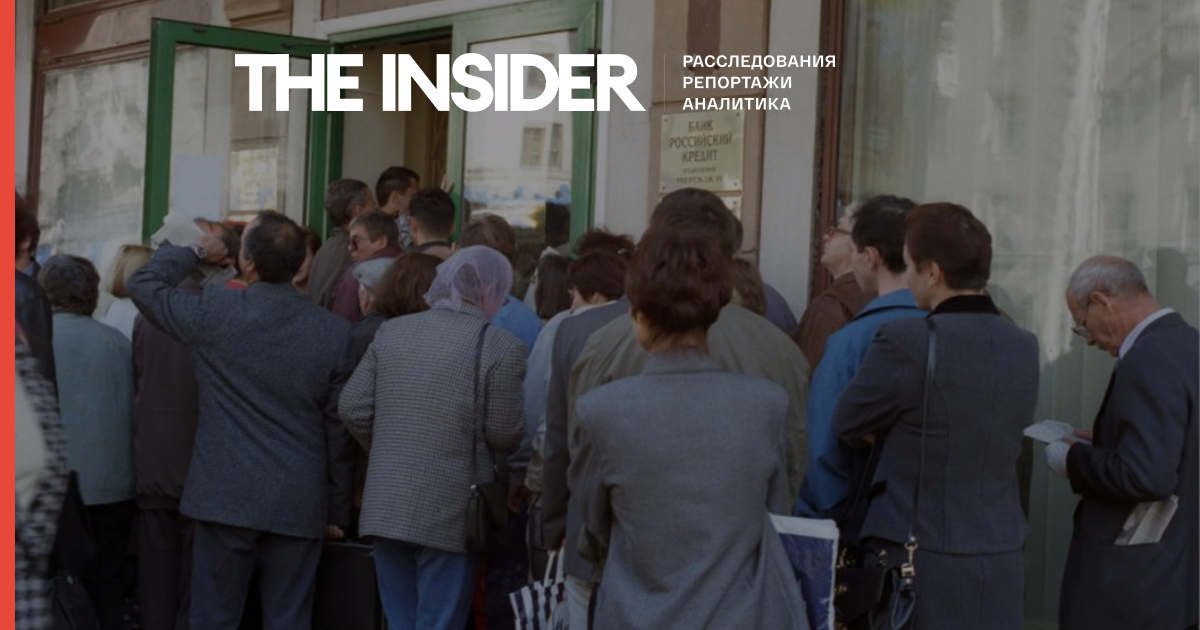
Despite the obligations to pay the debt in dollars, the Ministry of Finance will pay on March 16 rubles. The Ministry of Finance says that, since Russia was frozen currency reserves, he cannot pay in dollars. From the point of view of the relationship of the Ministry of Finance with its creditors, bond holders, this is a violation of the debt contract. This means default. And not technical, but real.
When they talk about the 1998 default, they usually mean the totality of the characteristics of the financial crisis: a huge devaluation, a surge in inflation, freezing deposits, closing stock markets - this has already happened in Russia after the start of the war with Ukraine. Today's default is only a small part of this crisis, which does not directly concern citizens.
Can default force the Central Bank and the Kremlin to sit at the negotiating table? No, this is not the most important problem. The Kremlin will sit down at the negotiating table when he understands that his money was over to pay soldiers, to purchase imported technologies and components for the production of new tanks and missiles to pay salaries to police officers who beat the protesters. To do this, most likely, the Kremlin will have to see the embargo of Europe, and maybe China, for oil and gas. America has already introduced an oil embargo, and it is possible that the embargo and other countries will be introduced. In this case, the Kremlin will have serious budget problems, and suddenly it turns out that there is not enough money for everyone, but this is not directly related to the default.
The default itself will lead to claims against Russia, possibly to confiscate foreign property. On the other hand, the most important foreign property, the reserves of the Central Bank, are already frozen.