
Translated material
Working question
The Russian labor market is waiting for a large transformation. To understand what path it can go, you can remember how this market has been regulated for the past one and a half years
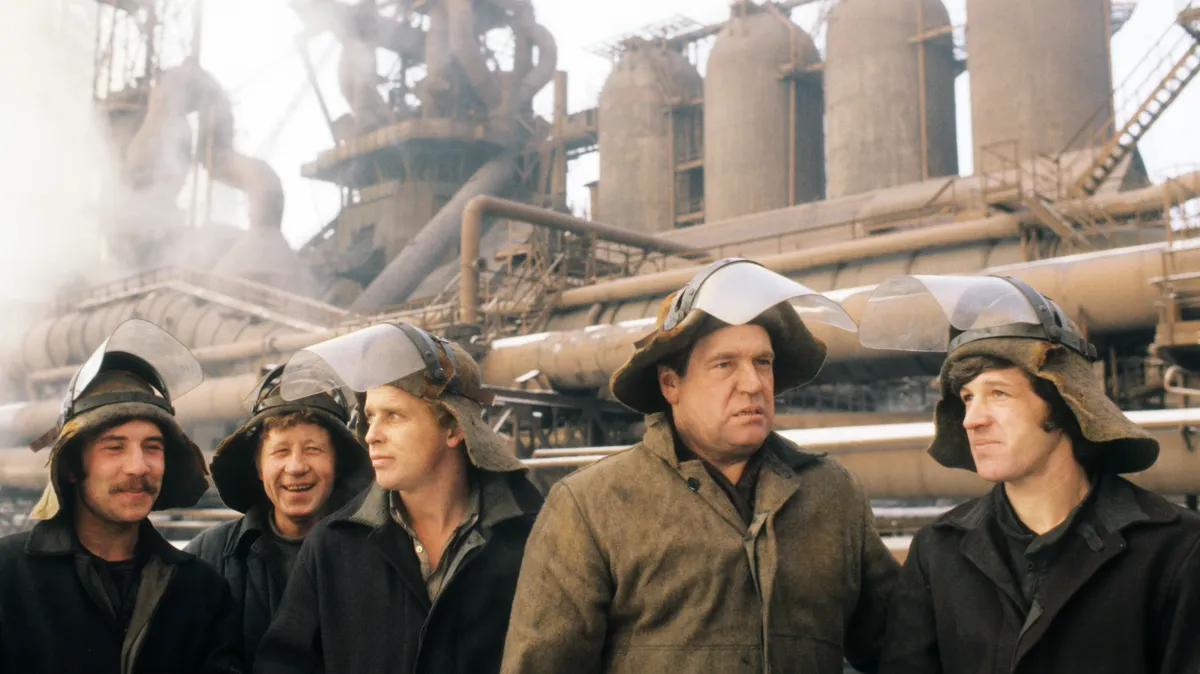
At the beginning of the journey
Stormy industrial growth of the second half of the XIX century. The new multimillion -dollar class of the population - industrial workers gave rise to. The working conditions in the factories were difficult, and the board - with rare exceptions - small; The isolation from the usual village life, poverty and disorder made workers of one of the most restless groups of the population. Crime in this environment was significant, and deaf dissatisfaction with the living conditions led to the fact that the propagandists of the revolutionary parties invariably found grateful listeners among workers.
Trying to soften the “working issue”, the Russian government copied the British and German social policy: it limited the use of children's labor, established supervision of working conditions in factories, reduced the working day, and also tried to create controlled working organizations. So, it was forbidden to hire children under 12 years of age in factories, and for children from 12 to 15 years old, a working day was limited by law for 8 hours. In addition, night and Sunday work was prohibited, as well as children's labor in harmful industries. Today, these rules rightly seem to us not too humane. However, in the XIX and at the beginning of the XX century. Children's work in industry was still quite widely used even in countries with developed working legislation like Germany .
For adolescents and adults, the working day since 1897 was limited to 11.5 hours on weekdays and 10 hours on Saturday and pre -holiday days. Sundays and holidays were non -working, which there were 17 during the year.
Industrial workers also did not have guaranteed leave.
It is easy to calculate that in industry the number of working hours a year was a huge figure - almost 3300. In fact, the actual working day was usually less than the most possible according to the law: for example, in 1913 it was approximately 10 hours.
Therefore, the real duration of work was comparable to Western indicators: 2800–2900 hours a year (in Europe an 8-hour working day will be introduced everywhere after the First World War). However, the working day was regulated only in industry, and only a small (about several percent) fraction of the entire able -bodied population worked in factories and plants. About 80% of the population was engaged in agriculture - both as independent owners (in modern language, individual entrepreneurs), and as hired workers. In addition to the peasants, the working day was unnecessary for small entrepreneurs - artisans, merchants, etc., and for many, as we said today, employees of the service sector.
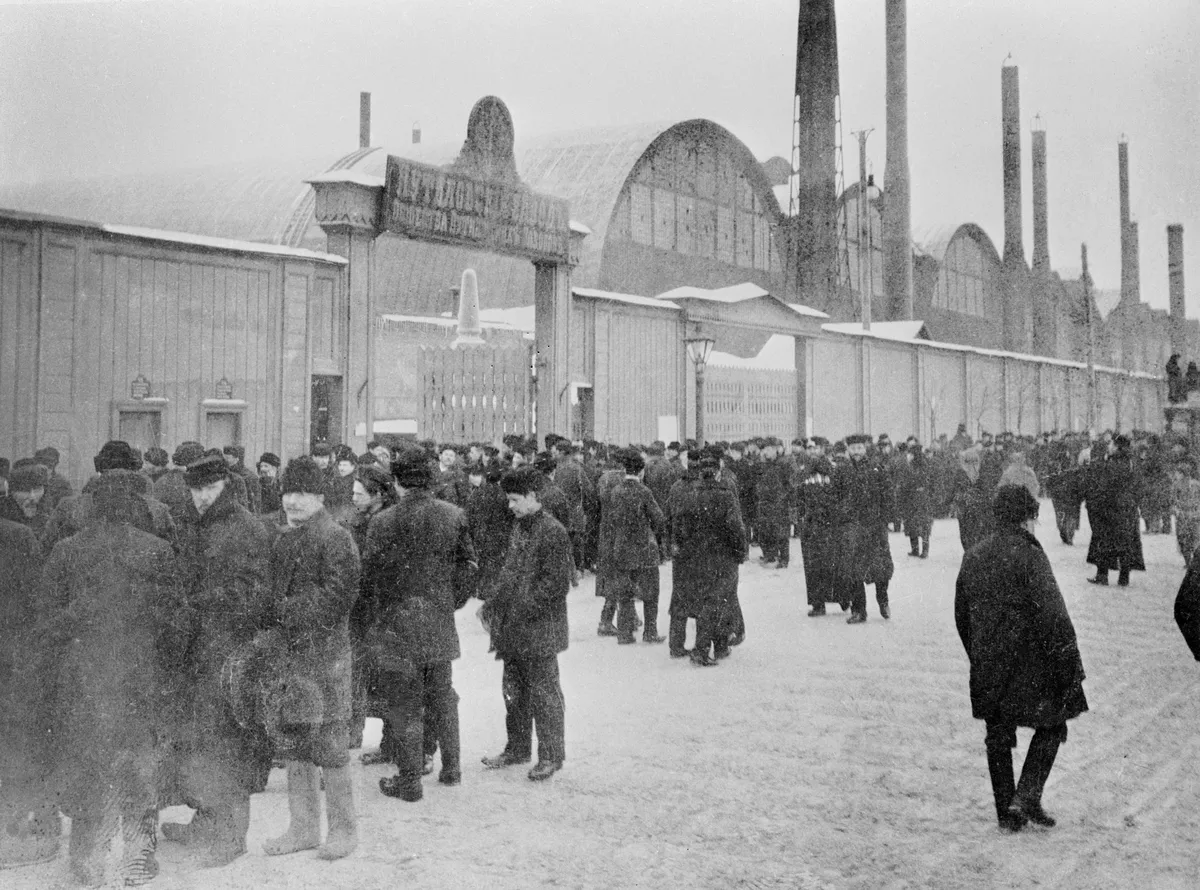
The factory inspection created in 1882 was supposed to allow labor disputes between manufacturers and workers. One of the most important areas of its activity was the regulation of fines, which the employer could previously appoint almost uncontrollably. Since 1886, the law recognized only three reasons for fines: for absenteeism, “for faulty work” and “for violation of order”, and the maximum possible size was provided for each fine. The fines themselves did not go to the manufacturer’s pocket, but to a special monetary fund (“penalty -up capital”), which could only be spent on workers' benefits. The factory inspection made sure that they do not pay with the goods with workers, and also regulates the assortment and prices in factory shops. In reality, however, control was very weak: the entire staff of the factory inspection in 1889 was 259 people, and each inspector accounted for no less than 80 enterprises.
Another important side of the reforms of the working legislation was the gradual emergence of social insurance. The 1903 law established uniform compensation norms for disability (except in cases where the “evil intent” or “gross negligence” of the victims was to blame). For a temporary loss of disability, the employer paid a permanent benefit in the amount of half the earnings until complete recovery (treatment was also assigned to the employer); With partial disability, a lifelong pension was assigned, depending on the severity of the injuries received; In case of disability - in the amount of two -thirds from the salary of the employee. The same pension relied on family members at the death of an employee. However, this law applied only to the factory and mining industry. In 1912, compulsory insurance for illness was introduced for all workers and employees, and hospital cash desks were established at the enterprises, replenished with joint contributions of workers and employers.
Undoubtedly, all these reforms were correct and necessary, but we should not forget that pre -revolutionary Russia was still at the beginning of the long journey.
Work legislation was primitive, but extremely flexible.
In the well -known economists, the legislator clearly gave preference to effectiveness. Indeed, the industry was the fastest growing sector of the pre -revolutionary economy. However, this had its own price: social insurance was poorly developed, and the workers were economically unprotected. So, until 1906, the authorities were not allowed to create independent trade unions at all, and after that he tried in every possible way to reduce their influence. As it turned out, the state made a big mistake: revolutionary parties enjoyed the dissatisfaction of workers. The restriction of legal ways of expressing dissatisfaction and resolving conflicts only increased radicalization.
The era of experiments
An eight-hour working day was one of the main requirements of European Social Democracy, not excluding Russian. It was proclaimed by the Decree of the Soviet Government of October 29 (November 11), 1917 (at the same time, the week remained 48-hour, Saturday did not have a weekend). And the Code of Labor Laws, introduced in 1918, proclaimed the right to monthly paid leave (though in 1922, vacation was reduced to two weeks). However, in reality, the proclamation of an eight -hour working day has changed little. The fact is that by the end of 1917 the Russian industry was already breathing in the incense, and the actual shift in factories lasted even less than eight hours. The question was at stake about a simple physical survival: in the next few years, millions of people left the cities, fleeing hunger, and rushed into the villages. Against the backdrop of the civil war and devastation, a new progressive working legislation managed to appreciate. In addition, the peasants were still the lion's share of the population, and new norms, of course, did not spread to them.
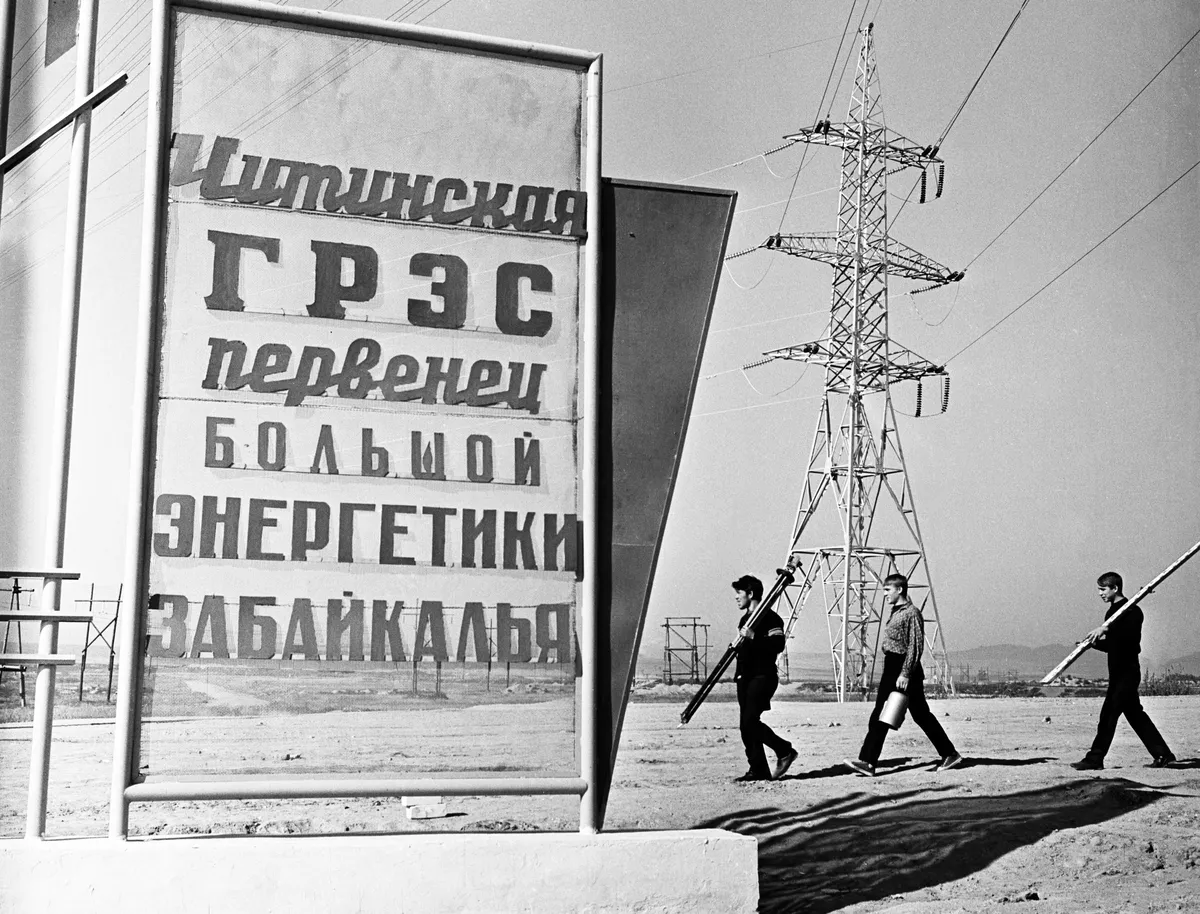
The 20th and 30s were the era of experiments, and labor legislation was no exception. For example, in the 20s, the grid of holidays familiar to the Orthodox population almost completely changed, many of which were religious. So, not only the well -known New Year (January 1), the Day of the International (May 1) and the Day of the Proletarian Revolution (November 7), but also such completely forgotten dates as January 22 (the anniversary of the bloody resurrection according to the new style), on March 12 (the anniversary of the overthrow of autocracy in a new style) and the day of the Paris Commune - Lenin considered the Kommunarov, the Kommunarov’s anniversary. predecessors of the Bolsheviks). These holidays did not last long, only until the end of the 30s. However, the authorities were forced to reckon with the fact that most of the people still remained a believer: the decision of the local authorities could be declared weekends and religious holidays - in law they bashfully called special days of rest.
The working week has undergone much more changes. With the beginning of industrialization, the country switched to a seven -hour working day, and the working week became five -day. Formally, there were more weekends (one in five days instead of one every seven earlier), but in practice the “five -day” brought a huge confusion. The fact is that all workers were divided into five groups, and each of them had the weekend on different days. Thus, for example,
The spouses who belonged to different groups could spend time with each other only after work or in one of the few state holidays.
It is not surprising that the “five -day” was extremely unpopular and was canceled only two years later. In 1931, it was replaced with a “six -day”, but the weekend was made fixed. This system lasted until 1940, after which the working week with one weekend (on Sunday) returned to the country.
Industrial workers in Soviet Russia were considered a hegemone class. Indeed, in the 1920s, their position, for example, with peasants, could be called enviable. However, during the years of industrialization, it began to rapidly deteriorate. Although the working day formally amounted to only seven hours, it was not the rarity of voluntarily compulsory overtime shifts. Compared to the 20th, the real salary has significantly decreased. He affected the workers and the hunger of the early 30s, although to a much lesser extent than collective farmers. In 1940, new misfortunes were added to this: the actual ban on changing work without the permission of the authorities and criminal punishments for walking. For unauthorized (i.e., without the permission of the director of the enterprise), departure from work by decree of June 26, 1940 was supposed to be from two to four months of prison. The punishment for absenteeism was softer: they sentenced to “forced labor work”, which were serving at the same place of work, but with a deduction of 25% of the salary for up to six months (which, of course, was added a criminal record). During the war years, new ones were added to these restrictions: the ban on unauthorized care from military enterprises, responsibility for evading mobilization for industrial construction, punishment for the non -employment of the mandatory minimum of workdays for collective farmers, etc. It is curious that the prohibition arbitrarily changed the place of work was preserved after the war and was canceled only in 1956. And in total, more than 18 million people were convicted of a variety of “labor” decrees during their actions.
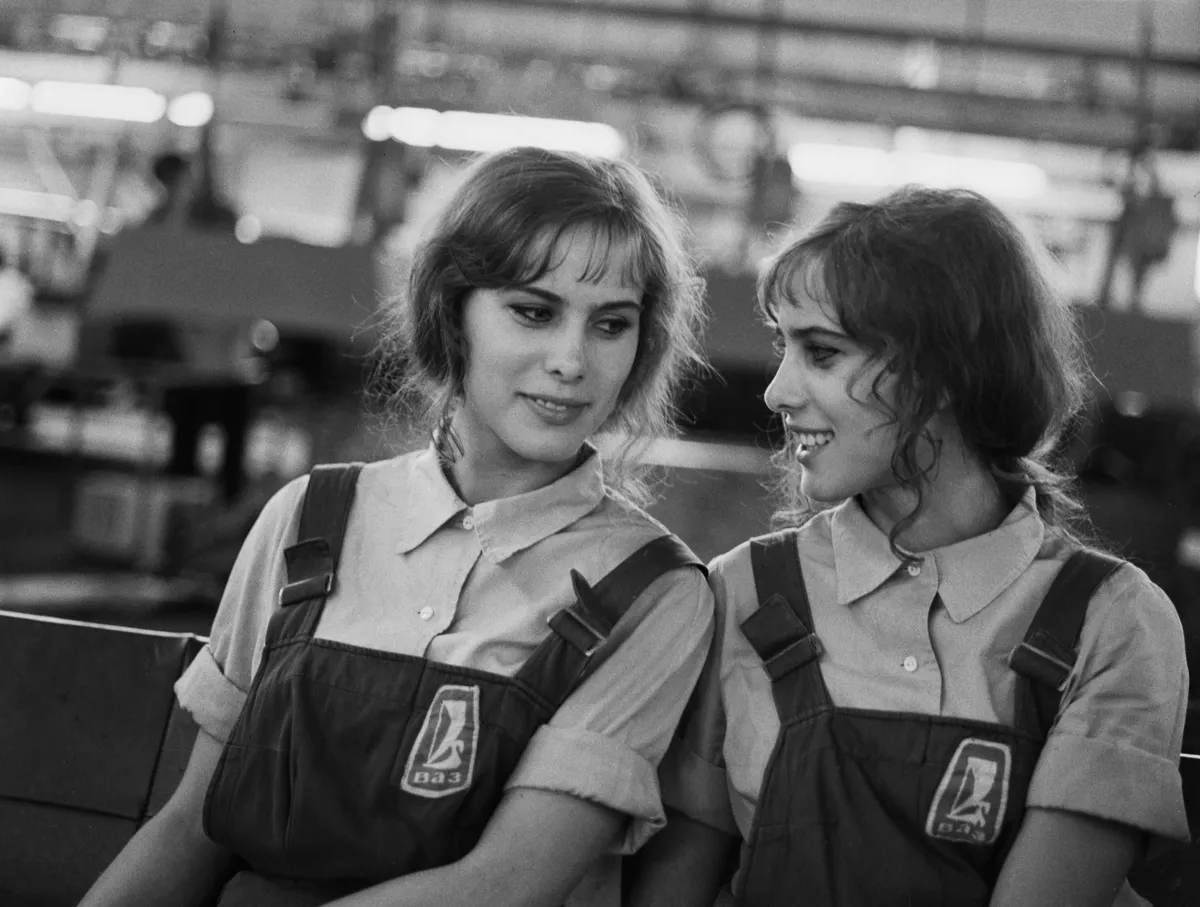
Soviet heritage
The period from the second half of the fifties to the second half of the seventies was a time of rapid growth of the Soviet economy. It was then that the main attributes of the social state appeared in the USSR: the pension system that covered all citizens, accessible and more or less free healthcare, the system of benefits and benefits, etc. Labor legislation has also changed. In 1967, the second day off was introduced - Saturday, and the working week decreased to 41 hours. And in 1971 a new Code of Labor Laws was adopted, which increased vacation to 15 business days.
Unlike the tsarist government, the Soviet government, at least after the death of Stalin, put justice higher than efficiency, and this clearly went to the last to the detriment. The Soviet Labor Code reliably defended the worker from dismissal - even absenteeism or drunkenness was often not a sufficient basis: the offended went to court, where he could not only win the case and recover at work, but also receive compensation for illegal dismissal. Another problem was “equalization” on wages: it was impossible to allow the difference in the board for the same work to differ too much. Of course, this went to the detriment of labor productivity.
The inflexibility of the late Soviet labor market was superimposed on the general problems of the planned economy and ultimately led to a slowdown in economic growth. After the crash of the Soviet system,
The paradoxical situation: on the one hand, the old labor laws continued to operate; On the other hand, no one even tried to observe them,
What the traditional weakness and dependence of trade unions contributed a lot. The labor market has become extremely flexible, and this helped the economy overcome the transformational decline in the 90s. However, one cannot argue that this process was extremely painful.
One of the main imperatives of Soviet politics-in no case should we allow mass unemployment-continued to act in the 90s.
Compared to the scale of the fall in the economy, unemployment has not grown as much as often happened during much less large -scale crises in Western countries. However, the reason for this was constant delays in salaries, a decrease in their variable part, i.e. Prizes, payments "in envelopes", etc.
Tomorrow in Russia
In the 2000s, the pendulum again swayed in the direction of justice: the modern Russian labor market is characterized by many low-paid and low-performance vacancies (often in the budget sphere), but the unemployment rate remains low-the state provides a kind of “basic revenue”. Today, many economists are convinced: the upcoming economic crisis is of a transformational nature, which means that the Russian government will have to find a new balance between justice and efficiency.
Most likely, the bet will be made on efficiency. The specifics of the Russian labor market lies in the fact that in the 1990s there was a low percentage of unemployment in our country: not registered, which depends on the size of manuals and design conditions, but real, calculated according to the methodology of the International Labor Organization. This indicator fluctuated in the range from 5 to 7%. The reason is that in the classical “capitalist countries” the employee will be more likely to be fired than reduced his salary, while in Russia a person will be held at work, but they will reduce the salary. Formally, all requirements will be observed, but in this case people will have nowhere to go, which means that the price of labor “as a whole” will decrease. In this case, enterprises will not be lost in profits, but in whose benefit this profit will be distributed - a big question.