
Translated material
Seven brave. Orthodox priests of Lithuania - against the war in Ukraine
In Lithuania, the priests of the Russian Orthodox Church were removed from their posts and sent for the state, who disagreed with the Patriarch of Moscow and All Rus' Kirill, who approved the Russian invasion of Ukraine. At first, Metropolitan Vilensky and Lithuanian Innocent supported his clergy, and then made the opposite application and appointed the bishop to the main administrative posts of the loyal to Moscow. Such a rapid change of position allowed many in Lithuania to affirm the pressure from Moscow and the possibility of the transition of part of the Lithuanian Orthodox to another jurisdiction.
In April, Metropolitan Innokenty brought out two clergymen - father of George (Singail) and Father Vitaly (Dauaparas) behind the staff. Also, Archpriest Vitaly (Motskus), who performed the duties of the chancellor, voiced the position of Archbishopiccia, communicated with the press, secular authorities, etc.
Lithuania is the least Russified from the Baltic countries. This is explained by the particularly stubborn resistance of the Sovietization, reaching until the beginning of the 1960s. As a result, the “capital of the Soviet Baltic states” made Riga, the Russian immigrants mastered the east of Latvia and the north-east of Estonia, and Lithuania, whose neighborhood with Russia was limited to the Kaliningrad region, and in the Soviet years lived by autonomous life and pride in past statehood. A small percentage of the Russian -speaking population unhinderedly received Lithuanian citizenship in the post -Soviet years, without threatening local identity. Orthodox, who are not the same as the Russians, also make up a clear minority in this Catholic country, not exceeding 10%. It is not surprising that the subordination of the local diocese of the Moscow Patriarchate did not bother anyone here until the end of February 2022. The war in Ukraine revealed a number of significant disagreements within the Orthodox community and discovered the toxicity of forced ties with Russia.
Many years of stability in the relations of the Orthodox priesthood and Lithuanian society, apparently, remained in the past. Interlocutor North. The realities are the father of George , or Gintaras Sungail , until recently - the cleric of the Cathedral of the Assumption of the Most Holy Mother of God (Vilnius), now - only the doctoral program of the University of Vitautas the Great (Kaunas).
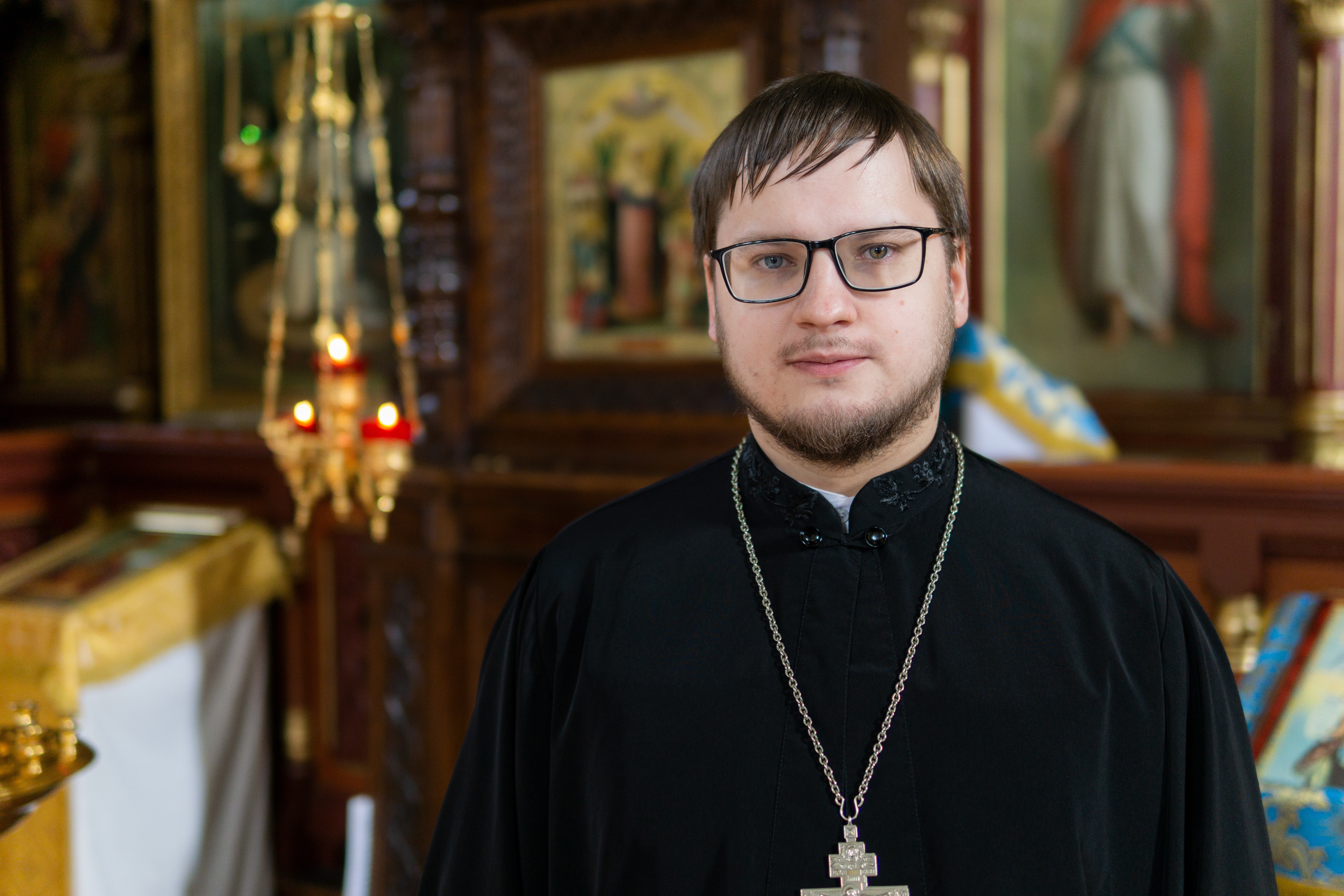
- [In mid -March], first, the priest Vitaly Dauparas, and then I wrote in social networks that we are against the so -called "special operation". Soon after, the pastoral meeting was held, where we and some other priests decided not to remember the worship of Patriarch Kirill as “the great master and our father”, as he supported the war. And so that we have such a right, we wrote petitions for the excretion of the state. At first, Metropolitan Innocent was set up for a compromise and allowed not to remember the patriarch in worship in Lithuanian, Ukrainian and Belarusian. Nevertheless, on April 15, our petitions were suddenly and without commentary signed.
At the same time, Archpriest Vitaly Motzkus, the deanery of the Vilnius diocese and the rector of the Prechistensky Council, who until recently held the position of secretary of the Diocesan Commission, did not write any petitions, but on the same day he lost almost all his posts. Moreover, he was forbidden to communicate with the media and keep a radio broadcast that has come out for many years. So the Lord said, but he cannot be disobeyed. Now the position of the Vilnius diocese is such that the dismissal of Fr. Vitaly from everywhere is just a coincidence. And he replaced him about. Ambrose, even before his appointment, rector of the Prechistensky Cathedral held the same position in another place. Now he works the rector in three parishes, and in different cities. Therefore, I do not know why about. Vitaly, who served 30 years, on the contrary, did not receive any parish, if this is not a punishment for an anti -war position, says Gintaras Sungail.
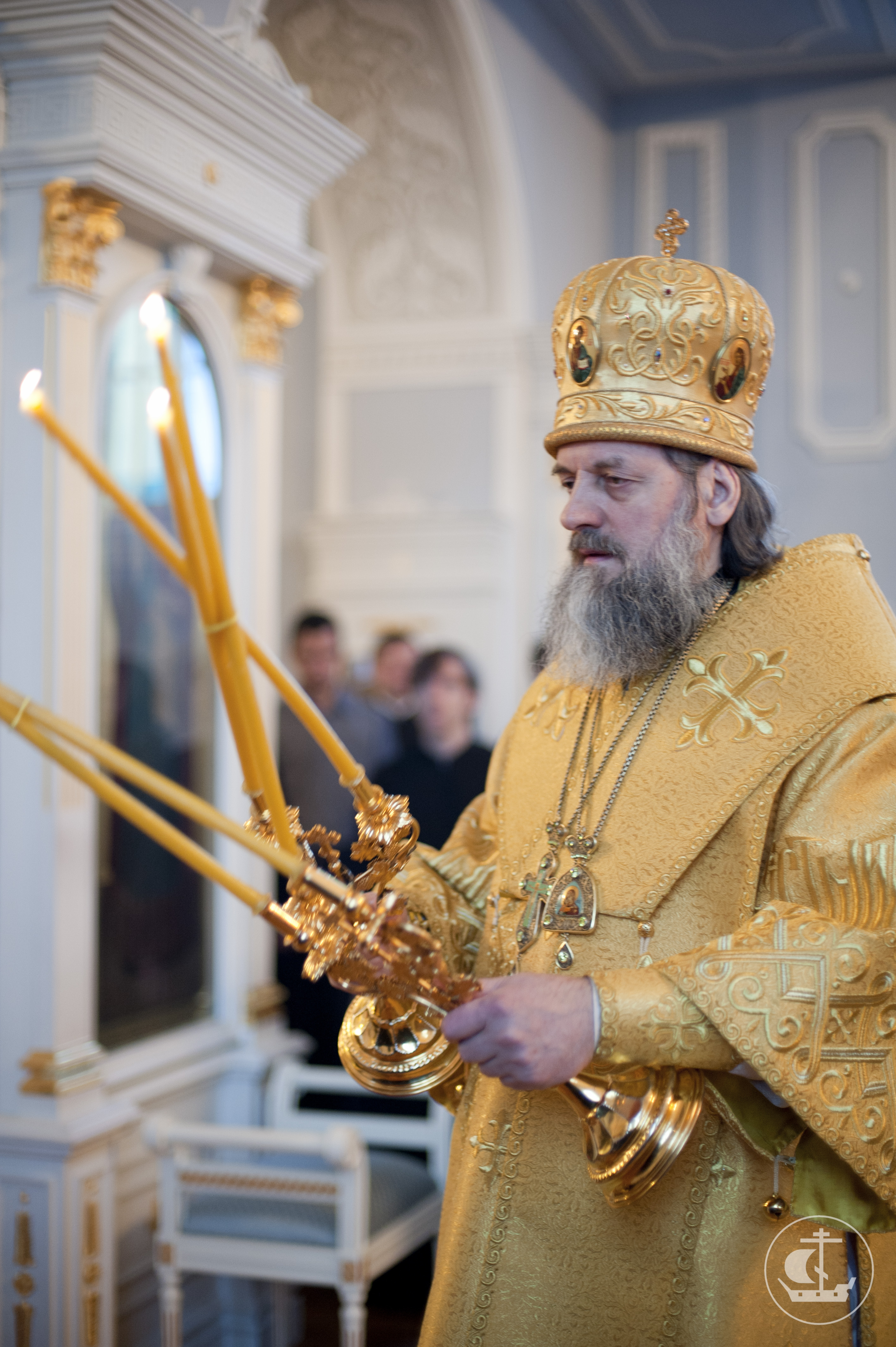
It is not known how many priests of Lithuanian Orthodox parishes support the line of the Moscow Patriarchate. Nobody conducted calculations. But the voice of protest at first was elevated by very few. The signal to a more active anti -war movement could be the appeal of Metropolitan of Vilnius and Lithuania about. Innocent, with whom he performed on March 17.
This appeal in particular said:
"The Orthodox people of Lithuania with pain in their hearts perceived the tragedy of the people of Ukraine. From the very beginning of military operations in all Orthodox churches, a prayer for the speedy end of the war was strengthened, to restore peace on Ukraine land.
The position of the Orthodox Church in Lithuania is unchanged - we decisively condemn the Russian war against Ukraine and pray God for its speedy termination. As you probably already managed to notice, we have different political views with Patriarch Kirill and the perception of current events. His political statements about the war in Ukraine are his personal opinion. We do not agree with this in Lithuania. "
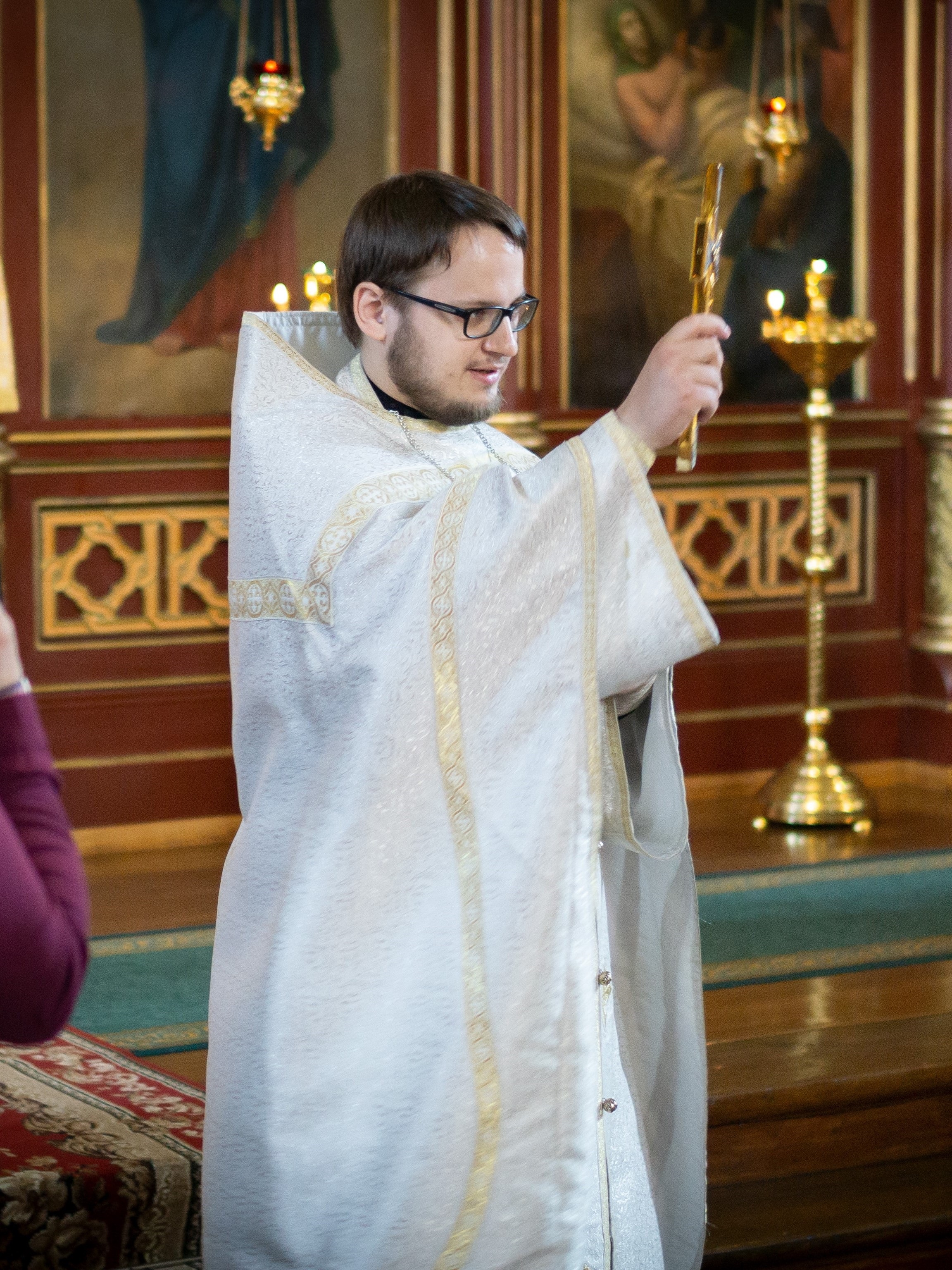
- The meaning of the March appeal of the Metropolitan was to show the anti -war position of the Orthodox Lithuania, as well as to push them to the shade of those who are in the Russian information space , ”continues Gintaras Sungail. - The support of Russian aggression is the immoral conviction that we still never know the truth. Just the matter of the spiritual shepherd is to fight such relativism, and we wanted to do this with the metropolitan together. Unfortunately, now I can only guess the reasons for the sharp change in moods of the Lord, but there is reason to think that the pressure from Moscow began.
Speaking about the change in the guidelines of Father Innocent, Gintaras Sungail has in mind the next statement of the Metropolitan, dated April 18. In it about. Innokenty directly writes about the "split", on whose path a group of clergymen who allegedly "longed for the transition to the Patriarchate of Constantinople had long taken up." According to the Vladyka, for him this is “deeply personal heart pain”, because in response to his “paternal” attitude to his subordinates, he received a “stab in the back”. Rhetoric, used in a fresh statement, is very recognizable. This is indicated by the theologian, until the recent past, an employee of the Secretariat of the Biblical-Bogoslovsk Commission of the Russian Orthodox Church, a teacher of spiritual and secular universities in Russia, now only a doctoral program of theology of the University of Tartu (Estonia) Andrei Shishkov .
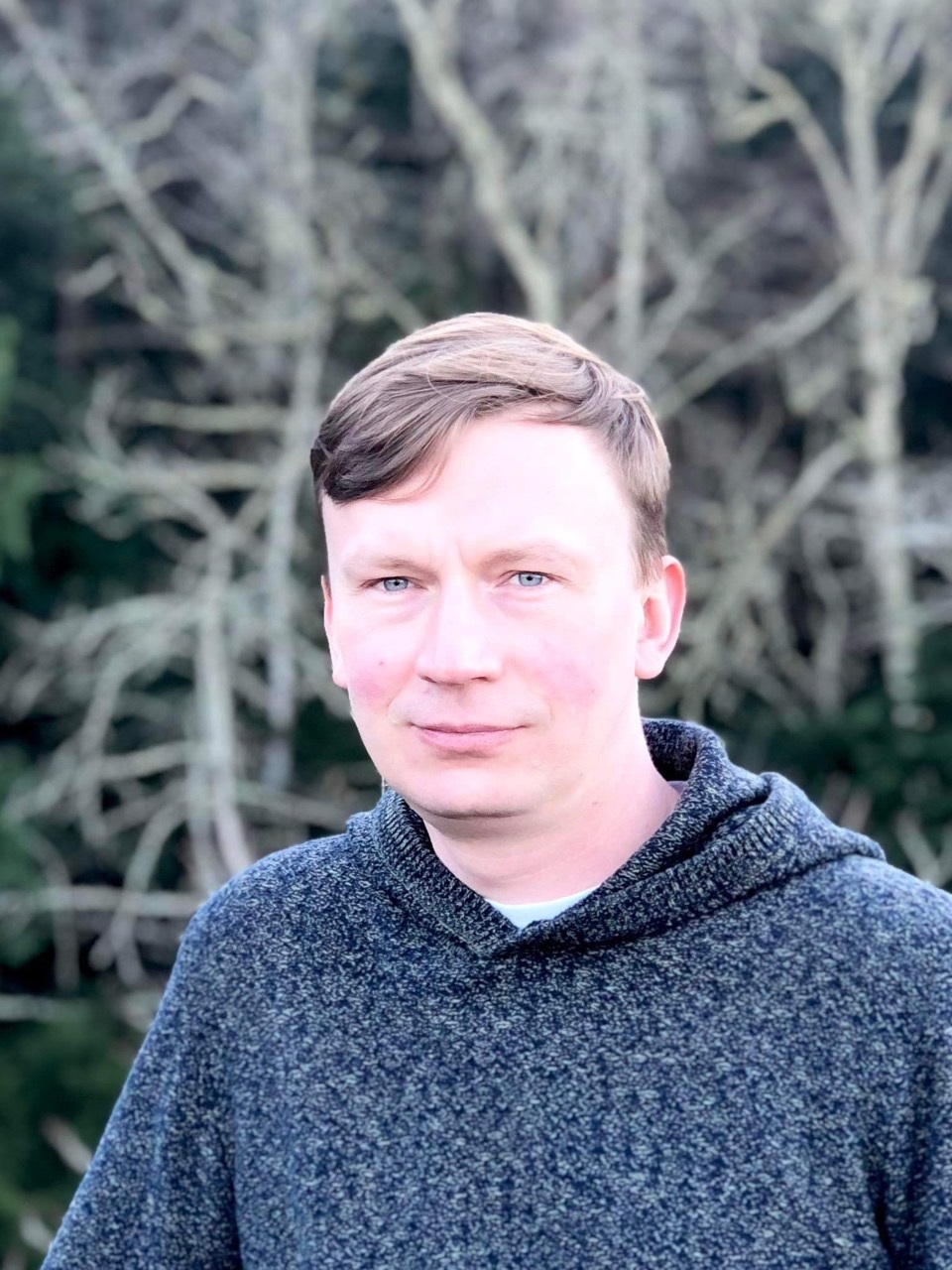
- Stylistically the new statement is sharply different from the previous one. This is probably due to the "change of the team" around the metropolitan. Earlier, Archpriest Vitaly Motzkus, who now left the post of secretary of the diocese, was responsible for the preparation of such texts. He remains on the state so far, but instead of him the rector of the Cathedral of the Cathedral has already become Bishop Amphrosi Trakaysky. He received his education in Lithuania, from 2001 to 2019 he lived in Russia, since 2005-in the brotherhood of the Trinity-Sergius Lavra. It is noteworthy that in 2016, Patriarch Kirill sent him to the Smolensk region as governor of the Vladimir Monastery, again opened at the source of the Dnieper. In these places, the Patriarch himself served as an archbishop since 1984. Obviously, he has a special attitude towards father Ambrose. A few months after his appearance in Lithuania, he already received the rank of bishop. Probably, it is he who will replace the archbishop of the Vilensky and Lithuanian father Innokenty, who will turn 75 this year, and he will apply to the charter to be released. So in the "Moscow style" of the new statement of the current metropolitan, the hand of his successor is felt, - says Andrei Shishkov.
Shishkov’s opinion is also shared by church journalist and publicist Sergei Chapnin , senior researcher at the Center for Orthodox Studies of Fordem University (New York).
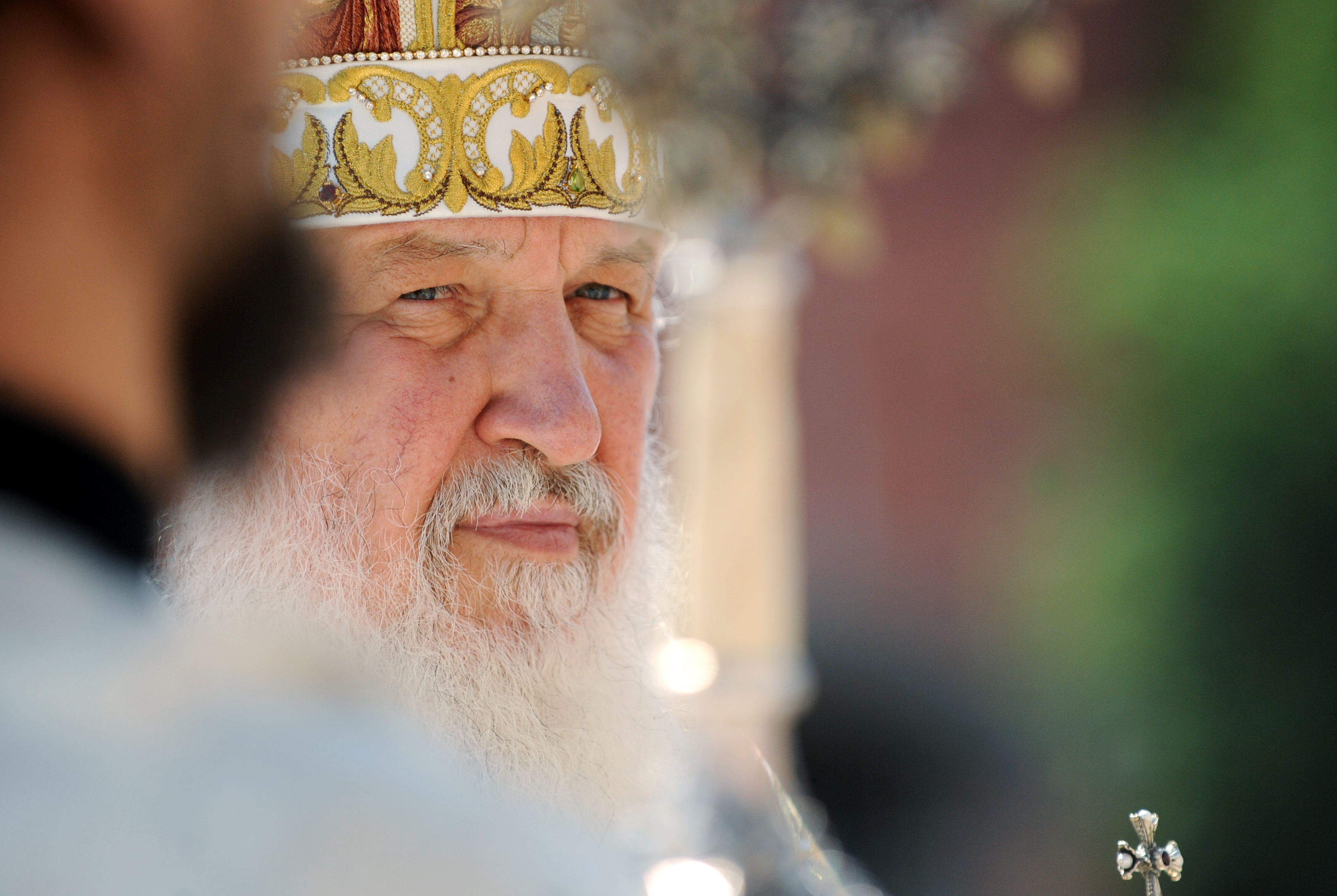
- The second statement of Metropolitan Innocent is written as if by a completely different person. If in the first statement he is firmly opposed to the war and is ready to directly declare his disagreements with Patriarch Kirill, then the second statement is difficult to name otherwise than surrender. Yes, in the beginning he confirms that he does not refuse his words, but then actually announces repressions against those priests who supported these words. I can assume that in Moscow they were fury of his statement. However, given that the diocese is in the European Union and direct support of the war can lead to its liquidation, the tactics of intimidation were chosen [clergy, openly expressed disagreement with Patriarch Cyril ]. If someone else from the clergy opens against the war and against the commemoration of the name of the Patriarch, his fate will be exactly the same. But no one assumed that bold priests would appear , who would show solidarity with those sent beyond the state and removed from their posts. Metropolitan Innocent actually provoked the emergence of the parishes of the Patriarchate of Constantinople in Lithuania. I suspect that they will appear in the near future, ” says Sergey Chapnin.
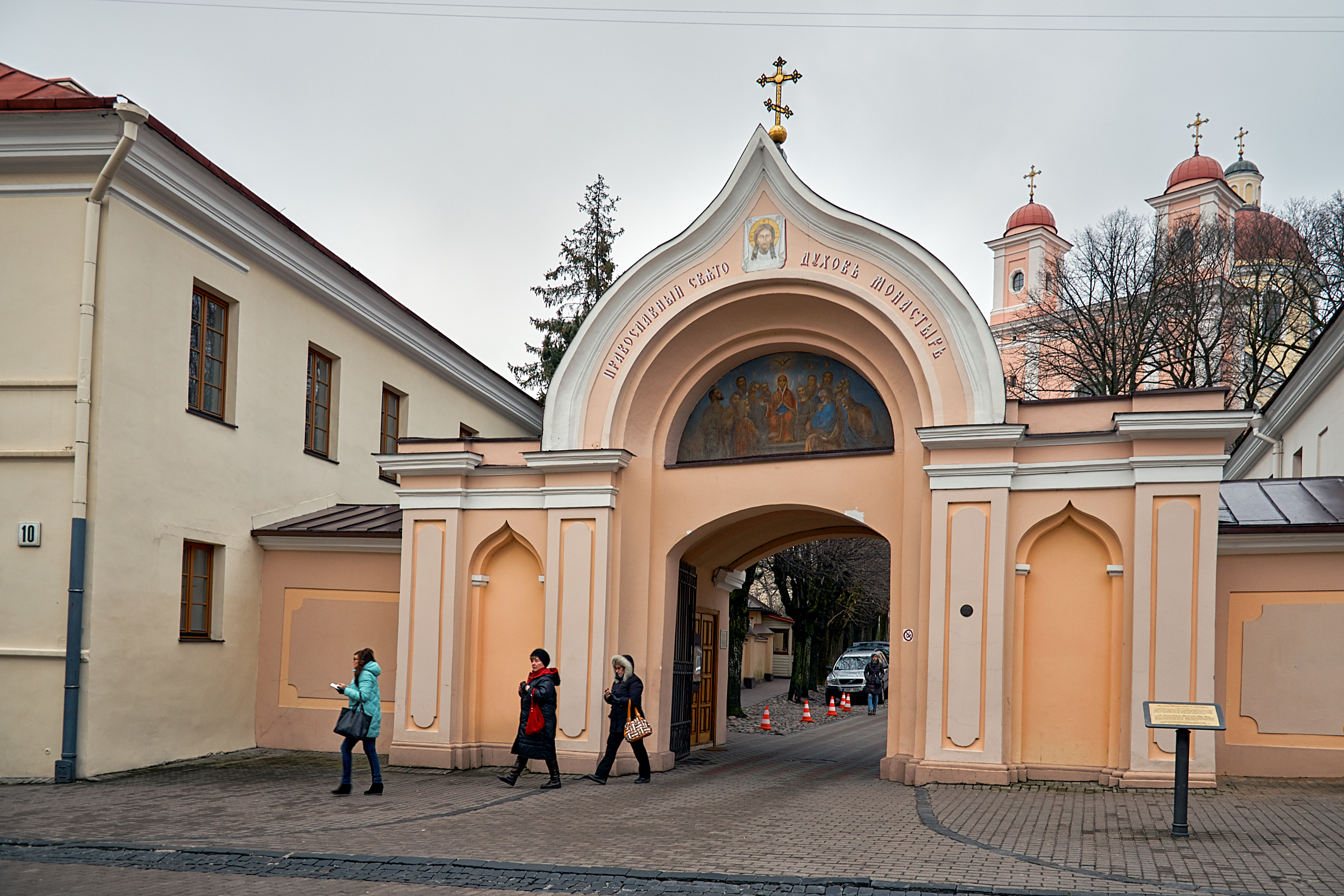
Speaking about the bold priests, Chapnin has in mind the father of Vladimir (Selyavko) and other representatives of the Orthodox clergy of Lithuania, who reported their voluntary exit by the state as a sign of solidarity with punished colleagues. Such a will scares the “Moscow office” of the Russian Orthodox Church, accustomed to exacerbation in the same manner that is characteristic of the secular leadership of Russia. Those who argue with the general line are declared a "schismatic", ready to "swear allegiance to Constantinople." At the same time, the collapse of the reputation of the Metropolitan in the eyes of the society, to which he turns, should take place with the hands of the Metropolitan himself. And the conflict between the anti -war position of the Baltic countries and is opened by the Militarian line of Moscow - should become the problem of those Orthodox that were in the "enemy" territories. These are they, and not Moscow should make their political choice, publicly recognizing with whom they are. If you want to stay with Moscow - be kind.
These processes of polarization and denial of halftones, irritable wings of any complexity last for more than one decade. But it is worth slightly changing optics and looking at the conflict in the global perspective - and the choice ceases to be non -alternative. O. George, as a Lithuanian by birth, made a conscious choice in favor of Orthodoxy, sees the root of the problem in the systematic identification of all Russian with the activities of the Russian state.
- A split is too strong a term to refer to a variety in which there is nothing wrong. In the end, Moscow is not the only center of world Orthodoxy. Many local churches openly condemned Russia's invasion of Ukraine. In March, the voices of Orthodox priests, both Lithuanians and Russians (including visitors) began to be heard in March, which is more impossible to support the Moscow Patriarchate. However, now the seven priests are either dismissed, or they themselves wrote a petition to be taken out of the state in connection with their anti -war position. There were those who, after my statements, considered that I support [Stepan] Bandera.
When I began to wear an icon with a Ukrainian flag in the form of a "heart", they began to blame me for supporting the Ukrainian Nazis, and also asking why NATO could bomb Yugoslavia, and now Russia should not bomb Ukraine. But we, as clergymen, are not worried about the political, but moral aspect. O. Vitaly Dauparas said that a refugee from Ukraine came to the temple to order a memorial service for his father. This man was killed because Russian soldiers needed to merge fuel from his car. And what about the person who needs such a service, "not talk" about its reasons? How to insist that the "church is outside of politics"? For me it would be too difficult obedience. In addition, our anti -war position only supports the usual confidence of the Lithuanian society towards the Orthodox Church, ”says Gintaras Sungail.
In the current situation, when the Baltic countries are so complicated in Russia in the countries of the Baltic States of the European Union, the local Orthodox Church is unlikely to simply abstract from the position of the patriarchy located in the capital of the aggressor country. On April 16, the mayor of Vilnius Remigius Shimashus expressed on his Facebook page to support priests bred behind the state. Including he was no longer asked by the rhetorical question whether it was time to revise the Moscow monopoly on the traditions of Lithuanian Orthodoxy, which in the era of the Grand Duchy of Lithuania was subordinated to the Kyiv Patriarchate.
How can not be taken into account the experience of Estonia, where the Constantinople diocese has been present since 1996 and where the presence of disagreement means only the possibility of choice. Whereas in Lithuania until recently there were no serious exacerbations and the spiritual monopoly of Moscow did not receive a political measurement. In his statement, Mr. Shimashus did not mention the events of 1991, when the Orthodox priests of Lithuania supported independence. Among them was, for example, the current Metropolitan of Volokolamsk and Vicar Patriarch, bishop Ilarion (Alfeev), who served as the rector of the cathedral in Kaunas and called for Soviet soldiers to prevent bloodshed. Who remembers the restoration of independence in Lithuania, remembers the support of the Orthodox clergy. In the current conditions, the “hand of Moscow” is not a propaganda stamp, but a neutral definition of influence due to which the still active metropolitan should change his position to the opposite for a month.