
Translated material
Turkish human rights activist Osman Caval sentenced to life imprisonment
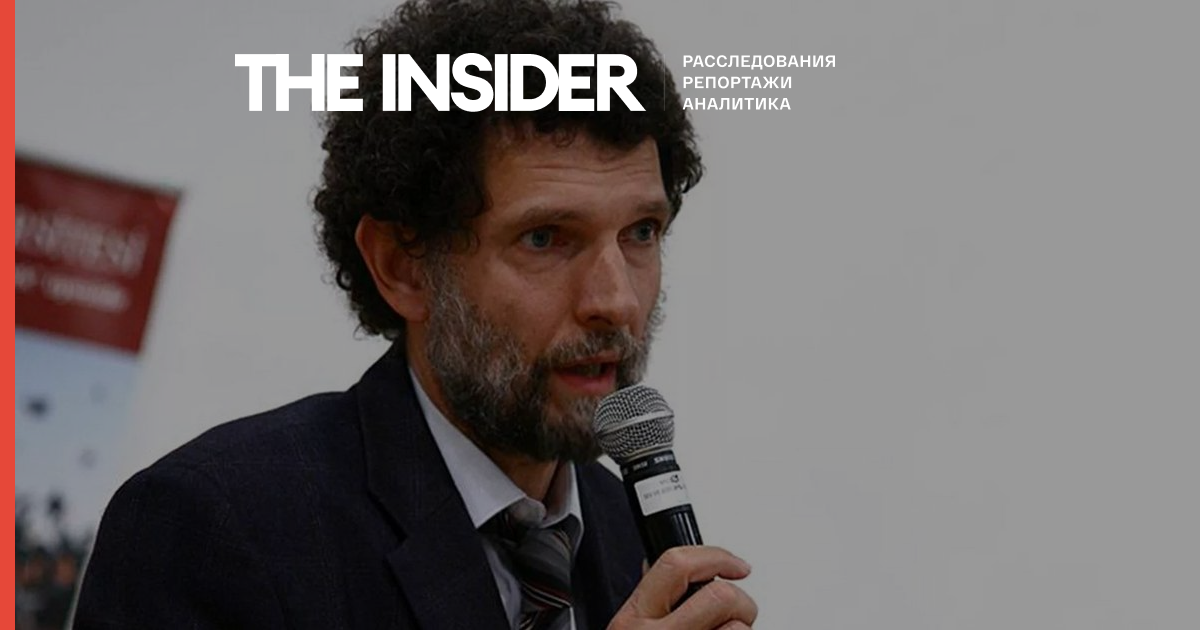
The court in Istanbul sentenced the 64-year-old philanthropist and human rights activist Osman Cavala, accused of trying to “overthrow the government” during mass protests of 2013. He was appointed a life sentence, reports NTV. The accusation of espionage from the cavalry was removed due to lack of evidence.
Seven more people (Muchella Yapichi, Chigdem Mater, Hakan Altynay, Mine Lake, Jan Atalay, Typhoon Kamraman and Yigit Ali Exmekchi) were accused of aiding Caval and received 18 years in prison.
In Amnesty International was called absurd. “Today we have witnessed a parody of justice of the most impressive scale. This sentence strikes a crushing blow not only to Osman Kavale, other accused and their families, but also to everyone who believes in justice and human rights activities in Turkey and abroad, ”said Nils Muzhnieks, director of Amnesty International in Europe.
According to him, the prosecution authorities could not present evidence of the version of the prosecution.
Mujniex emphasized that Osman Kaval was detained for more than 4.5 years "for his activities in the development of civil society."
In February, the Committee of Ministers of the Council of Europe, which is monitoring the implementation of the decisions of the European Court of Human Rights, brought Turkey accountable for refusing the Government to fulfill the Decree of the ECHR of 2019 and release Osman Cavalu. Türkiye is the second country in respect of which a sanctions procedure was applied in connection with a violation of the obligation to carry out the resolutions of the ECHR.
Turkish President Recep Erdogan once called Caval “Turkish Soros”, implying in the dismissive sense that he, like American billionaire George Soros, supports civil society institutions. The fund, founded by Kavala in 2002, finances Kurdish cultural projects, supports Syrian refugees, writes SueDdeutsche Zeitung.
In the fall of 2013, in Turkey, there were the most massive protests against the regimen of Recep Erdogan. Members of the New Party "Gezi", named after the Istanbul Park of the same name, took part in the protests. The decision of the authorities to demolish the park caused the first wave of indignation.
The Gezi party was registered in Ankara by a group of Turkish intellectuals and artists with liberal views. Party members expected to succeed in parliamentary elections and conduct democratic reforms.