
Translated material
The Western militarization, a boom of green energy and problems with microcircuits: what will the war in Ukraine turn out to the world on the forecasts of analysts

The Western militarization, a boom of green energy and problems with microcircuits: what will the war in Ukraine turn out to the world on the forecasts of analysts
Vyacheslav Epurian
May 5, 2022 The war of Russia and Ukraine, apparently, brought a line under the world order that existed for recent decades. It is already obvious that large -scale changes are waiting for us - from accelerated energy transition in Europe and the new “Arab spring” to “silicon nationalism” and the heyday of private space companies. The Insider has collected forecasts about what will now be with the world. Video version .
Content
Impoverishment and new "Arab Spring"
Accelerated transition to green energy in Europe
Western militarization
Microcircuits market
Time of private space companies
Impoverishment and new "Arab Spring"
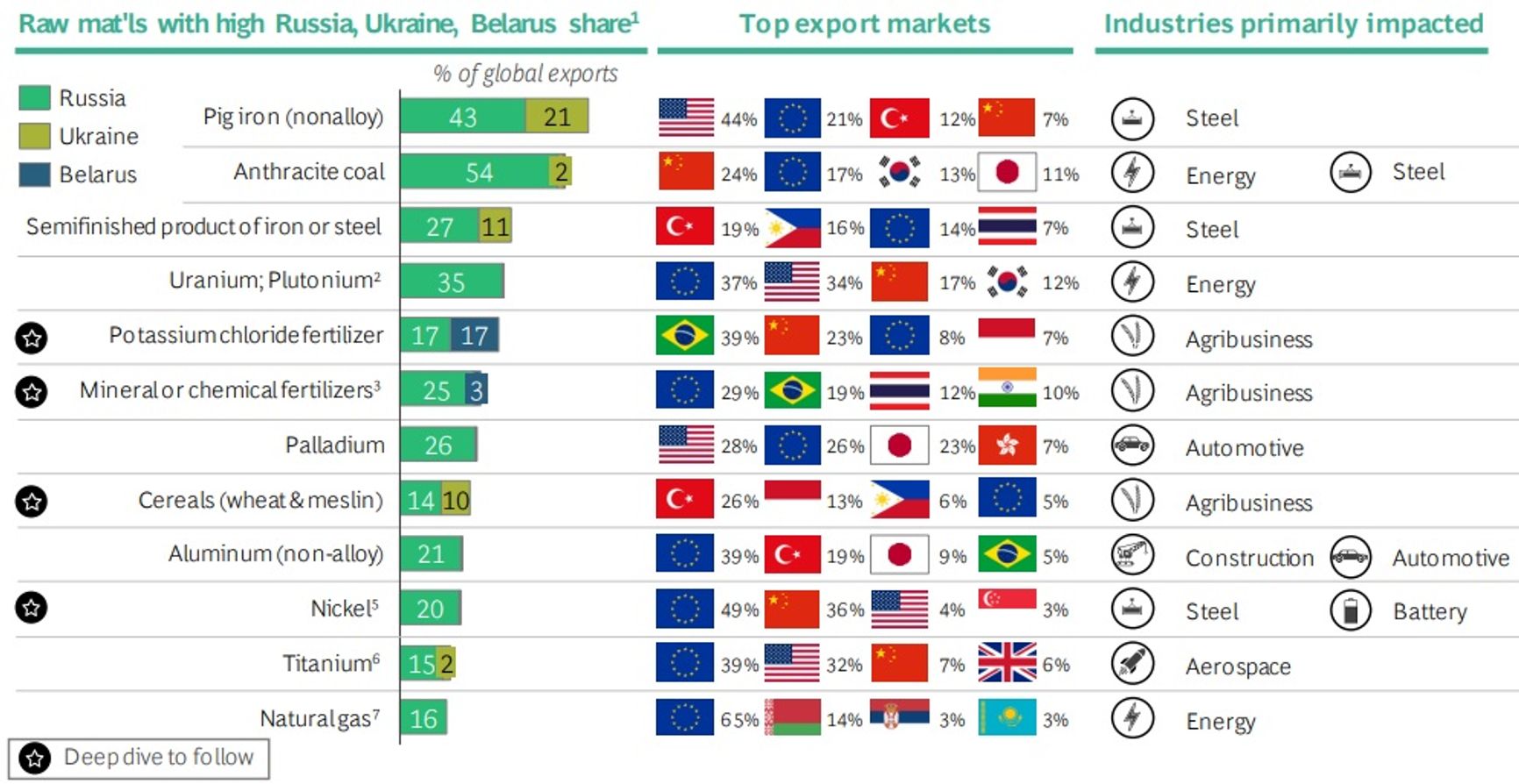
Military operations in Ukraine violated trade flows from the entire region of the Black Sea region, and the supply of agricultural rawies and products of the agro-industrial complex was especially affected . Together there are more than half of the volume of sunflower oil, about a quarter of wheat and barley and one fifth corn on the global market and one fifth corn. In addition, Russia (along with Belarus) is a large exporter of fertilizers and foam grain . Russia will not be able to export grain due to sanctions, Ukraine because of the war, all this is superimposed on crop failure in India due to abnormal heat.
Grain prices, agro -industrial and raw materials have already reached levels that promise social shocks and political instability like the new “Arab spring” in the most vulnerable developing countries, depending on food imports (primarily in Africa and the Middle East).
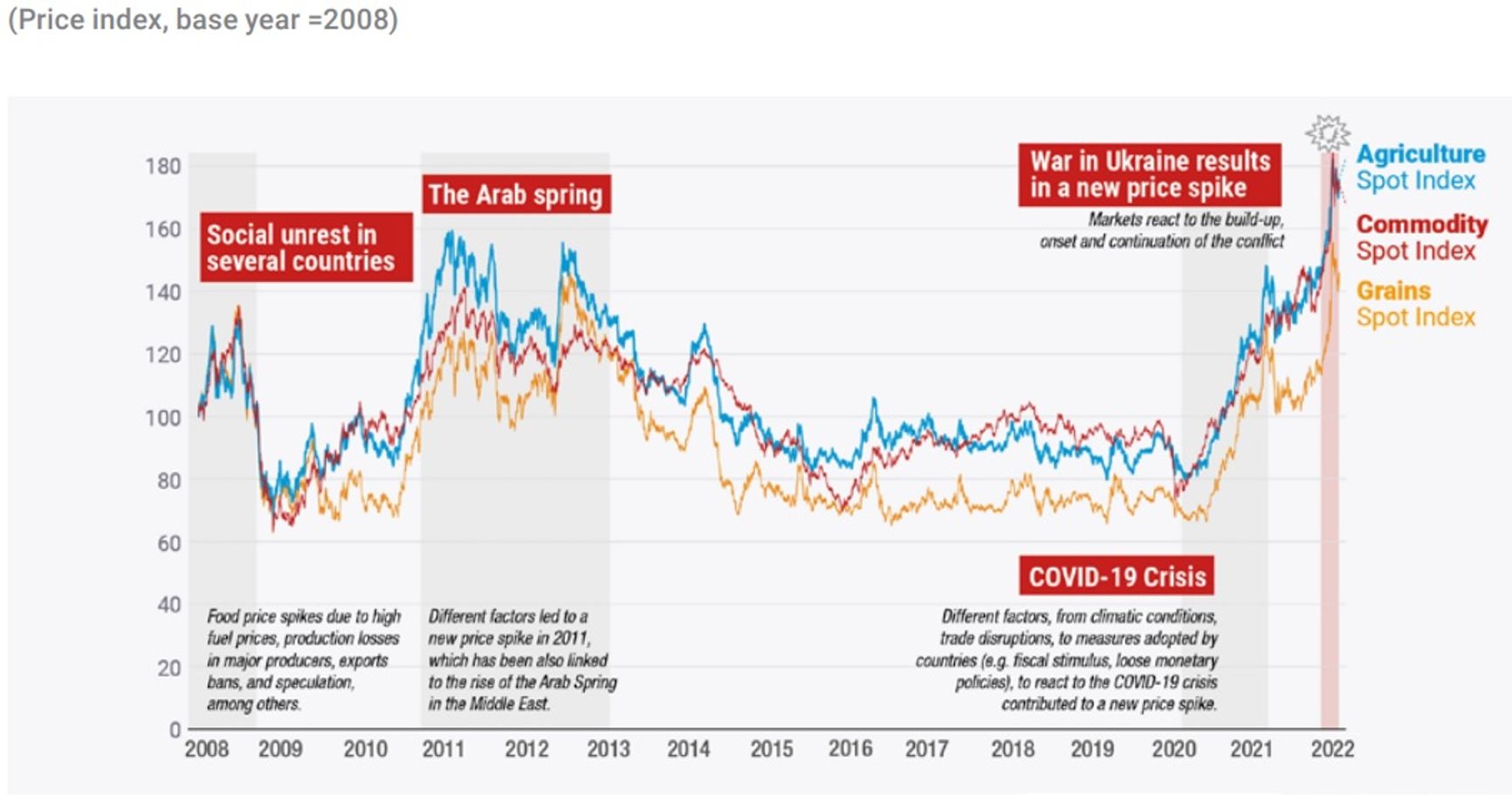
The economic situation worsens not only due to the rise in the cost of grain. According to the UN, the Russian-Ukrainian war threatens an increase in prices for all food and energy resources and a general deterioration in the financial situation around the world. In the worst case, the “cascading effect” is likely with the application and mutual strengthening of each of these processes, first of all, in the least economically prosperous countries, already very much injured due to coronavirus pandemia. As a result, 1.7 billion people from 107 countries will collide with the threat of deterioration in the quality of life, malnutrition and impoverishment.
The organization of economic cooperation and development (OECD) believe that the armed conflict is more than 1 pp. will reduce world economic growth by 2.5 percentage points. will increase consumer inflation. The World Bank reduced the forecast of global GDP growth in 2022 from 4.1% to 3.2%, the International Monetary Fund - from 4.4% to 3.6% . Since the fighting is far from the end, and more and more votes in the western capitals are distributed in favor of a full -fledged embargo on Russian oil and gas (some categories of raw materials exports have already been imposed), a world recession (falling economy) is not excluded. With the worst version of the development of events, we will see stagflation as in the 1970s, when low or even negative growth rates were combined with high inflation.
Accelerated transition to green energy in Europe
Immediately after the invasion of Russian troops in Ukraine in Europe, they thought about dependence on Russian energy carriers. Russia provides about 45% of European gas and coal imports, as well as 25% of oil imports. The European Commission decided to abandon Russian deliveries much faster than the previously scheduled 2030 (according to preliminary data , in 2027) and announced an urgent program for diversification of gas procurement, the development of renewable electricity and increasing the efficiency of the energy sector.
The Roland Berger consulting company calls the decisions made by a catalyst for fundamental changes that should allow Europe in the medium -term perspective to go to mainly green energy. According to the calculations of Wärtsilä, the share of renewable sources in the final consumption of Europeans can grow from 33% in 2021 to 50-60% in 2030.
For Russia, an accelerated energy transition in the key market does not promise anything good. According to Daniel Ergin, the author of the famous book “Premium: World history of the struggle for oil, money and power”, Russia's days as “energy superpowers” are coming to an end. The Kremlin used the energy for too long as an instrument of foreign policy, and now it reaps the fruits: no one in the West wants to depend on oil and gas of Russian origin.
Read more about accelerating the transition to green energy in the material “Want to harm Putin - save energy!” The Western refusal of Russian fuel brings the green future .
Western militarization
The Russian attack on Ukraine has become the first major interstate military conflict in Europe since 1945. Geopolitical risks have reached the highest level over the past 20 years. If Vladimir Putin really tried in this way to ensure Russia's security from external threats, then as a result he achieved exactly the opposite.
In the summer, NATO will almost certainly be replenished with two new members - Sweden and Finland. Both countries remained neutral during the Cold War, but revised the attitude to membership in the alliance due to Russian aggression. As a result, the balance of power in the Baltic Sea region does not change in favor of Moscow.
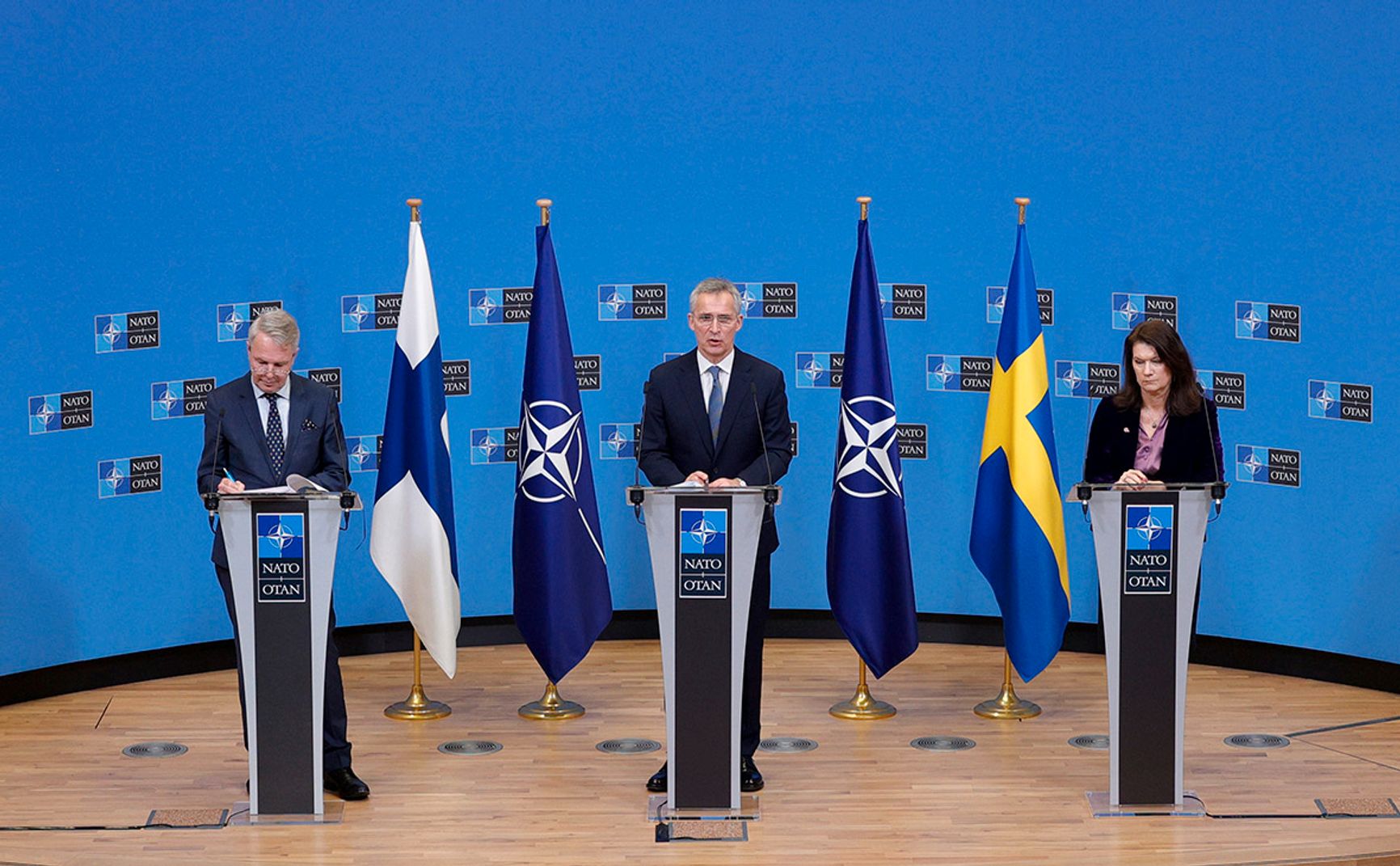
The role of NATO as the main guarantee of the military-political deterrent of Russia will inevitably grow , as well as the military expenses of the participants that are included in the association. For many years they saved on defense costs, allocating 2% of GDP for these purposes less recommended. With the beginning of the Ukrainian conflict, several countries at once announced plans to bring this indicator even higher than the target mark. In Germany alone, they are going to additionally allocate € 100 billion for the modernization of the Armed Forces, which is one and a half times more than the total well -known military expenses of Russia for the year.
The growth of the military threat is reflected in cyberspace. Digital security calls are rarely discussed in the context of the armed conflict in Ukraine, however, according to the KPMG consulting company, business and state structures in the future will have to respond to much more complex and frequent cyberosis. Boston Consulting Group analysts draw attention to the fact that Russia's capabilities in the field of hostile cyberism aimed at physical and digital infrastructure are significantly superior to economic, military and diplomatic levers of influence. Hence the high probability of the Kremlin of Kiberata with the aim of causing damage and influence the actions of the allies of Ukraine.
Microcircuits market
Before the war with Russia, Ukrainian companies delivered about 50% of the neon necessary for high -precision laser plants that produce microchips to the world market. Producers of semiconductors in the United States received 90% of neon from Ukraine.
The capacities of the largest Ukrainian manufacturer Neon, Inhaz, were located in Mariupol, now almost erased with the people of the Earth by Russian troops and the armed formations of the DPR and the LPR.
The lack of neon threatens to aggravate the global crisis for the production of microcircuits that arose due to the pandemic of coronavirus. The UBS Bank predicts the heyday of Silicon Nationalism - the rejection of many years of outsourcing of raw materials and technologies when releasing the semiconductor indispensable for high -tech industries.
Time of private space companies
The world forms an attitude to the war in Ukraine with the help of private space companies. Satellite pictures reveal the scale of the war crimes committed, video from the war zone is loaded on social networks via Starlink Internet Terminal , shocking photos from the destroyed Mariupol appeared thanks to satellite communications .
After the start of the conflict, the US government doubled the purchases of Ukrainian territory pictures from companies like Maxar, Blacksky and Planet, operating commercial groups of satellites in low -earth orbit. The impressive possibilities of geospatial intelligence in the context of tracking the actions of Russian troops promise a high demand for such services in the future from state structures and business.
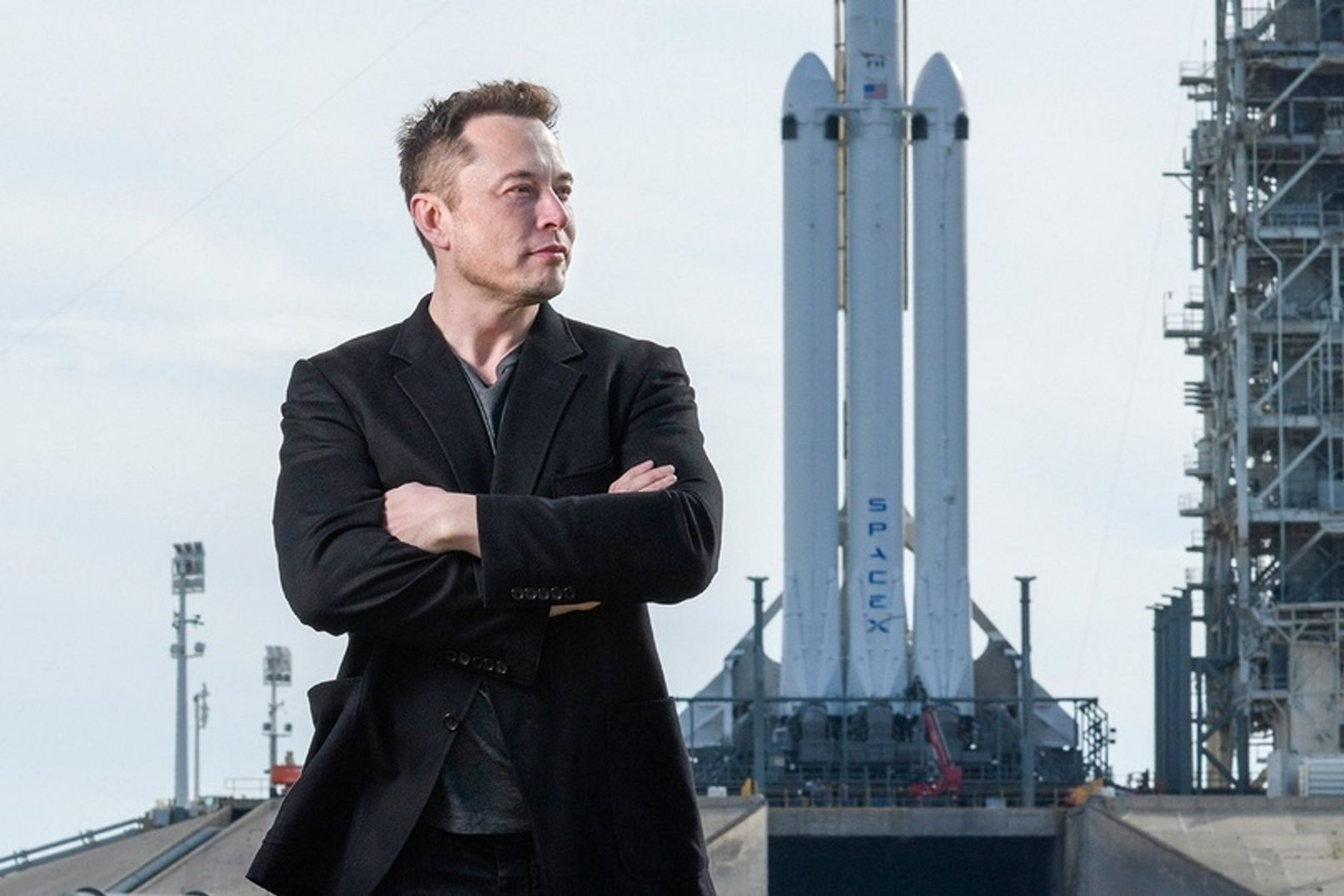
American officials compare the widespread use of commercial satellites with an increase in mass industrial production during the Second World War or the use of GPS technologies during the Gulf of Persian. After the wars ended, innovations tested in them became an integral part of ordinary life.