
Translated material
Nabiullina announced the collapse of the ruble
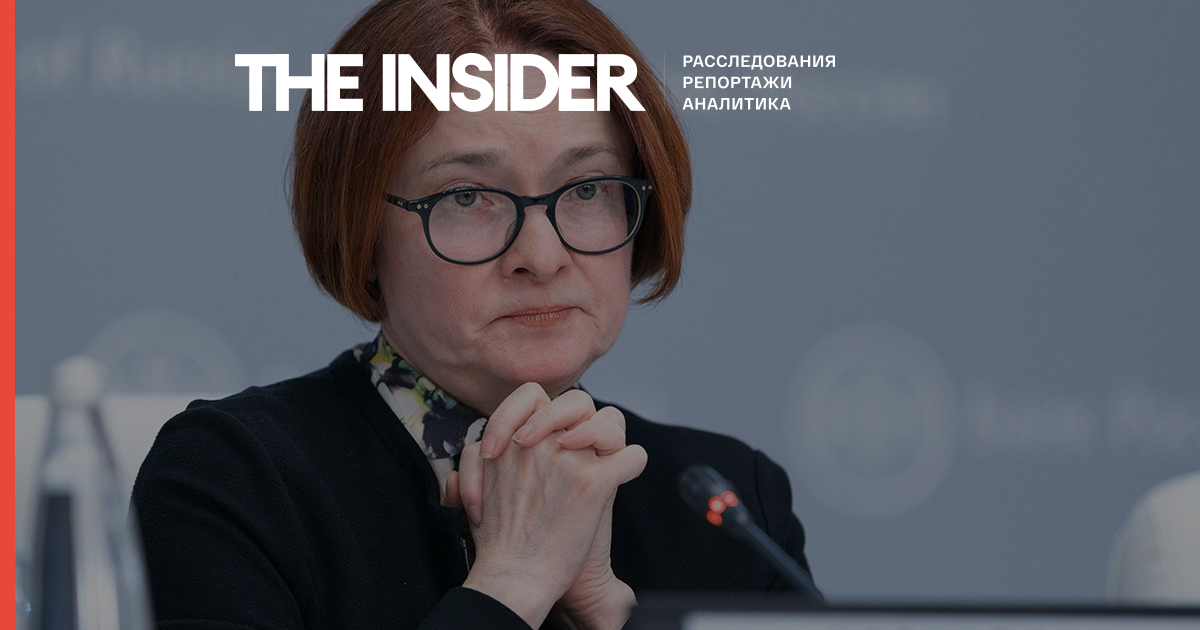
The head of the Bank of Russia Elvira Nabiullina announced the abolition of foreign exchange restrictions in Russia, which should lead to a sharp weakening of the ruble exchange rate. The speed of canceling the restrictions introduced after the start of the war with Ukraine, she linked with the stabilization of the financial system. The words of the head of the Central Bank are given by Interfax.
“As the financial system stabilizes, these restrictions are gradually weakened. My opinion is that they must be removed, most of them are in any case, ”said the head of the Central Bank during the St. Petersburg International Economic Forum (PMEF).
Nabiullina noted that in connection with the sanctions and freezing of Russian reserves, the regulator remained extremely limited functionality of foreign exchange regulation, for this reason the Central Bank had to introduce hard currency restrictions. She explained that the freezing of reserves actually deprived the regulator of the opportunity to respond to a sharp outflow of capital using foreign exchange interventions, so it was decided to ban non -residents to sell assets and withdraw funds abroad.
Nabiullina also hastened to calm the citizens, assuring that foreign exchange deposits, like walking foreign currency, would not be prohibited. The dollar, the euro and other currencies, according to the head of the Central Bank, will not ban, no one will confiscate currency deposits.
Tough currency restrictions that were introduced by the regulator after freezing the reserves of the Central Bank led to a sharp strengthening of the ruble: the dollar from the peak in the region of 120 rubles reduced twice as a level of 56 rubles. An excessively strong ruble exchange rate became a real problem for the Russian economy, since the Russian budget turned up under the average annual rate in the region of 72 rubles per dollar. A strong ruble deprives Russia of income, analysts estimate the optimal dollar exchange rate in the range of 65–75 rubles.