
Translated material
Gogol Center is no more
Which theater did we lose and why?
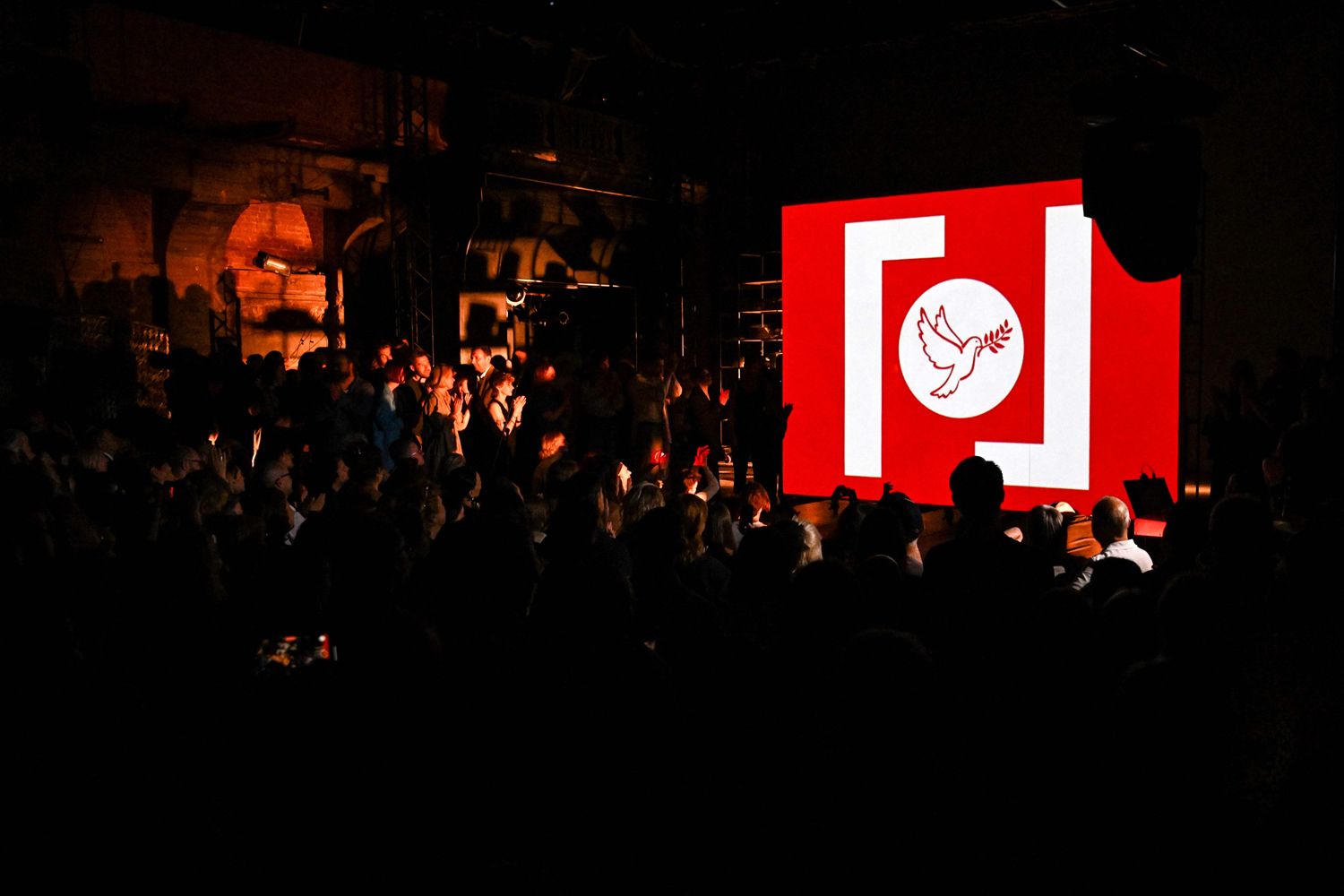
On June 29, the metropolitan department of culture fired the leaders of three theaters. Among them were the leaders of the Gogol Center-Aleksey Agranovich artist and director Alexei Kabyshev. Both are the associates of the director Kirill Serebrennikov, the founder of the site. After nine years of successful work, the theater will be replaced not only by the leadership, but also by the name: now it will again be the Gogol Theater. He will be headed by Anton Yakovlev and Alexander Bocharnikov, who have nothing to do with the team. At the request of Medusa, the theater critic Anton Khitrov tells what the Gogol Center was for his spectators and what is his closure means.
Having destroyed the protest theater, the state sent an uncompromising signal to all dissenters: your needs mean nothing more, they will no longer endure you, there is no place for you in Russia. The spectators of the Gogol Center annoyed the regime no less than his team-annoyed with longing for the future, which the site tried to satisfy as best.
No matter how incredibly it sounds today, the Gogol Center arose not only with the permission of the authorities, but on its initiative. At the beginning of the last decade, Sergey Kapkov, an advanced official of the era Dmitry Medvedev, who heard the townspeople who wanted to live in a new way in Moscow. Together with his deputy, Evgenia Shersmeneva Kapkov launched a theatrical reform. The Gogol Center has become one of its first results-and the most convincing. The peripheral in every sense the Gogol Theater now determined the appearance of the city - along with the museum "Garage", "Vinzavod" and Gorky Park.
The author of the updated site was Kirill Serebrennikov, in 2012 - the leader of the interdisciplinary project “Platform” at the “Vinzavod” and the most fashionable theater director of Moscow. The main innovation of Serebrennikov, as it is now clear, was not in his directorial language, not in free treatment of classics and not in a civil position, which was always easily read from his performances - but in the unusual social role that he proposed the theater.
Gogol-Center worked as a window of the future. The townspeople, not artists were his masters: you could come there at any time without any ticket and find a lesson to your liking - to listen to a lecture, see the exhibition or just sit in a cafe with a laptop. The theater did not have an official buffet: the artists and employees dined with visitors, often in the lobby one could catch Serebrennikov himself. The site defiantly abandoned the spiritual authority, which is usually attributed to the theater: artists accepted the audience as equal. This was manifested even in design: instead of columns and velvet chairs - naked brick, a variety of old furniture and inexpensive building materials.
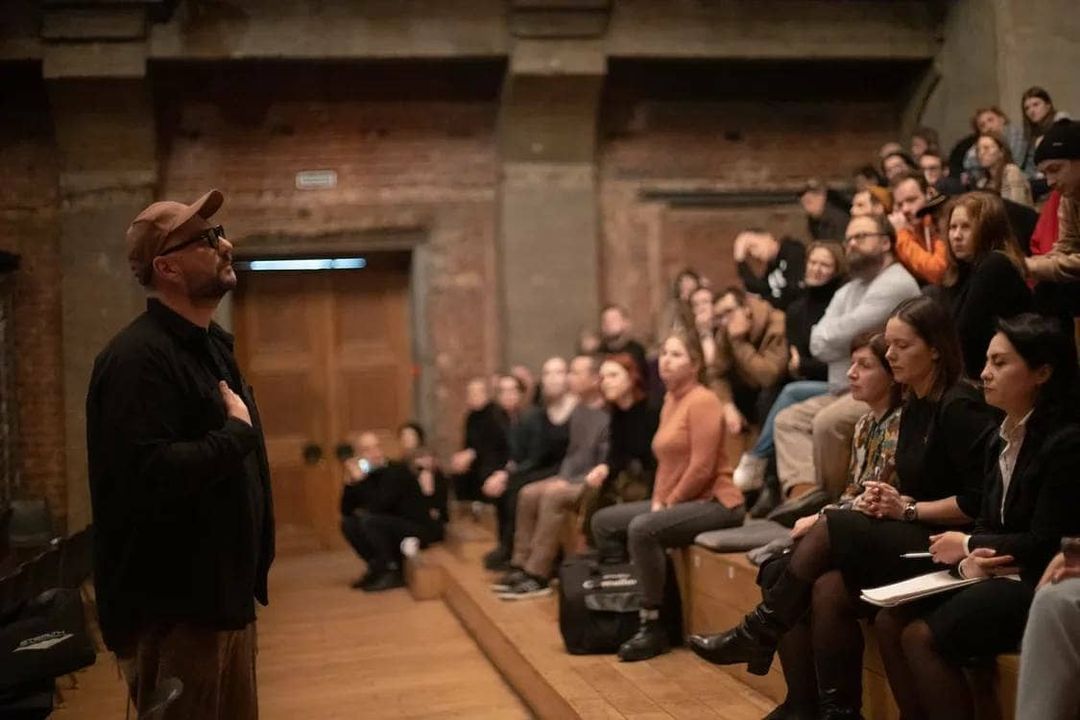
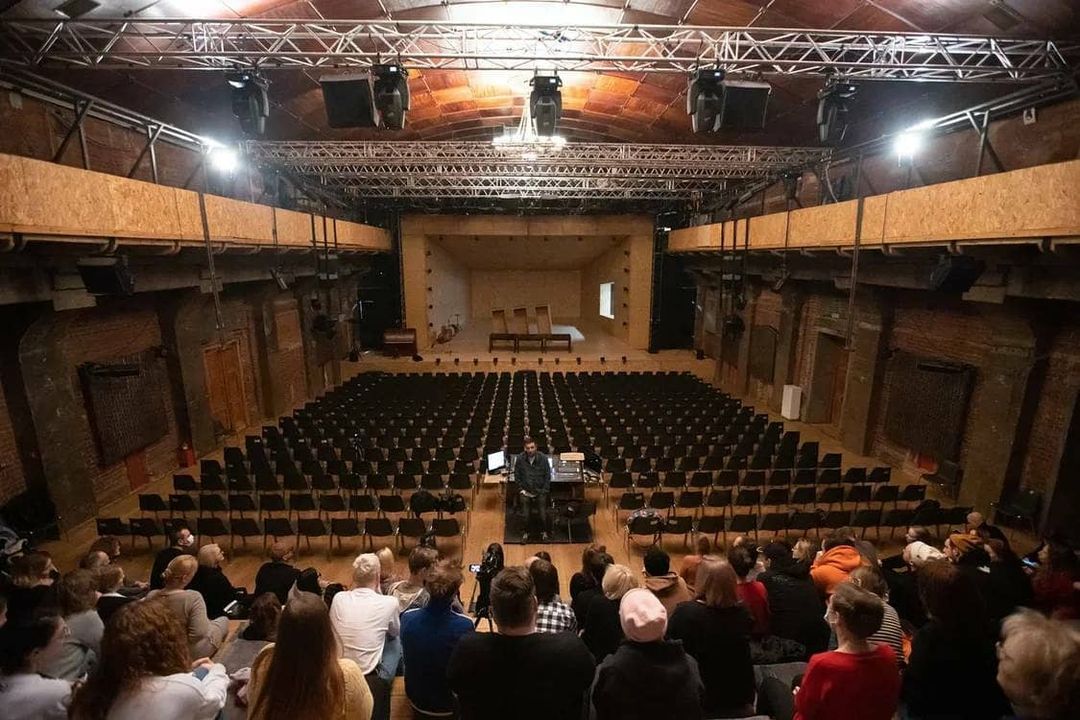
The Gogol Center was, as it were, alternative Moscow-friendly, democratic and tolerant. Here they cherished the tradition, but not seen in it a canon, but a public resource: Shakespeare and Moliere, Pushkin and Gogol, Pasternak and Kuzmin became partners of directors. Here they did not extol the past over the present, combining classics and contemporaries in the repertoire. The body, sexuality and gender behavior did not constrain norms (naked nature and quirrels-aesthetics became distinctive signs of the theater-they loved and hated it for them). And also - criticized power.
The protest agenda was not the meaning of the Gogol Center, it naturally flowed from his visionary mission. The heroes of the theater were dissidents, opposition artists, political activists. Anti -Heroes are Stalin's fans, religious fundamentalists, performers of state violence.
At the same time, the site worked for budget money and never was shy. An honest deal with the state-this, in fact, was the policy of the Gogol Center. This is how Serebrennikov understood this deal. The State Theater works in the interests of taxpayers. To interpret their interests at their discretion is the right and duty of the theater. The task of the state in this scheme is to entrust the site with professionals and from time to time to check how they cope with their work. The criterion is simple: if the halls are filled, then the requests of citizens are understandable to the theater. Gogol-Center regularly fulfilled its part of the transaction: he gave exemplary indicators.
This was enough, while the capital’s department of culture led Kapkov, and the modernization announced by Medvedev was not yet turned everywhere. However, when the conservative course finally prevailed, knowledge of folk needs became the prerogative of the state. An artist who wants and can determine these needs independently began to turn from a useful specialist into a dangerous competitor. Especially an artist, sensitive to various kinds of protest requests.
The Minister of Culture Vladimir Medinsky turned out to be a living symbol of these changes. The correct cultural policy in his representation looked like this: the state itself decides which art is useful to society, and which is harmful - and only “useful” finances . Artists, disloyal authorities, in this logic, naturally, became "harmful."
The rhetoric, laid down by Medinsky, reached the climax with the outbreak of this war in Ukraine. In April, the State Duma speaker Vyacheslav Volodin said : “Those who are on security with the state, which means that they have betrayed it from the leading posts in budgetary cultural institutions.” The politician had in mind the creative leaders who opposed the invasion. Among them was the head of the Gogol Center Alexei Agranovich, who replaced Serebrennikov at the beginning of last year: in the early days of the war, he signed a pacifist letter of theatrical figures.
The Gogol Center has been waiting for the defeat since 2017 , when Serebrennikov and his colleagues under the Platform project were accused of fraud (after a three-year trial, the director was given a suspended sentence, despite the fact that Serebrennikov’s defense pointed out the insolvency of the prosecution. Medusa disadvantaged this case). Nevertheless, the site continued to work-as if the state is still ready to comply with the transaction made once. The Moscow authorities put up with a successful theater until the politics outweigh the economy. Even the word “center” is now unacceptable for them, because it expresses a claim to independence: the site hurries hastily the former name - the Gogol Drama Theater.
The fate of the Gogol Center proves: now the state will pay the artist only if it gives him a choice of values, in other words, he will cease to be an artist. Only those who are capable of working without budget money will remain in the profession and will retain themselves, are ready to study quickly or are in demand abroad. Fatal news for the Russian theater, whose state was the main sponsor.
PS On June 30, the theater blogger Inner Emigrant published in his telegram channel video recording of eight performances of the Gogol Center. Here they are.
Anton Khitrov