
Translated material
In the Kharkov region, after the departure of the Russian military, four more local residents found the bodies with traces of torture
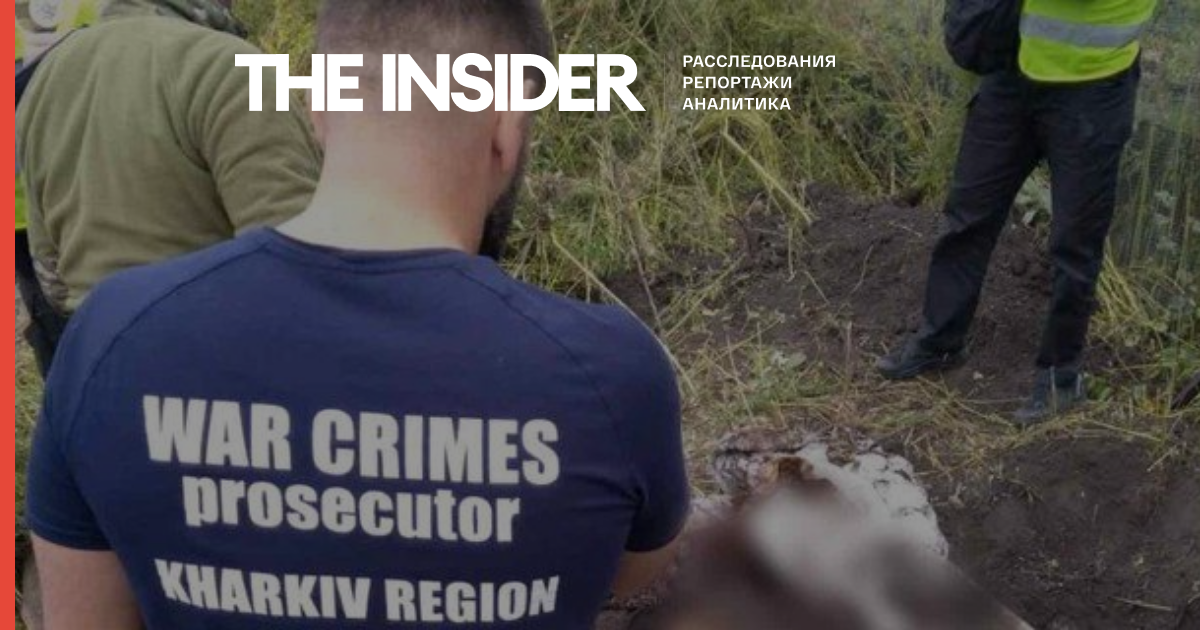
After the departure of Russian troops from the village of Zheleznodorozhny in the Kharkov region, Ukrainian law enforcement agencies discovered the bodies of four local residents with traces of torture. Criminal proceedings have begun, the Kharkov regional prosecutor's office in Facebook said .
Three people were buried in the territory of the household, another body was buried in the territory of the asphalt plant opposite the railway station. The murder of local residents by law enforcement officers was told by their fellow villagers. The village of Zheleznodorozhny (another name - Grakovo) was released on September 7.
On September 10, two bodies of civilians with traces of torture were discovered in the same village. After the Armed Forces entered the village, a local resident told the police that the Russian military forced him to bury the bodies of two men.
Earlier, the head of the National Police in the Kiev region, Andrei Nebitov, said that at least two burned people were discovered in Buch in a garage. Local residents claim that the Russian military killed several civilians during the occupation. The world learned about the killings of civilians in Buch on April 2. Then journalists and Ukrainian military entered the city liberated from the Russian occupation and saw streets dotted with corpses. One of them hands were tied behind them, some died from the shots into the back of the head. The Insider talked with the inhabitants of Buchi, and they told how the Russian military shot random passers -by, robbed houses and did not let them leave.
In July, the Human Rights Watch International Human Rights Office published a report on the military crimes of the Russian army in the occupied territories of the south of Ukraine - in the Kherson and Zaporizhzhya regions. We are talking about torture, abductions and murders of civilians and prisoners of war. Human rights activists talked with dozens of people from Kherson, Melitopol, Berdyansk, Skadovsk and ten more cities of the Kherson and Zaporizhzhya regions. They described 42 cases when the Russian military could be involved in the disappearance of civilians, many of whom were tortured before.