
Translated material
"Litvinenko" with David Tenanth is a procedural detective about the investigation of one of the first high -profile murders of the Putin era
The villains in him remain unpunished, but there is still hope for the future
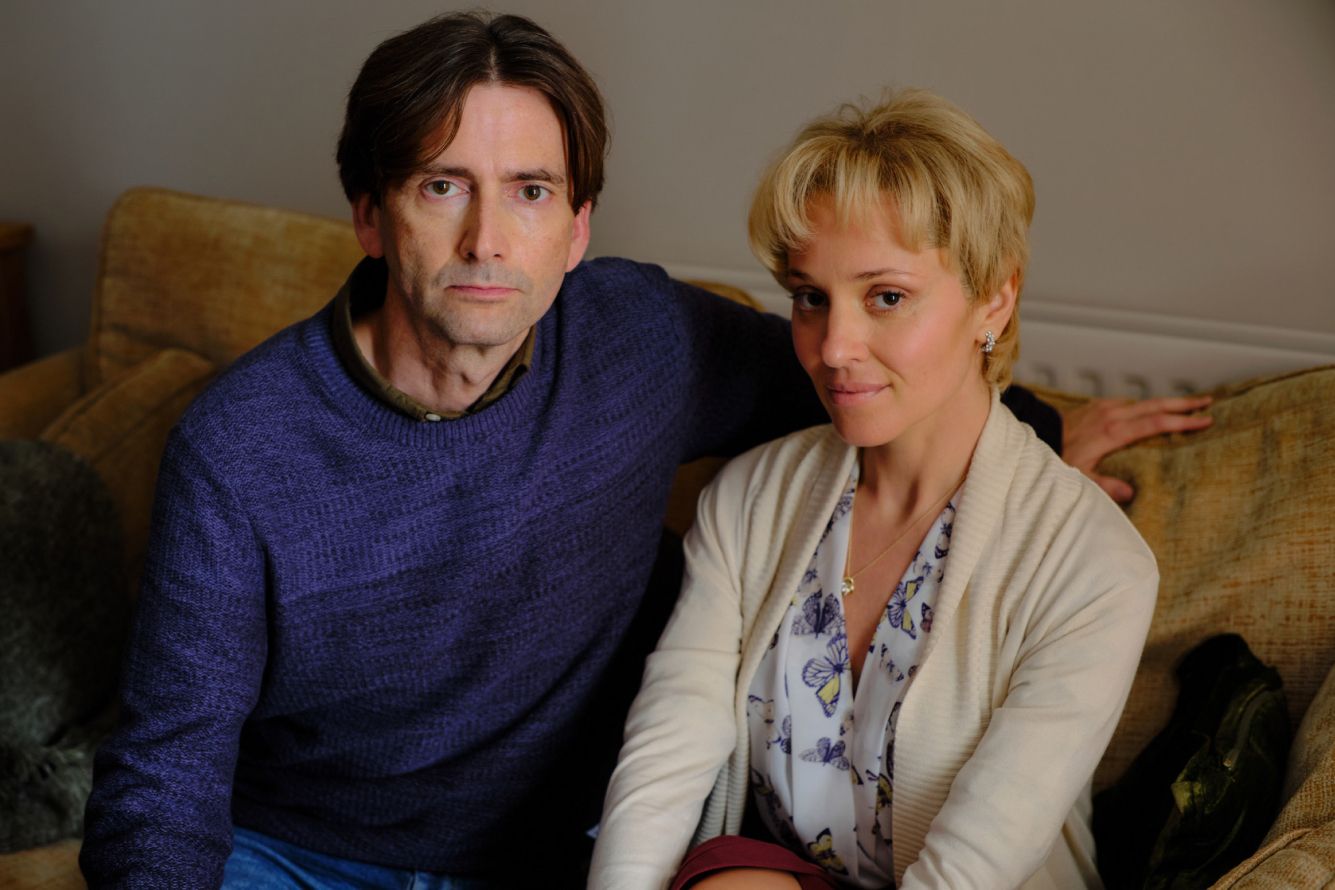
Alexander Litvinenko is a former FSB agent and critic Vladimir Putin, who was killed in London in November 2006. The authorities of Great Britain accuse the Russian special services of organizing his murder; It is believed that this was one of the first poisonings of opponents of the Russian government. The series "Litvinenko", released on the British ITV television channel, is a carefully and painstakingly recreated story of the investigation of this murder. She refutes one of the main myths of Russian propaganda - that the British authorities from the very beginning sought to blame the Kremlin in everything.
Alexander (David Tennant) returns home in the evening with good news. His family, who fled several years ago from Russia, received British citizenship: now they are not Litvinenko, but Carter. But immediately after dinner, the man becomes bad. In the hospital, Alexander claims that he was poisoned by the Russian special services and he urgently needs to talk with the authorities, since there is little time left. Detective Brent Hayett (Neil Maskell) comes to interrogate him. For him, the story of Litvinenko, a former KGB agent, and his wife Marina (Margarita Levieva) becomes a personal business. Brent gives the floor to the dying spy that he will find the guilty and achieve justice.
The history of the poisoning of Alexander Litvinenko in 2006 made a huge impression on British society - much stronger than the Russian one, which was far from unambiguous (played a role, including the proximity to the demonized oligarch Boris Berezovsky ). The British, on the other hand, almost immediately perceived the life and fate of the former Russian spy in a heroic and romantic light. Performances and even operas are staged about Litvinenko, books are written about his business at one time the director of “Fight” Michael Mann wanted to make a film, and recently it was announced the filming of the HBO series with Benedict Cumberbatch.
The television series Litvinenko, shot by the British ITV television channel, slightly shifts the emphasis from the hero and the history of his resistance to the Putin regime. Litvinenko himself, played by the star of British cinema and theater David Tenant (“Doctor Who”) remains here behind the scenar of the main action - the investigation of poisoning, the search for evidence of the fault of the two Russians, Andrei Lugovoy (now the State Duma deputy from the LDPR) and entrepreneur Dmitry Kovtun (died in 2022 from the consequences of coronavirus).
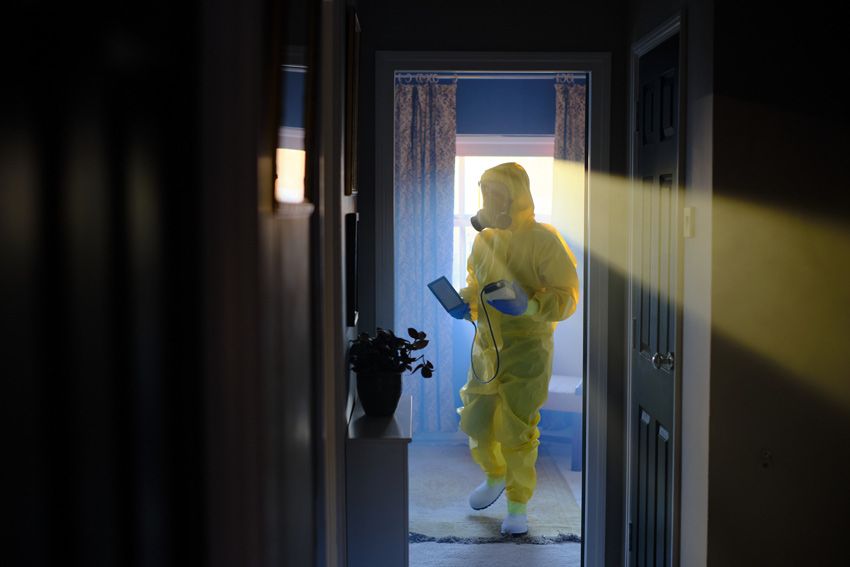
Director Jim Field Smith and screenwriter George Kay previously worked on the Criminal series popular in Britain and other procedural detectives. “Litvinenko” was set along the same television patterns that, on the one hand, it greatly simplifies history, on the other hand, emphasizes one of the important aspects of Litvinenko’s case: this is a series about the power of the law and the inevitability of retaliation for crimes.
Since Alexander Litvinenko himself, who is affectionately called Sasha, actually leaves the screen in the second episode, his wife Marina and the British detective Brent become the main characters. Together they achieve a wide public outcry, and also try to break the bureaucratic system of Britain, whose authorities are terribly not to be involved in the international political conflict with Russia.
In the best traditions of procedural detectives in Litvinenko, a painstaking and detailed story of the investigation of his case unfolds. The consultants of the series were Marina Litvinenko herself and a close friend of their family, Alexander Goldfarb (and they are both represented by the corresponding characters in the series itself). The plot can conditionally be called semi -documentary, since the evidence base and the sequence of identification of the facts in it are reproduced with maximum accuracy, only a few heroes (and this is reported by a special titer at the beginning) were invented for purely dramatic purposes.
The main thesis of Russia in the dispute about the poisoning of Litvinenko is the initial political engagement of the investigation, the provocation by the British intelligence services. The series clearly shows that no one even wanted to think about the accusation of the FSB, and even when all the evidence began to indicate a meadow and Kovtun, the police continued to investigate other versions. It must be understood that in 2006, the attitude of European elites towards Putin was, frankly, other than now, and in the series this topic slips. Litvinenko is shown a sort of prophet warning of evil, but which no one wanted to hear.
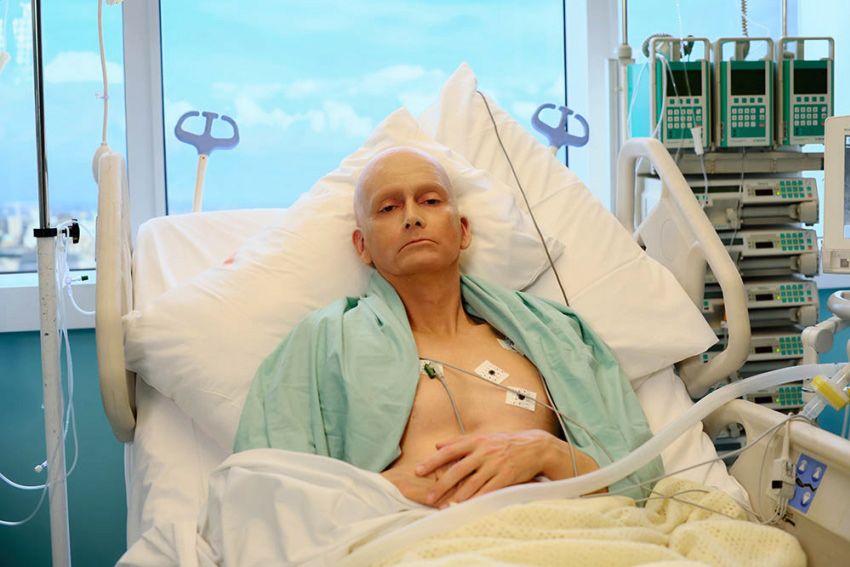
For David Tennant, an artist who is more often playing in an eccentric and comedic manner, the role of Sasha is very unexpected. He spends almost all the screen time in a bed, reproducing the famous photograph of Litvinenko, who had already bald and exhausted on his deathbed. Tennant, however, creates a memorable image in these conditions, brilliantly imitating the emphasis and broken English of real Litvinenko. But he copes with replicas in Russian well.
However, the most difficult role - the widow of the spy - went to the actress of Russian origin Margarita Levieva. The story of her heroine is tragic, but also full of dignity, willpower to bring the matter of justice to the end.
There is a classic team of operatives for British detectives in the series, which acts coherently, clearly and even too professionally. At the same time, the police constantly reflect, worry about the widow and seek to reveal the truth, despite political and international difficulties. Before his death, Litvinenko whispers to Agent Hayett that in England justice is incorruptible - not like Russia. And about this, in general, the series tells. The direct opposition of the two worlds is shown in the colorful scene of visiting Moscow by British agents and the absurd interrogation of Andrei Lugovoi and Dmitry Kovtun. The shameless and cynical lies of the murderers shock and discourages the British - but even more tunes them to win at all costs.
The series can be criticized for television and genre stamps, for some excessive sentimentality in separate scenes. Before viewing, you should immediately make a discount that this is not the history of the struggle of Litvinenko and other victims of the regime against Putin (Boris Berezovsky will appear here for a moment, Anna Politkovskaya is mentioned, but they only complement the context of the investigation). The creators intentionally simplify the action in order to reliably reconstruct the investigation. And how high -quality lawsuit Litvinenko looks cheerful and convincingly throughout all four episodes.
The main problem of the series is perhaps the very reality. The story has not yet been completed. In Litvinenko, villains remain unpunished, and this greatly affects dramaturgy. Putin appears only on the screens of the TV, which, however, supplements his image of the villainous detachment from the crime. But the plot - the history of Litvinenko’s poisoning - continues in real time. "Litvinenko" is important precisely as a precedent, as a reminder that crimes are not forgotten that justice will necessarily happen. And, depending on the series in 2022, you want to believe that everything will definitely be so.
"Jellyfish"