
Translated material
The Baltic and Finland countries banned the import of oil products from Russia to cans
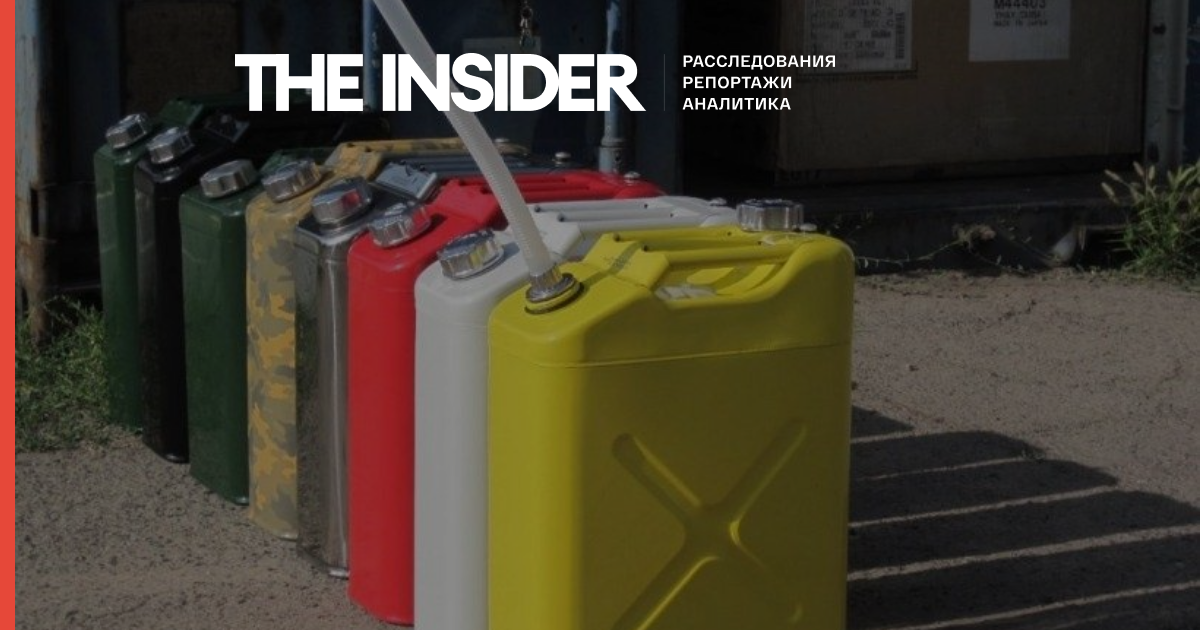
All countries of the Baltic States (Lithuania, Latvia, Estonia) and Finland from February 6 banned the import of oil products from Russia in canister to their territory, including their citizens. This was announced by the head of the prohibitions department and restrictions in the field of social protection of the Customs Department of the tax and soil department of Estonia Pireta Tinkus:
“From February 6, it is forbidden to buy, import and transfer oil products if they come from Russia.”
Now about 80% of passenger cars at the first crossing of the border with Estonia are wore a 10-liter canister with fuel to the country, Tinkus noted. EU residents have the right to buy fuel from Russia if it is necessary to complete the trip and return to the EU.
The department’s website provides examples according to which Estonia citizen when traveling to Russia and returning back is also not allowed to import gasoline into the canister, but only in the tank: “A person can take the forbidden goods back or abandon it in favor of the state. This product is subject to destruction. ”
On February 5, Western countries presented the “ceiling” of prices for high and low processing oil products: $ 100 per barrel for raw oil, for oil with a discount-$ 45 per barrel, the EU press release says . These measures threaten the European Union with a jump in oil prices, primarily for diesel fuel and gasoline. Earlier, experts told NYT that these sanctions will lead to a large -scale market transformation. According to analysts, both Europe and Russia will lose billions of dollars from restrictions. However, Europe stocked up with fuel and prepared for potential problems, so the most severe consequences are waiting for Moscow.