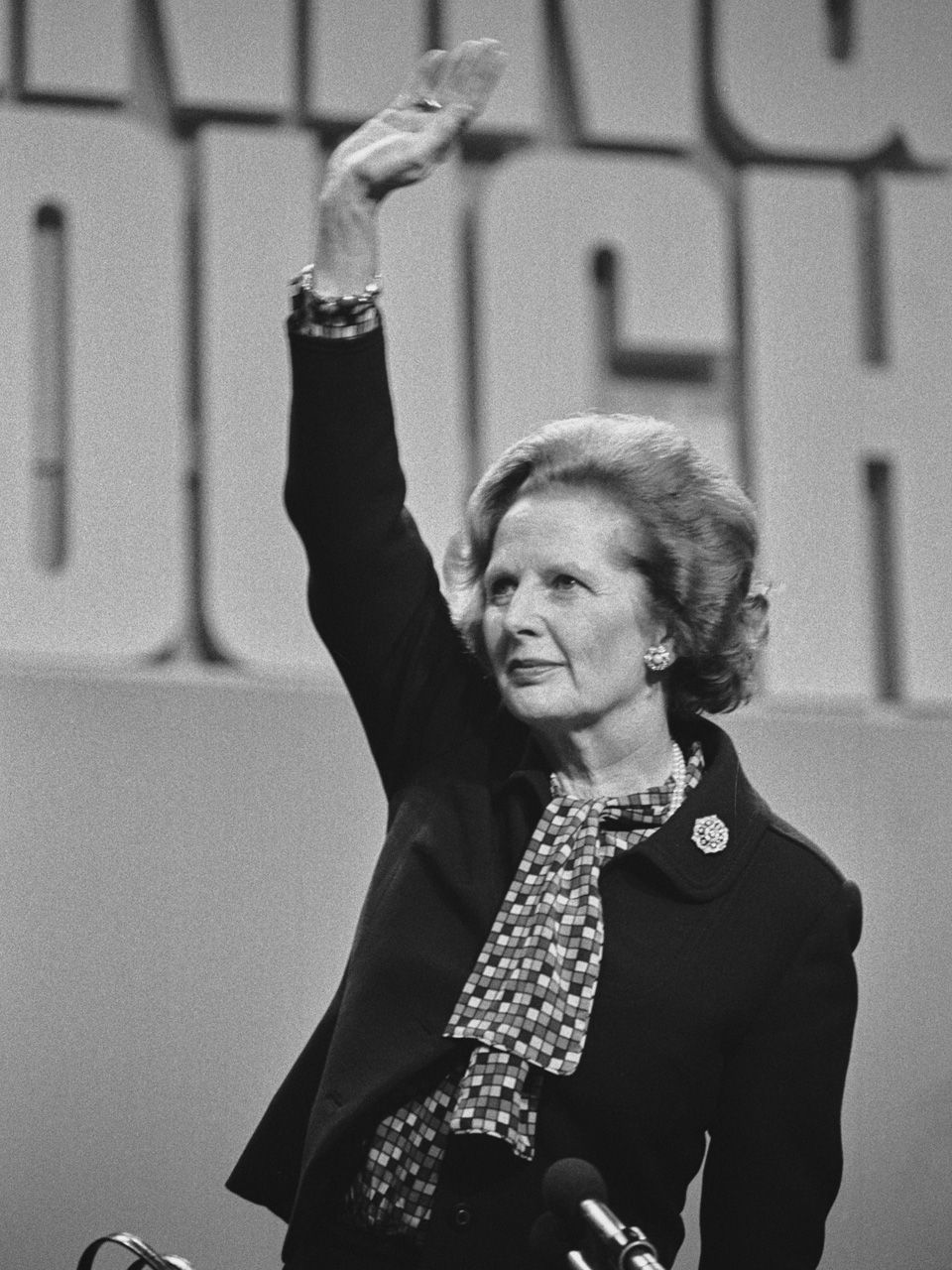
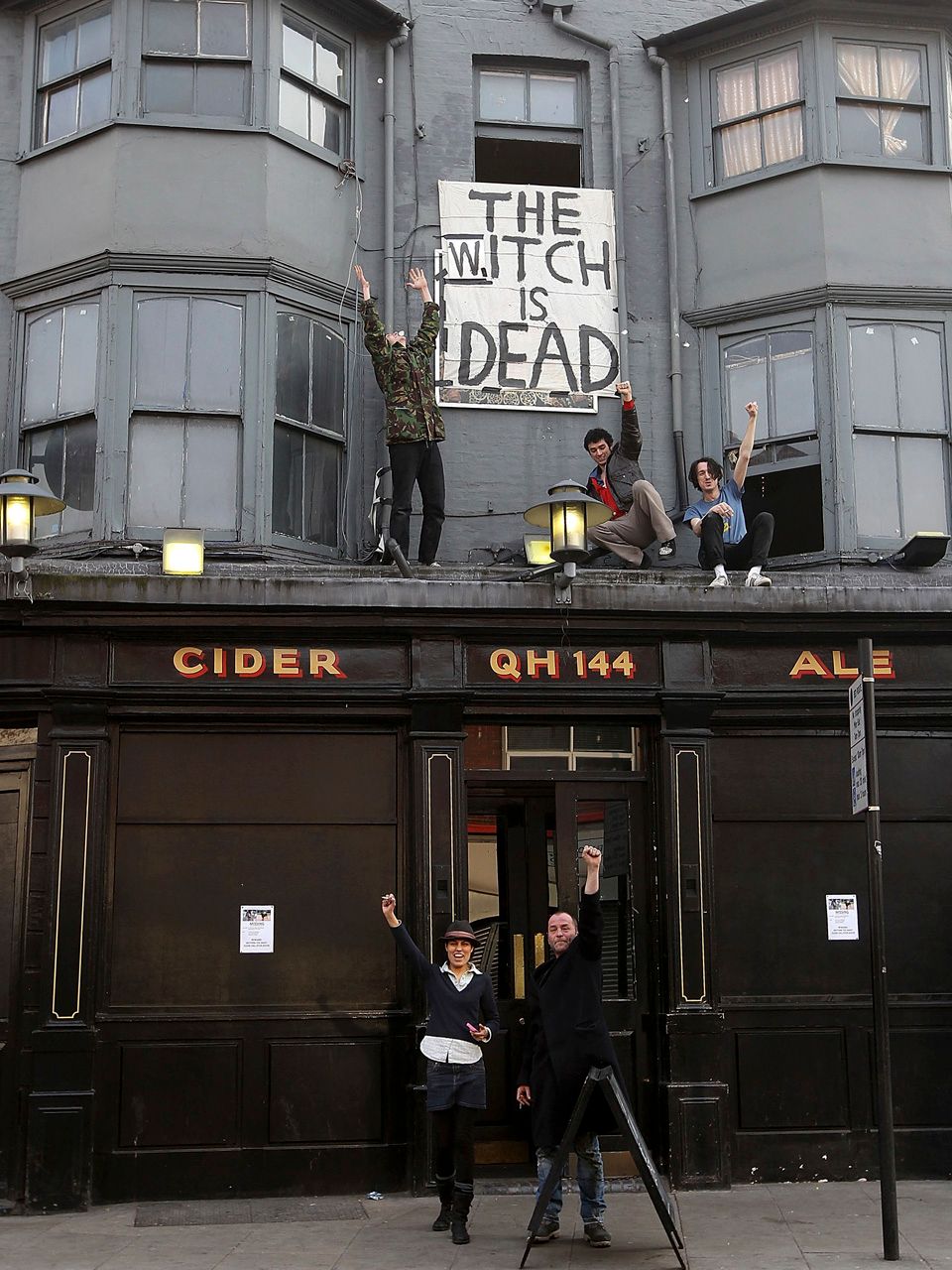
Supporters remember her as an “iron lady”, and opponents met the news of her death by posters “a witch dead”. For those and others, she is the main symbol of neoliberalism
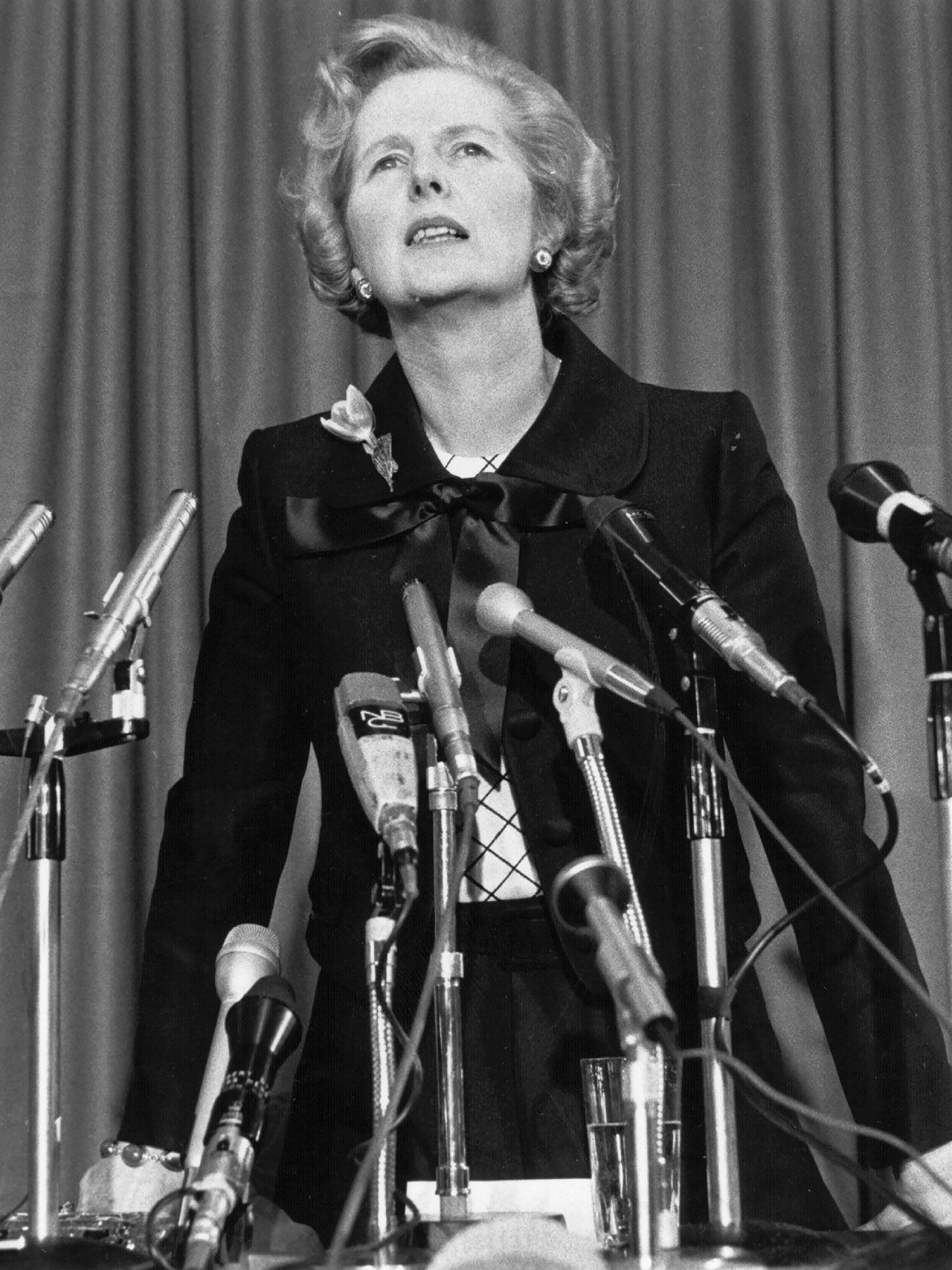
Press Conference of Margaret Thatcher on May 8, 1975. Graham Wood / Evening Standard / Getty Images
Ten years ago, Margaret Thatcher, Prime Minister of Great Britain, died in the 1980s, who, thanks to his strict anti-communist position, was among the most popular politicians among residents of Eastern Europe (including the late USSR). In the UK itself, she has an ambiguous reputation. A year after her dramatic resignation (by decision of her own party), Tatcher’s rule approved by 52% of the British, and 48% considered her almost 11 years in power unsuccessful. There were no indifferent, in fact, she was either adored or hated. Not only opponents, but also many former supporters hated for sometimes excessive stiffness - for the simultaneous tendency to compromises and radical solutions. A supporter of the theory of monetarism, which proclaimed a good reduction in taxes and government expenses, she resigned, including due to a rash tax. But by that time, the rejection of the decisive role of the state in the economy - and the war of Thatcher with the trade unions - changed the foundations of British society themselves.
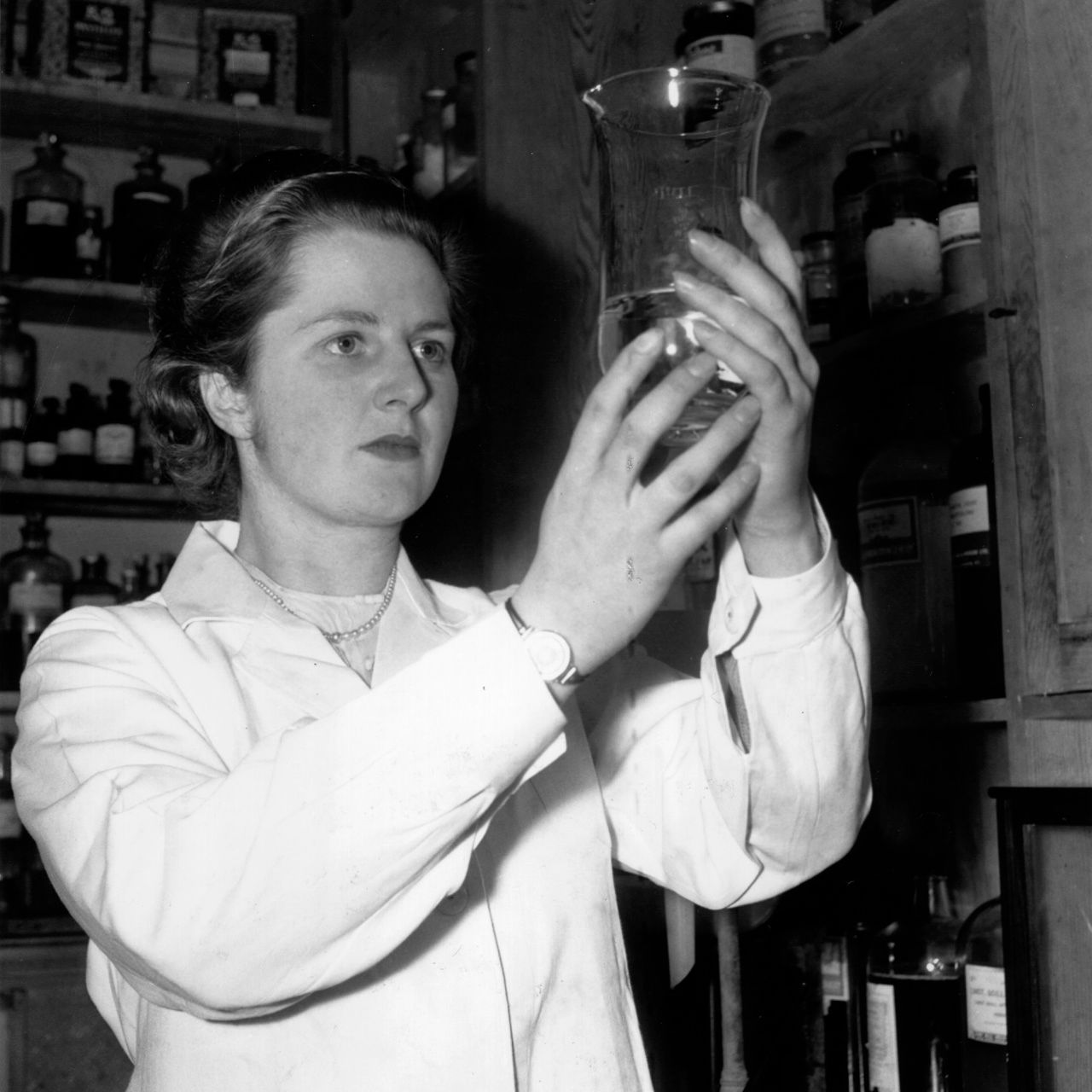
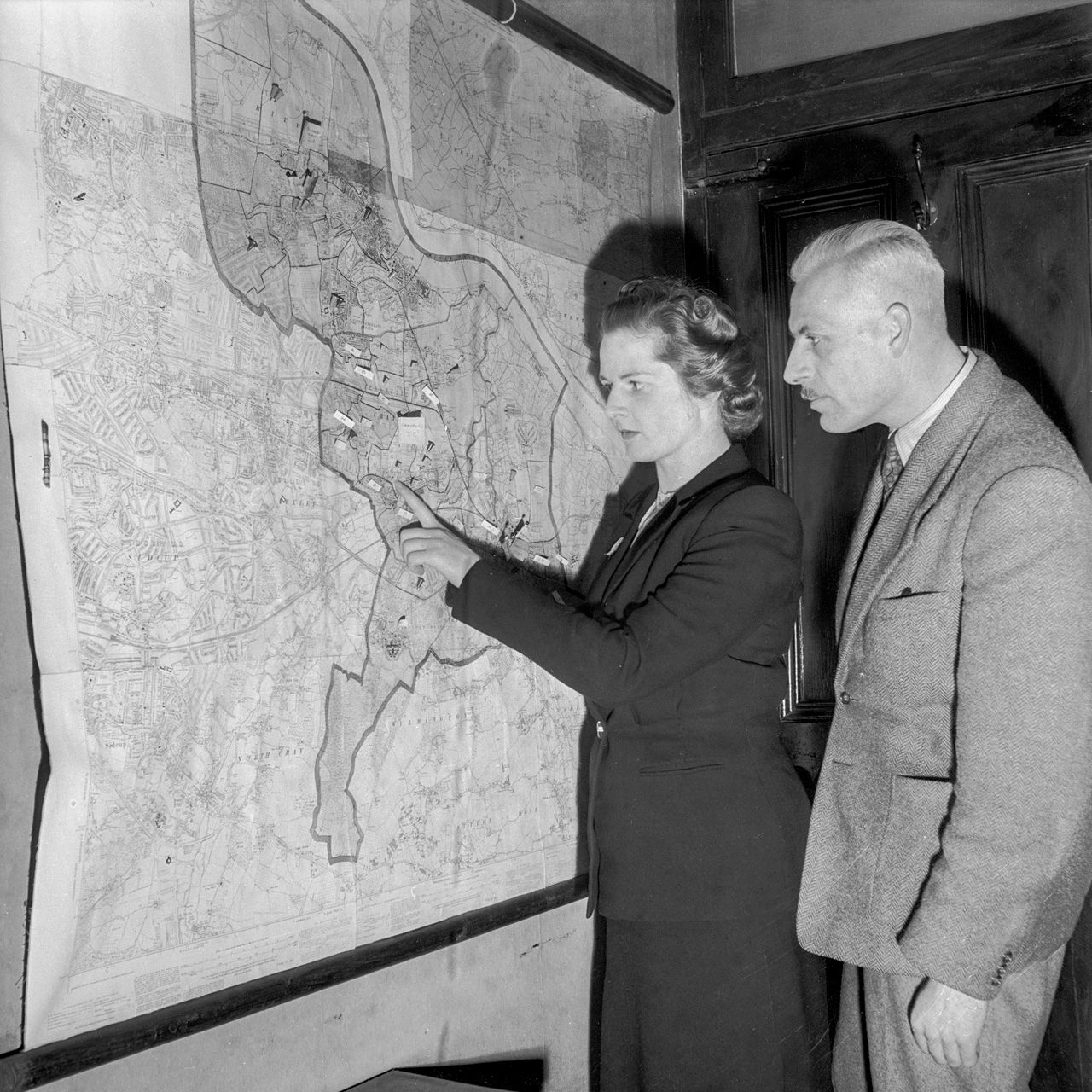
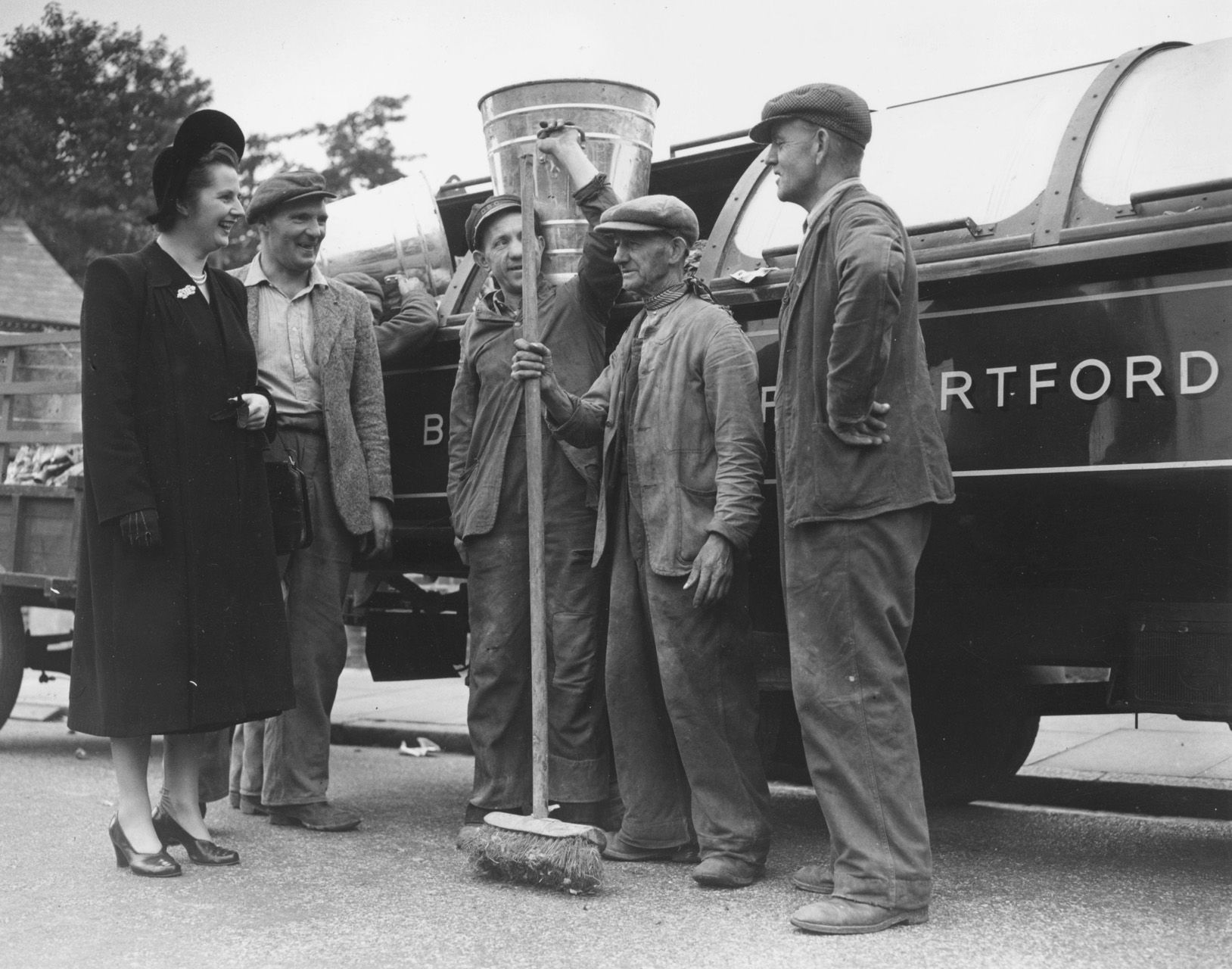
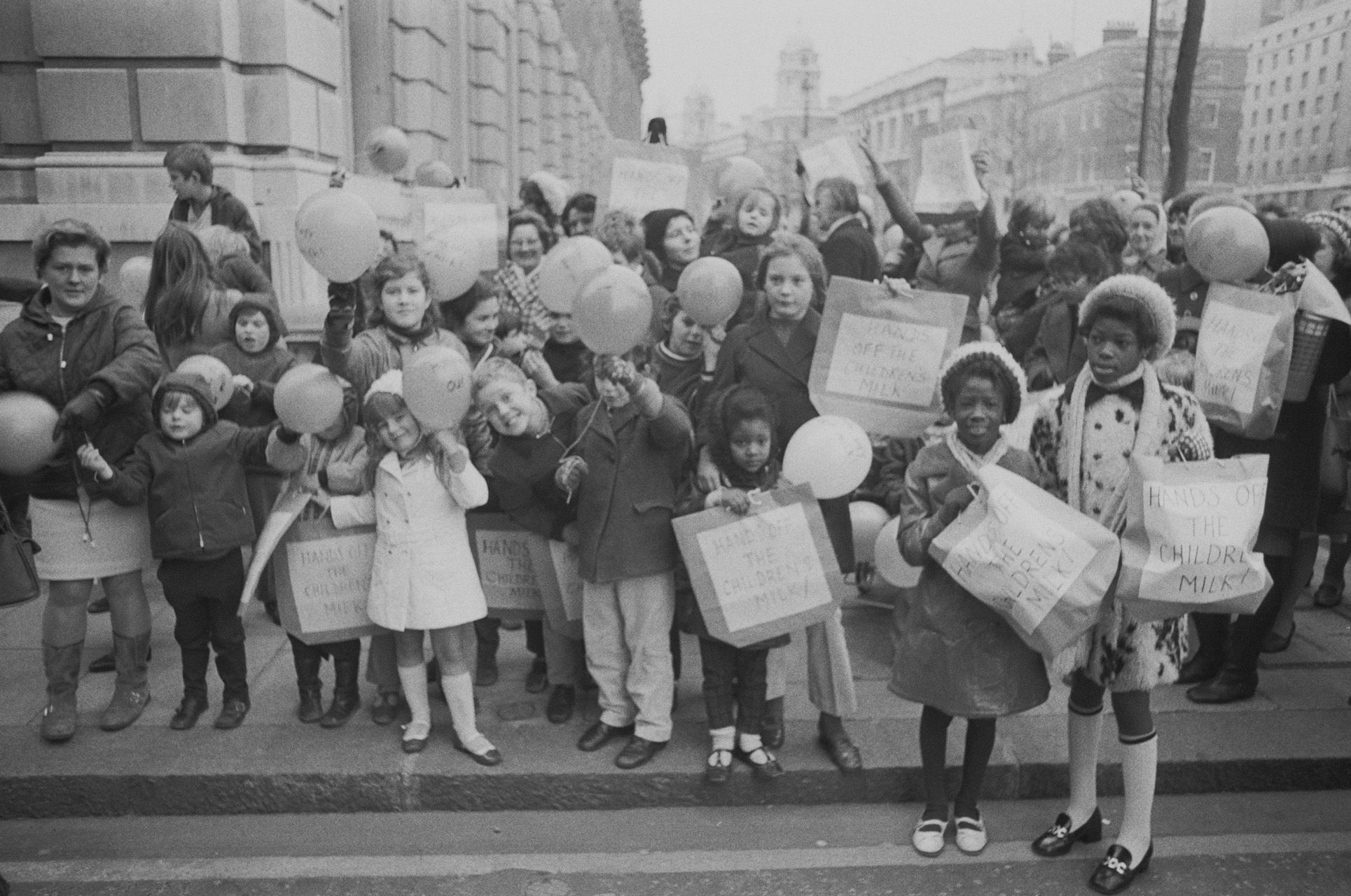
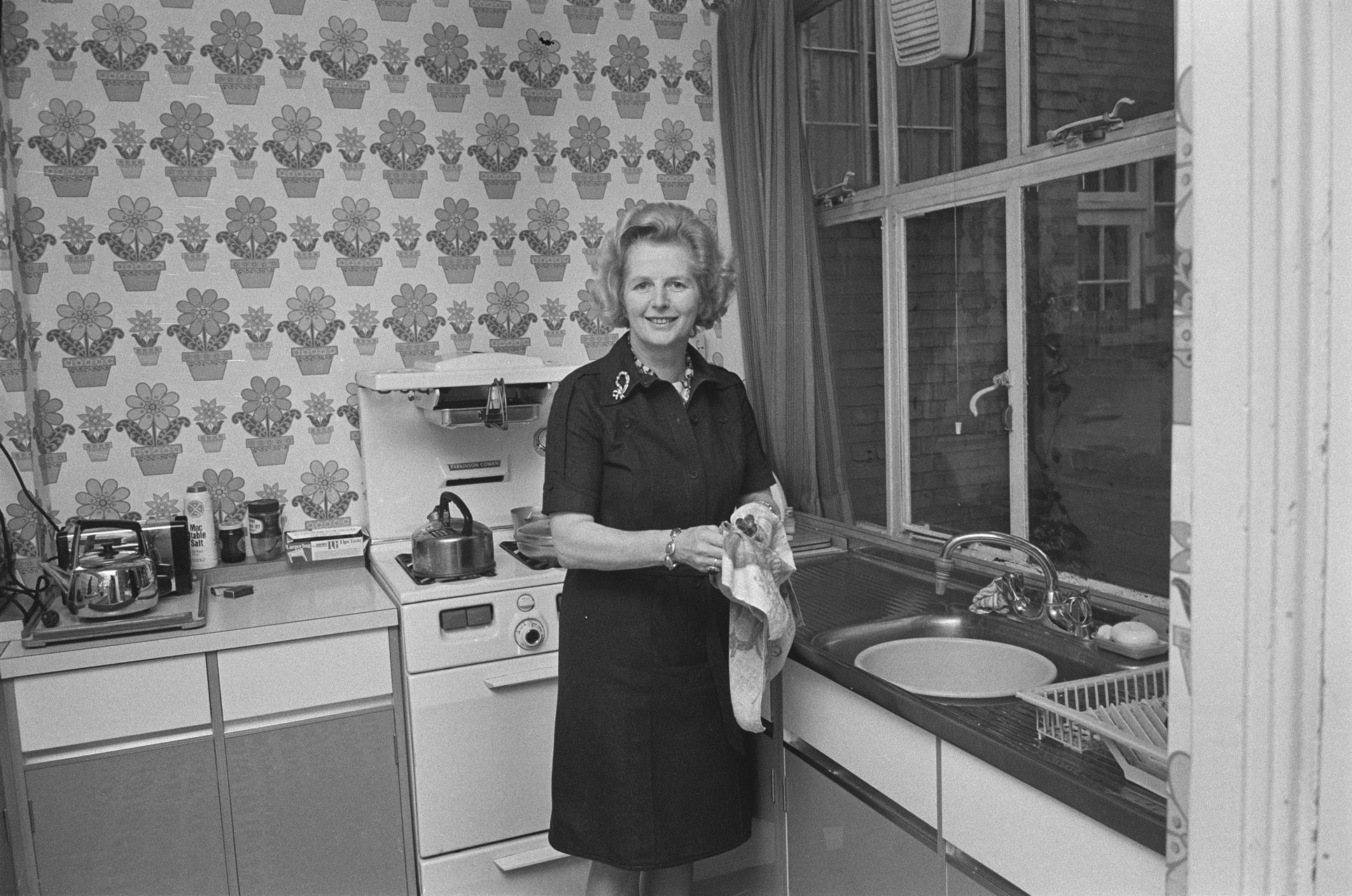
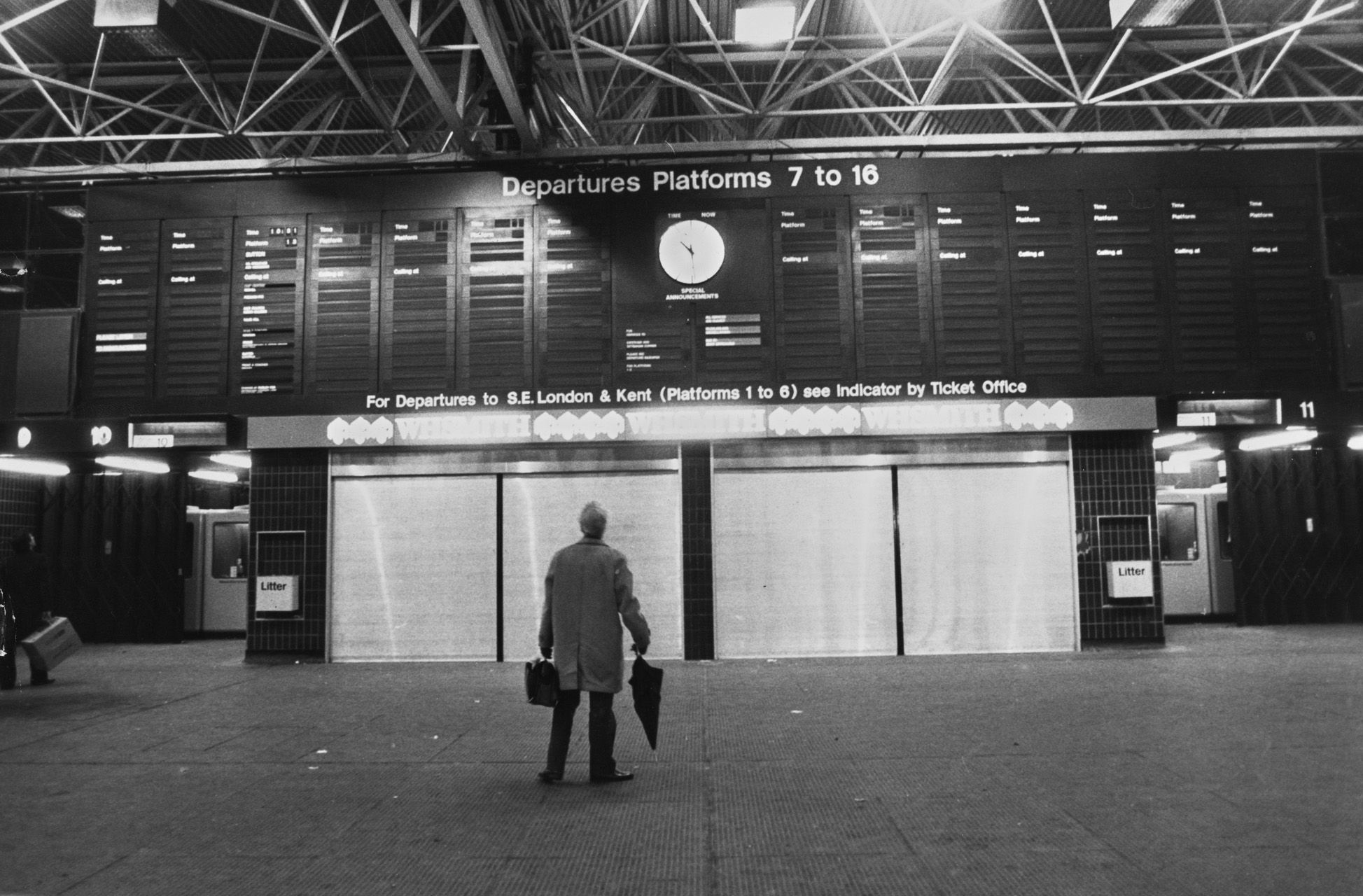
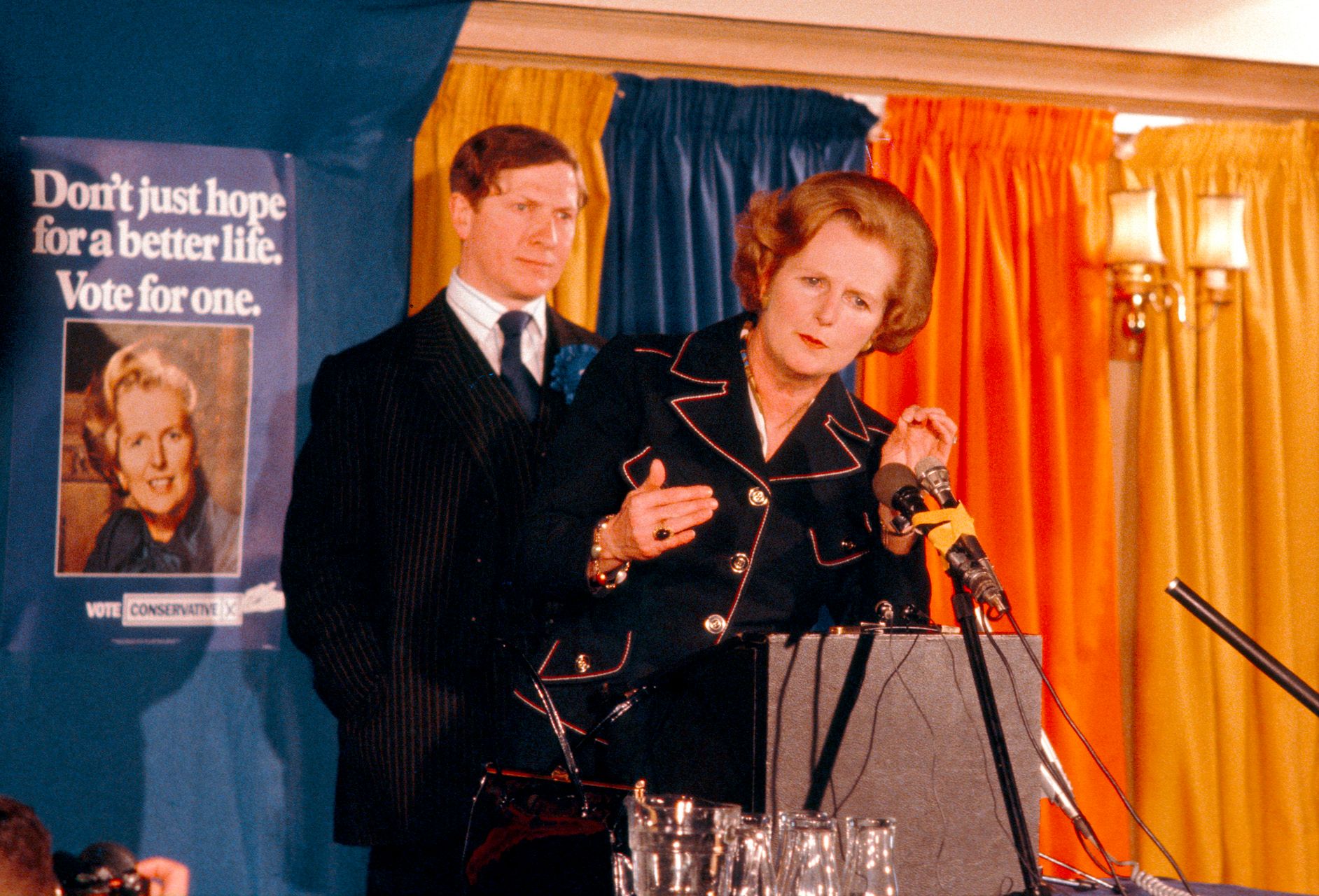
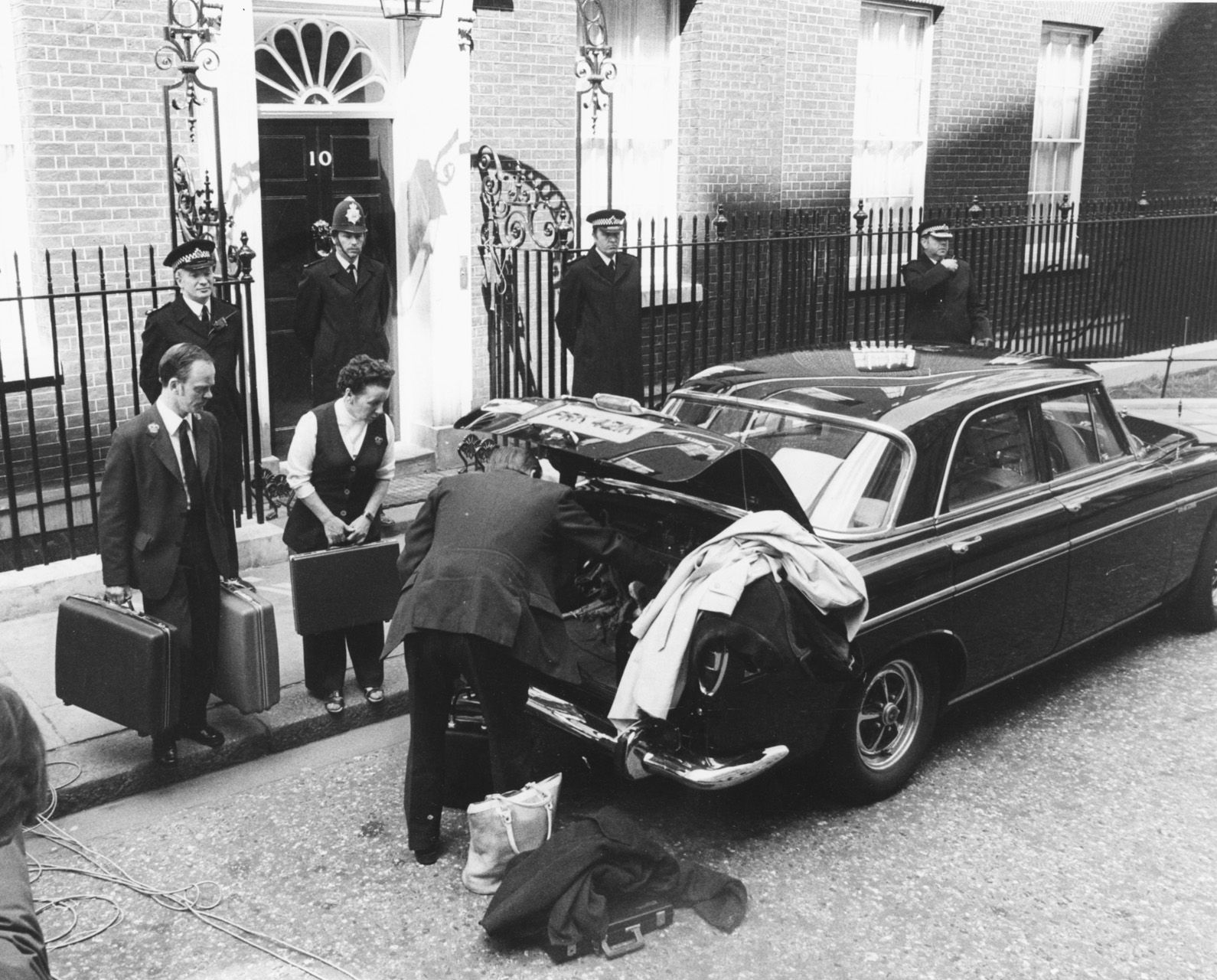
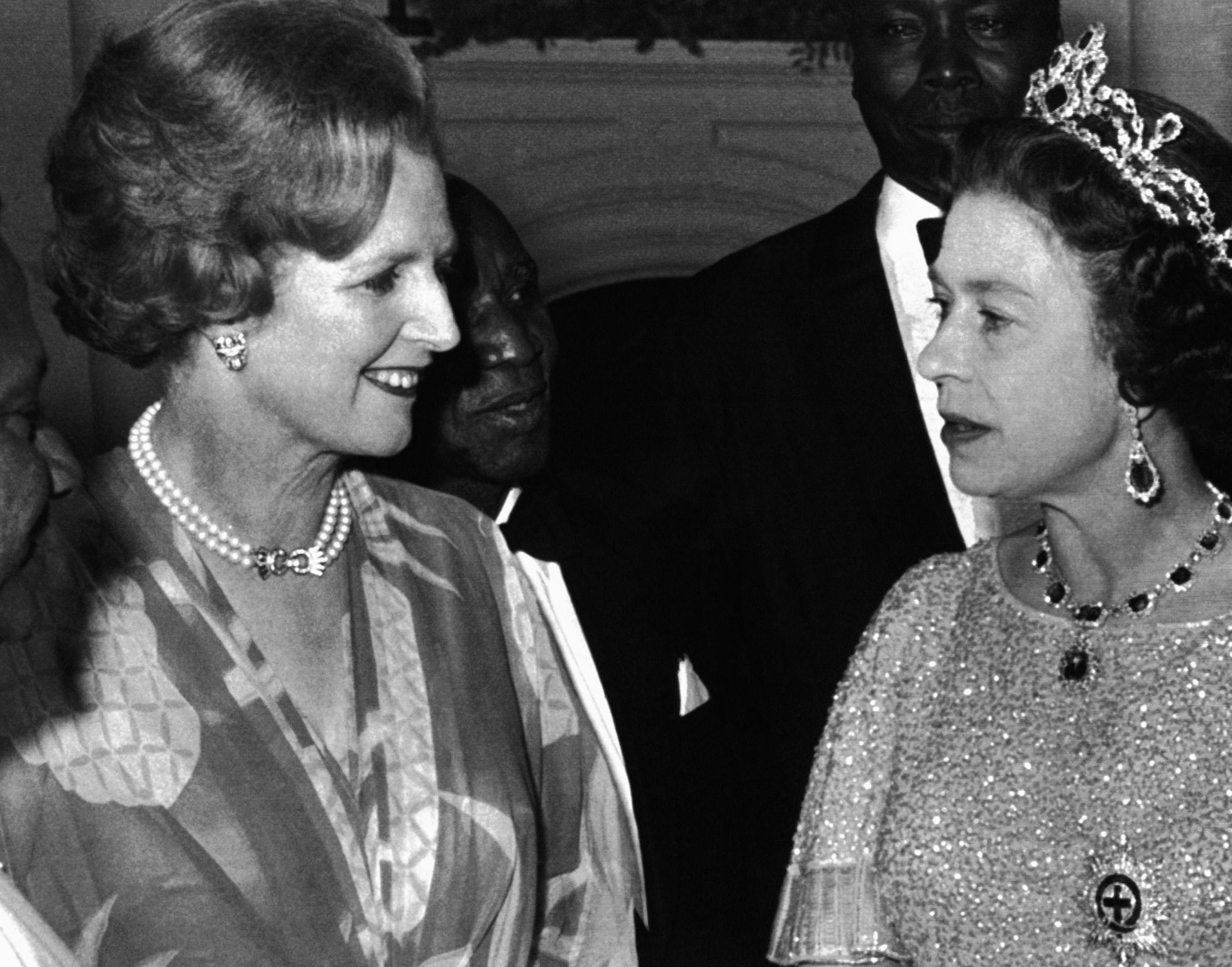
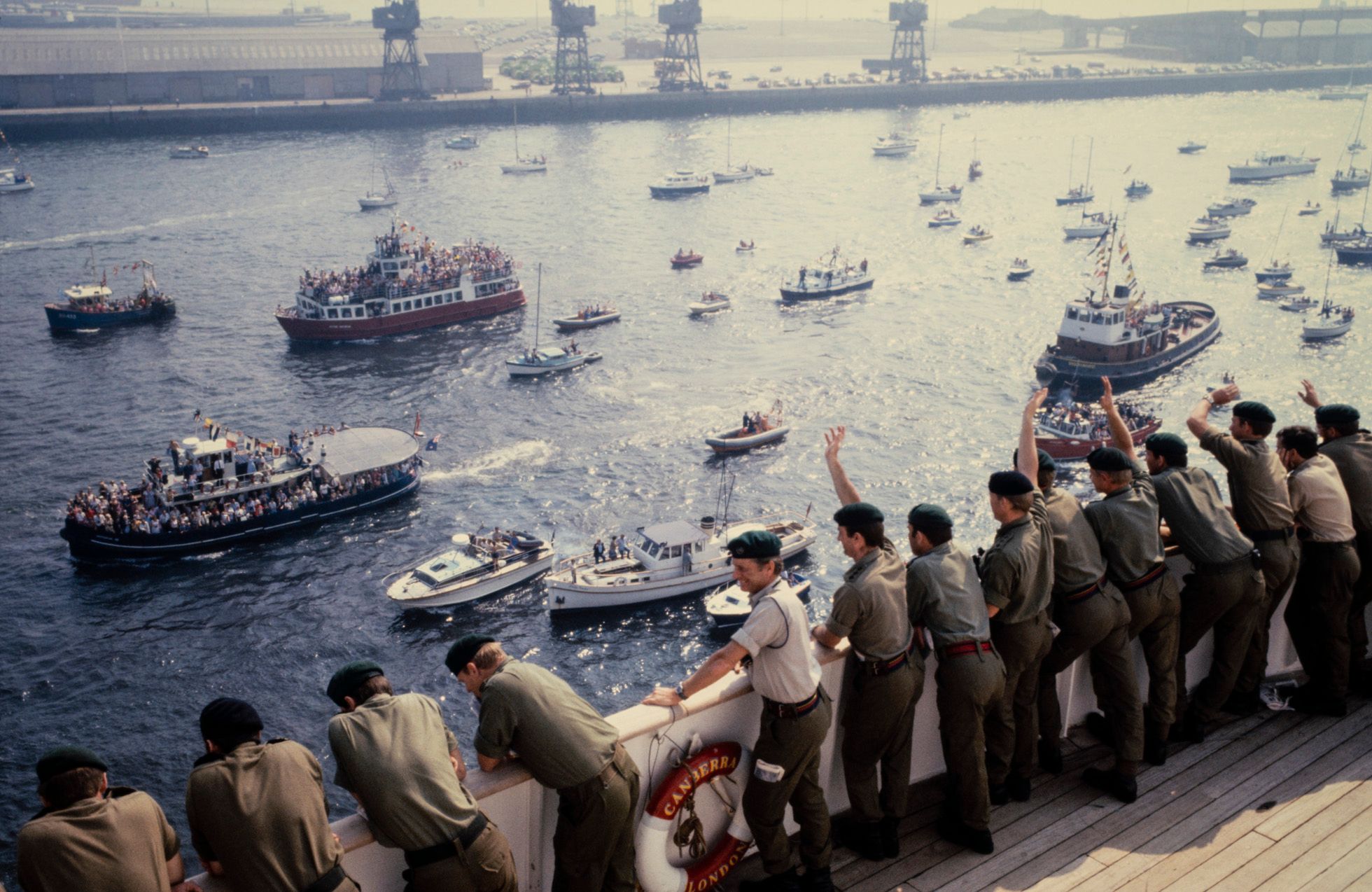
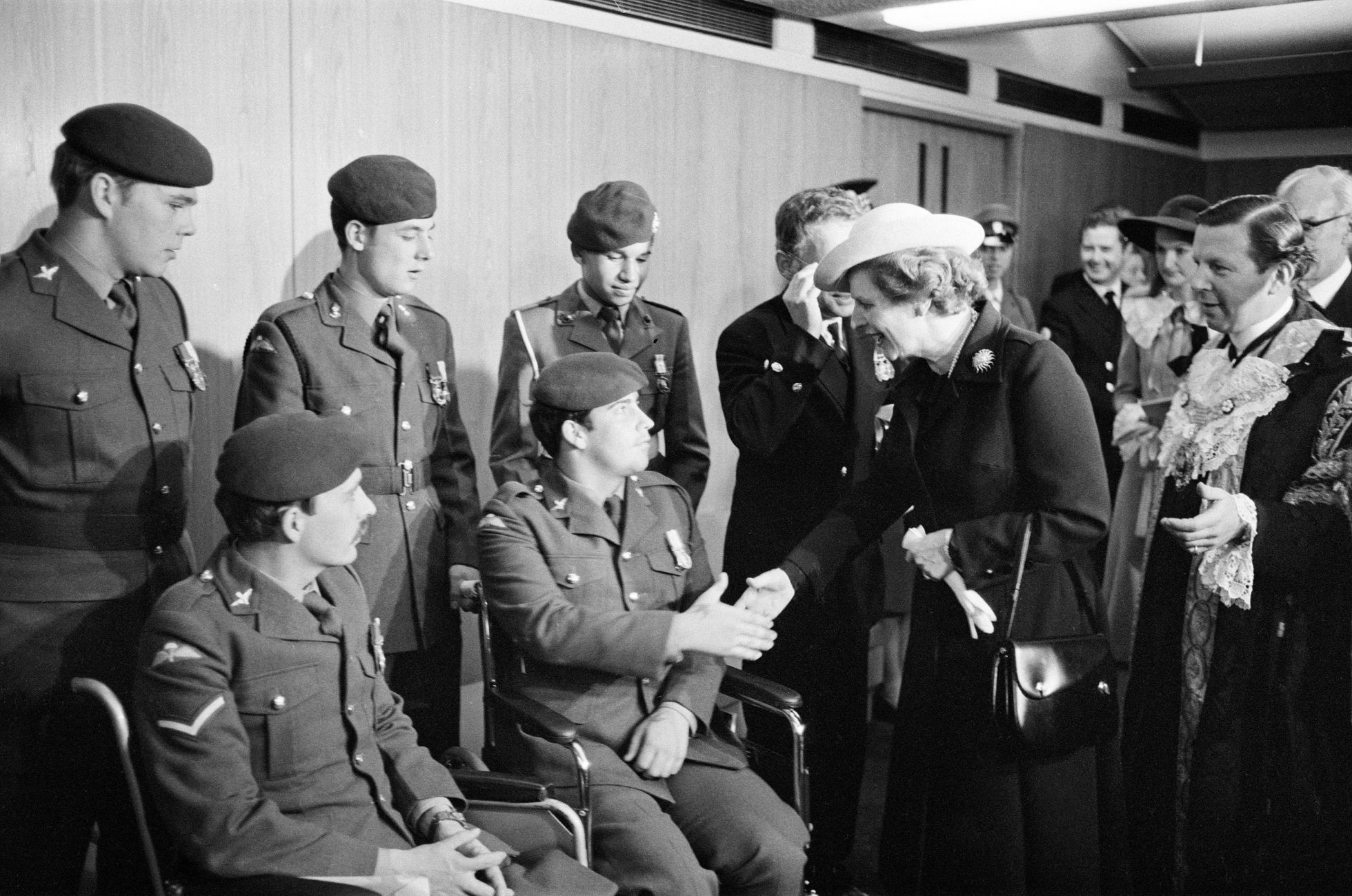
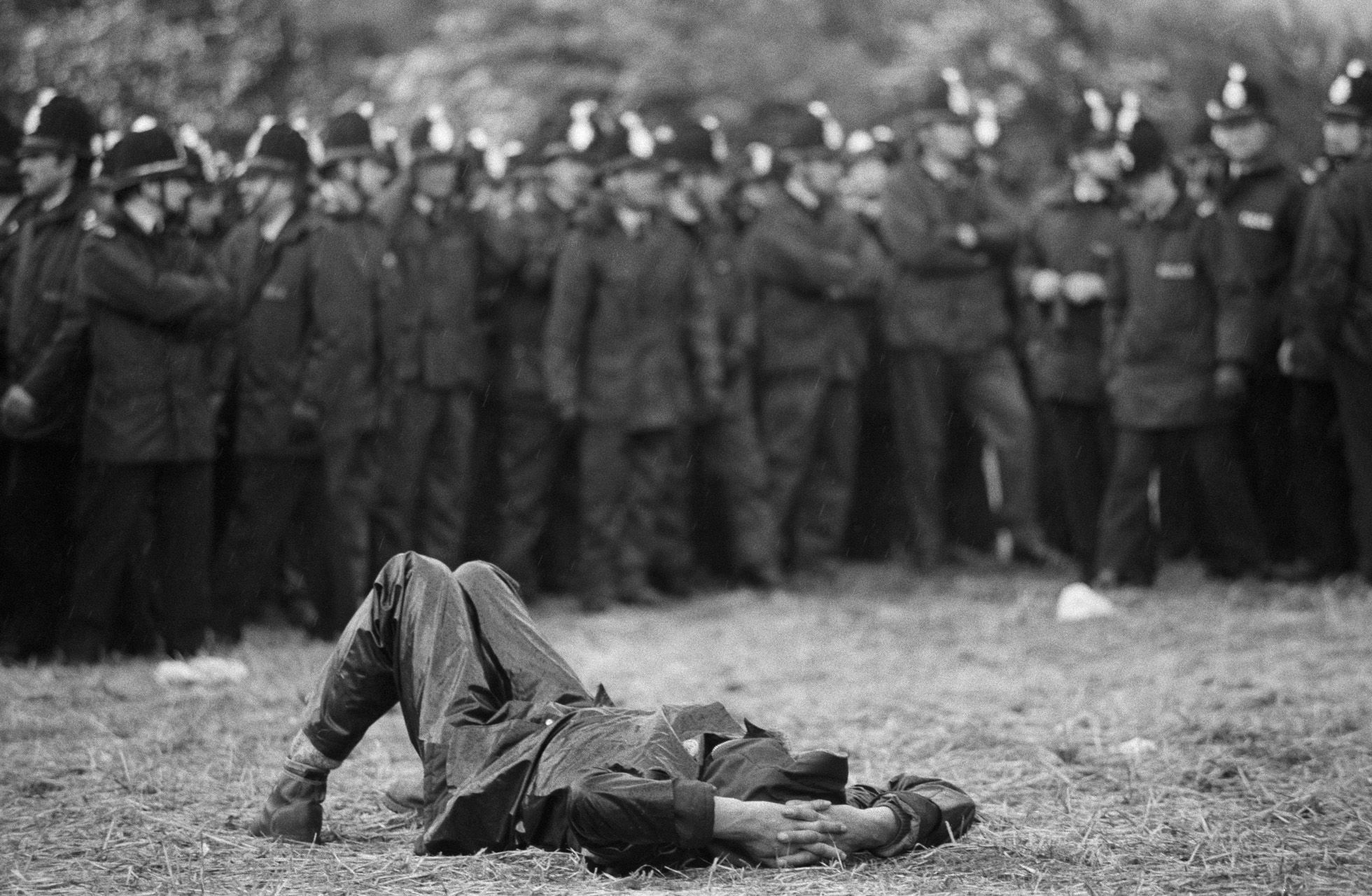
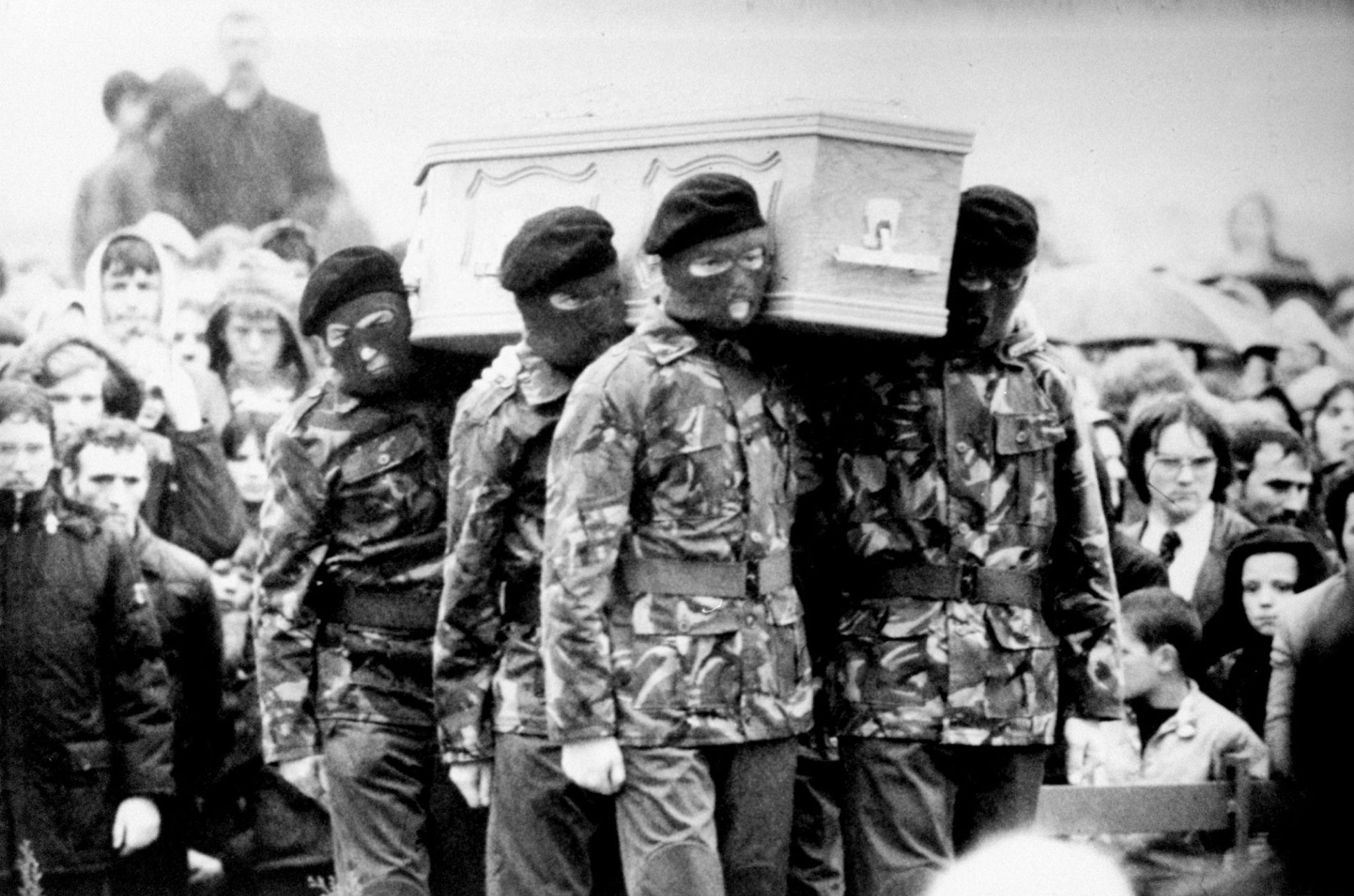
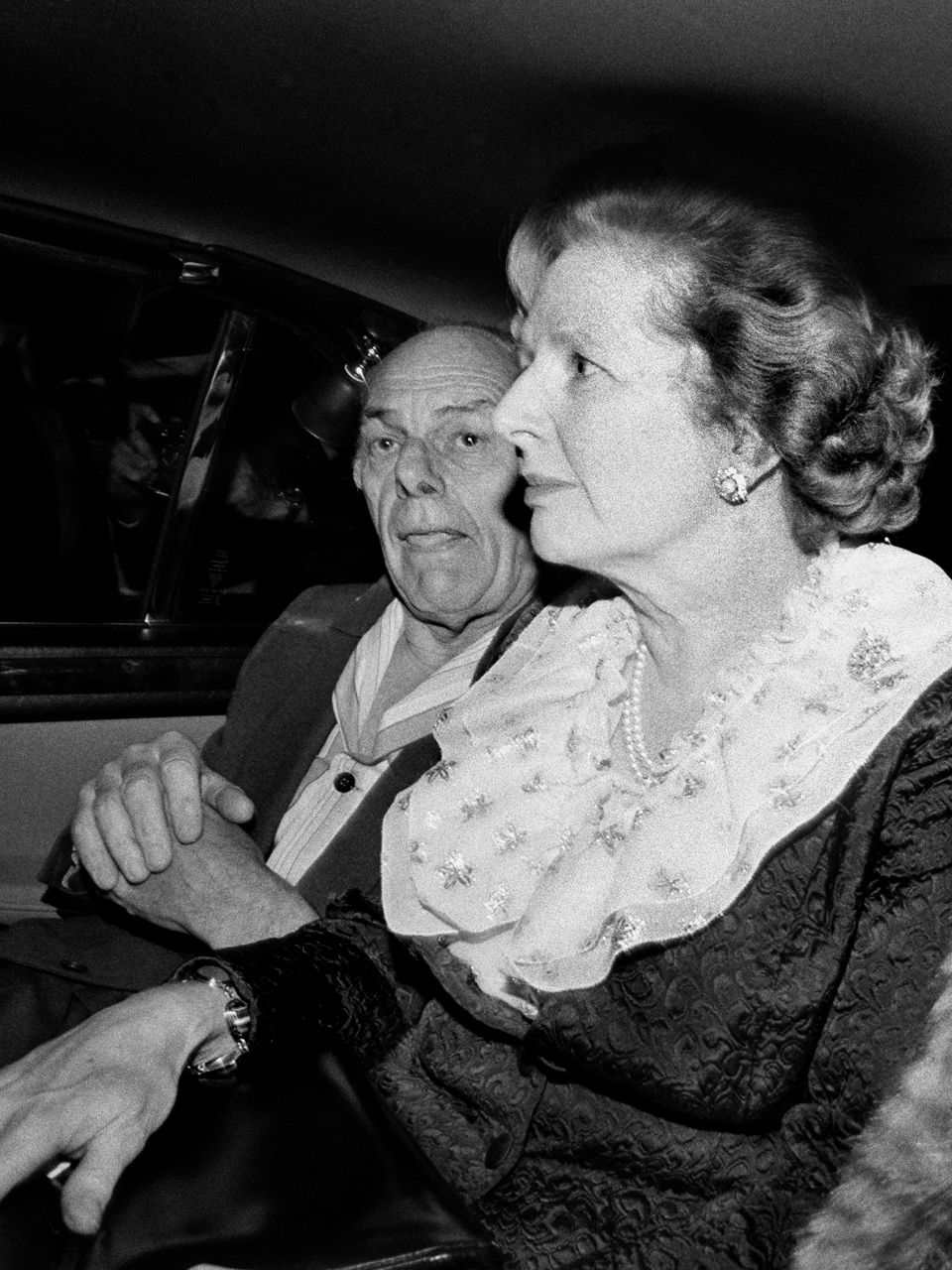
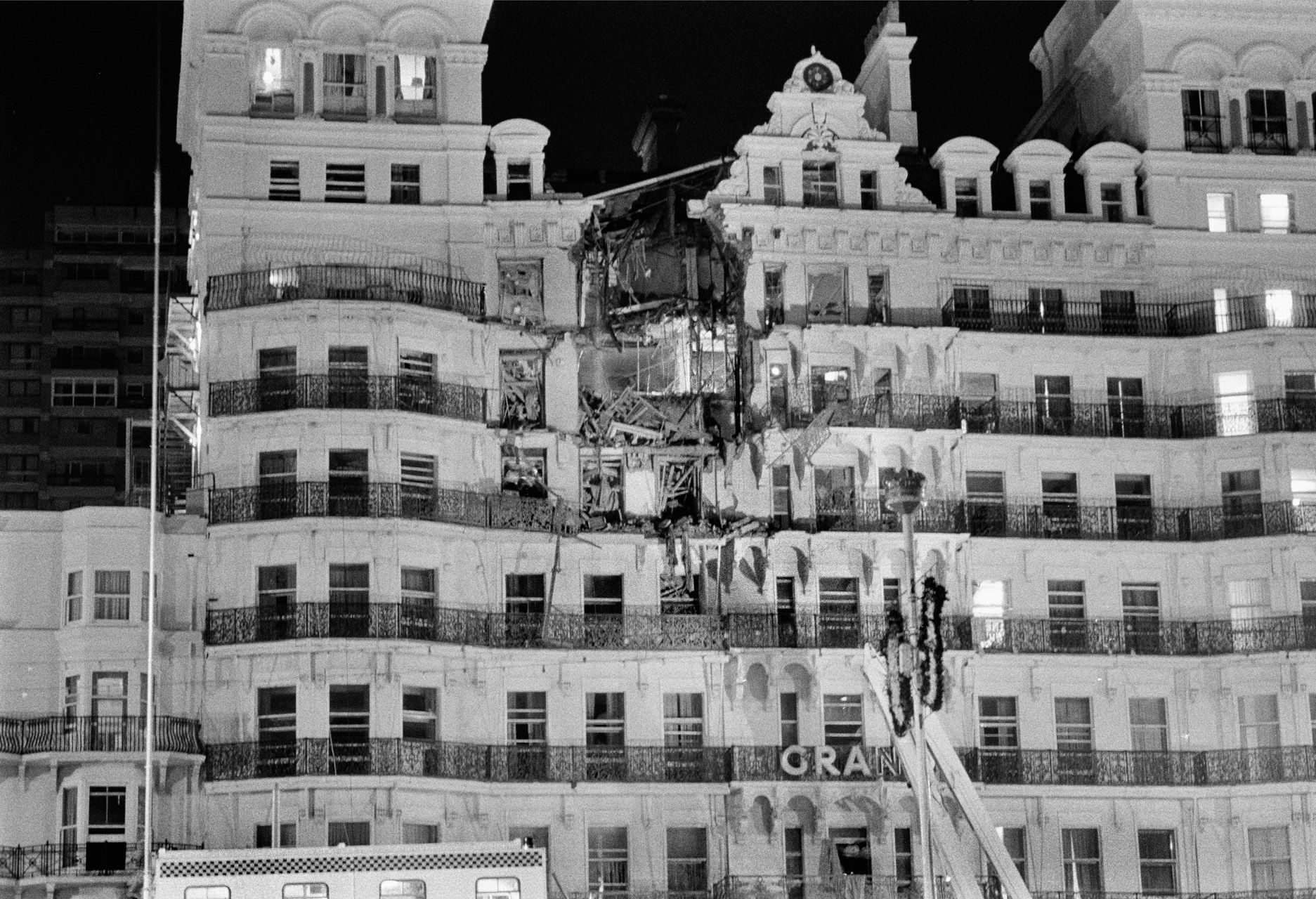
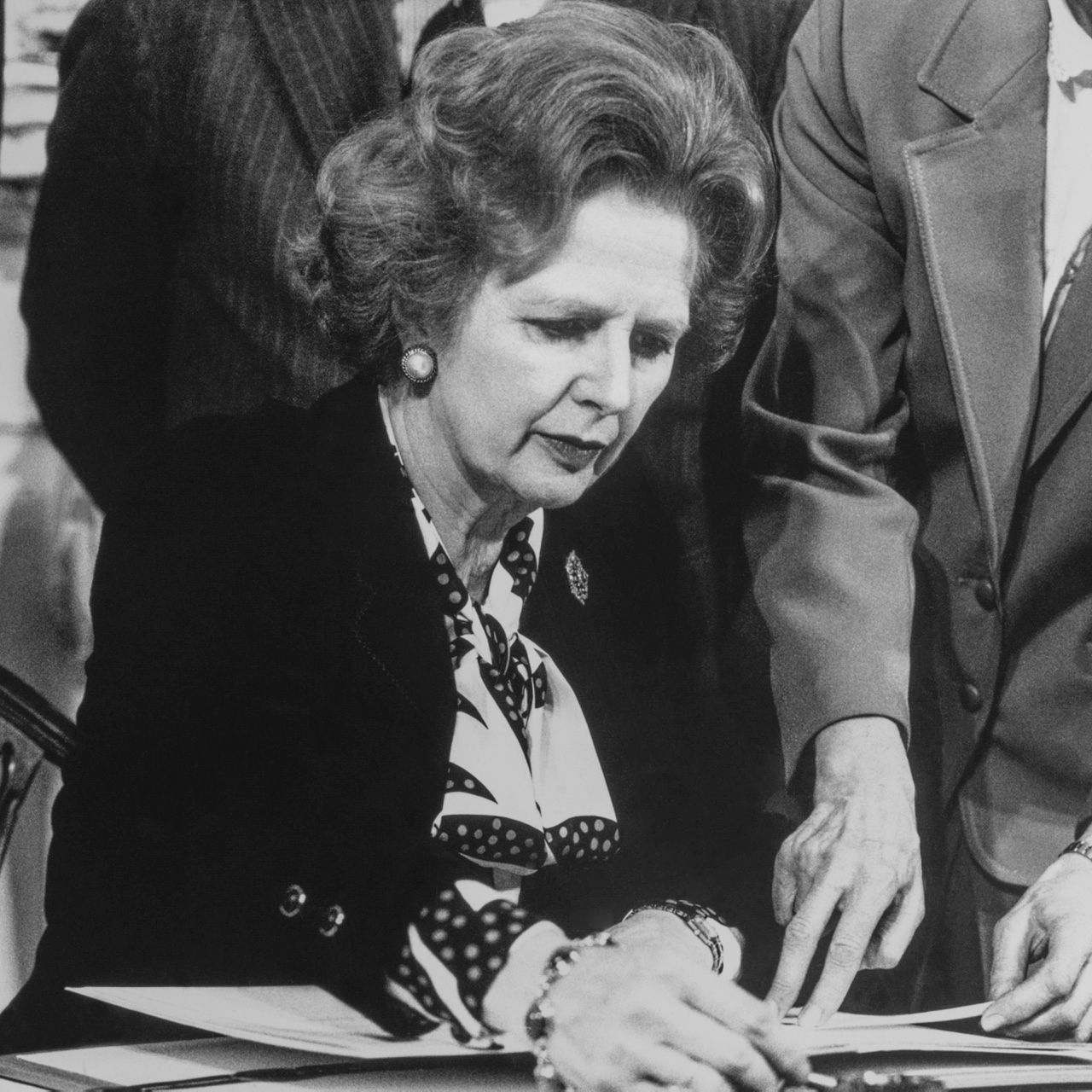
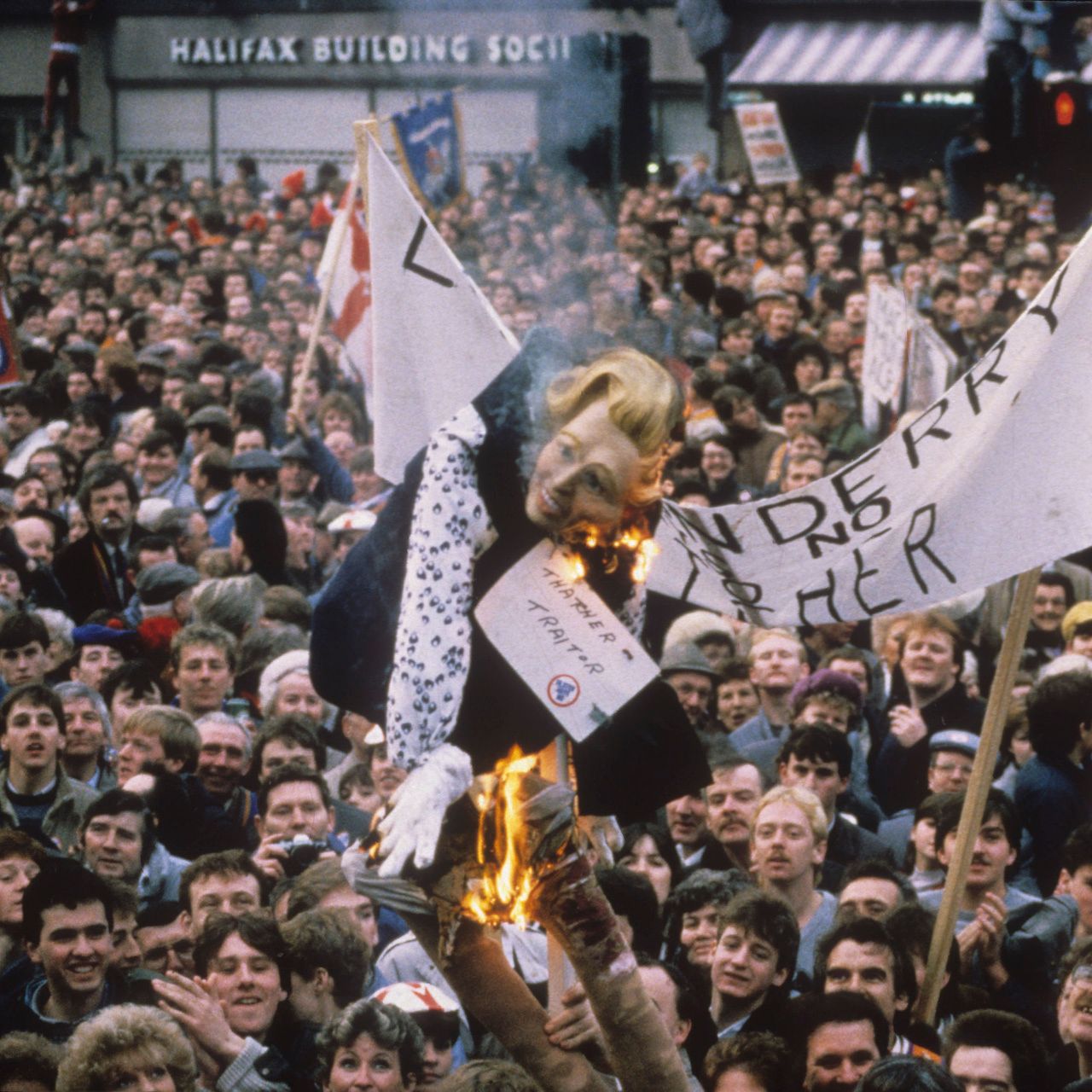
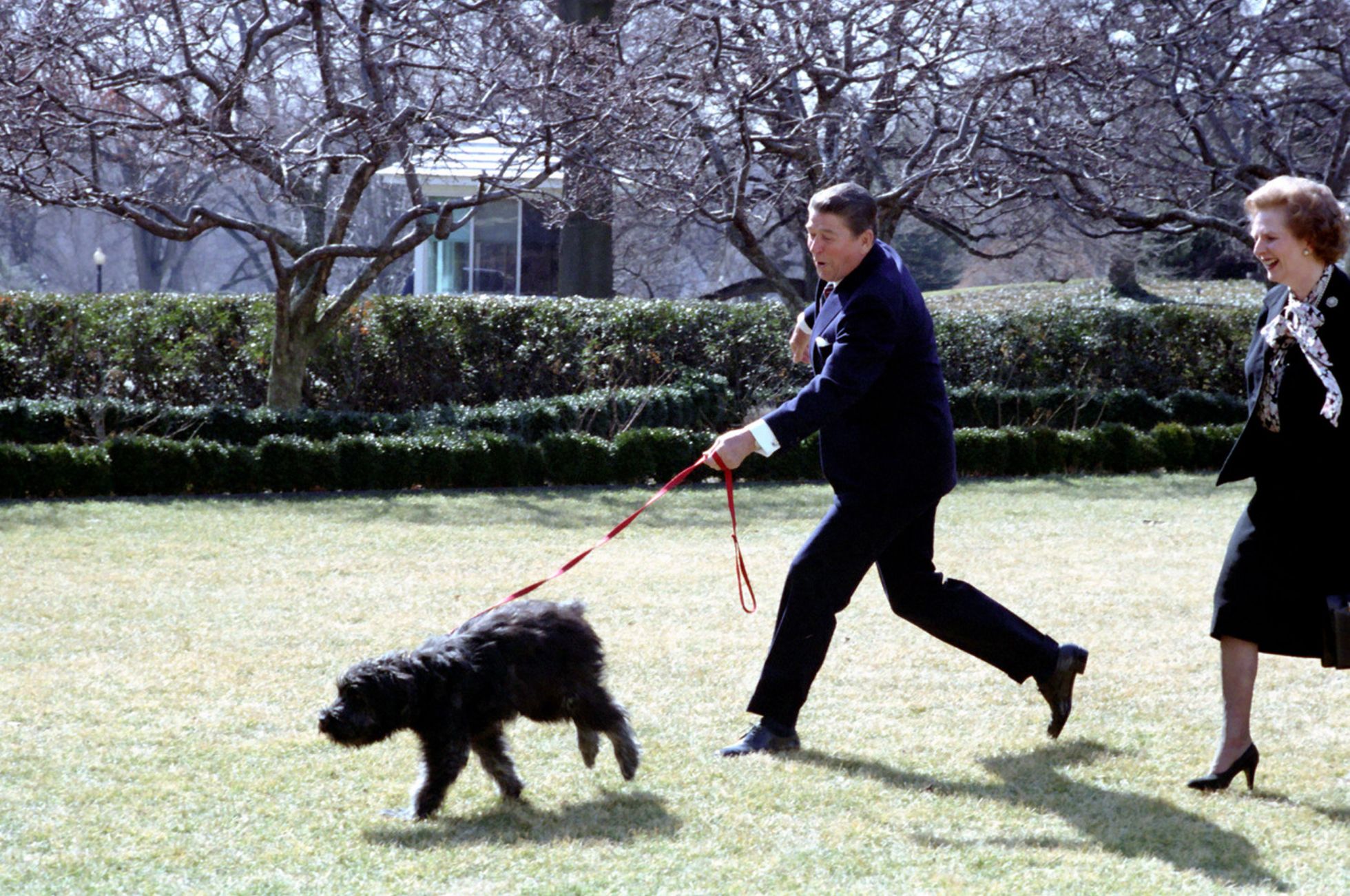
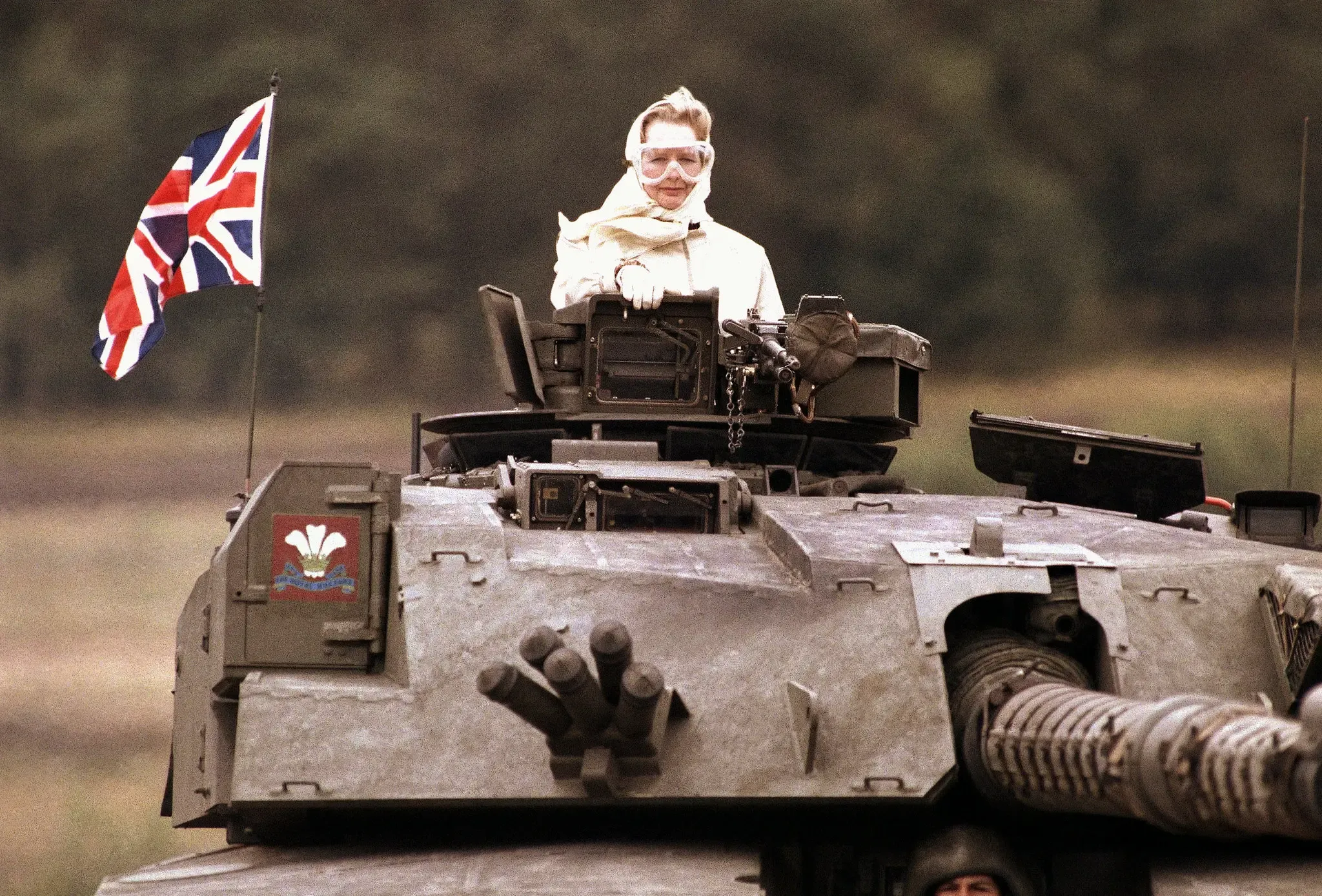
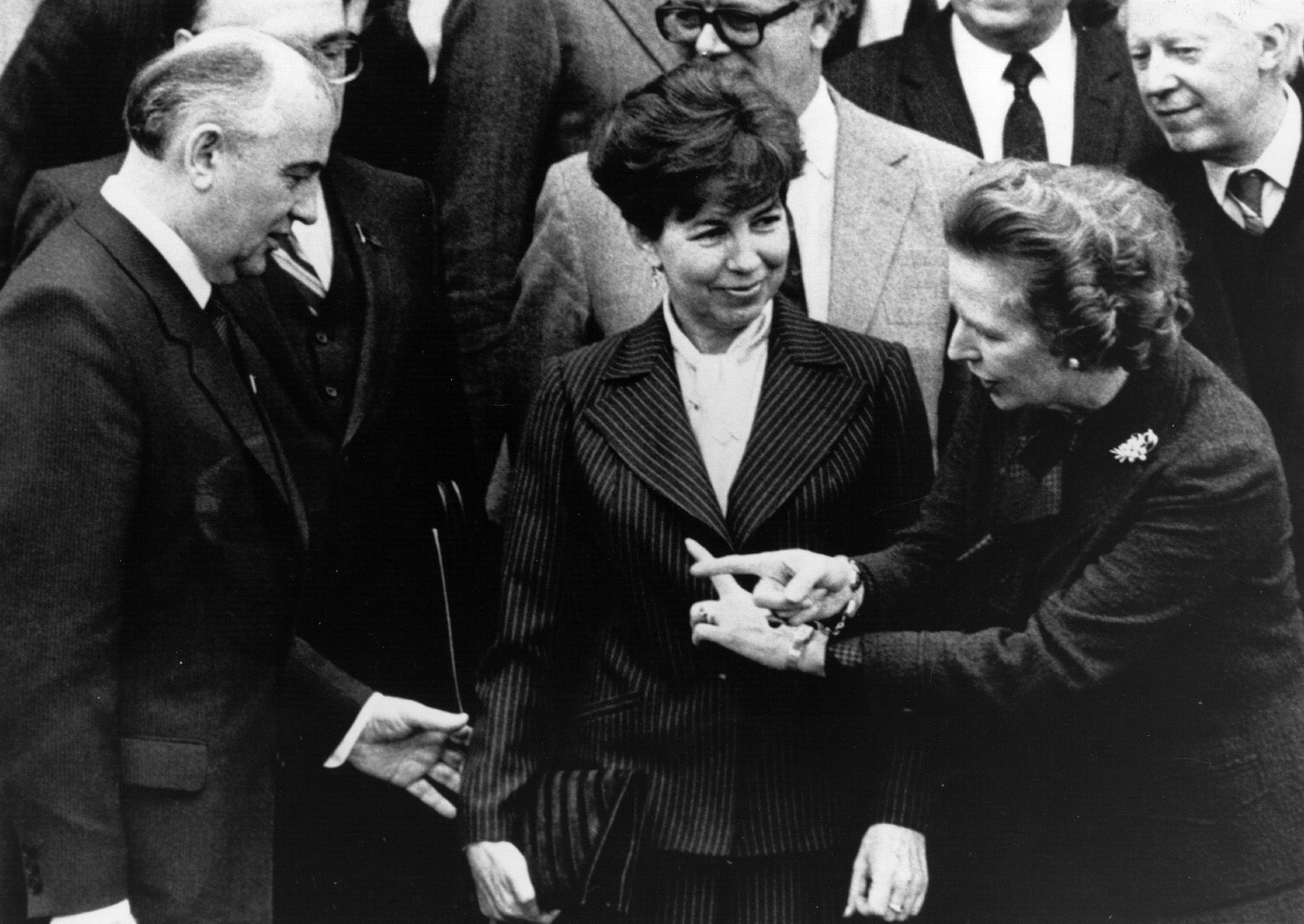
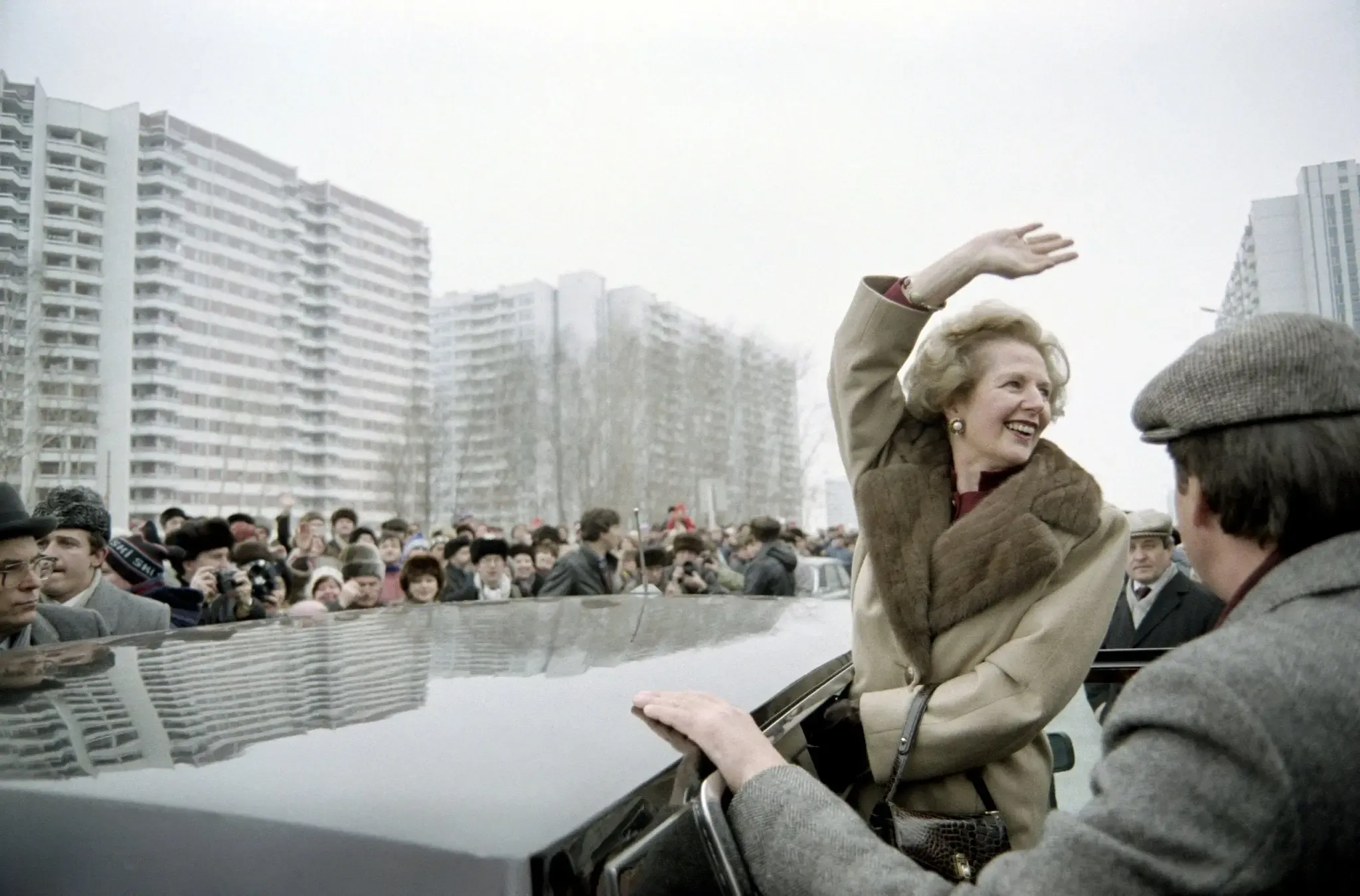
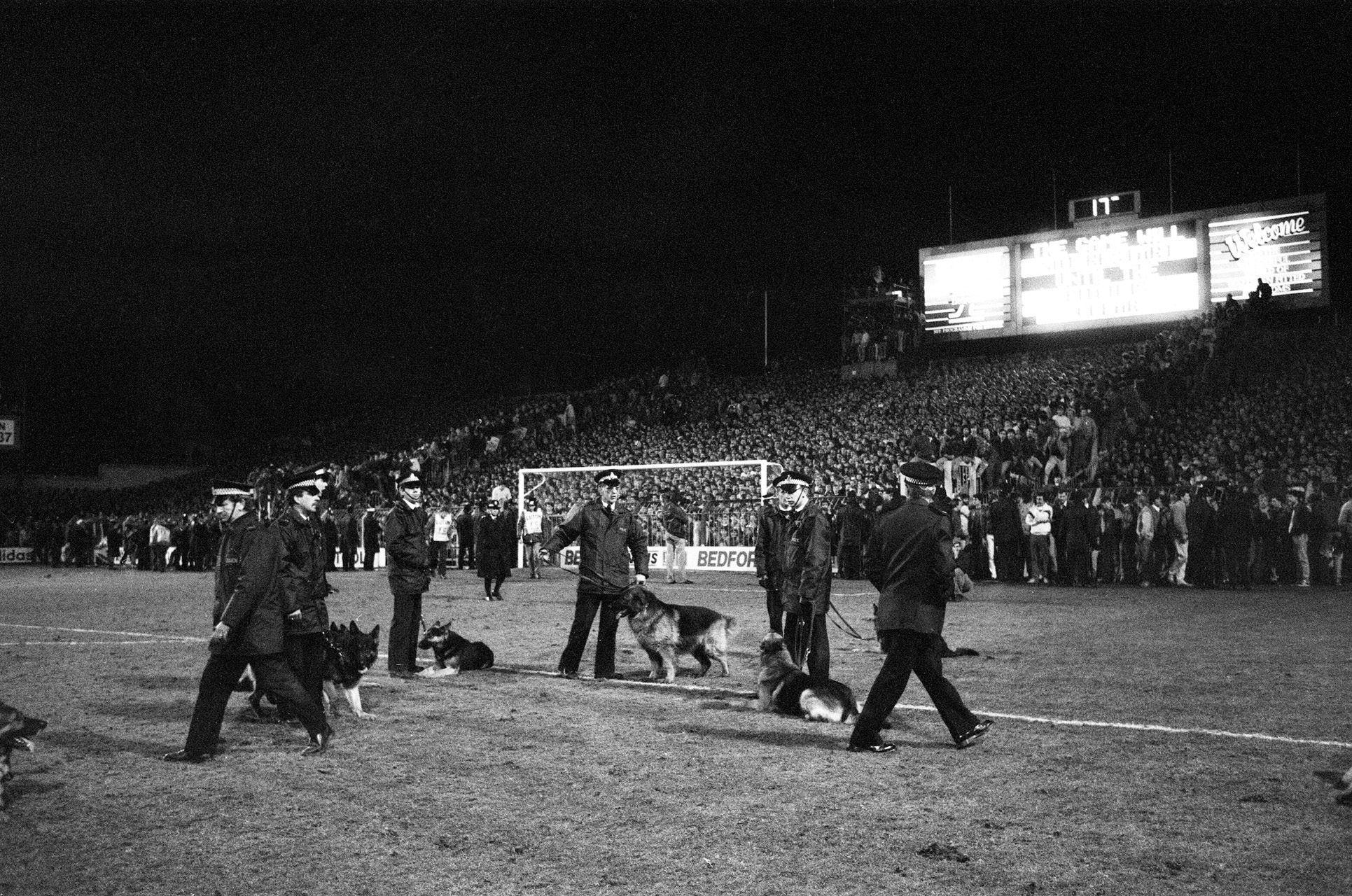
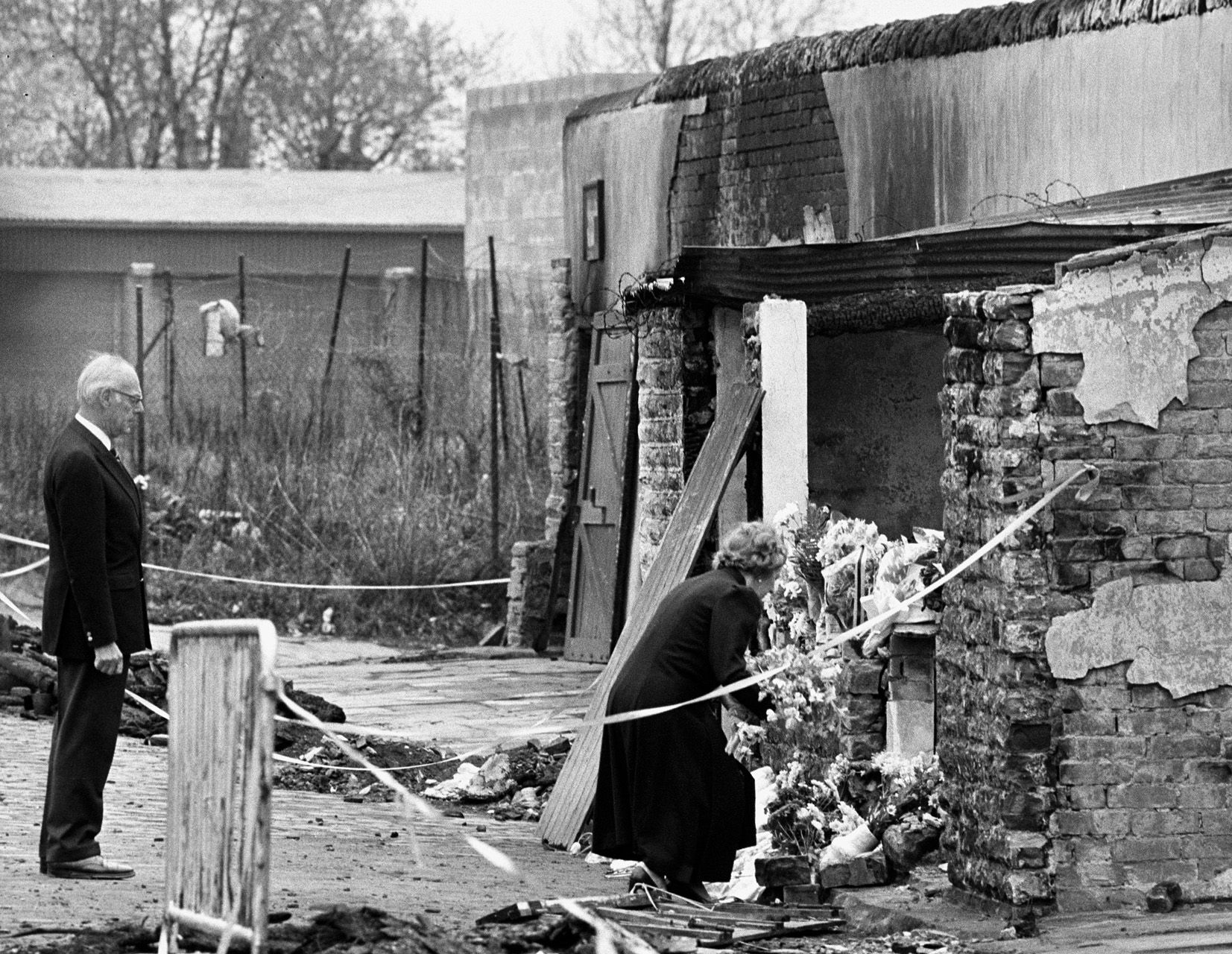
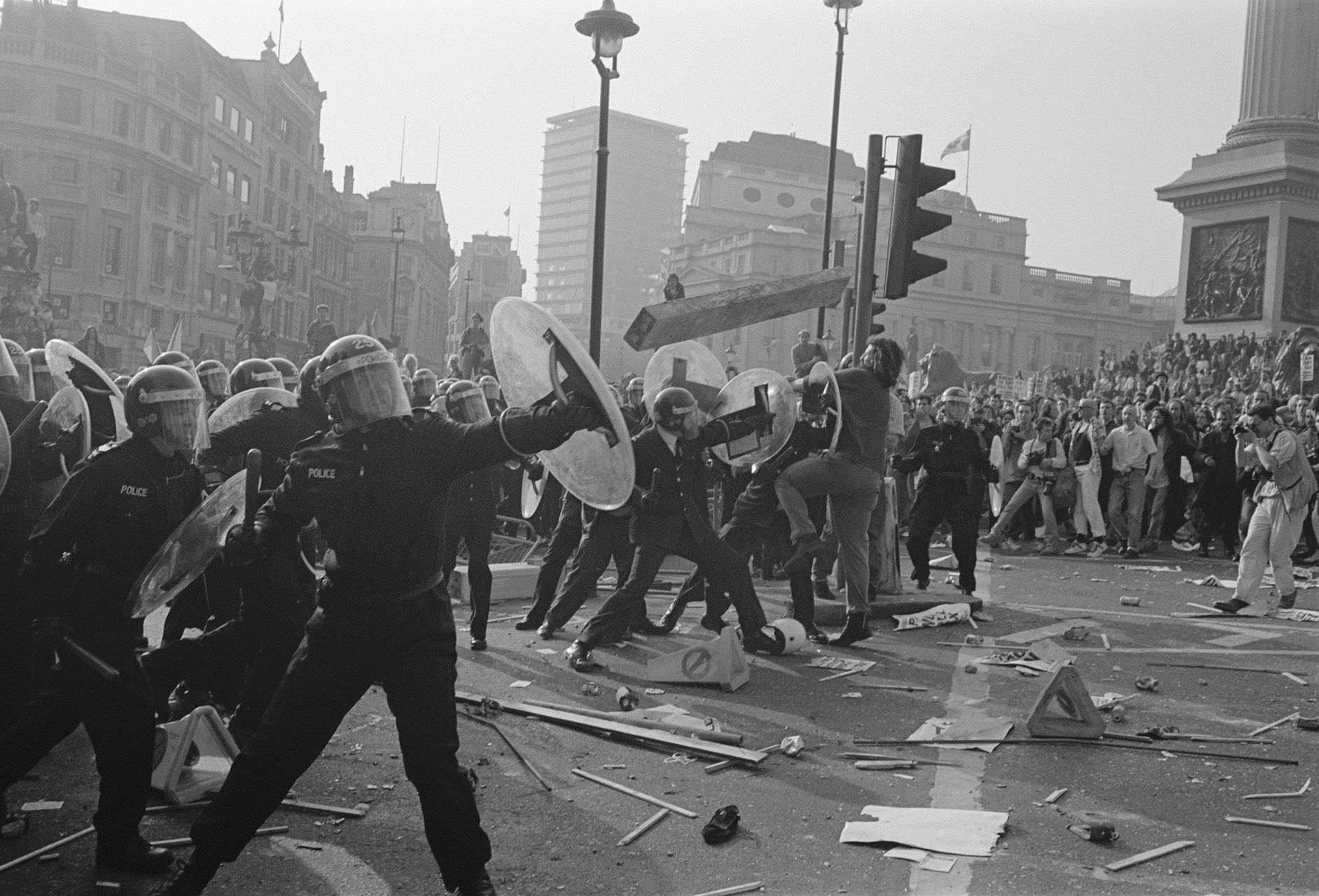
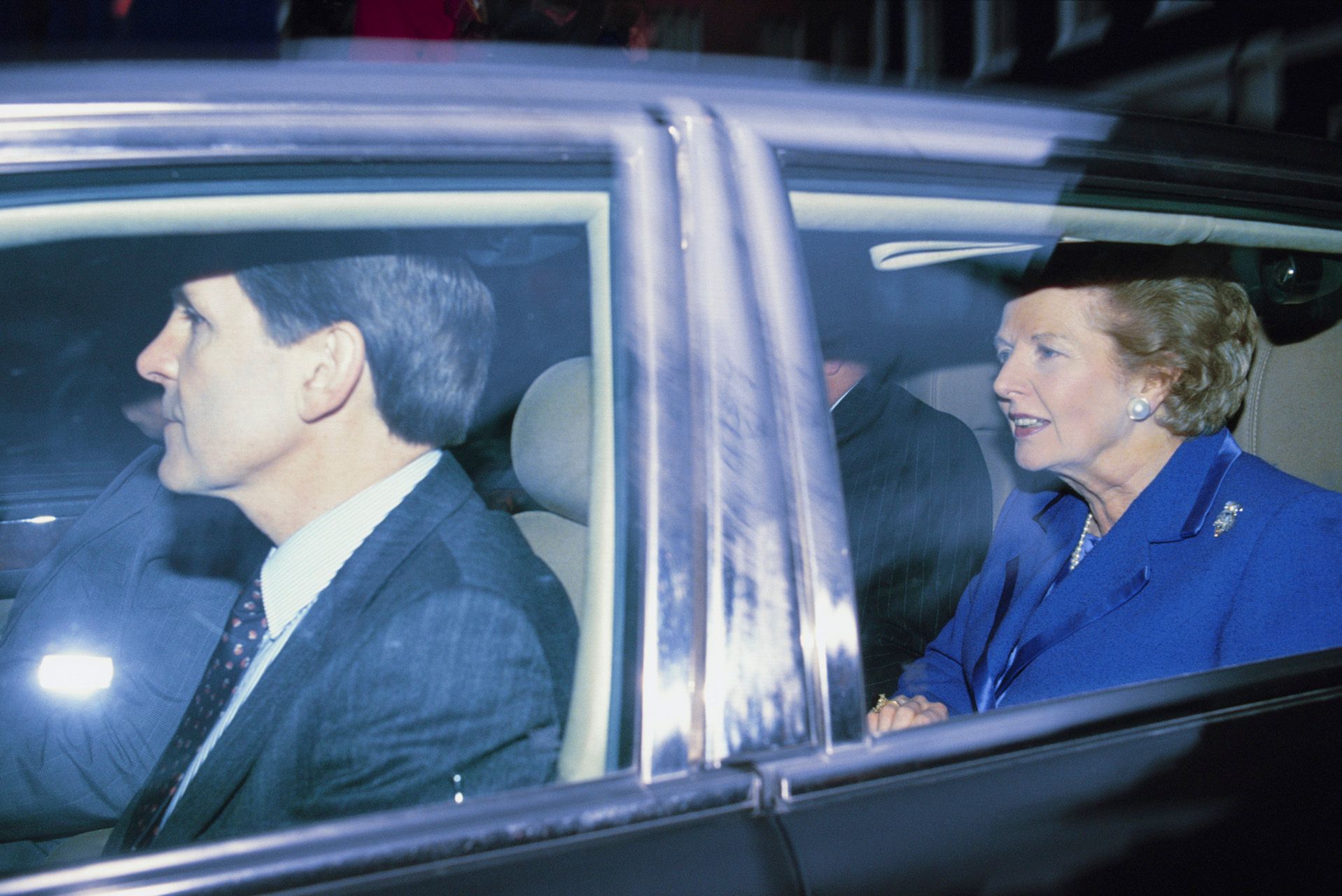
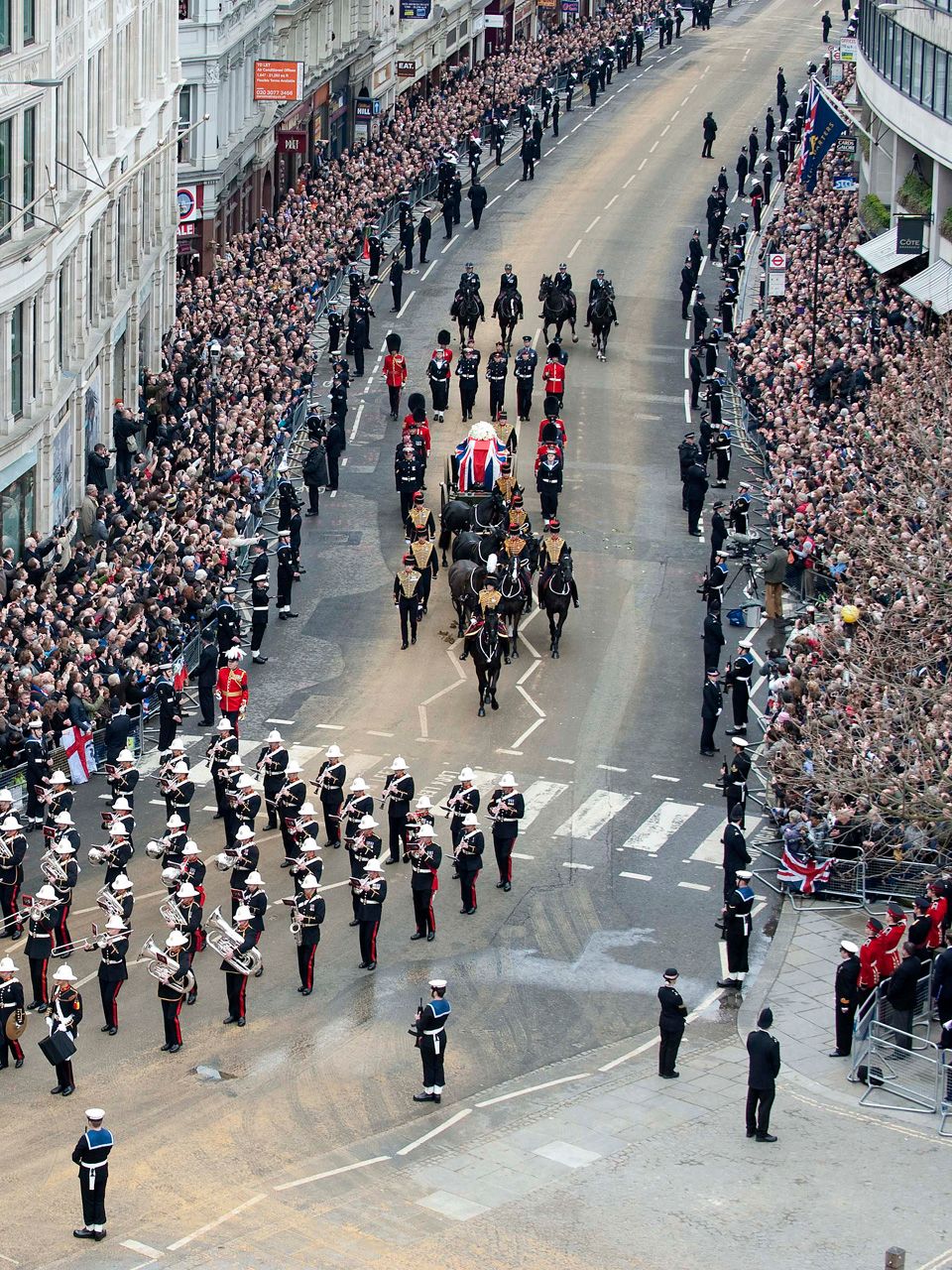
Chris Ware / Keystone Features / Getty images January 1950. Margaret Roberts, the daughter of the owner of the grocery store, born in 1925, is still trying to combine a policy with a chemist career. Then she decided to become a lawyer. Money for training (and for the first - unsuccessful - election campaigns) was given by her husband Danis Thatcher Chris Ware / Keystone Features / Getty Images 1950. Roberts plans his election campaign, becoming the youngest in the history of Great Britain as a candidate member of the parliament. During the war, Margaret Roberts entered Oxford and in 1947 received a bachelor's degree in chemistry. After the university, she began work at BX Plastics, but in 1948 she visited the conference of the conservative party where she met her future husband and decided to become a politician Central Press / Getty images Margaret Roberts during the election campaign in October 1951 in Dartford County in the southeast of England. Before she changes her name, three months remain. Before the election to the parliament - eight years. The elections of 1950 and 1951 she lost to the Labor of Norman Dodds. The 1955 elections missed her twins because of her birth. In 1959, Thatcher first became a member of the parliament. And after another 20 years of rise and falls-Prime Minister of the United Kingdom R. Powell / Daily Express / Hulton Archive / Getty images students and parents with “Hands away from milk” in London in 1970. The purpose of the protesters was the Minister of Education Margaret Thatcher, who reduced government spending on school breakfast and canceled the daily issuance of a free glass of milk to each student. After that, she received the nickname the kidnapper of milk. The treasury these measures brought saving only a few million pounds, and Thatcher almost cost a career. The future prime minister claimed that it was then that she learned to measure the goals and means of achieving them Larry Ellis / Daily Express / Hulton Archive / Getty images Margaret Thatcher poses in the kitchen in October 1974, during the largest crisis in his political career. In the losing election of the government of the conservatives, the kidnapper of milk was the most unpopular minister. Five years later, in the kitchen in the Premiere’s residence on Dauning Street, 10, as a “housewife”, Tetcher Danis's husband has already posed Ian Tyas / Keystone / Hulton Archive / Getty Images passenger at the London Bridge railway station studies a list of trains canceled due to strike in January 1979. Due to high inflation, the country plunged into the next political crisis, and in May elections in May, the conservatives won by a wide margin. This made it possible for the new premiere Margaret Thatcher to find radical transformations of the economy and society Graham Wiltshire / Getty Images leader of the opposition Margaret Thatcher during the 1979 election campaign under the slogan "Do not hope for the best life, vote for it" Central Press / Hulton Archive / Getty images May 1979. Laborist James Callakhan puts things in a car preparing to leave the residence of the Prime Minister of the United Kingdom in London. He lost universal elections and-for the first time in the history of Western countries -lost the post of prime minister to a woman, leader of conservatives Margaret Thatcher AP / Scanpix / Leta Thatcher with the Queen of Great Britain Elizabeth II in Lusak (Zambia) at the conference of the Commonwealth of Nations (former colonies and dominions of the British Empire) in 1979. Already in the mid-1980s it became known that two women do not like each other. Thatcher, although she respected the Institute of the Monarchy, did not complain many of her “remnants” - for example, condescending to the Commonwealth as an organization that the queen headed, which she was very proud of. Elizabeth II, in turn, called Tatcher's social policy "confrontation" David Levenson / Getty images of the courts with the townspeople entered the Harbor of Southampton to meet British sailors and military, victoriously returning from the war in the Falkland Islands in 1982. The military triumph not only retained the small archipelago in the South Atlantic for the UK, but also saved his career Margaret Thatcher, who was on the verge of resignation on the eve of the war due to disagreements in his own party and seemed to have no chance at all in the 1983 general elections. As a result, conservatives won these elections with a record advantage Albert Foster / Mirrorpix / Vida Press Thatcher welcomes the battle veterans for Falkland. Before the war, in 1982, the Great Britain government many times considered the issue of the peaceful transfer of the islands of Argentina, but postponed the decision. On April 2, 1982, the Argentine dictator General Leopoldo Galteri decided to seize the islands by force, hoping that the British government would not bring the matter to a full -scale war, and other Western countries will not provide her with support. Galteri miscalculated: Thatcher created a military office, which developed a very risky operation. She was crowned with success: on June 14, Argentinean troops, failed to prevent the landing of the British army 12,600 kilometers from Southampton, surrendered Tom Stoddart / Getty Images on a striking miner and police in the city of Orgiv in Yorkshire. The local coal plant became world famous after the riots and their suppression during the annual strike of miners in England and Wales in 1984-1985 (it is called the Battle of Orgy). Coarseers protested against the closure of unprofitable mines, which were under the control of the government and were subsidized. Thatcher's main goal was to reduce the influence of trade unions, which completely controlled employment in the industry. The government won the protracted struggle, in which it combined the power impact and the use of strategrachers who did not obey the trade unions. The strike was stopped, the trade unions managed to achieve only delaying the closure of several mines. And Thatcher forever became the object of hatred of a significant part of the nation John Roca / Ny Daily News Archive / Getty images Combat with the body of one of the leaders of the Irish Republican Army (IRA) Bobby Sands at the funeral in Belfast in 1981. Sands died as a result of a 66-day hunger strike IRA militants in the Meiz prison; After him, nine more prisoners died. They demanded that they provide them with the status of political prisoners (and separate them from other criminals). The hunger strike did not lead to anything. The Prime Minister refused to change the status of prisoners and coldly remarked: “The crime remains a crime, because it is a crime. Politics has nothing to do with it. ” Ira militants fought for the separation of Northern Ireland from the UK and the reunification of this territory, divided between Catholics and Protestants, from the rest, mainly Catholic, part of Ireland John Downing / Getty images Margaret Thatcher and her husband leaves Grand Hotel in Brighton, where conservative leaders stopped during the party conference in 1984. The bomb exploded at the hotel, the separatists from Ira took responsibility for the attack. John Download / Getty images damage to Grand Hotel in Brighton after Ira attack. As a result of the explosion, five people died - politicians and members of their families. Neither the ministers of the Tetcher’s cabinet, nor she herself suffered. Ira threatened that she would not stop attempts to kill ministers, Thatcher promised retribution Terry Disney / Daily Express / Hulton Archive / Getty images Tatcher opens a party conference in Brighton a few hours after the hotel terrorist attack. The prime minister called the explosion "an attack on democracy." The explosion was the first attempt to attempt on members of the English government since 1605, when the conspirators, led by Guy Fox, tried to blow up the parliament building with King Jacob I Bryn Colton / Getty Images, a year after the IRA terrorist attack, she signed a British-Irish agreement (which provided Dublin with a consulting role in the management of North Ireland), which became the basis for resolving the conflict. The final refusal of Ira from terrorism occurred after the resignation of Thatcher. Thatcher signs the British-Irish agreement Kaveh Kazemi / Getty Images North Irish Loyalists (Protestants and supporters of the location of Northern Ireland as part of the United Kingdom) Zhuglus Tatcher Zhugli after signing the Treaty between Great Britain and Ireland, which laid the foundation Photo 12 / Universal Images Group / Getty Images President of the USA Ronald Reagan with Prime Minister Margaret Thatcher walk the dog’s dog in the Pink Garden of the White House. Thatcher and Reagan, close in views on politics and economics, synchronously and similar methods overcame the economic crisis in their countries. For this, they took advantage of the development of neoliberalism theorists, proving the need to sharply reduce state intervention in the economy. After the successes of Reagan and Thatcher, this approach remained dominant until the 2008 global crisis. In 1991, the tandem of the already resigned politicians watched the Western victory in the Cold War-also won thanks to their politics in the 1980s Jockel Fink / AP / Scanpix / Leta “Iron Lady” Margaret Thatcher at the place of the Chellenger tank commander during joint exercises in Germany in 1986. Together with Chancellor Helmut Kole, who “ruled” the Leopard tank, Thatcher participated in tank shooting. Both the prime minister and the chancellor were at the target Keystone / Getty Images December 16, 1984. The first meeting of the future Secretary General of the CPSU Central Committee Mikhail Gorbachev, his wife Raisa and Margaret Thatcher during the visit of the Soviet delegation to the UK. The visit that took place during the period of serious illness of the Secretary General of Konstantin Chernenko became a kind of gorbachev’s brings in the West. It is argued that Gorbachev was selected as the head of the delegation from the list of possible applicants for the place of Secretary General - besides him, the candidates of the heads of party organizations in Moscow and Leningrad Viktor Grishin and Grigory Romanov were considered. Thatcher, as follows from declassified documents, said to his associates: "I like Gorbachev, you can deal with him" Daniel Janin / AFP / Scanpix / Leta Muscovites crowds Muscovites welcome Margaret Thatcher during her visit to the USSR in 1987. The Prime Minister was extremely popular in the Soviet Union in the later years of perestroika and remained for oppositional Soviet citizens a symbol of the free world CASE & PROSSER / VIDA Press riots at the stadium of the Luton Town club at the Milluolla Cup Machete. “Luton Town” was disqualified for a year, the country began to introduce registered “fan maps”, without which it was impossible to get to the stadium. This did not help, and in the same 1985 at the Brussels stadium “Eisel” during the final of the European Champions Cup between Juventus and Liverpool, the English fans became instigators of fights, after which almost 40 people died in the tide. English clubs expelled from Europe until 1990 PA Wire / Scanpix / Leta Tatcher and her husband lay flowers to one of the exits from the stadium in the city of Bradford. In July 1985, during the match of the third football league, a fire arose at the Old Stadium with a wooden roof, which claimed the lives of 56 fans. The death of dozens of people stood on a par with other events plunged English club football (which was then, of course, the most successful in Europe) in a difficult crisis, which continued until the early 1990s Steve Eason / Hulton Archive / Getty Images demonstrators are fighting with the police on Trafalgar Square in London in 1990. The cause of the protests was a new pillow tax with a fixed rate (Poll Tax, or Community Charge). To them, Thatcher decided to replace the real estate tax, the rate of which depended on its conditional rental value. The introduction of tax and subsequent protests became one of the reasons for the resignation of Thatcher at the request of his own party Tom Stoddart / Getty Images Tatcher leaves the residence on Dauning Street, 10 after his resignation on November 22, 1990. She came to power in the wake of strikes and protests and left politics because of a similar wave, not fully believing that she could “betray” her Danny E. Martindale / Getty images people in Brikston, London, welcome the death of Margaret Thatcher with a poster “Witch Dead”. April 8, 2013 David Crump / Getty Images funeral Margaret Thatcher in London. April 17, 2013
Photo editor Evgeny Feldman
10 years ago, Margaret Thatcher died • Meduza • RIMA — Russian Independent Media Archive