
Translated material
Empty streets, broken houses and burning roofs. Report from the hottest spot in the Belgorod region

Empty streets, broken houses and burning roofs. Report from the hottest spot in the Belgorod region
Katya Maksimova
June 7, 2023The Belgorod region suddenly became a zone of active hostilities for many Russians. The city of Shebekino is regularly shelled. There are almost no entire buildings there, but the inhabitants still remain. Many cannot leave: public transport does not work, communications periodically disappear, and they have to hide from shelling anywhere. The local FSB is trying to identify the gunners and complaining about the lack of help from the center. The authorities pretend that everything is under control, while sabotage and reconnaissance groups from Ukraine are in charge of Russian border villages. The demonstrative disdain on the part of state media angered even residents loyal to the government. The Insider correspondent came under fire in Shebekino and briefly found herself in the hands of security forces, who mistook her for a gunner of the Ukrainian Armed Forces.
Content
“Everyone here who takes a photo is a potential Ukrainian Armed Forces gunner!”
“Our Russian Donetsk or Mariupol”
"Hostages of Shebekino"
“Not a border, but an open door”
“Girls, let’s not raise the topic with conscripts”
“We’ve been sitting in the basement for three days - Donetsk is more important for the country, unfortunately”
You can't go into a shelter without a gas mask.
“We were evacuated from Shebekino to Shebekino.” Where are residents resettled?
“Everyone here who takes a photo is a potential Ukrainian Armed Forces gunner!”
“We know what your attitude is in Moscow. You consider us a village. You can’t even learn the name of the city, write it with “Ш”! — an indignant officer, presumably from the FSB, in the border town of Shebekino. “We’re ripping everything off, but your news doesn’t really tell you what’s going on here!”
We are sitting in the basement of the Shebeki police station. I was brought here after trying to take a photo of broken glass in a beauty salon building on the main street of the city. The shell flew into the House of Culture, but the blast wave broke windows in buildings tens of meters away. The military appeared suddenly. “Everyone here who takes a photo is a potential gunner of the Armed Forces of Ukraine,” the machine gunners said, seized the phone and passport, put him in a car and took him to the police station, and then took him to the basement. Either for the sake of intimidation, or for shelter from shells: that day there were four shellings of Shebekino, the roar overhead almost did not stop.
After the next arrival somewhere nearby, the lights go out in the basement. The interrogation continues in the dark. None of the security forces introduced themselves. They are looking for Ukrainian contacts, studying the photo on the phone - it was snatched unlocked. They are trying to take DNA samples and fingerprints, but the equipment is difficult to turn on after the shelling. The conversation becomes less harsh when the security forces find confirmation in the correspondence that this is really a journalist. They are no longer so interested in media workers, at least in this situation.
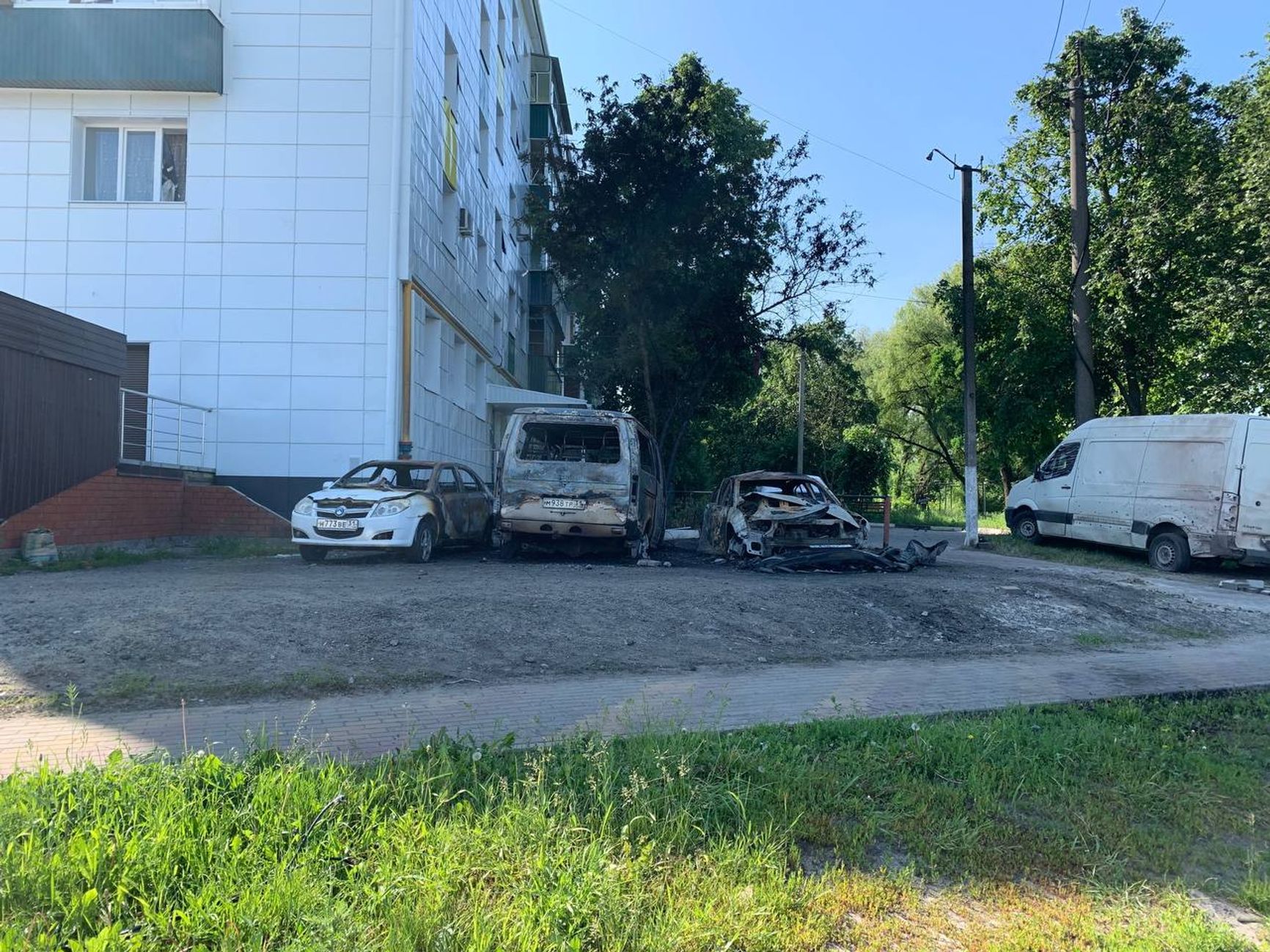
Morning in Shebekino
“We don’t play such games. We have no time for a war with journalists, we have a real one here. It’s in Moscow that they don’t know what to do,” says an irritated employee who never introduced himself. One can see how he is trying to refrain from directly criticizing the center, but it is not working out well. Like many residents of the Belgorod region, regional security officials are clearly outraged by the Kremlin's indifference to what is happening in the border region and the lack of assistance. With annoyance, my interlocutor says that in the Belgorod region “there is not even martial law.” After almost four hours I am released from the basement.
Belgorod security officials are outraged by the Kremlin’s indifference to what is happening in the region and the lack of assistance
“Officially there was only a counter-terrorist operation, but it was cancelled. And now there is no special regime. But we work as if he exists,” the policeman tries to explain the detention, search and interrogation.
We leave the station, the employee accompanies me to the car, which is parked near the Shebekinsky hospital in one of the alleys. “You’d better write how we’re trying to work with all this here. Nobody writes about this,” the policeman complains. The city center had changed while I was spending time in the basement: the sidewalks were covered with broken glass, and clouds of black smoke rose into the air outside the area. And three days later they would attack the police station where I was taken for interrogation.
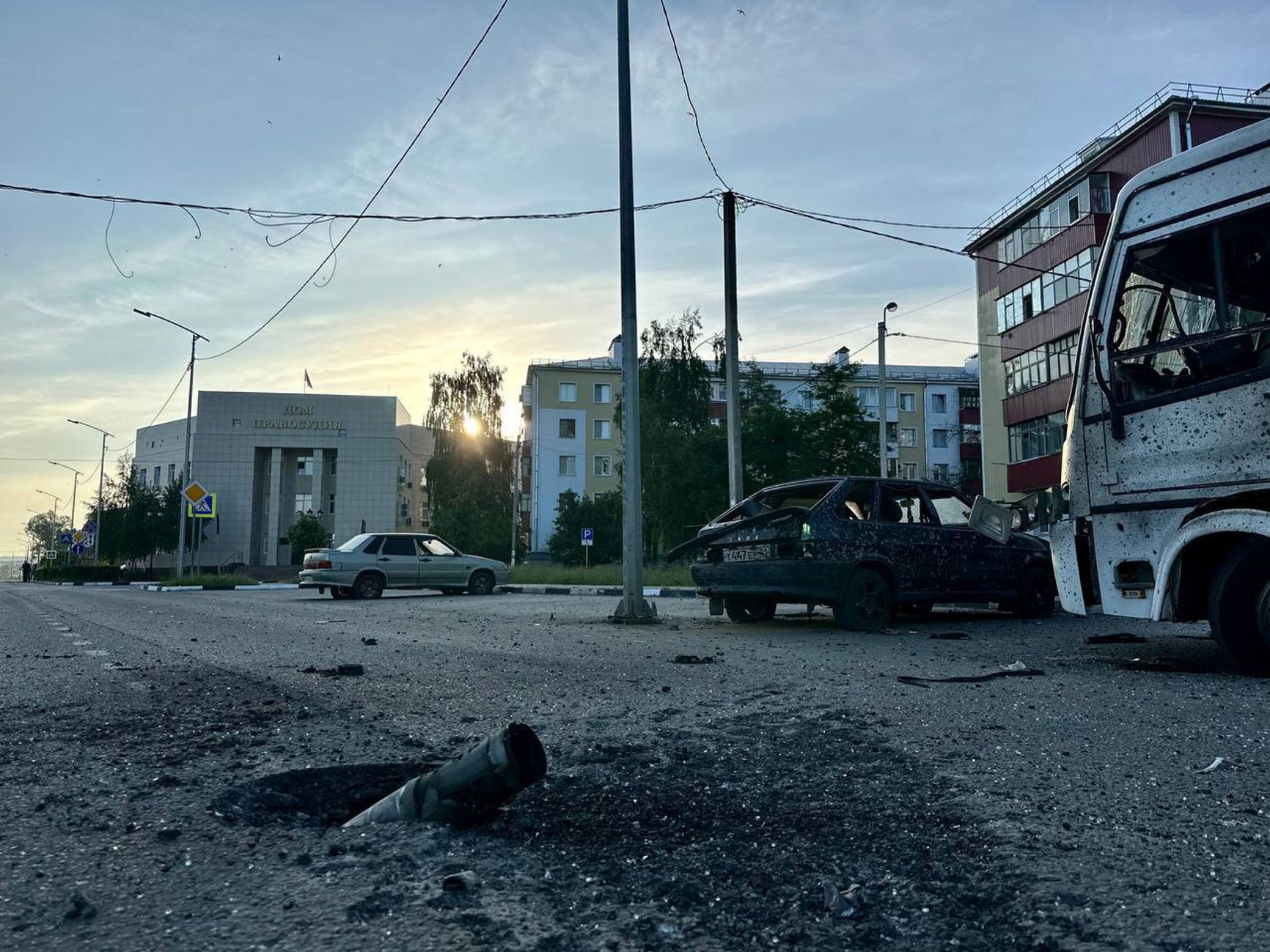
Shebekino center, consequences of the shelling
“Our Russian Donetsk or Mariupol”
The consequences of Putin’s war in Shebekino were felt from the very beginning of the “special operation”. The district has been shelled regularly since February 24, 2022, but this was mainly an isolated “response.” The Belgorod region was used as a springboard for the offensive in the Kharkov and Sumy directions, and Russian military equipment was regularly stationed in the fields, “landings” and around populated areas. Including the one from which the military fired at the territory of Ukraine. Nobody expected such a sharp escalation in Shebekino. Back on May 25 and 26, the city was relatively calm, with only occasional loud sounds in the sky. “Air defense work,” the locals said and didn’t pay much attention. Children continued to play in the street, and pensioners were in no hurry to leave the benches. On the morning of May 27, a siren wailed in the city. True, in the center it was almost inaudible - in contrast to the sounds of explosions directly overhead. That day Shebekino was shot at four times. Every day the intensity of the shelling increased.
From the very beginning of the war, the Belgorod region was used as a springboard for the offensive of the Russian army
While we are driving along Lenin Street, the shelling begins again. We park the car, get out and turn into the yard, following the arrows that say “shelter,” but we end up in a closed basement. We wait for several minutes, but people with keys that could open the shelter door do not appear. To the side I notice women holding the entrance door - it turned out that this is the only place where you can hide from shelling in this yard. The women wave and we enter. At this moment there is an explosion above our heads, everyone screams.
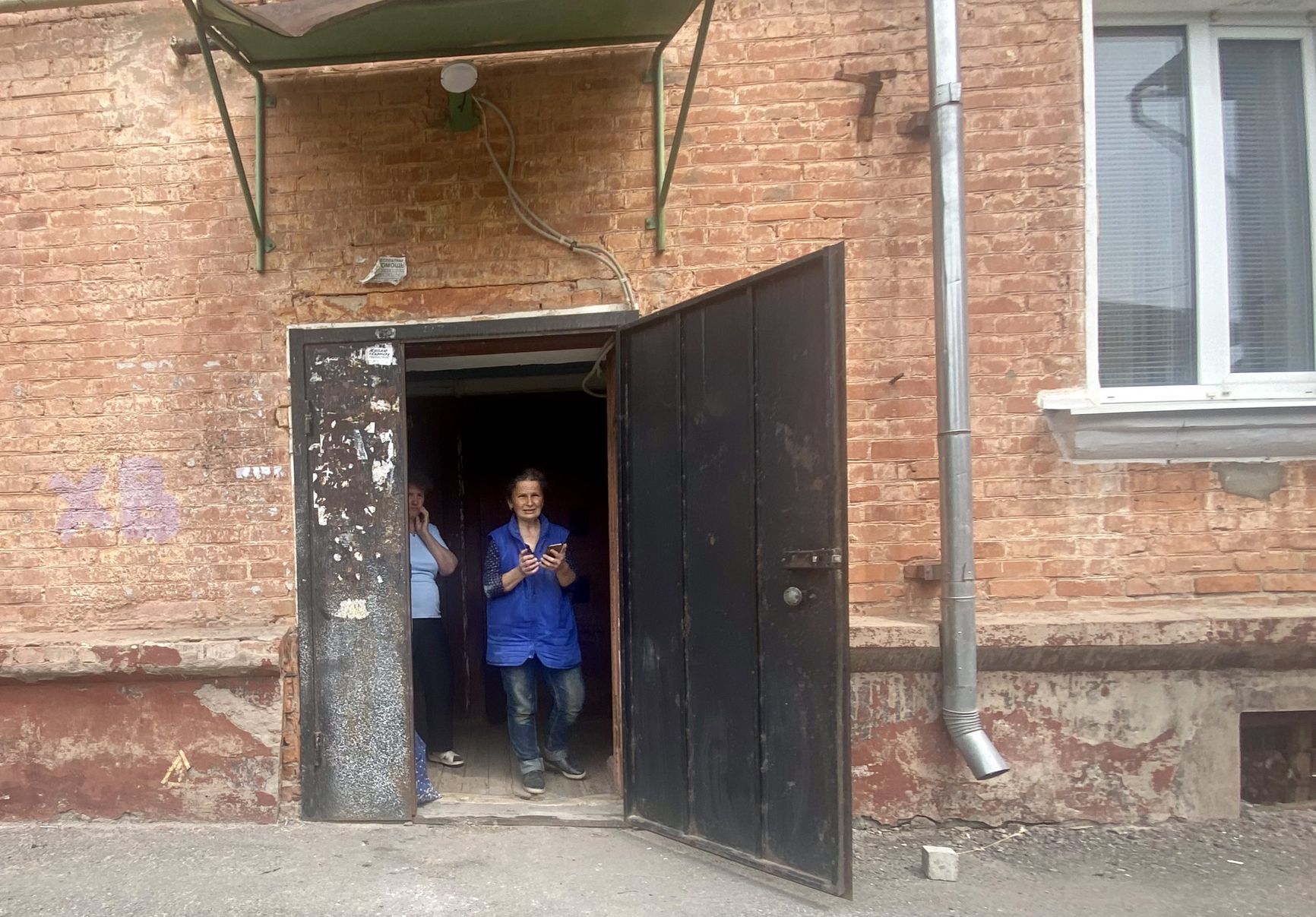
Residents take shelter in the entrance to Shebekino
“Who is this? Are ours not ours? - asks the woman, looking out of the entrance. Many older residents of the Belgorod region speak Surzhik, a mixture of Russian and Ukrainian. - If with a whistle, then the Ukrainians, if just bang-bang, then ours are hitting from the region. When there’s a whistle, it’s more dangerous, which means there could be an arrival.”
“Ours,” according to local residents, are placing military equipment around Shebekino. Judging by the sounds, it takes off just a few kilometers from us. Last summer, military vehicles were located in the city itself - Urals and KamAZ trucks were located right on the territory of the Shebekino city hospital, which resembled a large military base. The entrances to the territory were guarded by armed submachine gunners. It was possible to go there only with documents. Now the hospital is empty. After the start of intense shelling, patients began to be transported to Belgorod. Only the groups of doctors on duty remained.
Another resident hurries to our entrance. She says that in the morning she was in the garden and stopped paying attention to the “bahi” in the sky. But “it became too loud and scary,” so she asked her son to pick her up from Shebekino. “Everything is at random here. “Kiss me good luck,” the woman says. - Of course, it was calmer before. We didn’t expect anything like it is now.”
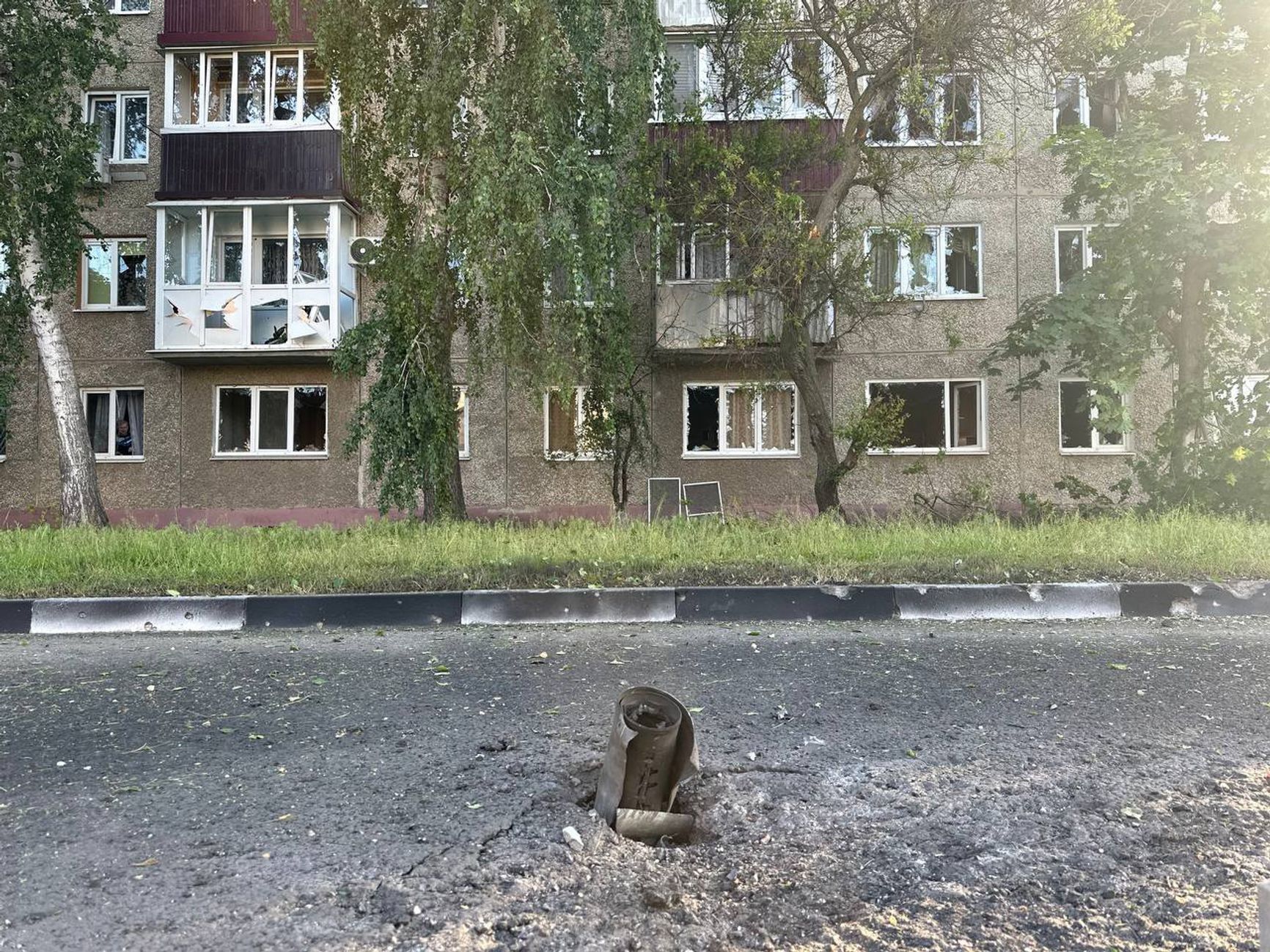
BelPlus
On May 28, Governor Gladkov reported 116 shells in the Shebekinsky urban district, on May 30 there were already 215, on June 1 - a record 850, and on June 2, 371 shells arrived. Both the city of Shebekino itself and the border villages of Novaya Tavolzhanka and Murom are suffering. Last summer, between the villages of Murom and Arkhangelskoye, the Russian military established a large repair and technical center for military equipment. During the occupation of the Kharkov region, MLRS and other combat vehicles could be seen here.
At the end of May, it was still possible to find shelter in shops in the city. Almost all buildings with panoramic glazing were lined with sandbags so that the glass would not break from a shell or blast wave and cut people. In addition, many retail outlets have already stopped closing their basements in anticipation of shelling. But a few days later the stores closed.
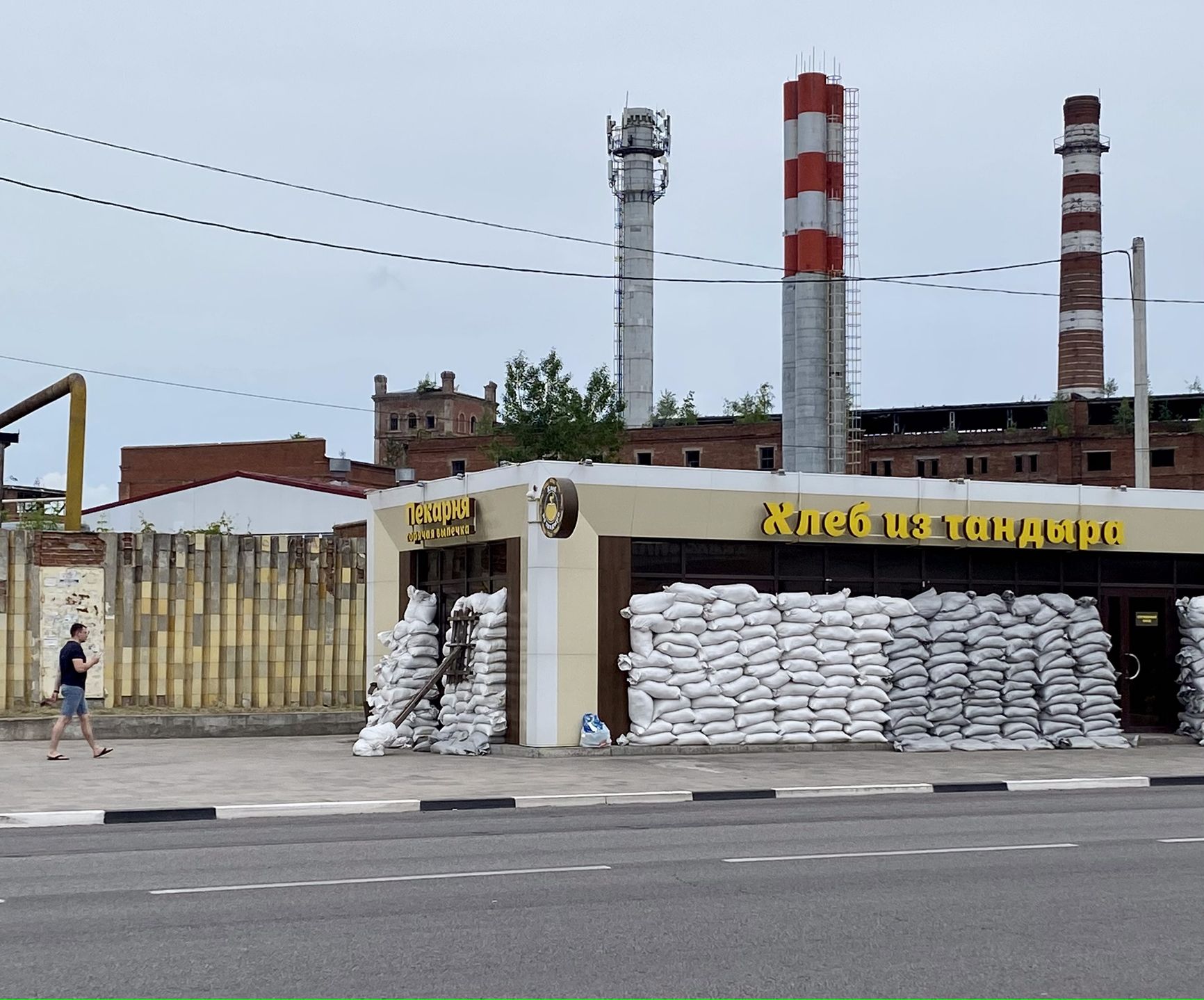
Attempts to save a building in Shebekino using sandbags
Now Shebekino is empty streets, broken houses and burning roofs. Apartment and private buildings, administrative buildings were damaged, a hostel, two businesses, and many cars burned down. The city has been without electricity and water for several days, there is no public transport and no cellular communications. Queues formed at gas stations on June 1 and 2. Entry into the city in all directions is closed and is guarded by entire brigades of military personnel. Until June 1, it was possible to get to Shebekino through the village of Titovka, then this road was also blocked.
“The city is empty, everything is on fire, columns of smoke, hungry dogs, most likely abandoned by their owners, are running around in search of food. The sight is terrible,” says a resident who left Shebekino on June 2.
“Our beautiful, clean city is now like Russian Donetsk or Mariupol in general, they sacrificed it to their adventures,” laments Vadim, a native of Shebekino. He began his career as a doctor in the Novaya Tavolzhanka hospital, and now he is not sure that he will be able to get there again, because the city is constantly being shelled, and now there are also battles with Ukrainian military personnel there. “It seems to me that soon there will no longer be any Tavolzhanka there.”
"Hostages of Shebekino"
Shebekino became the first Russian city whose residents began to be evacuated due to the war unleashed by Putin, although no one officially announced the evacuation. But due to the fact that the city was closed, leaving became a real quest for many.
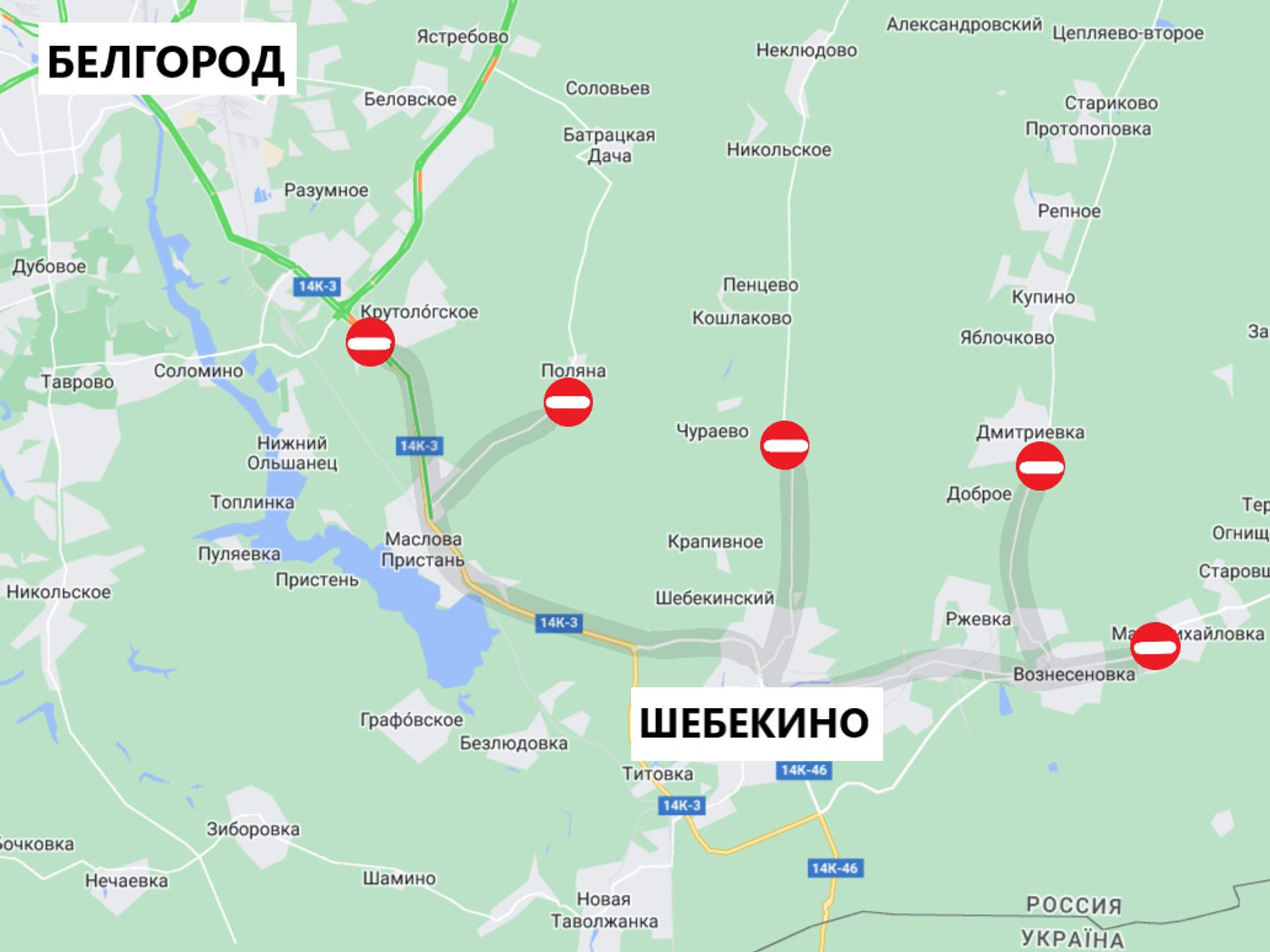
On June 1, the authorities provided buses to transport Shebekin residents to Belgorod. But they were located outside the city, and people had to get to them on their own. Some residents walked several kilometers. The elderly and those with limited mobility remained under fire for the first 24 hours. Relatives could not pick them up because entry into the city was closed. Shebekin residents created mutual aid chats in which they begged for help to take out their parents and pets.
“Please take us out of the city, children, mother is sick. What to do??? Someone help!!!?? Please!!!" — a resident of Shebekino asks in a chat. And there are dozens, if not hundreds of such messages.
“The parents stayed at home; yesterday they could not evacuate because there was no way to call. They’re not allowed into the city, they don’t have the opportunity to leave there<<…>> 😭😭there’s no communication in the city, you can’t contact your parents,” writes user Yulia in one of the Shebekin chats.
“Yesterday afternoon my aunt had a stroke. We can't wait for help. The ambulance transfers to the defense and the head. We signed up for evacuation, silence,” Maria complains in the chat. - Wherever they have already turned. They say wait. Please help me take my aunt from Shebekino to Belgorod to receive medical care!”
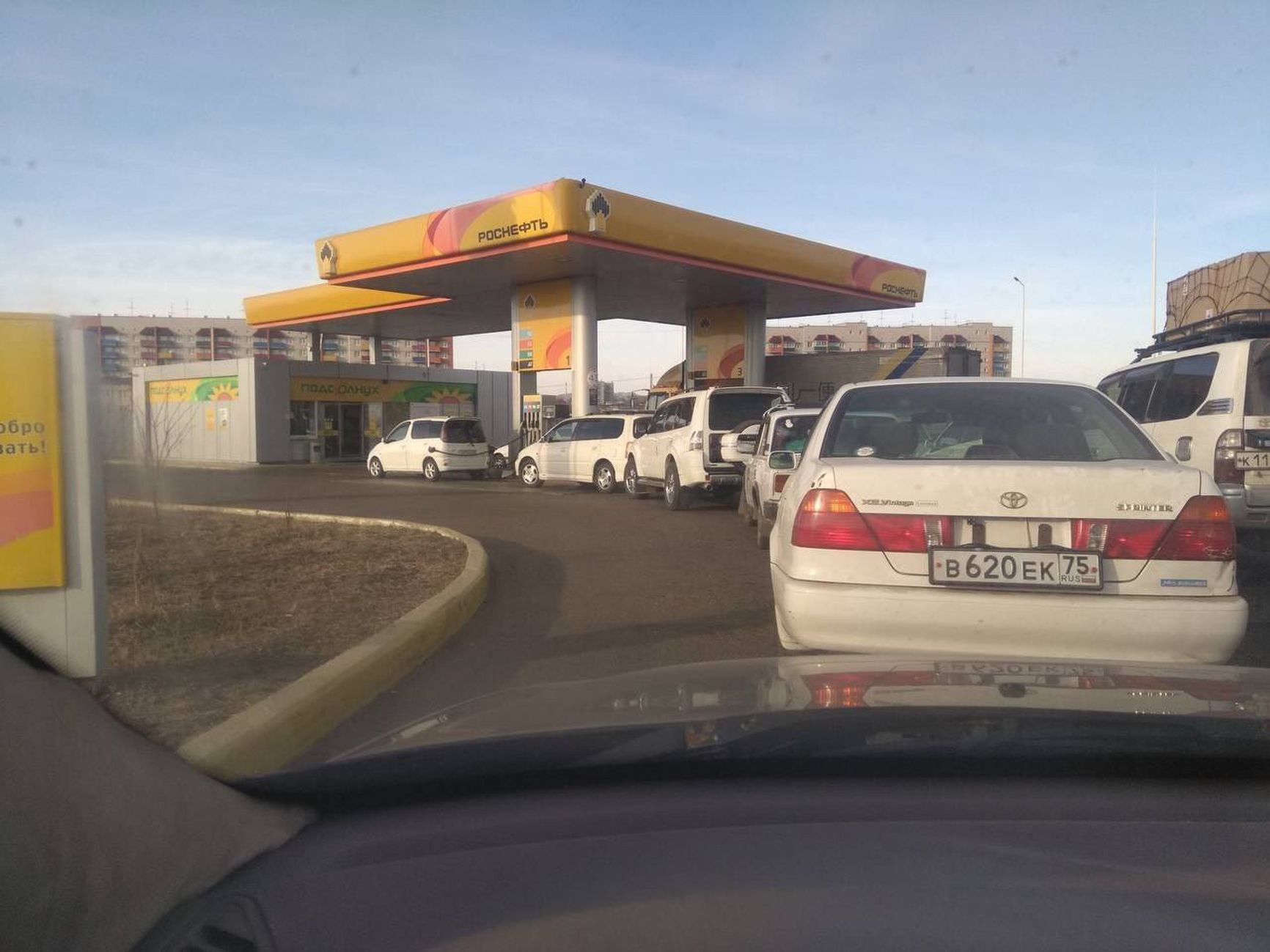
Queues of Belgorod residents leaving at a gas station
One of the Belgorod volunteers who joined the evacuation, Vladimir Finogenov, said that they were not always allowed into Shebekino: on June 1, he drove to Shebekino twice, but failed the third time. Another volunteer, Yulia Nemchinova, said that some were not allowed to leave the city by their own relatives.
“One asshole didn’t let his wife and two children out yesterday. We talked, explained it clearly, and took it out today,” Yulia shares. “Today I was driving a woman,” she says, “untied the dogs, petted the cats, said goodbye, crossed them and left.” They couldn’t reach the other woman, she was bedridden, her relatives took the keys and left, locking her in the apartment. How it happened, I don’t know.”
An attempt to leave on their own ended in tragedy for two residents: on June 2, they came under fire and died near the village of Maslova Pristan, between Shebekino and Belgorod. People in the second car were injured.
An attempt to leave on their own ended in tragedy for two residents of Shebekino: they came under fire and died
“Residents of the village of Murom, Shebekinsky city district, have been sitting without electricity for eight days, and in neighboring Ziborovka for four days,” residents write on social networks. “The authorities are in no hurry to evacuate anyone—they accept applications and remain silent. Those who can go out on their own. There is also periodic lack of communication in the village.”
In chat rooms, people ask for volunteers to feed the remaining animals. But some are waiting for help not only for dogs and cats, but also for chickens and goats.
“Family, three adults, one child 7 years old from the Shebekinsky district, Maslovaya Pristan. With farm animals: 14 goats, 30 chickens, 9 medium-sized, kind dogs, 2 cats. They are forced to look for new housing, a private house, with the ability to accommodate animals,” reads the request for help.
However, there are people who find it easier to move around the region than the Belgorod residents themselves, at least in the border villages - these are Ukrainian sabotage and reconnaissance groups (DRG) and fighters of the Russian Volunteer Corps (RDK). Their appearance hardly surprises local residents.
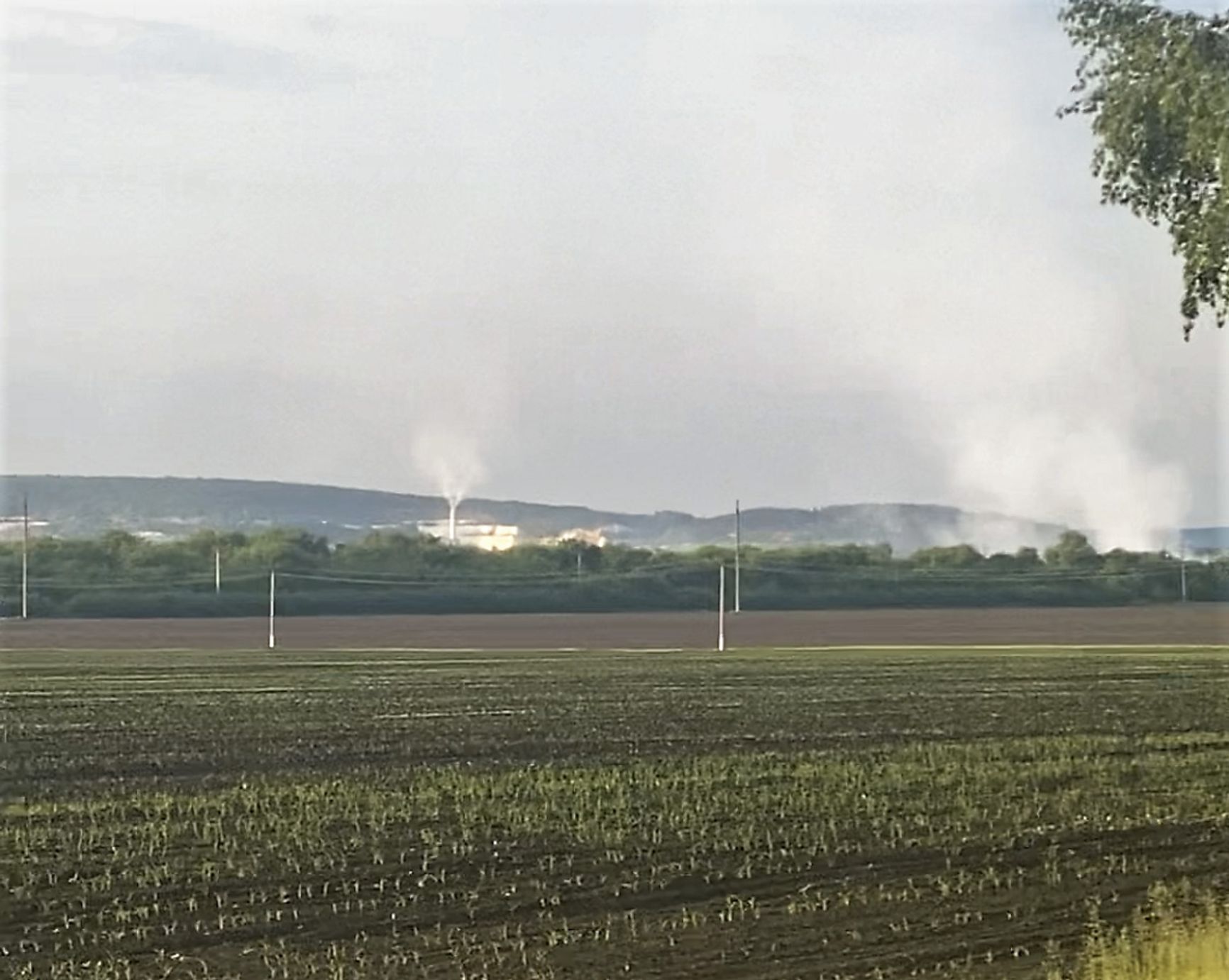
Smoke at the exit from Shebekino
“Not a border, but an open door”
“Our border is not just full of holes, it’s open, like a thong! They look like cowards, but they don’t cover anything. It’s the same with us,” Belgorod resident Evgeniy doesn’t even try to restrain his emotions. He came to the region 16 years ago from Norilsk to visit his wife’s parents. The region seemed like the best place on Earth: a big house, an excellent climate, 60 km away - Ukrainian Kharkov. He says that they went there as if it were home; it was cheap and convenient to fly to Europe and Asia via Ukraine. Now the couple are returning to Penza.
“Parents and children have already been sent. I had to write a leave application at my own expense. We left straight from the factory. But I’m very scared to stay, I’d rather lose money than my life,” shares Evgenia’s wife.
We are standing at the exit from Shebekino at a non-working Gazprom gas station. We ended up here by accident: communications in the region are not working, the navigator is going crazy and, instead of showing the way to Belgorod, it sends the car somewhere towards the Ukrainian border. It’s three kilometers from here, there’s an intersection nearby and a turn to Volchansk, which leads to the Shebekino automobile border checkpoint. It was here on the morning of June 1, as the media claimed, that there was an attempt to break through the border from Ukraine and a tank battle took place.
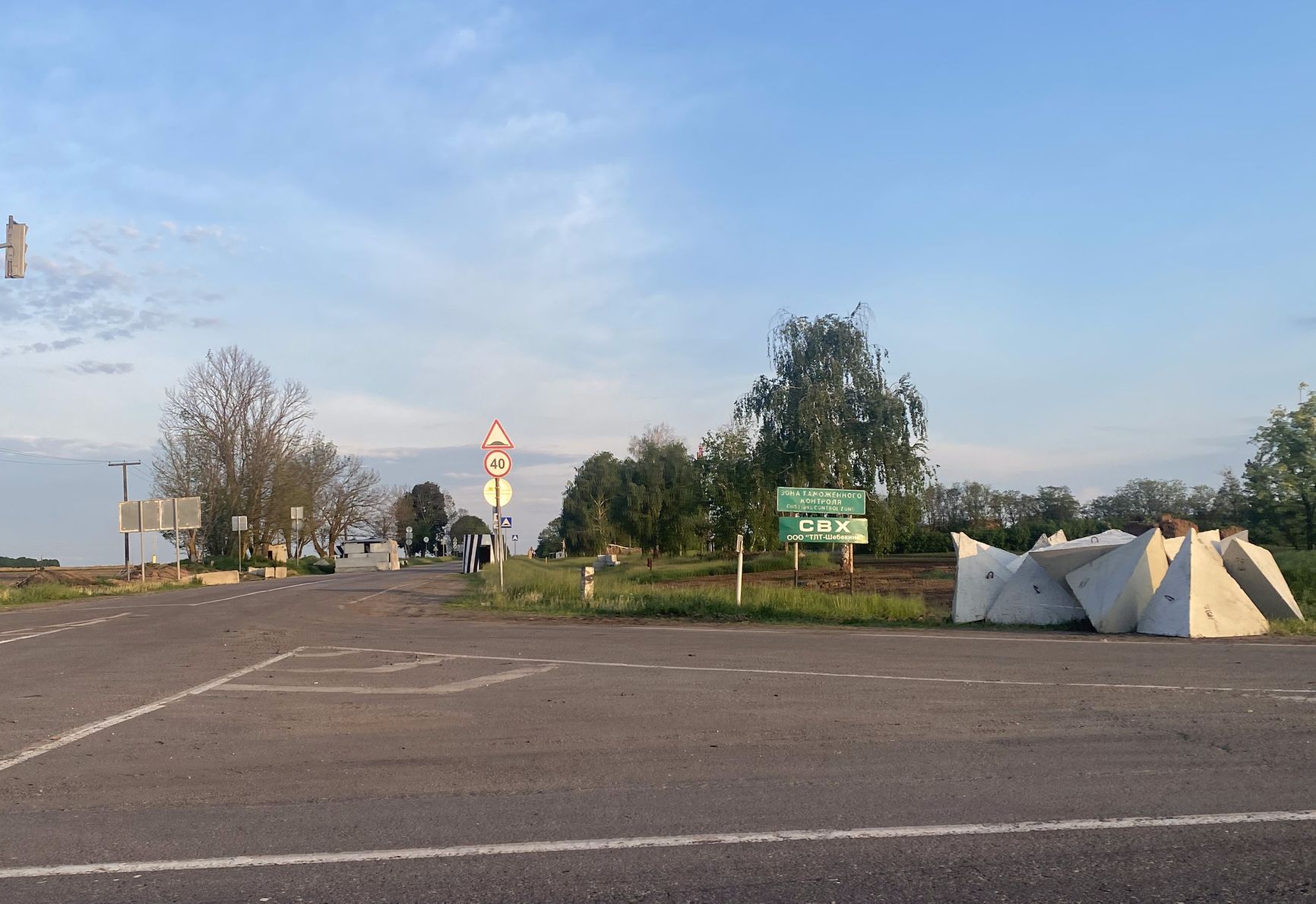
Crossroads and road towards Volchansk, Wagner cones on the right, empty fortifications in the distance
The turn to the Shebekino checkpoint is empty. Once upon a time there was apparently a checkpoint here, but now it is abandoned. What remained were empty dugouts, an open barrier, a “customs control” sign and huge concrete triangles piled up in a heap, the so-called “Wagner’s teeth”. They were used to build the “Wagner Line” along the Ukrainian border. It can be seen from here too. Interestingly, as relations between the PMC and the Ministry of Defense deteriorated, the “Wagner Line” in the state media changed its name and became the “Belgorod Serif Line.”
However, the fortifications made of cones, apparently, do not particularly interfere with penetration into the territory of the region. Russian volunteer formations affiliated with the Ukrainian Armed Forces post photos and videos from Russian border villages almost every day. The address is usually not indicated, but in many cases it can be determined using Google maps, especially when it comes to video from a copter.
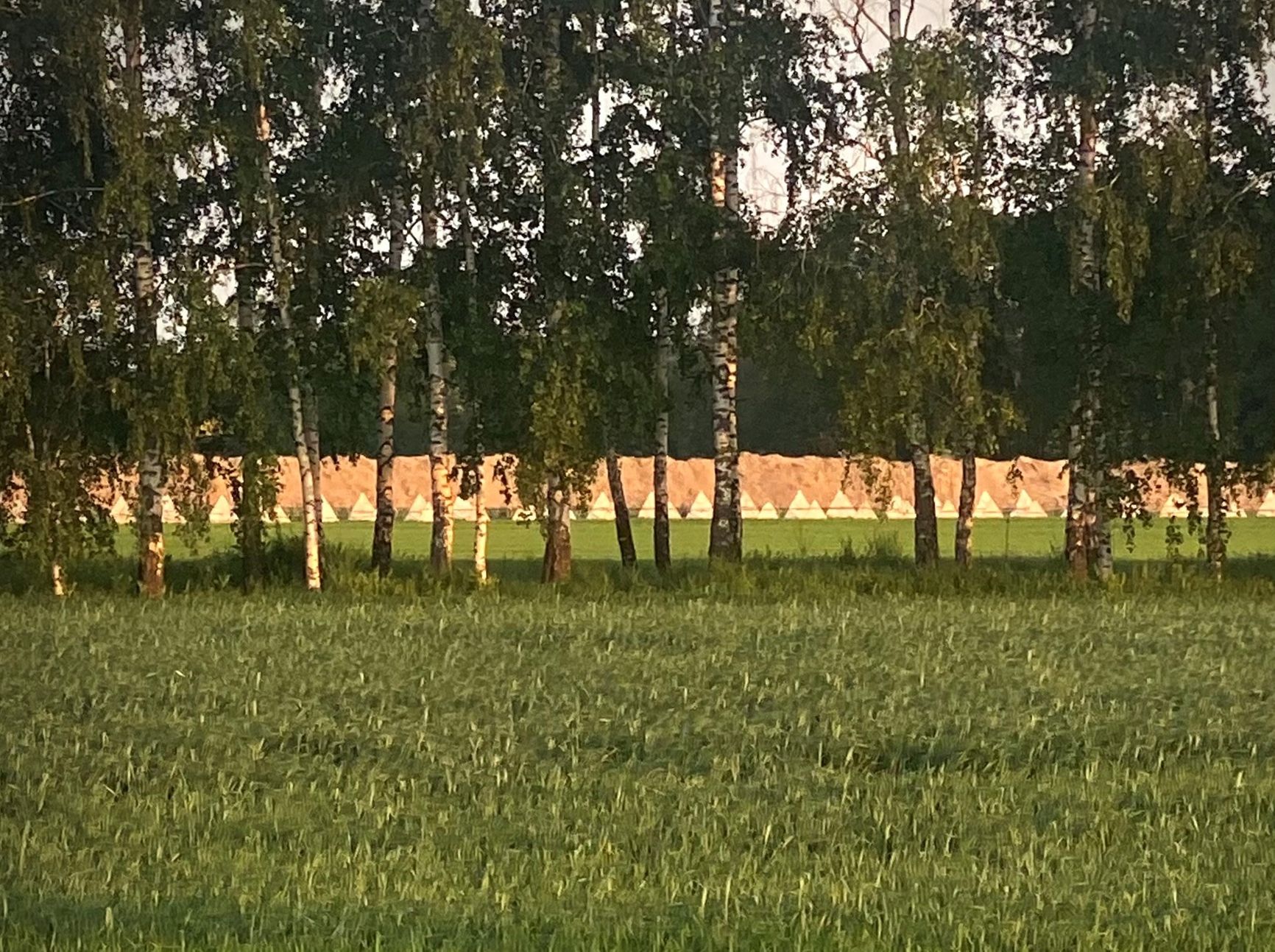
"Abatis line" with ditches, trenches and cones
Thus, the video from June 1 shows the destruction of equipment that the Russian military is allegedly hiding in the village of Novaya Tavolzhanka. This is the area of Peschanaya Street. And the photo of the tank “with a white-blue-white flag” was taken by the “Freedom of Russia” legion at the beginning of Zarechnaya Street in the same village. From there to the border with Ukraine is about 500 meters, and no one has resettled the villages through which RDK walks. About 5 thousand people live in Novaya Tavolzhanka, and all of them play the role of human shields for the Russian military, Belgorod residents complain on social networks.
Residents of Novaya Tavolzhanka act as human shields for the Russian military
Judging by the video of the Legion of Russia, Russian soldiers are hiding in the houses of residents, leaving infantry fighting vehicles and tanks near garden plots, as well as directly near residential buildings. The Russian Volunteer Corps claims that it is the Russian military that is shelling border villages, trying to hit the RDK positions.
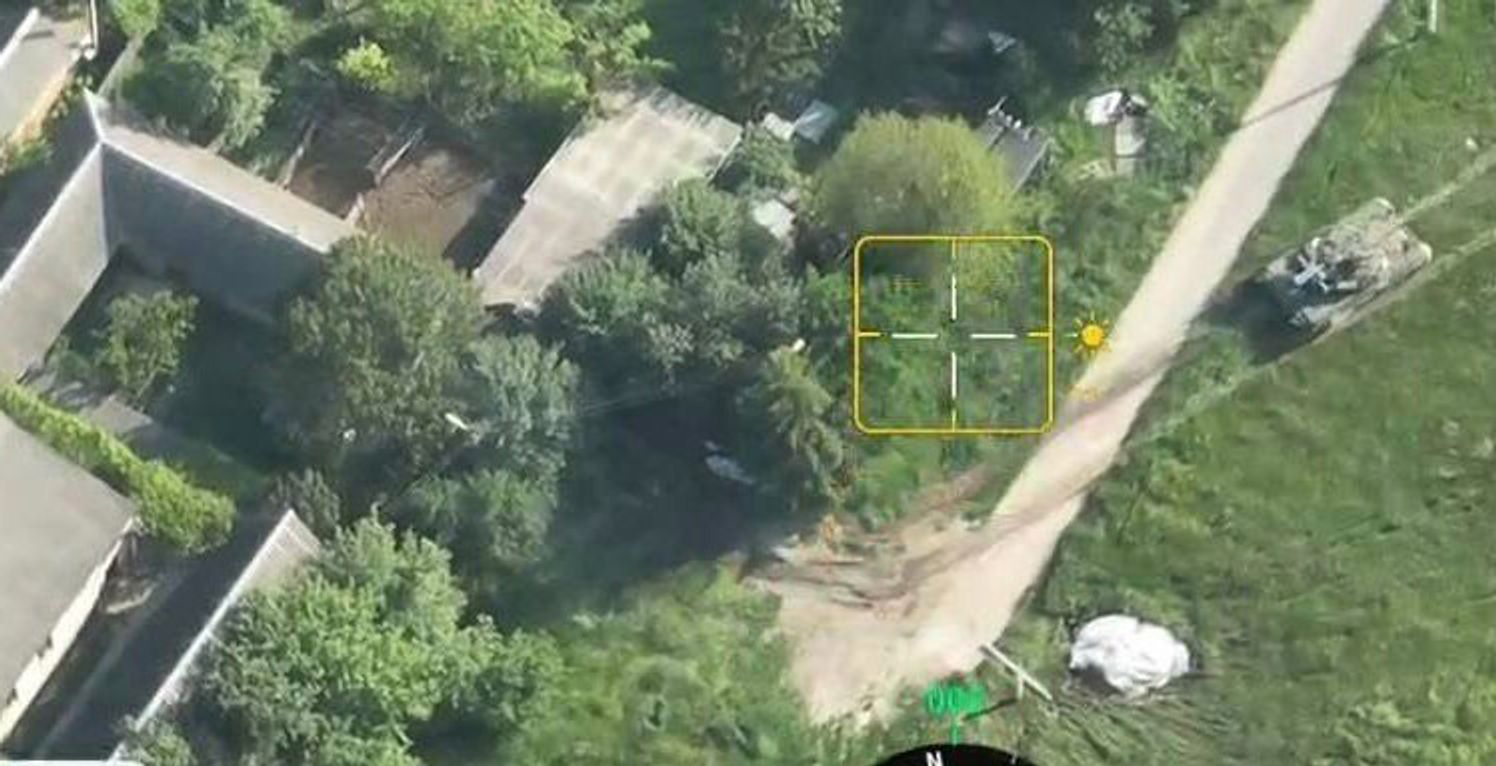
Tank, presumably RDK in Novaya Tavolzhanka
Telegram / Legion “Freedom of Russia”
The gas station guard does not seem surprised by the attempts to storm the border checkpoints. According to him, Ukrainians regularly enter the region without hindrance and return just as calmly, and the Russian authorities are in no hurry to strengthen the border.
“They drive like they’re going to their own home. Why not go, the border is like an open door? — the guard is indignant. “Recently, at dawn while on shift, I looked into the distance, I saw something shining in the sun a kilometer away, I took a closer look, and there was a pickup truck. He turned and started shooting, he had a machine gun or a grenade launcher installed there, I don’t know exactly. We shot, stood and then slowly moved back. They are not afraid of the answers, they know that it will not happen.”
All the time we are standing, the sounds of explosions are heard to the left and right. The few cars on this section accelerate as much as possible, trying to quickly pass the intersection towards the city of Valuika or Belgorod. “Something has arrived,” the guard nods towards the field, white smoke rising into the air above him. And “RSChSka” arrives on your phone—that’s what the locals call SMS alerts about shelling or a missile threat. In both cases, it is recommended to proceed to the shelter, but now we decide to quickly leave the open space - away from the border and the Shebekino border checkpoint.
“Girls, let’s not raise the topic with conscripts”
The border with Ukraine from the Belgorod region is guarded by untrained conscripts. Periodically they die. Thus, on June 1, it was reported that four people died, including two conscripts from Yekaterinburg, they came under fire. In January, a conscript from Tyumen died , also during shelling. According to the law, conscripts are sent not to participate in hostilities, but to guard the border. On the territory of the Belgorod region there is neither an emergency regime nor a counter-terrorist operation, nor martial law. Legally there is no war, but in fact the Belgorod border area is one of the hottest points of the conflict.
The border with Ukraine from the Belgorod region is guarded by untrained conscripts
It was the conscripts who had to deal with attempts to break through the border in the Shebekino checkpoint area and in Grayvoron. As the propaganda Z-publics “Two Majors” and “Notes of a VETERAN” wrote, about 20 border guards and up to 20 conscripts of the Russian Armed Forces took part in the battle in Shebekino.
“Again there are conscripts and border guards repelling the battle! I demand that the children of yesterday be removed from the combat zone! Remove the conscripts, real military operations are already taking place there!” — the social networks of the governor of the Belgorod region are full of such messages. There has been no reaction yet. On the contrary, State Duma deputy from the Communist Party of the Russian Federation and chairman of the Committee on Family, Women and Children, Nina Ostanina, seemed to respond by calling for conscripts to be sent to guard borders. That is, into an active combat zone.
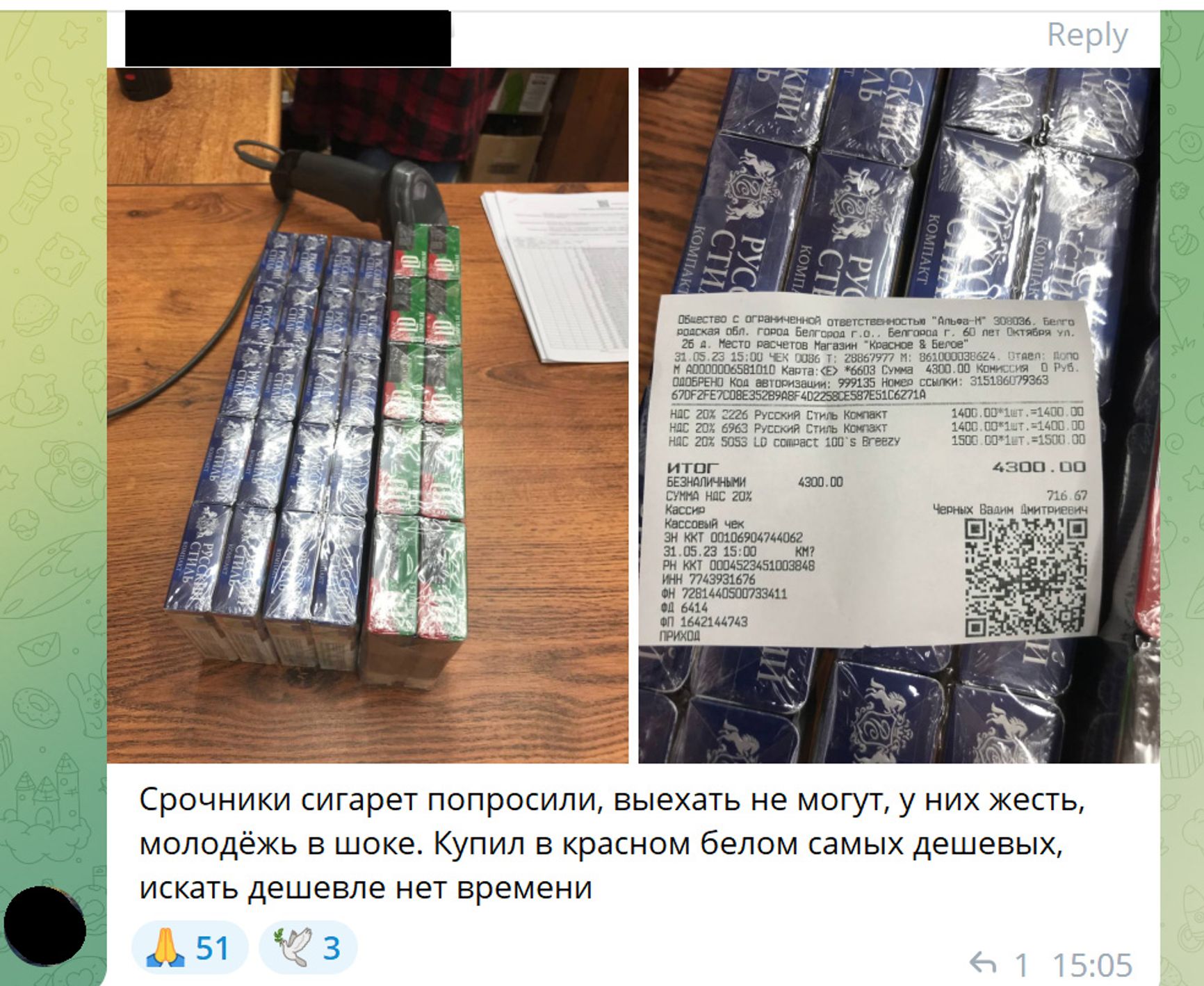
Message from Belgorod volunteers in one of the chats for helping hospitals and the Russian military
The topic of conscripts in the war with Ukraine is taboo for Russian channels. You cannot discuss this in local chats of volunteers helping the Russian military - you are only allowed to chip in to help. All talk about the legality of sending conscripts to war is suppressed.
“Girls, let’s not raise the topic with conscripts,” writes the admin of one of the chats. - We discussed it many times. We all have a lot of work to do."
There are chat rooms in the region that specialize in helping conscripts. Their needs are the same as those of the rest of the Russian military: there are not enough hygiene products, there are no necessary tools, sometimes a generator or any equipment, binoculars, thermal imagers, sights, copters.
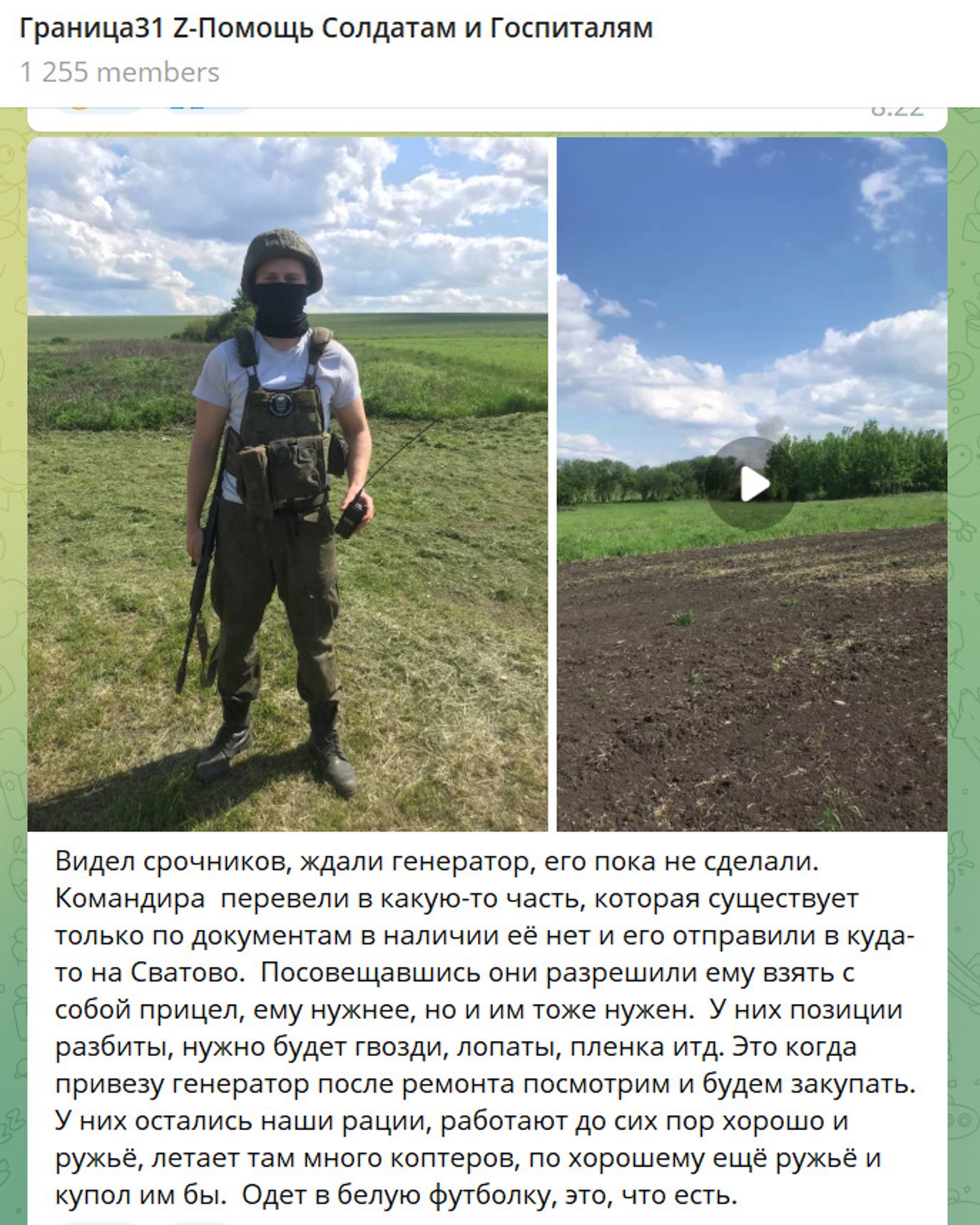
“Our conscripts now need T-shirts of any color and shoes. They found themselves without a change of clothes, so they needed to change something at least for the duration of the wash. And in terms of shoes, some of them even wear boots,” writes user Elena in the chat.
“We’ve been sitting in the basement for three days - Donetsk is more important for the country, unfortunately”
A separate blow for Belgorod residents was the silence of state media about the situation in the region. While the residents of Shebekino were hiding from the shelling, federal channels were talking in detail about the successes of the Russian army in the Avdeevka area - this is the Donetsk region of Ukraine.
While Shebekino residents were hiding from shelling, federal channels were talking about the successes of the Russian army in Ukraine
“Nobody cares about us. We have been sitting in the basement for three days, the child is scared and cannot see the street. Donetsk is more important for the country, unfortunately,” Tatyana from Shebekino complains on social networks.
“They water it in the morning, everything is on fire. And the big channels don’t seem to know about the existence of Shebekino,” user Konstantin Selivanov is indignant.
Channel One devoted about a minute to the massive attacks on the city on May 27. Users on the channel’s social networks began writing in the comments demanding that they stop hushing up the situation, but the management, in response, apparently added the word “Shebekino” to the list of obscene words. Comments mentioning the city disappeared. Resourceful users began writing “Shebekino” in Latin to bypass the filter, but in the end the comments were turned off altogether.
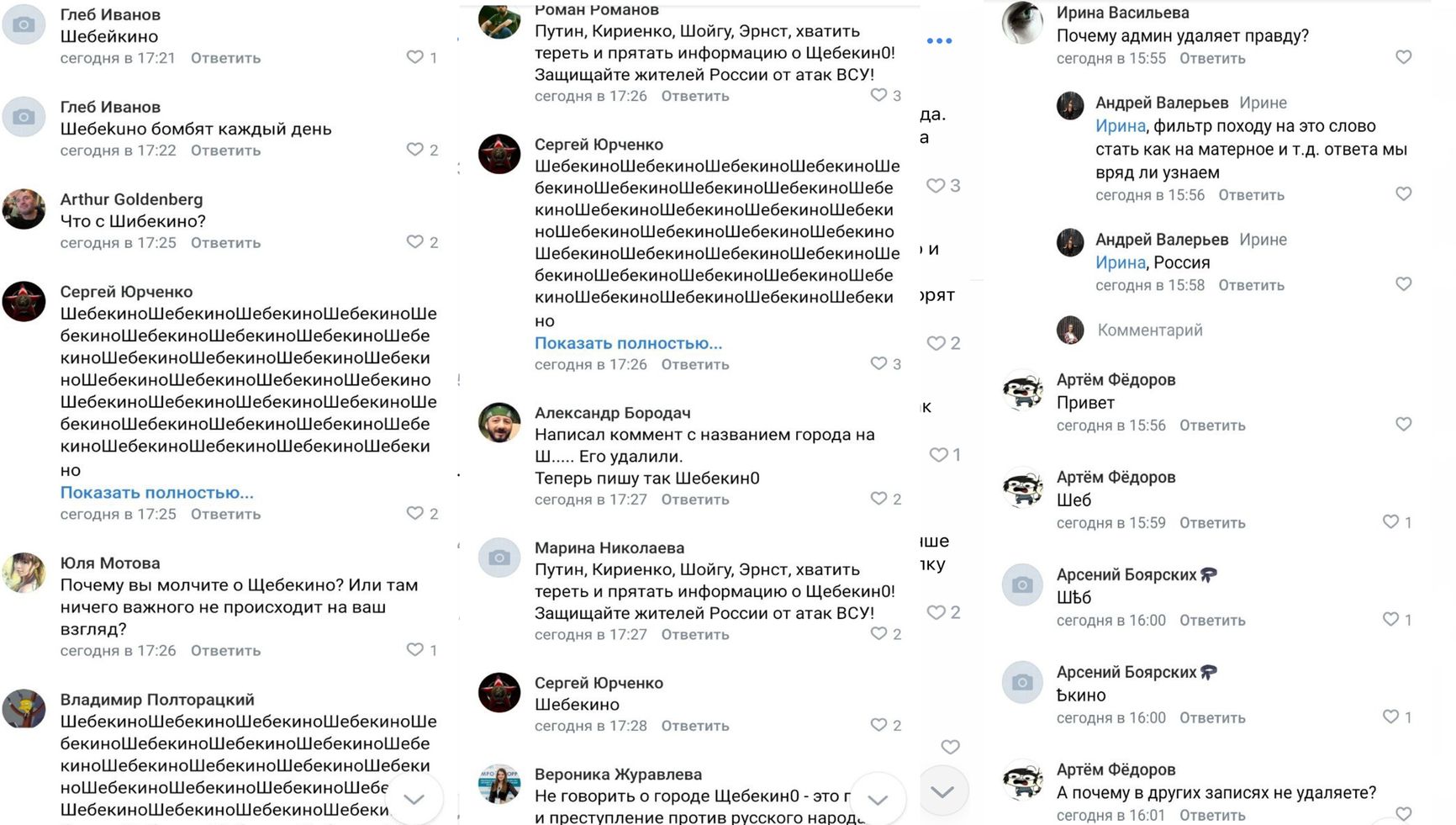
Flash mobs called #shebekinoisRussia and #zashebekino were launched in Belgorod social media to attract the attention of federal media. “Half the city was destroyed. Nobody wants to protect us. Russians, help us,” a resident writes in the chat and asks to forward her message further.
The persistence of the Belgorod residents apparently worked. Federal channels finally started talking about Shebekino, devoting more air time to him. But it would be better, as they say, to remain silent: Russian deputy Gurulev in the Soloviev Live program called for “strangling and hammering, including Shebekino... including with gliding bombs,” apparently considering it a Ukrainian city. And in the political talk show “60 Minutes” on the “Russia-1” channel, Putin’s “experts” with a smart look could not even remember the name of the city they were talking about. They called it either “Shmyakino” or “Shimekino”.
Russian deputy Gurulev called for “strangling and hammering, including at Shebekino... including with gliding bombs”
Residents of the city, without mincing words, expressed everything they thought about the speakers on social networks.
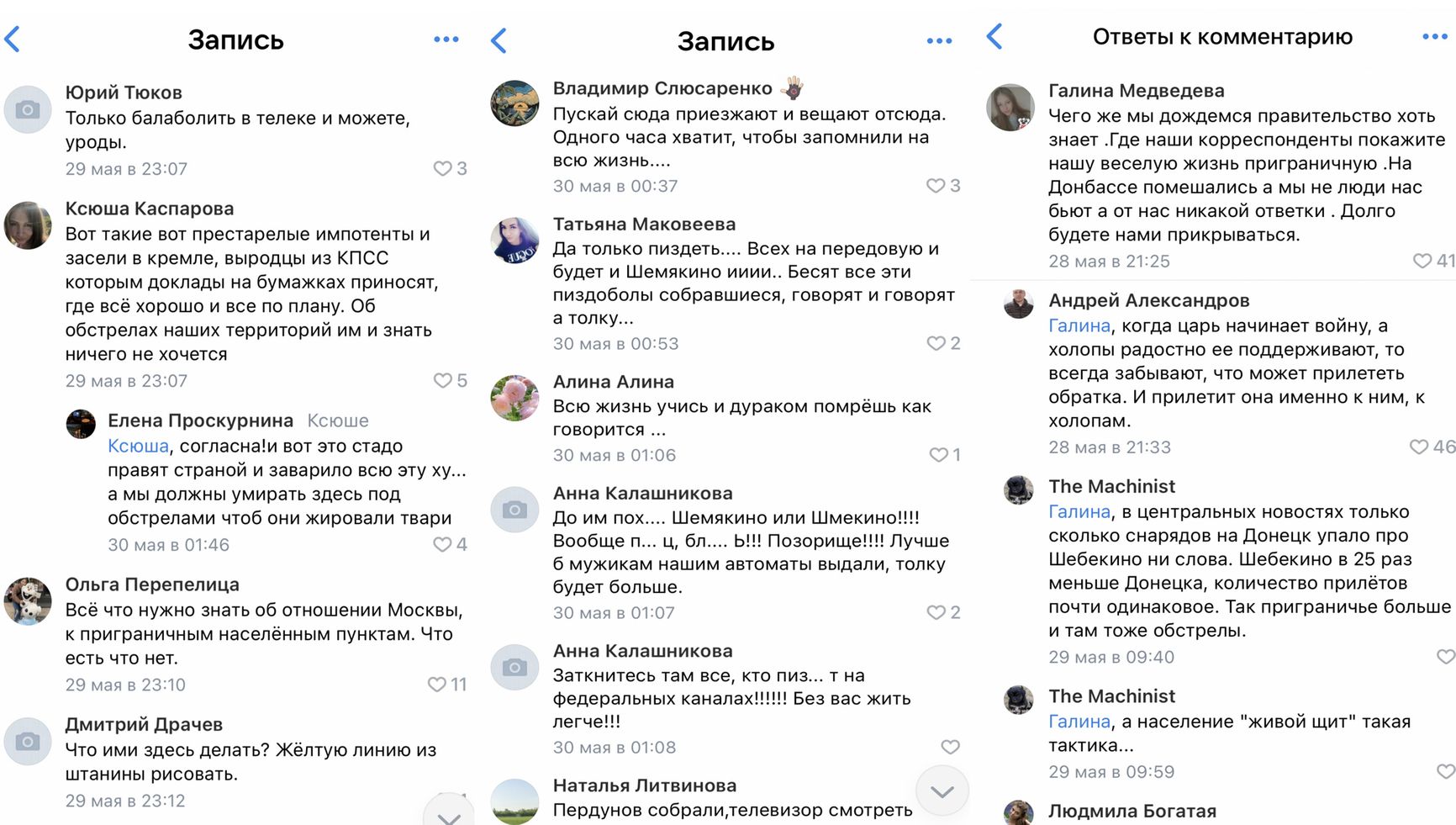
The demonstrative disdainful attitude on the part of the state media angered even residents loyal to the authorities, who felt that the region had simply been abandoned, and people were being bullied, hiding behind them as a human shield. Exactly how this will affect government approval ratings in the region remains to be studied. But these ratings are unlikely to increase.
The demonstrative disdain on the part of state media angered even residents loyal to the authorities
“It was funny to see how, after mobilization was announced, cars with traces of torn off Z-stickers appeared on the streets,” says Kristina <name changed - The Insider>, a journalist for a Belgorod publication. According to her, the mobilization influenced the mood of local residents. Belgorod, where Kristina and I met, seems to have really changed over the year. Administrators in a number of volunteer chats in the spring complained that the volume of donations had decreased. The jingoistic billboards “For Putin” and “For Russia” were in some places replaced by posters calling for contract service. There are noticeably fewer Z letters on the doors of shops, windows of buildings in the center and in the city in general - a year ago they were conspicuous on every corner. Now there are “shelter” signs on every house.
You can't go into a shelter without a gas mask.
The shelling of Shebekino raised the question of the availability of shelters in Belgorod. Judging by the number of signs, one might think that the authorities took the issue seriously. But it turned out that the question concerns only drawing on the walls. I'm trying to find shelter in the high-rise building where I rent an apartment. This is a panel on Narodny Boulevard in the center of Belgorod - last year there was shelling here, five people were killed, about 40 private houses were destroyed, more than a dozen apartment buildings were damaged. Despite everything that has happened, the landlord does not know how to get into the shelter or who has the keys to the basement.
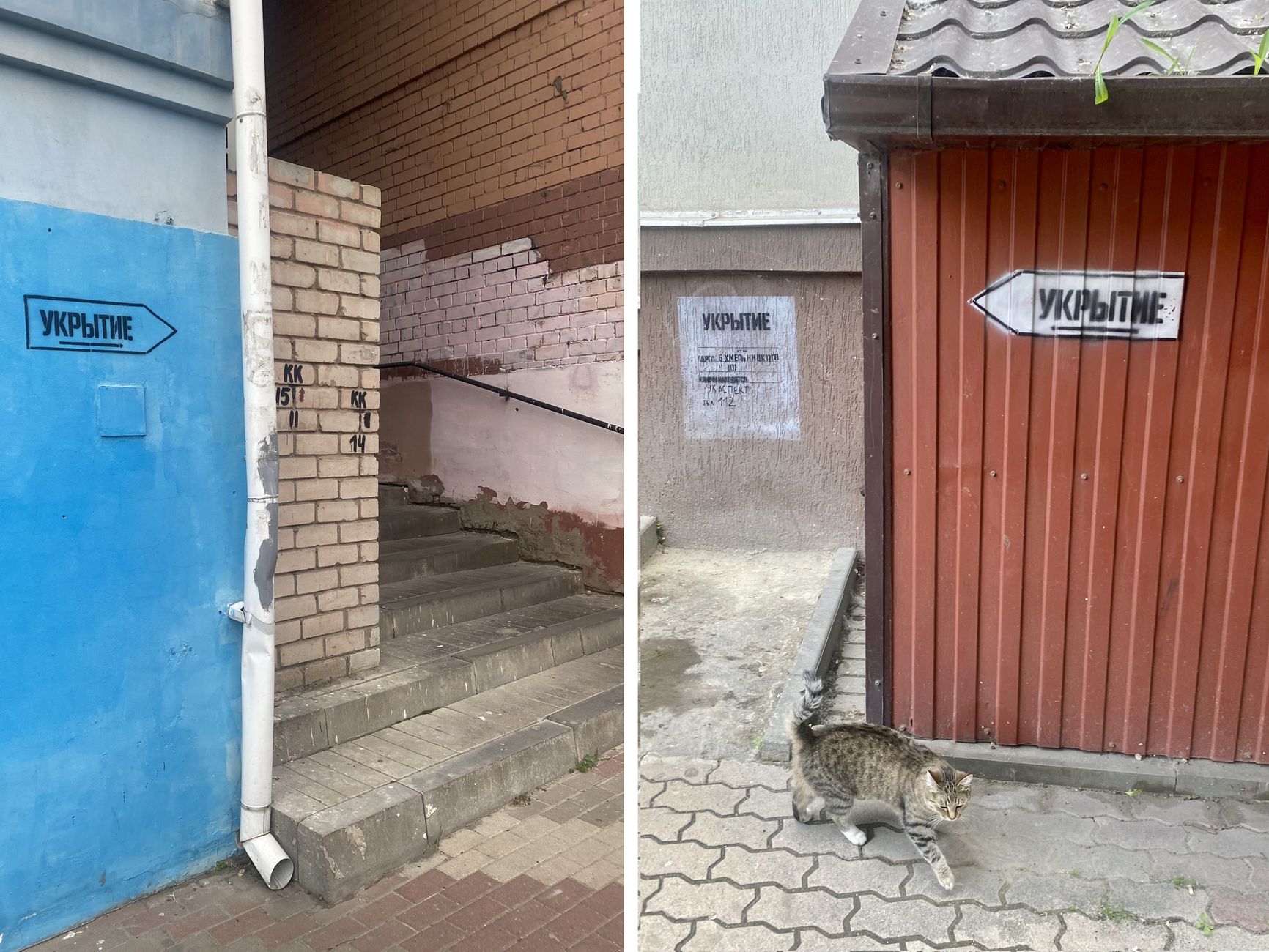
Signs in Belgorod
It was not possible to find out this from the neighbors either: some advise taking refuge in the bathroom, while others advise running “along with everyone else.”
“You won’t even have time to get to any shelter if they start shooting,” says a neighbor in the yard. - If there is an alarm, you need to call someone on the intercom of the nearest house, they will come out to you and use the key to open the basement. Several people have keys in our house.”
“Girl, honey, I’ll tell you directly,” the second neighbor joins in. “There’s such unsanitary conditions there that you’ll die in the basement faster than from a rocket!”
After the shelling of Shebekino, the situation with shelters in Belgorod did not change, notes a local journalist. The arrows on the houses actually lead to a locked basement.
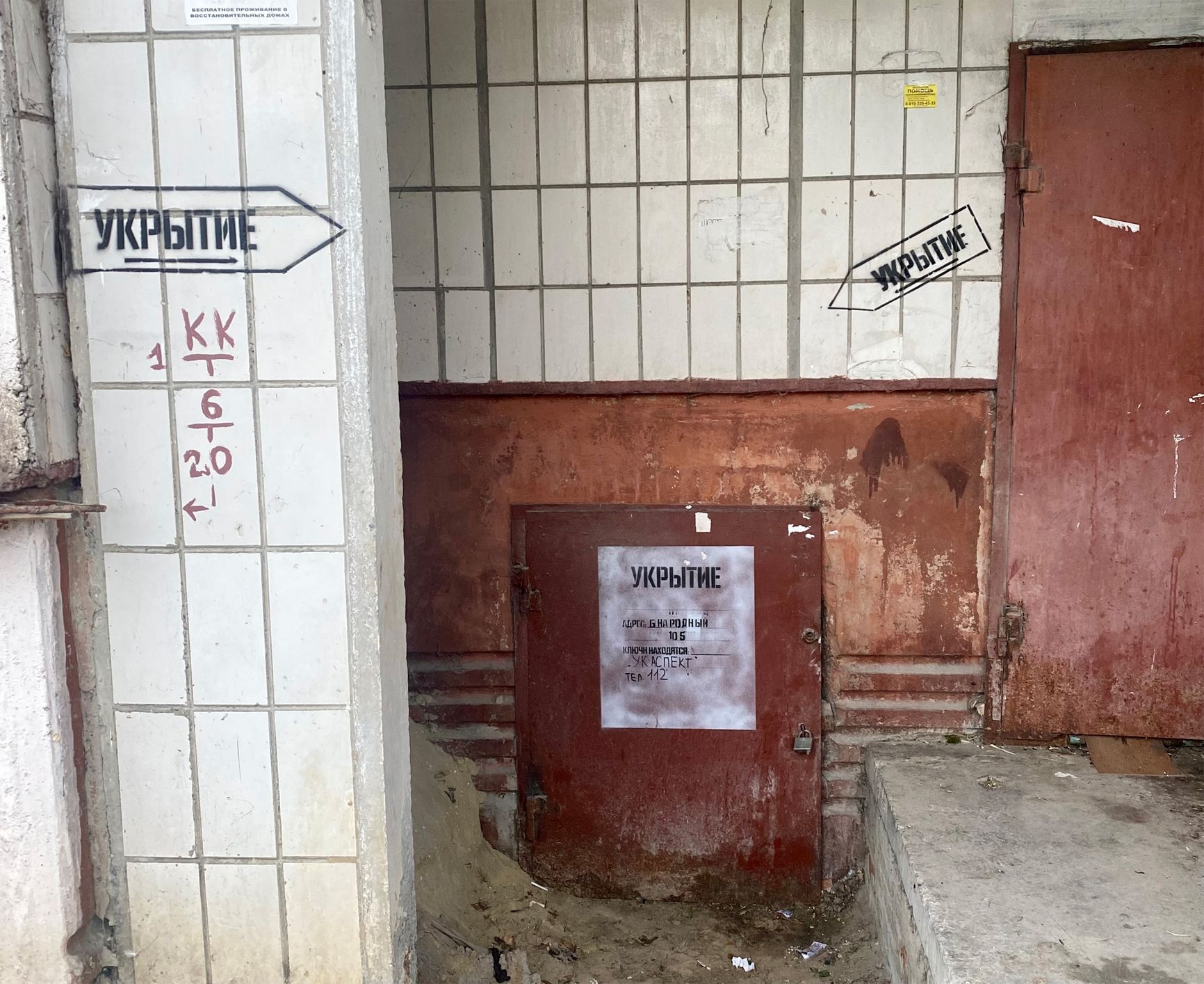
“Shelter” on Narodny Boulevard in Belgorod
The “shelter” looks as if no one has opened it for a long time: the door, less than one and a half meters high, is also covered with earth and stones from below. An overwhelming disgusting smell emanates from the closed basement.
Thanks to a utility worker, I finally end up in the “shelter,” but almost immediately I regret it. The neighbor turned out to be right: you can spend no more than a minute in the basement without a gas mask, exactly the time for which you can hold your breath. The utility worker who agreed to show the basement prudently remained outside. I think it is unnecessary to write that it is physically impossible to be in this shelter. And the basement itself looks like this from the inside. There is no light, no water supplies for a long stay, no benches or ventilation.
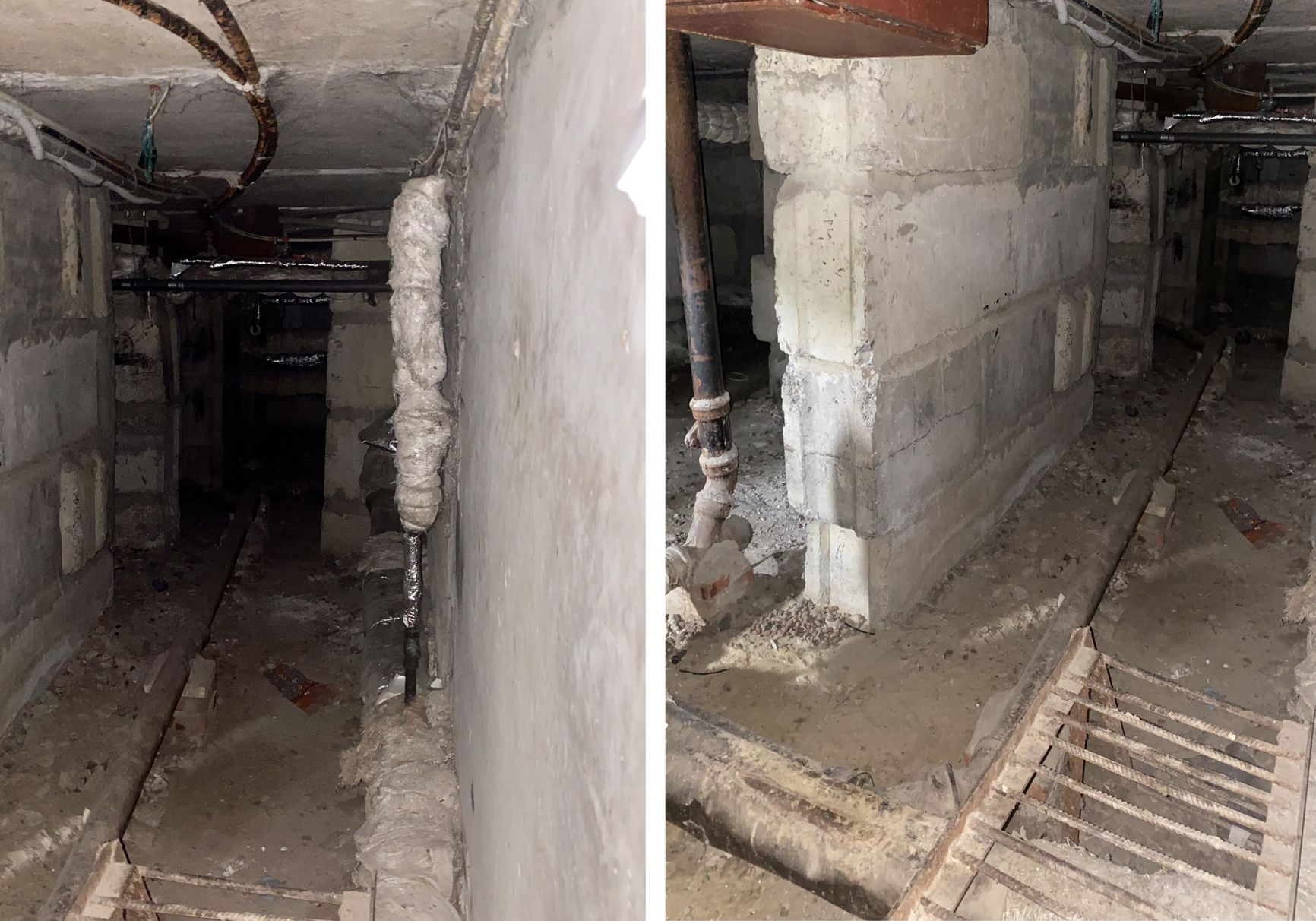
The interior of the shelter on Narodny Boulevard
I’m trying to find out how things are in the neighboring yard - this is also the center of Belgorod.
“I don’t know where to run, if anything happens. We haven't written anything. At least the one next door has a basement. It even said who to call to get the keys, but the writing had faded. Well, I think that you need to run where everyone else will run,” says a local resident I met.
But another Belgorod resident I met was very positive: he and his neighbors reached an agreement with the owners of a liquor store in the basement of their house. The drinking establishment, according to him, has prepared and is ready to receive residents at any time.
“They brought eggplants of water, all sorts of drinks. Well, there is always something on the taps here. We won’t be lost,” the man smiles.
“We were evacuated from Shebekino to Shebekino.” Where are residents resettled?
It was Belgorod that received the bulk of the evacuated residents of Shebekino. First, they were resettled in temporary accommodation centers (TACs). Thousands of people slept shoulder to shoulder the first night - the beds were placed close together, there was no personal space, there were not enough hygiene products and baby food - they were brought by volunteers. There are approximately two square meters of space per person: the beds in the TAP are very dense.
The evacuated Shebekin residents from temporary temporary temporary accommodation centers were resettled in student dormitories at technical schools and Belgorod State University. To achieve this, however, some students were evicted from the dormitory, and, as the students said, they had to vacate the premises at two in the morning. Students were offered rooms with cockroaches and no conditions, and those who were outraged were advised to move out.
In order to resettle the evacuated Shebekin residents, Belgorod students were evicted from their dormitories at two o’clock in the morning
Many Shebekin residents still do not want to leave - and there is a reason for this: you can stay in temporary housing for a year or more, as happened with the residents of the border village of Sereda in the Shebekinsky city district. He, along with two others - Zhuravlevka and Nekhoteevka - were the very first to be resettled, last spring. People still live in temporary temporary detention centers. Because of the shelling, they cannot return home, and the authorities have not allocated funds for the purchase of new housing or at least rent for the year.
In addition, TAPs are not always safe. The point where people from Sereda were resettled was located near the border and eventually came under fire. The guard died. “We were evacuated from Shebekino to Shebekino,” sarcastic comments appeared online. Only after this were the residents finally taken to a relatively safe place. True, no one knows how long it will remain safe: the Shebekin people also once believed that they would not end up on the front line.
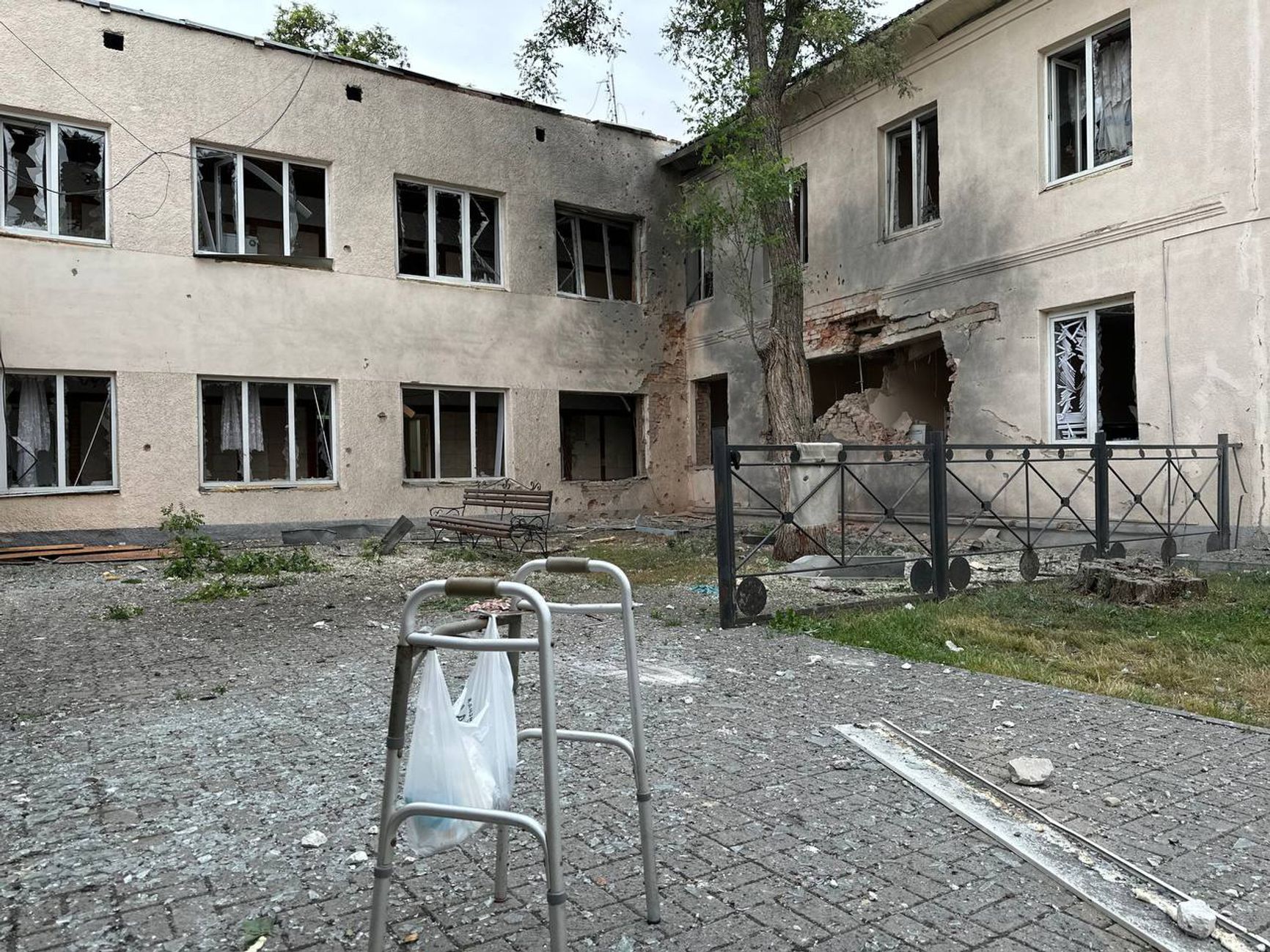
The shelled TAP where the residents of Sereda were housed
The authorities could improve the situation of residents of the region by declaring a state of emergency in the region. In the event of an emergency, large families would receive compensation in the amount of 15 thousand rubles, the rest - 10 thousand rubles for rent. But so far there is no talk of this: the authorities continue to pretend that the border is under control and there is no war on Russian territory.