
Translated material
"Nobody can achieve therapy in Russia"
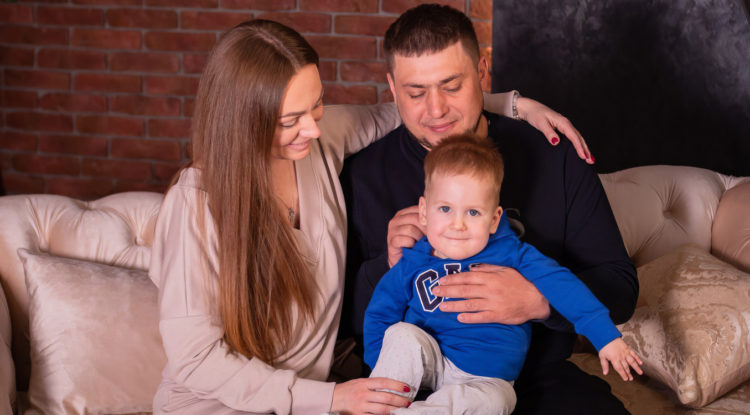
Three -year -old Misha is refused the treatment of a rare disease. Parents won the court three times and even protested at the Kremlin, but this did not help
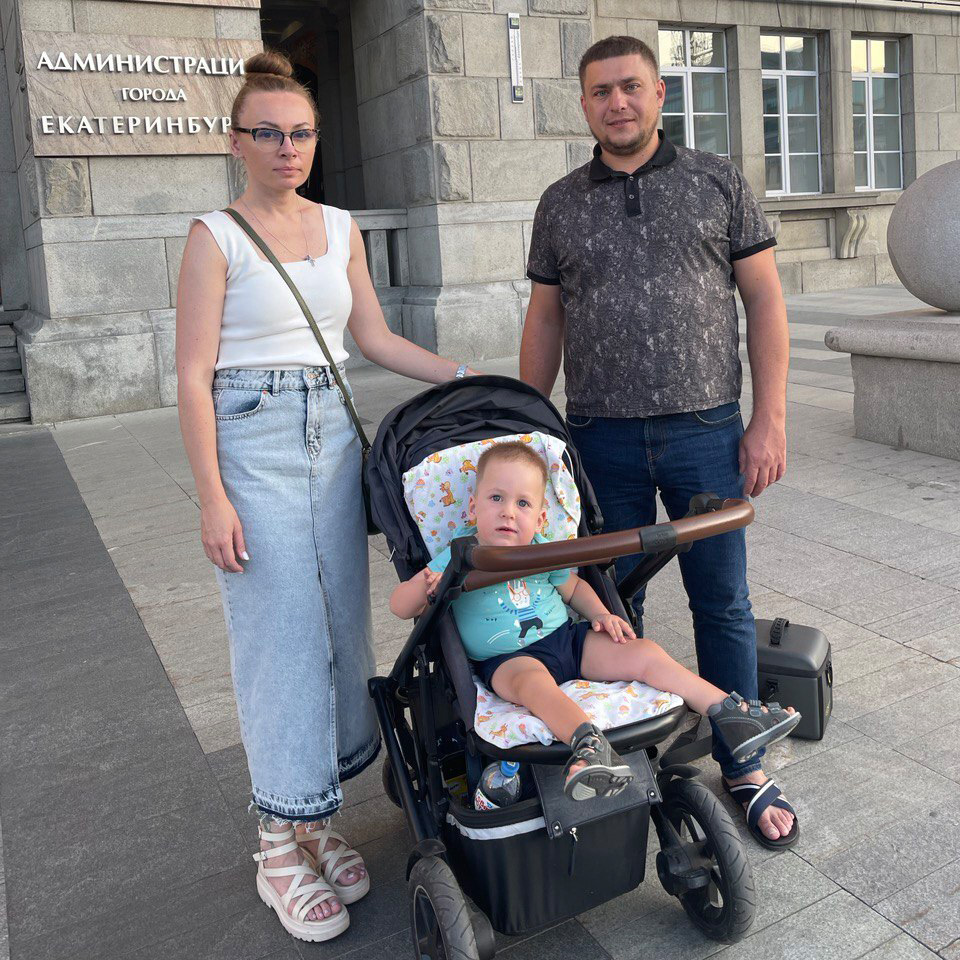
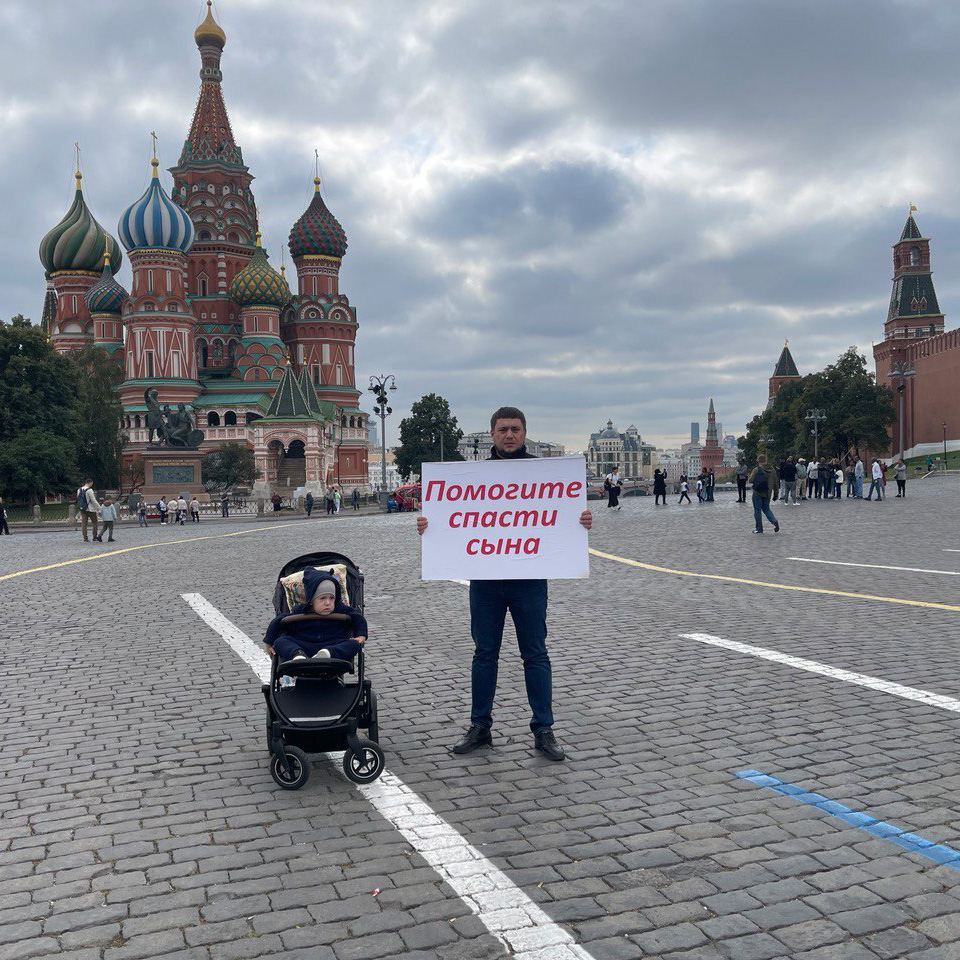
On August 30, a resident of Yekaterinburg Dmitry Bakhtin made a single picket on Red Square. On his poster it was written: “Help to save your son,” next to him was a three -year -old Misha in a stroller. Yana, the wife of Dmitry and Misha’s mother, said that the three of them went out for protest, because there was no one to leave her son with a family. The Bakhtins immediately detained the police and took it to the department. It is forbidden to protest on Red Square. Nevertheless, the police were released from the police almost immediately, learning their history. Three -year -old Misha has a rare and serious genetic disease - spinal muscle atrophy. His parents achieve treatment from the state for their child, but the state refuses them, despite the court decision. "Cold" tells the story of Misha Bakhtin and his parents.
In order not to miss the main materials of the "cold", subscribe to our Instagram and telegram .
One of 10 thousand cases
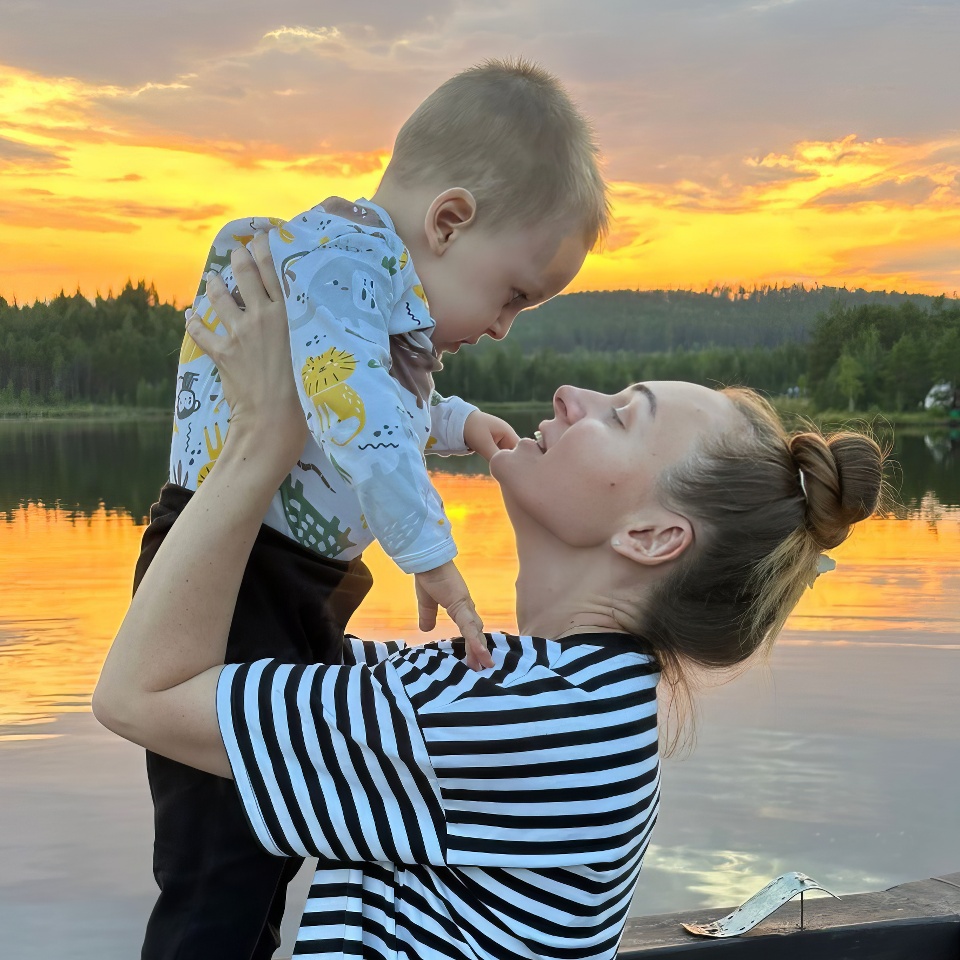
Misha was born in July 2020. His mother, Yana, in the hospital, drew attention to the fact that the child is passive and sluggish, and asked questions to the doctors. But they only waved and said that he "did not move away from childbirth." When Misha was three weeks and he stopped eating on his own, his parents took him to the hospital. There, the child was diagnosed: spinal muscle atrophy. Misha had to put a probe - a special tube through which it was fed.
What is spinal muscle atrophy (SMA)?
This is a rare genetic disease , most often manifested from early childhood. The reason for the SMN is a failure in the SMN1 gene, which is responsible for the production of proteins necessary for motor neurons.
According to the world statistics of the cubes, in approximately one of 6-10 thousand newborns. Due to the genetic failure, motor neurons of the spinal cord are affected, and this leads to muscle weakness. It begins with the muscles of the legs and, progressing, reaches the muscles responsible for breathing and swallowing. The intelligence of patients with cubes is absolutely preserved.
There are four types of SMA in accordance with the severity of symptoms, although sometimes the fifth type is distinguished (zero). The category is established based on how early the first signs of the disease were manifested, how pronounced symptoms are and how quickly the disease progresses. Misha Bakhtin has the first type - one of the most difficult. Without treatment, 92% of children with the first type do not live up to two years.
Russia does not collect statistics on the number of patients with a diagnosis of SMA. Employees of the SMA Family charity fund suggest that, based on global statistics, in Russia there may be about two to three thousand patients with such a diagnosis.
Every night, Misha’s saturation (saturation level) of oxygen in the blood decreased. As we now know because of the pandemia of coronavirus, this occurs as a result of problems with light and dangerous for humans. After making a diagnosis, Misha was immediately discharged from the hospital. Doctors gave parents a heart rate monocoximeter - a device for measuring the level of oxygen in the blood - and an outpatient bag - a mechanical manual device for artificial ventilation of the lungs.
A week after discharge from the hospital on a walk, Yana noticed that Misha was badly bad. “I saw that he had turned blue and began to make such heavy sharp breaths unusual for man,” she says. - I immediately ran with a stroller and a child home, measured the saturation: 64. This is at a rate of 95 out of 100. I took an outpatient bag and began to download it. I had no experience, but when your child lies blue in front of you, apparently, some instinct turns on, and you just save it. ”
After a few minutes, Misha began to breathe normally. The family at that moment was 50 kilometers from Yekaterinburg among relatives in the small city of Sysert. Dmitry and Yana decided that it was better to bring the child to the Yekaterinburg hospital, and there are already more qualified doctors to help him. However, in the car of Jan, who held Misha in her arms, she saw that he was weakening and closing his eyes. “I felt that he was not falling asleep, but leaves us,” recalls Yana. The bakhtins turned around and drove to the nearest ambulance station, where the child was connected to oxygen (which cannot be done with a lump). And from there, on a doctor called from Yekaterinburg with a doctor who knew how to treat a patient with such a diagnosis, Misha was taken to the regional center.
“Misha was in my arms when we rode in reanimobile. The doctor talked with me calmly, explained that if there was a critical situation, the car would have to stop, but I would need to get out. I instructed that I would not run towards the road, but calmly stepped towards the forest, ”says Yana. “This is right, because doctors should speak as it is.”
Dmitry later said that the doctors, prescribing a child immediately after making a diagnosis, should have understood what this would lead to. In his opinion, Misha had to immediately leave under supervision in the hospital in order to prevent such a critical situation, which, in the first type of smell, are not uncommon.
Misha had aspiration pneumonia: sputum in the bronchi got up, and he could not breathe. In the Yekaterinburg hospital, the child was immediately taken to intensive care, and parents were ordered to go home and wait. At night, Yana called the intensive care unit, where she was told that Misha was intubated - that is, she was inserted into his light tube and connected to the Ivl apparatus.
Roizman helped
It is impossible to completely cure SMA, if the child has already appeared in the child: the appearance of symptoms means that part of the motor neurons have already died out. The earlier the disease is detected, the faster the therapy needs to be started - with its help you can stop or significantly slow down the progression of the disease. Misha Bakhtin at that time became the first child in Russia, who was diagnosed with smoke so early - in the first month of life.
Even 10 years ago, there was no treatment for SMA at all, but now there are several drugs that are capable of if not cure, then stop the disease. One of the options for therapy is the lifelong intake of the drugs "Figlash" or "Spinraz". These are analogues that differ in the method of introduction: “risads” can be taken at home in the form of a syrup, and “spinraz” is introduced by an injection in the cerebrospinal canal.
The second option is the intravenous administration of the drug of genetic therapy, known as Zulgensma. The drug delivers a copy of the gene broken at the birth of patients, which develops the proteins necessary for life. Such an injection is done once and, despite the short period of observation of patients ( Zulgensm began to be used in the United States since 2019 ), has high efficiency. But the Bakhtins had no money for this treatment.
The Zolgensma injection in 2020, when Misha Bakhtin was diagnosed with SMA, cost 160 million rubles. Until recently, it was the most expensive medicine in the world (in 2022, Hemjeniks was introduced into circulation, designed for genetic hemophilia of type B, which costs three and a half million dollars).
However, treatment with “spinras” or “risdlas” can also be called cheap. The cost of “spinraza” injections is at least 31 million rubles in the first year of treatment and at least 15.5 million rubles all subsequent years, and the cost of treatment with “risdlasam” is from 8 to 25 million rubles a year (depending on the weight of the child).
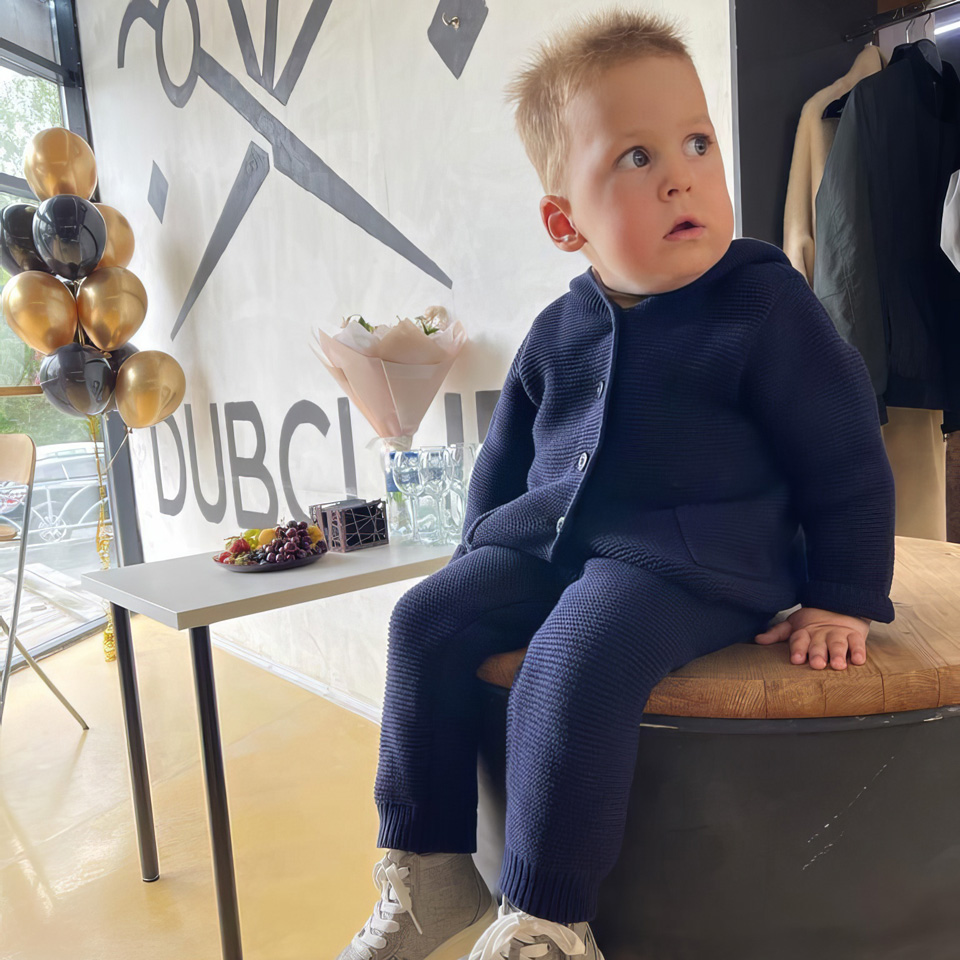
When the symptoms of the disease were already manifested, Misha had to immediately give any affordable therapy. While the family tried to understand where and how to find money for the treatment of her son, Misha got into intensive care. It was impossible to hesitate.
The Bakhtins began to contact the local media - so the former mayor of Yekaterinburg Yevgeny Roizman found out about them. He began an active campaign to attract attention to Misha's disease - including talked about the child at the now closed radio station "Echo of Moscow". Thanks to the participation of Roizman, the Bakhtins family managed to get two spinraz ampoules from the regional Ministry of Health. Two more ampoules helped to buy businessman Vladimir Lisin. So the Bakhtins appeared several months to collect 160 million at the Zolgensm. This is Yana and Dmitry and took up.
The miracle did not happen
“The collection of money is a great emotional work. It was constantly necessary to call up with someone, both day and night it was necessary to do something, ”recalls Yana. “We had a backbone of friends and acquaintances, they wrote letters to all factories, in all depot - tram, trolleybus. This brought a tremendous result. The fee fell on the New Year's Eve, about 200 people in the volunteers chat, and all their children, from small to large ones, smashed their piggy banks, refused gifts and transferred money to Misha, ”Dmitry told about the collection when he was over.
The family found out that the required amount was collected on December 31. At that moment, Yana and Misha lay in the intensive care unit of the Moscow clinic, and Dmitry was in Yekaterinburg. “When I realized that the money was collected, I called my husband and cried into the phone for several minutes - from fatigue and joy,” says Yana. - There was probably more fatigue then. But, of course, we were happy. ” They managed to raise money in just three and a half months. Evgeny Roizman and employees of his fund helped morally and organizationally Bakhtin. Right on December 31, the Roizman Foundation paid for the purchase of Zulgensma for Misha.
The long -awaited injection was made in February 2021. However, it soon became clear that Misha got into that rare percentage of children for whom Zulgensma is not as effective as for others. Since all drugs for the treatment of SMA have recently appeared by medical standards, there is no study of their effectiveness in the long run, simply because there is no time enough to see how medicines affect patients in 10, 20 or 50 years.
“Clinical trials have passed the drugs, and it is proved that they improve the quality of life and health of patients with SMA. But to position the “Zulgensm” as a saving injection that will help for a lifetime is wrong, ”says Alexander Levontin, the head of the respiratory service and part -time deputy chief physician of“ House with a lighthouse ”. - The presentation of “Zolgensma” in this way is marketing. The drug gives a very good effect when it is administered before the appearance of symptoms: there are countries in which diagnostics are carried out even during pregnancy or immediately after childbirth. In this case, doctors manage to start therapy before the manifestation of the disease, in the first weeks of the child’s life, and this is very effective. But when the disease has already proved itself, which means that some of the motor neurons are already irrevocably lost, the effect is less. ”
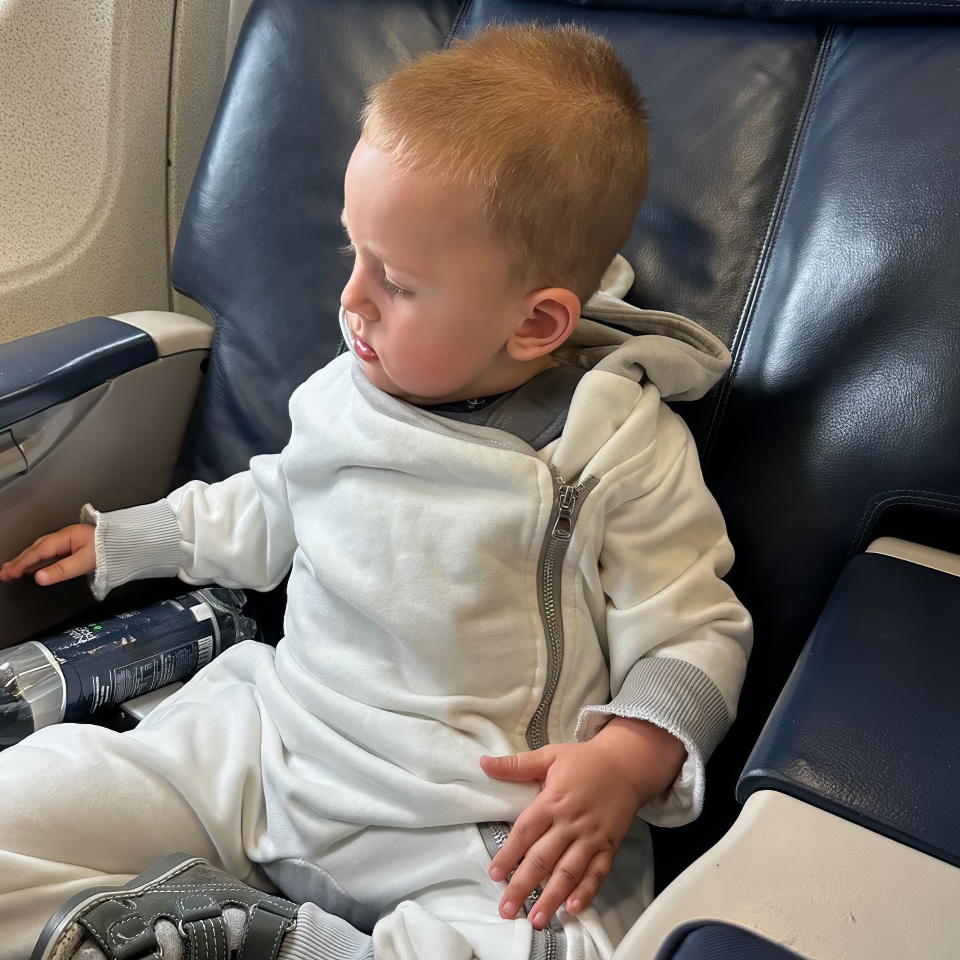
After four spinras injections and Zulgensma injections, by the fall of 2021, Misha's indicators on the Chop Intend scale (a scale developed to evaluate the dynamics of motor development of the child) increased from 3 to 39 points. Such a significant growth showed that therapy was working, but at this mark the growth stopped and did not move on.
Yana says that after the injection the state of Misha did not deteriorate, but did not improve for several months. Its weight was stuck at the mark of eight kilograms and did not rise up to the age of two (on average, children usually weigh about 10 kilograms by the year, and by two years - 13). The doctors considered Mishin the weight as a critically small indicator. And besides, Misha did not have any new skills that usually develop after the early receipt of “Zolgensma”: children learn to sit, and some even begin to walk.
Misha’s parents daily engaged in special exercises with the child for muscle development, went to private rehabilitation clinics and hoped that he would continue to develop. But there was no miracle. In the fall of 2021, six months after Zulgensma, one of the doctors in the Moscow Federal Center recommended that parents continue the therapy with “spinras” or “risdlasm”. Later, the same recommendation was given by doctors from other clinics. However, the Ministry of Health was not agreeing with such an opinion and refused to provide Bakhtin with the medicine.
“For children as Misha, who was put“ Zulgensm ”when the clinical manifestations were already and the effect of the introduction was not too large - tandem therapy is used in Europe and the United States. Children first receive “Zulgensm”, and after lifelously they accept “Spinraz” or “Figlash”, ”says Alexander Levontin, deputy chief physician of“ House with a lighthouse ”.
In Russian hospitals, it is believed that if the child is already delivered "Zulgensma", then continuing treatment is pointless or even dangerous. Misha's parents decided that they would at all costs seek tandem therapy for their son.
"He will never sit with you"
SMA is a rare disease, therefore, awareness of the characteristics of the treatment of SMA among doctors and officials in Russia who make decisions is very different. “For example, a neurologist in a children's clinic, where Misha was attached, honestly admitted that Misha was her only and first patient with SMA,” says Yana. “And the doctor from the regional hospital in Yekaterinburg said that Misha would never learn to sit on her own, recommended to engage only in rehabilitation and stop begging therapy.”
Misha's parents found a doctor specializing in the treatment of children with SMA, thanks to the recommendations from the community of parents who have children with the same diagnosis. Having examined Misha, this doctor recommended that parents continue therapy.
The purchase of “spinras” and “Rice Plaim” in Russia should now go through regional budgets, and, as the director of the Family of the SMA said , Olga Germanenko, there are problems with the provision of drugs in all regions of Russia. It is impossible to buy drugs on your own in a pharmacy: these drugs can purchase either charitable funds or the state. Tired of walking on doctors and officials and receiving refusals, Bakhtins sued the regional Ministry of Health, demanding that the child provide therapy with therapy.
They won the court, however, only a year later-in the spring of 2022, after 11 court hearings. At that time, Misha was almost two years old, and he had not received any therapy for a year. The court ordered the Ministry of Health to provide the child "Spinraz". However, the officials did not agree and filed an appeal that they lost. And then one more. And again lost. Nevertheless, the Ministry of Health has not yet been given to Misha until now.
Employees of the Ministry of Health defended the position on the trial (and outside the court) that after the “Zolgensma” continuation of therapy is not required. They refer to the conclusions of specialists of federal centers, who, in turn, argue that continuing therapy with “spinras” after the injection of “Zolgensma” is inappropriate.
Without waiting for the drug from the state, the parents of Misha in August 2022 again turned to charitable foundations and to the patrons of the previous collection - to buy the drug. And Misha really got better.
The Ministry of Health is adamant
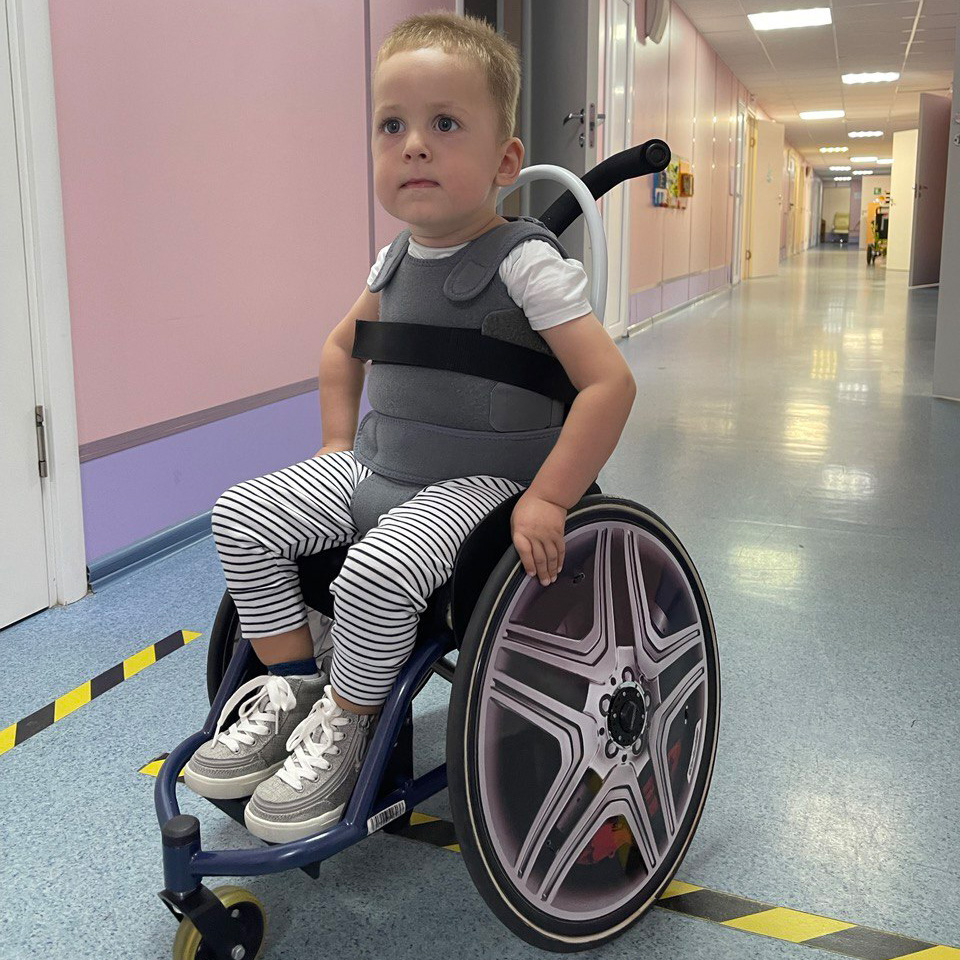
Now Misha weighs a little less than 13 kilograms with a weight rate at his age from 13 to 17. According to Yana, two months after the start of the reception of Risdaplas, Misha learned to sit without support and hold his head. “This may seem like a small achievement, but for children with a smell, this is an important survival factor,” explains Alexander Levontin, deputy chief physician of “House with a lighthouse”. -Because children with the first type of SMA, like Misha, often die because they cannot jerk sputum. This does not threaten Misha: he has no problem with swallowing, and he fixes his head well. ” Levontin is familiar with the Bakhtins family almost from the very birth of Misha, the child regularly comes to the “House with a lighthouse”, where doctors show parents rehabilitation exercises for Misha.
“Misha learned to turn over from back to his stomach and from the stomach to her back,” Yana continues. -He has fully active arms, legs, he knows how to work in different ways with his fingers, flogs the thin pages of books, he himself knows how to control the active wheelchair. Maybe one play with toys. Maybe there is: we still do not give him solid food, because he does not eat yet, but he eats liquid mashed potatoes on his own. ” In addition, Misha began to speak. His speech is not entirely clear to a person who sees a child for the first time. “But if you spend some time with him, then you get used to it and begin to distinguish what he wants to say,” says Alexandra Levontin.
This is a colossal leap in development for a child, about whom they recently said "he will never sit with you." After the start of the reception of “Risdlasm”, Misha scored another 14 points on the Chop Intend scale: now its indicator is 53 points out of 64 possible. “We know examples when Zulgensma acts perfectly - such children go up the stairs and study at school on their own,” says Alexandra Levontin. “In the Mishin case, there is no speech that he will go, but if he will continue to accept“ risdings ”, he will have a good quality of life.”
Nevertheless, the Ministry of Health of the Sverdlovsk region still refuses Misha in continuing therapy.
Therapy is refused
In the summer of 2023, employees of the regional Ministry of Health said that they were ready to provide Misha therapy if the continuation of treatment approves the federal consultation. Yana and Misha went to the Veltishchev Pediatrics Research Institute of Pediatrics, where the child is observed from birth. Сперва Мише нужно было пройти двухнедельное обследование, а после состоялся трехсторонний федеральный консилиум.
Трехсторонний консилиум предполагал, что решение должны принимать представители трех федеральных клиник. Решение по дальнейшему лечению Миши Бахтина принимали врачи из НИКИ педиатрии имени Вельтищева, а также врачи из двух крупных клиник, которые ребенка не видели, а только читали выписку из его болезни. Это были представители Российской детской клинической больницы и Национального медицинского исследовательского Центра Здоровья Детей.
Вопреки просьбам, и в том числе письменным заявлениям, родителей или представителей Миши Бахтина на консилиум не пригласили. Заседание прошло 16 августа 2023 года.
Как рассказывает Яна, когда Миша проходил обследование прямо перед консилиумом, врачи единогласно рекомендовали продолжать терапию. Они видели, каких результатов удалось добиться за год приема «Рисдиплама», и понимали, что в Мишином случае это необходимо. Это же было отражено и в решении консилиума: «Члены консилиума обратили внимание на то, что с ноября 2022 г. ребенок приобрел новые важные двигательные навыки: способность самостоятельно сидеть без опоры на руки, а с июля 2023 г. появилась способность переворачиваться со спины на живот» (копия решения консилиума есть в распоряжении «Холода»).
Однако в продолжении терапии федеральный консилиум семье Бахтиных все же отказал. «Проведение тандемной терапии рассматривается в настоящее время как экспериментальный метод, эффективность и безопасность которого не подтверждены клиническими исследованиями, — написали участники консилиума в своем решении. — В литературе имеются предварительные данные клинического исследования о безопасном применении препарата “Рисдиплам” после проведения генозаместительной терапии ( имеется в виду укол “Золгенсмы”. — Прим. ”Холода” ) (однако исследование не завершено, финальный отчет не опубликован)».
Аргументируя свое решение, врачи сослались на два исследования: одно из них было завершено в 2001 году — за 18 лет до появления на рынке препарата «Золгенсма». Второе изучало влияние на мышей превышения дозы «Золгенсмы». «Но какое отношение исследование про мышей, которым несколько раз ставили инъекцию “Золгенсмы”, имеет к Мише? Препарат ему был введен строго в соответствии с его весом, повторных инъекций не было и не планируется. То есть они ссылались на исследования, никак не связанные с нашей ситуацией», — говорит Яна.
При этом исследования, доказывающие безопасность и эффективность тандемной терапии, уже проводятся и некоторые промежуточные результаты все же есть . Например, три исследования переведены и опубликованы на сайте фонда «Семьи СМА». «Думаю, что участники консилиума приняли такое решение, потому что не хотят создавать прецедент, — говорит Яна. — Ведь если они одобрят Мише тандемную терапию, за препаратами пойдут и другие семьи. А пожизненно предоставлять “Спинразу” или “Риспдиплам” — дорого».
Согласна с предположением Яны и Александра Левонтин, заместитель главного врача «Дома с маяком». «Есть дети, у которых прямые показания к тандемной терапии, потому что у них слабый или отсутствующий эффект от “Золгенсмы”, но добиться продолжения терапии в России пока что не может никто. Сколько всего таких детей в России, я не знаю, но лично у меня наблюдается около 20 таких детей», — говорит она.
«Полная обездвиженность. Или смерть»
30 августа Бахтины вышли на Красную площадь: Дмитрий стоял с плакатом, Миша находился рядом в коляске, Яна снимала пикет на видео и отправляла журналистам. Почти сразу к ним подошли сотрудники полиции, сфотографировали плакат и попросили его убрать. «На самом деле они вели себя корректно, попросили пройти вместе с ними до ближайшего отделения полиции “Китай-город”, — рассказывает Яна. — Муж объяснил, почему мы вышли на пикет, и нас отпустили без составления протокола. Сотрудники полиции при этом сказали: “Ну мы же не звери, мы все понимаем”, отдали нам плакат и отпустили».
По словам Яны, после пикета на Красной площади с ней связался директор НИКИ педиатрии имени Вельтищева и пригласил на встречу, которую назначили на следующий день, 31 августа. Утром Бахтины всей семьей приехали в клинику. На встречу с ними пришли представители всех трех федеральных центров, которые принимали участие в консилиуме, и по видеосвязи подключился главный внештатный специалист по медицинской генетике Минздрава России Сергей Куцев. Участия в консилиуме он не принимал: почему его пригласили на встречу — Бахтиным не объяснили.
«На этой встрече нам просто пытались объяснить, почему консилиум принял такое решение. На наши вопросы никто не ответил, потому что это неудобные вопросы. Мы спрашивали у врачей НИКИ педиатрии имени Вельтищева, а как же их предыдущие оценки и рекомендации продолжать терапию. Задавали вопросы, почему нас или наших представителей не позвали на консилиум. Мы думали, что возможен какой-то диалог, но это был монолог с их стороны — они нас совсем не слушали», — рассказывает Яна.
«Холод» пытался связаться с одним из врачей НИКИ имени Вельтищева для получения комментария, но в ответ получил сообщение, что врач не может давать интервью СМИ без согласования с институтом. «Холод» отправлял запрос через пресс-службу института, но ответа не получил.
Главный внештатный генетик Минздрава России Сергей Куцев, который был на встрече с Бахтиными 31 августа, утверждает , что принимать «Рисдиплам» после «Золгенсмы» может быть опасно в связи с избыточной продукцией белка SMN. «Никаких научных данных о пользе и безопасности такой терапии нет. Можно ли отменить “Рисдиплам” в той ситуации, в которой по вине родителей оказался ребенок, тоже неизвестно. Но я абсолютно точно не рекомендовал продолжать лечение», — заявляет Куцев. При этом он не рекомендует и приостанавливать лечение, уверяя, что не знает, какие могут быть последствия для ребенка из-за отмены терапии.
С точкой зрения Куцева не согласны ни родители Миши, ни его лечащие врачи, которые наблюдали ребенка с рождения. «Холод» отправлял запрос на интервью Сергею Куцеву и пытался до него дозвониться, но не получил ответа.
Сразу же после встречи 31 августа Бахтины устроили еще один одиночный пикет около Дома правительства. Но дело не сдвинулось с мертвой точки. 5 сентября они вновь вышли с пикетом, на этот раз в Екатеринбурге, напротив здания местной прокуратуры. И опять добиться желаемого препарата им не удалось. Их пригласили в кабинет первого заместителя прокурора Свердловской области, который вообще не понимал, о чем речь. «Он нас выслушал, покивал головой, и все на этом. 15 сентября мы опубликовали видео и открытое обращение к главе Следственного комитета России Александру Бастрыкину с просьбой повлиять на региональный Минздрав и выполнить решение суда. 20 сентября написали обращения лично губернатору Свердловской области Евгению Куйбышеву и министру здравоохранения Михаилу Мурашко», — рассказывает Яна.
На момент выхода публикации ответов у Бахтиных так и нет. Они ждут и надеются на то, что все-таки смогут получить терапию от регионального Минздрава. Своих ресурсов на покупку лекарства у них больше не осталось. Ресурсы благотворительных фондов и меценатов, к которым они ранее обращались, по словам Яны, тоже исчерпаны.
Одного флакона «Рисдиплама» Мише хватает на 18 дней. Сейчас у Бахтиных есть в наличии один, уже начатый флакон. Получится ли через пару недель получить от благотворителей новый — непонятно. Препарат выводится из организма за 100 часов. Чуть больше четырех дней без «Рисдиплама», и болезнь вновь может начать прогрессировать. Годовой запас препарата для Миши стоит, по оценкам Яны, около 14 миллионов рублей.
С продолжением терапии, по оценке заместителя главного врача «Дома с маяком» Александры Левонтин, Миша как минимум останется на текущем уровне развития навыков: «Даже это уже хорошо: он умеет пользоваться активной коляской, у него хорошо работают руки, он может управлять своим телом, учится говорить. Мы уже понимаем, что он сможет самостоятельно передвигаться даже по не самой доступной среде. Но учитывая то, как Миша развивался раньше, думаю, что у него есть еще и потенциал к улучшению».
«Без продолжения терапии у Миши будет регресс моторных навыков. Скорее всего, те навыки, которые он успел приобрести, он потеряет, — объясняет Левонтин. — А дальше такой же сценарий, как у всех пациентов, не получающих терапию: необходимость в усиленной респираторной поддержке, наложение трахеостомы ( создание отверстия в горле, через которое с помощью трубки поступает воздух. — Прим. “Холода” ) и полная обездвиженность. Или смерть».
Poll Help the "cold" to become better. Take a survey for 7-10 minutes.