
Translated material
Entrepreneurs of the capital of Ecuador warned of the risk of collapse of the local economy due to emergency regime
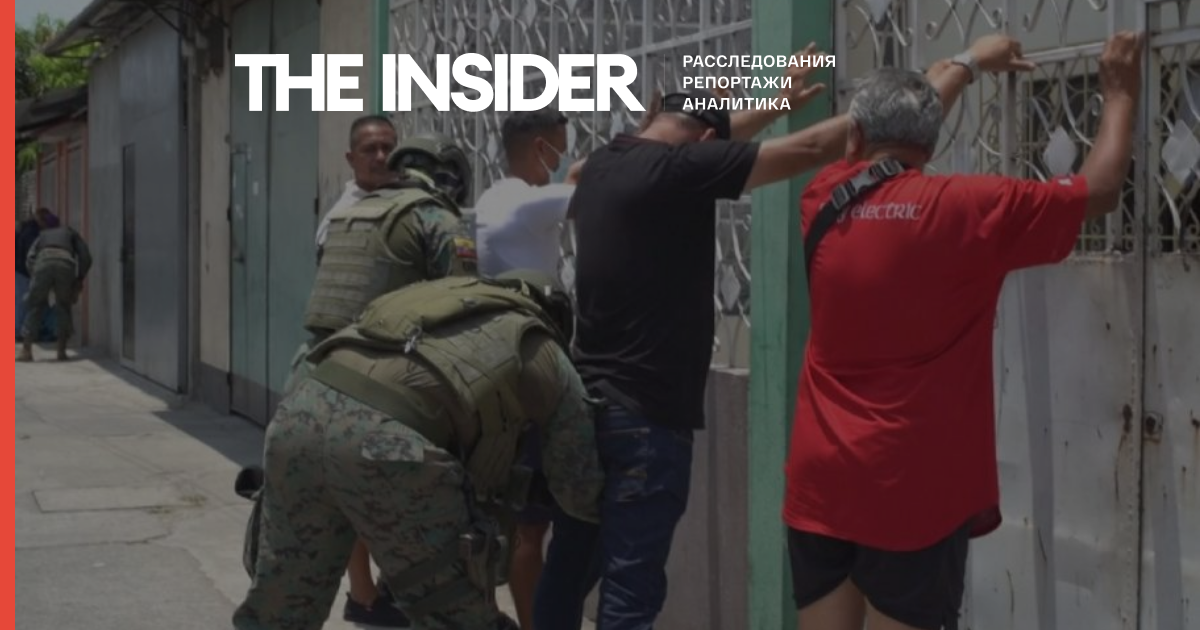
The economy of the capital of Ecuador Kito will not last during the 60-day period of the state of emergency, which was introduced by the president of the country Daniel Noboa on January 8 due to the armed riots, the chairman of the City Criminal Chamber, Eller, warned in an interview with the única radio station, writes the newspaper Primicias.
According to the publication, during the operation of the emergencies of the enterprise of small and medium -sized businesses, they lost up to 60% of the income, the hotel sector collided with the abolition of 90% of the reservation, and the restaurant business with a two -time sales drop. Sales of alcohol fell by 40%. The income of services in the field of services, including clothing and shoes stores, jewelry, laundry, locksmiths and carpentry workshops and other suppliers of services for the population, were reduced by a total of about 66%. The opening hours were reduced from eight to five and six hours a day.
Night events have been canceled in the city, discos and bars do not work, restaurants reduced the turnover - people are afraid to visit public places. The situation is aggravated by the commandant hour from 11 p.m. to 5 a.m., which, according to the government decree, will last until March 8. It is expensive to cost the economy of the capital, Eller explains.
According to her, trade unions advocate the mitigation of commandant hour so that the city return to the normal schedule as soon as possible in order to prevent the collapse of the local economy. Business considers it necessary to revise the conditions of commandant in order to restore the production activities of enterprises and thus “maintain performance structures and employment” and a chain of transactions generating taxes “used to cover government debts”.
The situation with crime in Ecuador was heated on January 7 after escaping from prison the leader of the drug cartel Los-choneros Jose Adolfo Masias, nicknamed Fito. In prisons of the country, riots began, during which the prisoners took over 150 guards and 28 administrative workers hostage: they managed to free them after almost a week.
At the same time, armed riots began on the streets. From the moment they began the military and the police detained almost 2 thousand people, and almost 500 units of firearms, about the same amount of bombs and over 5 tons of drugs were seized.
In addition, on January 10, criminals captured the studio of the TC Televisión TV channel during the live broadcast. The police had to take the TV channel storm to free the hostages. On January 18, the prosecutor investigated the studio was killed .
On January 8, President Daniel Noboa announced a state of emergency in the country for a period of 60 days and introduced a commandant hour.