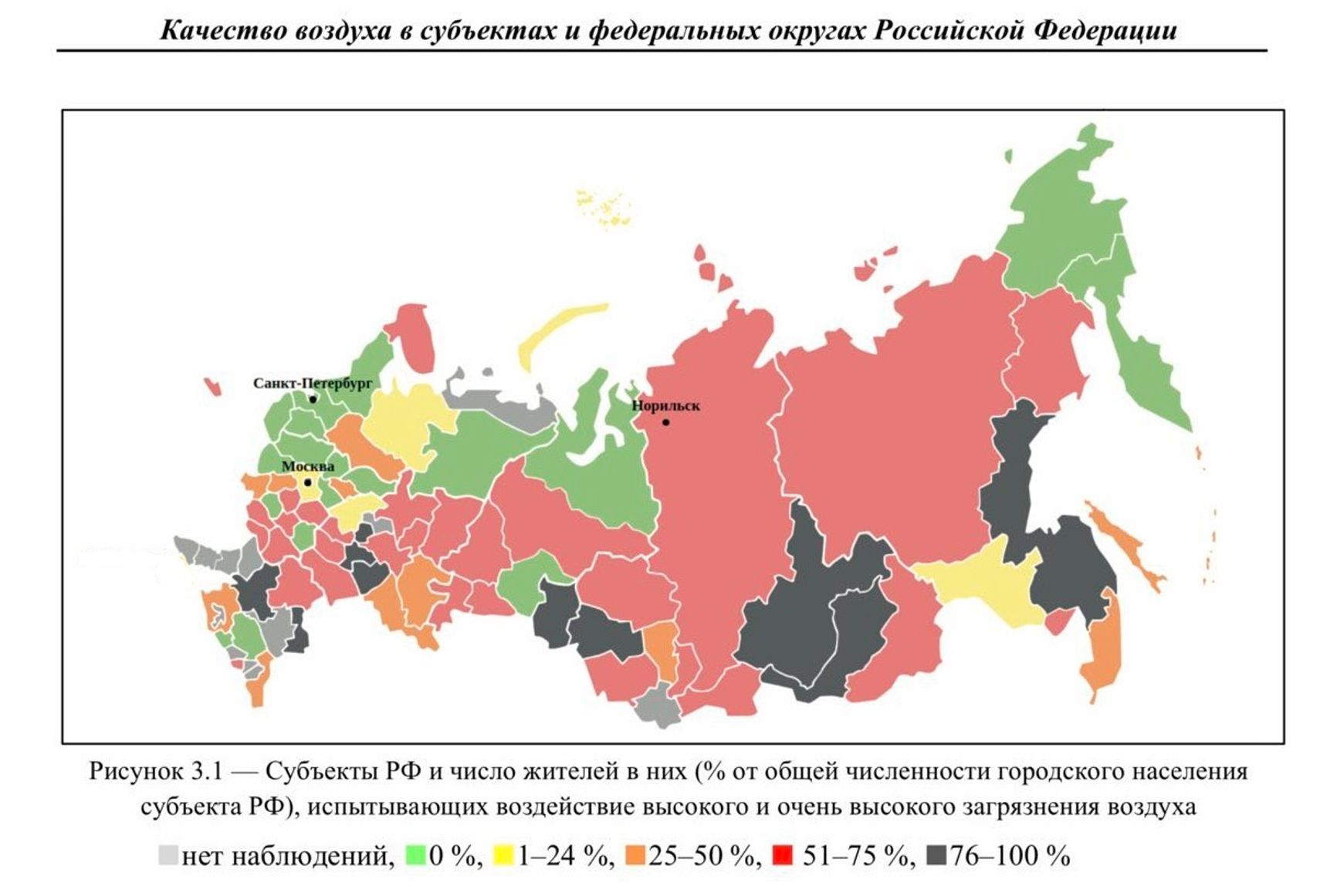
Vladimir Putin in the message to the Federal Assembly stated that the problem of dirty air is gradually being resolved - he should become twice the cleaner in the next six years. Now half of the country's urban population breathes air with high or very high pollution, according to official Russian statistics. And even these data are in doubt: in Russia, a full -scale air observation system in all regions is not deployed. The expert, whom the Insider spoke, claims that the situation prevents the situation from changing the large business that underestimates the data on real emissions of enterprises.
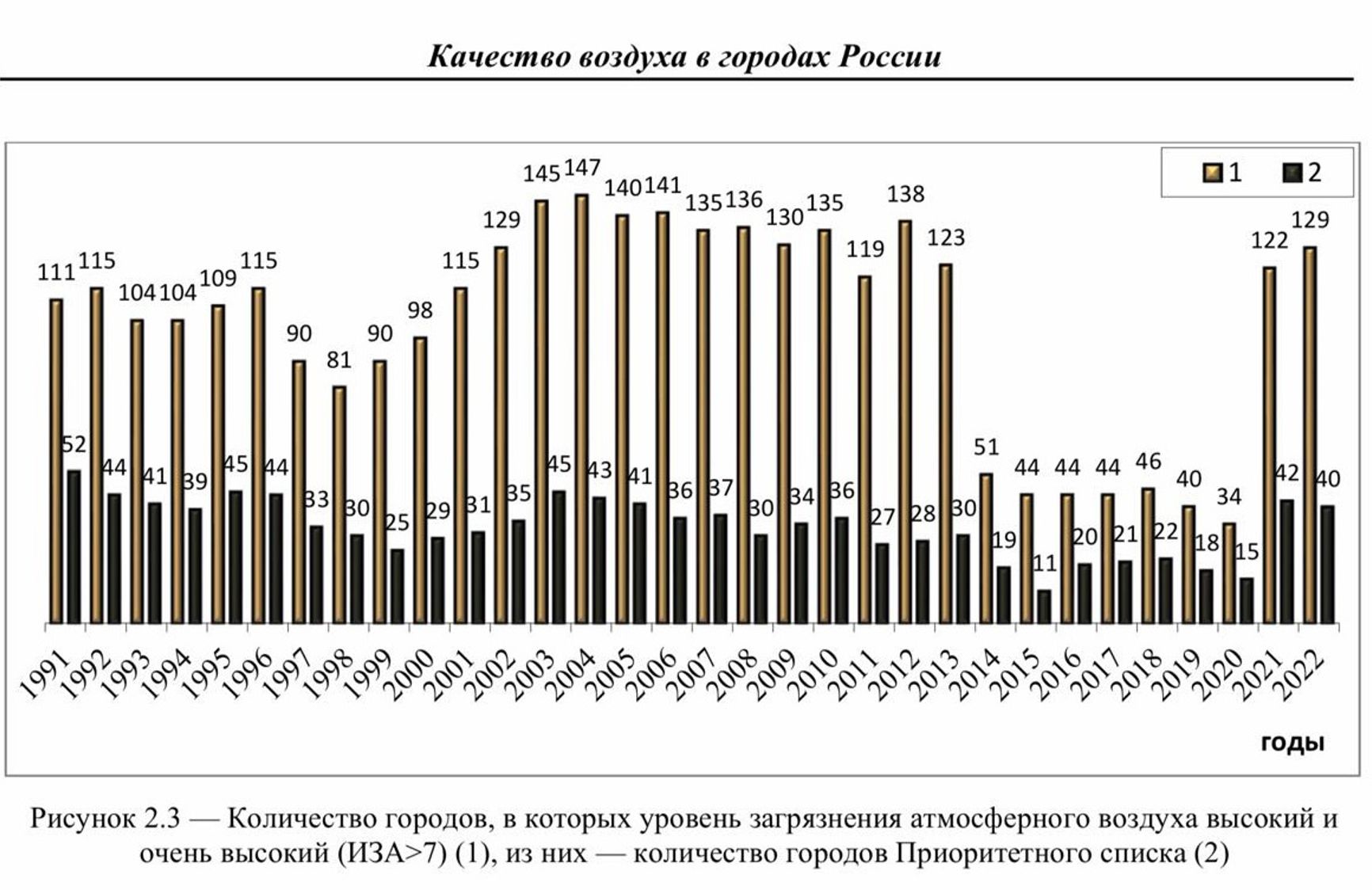
The quality of atmospheric air in Russia remains unsatisfactory, positive changes in recent years are not visible. This follows from official Russian statistics - reports of the Federal Service for Hydrometeorology and Environmental Monitoring (Roshydromet).
“Within the framework of the Pure Air project in 12 industrial centers of Russia, as you know, it was possible to reduce harmful emissions into the atmosphere,” Putin said in the message. - Since last year, another 29 cities joined the project. In the whole country, the volume of harmful emissions into the atmosphere should be halved. We will move in stages to this purpose. ”
The Russian ecologist-economist, who agreed to give a comment by The Insider on anonymity conditions, believes that it is impossible to rectify the situation in the near future in a number of Russian industrial cities:
“I really doubt that really the quality of the air can be so much improved (and indeed improve), especially in cities such as Chelyabinsk, Novokuznetsk, Krasnoyarsk, Nizhny Tagil and many more where. The pollution there is phenomenal, terrible, the risks for the health of the population are huge, but this does not bother anyone. ”
The Pure Air project adopted five years ago initially assumed that from its 12 participating cities by the end of 2024 there would be not a single one with a very high or just high level of air pollution, as well as that emissions of pollutants into the atmosphere in these cities will be reduced by 22%. However, this did not happen.
Half of the urban population of Russia (49%, or 53 million people) live in cities with high and very high air pollution, according to Roshydromet for 2022. The later report is not yet available, but in 2023 there were no prerequisites for a sharp change in the dynamics. And this indicator is growing: in the pre -war 2021, it amounted to 46% of the urban population, or 50.6 million people.
The air is contaminated with formaldehyde, fine particles, nitrogen dioxide, benz (a) with pyrene, metals. In more than 200 Russian cities, the maximum permissible concentration of these substances was exceeded at least once in 2022. Cities where the maximum concentrations are 10 times higher than the permissible ones have become one larger compared to the start of the project: now there are 37 of them. But one -time exceeding may not be dangerous, so scientists look at the average excess of concentration per month or a year.
Roshydromet is highlighted by 40 cities with especially polluted air, 10.4 million people live in them. This number includes 9 cities from the Pure Air project.
Part of the national project "Ecology and Nature Proceedings", with financing of 500 billion rubles for 2019–2024. Was extended until 2030
The indicators are sharply improved in 2014–2020. Not because the air became cleaner, but because of a change in the maximum permissible concentration of formaldehyde. Later, environmentalists have achieved a return to the previous norms
Roshydromet
The quality of the air deteriorated sharply in 2022 in Dimitrovgrad, Kemerovo, Makhachkala, Nizhnevartovsk, Novoulyanovsk, Novocheboksarsk and Tulun. All of them were in the list of "priority". Pollution in Norilsk remains very high, despite the statements of Norickel about the priority of environmental tasks and high places in domestic -Russian sustainable development ratings.
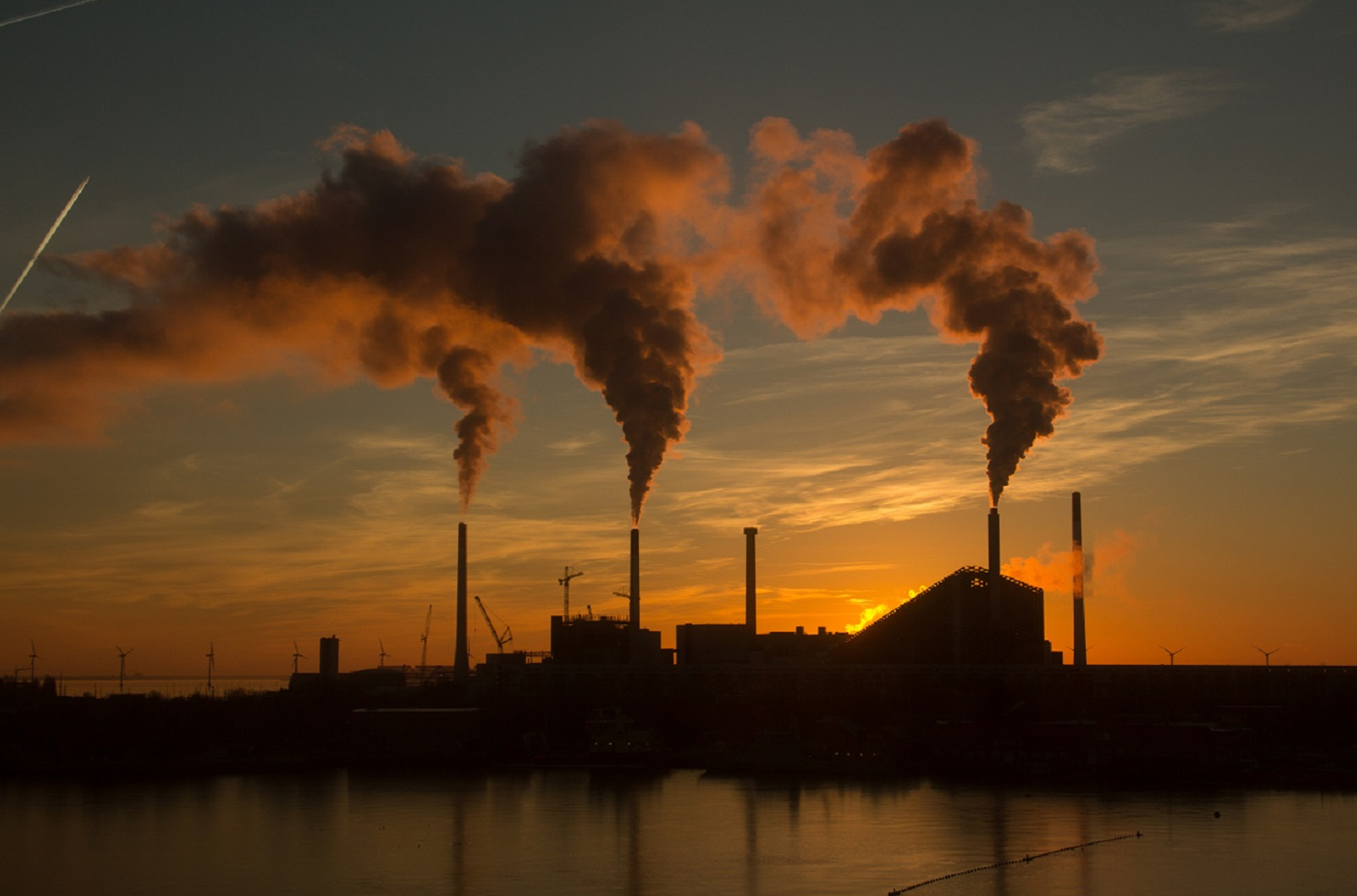
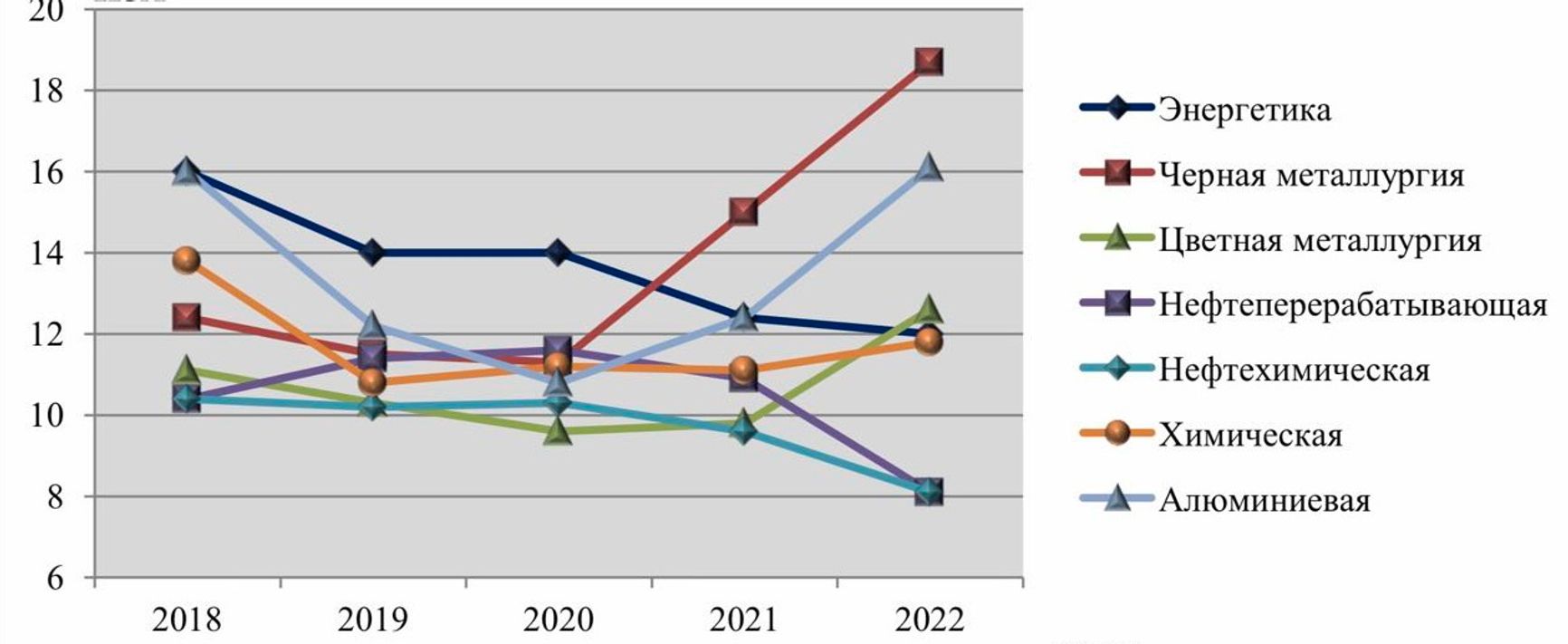
The main sources of emissions in the dirtiest cities most often are enterprises of the fuel and energy complex, ferrous and non-ferrous metallurgy, aluminum, chemical, forest and woodworking industry.
Part of the national project "Ecology and Nature Proceedings", with financing of 500 billion rubles for 2019–2024. Was extended until 2030
The dynamics of the atmosphere pollution index in cities depending on the type of large industrial enterprises
Roshydromet
All this undermines the health of people living there. With regular air pollution, Benz (a) with a pyrene can observe such adverse consequences as malignant neoplasms, WHO warns. And even with small concentrations of nitrogen dioxide there are violation of breathing, coughing; With increased - the number of children with rapid breathing, cough and bronchitis is growing.
“Studies on assessing the risk have been conducted since the mid-1990s, including my participation, but the desire from the authorities and business has never appeared,” the ecologist-economist comments.
The available information about the level of pollution can be underestimated, because they are simply not enough. All of Russia with its 17 million square meters. km cover 688 points of air quality monitoring. Roshydromet performs regular observations in 233 cities-in all million-plus cities, in most large cities with a population of 100 thousand people and only in every tenth town with a smaller population.
About the quality of air in the territory of the Republics of Adygea, Altai, Ingushetia, Kabardino-Balkaria, Kalmykia, Mari El and Chechnya are not known. There is no Roshydromet monitoring network. For the entire existence of the Pure Country project, one region without data has become less-Nenetsky, due to its accession to the Arkhangelsk region. In some regions, one city has to be judged by the quality of air.
Part of the national project "Ecology and Nature Proceedings", with financing of 500 billion rubles for 2019–2024. Was extended until 2030
Roshydromet
This should change this comprehensive environmental monitoring system. This is also a separate project, launched in 2022, the Russian environmental operator is responsible for it. Private companies are planned to be connected to monitoring and launch the system in 2024. But even if she works, we need other data.
“The emission monitoring system has never been created on sources,” the ecologist-economist states. This system should have measured how many companies-dieters throw harmful substances into the atmosphere. “For a long time, they discussed the introduction of constant monitoring systems-sensors on the pipes of enterprises and online transmission of indications, as is done in the USA and in many other countries. But the business saboted this initiative. Enterprises do not want to give instrumental control data, since in fact they throw much more in fact than indicated in their reports, ”the expert says. “As a result, delayed deferrals on the deadlines of their introduction and washed the topic.”
It is not necessary to count on the fact that the situation will improve in the near future, as Putin promises:
“For such large-scale environmental investments, enterprises have no resources, and nowhere to take them,” the ecologist-economist states. “Putin does not understand anything about this, he gives promises to the elections, but there will be nothing to do.”
Putin promised to make air twice as cleaner. “Enterprises have no resources for such large -scale environmental investments” - expert • The Insider • RIMA — Russian Independent Media Archive