
Translated material
Redo the pacifist
In the propaganda “20/22” “The Call of the Passenger” ”, one can notice the plot, it seems, the general for all“ patriotic ”films about“ Swim ”in general
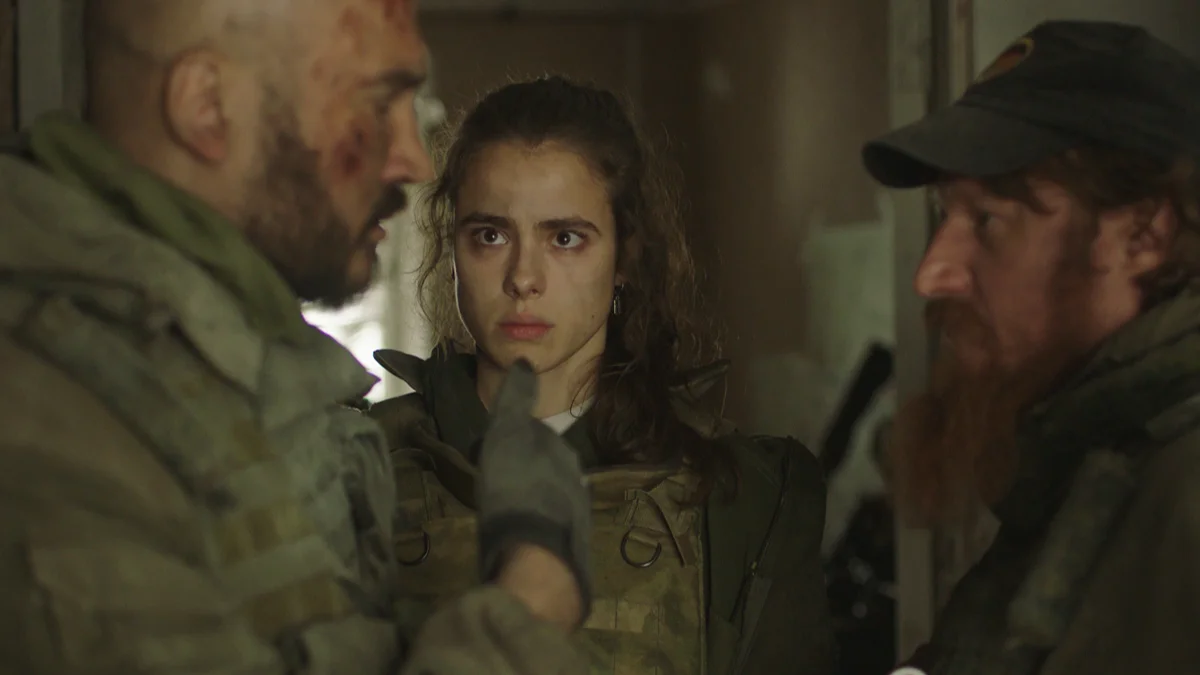
Frame from the series "20/22", photo: Bubblegum Production / KinoPoisk
By the two years of the beginning of a full -scale war against Ukraine, the Russian state has released several “patriotic” films at once. The first channel presented the series “20/22”, and with the support of “Russia-1” the film “The Calling Passenger”, shot according to the novel by Alexander Prokhanov, was released. “New Europe” watched both of these works and, in addition to a terrifying plot and performance (both from a professional and semantic point of view), found an important common element.
Like last year’s film “Witness”, all these new propaganda films do not so much glorify the war, which would be worth waiting, but it is just excuse for it-and therefore one of the main characters in them always becomes a liberal-foreign person who does not believe in the state importance of mass murder of people. Unable to convince such people in life, the authorities are trying to do this at least on the screens.
Student Journalism facility on the way to enlightenment: the series "20/22" from Channel One
Danila and Alice are students of the journalism department of Moscow State University. In love and happy. He rents an apartment - in the Vykhinsky Khrushchev, but comfortable. Offers to live together. She is from a wealthy family, on the shelves in the luxurious apartment of her parents are TEFI figurines (“For the best information program”), which means that she is provided with a career, but now she is in love, therefore she throws everything and moves to her beloved. They spend a beautiful night. And the next morning they hear the news about the bombing of the village in the DPR. Danya is from Sevastopol, he has an older brother, and while the younger burning life in party in the capital, the eldest has been protecting the Russian -speaking population in the Donbass for eight years.
Glothes, explosions, pits and ditches, transferred to the Donbass to the militias. “Dill again? Or is it some kind of provocation? -The fighters who were running from somewhere are yelling. - Yes, we have been dancing for eight years here, and the Russians have harnessed everything! ”
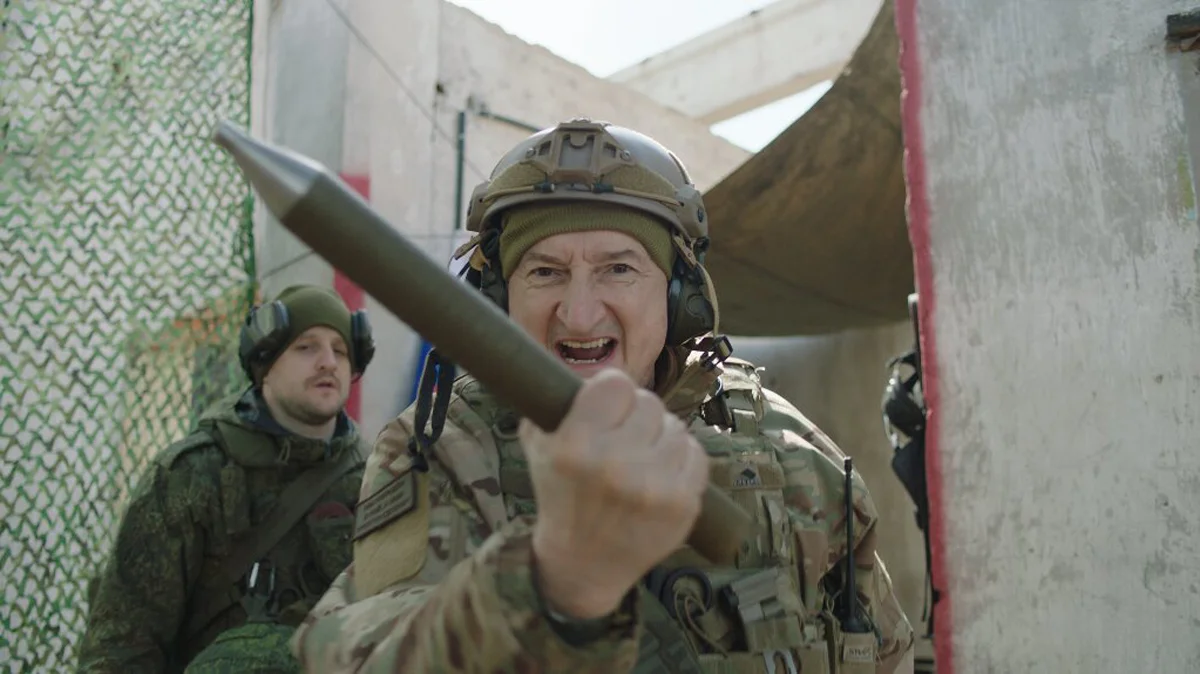
More gluing, now we are somewhere near Mariupol. The location of the Ukrainian army. Azov militants come with the inspection: “Where is the BC? Where are the fortifications? They say tomorrow Rusnya will trample! " But the squad commander is drunk, so the Azovets gives him in the face and begins to fade in his own.
February 24, 2022. Danila and Alice in the morning in bed, ignore phone calls. But the news burst into their idyll. “Journalists have nothing more to do here, it's time to bring down from the country,” says their far -sighted classmate Misha (he has a dad in his organs, but Misha has no doubt that dad will be the first to surrender him).
Alice is going to a rally. Danya tries not to let her go, but as a result he goes with her.
20 students with posters “No War” and “I/We Ukraine” come to the rally, we can calmly under the protection of the detachment of a fashionably equipped Russian Guard. Everything is according to the Constitution, while Christina, outwardly indistinguishable from a man, does not rush at the Rosgvardein with fists. He politely asks her to observe the law, but Christina does not stand up, and the security forces have to twist her. Danya comes to her aid and falls under the cells. After the students go to the bar to drink cocktails, “watch vidosiki”, discuss how they “stomp the regime” and “record circles to our friends from Kyiv so that they would not see all the cannibals and quilted jackets”.
Danya looks at all this company with regret: “fighters with the regime” look vulgar and sorry. He wants to leave, but Alice should stay, she is against the war. This is a gap.
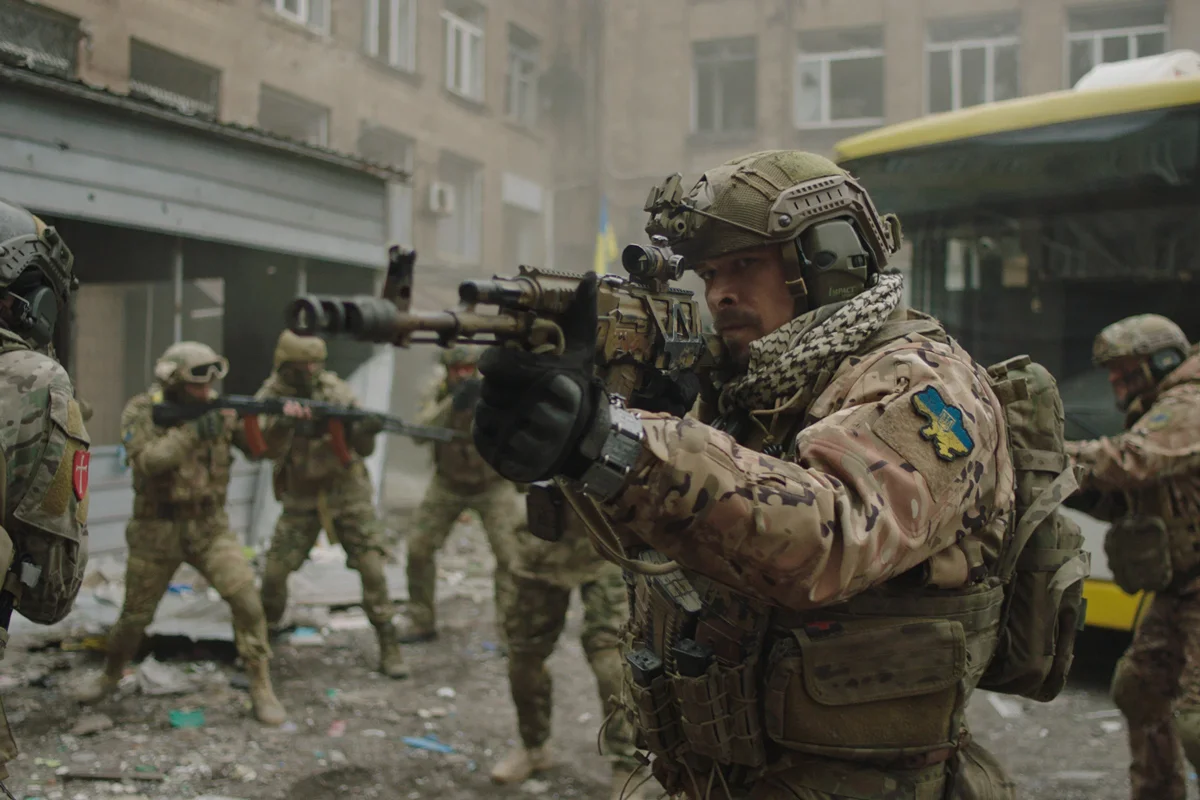
The next morning, the cops will come directly to the journalism faculty - to sew an article for him for the disobedience of power. Kristina is trying to smear from the article with the help of Mishin ties in the organs, but the situation gets out of control-Danya finds Christina in the Mishin embrace! Yes, and from the journalism factory is expelled!
Completely disappointed in Moscow and Muscovites, Danya passes an iPhone, a tablet, headphones and other gadgets to the pawnshop, bought camouflage for this money and goes to the DPR, straight to the Somali Somali squad.
Meanwhile, in Moscow, Alice decides to save Dan, for this she needs to get to the Donbass. How to do it? So she is a future journalist, so you need to fit an interns on some military commander. The State Duma deputy just went to the front, and the crew goes to shoot him. Alice is accepted by the trainee, and Misha (the same one who wanted to blame) for some reason goes with her. The military commissar is a lively journalist Ulyana Razumovskaya, who immediately exposes Alice's anti -war position with the phrase: “Have you come here to help or drive a bald dick?” Alice, proudly straightening her shoulders, says that she came to save her beloved and will go to the end.
The journalist Razumovskaya, who has seen species, who in eight years passed in the Donbass and fire, and torture, looks like a tear and offers Alice help in exchange for exclusive - she will remove the plot about them, lovers! “The editors of Channel One will go crazy,” she said dreamily.
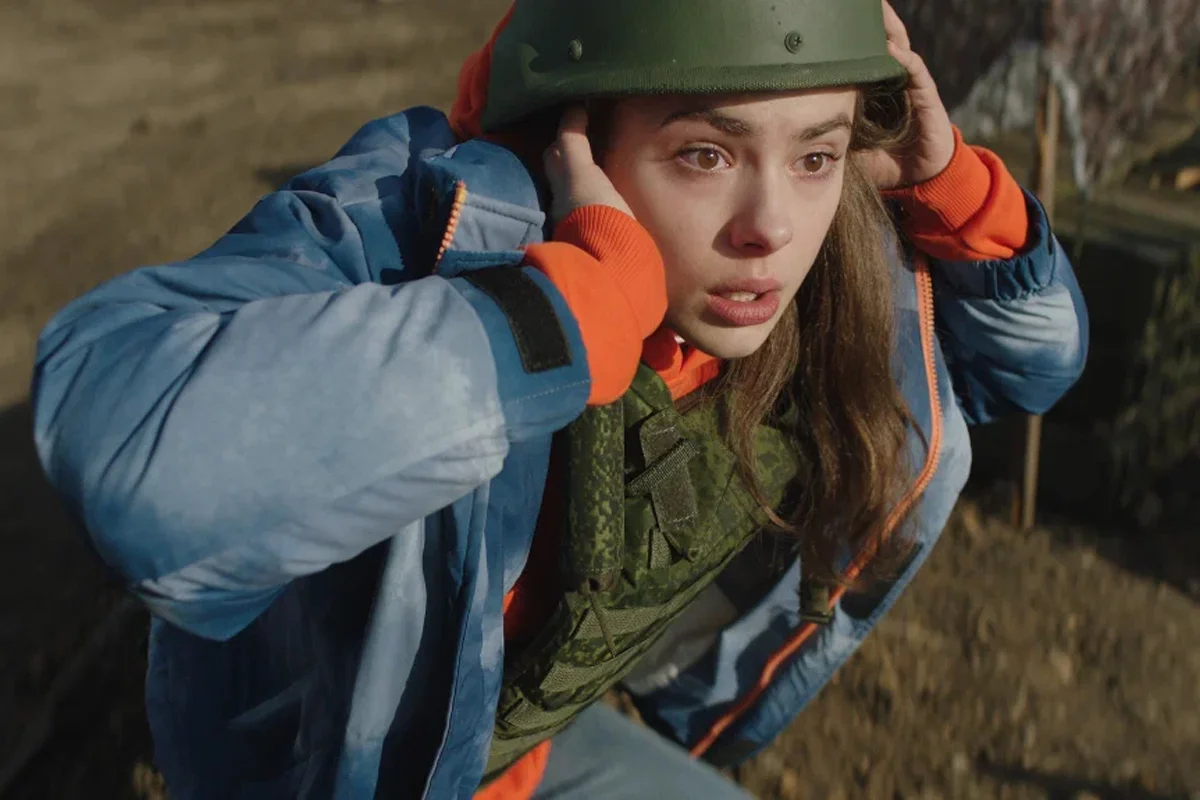
The warring deputy, meanwhile, plays with large-caliber weapons and takes off Tik-Toki. He is also dedicated to the story of the search for a lover (as well as about Alice's pregnancy), and he blesses brave journalists. “I’m taking off about the small as a hero, hold about the counter -offset of the Armed Forces of Ukraine,” the military commissar asks the producer of the ether, and he, of course, agrees. “Malaya” is the call sign, given to him after refusing the call sign “Muscovite”.
In parallel, the plot of salvation of Russian -speaking children develops. A simple Russian -speaking guy Semyon is looking for his five -year -old daughter Sasha in a flaming Mariupol. The viewer sees how cute Sasha with puffy cheeks and brown pigtails runs through the city past tanks and ruins, and then, along with other children, a teacher and a man, hides at a school where the “dill” come. Their leader, a handsome man who looks like Nikita Efremov, takes the children hostage and sends Semyon to minive fields. Russian fighters in the film look with a worn and beaten life, but the casting of Ukrainians seemed to be held in a modeling agency.
History of increased reliability
The series of Channel One was shot on the grant of the Institute for the Development of the Internet (IRI)-a state structure that received 20 billion rubles for the production of content in 2023, and in 2024-nearly 18 billion. The creators call their product the first film about Svo, thus completely depreciating the achievements of the film “Witness” .
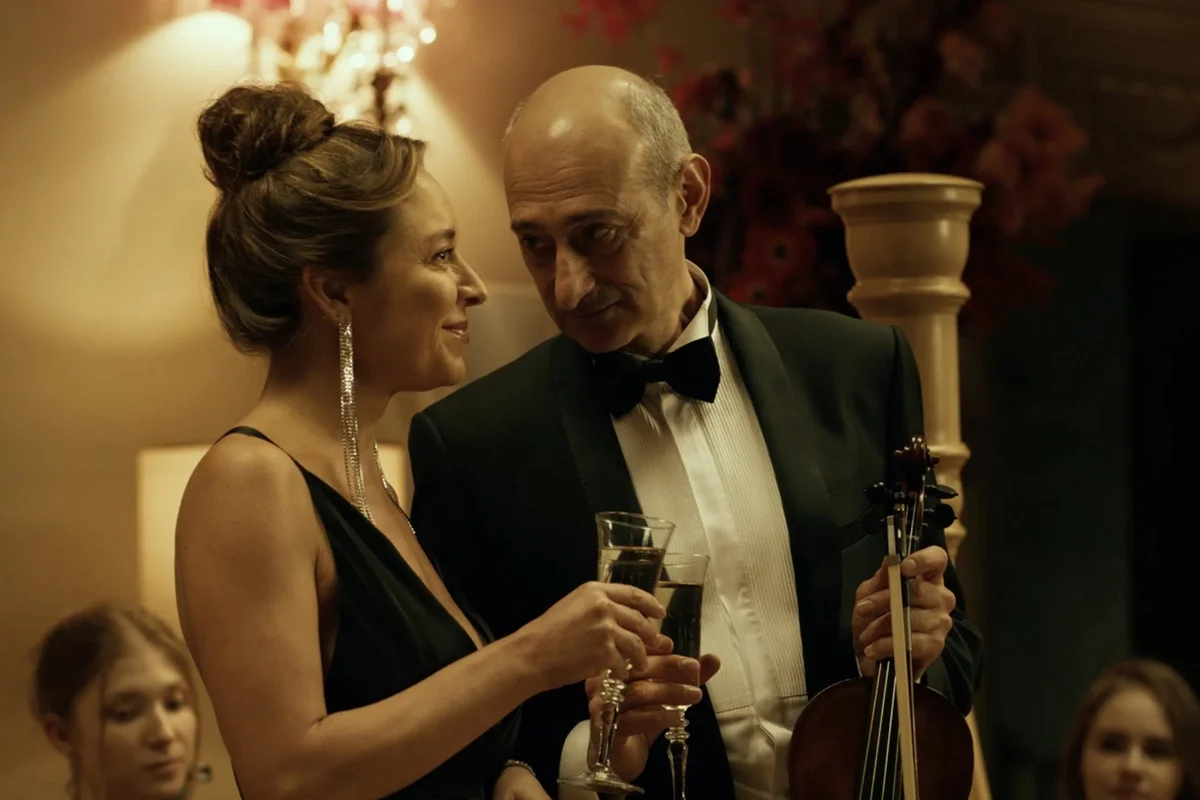
The premiere took place at the Artistic Cinema on February 22. As in the case of a “witness”, she passed in a secret format, with the participation of only coordinated “her” guests and “its” loyal press. As in the case of the film “Witness”, even in the Gossmi the prime minister was almost not covered, and Denis Pushilin himself came to her.
In the few materials in the media you can find information that “producer Andrei Kretov emphasized that it was important for the film crew that it was important to make a film for which it would not be a shame for those who directly take part in his, and therefore each member of the team put their soul into work on the film.” And about the meaning of the picture for young people, the main role of Aristarchus Venez spoke out: “Many do not understand what is actually happening in the zone of his, and in order to understand this, you need to go to the Donbass, where the same people live-someone’s parents, children, but huge trials fell into their lots.”
A subtile handsome Veneza, in his 34 playing a student-student, in a movie from early adolescence. He fell in love with more than one hundred girls after the series “Cadet”, and from the beginning of the war he expresses his support and repeatedly stated that he helps Russian fighters in the war zone. Not so long ago, the actor who has gotten away from drug addiction is now often accustomed to the role of a political analyst and speaks out on topical issues (something in the spirit: “We began to play for a long time, what the West has always done and does”).
The director of the series is Andrei Simonov, in the filmography of which passionate melodramas with the names “Kiss over the abyss”, “Love for hiring” and “more than love” are completely. Why it was he who was chosen to complete such a responsible task is not clear. He is one of the authors of the script, but also in the script team is a very eminent screenwriter Denis Rodimin (Boomer-2, Duhless, Olympus Inferno and the Russian-Ukrainian melodrama “From Love to Kohanny”), certain debutants Galina Popov and Alexander Ryabyshev, as well as a real fighter of a separate guard attack of Somali Somali Rinat Yesenaliev. He plays one of the main roles in the film.
“Because it is almost impossible to truthfully fulfill what he wrote,” says director Simonov truthfully. - At least, we did not find a professional actor who could play it quite vital, charismatic and reliably. Thanks to this, we managed to achieve the right degree of the reliability of the film. ”
This degree illustrates the next scene well.
The detachment storms an empty house. A beautiful destroyed house, all floors of which are laid out by a mosaic of tiles. The mosaic is not only beautiful, but also armored - bullets do not take it, and it remains unharmed. The most “plausible” on the First Channel is just this scene. Having prepared to die in an unequal battle, just the real fighter of Somali Rinat Yesenaliev tears off all the defense, tears his face and, shooting himself from the enemy, screams a lecture on the history of Ukraine.
In another reliable scene, the Ukronatsis burn a bonfire from history textbooks at school, they cut the eyes of Gogol with scissors, and Pushkin draw horns, and then they literally conduct a Satan rite: one of the Azovites is chopped with an ax of the school employee and washed with blood. The Russians are going to armed fighters without armor: "From protection we have only a cross."
And the producers?
Andrei Kretov (strong checkered, producer of the films of the good director Mikhail Segal and the series “Sleepers”, because of which another good director Yuri Bykov once left the movie ), his regular partner Grigory Akopyan and Sergey Pereshin, the head of the tavrid art cluster and the program director of the World Youth Festival . In his telegram channel, Pershin reports that the shooting of the series took place in Mariupol "immediately after his release." It is curious that Kretov’s film company is called Bubblegum Production, but for the captors of the patriotic product, the name of the studio was reduced to BBG.
I saw everything and understood everything
In the finale, the most human -like and sensible ones are a sweet major from Moscow Misha (he is represented as a cynical egoist, but only his words and actions succumb to logic and only he performs normal male deeds), and also - the leader of the Armed Forces (only he has a conscience and humanism), who is also expelled for being refused by the designer support of the wise main hero.
Instead, the leader of the thugs and a little plunge into the memories of a common youth in their native for both Sevastopol. Later, Pavlo (the name of the Azovts) will kill a small shot right in a member, but in an honest battle. Before the valiant death of his lover, Alice will inform him that she "saw everything and understood everything."
“According to the director of Andrei Simonov’s painting, it was pleasant for him to know that there is a request for a film in society that illuminates different points of view at the beginning of his own,” one of the Russian publications says .
My attempt number two: “The call sign“ passenger ”” from “Russia 1”
If the 20/22 Channel One advertises as if embarrassed, then promoted the full -length blockbuster “Calling“ passenger ”” on the Russia 1 channel is quite large -scale. The premiere at the exhibition "Russia" at VDNH. For two and a half weeks of rental, the film raised 122 million rubles in cinemas and nearly 400 thousand spectators.
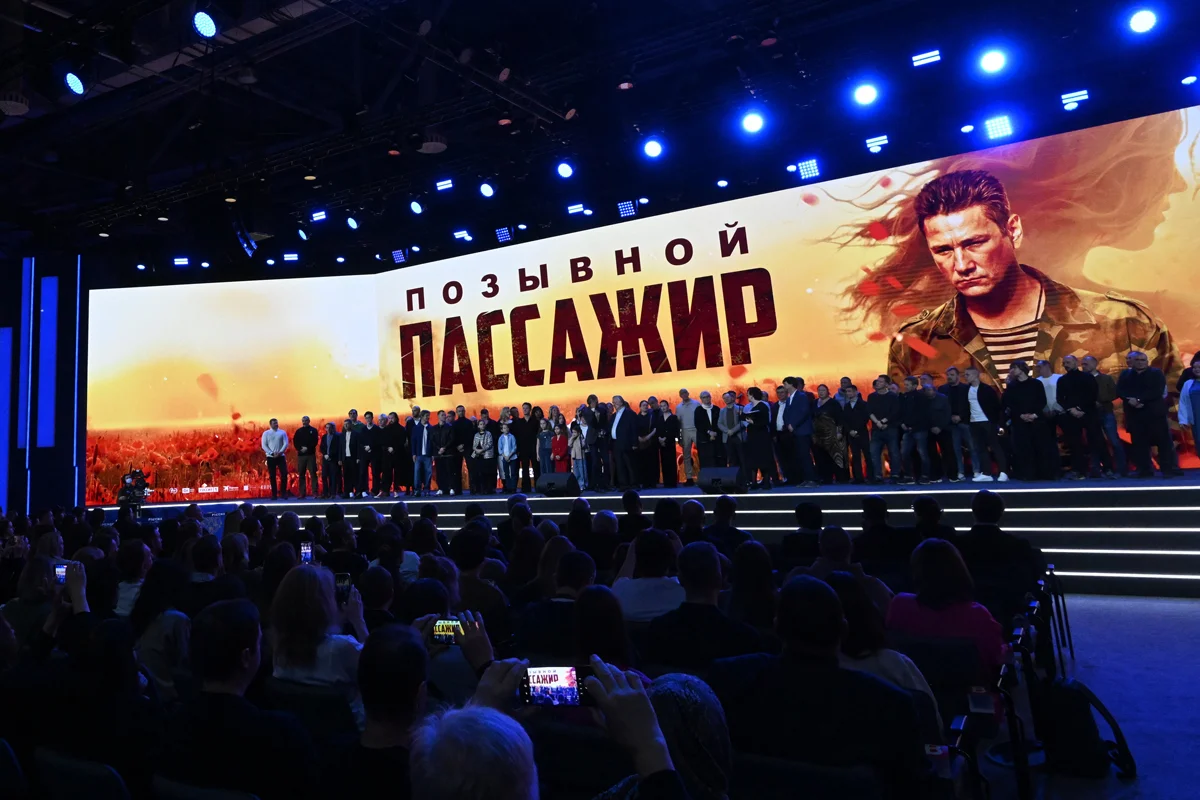
The film is based on the novel by Alexander Prokhanov “The Death of Cities” (published in 2015). They once tried to film it: the project was submitted for consideration to the Film Foundation, but part of the expert council spoke out against. According to the interlocutor of Novo-Europe, familiar with the situation, he was finally rejected in the presidential administration: probably the reason was not in anti-war sentiments in the department, but in the fact that the novel contained the president’s line-an indecisive and unable to make a strong-willed decision to bomb the enemy eight years ago. That is, the question "Where have you been eight years?" He was turned to the very top.
Quotes from the novel
“No, tell me something else. Is our president not Russian? Does he not cry when he sees how people are killed in the Donbass? Does he have an iron heart? Why am I, a simple rabbi, I want to see Russian soldiers on the streets of Donetsk? Why doesn't he want? Can you tell me this? "<...>
“Kolchugina was struck by the nullity of words, the deadness of the tongue, lethargy of intonations. It was as if the president was under hypnosis and repeated an suggestible dead text. He was bewitched. He was in someone’s captivity. Its psyche was controlled by external influences. Leaned away from formidable bleeding life, replacing it with plywood decoration. And I wanted to shout, resume, wake the president. To return it to the reality, where the Donbass burns, the next house is collapsing under the volleys of howitzer, the militia is drew from a grenade launcher to a roaring tank. ”
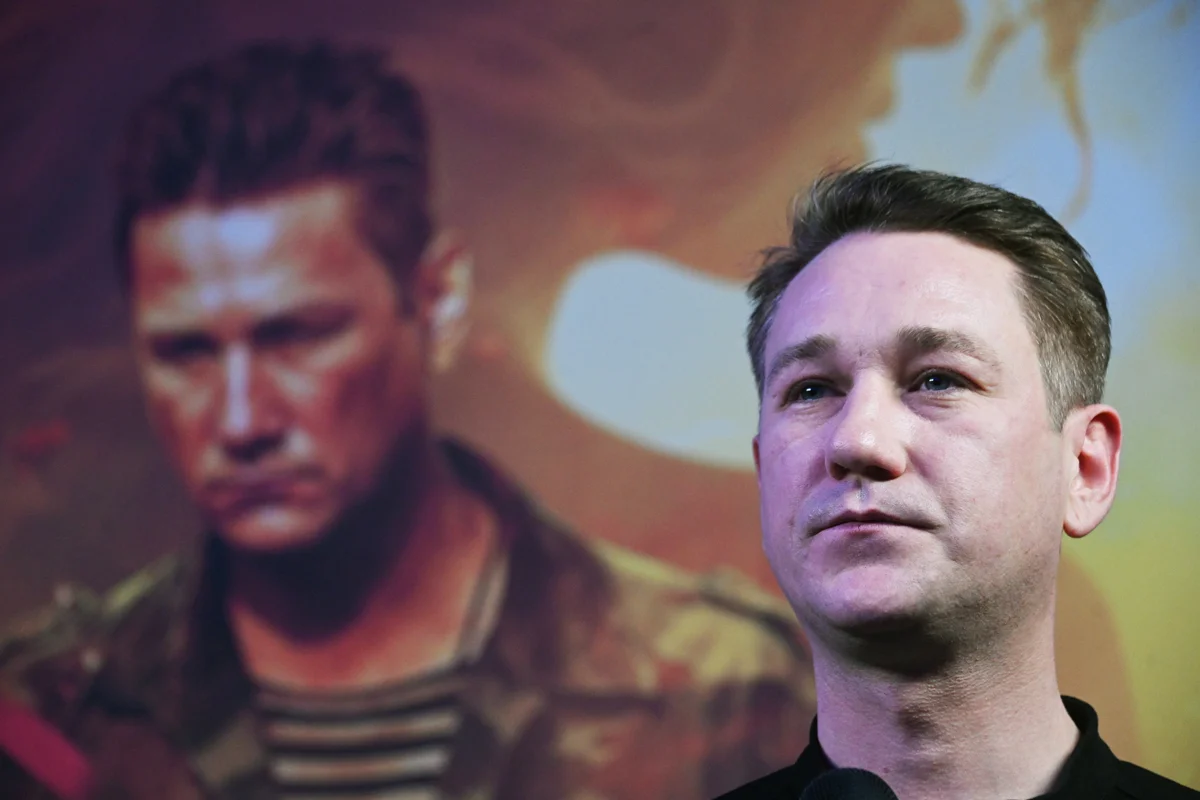
But times have changed, and the script decided to give the second life to be presented by the producer Maxim Korolev, known for fiery patriotism. The script was quickly redone, and the entire detachment of Z-oriented actors-Anton Shagin, Sergey Gorobchenko, Vladimir Steklov was collected to the acting team. Directly from the war, Soslan Fidarov returned to the set (the same partner of Arthur Smolyaninov on the Ninth Roth, with whom he recently entered an irreconcilable verbal skirmish).
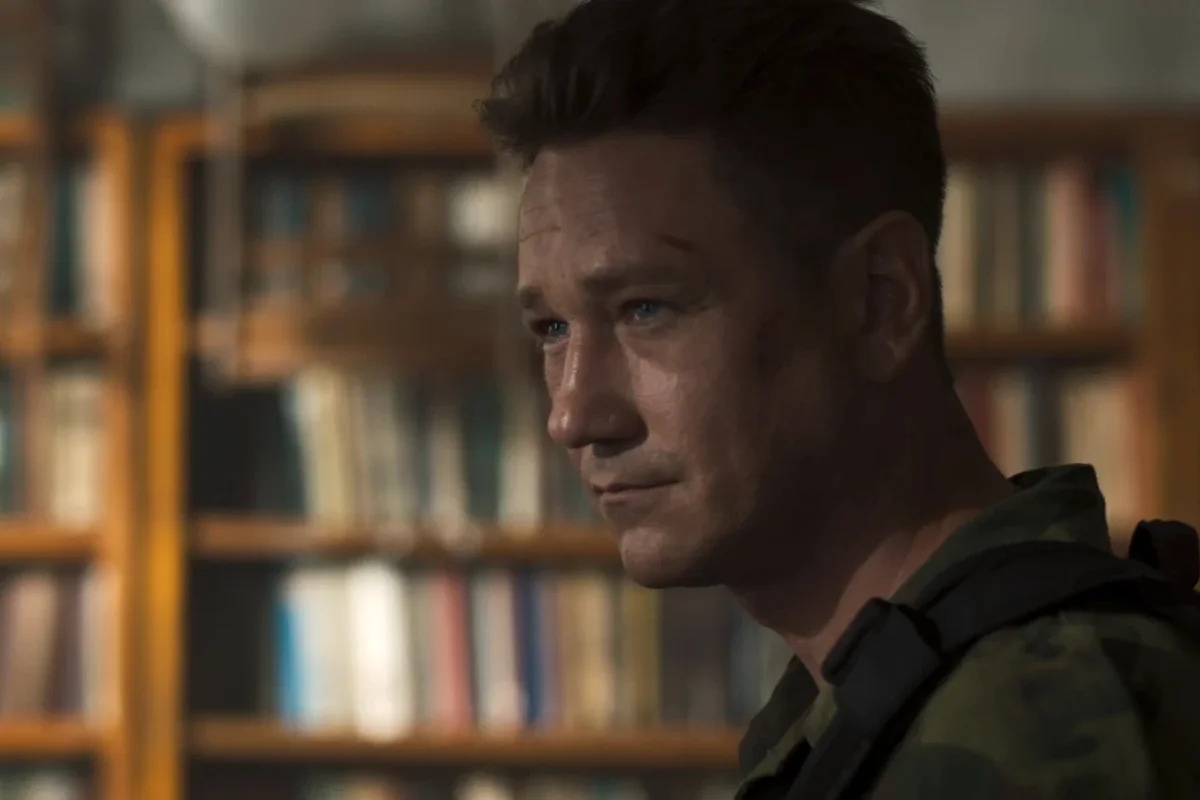
Together with them, the actor-priest Vitaliy Kishchenko, always responsible on the screen for wisdom and masculinity. Kishchenko is a big and respected actor, about which almost nothing is known. He never gives an interview, does not lead the pages in social networks and in every possible way avoids publicity, he also did not express any position on “Swell”. But in the film, it is he who pronounces the culmination monologue: “We do not start this war, but we will end it, we will collect the country again. Crimea was picked up, we will pick up the Donbass, ”says his hero,“ Dad Kombat ”, his classmate, who now commands the troops of Ukraine and refuses to speak Russian. “Our language, Misha, Russian, the native, on which we studied, grew up, you drowned him out, distorted him. You live in hatred, and we are in love ”(the next role of Kishchenko is in the film adaptation of the“ militia romance ”Zakhar Prilepin).
The writer from the Patriarchs goes to the DPR
The case takes place in 2015. Moscow. The hero of Shagin drinks in the bar, there are enough girls for different places, he is worn in his arms, the writer celebrates the release of a new book (a little later we will find out that it is called "Omara on Patriki").
But then the news comes that his brother died in the Donbass. A fashionable writer must go to the Donbass to take out a cargo-200. On the path, the writer’s father (Alexander Mikhailov, “Love and Pigeons”!) Will blame his son of the war began because of such as him, indifferent to life burners who do not think about the fate of the Russian-language population oppressed in a foreign country.
Without changing clothes, in snow -white sneakers, shortened trousers and a brown leather jacket, adjusting the styling, a fashionable writer from a hangover is teleported directly to the Donbass. There, brave fighters from all over Russia defend the Russian population. Here is the Chechen Adam (exiled to Fidarov), here are the Yakuts or the Buryats, the main calls them “brothers”, here are several representatives of the titular nation (no one calls their “brothers”). Here is the commander covered with Garya (Vitaly Kishchenko). There is also the hero of Sergei Gorobchenko, made up for Evgenia Prigozhin-he is also “ours”, that is, the defender of the Russians, but behaves in a hamian, he climbs out of line for food, and, tuning the books to the library, immediately hints at a light immaculate girl in a pale blue dress, which for unloading wants to get her. The same hero suddenly begins to beat the writer from Moscow for no reason.
In the barracks, the hero Shagin also does not ask for autographs, but after beating the fighters share food and things with him. Having changed into camouflage, Shagin all in the same snow -white sneakers walks directly to the army headquarters, where he is assigned to the call sign “passenger”.
Surprisingly: no signs of the war in the frame are visible. Clean houses, flower wallpaper, chickens graze in the yard, a library works, the flags of the USSR are flogging over it, and the librarian gently smiles at the fashion writer.
With the help of gluing, the heroes are teleported to a couple of kilometers, where bombs are already torn and the whole earth is turned around. “And here is a war here,” says the hero of actor Alexei Vertkov, who came here directly from the series “20/22”, also not dressed. Когда в бомбежке наступает пауза, один из солдат, не слезая с брони, пишет стихи:
Мне врач пришил оторванную ногу,
Скроил лицо, порезанное миной,
Так дом за домом, трудно, понемногу
Россия прирастала Украиной
(стихи — самого Александра Проханова).
На глазах однополчан — слезы.
Тем временем «Пассажира» отправляют за водой, и он ненароком убивает человека. Это первый украинец в фильме, он появляется ровно на 30-й минуте и подло ворует кур со двора русскоязычного населения. Писатель не хотел его убивать, переживал, но расстегнул его ворот, а там татуировка свастики, так и не жалко.
Авианалет. Очнувшись от контузии, писатель видит, что товарищи полегли как один. Следующий кадр — одуванчиковое поле, по которому погибшие бойцы, как живые, под грустную мелодию в рапиде отправляются куда-то вроде рая.
Шагин же отправляется на полевую кухню, где получает тарелку каши из рук Надежды Маркиной (актрисы, сыгравшей Елену в фильме Андрея Звягинцева). Маркина — актриса большая и востребованная, зачем она оказалась в фильме, где вся ее актерская задача — это разливать кашу по тарелкам, понять невозможно.
Зато артист Сергей Горобченко (тот самый блондин из «Бумера», запомнившийся репликой «Не мы такие, жизнь такая») развернулся в полную мощь.
«Брать надо всё, что плохо лежит, война всё спишет, — поучает он молодого бойца. — Один воюет за Сталина, второй за Гитлера, третий за Христа, кто-то за еврейского бога, кто-то за мусульманского, всем воевать надо. Вот и получается, что бог у всех один — война. Я люблю войну, она меня из тюрьмы увела и дальше поведет, надо только взяться покрепче и протянуть подольше, чтобы не кончалась она», — произносит он русскую версию монолога подполковника Килгора из «Апокалипсиса сегодня».
Без кадра «ребенок и танк» тут, разумеется, тоже не обходится. Но если в «20/22» белокурая девчонка бежит от танка, то здесь ясноглазый мальчик идет прямо на танк. Он давно просил командира взять его в ополченцы. «Я даже кольчужку справил», — жалобно говорит пацан. «Кольчужка» его сделана из школьных портретов Пушкина, которые парень повесил на грудь, и портрета Гоголя, которым он защитил спину. Но командир его не взял, и вот когда защитники ушли на дальний кордон, а в пустую деревню въехал украинский танк, то мальчик в пушкинско-гоголевской броне хватает советский флаг и выбегает на дорогу.
«Отойди, пацан», — говорит ему на чистом русском украинский танкист. Мальчик качает головой и получает пулю в лоб.
Тут же на фронте наступает кульминационная встреча бывших друзей-командиров, которых разделила война. Не получив от «своих» денег, «Пригожин» продается врагу. Бывший друг Миша привязывает своего однокашника Славу (Кищенко) к стулу и на чистом русском просит его рассказать на камеру о том, что «переброшены на Донбасс регулярные войска, обеспеченные танками и артиллерией, что пользуются они данными российской разведки», в общем, что это не ополченцы, а профессиональная армия РФ.
Кищенко отказывается «продать Родину». Тогда ему начинают лить на голову раскаленную смолу, а запертые в подвале писатель с музыкантом, дабы поддержать командира, начинают играть на раздолбанном пианино и горлопанить «Белые розы», за что музыкант получает пулю, а писатель — возможность уйти.
Так и не найдя брата, о котором к финалу фильма все уже забыли, автор «Омаров на Патриках» едет в автобусе к границе с РФ. «Сзади война, впереди мир! Красота-то какая!» — говорит водитель.
But it wasn’t there.
Шагин требует остановить автобус, выходит и в рапиде бежит в обратном направлении, сверкая теми же, всё столь же белыми кроссовками. Он полностью перековался и больше не хочет омаров на Патриках.
***
Как видно из приведенных выше пересказов, вышедшие в последнее время «фильмы про СВО» сняты будто по единому лекалу. Схема такая: начинаем мы с разногласий между близкими по поводу войны. После — раскол. Герой уходит на Донбасс, либерал-«нетвойнист» колеблется, но отправляется следом и перековывается под огнем. Вот эта «перековка» усомнившихся в необходимости войны и есть лейтмотив всех этих фильмов, будь то швейцарский музыкант в «Свидетеле», экзальтированная Джульетта, умчавшаяся на фронт за своим Ромео в «20/22», или главный герой «Пассажира».
Означает ли это, что картины изначально адресованы тем, кто против войны? Или создатели тайно подозревают, что против этой войны вообще все , и потому даже с самой лояльной аудиторией разговор надо вести не о прославлении войны, а всё еще о ее оправдании, повторном убеждении друг друга в ее правомерности?
PS
Как известно, диктаторы очень любят кино — и смотреть, и создавать. Ленин, Сталин, Гитлер, Муссолини, Ким Чен Ир — все считали кино важнейшим из искусств и использовали в качестве ударного орудия пропаганды.
Но вот у Владимира Путина с этим как-то не сложилось. Да, в конце нулевых в России завелась традиция показывать ему блокбастеры: команду созывали по тревоге и привозили в резиденцию вождя в Ново-Огарево, где он вместе с кинематографистами смотрел новый фильм, хвалил его, а потом сюжет об этом эпохальном событии показывали по телевизору — в качестве блока пиар-кампании. Потом эта традиция сменилась просмотрами фильмов исключительно про ВОВ или блокаду с ветеранами, а при выходе важного патриотического продукта «Нюрнберг» Путин и вовсе ограничился лишь просмотром трейлера с блокадниками.
До новых шедевров, посвященных развязанной им войне, он и вовсе не снизошел (по крайней мере публично).