Translated material
From hippies to Roskomnadzor
What path has passed Runet from the moment of its appearance thirty years ago
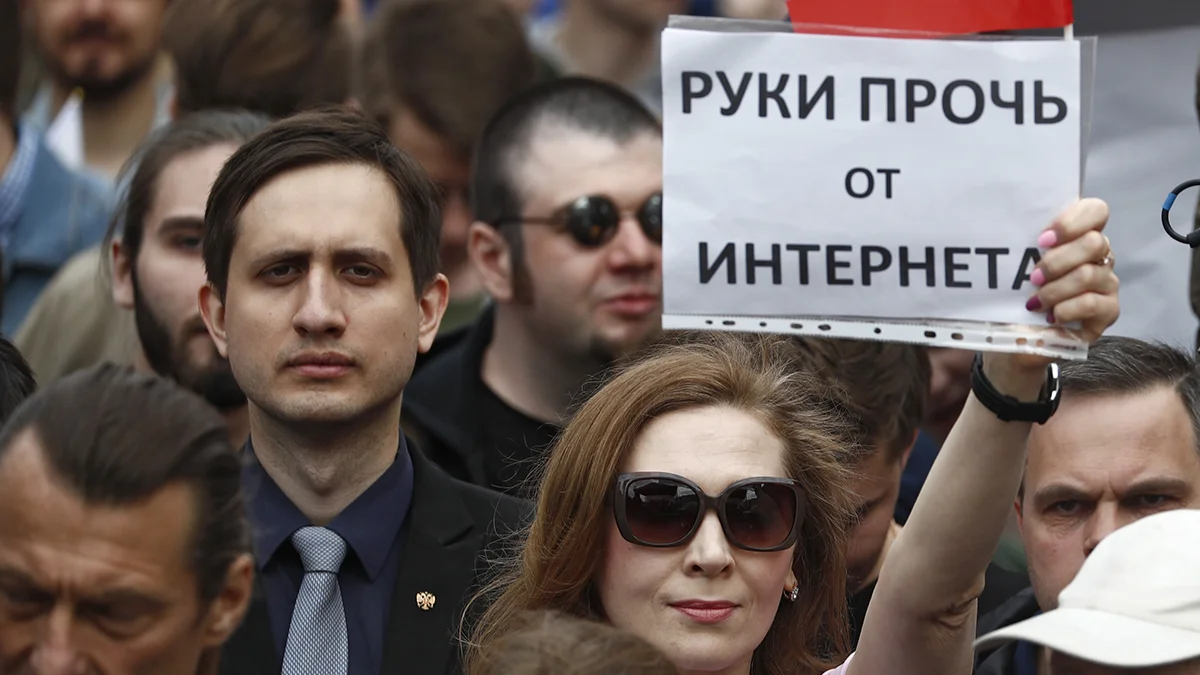
A rally for free Internet in Moscow, Russia, April 30, 2018. Photo: Sergey Ilnitsky / EPA-EFE
On April 7, the runet is 30 years old - the registration of the .ru domain in 1994 marked the birth of a modern Russian Internet. The Internet began in late restructuring with the arrival of peaceful Americans in Moscow to establish ties and developed by people who were not affiliated with the state, but thirty years later turned into a space full of lack of freedom and largely subordinate to the state. Countless blocked sites, selected business, pressure on the media - all these are dark sides of the modern Runet. How did it happen?
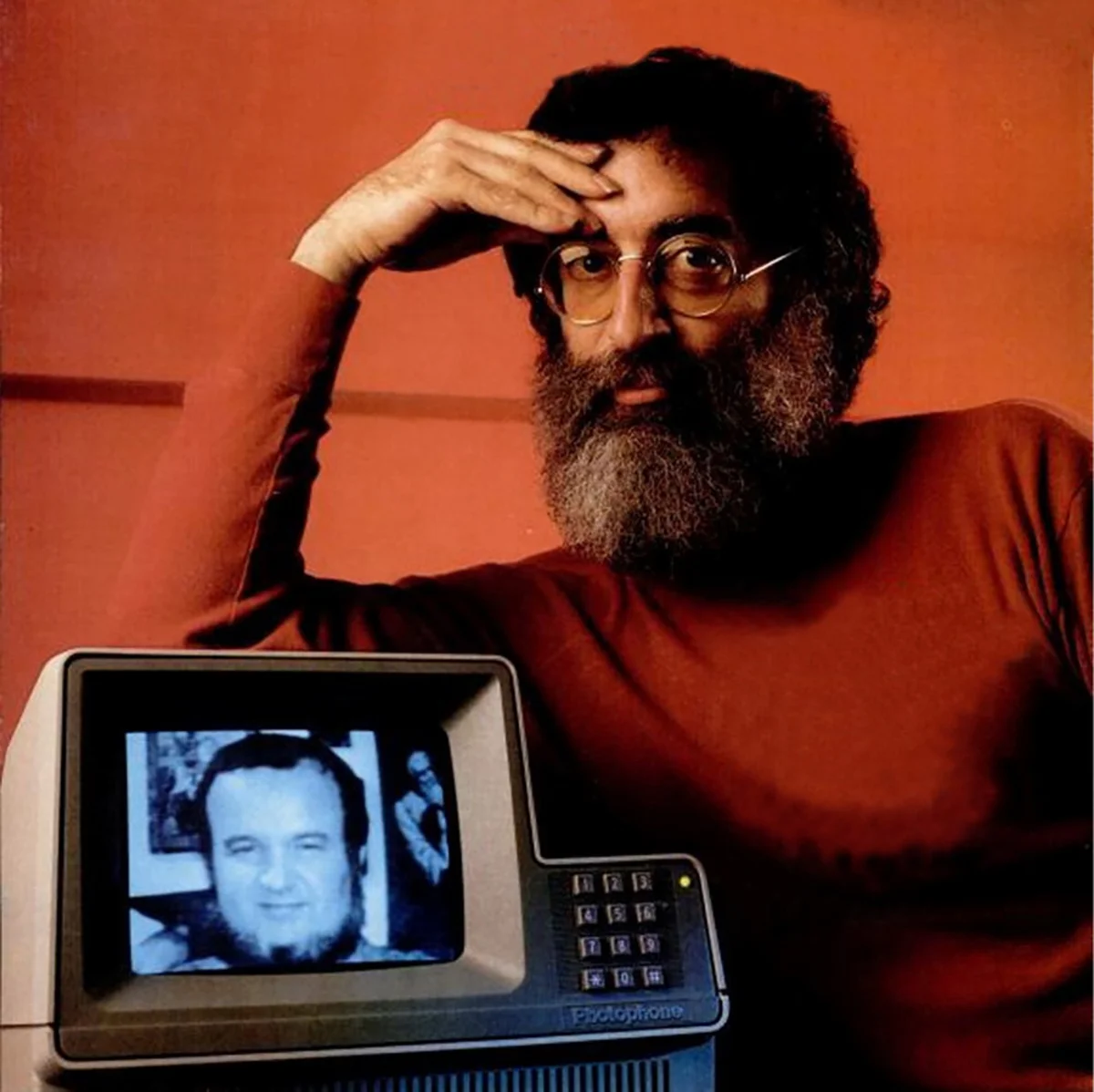
The Nikolo-Arkhangelsk cemetery is located 25 kilometers from Moscow. If you go into the very depths, you will find yourself in a columbarium - there you can see a small sign with the dates of life of Joseph Goldin, one of the founders of Runet. Goldin is known for his television stations: he believed that it is very important to connect citizens of different countries and help them talk to each other. These television devices were broadcast on the famous Elin street video screen - installed on New Arbat, it became one of the symbols of perestroika.
Telemoes initially used telephone or satellite communication - the same mechanism was used on the early Internet, where the connection could be carried out through telephone cables. Goldin knew about this technology and studied it. In 1982, while working on the first television of Moscow-Los Angeles, Goldin met Steve Vozniak-the co-founder of Apple, he also participated in establishing a connection between continents.
“Joseph Goldin, a man of brilliant and paradoxical mind, is not a dissident, but not Homo Soveticus, a person who refused to live according to Soviet norms and more than anything else cherished his freedom. I am convinced that Joseph was a genius. He believed that if in all major cities of the world to establish giant television screens that allow people not only to see each other, but also to communicate, to talk, then this would prevent war. Joseph was an active dreamer, on the one hand, a romantic-idealist, on the other-an absolute pragmatist who knew exactly how to achieve what he wanted, ” said Vladimir Pozner about Goldin. The Soviet government, in turn, was put twice Joseph Goldin in a psychiatric hospital. Posner met him while working on television; when he was a leader from the Soviet side. The ideologist of reconciliation of the United States and Russia died in 1998 from a heart attack, in the last years of his life he actively opposed the Chechen war.
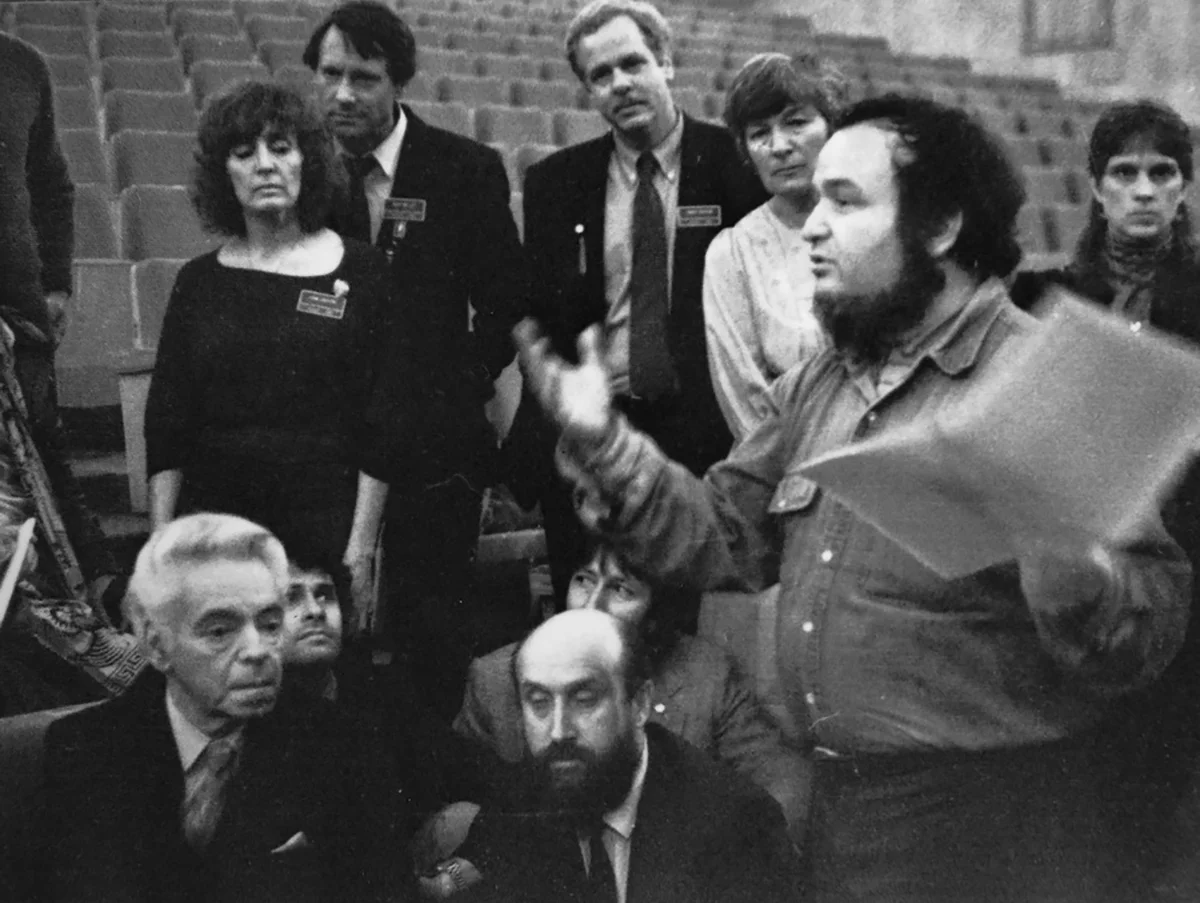
Another person who was behind the appearance of Runet is a California hippie named Joel Shatz. During one of his LSDs, he saw the problem of mankind and the source of all wars in fragmentation and informational disunity. Then Shatz went to the USSR, where he actively helped with the first television stations, and in general with the training of Soviet experts to Western technologies. In particular, he agreed to cooperate with the Research Institute of Applied Automatic Systems (VNINIPAS), the only institution in the USSR with the allocated channel to the West. Shate describes the Internet in the USSR as follows:
“I suggested connecting computers between the two countries, the director of the institute, Oleg Smirnov, I liked the idea. But in order not to ask for permission from the special services, he called it an experiment. So our first connection of the computers of the two countries through the X25 protocol passed under the auspices of the experiment. ”
Revolution online online
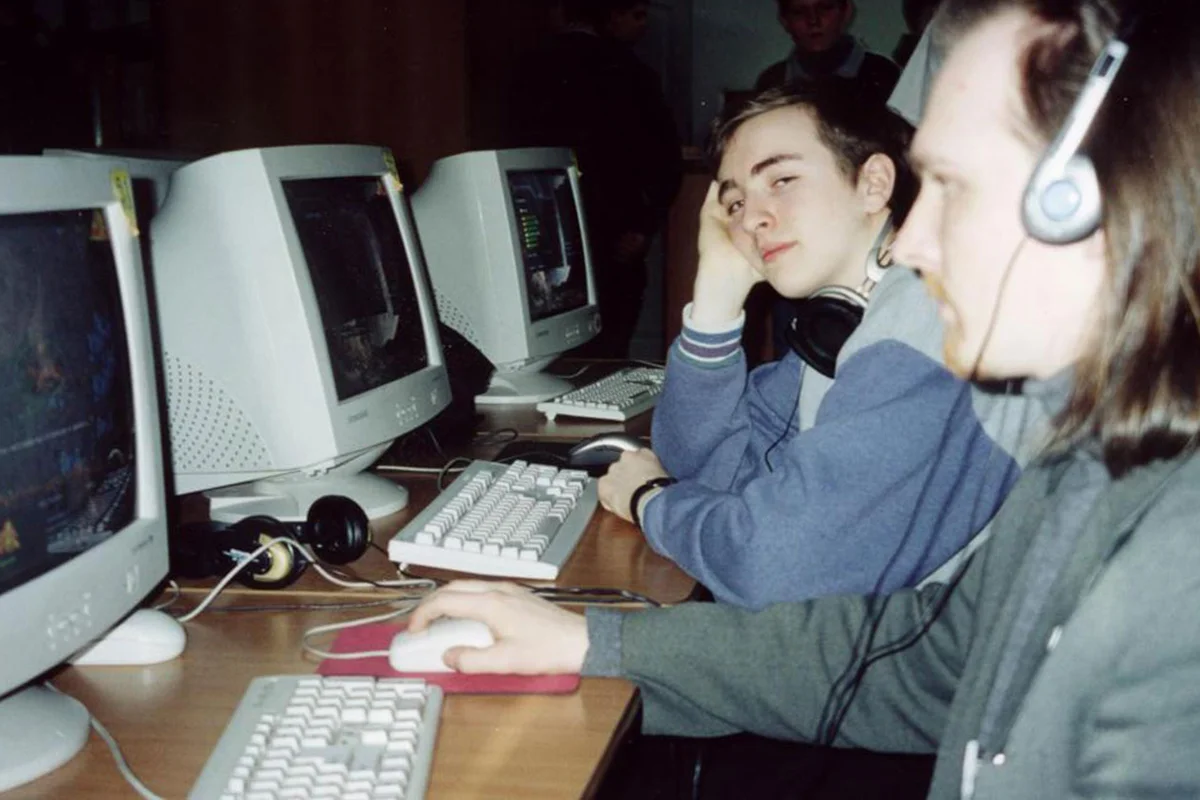
In the mid-90s, the first providers began to appear, and then Internet cafes, and computer clubs. However, everything began with the Kurchatov Institute - it was on its base in 1989 that a programmatic cooperative was formed, which converted the American operational system of UNIX OS into the domestic Demos. As a result, the software turned out that “rose” on almost any then computer. Moreover, these OS were more universal and ordered, from them the process of access to the Internet was relatively simple, and it was not necessary to invent new mechanisms.
As the Habr recalls , the process of “adaptation” of the system began back in 1983: someone from the University of Berkeley leaked a copy of the operating room on a magnetic tape. Without this piracy, in 1990, the same Kurchatov Institute would not have appeared “Relakom” - the first Soviet and subsequently Russian computer network, uniting Moscow and Kyiv, Leningrad and Novosibirsk for e -mail. Later, Helsinki connected to the network. During the use of the Relagoma, the .Su domain was created - one of the advanced points of the Runet. The provider made it possible not only to exchange information, but also to host his own sites. The connection of the USSR to the Internet was a turning point:
So far, during the August Putch of 1991, the Swan Lake was twisted on TV, the network worked with might and main and transmitted information from TASS and RIA News to the west.
It was precisely the "relay" that appeared at the Kurchatov Institute. This is how Valery Bardin recalled this, one of the organizers of the Cooperatives Demos and Relkom, in a conversation with the "Poster":
“At six in the morning on August 19, a friend called me and said that in Japan they believe that a coup had occurred in the USSR. I went to the Demos. The western channel did not work. It turned out that foreign users laid it, starting to write letters in support of “wrestlers for democracy”. The channel was very weak. Then we came up with the famous number one mode. This meant that all information suppliers in Moscow are people, providers, TASS news agencies, RIA Novosti, and so on - they look at what is outside the window, and centrally merge the news into a single tape of mailing. And we asked people abroad to shut up, because we had the main events. From that tape everyone found out what was really happening.
In the “demos” we introduced continuous duty. They practically lived there for three days, almost did not sleep. I remember that a comrade from the White House, a representative of the RSFSR, came to the photocopier to print leaflets. We explained to him that for agitation we have a network connected to the whole world. Then CNN showed the computer screen with our newsletter and return addresses of our sources, that is, he handed us out, not wanting it himself. But the putschists did not close us.
The most important thing, it seems to me, we managed to calm people, prevent hysteria that bloody times are coming. Even these days, we connected a crazy number of new servers throughout the country to Relkom. It seems to me that after three days the network already had a completely different status. And the authorities finally began to look at her seriously, and not as a toy. ”
There were other providers: for example, the San-Francisco Moscow Teleport, created in 1983, financed by George Soros and designed to connect the USSR to the Internet. Subsequently, the project was renamed the “owamteleport”, it was absorbed by Golden Telecom, but in the end I bought Beeline, which is well familiar to us. In 1994, Sovamnet, a subsidiary of the Soros company, engaged in the sale of communication services, connected Vnesheconombank to SWIFT. This was the first Russian bank to start using breakthrough technology. On February 24, 2022, Russia began the war with Ukraine, and the bank, as part of one of the first March sanctions packets, was disconnected from the system in which it worked for almost 30 years.
Internet zero
The word "Runet" appeared after registering the first site with the .ru domain on April 7, 1994-it was the online catalog of Russia on the net. There was no domestic search engine yet, and the catalog was the best navigator over the network. On November 1, 1994, work began on the most famous library of Runet from a graduate of the mathematical school No. 57 of Maxim Moshkov Lib.ru - since the launch in 1998 and the countless works of Russian literature is still stored. The company “KM online” filed against the creator of the site in 2004, which belonged to a paid online biblio, demanding compensation of 1.5 million rubles for copyright violations. The court did not find Moshkov guilty of the main point of the prosecution and asked him to pay 3 thousand rubles as compensation for moral damage. And in August 2020, the Runet pioneer was presented to the medal of the Order “For Merit to the Fatherland” of the II degree.
In 1995, the oldest page in Runet, specializing in jokes, appeared-Anekdot.ru. It was created by Astrophysicist Dmitry Werner: his brainchild in 1997 became the most visited in the Russian segment of the Internet in the Rambler rating. By the way, for a short time was the main search engine of the country:
Already in 1999, Yandex intercepted the reins of government and entered the seven of the most popular sites.
In 1998, Ozon appeared -the first Russian online store, which still exists. Then the “Living Journal” arose , in which Artemy Lebedev , Alexei Navalny and many other stars of the Runet Zolovy will write. In April 2024, Alexei Navalny has been dead for almost two months, and Artemy Lebedev has been under Ukrainian sanctions for supporting the war.
The beginning of repression
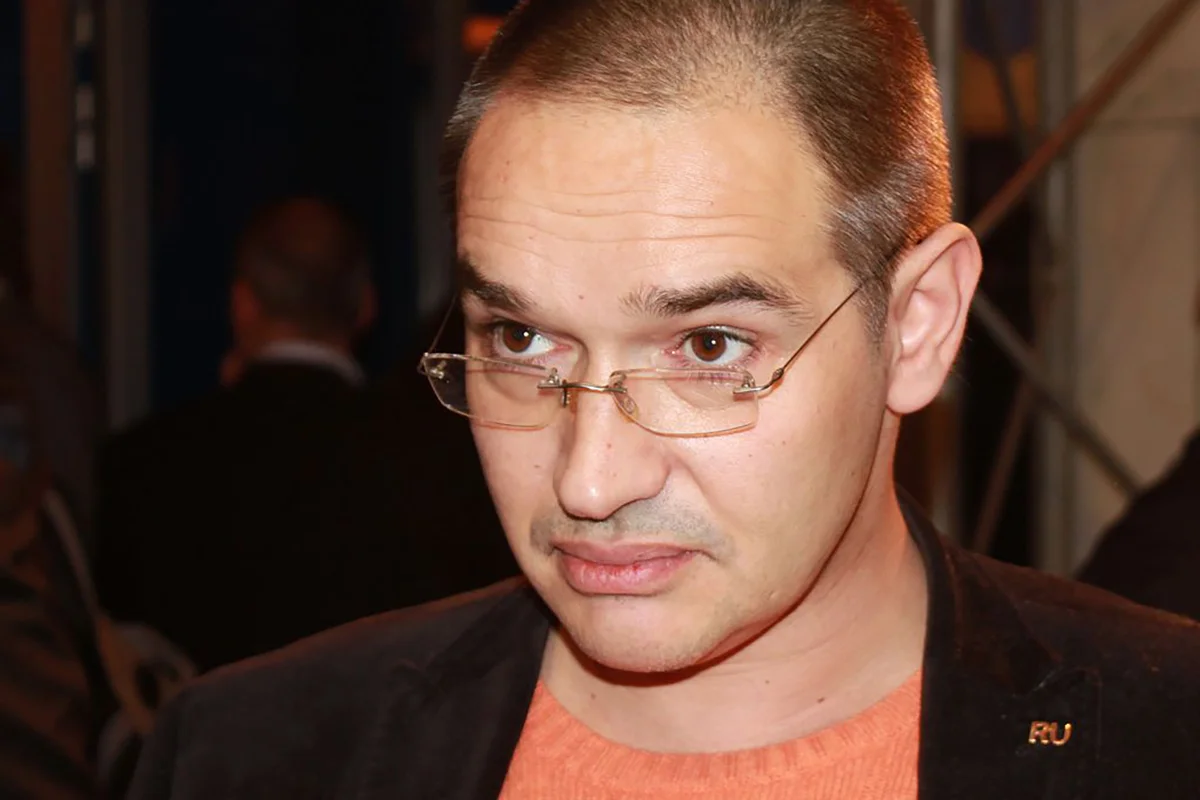
Another most important figure of the Russian Internet is the deceased Anton Nosik, the former top manager of the Rambler holding, the founder, publisher and editor of several Russian publications. In 1999, he created , perhaps, his most important news project-the online media Lenta.ru. Galina Timchenko was the chief editor of the publication, which covered life in Russia, from 2004 to 2014. In March 2014, Lenta received a warning from Roskomnadzor for an interview with one of the leaders of the Right Sector Andrei Tarasenko. In response, the owner of the Holding “Posha-Rabler-Sup” Alexander Mamut dismissed Timchenko from his post, and instead he appointed Alexei Goreslavsky.
Following Timchenko, most of the editorial office went - 58 out of 94. A little more than six months later, the new project of Galina Timchenko - Meduza started in Riga. Here's what Anton Nosik spoke of the dismissal of Timchenko:
“Galina Timchenko is not the first editor -in -chief, once fired from the Russian media for political unreliability in violation of all ethics, legislation and business turnover. But Galina Timchenko is the first Russian journalist and editor, whose dismissal caused such a friendly and bold public reaction of the entire labor collective. So in our journalistic community have not yet stood up for anyone. ”
The Russian authorities recognized Meduza as an “ino-agent” in April 2021, and in the winter of 2023- “undesirable organization” . Gorozlavsky is currently heading the Institute for the Development of the Internet-ANO, financed by the state and engaged in the redistribution of funds in favor of content-loyal to the state. In 2022, Iri spent 3 billion rubles to support various projects: out of 700 about 100 about the Russian war in Ukraine.
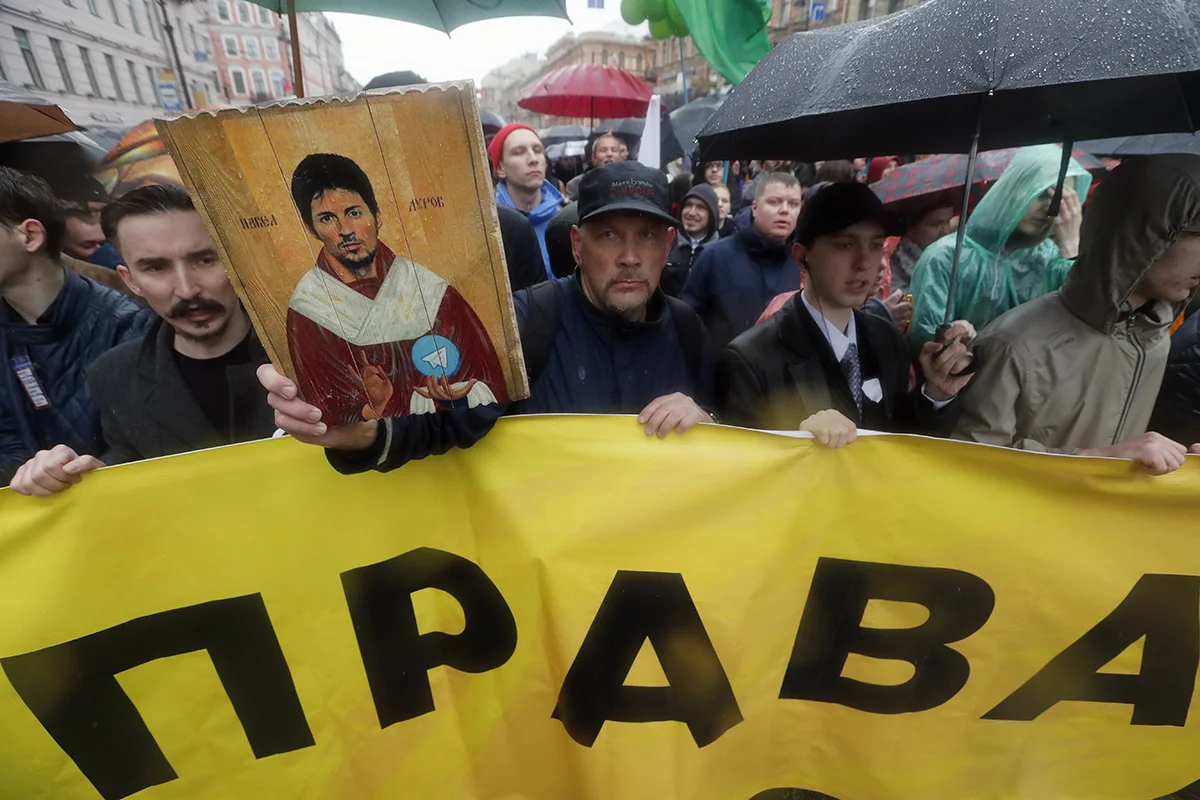
These are far from the only stories of power pressure on Runet - in the same spring of 2014, Pioneer Runet Pavel Durov left the post of general director of VKontakte and left Russia. As the entrepreneur himself explained, the conflict with the shareholders of his own social network began on the basis of state persecution: on December 13, 2013, Durov refused to transfer the personal data of the organizers of the Euromaidan FSB. “I do not regret anything - the protection of personal data of people costs this and much more. Since December 2013, I have no property, but I have something more important left - a pure conscience and ideals that I am ready to protect, ” Pavel Durov later spoke of his decision. Subsequently, he completely left the company, engaged in Telegram, which the Russian authorities also tried to block. Durov commented on his departure as follows:
“Unfortunately, it is impossible to conduct Internet business in this country.”
At the time of the start of the war, VKontakte was the most popular site in the post -Soviet space: the first place in Belarus, the second in Russia and the third in Ukraine. Now he belongs to the former Mail.ru, who does not care about the confidentiality of users and issues their FSB data at the relevant request. The right to such requirements gives the so-called “package of spring” (this is a set of amendments to the law “On Combating Terrorism”), as well as changes in the criminal and criminal procedure code. Since July 2018, providers are required to store the entire user Internet traffic for six months: calls, correspondence and so on. And most importantly - to issue this information on request.
Total blocking
The most direct censorship, which affects all Russians, is engaged in Roskomnadzor: in the jurisdiction of this particular organization, the blocking of sites in the Russian Federation. In its current form, the department appeared in 2008. In the first six months of 2023, Roskomnadzor was able to block 885 thousand sites, and over the entire time of its existence-more than a hundred media sites, which are different with the “Grani.ru” in 2014 and ending with Kyrgyz 24.kg in the fall of 2023. Also, the “Safe Internet League”, led by Ekaterina Mizulina, is responsible for the cleaning of the modern Runet - a Russian public figure, which is censored by the singers and forcing them to apologize so that they can avoid criminal prosecution.
But the worst thing that can happen to the rune is the implementation of the project of the “sovereign Internet”, a law that has existed since 2019 under the pretext of protecting Russians in the Internet space. According to the Internet research specialist Dmitry Vitaliev in a conversation with 7x7, this scenario is possible and is already implemented by blocking the methods of bypassing locks, primarily the VPN: “They build a wall of the Cheburt brick behind the brick.”
So in the future, Runet, quite possibly, is waiting for an attempt to separate and turn into a cleaned propaganda space - and everything began as a project of unification with the world. In the series “Holivar. The history of Runet ”Andrei Loshak gives the words of the technical director of“ owamteleport ”in 1990-1995 Andrei Kolesnikov about Joeyla Shaca - that the latter thinks about the current state of affairs, when everyone communicates, but hate each other even more:“ Apparently, this is the essence of man. ”