
Translated material
"Court of History" instead of a court?
30 years Genocide in Rwanda. France and allies could stop him, “but they did not have enough will”?
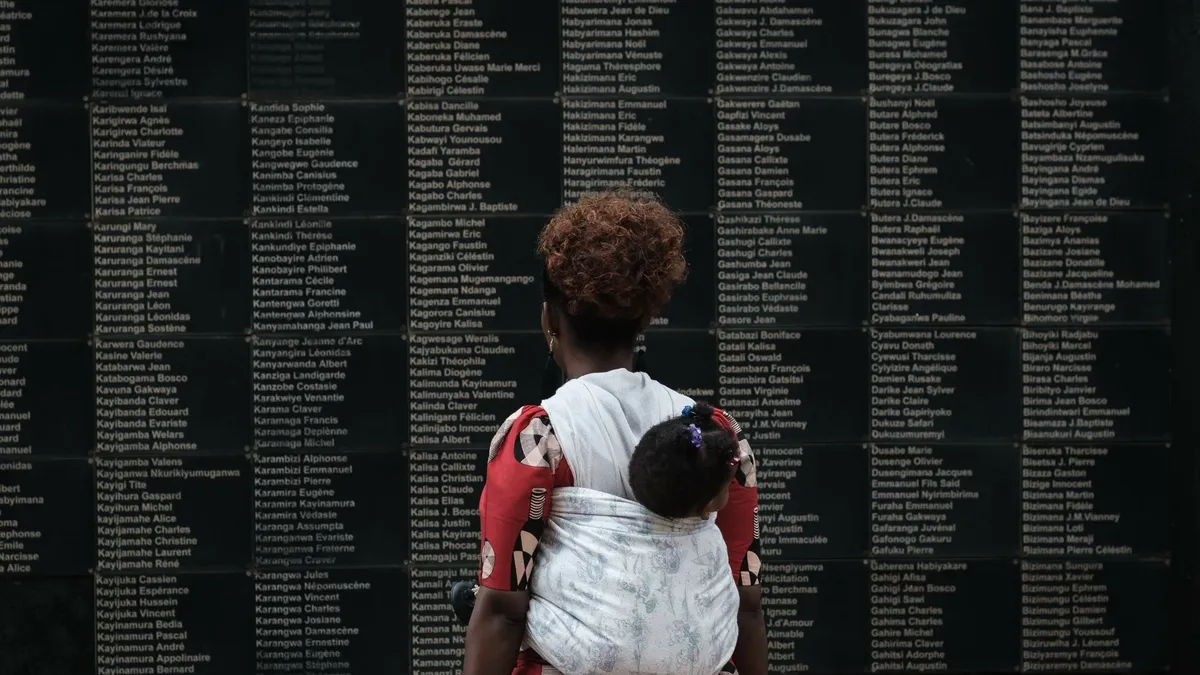
The wall with the names of the victims of the genocide in Rwanda. Photo: Yasuyoshi Chiba / AFP / East News
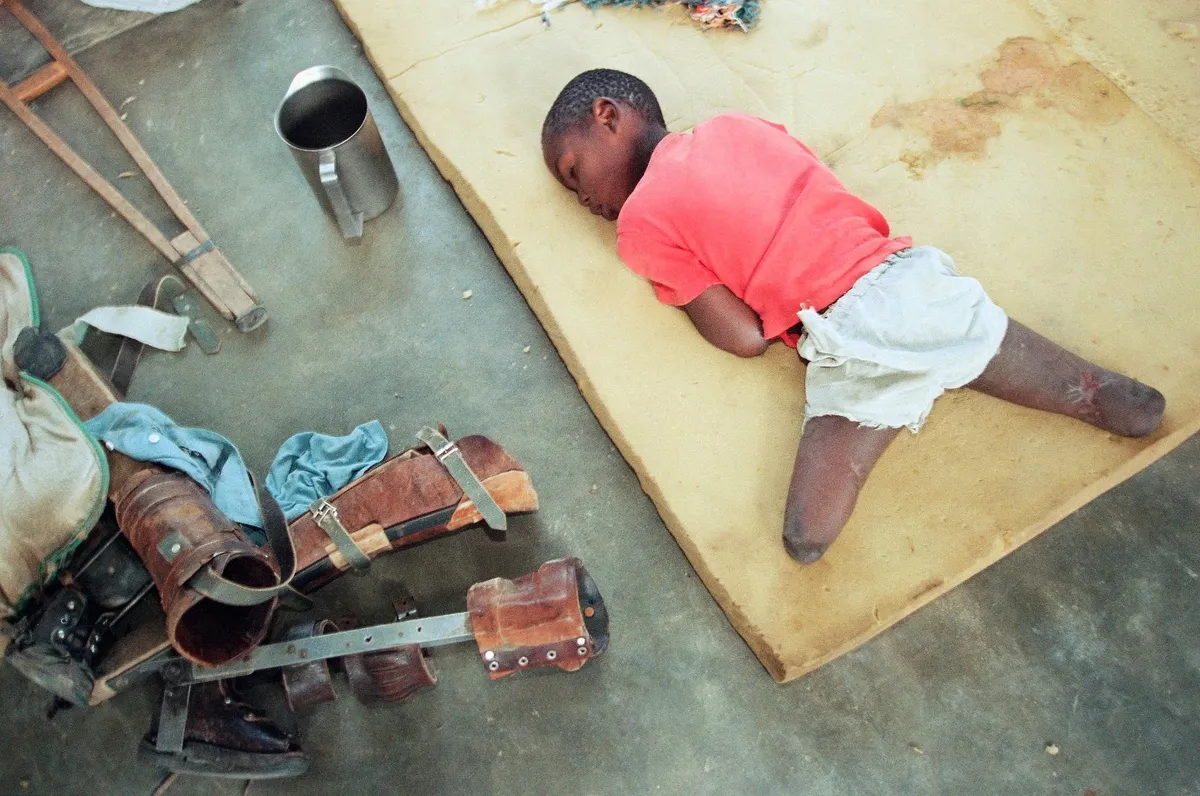
On April 7, it turned 30 since the beginning of one of the most monstrous disasters of the 20th century - a genocide in Rwanda, the victims of which in 100 days have become at least 800,000 people. Almost all the dead were representatives of the people of Tutsi, their representatives of the people Khutu killed them. And they did this with the inaction of the United Nations and the entire world community, starting with France, which for many years supported the Ruanda regime and, how they did not tire of repeating the associations of victims, could stop the massacre before its beginning and after.
But she did not stop for more than three months, also firing at the advancing troops of Tutsi from the Rwandian Patriotic Front, led by the current president of the country, by the Kagama field (the front later also “became famous” for ruthlessness). “The world community quit us,” Kagam told Kagama at the memory ceremony in the Rwandian capital on April 7, 2024. Macron recorded the video: he said that he was addressing the Rwandians on the “Cruel Day of your and our history”, but did not say words announced by his press service that France and partners could prevent tragedy.
From doctors to the widow of the president: France has someone to judge
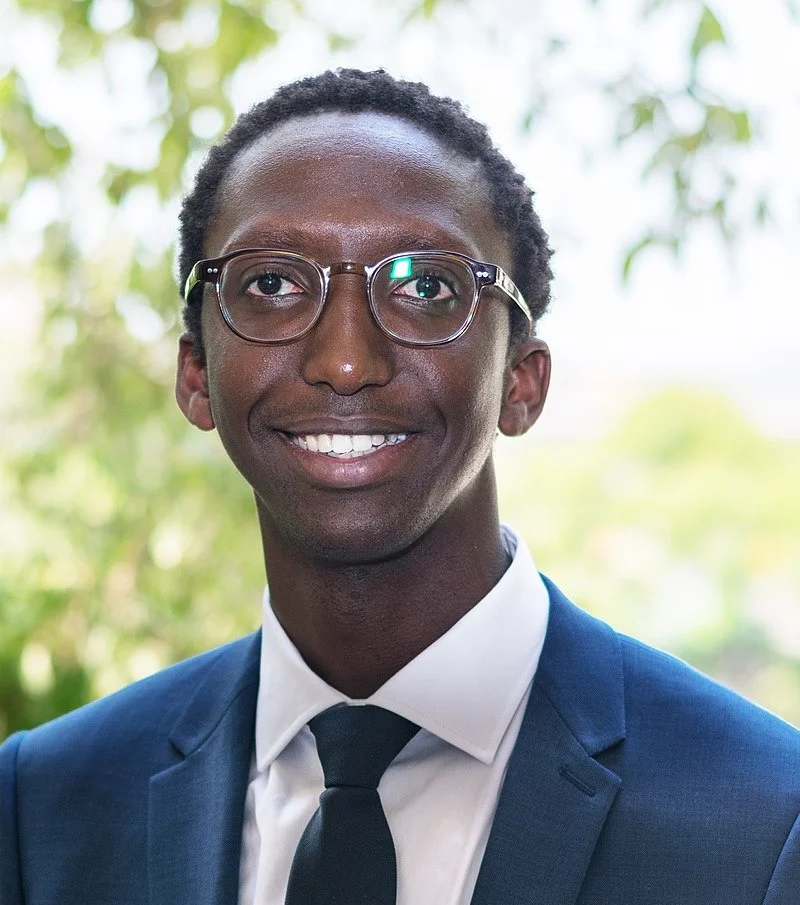
Macron did not go to the ceremony, despite the invitation of President Kagama. And he sent to Kigali, the capital of a 13 millionth country, a delegation, headed by Foreign Minister Stefan Sejurn, as well as the Secretary of State for Marine Affairs and Bio-Ramus Erve Burville . Berville was born in Rwanda, but was evacuated from the country at the age of four by the French military at the very beginning of the genocide. The boy who lost his parents was adopted in France before this massacre.
Berville (then the deputy) was already sent as the main envoy of President Macron to the ceremony for the 25th anniversary of the tragedy in 2019, and this was the first case of the full presence of a representative of the French power at these events*.
Its sending to the ceremony-and then and now-was supposed to recall: the French army not only inactive or helped the Hut or also saved the victims of the genocide. She did, of course, in deplorable volumes - for example, during the operation to evacuate the French and local residents, which lasted the first week of the tragedy, 1,400 people were taken out.
The relations of Paris and Kigali remained extremely tense almost all this time - up to the rupture of diplomatic agents in 2006-2009, and in 2015–2021, France was not represented in Rwanda at the ambassador.
At the same time, Macron, we must pay tribute to him, became the first president of France to recognize the responsibility of the French for the tragedy.
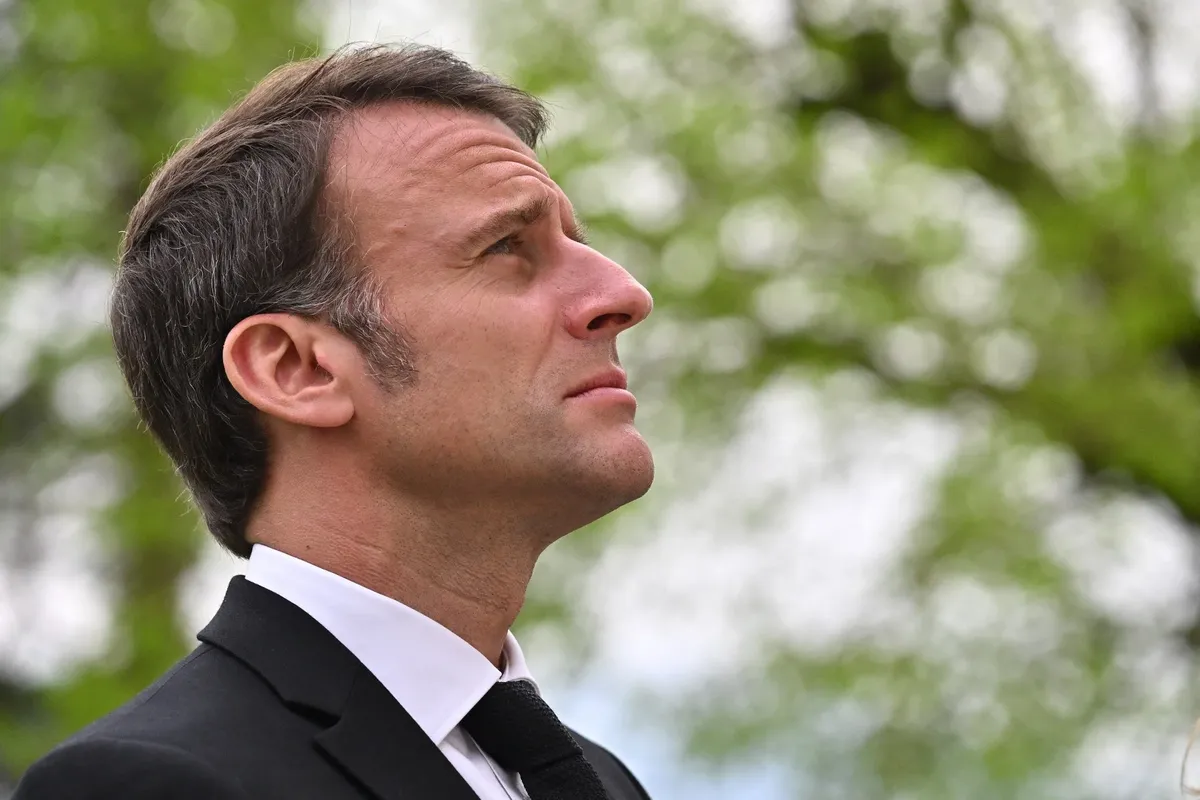
This happened in May 2021 in Rwand, after the commission he created, led by historian Vincent Ducler (which was entrusted with “fundamental work on the study of all French archives relating to Rwanda, in 1990-1994”), presented her report. According to the report, France carries “heavy and depressing responsibility”, and President Francois Mitterand and his environment showed “blindness” in the face of the genocide “drift” of the Hutu government, which Paris supported.
In addition to recognizing responsibility, some more steps were taken.
In 2021, after the return of the French ambassador, the French development agency also returned to Rwanda. Macron at the same time took the obligation to bring financial assistance from the agency to the Rwandy residents to an “unprecedented level”.
On the 2023rd, on the next anniversary of the tragedy, the Champs Elysees announced that in the center of Paris, not far from the Foreign Ministry building, they would erect a monument to the victims of this genocide (before that there was already a “memorable garden” in the south and stela in the Pere Lashez cemetery).
In addition, the French authorities were put on trial of several guilty ones.
In 2020, Felicien Kabugu, the president of the sad RTLM radio station, the key body of propaganda of genocide, was detained in the nearest Paris suburb. As he managed to hide a quarter of a century-a big question, especially since he was arrested at the age that, in the end, did not allow the court to pronounce the verdict in The Hague: in 2023, the judges recognized Kabuga in the “state of vascular dementia”. In the same 2023, the Parisian court gave the life-long Rwanda gendarme, and then for 24 years -to the former doctor, the guilty of creating a gang, whose "occupation" was a massive extermination of people from the people of Tutsi (Hutu called them "cockroaches"). In France, the doctor since 1994 and until retirement has been working in a specialty for more than 20 years. At the same time, the application for a crime against him was filed in 1995, and the prosecution was put forward only in 2018. In September of this year, the court is expected by another doctor who led operations on mass burial bodies. But this will be only the eighth court in the country over the years.
At the same time
In France, according to the Associations of Victims, about a hundred people still live in a genocide, including the widow of the president ** Juvenal Habiamans, whose murder in the terrorist attack became for the ruling “elite” the reason for the long-prepared extermination of the people of Tutsi.
And they took Agatha Habiariman (as well as most of the government) from Rwanda in July 1994, the French military, as directed by Mitteran, just on the day when the troops of the Rwanda Patriotic Front, headed by the current president of Kagam, entered Kigali. The case on the application for Habiarimans stretches for 17 years, now she is 81.
History court instead of a court?
At the same time, during the first and only visit of Macron to Rwanda, President Kagama demonstrated that he was ready (unlike the associations of the victims) to be satisfied with the words of the French president of the “responsibility of France”.
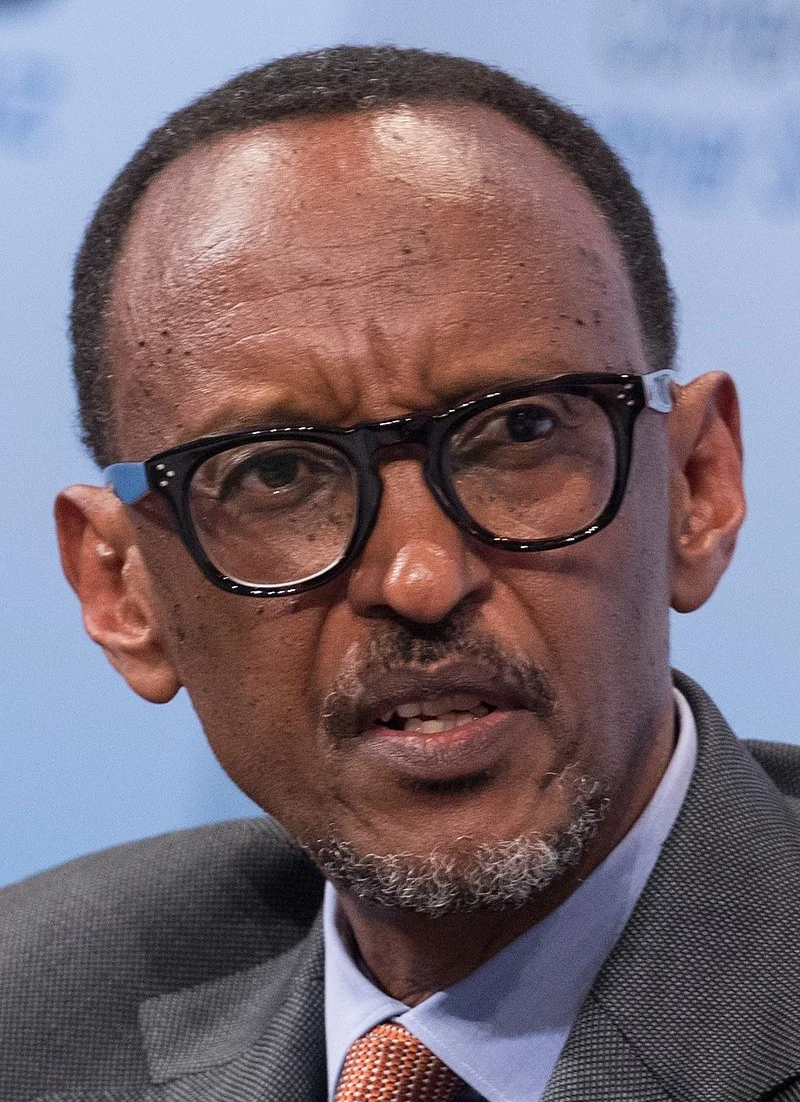
Although he used to call France a "accomplice." Macron "complicity" rejected.
“His words had a great price than an apology, they were true,” the President of Rwanda said, nevertheless, noting Emmanuel Macron, “huge courage” of his friend.
Before the current round date, on Thursday April 4, the Champs Elysees attributed Macron a completely bold statement by these standards. The press service of the palace said:
The President believes that France "could stop genocide with its Western and African allies," but did not show for this will. "
Elisei also stated that on the anniversary of the tragedy, April 7, the president will publish a special video message.
This allowed representatives of associations to make statements that “this is a new important step”, and that maybe this will bring the payment of compensation expected by the victims and “unlock the road” to the court for the military and employees of the administration of the Mitterin administration, who made decisions in those days (the lawsuit “against X” filed in the French court in 2005, six Bisesero survivors of the Ruanian region, the International Federation for the Rights for Rights for the Rights for Rights for Rights for Rights The Association of the Survie; the “Event of the Crime” that they refer to is the inaction of the French military at the end of June 1994, when they did not interfere in the massacre, despite the prayers of the rescue, these events were called the “human drama” and “deep failure” of France).
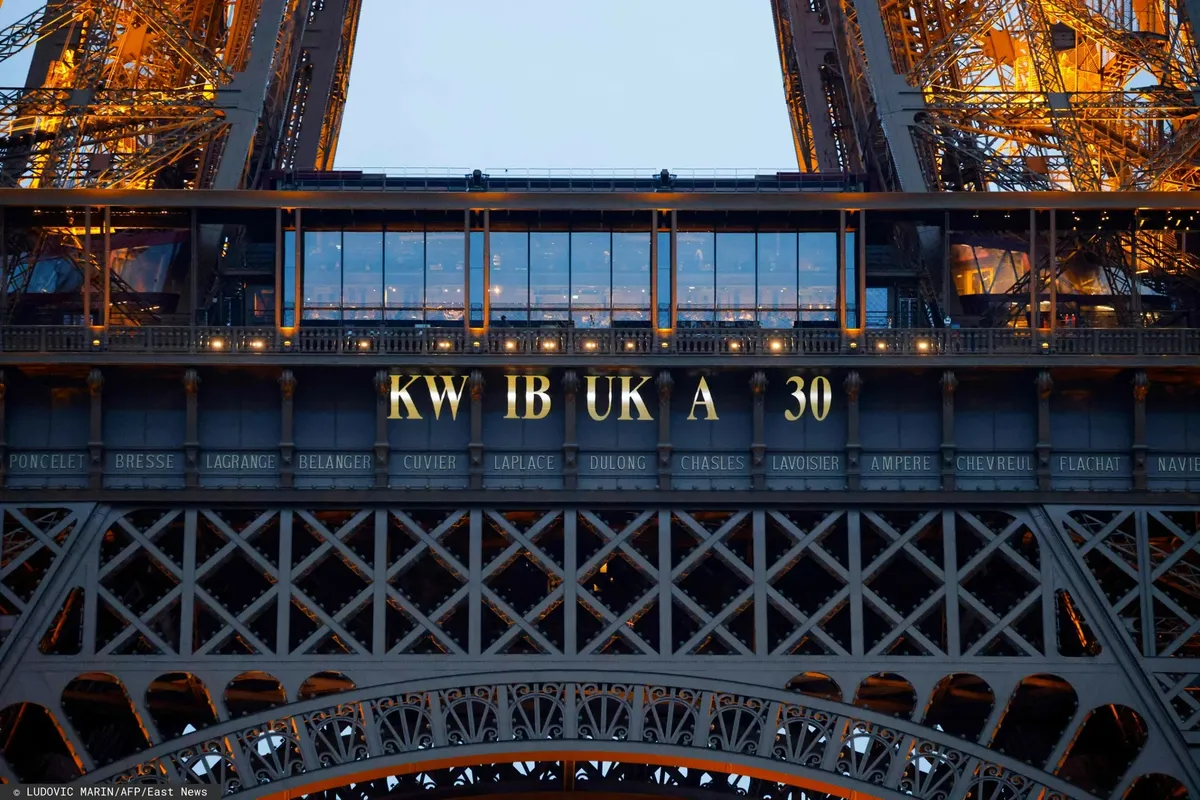
“This year, in the light of historical works and archives opened by the president, he, in fact, took another step aimed at recognizing that (...) we could have the opportunity to prevent this genocide together with the international community,” commented on the words of the Champs Elysees, the mentioned above Erve Berville, the French minister - a native of Rwanda. And he appreciated that the rapprochement between Paris and Kigali "became irrevocable."
But in the video published on Sunday, Macron did not have announced words that France and partners could “avoid” the tragedy, there was nothing about the “will”.
Macron said that he was addressing the Rwandians in “your cruel day and, whether I am sorry to say, our history” and that “France takes on everything and in the terms that I used on May 27, 2021” (that is, “recognized responsibility”). “I have no words that I could add, there are no words that I could throw out of what I told you that day,” he said and thanked President Kagama “for how he accepted” those words of 2021 and, “having done it, thereby opened a new page of the relations of the two countries. "The past must be made public, it should be analyzed and studied by our historians in the best conditions ... This mission continues ..."
A simple conclusion can be drawn from the message: we will remember the tragedy, but we will not be especially tossing, even if specialists are slowly doing “historiographic work”, and let's look forward and develop mutually beneficial business relations (the head of the French Foreign Ministry has now brought the next “gifts” - a roadmap that provides for France’s investments in the amount of 400 million for the period 2024–2028, as well as also Aviation Agreement to increase the number of direct flights between the two countries).
This conclusion was explicitly confirmed by the historian Vincent Ducler, appointed by the president. “Emmanuel Macron and his Rwandy colleague of Paul Kagam made a choice in favor of a trial of history,” Ducler said in an interview with RFI.
“The Dukeler commission received a number of documents that are believed to be cannot be transferred to court ... Historians are given more than judges who are instructed to fight impunity, to achieve justice for the victims, to achieve the truth,” Patrick Baudouin, President of the Rights of Human Rights League, was indignant at a press conference in Paris.
***
“It was the international community who lifted us all, whether because of contempt or because of cowardice,” President Paul Kagama said during the ceremony for the 30th anniversary of the tragedy, speaking in front of several thousand people at the BK Arena, the ultramodern multifunctional hall in the Kigali capital. He added: “No one, even the African Union, can apologize for his inaction in the face of the chronicle of the declared genocide. Let's take the courage to admit this ... "
Bill Clinton was also present at the ceremony. It was he who was the president of the United States at the time of the Rwandian massacre. And then the Americans refused to send their contingent to Rwanda - against the background of the fact that a year earlier 18 American soldiers died in Somalia.
In 1998, on behalf of the United States, Clinton expressed an ambiguous regret: “The international community along with African countries should also bear its share of responsibility. We did not react quickly enough after the murder began. We did not immediately call these crimes their correct name: Genocide. ”
In 2000, the Belgian Prime Minister Guy Verkhofstadt spoke out more clearly, reminds AFP: "I take responsibility for my country, for the Belgian political and military authorities, and on behalf of my country I apologize for this."
Until now, not a single country except Belgium has brought official apologies. Moreover, for example,
During the “voting of the shame” on April 21, 1994, in New York, all 15 countries of the UN Security Council (including Russia) unanimously decided to withdraw almost all peacekeepers from Rwanda. At this time, in Rwanda was the 15th day of mass extermination of people.
footnotes
* In 2004, on the 10th anniversary of the tragedy, Renault Musiel, the State Secretary for Foreign Affairs, directed by Jacques Shirak, left memorable events due to the statements of the field of Kagama about France, which he criticized that it "remains there without excuses." In 2008, Rama Yada, State Secretary of Human Rights under Nicolas Sarkozy, was to be attended by commemorative events, but her trip was canceled shortly before ... The same thing happened with Christian Trami, Minister of Justice under Francois Olland, in 2014.
In February 2010, Nicolas Sarkozy became the first head of the French state to visit Rwanda after the genocide.
** In fact-the dictator: by 1994, the year of his death, he kept the power seized during the coupling for more than 30 years. As for the living perpetrators of the genocide, at least a few more hundreds still live in neighboring African countries.