
Translated material
FT: The DPRK is experiencing a rise in the national economy through cooperation with Russia
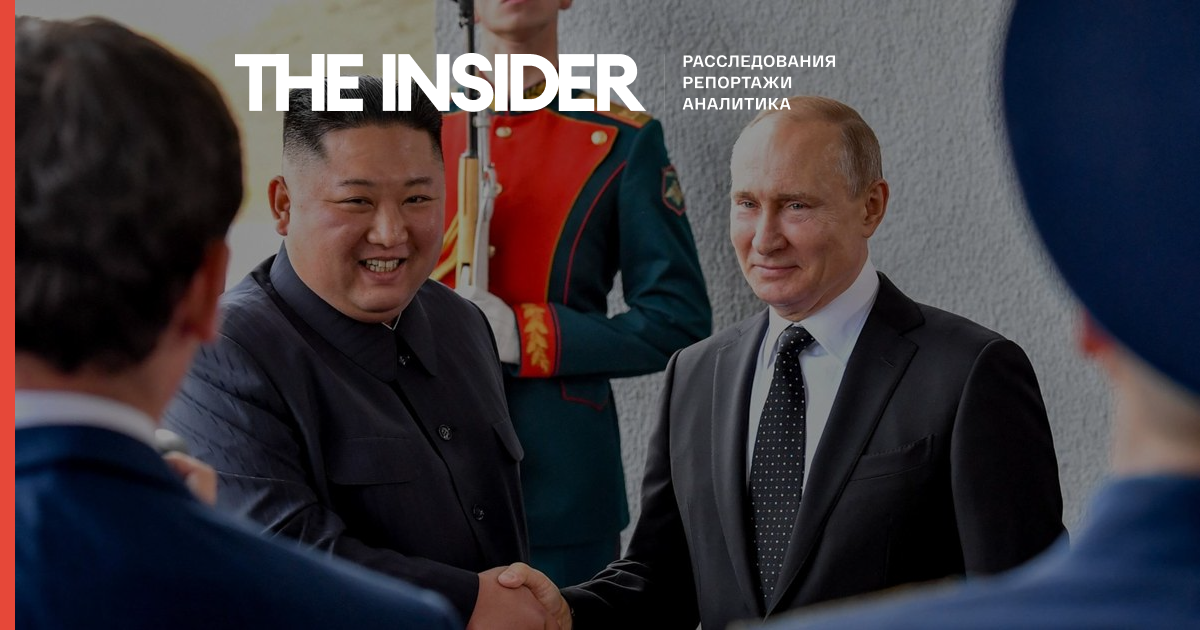
The DPRK is experiencing a rise in the national economy through cooperation with Russia, writes in his material Financial Times, referring to the statement of the Minister of Defense of South Korea Shin Won Sika.
According to him, this is due to large supplies from the Russian Federation of food, raw materials and oil products. At the same time, in 2021, the Kim Jong -un regime recognized the “food crisis” in the country, which was caused by anti -icing restrictions, international sanctions and a bad harvest.
At the same time, according to the above opinions of experts, from the moment of the collapse of the USSR, the DPRK relied on only one “owner”-China from which the above goods necessary for the functioning of the industrial-oriented economy of this country.
Benjamin Katseff Zilrshtein, an expert on the North Korean economy from the Swedish Institute of International Relations, says that Pyongyang revives the strategy of “two patrons” - China and Russia - which he used during the Cold War and which allowed the regime to observe his interests and his safety. Until recently, the DPRK economy, depending on the production of coal, concrete and industrial plastics, was kept afloat almost exclusively due to the supply of Chinese food, fuel and fertilizers.
Now the North Korean suction tankers use Russian ports, receiving oil for weapons supplied to the Russian Federation, accepts Russian tourist groups. The Russian Embassy in Pyongyang reported the discussion of new railway, ferry and road routes between the two countries. In March, Moscow also imposed a veto on the mandate of the UN Commission to monitor compliance with international sanctions against North Korea, actually destroying the central support of the sanctions regime.
At the same time, Kim Jong -un began to make sharp statements about preparing for the war and the abandonment of the policy of peaceful reunification with South Korea. In addition, the North Korean authorities announced the 20x10 initiative, which involves the construction of dozens of new factories and factories that can support the regions of the country and thus in the future to save the government from caring for internal problems, allowing it to focus on external ones.
Corester Fedor Tertitsky confirmed in an interview with The Insider that the state of the DPRK economy is really “but not much”. At the same time:
“China does not really like what is happening: in Beijing they fear that Pyongyang can begin to behave more brazenly, knowing that he has an alternative.”