
Translated material
The NASA mission has ended on the study of people's behavior in the context of potential conquest of Mars
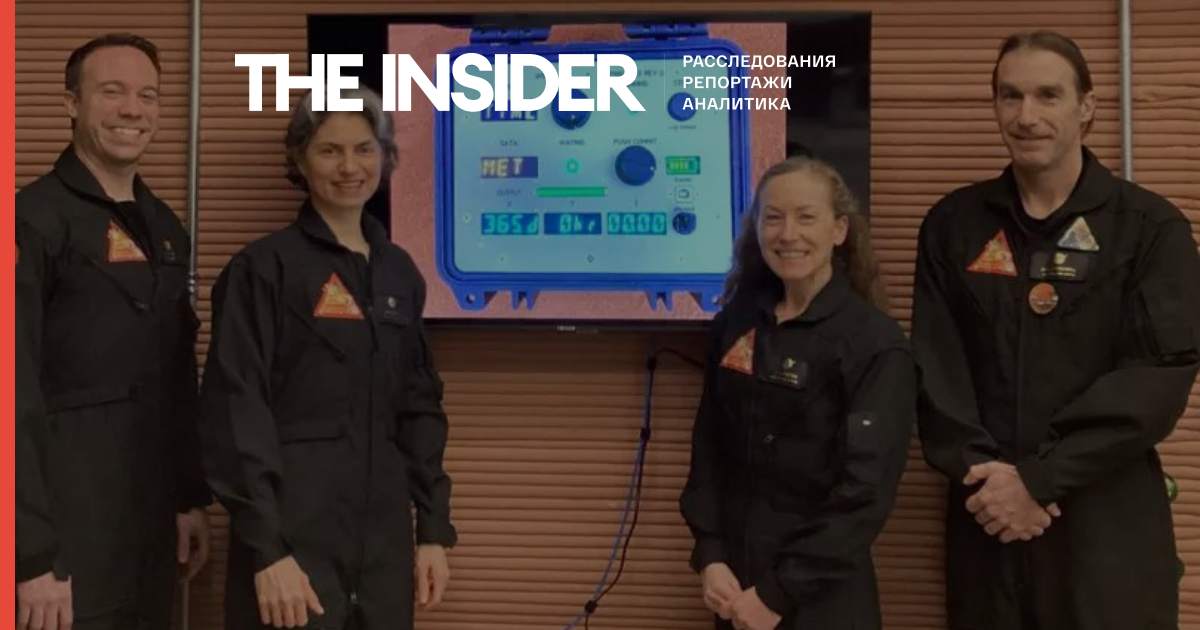
The NASA mission has ended in the framework of the CHAPEA program (Crew Health and Performance Exploration analog), designed to study the physiological and psychological reactions of people in the process of possible colonization of Mars. Within its framework, 4 volunteers spent 54 weeks in almost complete isolation inside a specially built “Martian Module”. This was reported on the official website of the agency .
As part of the mission, volunteers Kelly Haston, Anka Selariu, Ross Brocell and Nathan Jones spent 378 days inside a special module with an area of 160 kV m, created using a 3D printing on the NASA training base in the Johnson space center in Houston (Texas). The organizers did not try to recreate the conditions of the space flight, while the volunteers had to go through checks and training, mandatory for astronauts. All the time of the mission, they were in isolation from the outside world, while the organizers of the mission remotely followed them and gave them tasks.
The main problems that the participants in the mission had to cope with and potentially have to deal with the future colonists of Mars were meager food (consisting mainly of canned foods capable of surviving long delivery from the ground), a temporary delay in any contacts with the ground (the message to the message has to wait at least half an hour) and stress. The organizers in advance prepared for volunteers additional tests in the form of collapse of small structures, interrupted audio communications and suddenly refusing technology to check how they will cope with unexpected difficulties.
The following two missions within the framework of Chapea are scheduled for 2025 and 2026.