
Translated material
Cluster munitions: why they are prohibited by international conventions, but are actively used in war by both Russia and Ukraine
Cluster munitions: why they are prohibited by international conventions, but are actively used in war by both Russia and Ukraine
More than 120 states and many international organizations oppose the use of cluster munitions
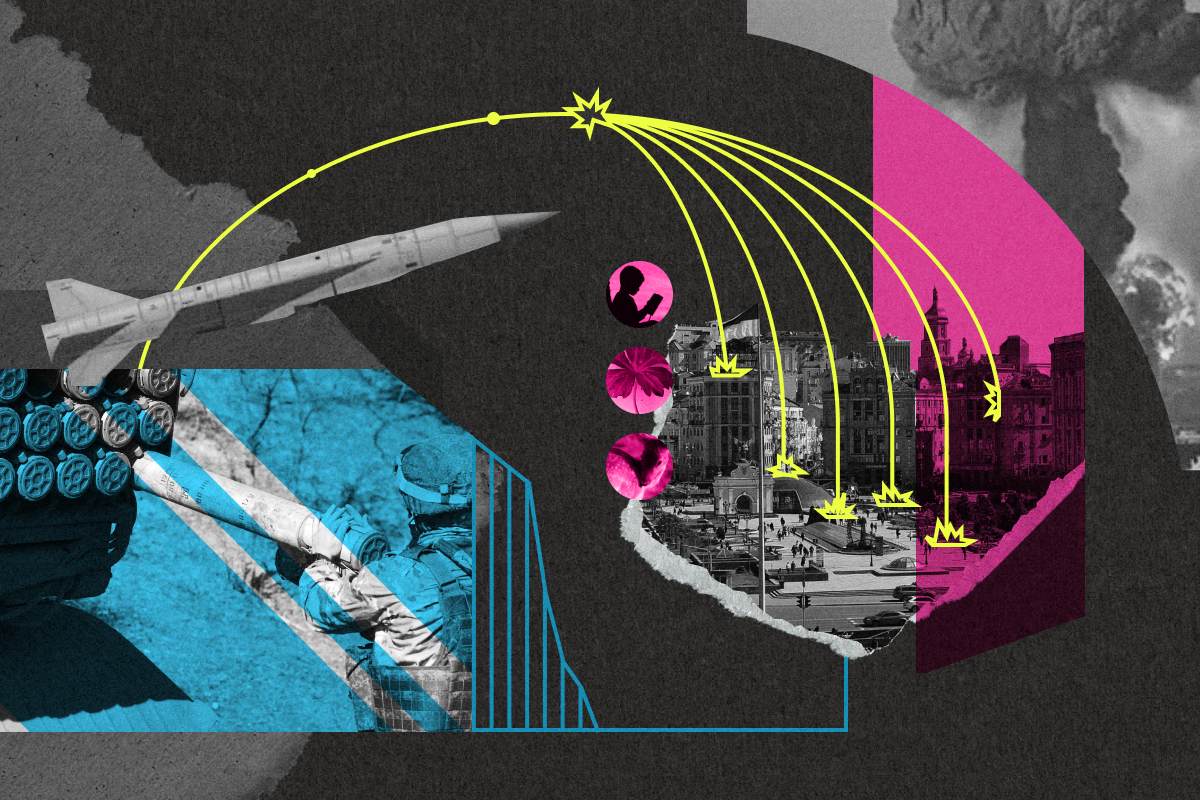
Both Russia and Ukraine have used cluster munitions in mutual attacks since 2014. Since the beginning of the full-scale Russian invasion, the frequency of their use has increased. In 2022, such shells destroyed Mariupol, Kharkov, Chernigov and other Ukrainian cities. In 2023, the Ukrainian Armed Forces began receiving such shells from other countries to repel Russian attacks.
However, more than a hundred states and many international organizations oppose the use of cluster munitions . “Layout” tells how such shells differ from ordinary ones, why they are trying to ban them, and for what reasons they are still in service in a number of countries.
In order not to miss new texts from “Layout”, subscribe to our telegram channel
Cluster munitions in Russia's war against Ukraine
Both sides of the conflict have been using cluster munitions since the start of the war in eastern Ukraine in 2014. Literally from the first day of the full-scale invasion, Human Rights Watch documented numerous attacks using Russian cluster munitions. Among them are attacks in Ugledar, Kharkov, Nikolaev, Chernigov, Kherson and other cities. Back in early March 2022, the International Criminal Court began an investigation into Russia’s use of cluster munitions.
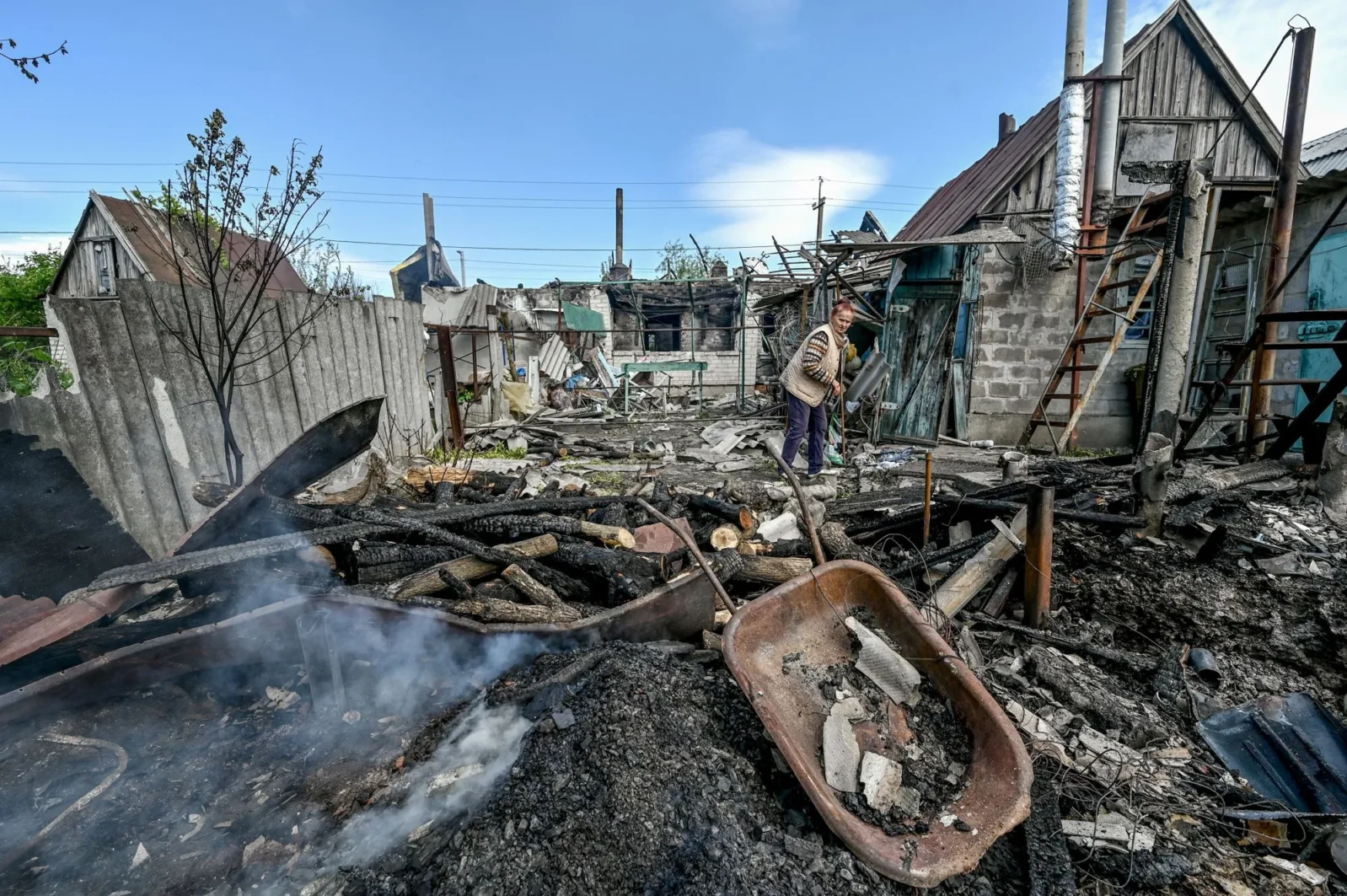
However, attacks using such projectiles continue . For example, in February 2024, Russian forces fired cluster munitions at a kindergarten in northeastern Ukraine. This attack killed three people, including a child. In April 2024, Russian forces used an Iskander ballistic missile with a cluster warhead to attack Odessa. The submunitions scattered by the missile caused numerous explosions over a large area, causing significant destruction and civilian casualties .
Human Rights Watch noted that the Ukrainian side also used cluster munitions during the battles for Izyum and in the Kharkiv region in 2022, which led to civilian casualties. Amnesty International has also documented the use of cluster munitions by Ukrainian forces to deter Russian forces in the south of the country.
Currently, Russia has several types of cluster munitions in service. For example, in the Iskander-M missile systems. This operational-tactical ballistic missile is equipped with a cluster warhead containing 54 submunitions. They can destroy both manpower and light armored vehicles over a large area.
In addition, cluster shells are used in the BM-21 Grad, BM-27 Uragan, and BM-30 Smerch multiple launch rocket systems. The submunitions they use are designed to destroy manpower and equipment. Also in service with the Russian army are aircraft cluster bombs and artillery shells equipped with a cluster warhead .
Judging by media reports, Ukraine still has Soviet cluster munitions for multiple launch rocket systems, such as the BM-21 Grad and BM-27 Uragan. In addition, today Ukraine receives 155 mm artillery cluster shells supplied by the United States. They are equipped with submunitions with a reduced probability of failure , reducing the risk to civilians compared to older Soviet models.
What are cluster shells and how do they differ from regular shells?
Cluster shells are a type of special ammunition that contain many small explosive elements called submunitions or "bombs".
A cluster shell is fired from an artillery gun, rocket system or aerial bomb. Once released, the main container opens, releasing many smaller bombs that are scattered over a wide area and explode upon impact with the ground or on a timer .
This design and method of destruction distinguishes cluster shells from others: conventional shells cause damage at a specific point of impact, while cluster shells are scattered over a larger area, which increases the likelihood of hitting both military and civilian targets .
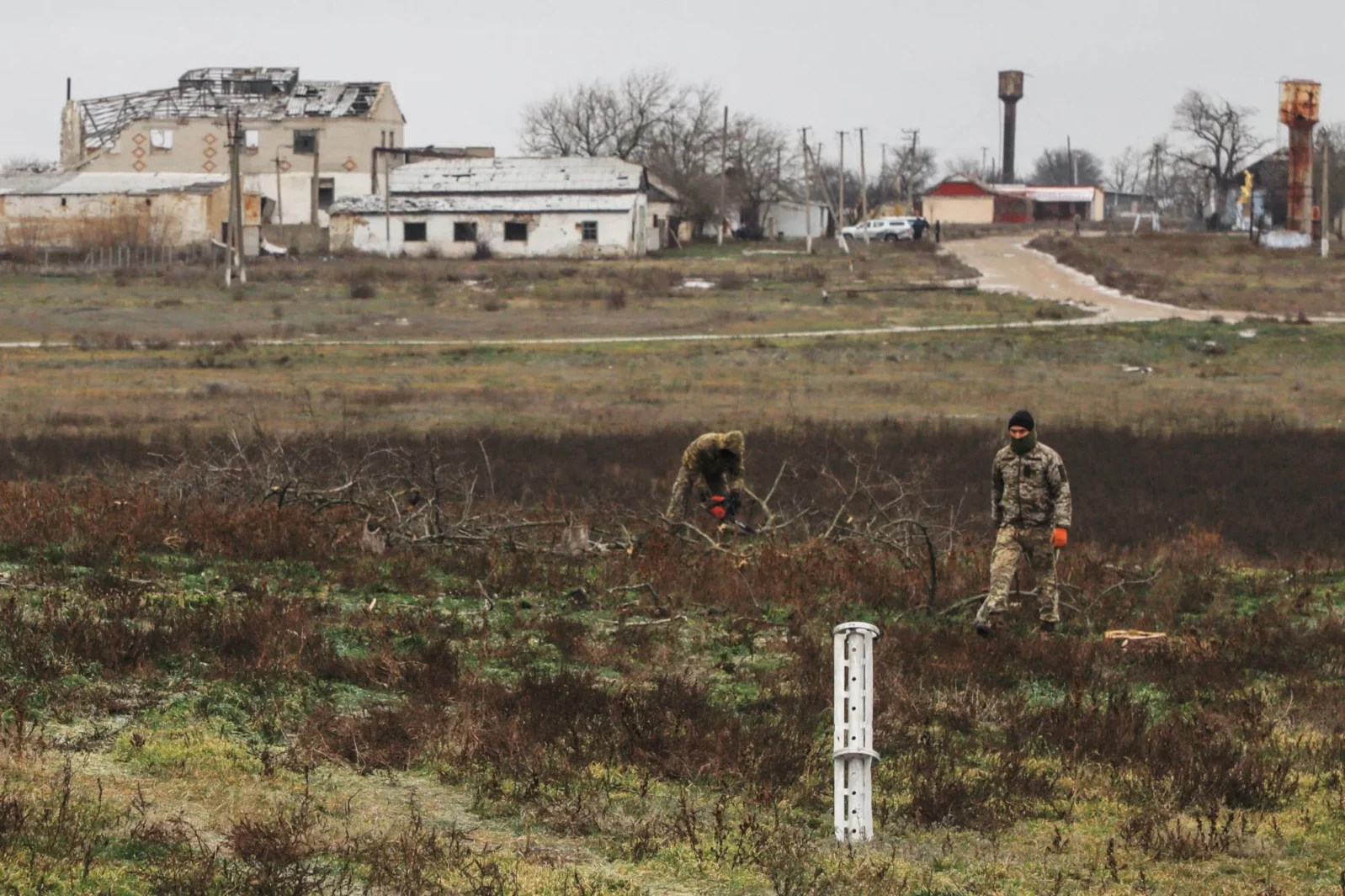
In addition, some submunitions do not explode immediately . They can remain intact for decades, posing a threat to civilians even after the strike itself. For example, in Laos there is still a search for unexploded submunitions dropped on the country in the 1960s and 1970s.
Cluster munition submunitions continue to pose a threat in at least 29 countries around the world , according to the 2023 Cluster Munition Coalition (ICBL-CMC) report.
What types of cluster munitions are there?
Cluster munitions differ from each other by the type of carrier (artillery shells, aircraft bombs and rocket ammunition), by the method of operation (contact or remote bombs and mines with a delayed explosion), by purpose (anti-personnel, anti-tank, universal) and control (unguided and guided), as well as by the type of submunition itself.
In order not to miss new texts from “Layout”, subscribe to our telegram channel
The last group is the most extensive and includes different types of “bombs” or submunitions themselves, which differ from each other in scale and degree of destruction caused :
- Fragmentation submunitions are designed to destroy manpower and light equipment. They are used in the Grad and Uragan systems: the submunitions in them explode on contact with the target, breaking the charge body into many fragments that hit everything within the range.
- HEAT submunitions are designed to destroy armored targets such as tanks and armored vehicles and are typically used in aircraft cluster bombs. There are also incendiary submunitions, for example in the RBK-500 bombs, which contain an incendiary mixture and, when exploded, cause a violent combustion that can set fire to fuel, buildings and vegetation.
- High explosive submunitions are used to destroy fortifications and buildings, while mine submunitions scatter on the ground and function as anti-tank or anti-personnel mines.
How did cluster munitions come about?
Cluster munitions date back to World War II , when warring sides began developing weapons capable of hitting large areas. In particular, German aircraft used SD-2 (Sprengbombe Dickwandig) containers, known as "butterfly bombs", which dispersed many small explosive devices when dropped. The Soviet Union developed cluster munitions for Katyusha rocket launchers. These devices were intended to create dense fire over large areas.
Cluster munitions continued to be developed during the Cold War. The USA and USSR actively developed and improved these types of weapons to increase effectiveness on the battlefield. In the 1950s and 1960s, cluster munitions became part of the standard armament of the armies of both countries.
Cluster munitions were used in various conflicts of the late 20th and early 21st centuries, including the wars in Afghanistan, Iraq, Yugoslavia and Syria. Many submunitions failed to explode on impact and became dangerous "trap bombs" that threatened civilians for many years after the end of hostilities.
Why the international community is trying to ban cluster munitions
“Cluster munitions are brutal weapons prohibited by international treaty , and their use demonstrates a blatant disregard for civilian life,” said Hugh Williamson, Europe and Central Asia director at Human Rights Watch.
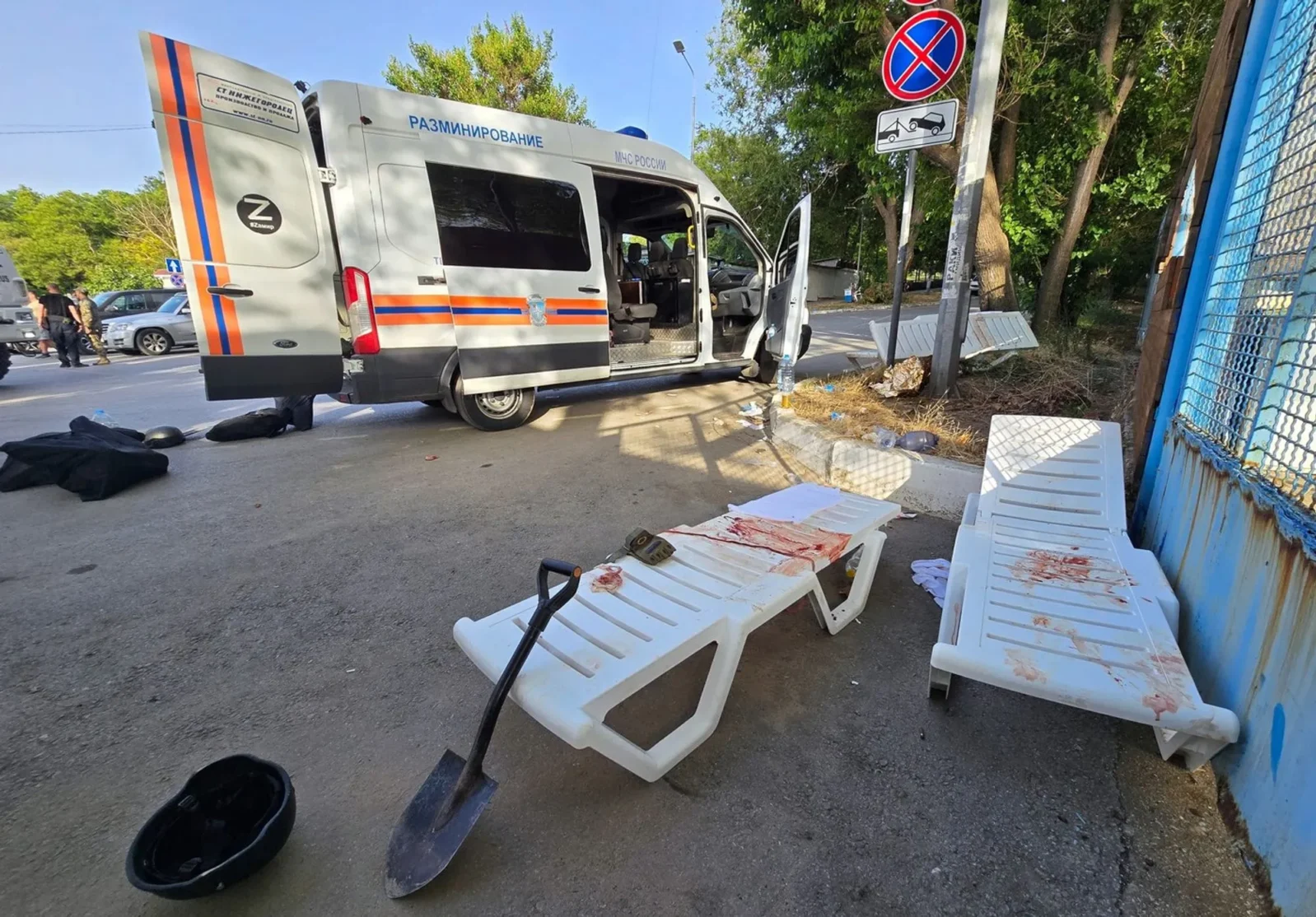
Many countries and international organizations condemn the use of cluster munitions due to their humanitarian consequences. Since 2008, the Convention on Cluster Munitions has been in force, which prohibits their use, production and stockpiling. To date, more than 120 countries have signed this convention, but, for example, the USA, Russia and China have not joined it.
“Cluster munitions used by Russia and Ukraine are killing civilians now and will continue to do so for many years to come,” said Mary Wareham, acting weapons director at Human Rights Watch. “Both sides should immediately stop using them and not try to obtain more of these indiscriminate weapons.”
According to the Cluster Munition Coalition (ICBL-CMC), in 2022, 95% of cluster munition victims were civilians . Based on minimal estimates, the organization has recorded 1,172 civilian deaths from submunition explosions in eight countries (Azerbaijan, Iraq, Yemen, Laos, Lebanon, Myanmar, Syria, and Ukraine). The Coalition called this number the highest in more than ten years.
“The shocking increase in new civilian casualties from cluster munitions serves as a stark reminder of the devastating impact these horrendous weapons have on civilians, including children,” said Tamar Gabelnik, director of the Cluster Munition Coalition. “All countries that have not yet banned these weapons should do so immediately. There can be no justification for its continued use."
Why are cluster munitions still being produced?
The ability of such projectiles to hit large areas and many targets makes them attractive from a military-strategic point of view . In addition, some states believe that cluster munitions are necessary to protect their national interests and military power.
For example, US officials have stated that the use of cluster munitions reduces the number of aircraft and artillery systems used in military operations, and that if cluster munitions are abandoned, much more money will have to be spent on new weapons systems.
At the same time, a number of countries continue to use existing stockpiles of cluster munitions because their destruction requires significant costs.
Today, cluster munitions are produced by at least 16 countries, including Russia, Brazil, China, Egypt, Greece, India, Iran, Israel, North Korea, South Korea, Pakistan, Poland, Romania, Singapore, Turkey and the United States.
At the same time, in past years, at least 60 other states received cluster shells from manufacturing countries . Soviet- and Russian-made cluster munitions, according to the Cluster Munition Coalition, remain in stockpiles in at least 36 states.
Let us recall that earlier “Verstka” wrote about whether peace negotiations between Russia and Ukraine are possible and is there a chance of ending the war? We also talked about how the Investigative Committee does not notice crimes in the occupied territories of Ukraine.
Cover: Dmitry Osinnikov
You can support “Layout” from any country in the world - it is still safe and very important. We really need your support now. How to help us →