BAMF: Germany has suspended accepting applications from Syrian refugees to assess the situation in the country • The Insider • RIMA — Russian Independent Media Archive
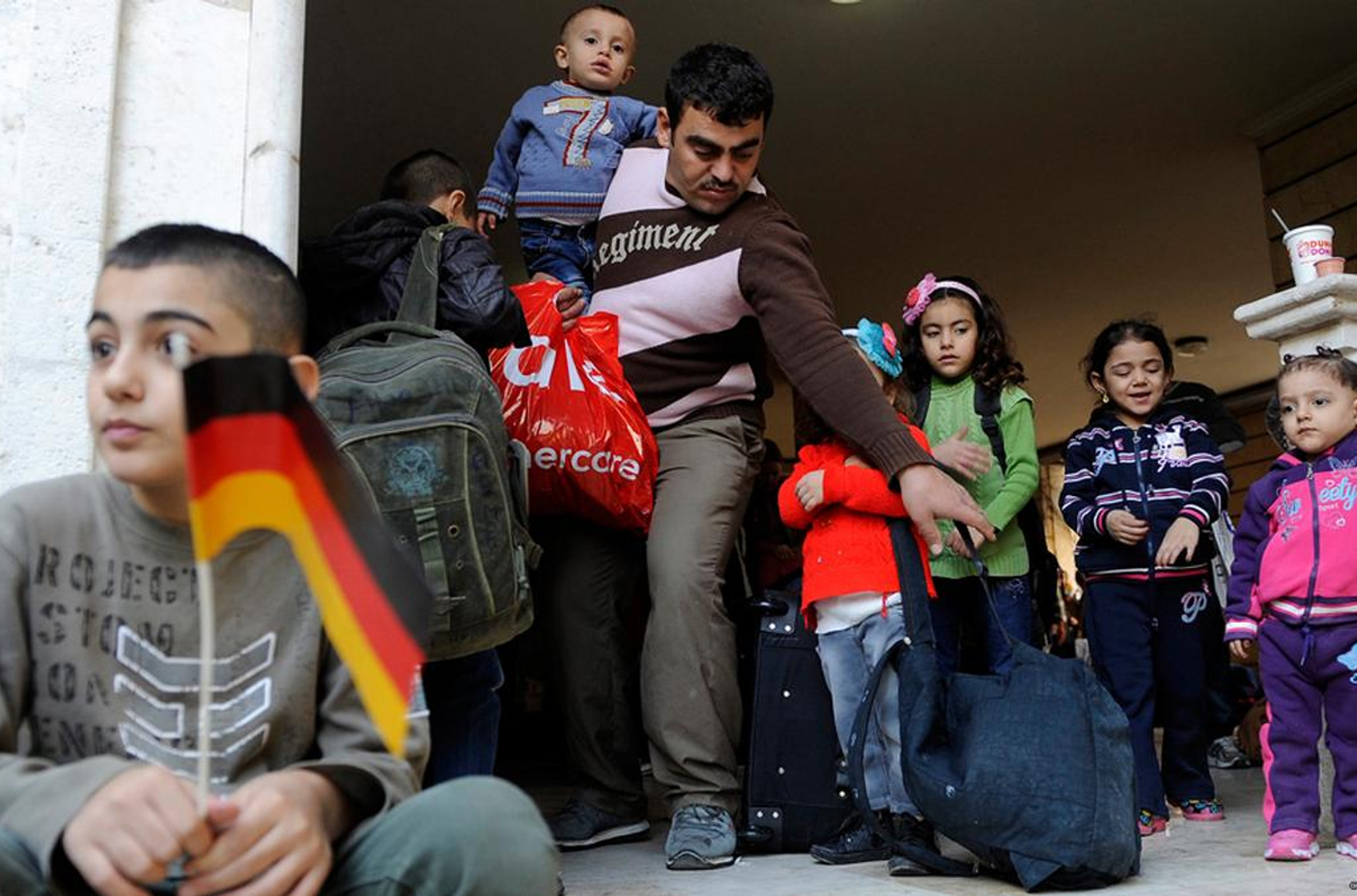
The German Federal Office for Migration and Refugees (BAMF) told The Insider that the suspension of processing applications for refugees from Syria is due to the fact that the situation with threats to Syrians may change due to the beginning of the establishment of a new government in the country. German authorities are assessing the risks of returning them home.
“The situation in Syria is under close monitoring. Since the fall of the Assad regime, it has been extremely dynamic, confusing and difficult to assess. The federal office continuously monitors the situation on the ground, taking into account all relevant sources of information. However, due to the current situation and unpredictable developments, it is currently impossible to make a final decision on the outcome of the asylum procedure. For this reason, the Federal Office has temporarily deferred decisions regarding applicants from Syria.
If the situation stabilizes to the point where it can be assessed, the Federal Office will consider adjusting its decision-making practices and resume processing applications in full.
It is currently impossible to predict whether current developments will lead to migration movements within the region or beyond. It is also impossible to predict what impact the changing situation will have on the possibility of Syrian refugees returning to their homeland,” the German migration office said in an official response to an official request from The Insider.
Alex Yusupov, head of the Russian program of the Foundation. Friedrich Ebert, explained to The Insider that the department's decision could mean for applicants that they will be sent back to their home countries more often if Germany considers that the threat to their lives will disappear with the fall of the regime:
“The possibility of enhanced deportation of those who were previously denied asylum [but not expelled] will be considered, since the return of these people to Syria under Assad’s rule could expose them to danger. Despite the refusal, the deportation of these people is currently suspended. A change in the situation may lead to the resumption of deportations, but within the framework of the existing rules of migration policy, and not tightening.
Some people will want to voluntarily return to Syria, and now there is talk that they should be supported in this decision. This is evidenced by politicians on the right, for whom any step to reduce the number of refugees, both those already recognized, those in the process of recognition, and those rejected, is favorable.
Now just under 50 thousand such applications from Syrians and Syrians are under consideration. These are people who have submitted documents and are waiting for a decision. As of today, the process of reviewing their cases has been frozen and will not be unfrozen until a new assessment of the situation. This has nothing to do with waiting for new people. There is such a possibility, but at this stage we are talking about people already in Germany.
The decision to suspend applications is a bureaucratic decision, not a political one. An event such as the fall of the Assad regime cannot but influence the assessment of the situation in Syria. This is not some kind of one-time decision, but an analytical process where the competent authorities must form their opinion. In the case of Syria, this is not so simple, because for a long time there was not even a German diplomatic mission there.
There has been a fundamental change, so it would be incorrect to decide by the old rules about who is a refugee and who is not. It will take some time until the current situation is clarified - perhaps weeks, perhaps months, until the responsible German authorities form an analytical and then a legal opinion regarding the situation in Syria. Accordingly, the suspension of consideration means that the decision is paused. And when a new analysis appears, the decision will be made in accordance with the new situation.”
At the same time as Germany, Austria suspended the processing of about 7,300 applications, including requests for family reunification. Die Presse reported that Austrian Chancellor Karl Nehammer instructed Interior Minister Gerhard Karner to review the applications already submitted and develop a program for the repatriation and deportation of Syrians.
As of December 9, despite the fall of the Assad regime, fighting for the city of Manbij continued in northern Syria between Turkish-backed groups and Kurdish militias, and the activity of the remnants of the Islamic State in the east of the country increased.