
Translated material
“The principled ones were beaten with a stun gun, or everyone signed for them and was taken away.” Autumn conscription campaign in Russia sets records for violence
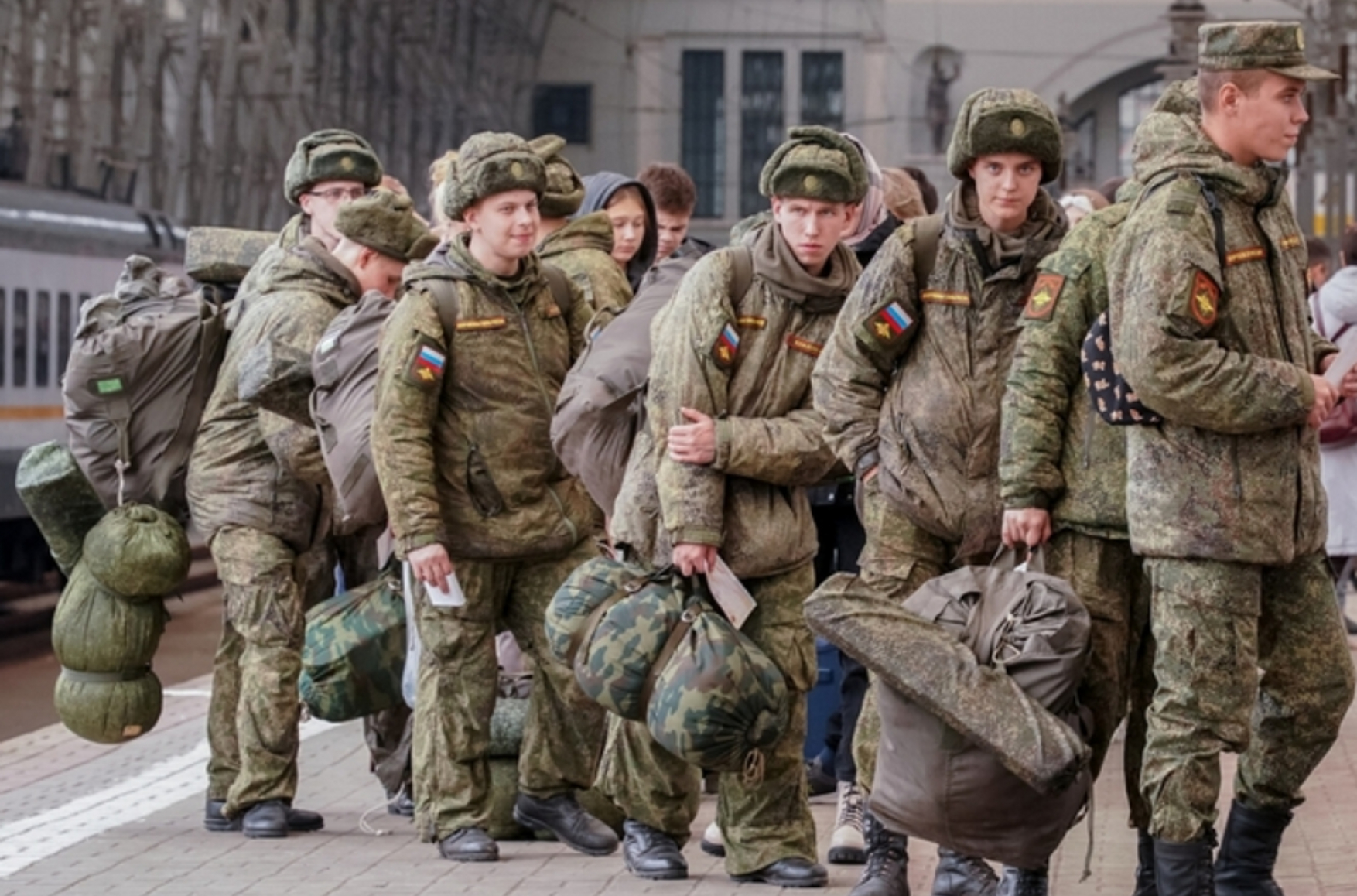
The autumn conscription into the army is ending in Russia. The closer the end is, the harsher the methods of the military commissars, who need to carry out the plan: security forces break into the houses of young people, stand guard near entrances in civilian clothes and handcuff them right at metro stations and in shopping centers. New conscripts are caught even when traveling to another city and dragged into police cars on the streets. Conscripts and their relatives told The Insider how military registration and enlistment office employees, together with the Russian National Guard, beat young people with a stun gun, force them into uniforms and threaten to open criminal cases.
Content
“On Ugreshskaya they were beaten with a stun gun and forced into uniform”
“You won’t go anywhere - we’ll send you to Kursk”
“They dragged me out of the taxi and, handcuffed, dragged me to the territory of the military registration and enlistment office.”
The autumn conscription campaign of 2024 is the last time when the electronic register of summonses is not formally operational. With his appearance, escaping from the military registration and enlistment office in Russia will become much more difficult. In the meantime, conscription is proceeding according to the old rules, and military commissars are striving to fulfill the plan by all available means. This fall, 133 thousand people should be recruited into the army. This is 17 thousand less than what was called up in the spring, but still enough to launch a hunt for potential conscripts.
At the same time, the risk of ending up in war has increased significantly for them. Although conscripts are not technically supposed to take part in military operations in Ukraine, conscripts have been regularly killed and injured since the invasion began. And if earlier they tried in every possible way to hide their participation in the war (while recruits died under shelling in the border regions and annexed Crimea), now conscripts are directly threatened with being sent to the Kursk region, where only according to data confirmed by open sources, they went missing in the first month of the Ukrainian offensive More than 120 conscripts were captured or captured . But publicly available information ( 1 , 2 ) and the combatants themselves indicate that there were even more deaths.
All this does not contribute to the growth of the popularity of conscription and forces military registration and enlistment offices to act more harshly. In order to recruit people, in addition to the already familiar scheme of sending them to a collection point “one day”, which military commissars have been actively practicing since the fall of 2022, conscripts are beaten, handcuffed, detained in military registration and enlistment offices and forced to immediately sign contracts with the Ministry of Defense.
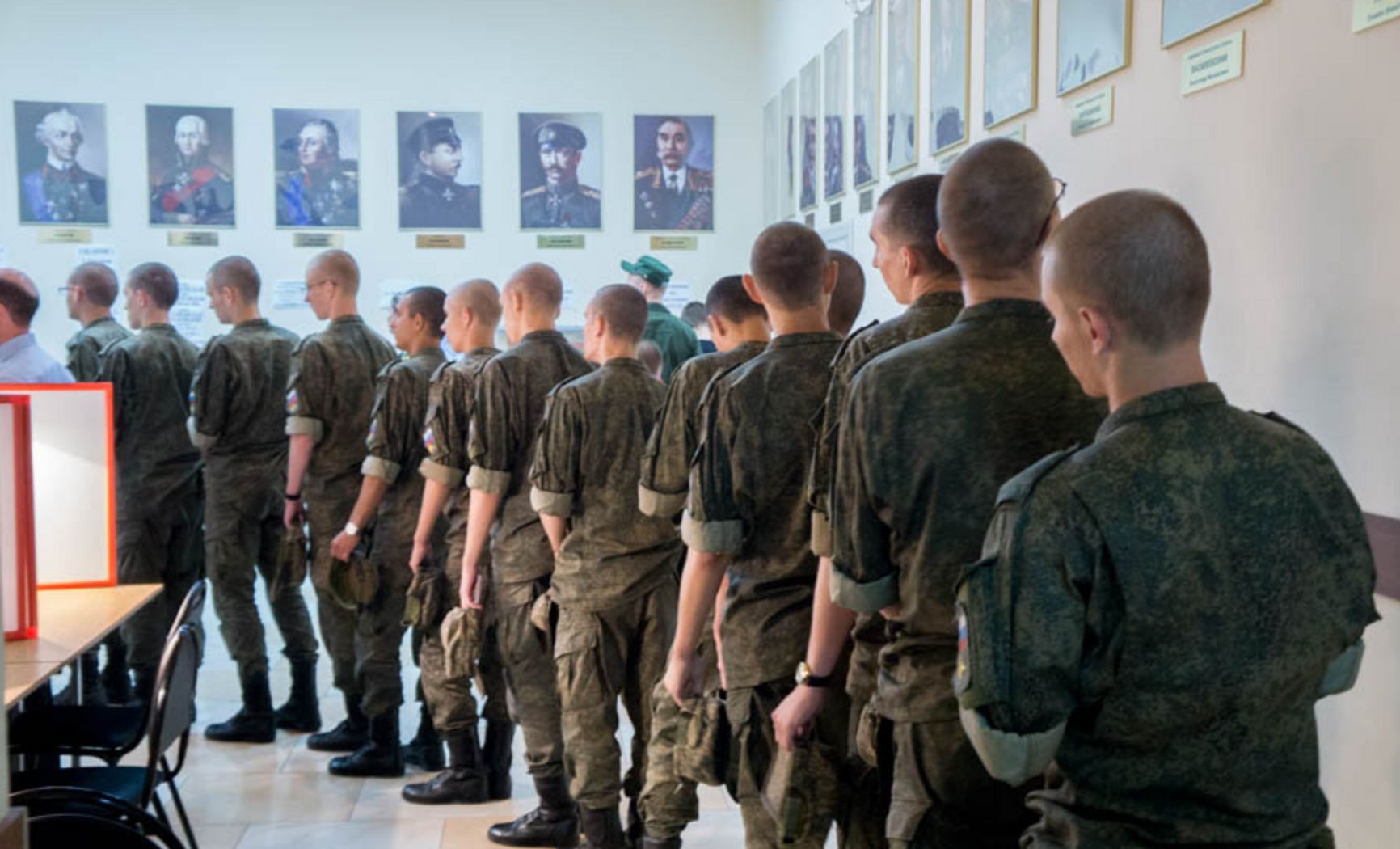
“On Ugreshskaya they were beaten with a stun gun and forced into uniform”
In the last month of conscription, young people, with the help of the police, are being seized everywhere: on the streets and in the subway, at bus stops and food courts of shopping centers. Several raids took place in student dormitories ( 1 , 2 ). According to estimates by the Walk Through the Forest project, to date, conscripts across Russia have been raided at least 125 times.
Coordinator of the Conscious Objector Movement (DSO), Elena Popova, notes that when searching for “potential victims,” military registration and enlistment offices target two categories: those who were drafted during the spring campaign but avoided being sent to the army, and those who are trying to challenge the decision to call adopted this fall. As for the former, according to Popova, they should have been forgotten as soon as the spring conscription ended:
“All decisions on conscription that were not implemented during the conscription campaign - the person was sick, had a lawsuit, or was able to evade conscription in some other way - are automatically canceled by the decision of the Conscription Commission of the subject as unrealized when the conscription comes to an end, but Loktev <military Moscow Commissioner - The Insider> does not take this into account.”
In addition, as Popova notes, they are trying to send such conscripts into the army without carrying out conscription activities, which contradicts the Regulations on military medical examination :
“Loktev believes that if in the spring a decision was made regarding a citizen to be drafted into the Armed Forces, then his fitness category continues to apply and this person - without a medical examination or anything else - can be sent to serve. But this is fundamentally wrong. The Regulations on Military Medical Examination contain a rule that states that before dispatch, current results of mandatory diagnostic tests must be provided. Not to mention the fact that a person’s state of health could change in six months.”
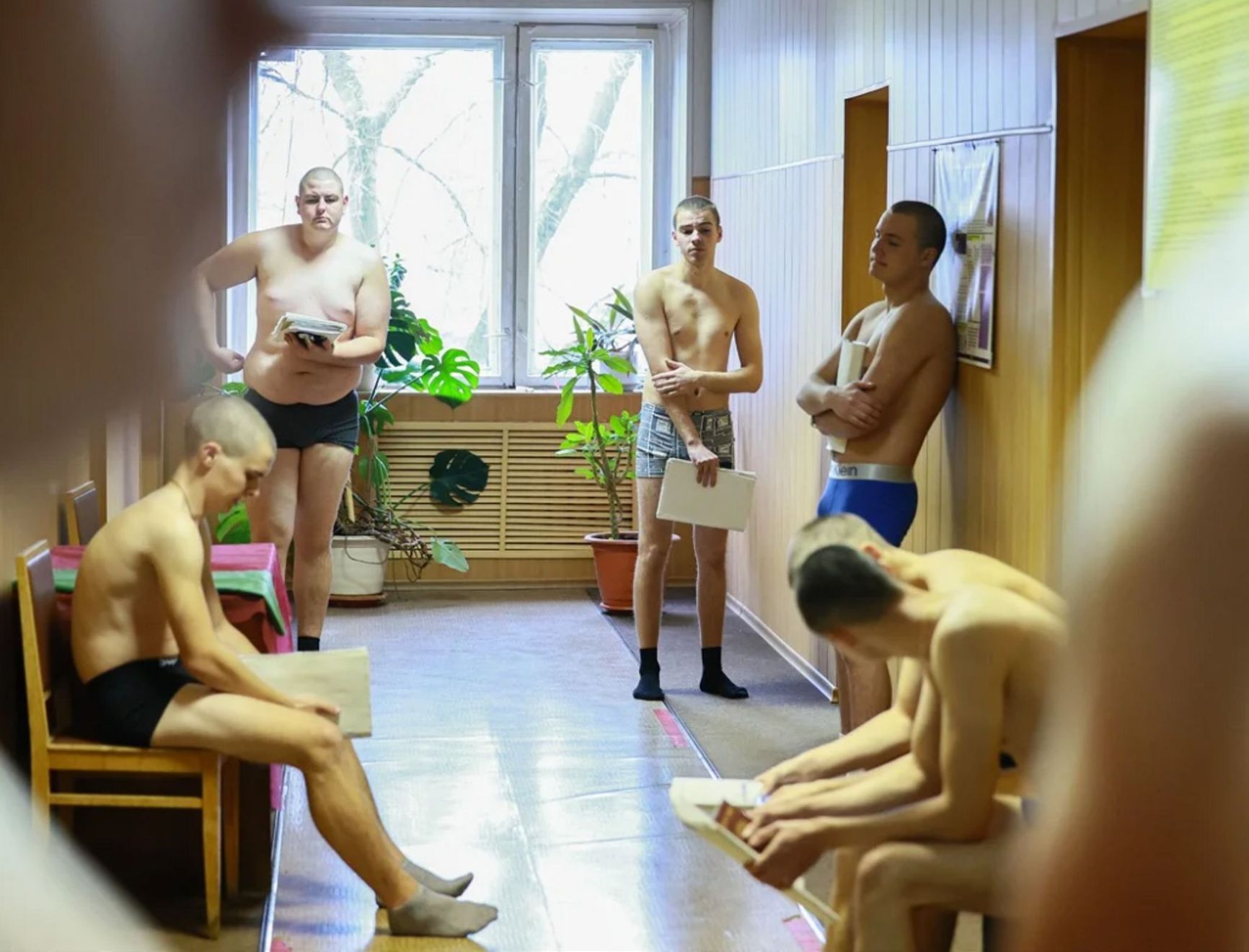
Previously, conscripts who are trying to challenge the decision of the Conscription Commission this fall would not have been able to immediately be sent to serve, but since the fall conscription of 2024, significant changes have occurred in the law “On Military Duty and Military Service” :
“The norm that directly obliges the suspension of all conscription activities for those who appeal the decision of the PC in court has disappeared from the federal law. Accordingly, the decision on conscription remains in effect. Based on our recommendations, people file a petition for interim measures - they ask the court to prohibit military registration and enlistment offices from carrying out any dispatch activities until the court decision comes into force. But judges massively refuse this, believing that no right is being violated. “You go into the army, and while we’re here we’ll decide whether you were drafted correctly or not.” When people receive a refusal decision, they file private complaints, but no one is interested in this: face it in the hood, handcuffs - and you’re in the army.”
In Moscow, the work of local military commissars is greatly simplified by the emergence of a Unified Recruitment Point (USP). It is presented as a kind of innovative project that “speeds up and simplifies all procedures related to military conscription service.” However, in reality, it only expands the opportunities for illegal actions and lawlessness: “This is a huge body where responsibility is completely blurred, which becomes fertile ground for the growth of violations - when people unfit for service, who have been observed for a hundred years with non-conscription diagnoses, are recorded as fit.” .
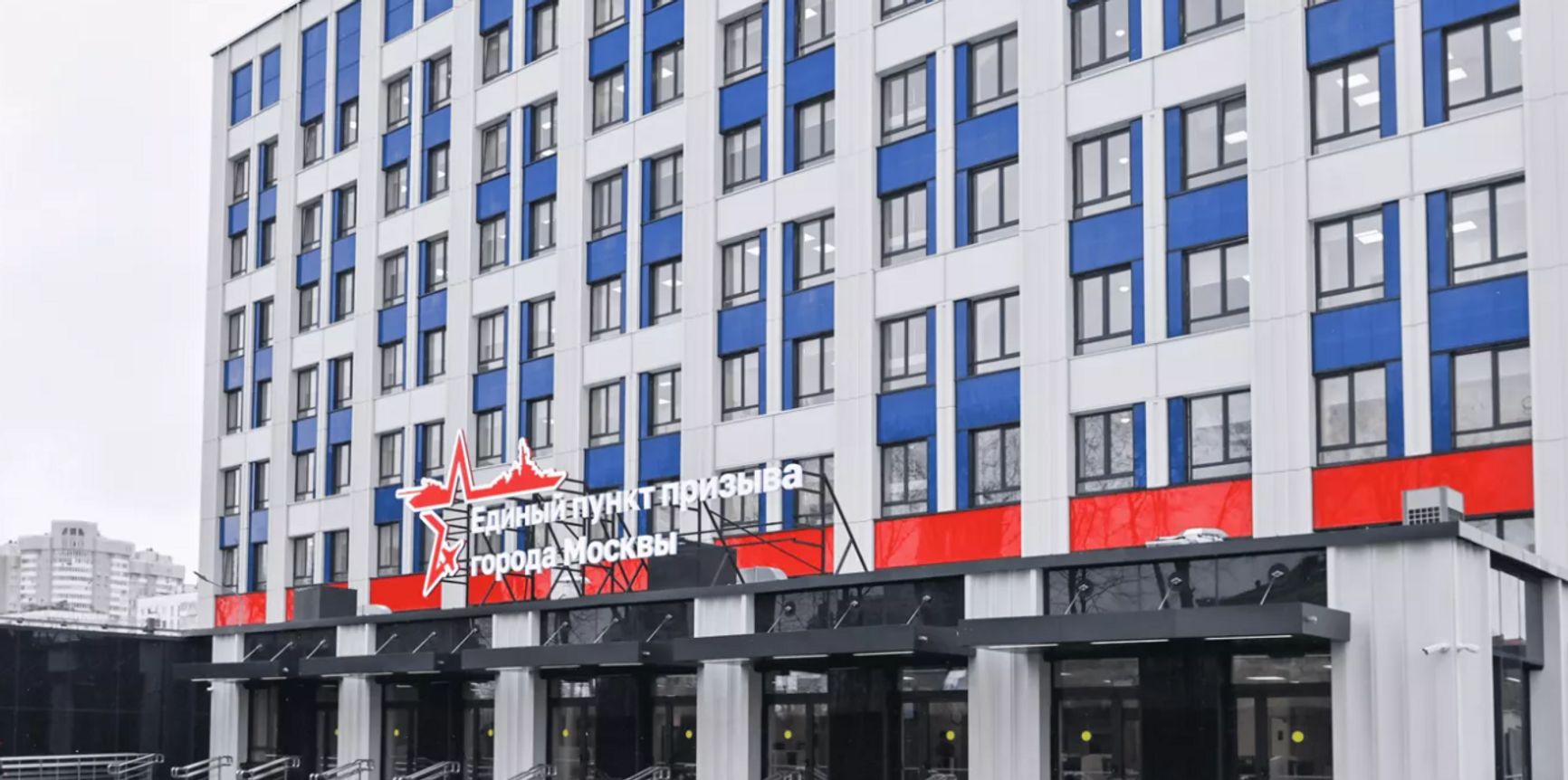
In addition, according to Popova, with the advent of the EPP, the rules of interaction with the military registration and enlistment office have also changed - now all conscription events must take place at the Single Point, and authorized persons are no longer allowed to attend them:
“Previously, people came to medical examinations together with authorized representatives - it didn’t matter who the power of attorney was issued for - mother, wife or friend. Several people came as a team. And when there was a dialogue with the doctor, it was more difficult for him to create chaos in front of a trusted person, but now in this EPP they stand with their chests and do not let anyone in. But the conscript should not be alone, otherwise it is very easy to manipulate him.”
It would seem that in this situation it is safest to stay at home or not be registered with the military at all, but neither one nor the other can completely protect the conscript. Thus, in Moscow, four men who were not registered were kept in a special detention center for two days and then taken to the military registration and enlistment office. Dozens of other conscripted men have been and are being forcibly taken from their homes since the beginning of the campaign ( 1 , 2 ).
For example, HSE student Artur Novik was forced to leave his apartment and was grabbed right on the staircase. When trying to drag Novik out into the street, his grandmother was hit - she fell and hit her head: “Two unknown people began aggressively knocking on the door, despite the fact that there was a pensioner there. They turned off the light in the control room, extinguishing it completely, and sealed the peephole with duct tape. Having waited until I came out to turn on the light in the apartment, these people surrounded me, saying that I was a draft dodger and should immediately proceed to the Ministry of Internal Affairs department,” Novikov shared with “Go through the forest.” As a result, Arthur ended up serving in the Taman division, despite the legal deferment, and so far has not been able to challenge the actions of the police and the military registration and enlistment office.
You don’t have to open the door to the police, but this doesn’t always work—sometimes the door can be opened by force. This is exactly what happened to the brother of Muscovite Oleg <name changed in the interests of the hero - The Insider> . Oleg says that they broke into their apartment completely unexpectedly - the family had problems with the lock, and the front door needed repairs, so the security forces took advantage of this and opened it:
“They came around 12 noon and started ringing the doorbell. Mom categorically refused to open, but they picked the lock and entered. They argued their invasion by the fact that the apartment is in municipal ownership and therefore they have the right to enter it whenever they please. They tried to intimidate everyone. Mom stood in the corridor, screamed, stood in the way, but she was harshly pushed away, leaving bruises on her arm, and they walked inside.
My sister started filming everything on her phone. Three people entered. They introduced themselves as police sergeant of the Khoroshevo-Mnevniki police department Nikolai Igorevich Yakushev and senior district police officer Alexander Balashov, with them was a man in civilian clothes - a bald man who refused to introduce himself. As we realized later, it was an employee of the military registration and enlistment office.”
“They opened the apartment and, harshly pushing the mother away, went inside.”
According to Oleg, at this time his brother was at home due to illness: “He has a certificate from a urologist dated November 15, which says that he needs treatment for two months, but he was dragged out of the apartment, while threatening everyone else , including children. The mother tried to protest, but they yelled at her. It was an outright mockery of an elderly man and a mother of many children.”
After arguments, brother Oleg was first taken to the police station, and then to the military registration and enlistment office:
“The brother asked for a warrant, papers stating that, as the police officers said, a criminal record was issued against him, but they never showed anything. They took him by force, saying that they would take him to the police station to issue a fine for failure to appear and would release him, but from there he was immediately taken to the military registration and enlistment office. All this time his teenage sister was with him. They began to threaten her with the police’s children’s room, and the bald man who was in the apartment had already pushed her so that she would not block the path, and so hard that she almost fell.”
Later, my mother drove up to the military registration and enlistment office building. She was told that her son would be sent to Yablochkova <where the EPP is located - The Insider> , but, as it turned out later, he was simply taken to the collection point on Ugreshskaya, ignoring all the medical documents that the mother brought with her.
According to Oleg, once on Ugreshskaya, his brother was constantly in touch with his family and talked about what was happening there:
“He didn’t have a push-button phone with him, and he contacted us from the phones of other guys who were there. At first he was promised that as soon as he passed the medical examination, he would be given a summons and would be released pending his appearance, but nothing of the kind - he was never allowed to go home.
We tried to insist that he not put on his uniform until the last minute. But he said that he saw several of these guys, who, apparently, were also advised by their loved ones not to do anything - they were beaten with a stun gun. The brother, seeing this, said: “I probably won’t risk it.” If there is only one outcome, then at least I’ll be whole.” He put on his uniform and passed the medical examination.
He said that there were a lot of people, that is, there was literally nowhere for an apple to fall: 100 people were brought in almost every few hours. Just a huge crowd. They sat in terrible conditions all day long, and many, he said, were beaten.”
As Oleg notes, the medical commission was only in words: “As my brother said, they only asked him if he had any illnesses. He said: “Yes.” They told him: “Then we’ll move to Tambov,” and that’s all. He insisted that he had an active intestinal disease and problems with the genitourinary system, but this was ignored. And on December 1 he was assigned to Tambov, to the electronic warfare unit.”
The family fears that the young man will now be sent to Kursk:
“My brother called from there and said that they were threatened with being sent to Kursk, where the fighting was taking place. Straight from the tutorial. We hope it's just a threat, but no one knows for sure. I know that this part is connected with drones, with controlling all sorts of combat drones and so on, and I’m afraid that they could actually be sent to the battlefield.”
In addition, the conscript’s relatives are afraid that he will be persuaded to sign a contract:
“The worst thing here is probably that they will sign for him. My brother said that on Ugreshskaya, when people refused to sign, they simply signed for them. There they processed and sent people in two seconds. There were more principled guys who stood their ground to the last, but they were either beaten with a stun gun or had everything signed for them and taken away.
We are trying to tell him so that he does not give in to any threats, so that he is ready that they may threaten us, but in no case should we break down - we will solve our problems ourselves. He agreed with us, he is going to put pressure on the fact that he needs treatment, he will try to get him transferred to the medical unit.”
“You won’t go anywhere - we’ll send you to Kursk”
The easiest way to catch potential conscripts is in public places: in shopping centers, metro stations, bus stops, or just stop them on the street. Security forces carried out similar actions in Moscow and St. Petersburg from the first days of conscription - now there are only more such raids.
“I got off on Arbatskaya. At the intersection, after the underground passage, there was a post - they were checking documents. I didn’t attach any importance to this - checking and checking - and just gave him [the policeman] my passport, and he looks at me and asks: “What about your military duty?” I think: well, that’s it, they’ve arrived,” says 25- summer Artyom <name changed in the interests of the hero - The Insider> .
According to Artyom, he was taken to a police car, then another detainee was put in it, and while passing the next checkpoint, a third was taken away. Everyone was taken to the military registration and enlistment office on Mantulinskaya.
“At the military registration and enlistment office it was as crazy as possible. Some were crying, some were out. A man stood next to me - completely white, without emotions. Another young man was generally under stress - he works in a movie, rents an apartment with a girl, and then his whole life suddenly turned into crap. His name was Matvey, he was very ill. And I was also in a stupor.”
Artem was helped out of his state of shock by a friend with whom he managed to text before his phone was taken away: “A friend said that I shouldn’t go with the flow. I thought: “That’s it, guys, bye,” and headed towards the exit. They had a passport, but I decided: “Well, to hell with it.” I started to pull this door, but it was on a magnet and just wouldn’t open. The woman who presses the button ran after me and started yelling that I was not a man and was acting like a sheep. I called the police."
According to Artyom, they began to threaten him with criminal charges for disobeying the call: “Another girl came up and said: “What is your name?” I said: “Are you seriously asking what my name is?” You took me from Arbatskaya, took my passport, took my phone. And you want to know my name?’ I didn’t say anything. Then she returned with some piece of paper and said that a case had been opened against me.”
Another conscript, 19-year-old Alexander, was tied up right at the metro station. In October, the conscript filed a lawsuit to appeal the fitness category assigned to him - he has serious vision problems - did not show up for deployment and left Moscow for Tula.
According to Alexander, on November 11 he returned to Moscow to find out the status of his application and obtain a control medical examination. He was just on his way to the EPP when two policemen approached him at the Mendeleevskaya metro station:
“They asked for documents, but I was sleepy and didn’t think - I just gave them my passport. One of them looked and said: “Yes, that’s him,” and immediately: “Come with us to the police room.” I was immediately handcuffed - the officer who looked at my passport cuffed my hand to his - and led down the escalator. They didn't give me my passport. I demanded, but they said that they would return it only in the room. I asked him to unfasten the handcuffs, but they also said it’s not allowed.”
“In the subway, a policeman handcuffed my hand to his.”
When Alexander was taken to the police room, he was put in isolation:
“No arrest records were provided. They carried out an inspection - they felt, looked at what was in my pockets, and asked me to put my phone down. And then specific chaos began: they searched me and locked me in a cage. I asked them to draw up an inspection report, but they said: “We’re just checking to make sure you don’t have knives and aren’t stabbing us now.” When I asked why I was detained, they didn’t tell me anything either - they just named some point, saying that the facial recognition system had worked.”
Alexander sat in the isolation ward for about an hour, after which new employees arrived and transported him to another department, and from there to the collection point on Ugreshskaya:
“They didn’t say where they were taking them: “We ourselves don’t know, we have a task to deliver you to such and such an address.” The address was Ugreshskaya. They took me out of the car and took me outside the gate, and there the military registration and enlistment office employees met me. And they brought in more guys - just en masse. The officer who took me out of the car followed me inside. There they examined me again. I had an electronic cigarette with me - they took it away, saying: “That’s it, you can say goodbye to it,” and the police gave my phone to some employee.”
On the territory of the assembly point, according to Alexander, the act of accepting property was signed for it: “In the tent where they were inspected, they gave me some kind of piece of paper, they say:“ Sign that you are handing over the phone. ” I read - it says that I voluntarily transfer the phone for storage. I refused to sign this, saying that I should not be here and my phone was stolen. They tried to force me, but I flatly refused, and they signed this piece of paper for me. ”
"I refused to sign the paper that I give the phone voluntarily, they did it for me"
When all the conscripts began to be sent to the medical board, Alexander decided not to obey and clung his hands into a chair:
“We were brought to the corridor, where all the doctors are sitting, and said:“ Now you will go to the army, and you need to go to the commission. ” And they began to call everyone in turn. I sat in a jacket and held on to a chair in case they tried to get me by force. I said that I refuse a medical examination. Then a man came up to me, began to ask why I refuse. I explained to him that I had filed a complaint against Yablochkov and should not be here.
He began to persuade me: “There will be nothing: if you are not suitable, then you will go home - just go through the commission.” But I understood that this was a lie: they would just beat me and send me to serve. But he continued to crush: “Are you special? Look, all the guys go away than you are better than them? “And then you moved to the threats:“ If you are here, you will not leave. We will send you to serve somewhere near Kursk.
Those who tried to refuse to inspect too actively, according to Alexander, could beat: “A man who agreed to undergo a medical examination with me was sitting next to me. But when he was led to shave, he began to build a psycho out of himself - to ride the floor, he tried to jump out the window. For this, the Rosgvardists beat him. ”
After all the bickering, a lawyer was sent to Alexander:
“I told him everything and voiced my demand that I want to undergo a control medical examination (KMO). The lawyer climbed onto the court’s website, looked at something and said that the maximum that he could offer me is to go through the KMO now and if they recognize me as suitable, they will be discharged for sending in three days.
And I just needed to get out of there, of course, I would not go to any sending. They gave me to go to an ophthalmologist - there I showed all my medical documents and claims. The ophthalmologist appointed me an additional inspection in the hospital, and I was discharged a summons for November 20. And this is a miracle, because there were twenty people with me, and only two were released. Moreover, one leg was broken, and the rest went to serve. ”
"I was dragged from a taxi and, wearing handcuffs, dragged me to the territory of the military registration and enlistment office"
In the search for conscripts, the security forces often go to the trick: they will pissing potential conscripts, dressing in civilian clothes or posing as employees of the service sector. A striking example of such actions was the appearance of police officers in the hostel of the university - they passed themselves down for the employees of the housing and communal services. Last year, they pretended to be buyers with Avito. On such a “civilian”, Roman <The name was changed in the interests of the hero - The Insider> , who came out of the entrance of his house:
“There was a car near the entrance. A policeman ran after me. He was in civilian clothes, in two hundred meters in the two hundreds, grabbed me and began to hold on to the backpack. I asked me to show me the badge and certificate, demanded that I call a normal outfit and we drew up a protocol on the detention. He pretended to do this, but continued to keep me, preventing me from running away. "
"The policeman was waiting for me at the entrance, and then ran after"
While the police officer was holding the novel, he tried to get through to lawyers and relatives: “As a result, the first thing I got through to the boss - the irony in the fact that since September I have been working at the enterprise that has been performing state defense systems and I have a postponement, but this did not care about anyone. The boss lifted the bilia and began to think how to help me. "
After waiting for an outfit for about half an hour, Roman realized that the policeman deceived him: a car came to them, in which there was the same employee - also without a uniform, but with a certificate. The novel was brought to the regional Ministry of Internal Affairs, and then to the assembly point: “By this time I had already phoned everyone, and my mother and the girl went to wait for me to Ugreshskaya. They took with them all the medical documents that I had. It was lucky that I came across a little passive police officers, they did not take my phone at once, and I could call everyone. ”
According to the novel, near the prefabricated point he managed to pull the time a little:
“When we arrived at the Ugrash, I was led to the gate: there is an entrance for the law -abiding, so to speak, people through the door, and for those whom the police bring, through the iron gate. And they do not accept without a passport. I said that I have no passport, although these police officers knew that it was, but for some reason they did not put pressure on me.
They tried to say something like “Why are you deceiving?”-but I continued to insist that I have no passport. Then they said that they would punch at the database, called colleagues and ordered them a certificate with my data. She had to be brought. And we stood and waited for these policemen. And then I had a brilliant idea to call a taxi and escape - in theory, they completed their work, and they had no legal grounds to hold me by force. ”
However, the novel failed to leave by taxi:
“My mother was already there, and I called a taxi from her phone. But as soon as I got into the car and we set off, these two realized that I was leaving and stopped it. From the car I dragged me by force. Moreover, I say to them: “Okay, I will go out”, and they: “No, now we will pull you out,” and they simply dragged me to the ground, put on handcuffs and led me into their car. They told my mother that they would take me to the prosecutor’s office, my mother also went there, and in the end they just drove further and stood there - they waited for their colleagues with a certificate. ”
"The police stopped the car, dragged me and put me on the ground"
When the security forces received the necessary documents, the novel was brought to the territory of the prefabricated point and transferred it for inspection. After the inspection, he was sent to wait for fluorography: “There was a truck on the street, where they made fluorography. I decided not to obey, as I was advised in the DSO, with whom I was in touch. "
When the novel began to refuse to do fluorography, the Rosgvardists were sent to him:
“I was left alone. Some captain came up to me and began to ask “what are you sitting? Why don’t you go through? “I said that they brought me illegally, that I have a delay, an unprecedented diagnosis and an application for AGS. He called Rosgvardia. At first they tried to persuade me: “You will serve and return a year, everything will be in order”, and then they began to use physical strength.
I told them: “You either beat me, have come, or leave me alone.” As a result, they were told: drag him to the medical board, and they tried to raise me and take me away. But maybe I was too heavy for them - they could not raise me, and all this went into the fight. I began to resist, they began to beat, knocked on the floor, broke my hands, and then I just lay. He said: “I won’t go anywhere.” As a result, they left this venture, and then the Russian Guard simply sat with me. That captain came several times and threatened. ”
As a result, the lawyer was sent to the novel: “I explained everything to him, said that I have a delay from the Ministry of Industry and Trade. He began to delve into my personal file. At the same time, he said that in fact there is no deferment for the defense industry officers, but they give it because the president said so. Then he returned, said that they found me on the lists and could be released, but they still issued the summons - on December 25th. ”
ARTICLES ON THE TOPIC
"We opened the apartments, robbed supermarkets - behaved like barbarians." Confession of the Russian Marine, who fought in the Kursk region
"72 days they beat me with an electric shock, beaten, did not let me eat and sleep." How Russian prisoners are driven by "meat assaults"
We really need your help
Sign up for regular donations