
Translated material
“There is no water or gas in the house, only canned food from humanitarian aid.” The humanitarian situation in Gaza is getting worse
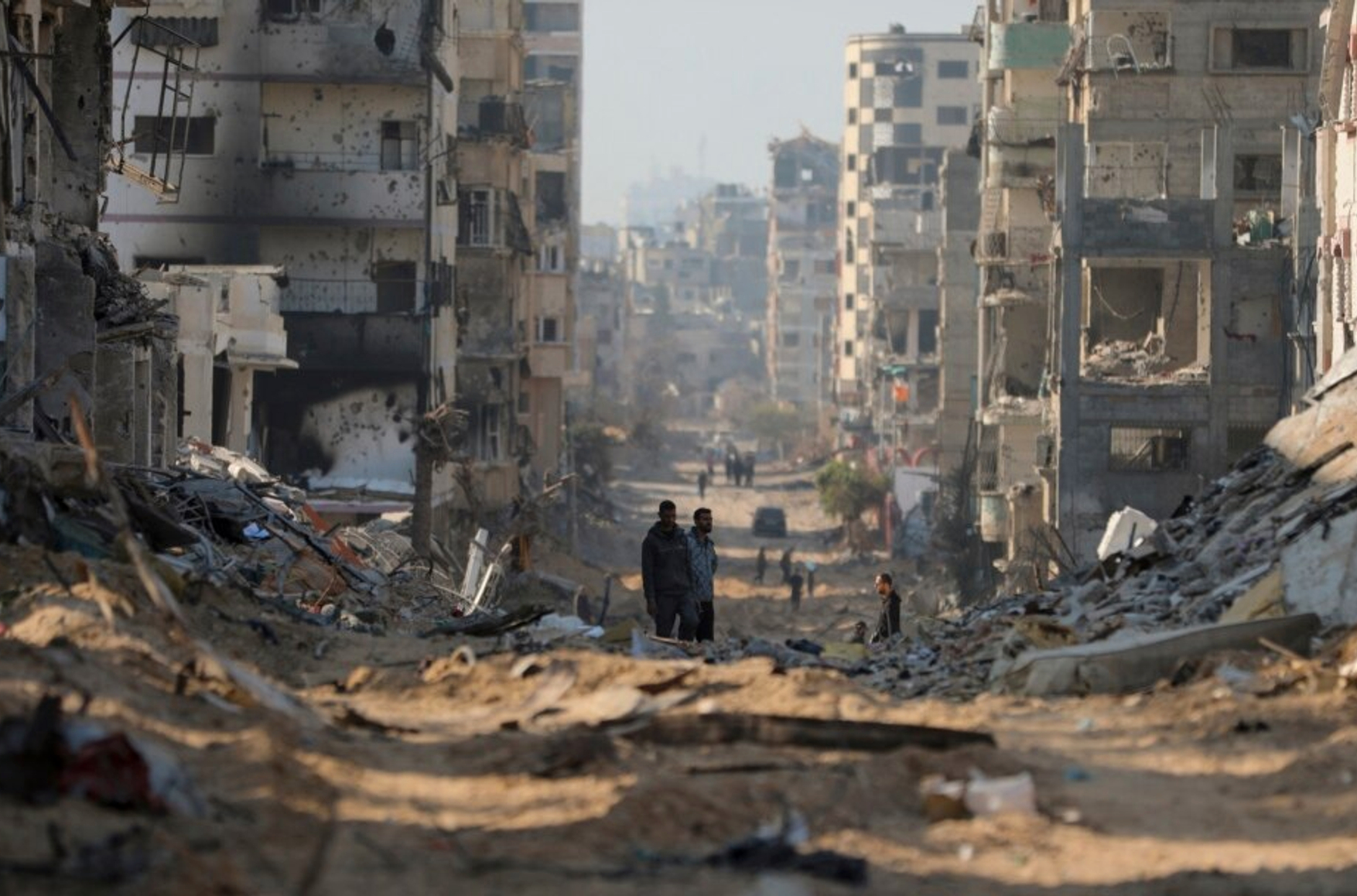
International events have diverted public attention from the military operation in Gaza, and the media appears to have lost sight of the humanitarian disaster there, although local residents say the situation is getting worse. The Israeli authorities have not allowed foreign journalists into Gaza for many months; only a few Israeli journalists manage to get there, and only to specific points. The Insider has attempted to piece together a picture of what is happening in Gaza, drawing on stories from local residents, testimony from aid workers working in Gaza, reports from human rights organizations, and comments from Israeli authorities.
Content
Tens of thousands of victims
“In pharmacies there are only painkillers and weight loss powders”
Why is aid not reaching the people of Gaza?
IDF in the northern Gaza Strip: three areas blocked without humanitarian aid
“The windows in the house are broken, there is no water or gas, prices on the black market are inaccessible”
Island: "The senseless death of our soldiers and civilians in Gaza"
How to free hostages?
Assessments by international organizations
Tens of thousands of victims
There is some debate about how many civilians died in Gaza. According to official data from the Hamas-controlled health ministry, more than 44,000 Gazans were killed between October 7, 2023 and early December 2024, but these figures include thousands of militants and many who died from any other cause, including cancer (which does not prevent refer these figures to international humanitarian organizations, including WHO ). Israel does not publish its data on civilian casualties in the sector.
Thus, no less civilians are killed, and most likely even more, than terrorists are killed. In March 2024, the head of the Israeli government, Benjamin Netanyahu, said that the IDF managed to eliminate approximately 13 thousand Hamas militants, each of whom accounted for one to one and a half civilian casualties. In May, in the Call Me Back podcast, Netanyahu claimed that approximately 16 thousand militants were killed in Gaza, and about 30 thousand people died in total (the Gaza Ministry of Health then spoke of 35 thousand victims). A number of independent Western groups believe that over time, data from Gaza has become less accurate, but emphasize that the real number of victims may be higher. On October 7, 2024, the IDF press service estimated the number of terrorists killed at 14 thousand.
Human rights activists from Amnesty International called what was happening “genocide,” but their unit Amnesty Israel points out that the report does not prove the presence of “premeditated intent” to partially or completely destroy the Palestinians in Gaza as a group. “The scale of Israeli killing and destruction in Gaza has reached catastrophic proportions and must stop immediately, but our analysis does not confirm that the Amnesty International report meets the definition of genocide in the Convention on the Prevention and Punishment of the Crime of Genocide,” it said. in a statement from Amnesty Israel.
The Insider's source at Amnesty Israel explains that when the IDF demolishes an apartment building to eliminate a terrorist, it cannot be proven and it is difficult to assume that this is being done with the aim of exterminating the Palestinian population, but although it cannot be called “genocide”, the murder of dozens of civilians in order to eliminate one terrorist is a war crime. “Especially when we are not talking about the conditional leader of Hamas, Yahya Sinwar,” the source emphasizes.
“In pharmacies there are only painkillers and weight loss powders”
According to the Hamas-controlled Gaza Ministry of Health, more than 13 thousand children were among those killed, while in Israel, politicians and some media outlets are confident that the gas authorities often underestimate the age of those killed. On September 16, the Ministry of Health in Gaza published the names of 710 infants less than one year old who died. Among them, for example, are eight-month-old Aliya Al-Suri and two-month-old George Al-Suri. The Insider spoke with their uncle, Ramez Al-Suri, who lost three of his children - Suhail (14), Julie (12) and Majad (11) - in the IDF bombing.
Before the war, Ramez and his wife and children lived in central Gaza City. The family was wealthy; Ramez was the owner of a large office building, where he rented out premises to various companies. He was also active in The Gaza Youth Committee, which promoted a peaceful solution to the Israeli-Palestinian conflict and collaborated with Israeli peace activists despite repression by Hamas. In 2018, Ramez and other activists from the organization demonstrated at the separation fence, releasing 200 paper doves calling for peace.
When the war began and the IDF called for evacuation, Ramez and his family and his cousins and their families moved to the south of Gaza City, in the Zeitoun area, to the territory of the Church of St. Porphyry. About 450 people were sheltering in a large area of the church complex. On October 19, 2023, four Israeli rockets fell on the church grounds. Dozens of people died. The IDF press service stated that the airstrike was aimed at the Hamas headquarters, which was located next to the church. As a result of this strike, most of the Al-Suri family died: Ramez's three children and his cousins with their wives and children. Only Ramez and his wife remained.
A comprehensive classification of food security stages used by the UN to audit the state of food security around the world.
The Philadelphia Corridor is the border between the Gaza Strip and Egypt, a sandy corridor about 14.5 km long and several hundred meters wide. It begins in Israel near Kibbutz Kerem Shalom, passes through the divided city of Rafah into two parts (western and eastern) and ends near the ruins of the Jewish settlement of Rafah Yam, demolished after Israel left Gaza in 2005. In May 2024, the IDF completed the capture of the corridor during the Rafah offensive in Operation Iron Swords.
The 143rd Division in southern Gaza and in the Rafah area, the 99th Division in the central part of the strip and in the Netzarim corridor, and the 162nd Division in northern Gaza.
After the strike near the Church of St. Porphyry, three children of Ramez and his cousins with their wives and children were killed
In a conversation with The Insider, Ramez said that he and his wife remained on the territory of the Church of St. Porphyry, since some of the buildings survived. They have been living there for the last year. The Zeitoun area is now considered relatively safe, and Ramez said many refugees from other areas of Gaza City have gathered there. The shortage of food and medical supplies is becoming increasingly acute, adds The Insider’s interlocutor.
International organizations, he said, distribute humanitarian aid according to lists, but now it consists exclusively of canned food. “In pharmacies you can only find painkillers and weight loss powders. I know there are no medications to regulate blood pressure and there is not enough insulin for diabetics,” says Ramez.
The Palestinian confirms what humanitarian organizations are saying: the humanitarian situation in the sector has deteriorated significantly since October. First of all, because in October Israel allowed much less humanitarian aid into Gaza. According to the Office of the Coordinator of Government Action in the Palestinian Territories (COGAT), a total of 37 tons of humanitarian aid were delivered to Gaza in October (compared to 96 tons in August, 90 in September and 55 in November). It's all about holidays and days of mourning: for most of the month, checkpoints were not working.
Around this time, Israel decided to stop allowing cargo intended for private trade into Gaza. According to COGAT's explanation, private traders in Gaza were extorting prices, transferring their goods to Hamas, and as a result, the products did not reach those who needed them. Humanitarian organizations point out that the black market immediately took the place of private trade, prices soared even more, and fewer products began to reach people. There are no fruits in Gaza at all, says Ramez Al-Suri, and vegetables can be bought at the market from traders, but not many can afford it - tomatoes and peppers, for example, cost several hundred shekels (1 shekel is about 29 rubles at the daily exchange rate publications).
Why is aid not reaching the people of Gaza?
COGAT is responsible for all coordination of humanitarian aid delivery to the Gaza Strip. Humanitarian assistance includes food, water, medicine and medical equipment, gas, fuel and materials for the construction of shelters for refugees. In just 14 months of war, 1.2 million tons of humanitarian aid were delivered to Gaza.
Deliveries occur as follows. The trucks arrive at the checkpoint at the border, where they are inspected, and then trucks from the Gaza Strip come to pick up the cargo. All drivers are Palestinians from Gaza who receive prior permission from Israeli security services. From the checkpoint, humanitarian aid is transported to UN distribution centers near the border, already in Gaza.
The commander of the COGAT humanitarian department, Brigadier General Elad Goren, told reporters in the summer that there could be no famine in Gaza because the average person needs 2,100 calories per day for normal nutrition, and COGAT calculated that per person in Gaza per day comes from humanitarian aid using 4000 calories. The problem is that all this cargo arrives in Gaza, but to the residents of Gaza in a very limited volume.
Israel is not responsible for what happens to humanitarian aid after it crosses the border. COGAT says tons of supplies have been sitting for weeks at sites near the border, from where they must be collected by humanitarian organizations. However, it is extremely difficult to pick them up from these parking lots and deliver them to the population, employees of such organizations explained to The Insider.
A comprehensive classification of food security stages used by the UN to audit the state of food security around the world.
The Philadelphia Corridor is the border between the Gaza Strip and Egypt, a sandy corridor about 14.5 km long and several hundred meters wide. It begins in Israel near Kibbutz Kerem Shalom, passes through the divided city of Rafah into two parts (western and eastern) and ends near the ruins of the Jewish settlement of Rafah Yam, demolished after Israel left Gaza in 2005. In May 2024, the IDF completed the capture of the corridor during the Rafah offensive in Operation Iron Swords.
The 143rd Division in southern Gaza and in the Rafah area, the 99th Division in the central part of the strip and in the Netzarim corridor, and the 162nd Division in northern Gaza.
COGAT says tons of cargo have been sitting on sites near the border for weeks
“Cargo can only be picked up on certain days and times, and along certain routes. Those roads that the IDF designated as safe for humanitarian needs are simply broken. You can’t go to others because they might get bombed there,” says a source in one of the humanitarian organizations. “In addition, in recent months, especially in the south of Gaza, armed gangs have been operating, attacking convoys with humanitarian aid and either demanding payment for transportation, or simply taking the cargo for themselves, and then it goes to the black market. There are very few drivers who have been given permission by the IDF to transport goods, and I cannot send a driver to the border and promise him that he will live.”
According to The Insider's interlocutor, the IDF does not interfere with the actions of the bandits, since they do not belong to Hamas. Or at least they don’t wear terrorist symbols. COGAT says it does not interfere with what happens next to humanitarian supplies unless Hamas tries to recapture them. Official representatives of COGAT claim that they are trying to provide humanitarian organizations with access to humanitarian aid as much as possible - they are increasing the “windows” through which goods can be picked up, repairing roads, and so on.
Delivery of goods from one part of the sector to another is extremely difficult. According to the same source, in recent months, cargo to the south of the strip, which used to be delivered through the Kerem Shalom crossing (the southernmost crossing between Israel and Gaza), now has to be transported through the central part. If COGAT gives permission, drivers pick up the goods at Kerem Shalom, but from there they transport them through the Israeli-controlled buffer zone to Checkpoint 96 in the area of Kibbutz Be'eri. Only there they enter the sector and try to get to its southern part.
“Of course, all this is very difficult and involves great risks. We must not forget that Hamas played the role of government and, accordingly, civil administration in Gaza, and all local authorities and security forces belonged to Hamas, so Israel practically destroyed them. But there are no other governing bodies in Gaza, and therefore, where there is no Hamas, the bandits operate completely unhindered,” says the source.
A comprehensive classification of food security stages used by the UN to audit the state of food security around the world.
The Philadelphia Corridor is the border between the Gaza Strip and Egypt, a sandy corridor about 14.5 km long and several hundred meters wide. It begins in Israel near Kibbutz Kerem Shalom, passes through the divided city of Rafah into two parts (western and eastern) and ends near the ruins of the Jewish settlement of Rafah Yam, demolished after Israel left Gaza in 2005. In May 2024, the IDF completed the capture of the corridor during the Rafah offensive in Operation Iron Swords.
The 143rd Division in southern Gaza and in the Rafah area, the 99th Division in the central part of the strip and in the Netzarim corridor, and the 162nd Division in northern Gaza.
Where there is no Hamas, the bandits operate completely unhindered
IDF in the northern Gaza Strip: three areas blocked without humanitarian aid
Three IDF divisions are still operating in the Gaza Strip, the press service of the Israel Defense Forces told The Insider. The fighting is taking place mainly in the Rafah area and north of Gaza City (near the northern border of the strip), where since October 6 an operation has been underway to clear terrorists from three areas - Jabaliya, Beit Lahia and Beit Hanoun. Over the course of a month, more than 30 IDF soldiers were killed there.
65-75 thousand residents of these areas have been in the ring for the third month. Local residents and humanitarian organizations say the areas are under complete siege and cannot be entered or exited without special permission from the IDF or coordination with the Red Cross. The only hospital operating in Beit Lahia, Kamal Aduan, constantly reports an acute shortage of medicines, personnel and medical equipment, and permission to evacuate seriously ill Palestinians or to import medicines is issued, according to human rights activists, extremely rarely.
Sometimes, when a decision to export patients has already been received, Israel does not give permission to import medical equipment into the hospital, and the cars arrive at the hospital to pick up the patients empty . As COGAT explained to The Insider, importing equipment and evacuating patients are separate missions that require separate permits, which are not always issued.
The UN Office for the Coordination of Humanitarian Affairs (OCHA) provides detailed information on the humanitarian situation in the sector on a weekly basis. In Gaza, the office is the link between humanitarian organizations and Israeli military authorities. OCHA emphasizes that there are small humanitarian organizations that prefer to act without the intervention of a UN agency, but they are few.
According to an OCHA report dated December 3, humanitarian organizations attempted to smuggle supplies into Jabaliya, Beit Lahiya and Beit Hanoun 53 times in November. 48 of the 53 requests were rejected by the Israeli authorities, five requests were granted, but the army did not allow the convoys with supplies to pass (the initial permission for the movement of humanitarian convoys is given by COGAT, but the IDF forces can always override the command decision due to the situation on the ground, especially in areas of active hostilities). It turns out that during the entire November there were never any deliveries of food and medicine to these three areas. The Insider's request about the situation in these three areas is the only one that COGAT refused to respond to.
A comprehensive classification of food security stages used by the UN to audit the state of food security around the world.
The Philadelphia Corridor is the border between the Gaza Strip and Egypt, a sandy corridor about 14.5 km long and several hundred meters wide. It begins in Israel near Kibbutz Kerem Shalom, passes through the divided city of Rafah into two parts (western and eastern) and ends near the ruins of the Jewish settlement of Rafah Yam, demolished after Israel left Gaza in 2005. In May 2024, the IDF completed the capture of the corridor during the Rafah offensive in Operation Iron Swords.
The 143rd Division in southern Gaza and in the Rafah area, the 99th Division in the central part of the strip and in the Netzarim corridor, and the 162nd Division in northern Gaza.
During November, there were never any deliveries of food and medicine to the areas of the Gaza Strip encircled by the IDF.
“The windows in the house are broken, there is no water or gas, prices on the black market are inaccessible”
In the central part of the Gaza Strip, the situation is not considered so catastrophic. But humanitarian aid reaches there too with great difficulty. In November, in the city of Deir El-Balah, a woman and two girls were killed in line in the queue in the queue in the bakery: 17 and 13 years old. Gaza residents are provided by the organization of World Food Programme, from which, until recently, 19 bakers worked in the sector. As of December 9, four such bakers remained, and all of them are in the city of Gaza. In the central and southern part of the gas sector, the price of a 25-kilogram bag of flour can reach a thousand shekels (29 thousand rubles at the rate at the time of publication of the material).
Five kilometers from Deir El-Balah and next to the Corridor Netzarim is the Nuseyrat refugee camp. The Insider talked with a resident of this settlement Ilham (the name was changed at the request of the heroine). Ilham has two daughters and three sons. The youngest child is 8 years old, the eldest is 20. One of the girls suffers from a serious illness. Ilham is a chemist, she has a higher education and good English. At the beginning of the war, when the IDF ordered local residents to evacuate to the south of the sector, Ilham and her husband and children moved to the tent camp for displaced persons in Rafaha. When the Israeli army occupied Rafach, the family returned to Nuseyrat, in a partially destroyed and completely looted house.
A comprehensive classification of food security stages, used by the UN for checks of the state of food security around the world.
The Philadelphia Corridor is the border between the gas sector and Egypt, the sandy corridor with a length of about 14.5 km and a few hundred meters wide. It begins on the territory of Israel near Kibutz Kerem Shal, passes through the Rafach divided into two parts (western and eastern) and ends near the ruins of the Jewish settlement of Rafiah, demolished after the Israeli departure from Gaza in 2005. In May 2024, the IDF completed the capture of the corridor during the offensive on RAFA during the operation "Iron Swords".
The 143rd Division in the south of Gaza and in the Rafakh area, the 99th division in the central part of the sector and in the Corridor Nechaim and the 162nd division in the northern part of the Gaza.
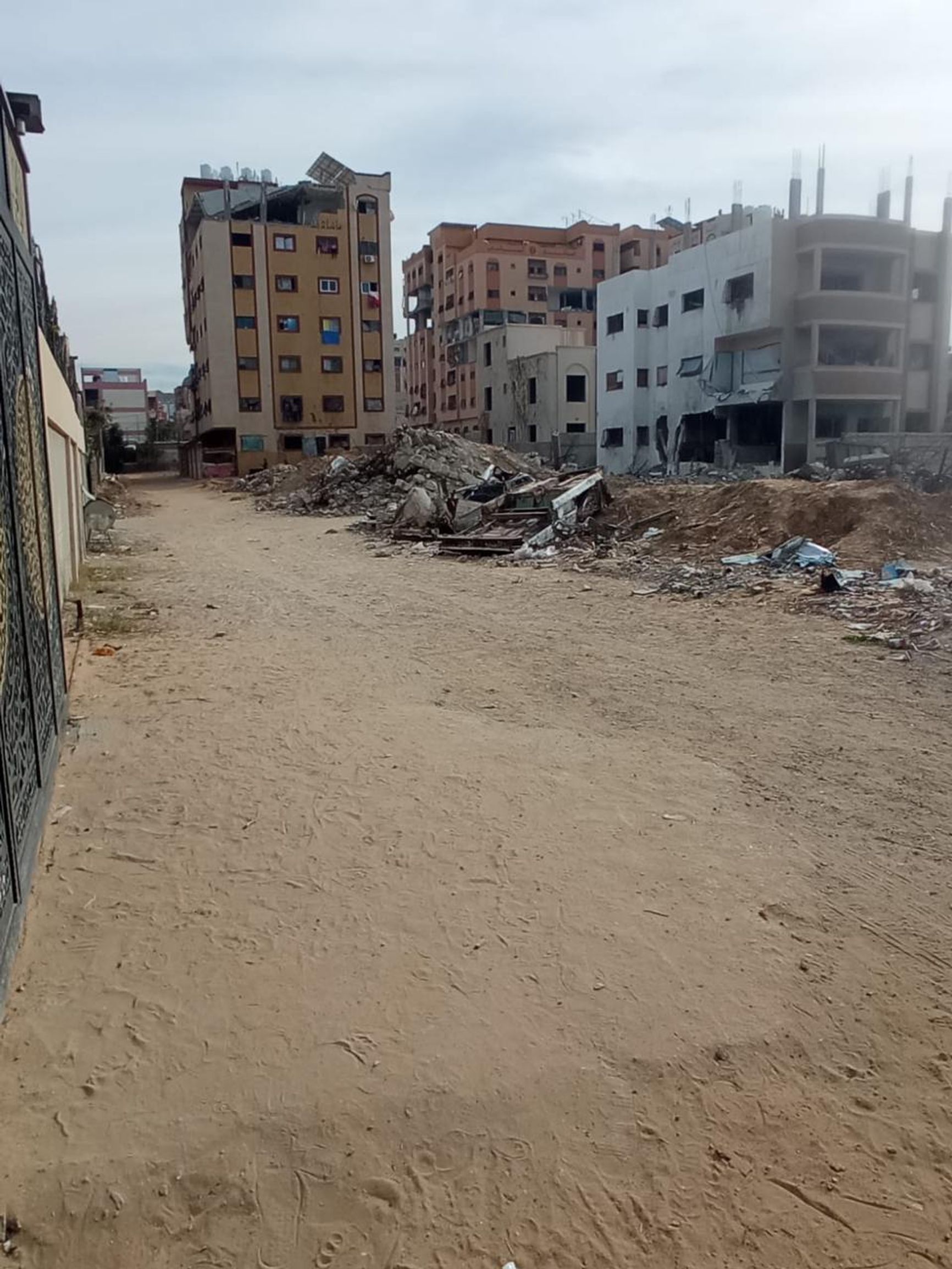
Refugees camp Nuseyrat
Ilham says that with the onset of cold weather it becomes especially difficult, because all the windows in the house are knocked out, warm things are not enough, they are very expensive, so you have to choose between insulation and food.
Three months ago, according to Ilham, the food situation worsened greatly. Now with humanitarian aid they get only canned food - the bakers are closed, and there is almost always no bread. There are also no eggs, dairy products, meat, vegetables and fruits. In the black market, prices are almost inaccessible. There is no water in the house, it must be worn from afar. There is no gas, so they cook on fire.
A comprehensive classification of food security stages, used by the UN for checks of the state of food security around the world.
The Philadelphia Corridor is the border between the gas sector and Egypt, the sandy corridor with a length of about 14.5 km and a few hundred meters wide. It begins on the territory of Israel near Kibutz Kerem Shal, passes through the Rafach divided into two parts (western and eastern) and ends near the ruins of the Jewish settlement of Rafiah, demolished after the Israeli departure from Gaza in 2005. In May 2024, the IDF completed the capture of the corridor during the offensive on RAFA during the operation "Iron Swords".
The 143rd Division in the south of Gaza and in the Rafakh area, the 99th division in the central part of the sector and in the Corridor Nechaim and the 162nd division in the northern part of the Gaza.
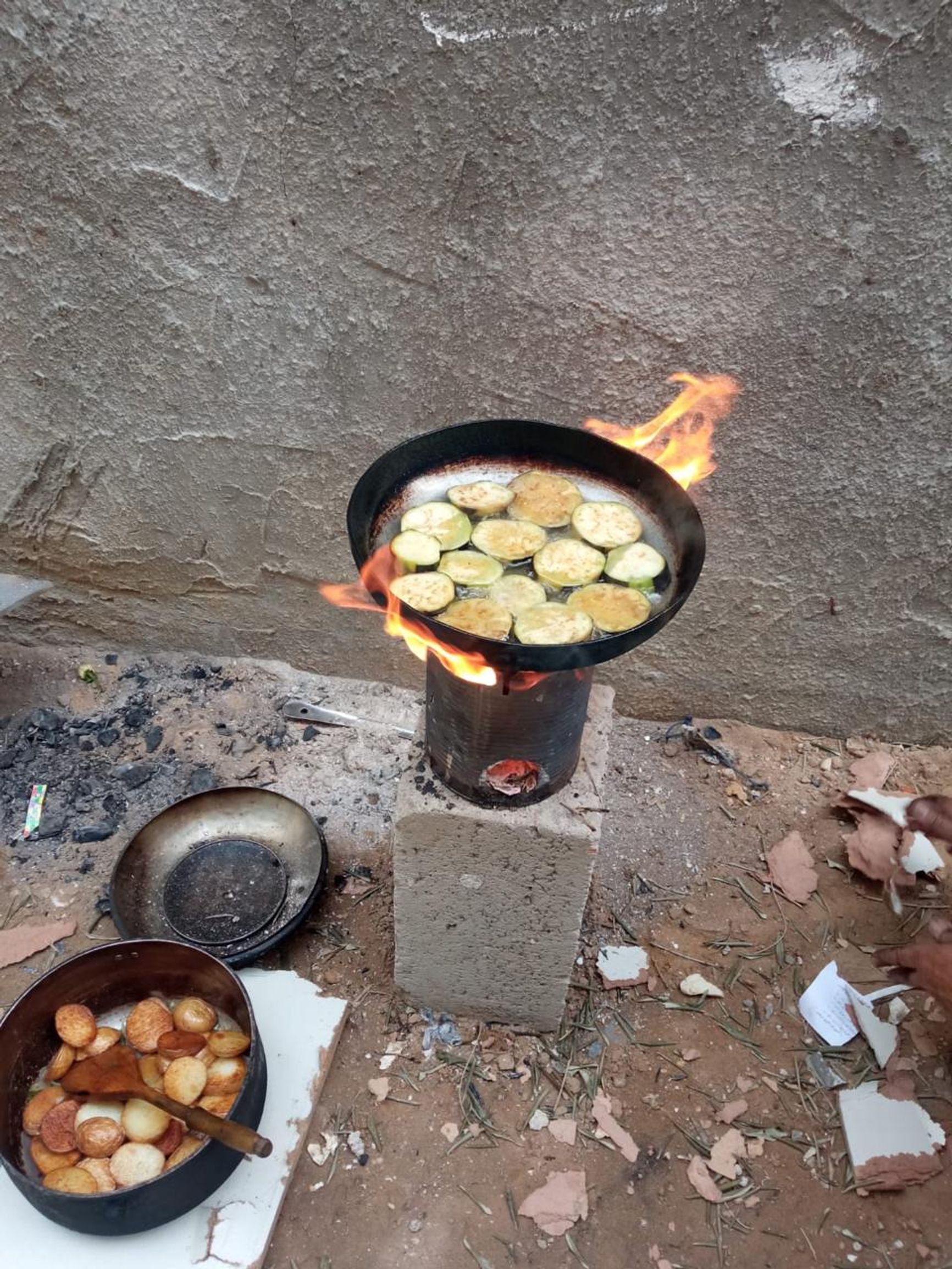
According to Ilham, in pharmacies it is not always possible to get even the simplest painkillers. Ilham gets medicines for the sick daughter with great difficulty in the black market. According to her, Israel does not miss these specific drugs in gas at all. The Insider requested Cogat about these drugs, the Israeli authorities deny that they are prohibited for import.
When asked who she blames in this situation, Ilham replies that both Hamas and Israel are to blame:
“I have never supported Hamas. Hamas does not appreciate human lives at all - neither Israeli nor ours. They made a mistake on October 7 and did not take into account that innocent people would pay for their stupidity. Israel, on the one hand, always treated us, ordinary peaceful people, is very unfair, but on the other hand, we could work in Israel and be treated. We had at least some life, but now because of Hamas and Israel it is over. We are constantly shaking in our lives, because the approach of the Israeli army is always accompanied by strong shelling. We starve, freeze, sick, die, remain without a roof over our heads. ”
Ilham claims that she is not worried, what will happen to the gas after the war: “If the war someday ends, I will take my family from here. We have no life here, but my children have no future here. I don't care what will happen in gas. ”
Ex-head of the NSB Iland: "The meaningless death of our soldiers and civilians of Gaza"
In Israel, they often say that the actions of the IDF in Jabalia, Beit Lahia and Beit Khanna are part of the so-called “General Plan”, or “Iland's Plan”.
The architect of this plan, the former head of the Israeli National Security Council, Major General Hyor Ayland denies in an interview with The Insider that what is happening in the north of Gaza is part of the plan promoted by him. According to him, the “general of the generals” was to cut off the north of the gas sector from humanitarian aid, but to provide all civilians with unlimited access to the humanitarian corridors so that they had the opportunity to leave.
Then, according to Iland, it will be possible to take terrorists in the ring, “like the Germans near Stalingrad,” and completely block the supply of water and other means necessary for life. The terrorists according to this scenario will have to surrender or die, and then the IDF will take the empty north of the Gaza and the Hamas Ultimatum will put: the territory in exchange for hostages.
“Israel in the gas sector had three goals: to destroy Hamas’s military capabilities, to return the hostages and overthrow Hamas' power. The first goal after 14 months of the war was in many ways, albeit at a great price, achieved. But no one even tried to return the hostages or overthrow the power of Hamas. Because the military pressure cannot lead to this - terrorists do not value their lives or the lives of the civilian population. They are only afraid of loss of territory. Therefore, in exchange for the territory, they would return the hostages. And what we have now is the completely meaningless death of our soldiers and civilians of Gaza, ”says Iland.
A comprehensive classification of food security stages, used by the UN for checks of the state of food security around the world.
The Philadelphia Corridor is the border between the gas sector and Egypt, the sandy corridor with a length of about 14.5 km and a few hundred meters wide. It begins on the territory of Israel near Kibutz Kerem Shal, passes through the Rafach divided into two parts (western and eastern) and ends near the ruins of the Jewish settlement of Rafiah, demolished after the Israeli departure from Gaza in 2005. In May 2024, the IDF completed the capture of the corridor during the offensive on RAFA during the operation "Iron Swords".
The 143rd Division in the south of Gaza and in the Rafakh area, the 99th division in the central part of the sector and in the Corridor Nechaim and the 162nd division in the northern part of the Gaza.
Terrorists are afraid of only loss of territory, says retired General Iland
According to Major General, the main problem of IDF actions in Gaza is a huge difference between the stated and hidden goals of Israel in relation to the sector. If the real goal were to free hostages and overthrow the power of Hamas, then the Israeli authorities would behave completely differently, Iland believes. For example, they would have been looking for a replacement for Hamas power for a long time and would understand that the release of hostages needs diplomatic efforts and concessions, and not military pressure.
“We know for sure that the two parties of the coalition -“ religious Zionists ”and“ Jewish power ” - tend to return Jewish settlements to gas. Half of Lida wants the same, they are completely openly stated about this. I do not begin to judge what the true goals of Netanyahu are, but so far what can be seen with the naked eye is, for example, the area and complete stripping from the local residents of the corridor Netsarim. The corridor, which shares the north of Gaza and the south, is obliged, of course, to run from the Israeli border to the sea, but is completely unable to be 7 kilometers wide. This simply does not need to separate the gases and create humanitarian corridors, ”says Iland.
The area of the corridor Nechaim, where not a single Palestinian is left and all buildings are completely demolished, except for the IDF adapted for the needs, about 15% of the territory of the gas sector.
A comprehensive classification of food security stages, used by the UN for checks of the state of food security around the world.
The Philadelphia Corridor is the border between the gas sector and Egypt, the sandy corridor with a length of about 14.5 km and a few hundred meters wide. It begins on the territory of Israel near Kibutz Kerem Shal, passes through the Rafach divided into two parts (western and eastern) and ends near the ruins of the Jewish settlement of Rafiah, demolished after the Israeli departure from Gaza in 2005. In May 2024, the IDF completed the capture of the corridor during the offensive on RAFA during the operation "Iron Swords".
The 143rd Division in the south of Gaza and in the Rafakh area, the 99th division in the central part of the sector and in the Corridor Nechaim and the 162nd division in the northern part of the Gaza.
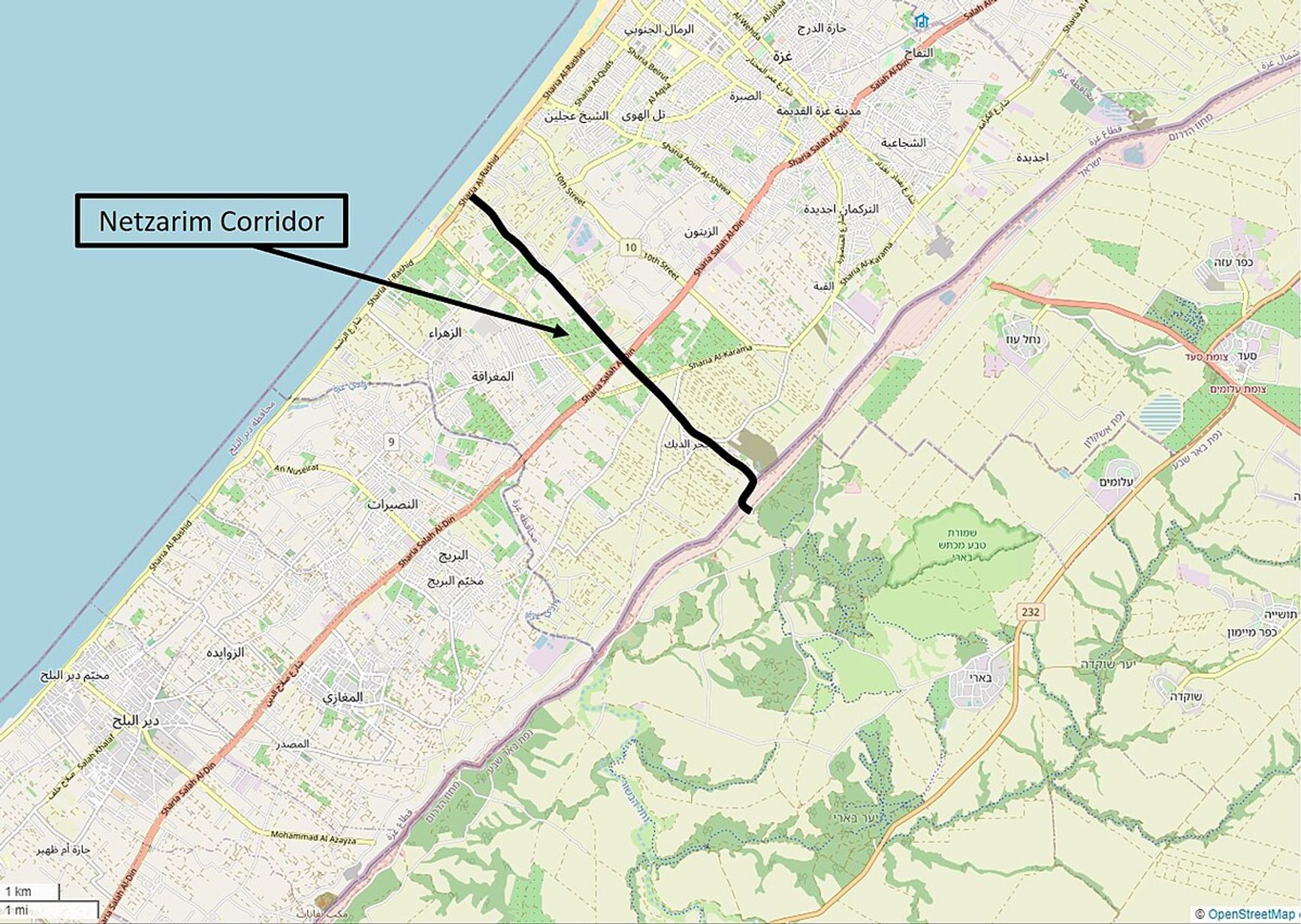
Corridor Netsarim
How to free the hostages?
Over the 14 months of the war, only eight out of about 250 hostages were released as a result of military operations. At the moment, 100 Israeli hostages remain in Gaza. Presumably, several dozen of them are no longer alive. Negotiations on their liberation are ongoing, but Hamas is ready to free them only in exchange for the termination of the war that the Israeli government considers it unacceptable.
Both the former Minister of Defense of Israel, Yoav Galant, and the highest military ranks stated that they did not believe that military pressure could lead to the liberation of Israeli hostages. Galant and sources in the military command also repeatedly stated that they did not consider it correct to leave Netanyahu to leave the Philadelphia corridor to free the hostages.
The Israeli society regarding the liberation of hostages was divided mainly according to an ideological cut. For the majority, supporters of the government believe that this goal is not the main “iron swords” in the war. Those who are convinced that hostages need to be returned at all costs are mainly opponents of the current government. According to a recent survey , 71% of Israelis support the return of hostages at the cost of ending the war in gas.
Recently, in particular, thanks to the pressure of the elected President of the United States, Donald Trump, Israel resumed negotiations on the release of hostages. A partial “humanitarian” release of hostages in exchange for the temporary termination of hostilities in Gaza is now discussing. Hamas is ready to give all the hostages only in exchange for the cessation of the war. The United States, already in the person of the elected president, is trying to put pressure on Israel with the aim of ending the war, but the Israeli leadership continues to talk about the need for military operations “until the final destruction of Hamas” - which specifically means this is not specified.
Assessments of international organizations
According to the report of Human Rights Watch, as of October 2024, about 1.9 million people out of 2.2 million were forced to leave their homes in the gas sector. Human rights activists emphasize that Israel, as an occupying side, is obliged to ensure acceptable conditions for living conditions for life and resort to the forcibly movement of residents of the sector only in cases of necessity, and is also obliged to ensure the safety of displaced persons and their return to their homes. According to the compilers of the report, Israel does not comply with these requirements and its actions are approaching the definition of “ethnic cleaning”.
The last report of the UN Office for Coordination of Humanitarian issues calls the humanitarian situation in a catastrophic gas. Due to the fact that the inhabitants are not and are under unsanitary conditions, the medical needs of the sectors are growing, and the possibilities of hospitals to cope with this are more and more insufficient. According to UNICEF, 100% of children aged 6 to 23 months, as well as pregnant and nursing women in gas cities, Deir El Balah and Han-Junis do not receive nutrition necessary for healthy development. The level of violence, female and children's prostitution is growing. Half of the gases are closed, the rest (in particular, data on the Kamal Aduan hospital) lacking electricity, medical equipment and incubators.
In an interview with The Insider, representatives of the Israeli authorities say that IPC reports since the spring of 2024 has reported the “danger of hunger in gas”, but the hunger in the sector has not yet been, which, according to the interlocutors of The Insider, completely discredit these statements . Human rights activists, however, say that hunger is already observed in certain areas of Gaza, and when the state of hunger will be announced throughout the sector, it will be too late to save the situation.
A comprehensive classification of food security stages, used by the UN for checks of the state of food security around the world.
The Philadelphia Corridor is the border between the gas sector and Egypt, the sandy corridor with a length of about 14.5 km and a few hundred meters wide. It begins on the territory of Israel near Kibutz Kerem Shal, passes through the Rafach divided into two parts (western and eastern) and ends near the ruins of the Jewish settlement of Rafiah, demolished after the Israeli departure from Gaza in 2005. In May 2024, the IDF completed the capture of the corridor during the offensive on RAFA during the operation "Iron Swords".
The 143rd Division in the south of Gaza and in the Rafakh area, the 99th division in the central part of the sector and in the Corridor Nechaim and the 162nd division in the northern part of the Gaza.
Articles on the topic
Slow -out deal: negotiations with Hamas split Israel and led to an unprecedented crisis
Underground wars. How Israel storms the tunnel system in the gas sector - the last stronghold of Hamas
We really need your help
Sign up for regular donations