
Translated material
State Duma on Cross Protection
Russian legislation continues to be rapidly “churching”. Removing crosses from logos and banknotes can equate with "insulting the feelings of believers"
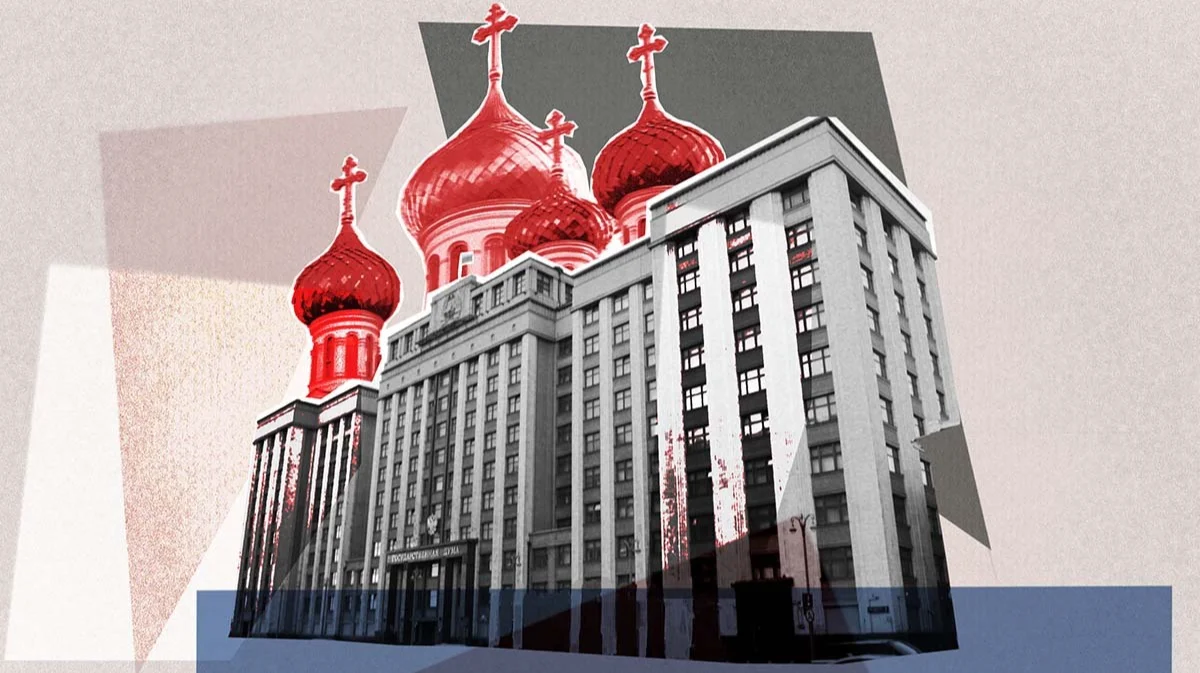
Collage: Alisa Krasnikova / "New Gazeta Europe"
The chairman of the State Duma Committee on the Development of Civil Society, issues of public and religious associations by Yana Lantratov, which is part of the Fair Russia faction, promised on April 1 to begin the process of “legislative protection” of the images of the cross on official symbols and commercial logos. Thus, she supported the call of the official speaker of the Russian Orthodox Church, the deputy chairman of her synodal department on the relationship of the Church with society and the media of Vakhtang Kipshidze on the eve of the ongoing “legislatively prohibit the“ legislatively prohibiting crosses from the images of temples ”with any public use of these images.
The representative of the Russian Orthodox Church turned to the interface group of the State Duma to improve the legislation on the protection of Christian values, which is headed by the Vice Speaker, and in the recent past, the Russian children's Ombudsman Anna Kuznetsova, the wife of the priest of the Penza diocese of the Russian Orthodox Church. The group considers its main task an examination of bills and law enforcement practice for their compliance with the Decree of the President of the Russian Federation of November 9, 2022 on traditional spiritual and moral values. The predecessor of the group of Anna Kuznetsova in past convocations of the State Duma was an inter -fractional group for the protection of Christian values, which was headed by a communist (!) Sergey Gavrilov, who had been in his “jealousy of Orthodoxy” to a high international post of the President of the Inter -Parliamentary Assembly of Orthodoxy. The activities of the group were blessed by Patriarch Kirill (Gundyaev), she took the most active part in the development of bills on the ban on the “propaganda of LGBT”, surrogate motherhood for foreigners and “clogging” of the Russian language with the words of foreign origin.
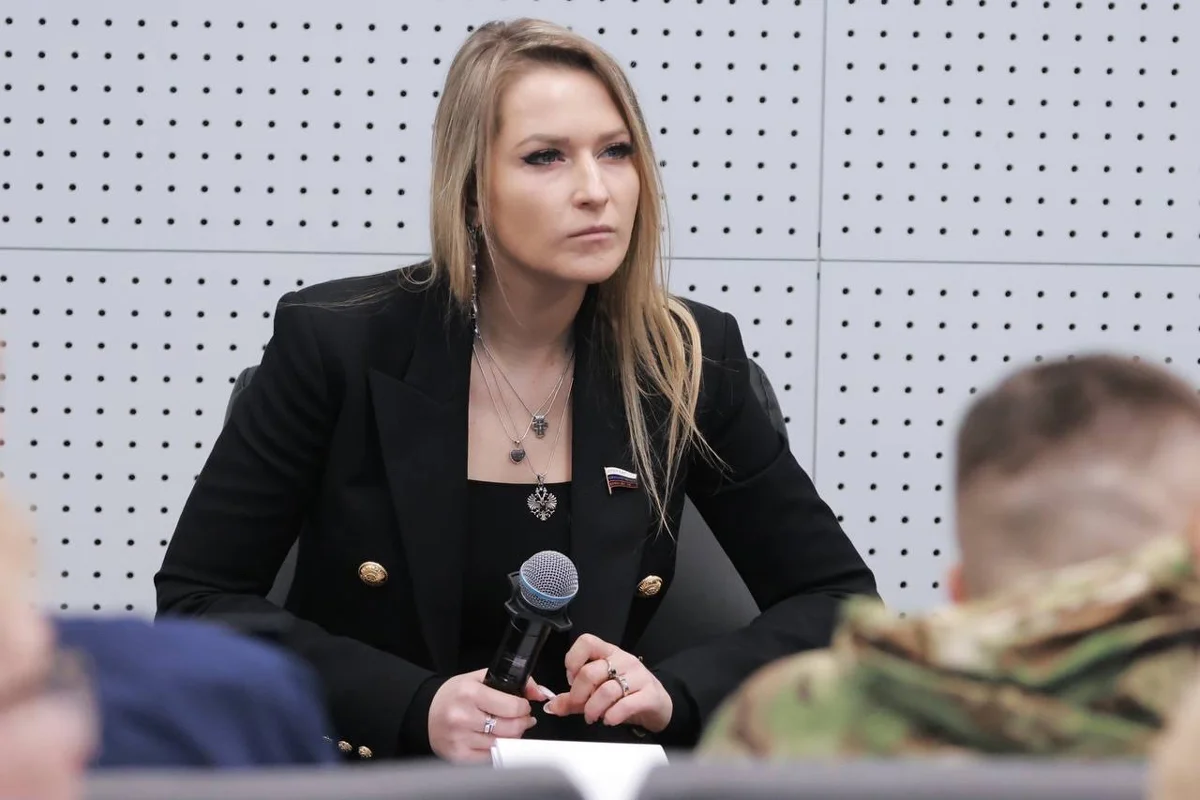
Yana Lantratov seems to be trying to intercept the initiative in the “Protection of Orthodoxy” from the interfacing group. She calls the removal of crosses on any publications with domes "an insult to the feelings of millions of believers, direct encroachment on traditional values and the historical, cultural heritage of Russia." In the new bill, Lantratov promised "to clearly indicate that such actions are unacceptable and will have legal consequences." Unlike their more successful like-minded people, Kuznetsova and Lvova-Belova, 36-year-old Yana Lantratov was never a priest’s wife and did not even sing on the Church. She graduated from the Journalism faculty of St. Petersburg State University in 2011 and began her career in the “Young Guard of United Russia”, close to its leader Timur Prokopenko, now the deputy chairman of the internal policy of the President of the Russian Federation. But the young Lantratov “Church” another man-the then deputy of the Legislative Assembly of St. Petersburg Vitaly Milonov, fixed on the problems of LGBT and having the rank of reader (lower cleric) in the Russian Orthodox Church. Probably, on the advice of Milonov Lantratov, she created in the mid-2010s the “Monitoring Center for Violations of Children's Rights, the Control of the spread of children's pornography and pedophilia”, which was accused of using minor pupils of the Moscow Correctional Boarding School No. 62, orphans, “Catching pedophiles for bait bait”:
The children entered into correspondence with the alleged pedophiles and even met with them, trying to provoke them to sexual actions that could be based on criminal cases.
Later, Lantratova denied the involvement of minors in such practices and assured that “fishing for bait” was carried out with the knowledge of law enforcement agencies, but the head of the children's department of the Moscow Research Institute of Psychiatry Viktor Krasov called any involvement of children in such practices in psycho -trauma, which entails “post -traumatic stressful disorders, depression, intrusively fears ". “This way of capturing the alleged criminals is immoral, immoral and, in my opinion, criminal,” the scientist said. In general, as usual, the most worthy folk chosen ones rise to protect the cross and great spiritual and moral values in Russia.
Who does not like the cross
Paradoxically, but the fact: while the Russian Orthodox Church and the State Duma are fighting for the inviolability of the cross on official symbols and logos, other institutions of the Russian authorities, starting with the president (!), Denke it. About eight years ago, a group of designers hired by the government consisting of Artem Geller, Sergei Shapiro and Mikhail Zhashkova developed an official digital emblem of the Russian Federation for the placement for the Stateities. Today it decorates many official Internet resources-for example, the website of the President of the Russian Federation and the website of the Federation Council. On the emblem adapted for electronic devices, it is impossible to discern a single cross, in the best case they are replaced by cherries that crown three crowns, a scepter and a power. In the original version of the coat of arms, mechanically borrowed in the 1990s from the Russian Empire, where Orthodoxy was a state religion, at least five crosses. In a larger resolution, the replacement of the cross with a rhombic can be considered on the coat of arms that is part of the emblem of the Federal Agency for Nationalities. According to representatives of the Ministry of Communications, the digital coat of arms was developed at the initiative of this department and was freed from "part of small details that interfere with the perception of the symbol as a whole."
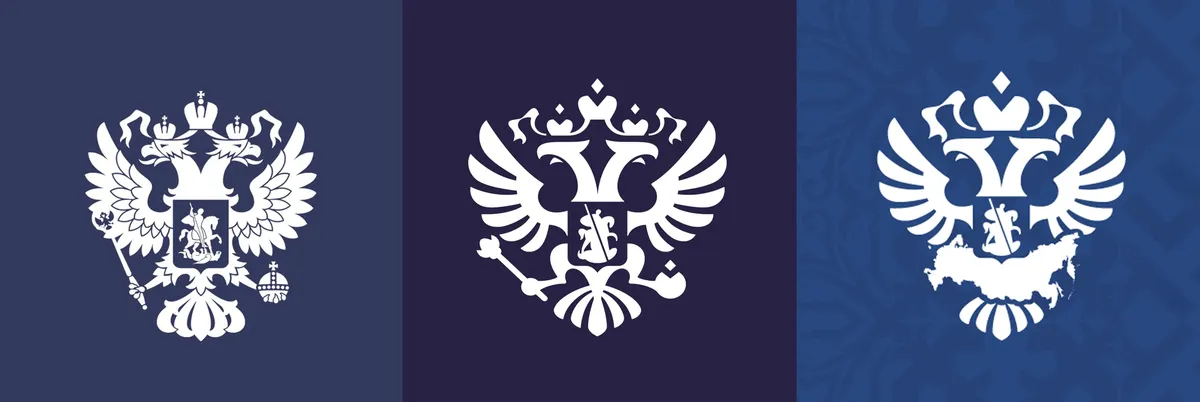
Suppose such a stylization can be justified by the adaptation of the coat of arms to small screens of smartphones, but, for example, here
On this New Year, the Presidential Administration of the Russian Federation issued posters of the Kremlin Christmas tree, in the center of the composition of which is the temple of Vasily Blessed. There is no cross on any of his domes on the poster.
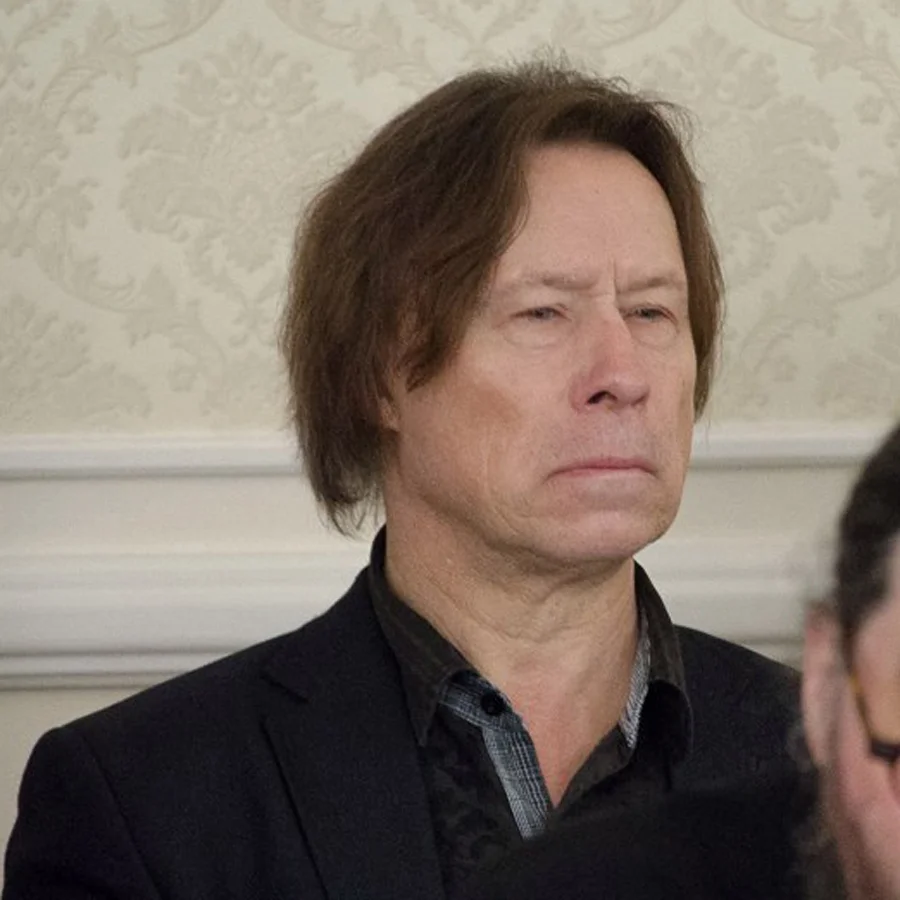
The chairman of the “Union of Orthodox Citizens” Valentin Lebedev suspects that the Kremlin has a certain “lobby that is deliberately involved in“ Cross -assembly ”,” the Satanists settled in short. When Philip Kirkorov organized (after the beginning of his ") loud celebration of his 55th anniversary in the Kremlin Palace, he performed one of the songs, climbing the stylized cross. “The political manifestation in the form of the violation of the Cross of the Lord,” said Valentin Lebedev, took place in the presence of the “almost all of the“ elite ”of Russia, which monopolized cultural policy in our country. There was also a press secretary of the president Dmitry Peskov in the hall. ” The leader of “Orthodox citizens” is confident that “such a manifestation, carried out right in the heart of Russia, in the Moscow Kremlin, where the Russian kings were anointed and the patriarchs were dedicated to all Rus', it would be impossible without the support of influential political forces.” However, the official Russian Orthodox Church then said nothing.
Do not desecrate the cross with money ...
But she actively connected to the “discussion” around the new design of a thousand -ruble bill - hardly the most running in Russia. In the fall of 2023, the Bank of Russia approved and even launched this bill, but was soon forced to stop the issue. Only single specimens, which are now highly appreciated in the numismatic, more precisely, bonistic market, fell into the revolution. The cheese-brow arose due to the fact that the bill of Kazan Kremlin with the Palace Vvedensky Church of the XVIII century and Tower Suyumbike, built during the Kazan Khanate, was on the bill. In the image, both objects are deprived of any religious symbols.
If the domes of the Palace Church, now included in the complex of buildings of the residence of the head of the Republic of Tatarstan, really now have no crosses, then a crescent is installed on Suyumbik’s spire, wiped with designers for political correctness.
The deputy chairman of the Bank of Russia Sergey Belov commented on the results of the “discussion” around the bill: “We decided to refuse to image religious objects. We will preserve this principle for other banknotes that we have to modernize. Still, Russia is a multinational, multi-confessional country. People with different unique traditions live in it, people who profess different religions. ”
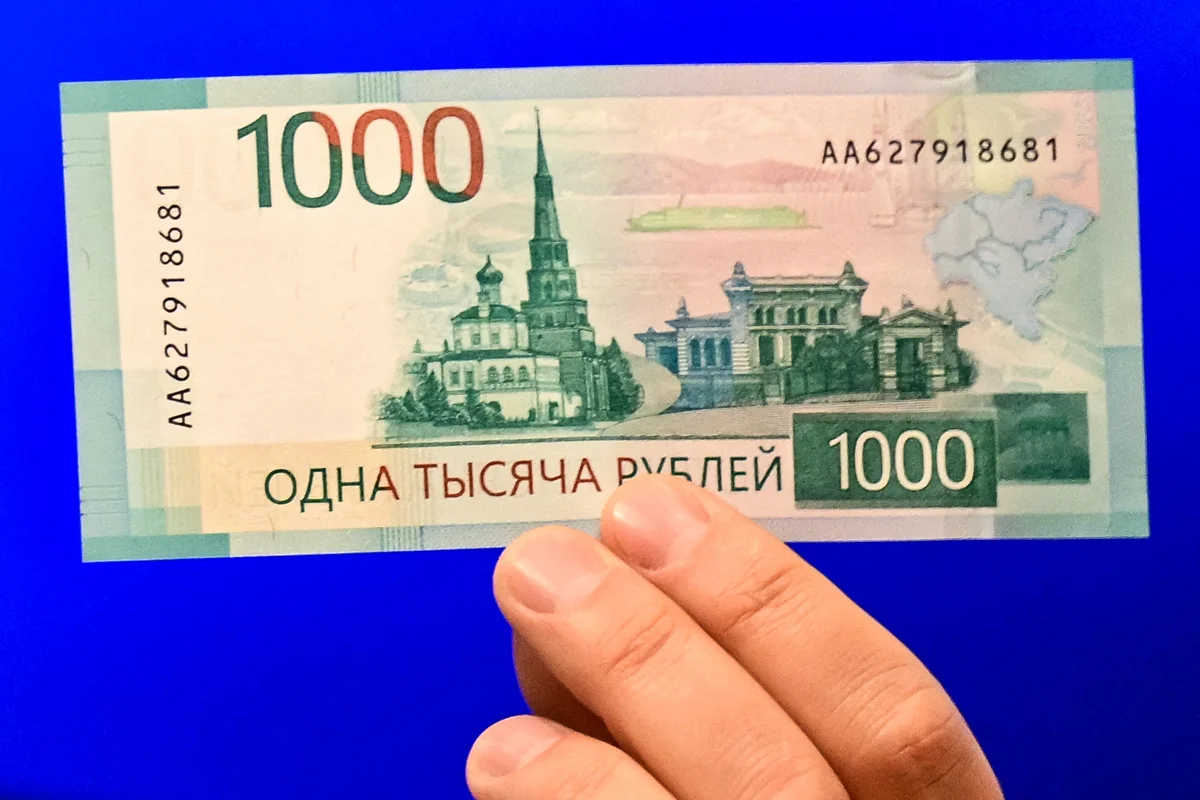
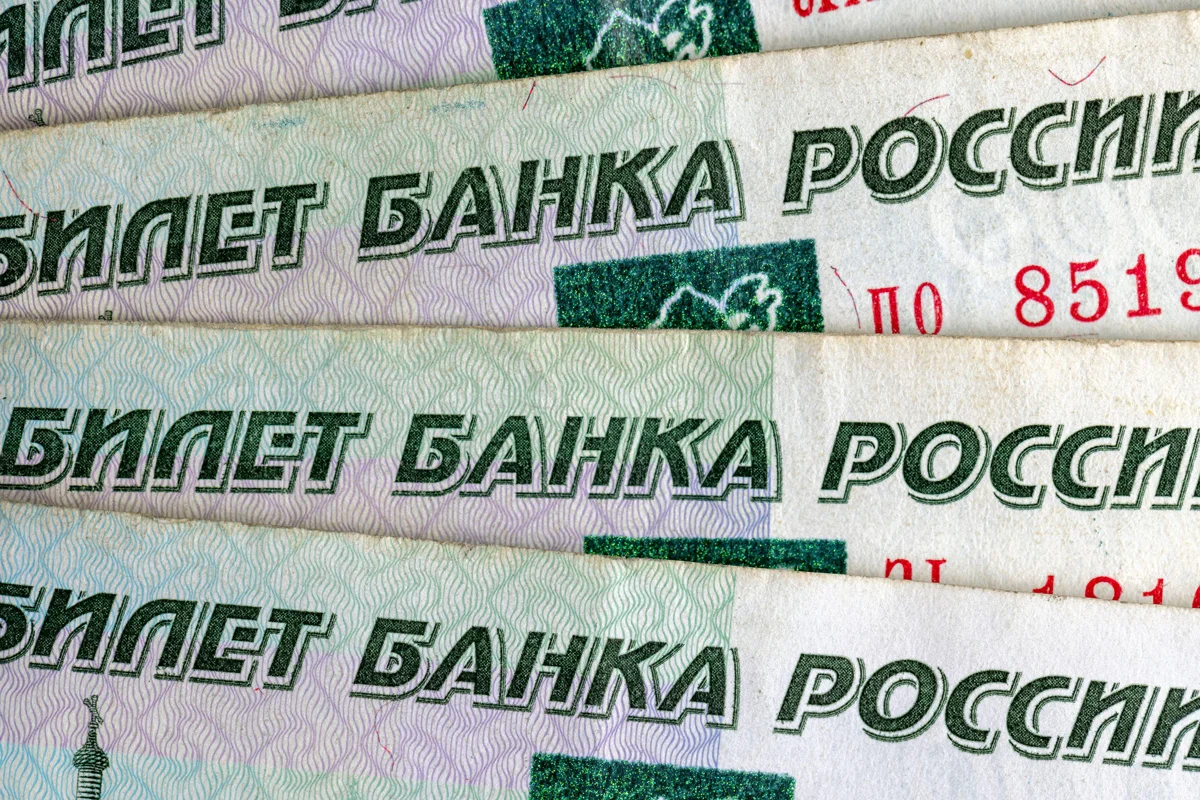
The fact is that the “Orthodox community” in the person of both the Paramilitarian Group “Forty Sorokov” or the Malofeevsky “Tsargrad” movement, and the official patriarchy, in the person of the men of the Archbishop Savva (Tutunov) demanded the dome of the Crosses on the domes of the palace church on the bill. Say, on the produced for more than a quarter of a century a thousand -ruble crosses on the domes of the Yaroslavl Church of John the Baptist there are - there must be a new one. From the point of view of the Orthodox doctrine, such a position was criticized by the former leader of the “Orthodox Corps” of the Movement “Our”, a former member of the Public Chamber of the Russian Federation, candidate of historical sciences Boris Yakemenko . “Orthodox know about the need for a respectful attitude to any sacred image,” he wrote. - The calls were repeatedly heard not to sculpt without the need for the image of temples and saints on bags, boxes and wrappers. There is a commandment “Do not remember the name of your God in vain” - one of its forms is “Do not portray the shrine” ... From childhood, everyone knows that money is the dirtiest object of all with which they have to deal with the everyday life. Dirty literally. Done, get dirty, go from hand to hand. The fact that according to the crosses, in the temples are very different, sometimes very dirty (in every sense) fingers will fingers, money is torn, deteriorating, the chickens are not embarrassed? The shrine is not offended? "
"Crunching" walks around Russia
Around the same time, when passions around the bills flared up, the vigilant “Orthodox community” noticed the disappearance of the cross from the official symbol of the Novgorod region - the Millennium of Russia monument (it was also depicted on the five -ruble banknote of the 1997 model), erected in 1862 and almost destroyed by the Soviet regime. According to Archpriest Andrei Novikov, who fled from Odessa to Moscow, now an employee as an abbot of the Putin’s parish temple, the Trinity Church on the Sparrow Hills, social activists from the Russian Orthodox Church managed to return crosses on the emblem of the Novgorod region. “However,” said Archpriest, “this was done only after the scandal, the mass public requirements of the Orthodox-patriotic community. But if there were no indignation, everything would be left as it is. The massiveness of such messages (within literally a few days) about the removal of crosses from temples and monuments on various emblems and in socio-agility materials (Novgorod, Moscow, St. Petersburg, Khabarovsk) ”is disturbed.
Indeed, during 2024 several scandals of this kind flashed in various regions of the country. The administration of the Stavropol Territory issued the official video “We are a single country”, which was played in the lessons of “patriotic education” in all educational institutions of the region.
Different Orthodox churches periodically fall into the frame, but the crosses on them are professionally covered with video editing means.
According to the results of the 2023–2024th school year, the Department of Education of Sevastopol issued diplomas to the distinguished schoolchildren, on which crosses from the domes of the Vladimir Cathedral in Chersonesos-one of the key symbols of Putin's expansion were erased. In Vladimir near the Assumption Cathedral of the XII century, museum workers, with the support of the Ministry of Culture of the Russian Federation and TASS, established its tactile model for blind people. However, here they managed to “insult feelings”: instead of crosses on the domes, small balls were installed.
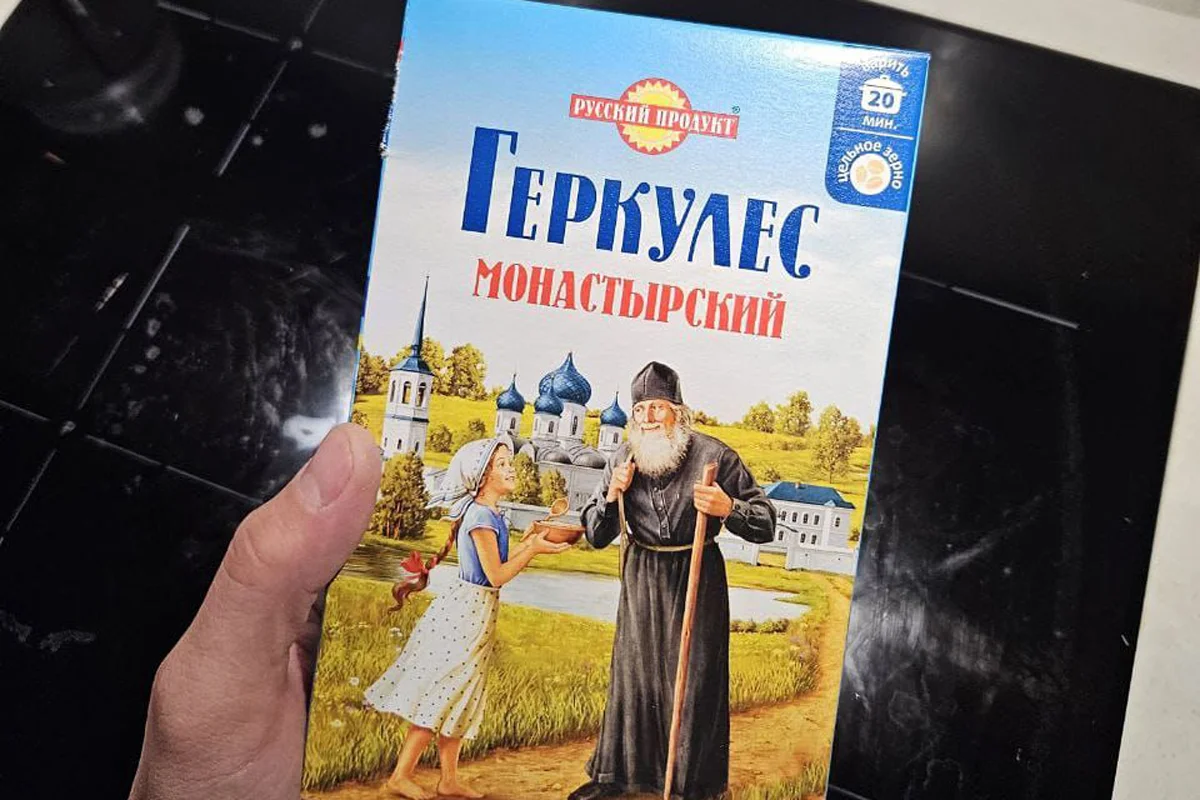
If the authorities do this, then what about business? Here, washing the crosses from the dome became so massive that there is involuntarily suspicion: maybe the entrepreneurs, on the contrary, sought not to touch the wounded “feelings of believers” by the fact that the image of the cross on the packages could be in the garbage, struck their feet and generally desecrate in all ways? But the “feelings of believers” were still offended : complaints and even claims against manufacturers, for example, “Monastyrsky Hercules” from the company “Russian Product” or condensed milk from the Vologda dairy products company, rained down. The unification of active supporters of the “Third Power”, which was created six months ago, decided to purposefully monitor each fact of “erasing the crosses”, calling for the boycott of “cruciferous goods”.
Crosses are "enemy"
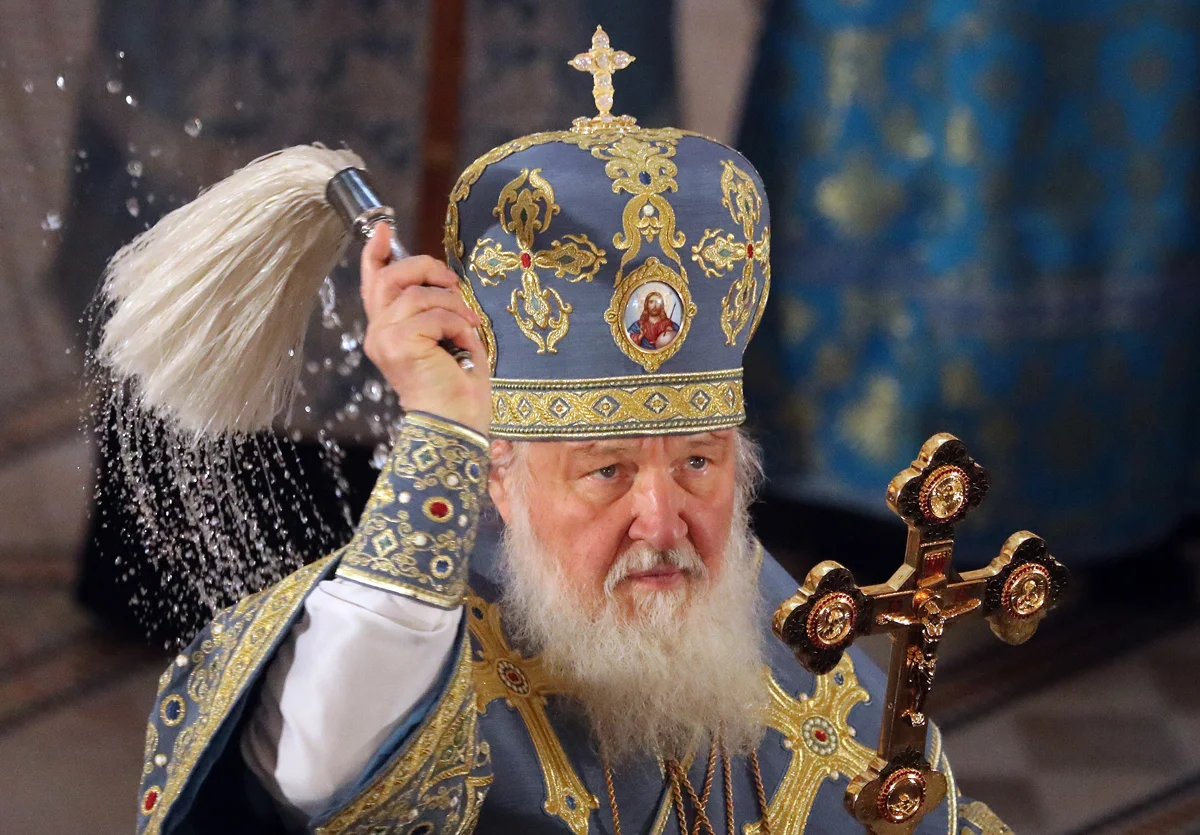
The problem was “noticed” by Patriarch Kirill (Gundyaev), speaking on January 28 at the XXXIII International Christmas Educational Readings in Moscow. “Crosses on the images of temples and even in state symbols are bashfully grinning,” he said. “Although you need to be ashamed of not a cross, but your rootlessness and unconsciousness ... As a spell, they repeat the idea that Russia is“ multinational and multi -confessional ”. And who would argue with this, if in practice this formula had not turned into an attempt to reformat our Fatherland into non -rational and non -confessional. ”
The inconsistency of such statements by the Constitution and the laws of the Russian Federation, which determine the secular character of the Russian state and the equality of all religious organizations before the law, does not need to be proved - it is obvious. Another thing is more interesting: protecting the image of the cross with one hand and trying to “church” all spheres of state and public life, the “other hand” of the Russian Orthodox Church is fighting with the same cross if its confessional competitors begin to use it. There are no longer experiences regarding the “trampling of the shrine” or “insulting feelings”.
After all, only the religious feelings of adherents of the Russian Orthodox Church deserve respect, and maybe to some extent those “traditional denominations” with which it is friends. The rest do not deserve!
The “Orthodox community” did not respond to the demolition “by decision of the courts” of the Mikhailo-Arkhangelsk monastery of the True Orthodox Church in the Penza region or the Trinity Church of the Orthodox Church of Ukraine in Noginsk near Moscow. In both cases, the crosses dropped from the domes were not only trampled, but the icons and religious literature were also defiled-quite in the style of militant godlessness of the 1920-1930s. In ancient Suzdal, under the pressure of the Russian Orthodox Church, the authorities immediately selected 11 temples from the “alternative” Russian Orthodox Autonomous Church, which were kept in perfect order. So many temples (in the appendage to the ROC already available in the city) is not necessary objectively - and after the expulsion of the “schismatics”, most of them were abandoned and began to collapse again.
Russian propaganda oriented towards “traditional values”, including “Orthodox”, even incites hatred for the cross - however, in strictly agreed cases: if it is depicted on German tanks and other equipment transmitted by the Armed Forces. By the way, the cross is the basis of the official symbols of the Armed Forces of Ukraine, which distinguishes it from the symbols of the RF Armed Forces, where Soviet Red Army symbols are more popular than religious ones.
In a word, the passions around the cross, heated by the “Orthodox public” and Russian propaganda, have nothing to do with a genuine religious feeling, and serve only to a tool for flushing the brains and the notorious “patriotic mobilization”.
The political regime that does not know how and cannot ensure human rights and freedoms is not able to take religious feelings and beliefs seriously.